Fashion accessories are essential elements in the fashion design industry, serving to complement and enhance apparel while expressing individual style. In Kenya's vibrant fashion scene, designers must skillfully create accessories that resonate with local cultural influences and global trends. Understanding fashion accessory patterns is fundamental for designers to develop unique, marketable products that meet consumer demand. This chapter explores the creation and application of patterns specifically for fashion accessories, equipping students with practical skills for professional success.
2.1 Fashion Accessories Patterns
Fashion accessory patterns are templates or guides used to cut fabric or other materials into shapes that form components of accessories such as bags, belts, hats, and jewelry. Mastering pattern creation allows designers to replicate designs accurately and innovate with shapes and sizes. In Kenya's competitive fashion market, patterns help maintain quality and consistency across production batches, particularly for accessories targeting local and international customers.
Purpose and Importance of Fashion Accessories Patterns
The use of patterns in fashion accessory design serves multiple critical functions that impact the production process and product quality. Understanding these purposes helps designers appreciate why pattern making is foundational to accessory development.
Purpose of Fashion Accessories Patterns
- Ensuring Consistency in Production: Patterns provide precise templates, enabling consistent reproduction of accessory components, crucial for maintaining brand reputation in fashion outlets like Nairobi’s boutique stores.
- Facilitating Efficient Material Use: Accurate patterns help minimize fabric waste by optimizing layout during cutting, an important cost-saving practice for small-scale designers and cooperatives.
- Enabling Design Replication: Patterns allow designers to recreate successful accessories without redesigning from scratch, supporting scalability and meeting growing demand in markets such as county government uniform suppliers.
- Supporting Customization and Variation: Patterns can be modified to develop multiple accessory styles from a base template, offering flexibility for designers to cater to diverse customer preferences.
- Streamlining Communication in Production: Clear patterns act as a universal language between designers and artisans, ensuring that production teams in workshops or factories understand design specifications precisely.
Importance of Fashion Accessories Patterns
- Quality Control: Consistent use of patterns ensures every accessory meets design standards, critical for retailers like hotels and banks that require uniformity in staff accessories.
- Time Efficiency: Patterns reduce trial and error during production, accelerating the manufacturing process and enabling faster turnaround times in competitive fashion markets.
- Cost Management: By reducing errors and material waste, patterns contribute to better budget adherence, a vital factor for emerging designers managing limited resources.
- Innovation Foundation: Patterns provide a structured starting point from which designers can experiment with new accessory shapes and styles, fostering creativity within manageable production constraints.
- Market Competitiveness: High-quality, consistent accessories designed using patterns enhance brand image and customer satisfaction, important for Kenyan designers expanding into regional markets.
Types and Characteristics of Fashion Accessories Patterns
Fashion accessory patterns vary by design complexity, material, and intended accessory, each type suited to different production needs. Recognizing these types helps designers select appropriate methods for their projects.
Types of Fashion Accessories Patterns
- Flat Patterns: These are two-dimensional templates drawn on paper or cardboard, commonly used for belts, wallets, and simple bag panels. They are easy to create and modify.
- Draped Patterns: Created by draping fabric on a mannequin to achieve three-dimensional shapes, often used for hats and sculptural accessories, offering organic and custom fits.
- CAD Patterns: Digital patterns developed using computer-aided design software, enabling precise measurements and easy adjustments for mass production.
- Composite Patterns: Patterns that combine multiple pieces to form complex accessories like multi-pocket bags or layered jewelry, requiring careful assembly instructions.
- Reusable Patterns: Durable templates made from plastic or metal used in workshops for repeated cutting, ideal for bulk production of standardized accessories.
Characteristics of Fashion Accessories Patterns
- Accuracy: Patterns must reflect exact measurements and proportions to ensure fit and function, especially important in accessories like gloves or fitted belts.
- Clarity: Clear markings, including seam allowances, grain lines, and notches, are essential for correct assembly and alignment during manufacturing.
- Scalability: Patterns should be adaptable to different sizes or styles, enabling designers to cater to a wider customer base without redesigning from scratch.
- Material Compatibility: Patterns must consider the properties of materials used, such as flexibility or thickness, to ensure the accessory’s durability and appearance.
- Ease of Use: Well-designed patterns facilitate efficient cutting and sewing processes, reducing production time and errors in artisan workshops or fashion training institutions.
Techniques for Creating Fashion Accessories Patterns
Developing patterns for fashion accessories involves a series of creative and technical steps that require precision and understanding of materials. Mastery of these techniques enables designers to bring concepts to tangible products.
Steps in Creating Fashion Accessories Patterns
- Research and Conceptualization: Begin by gathering inspiration and defining the accessory’s purpose, style, and target market, such as designing eco-friendly bags for Nairobi’s retail shops.
- Sketching Initial Designs: Draw rough sketches to visualize shapes and dimensions, incorporating practical elements like closures or straps.
- Taking Accurate Measurements: Measure body parts or accessory dimensions relevant to the design, ensuring the pattern will fit the intended user or item.
- Drafting the Pattern: Use paper or digital tools to create templates based on sketches and measurements, marking seam allowances and cutting lines.
- Creating a Prototype: Cut and assemble materials using the pattern to test fit and function, adjusting the pattern as necessary to improve design.
- Finalizing the Pattern: Refine and standardize the pattern for production, including labeling parts and adding detailed instructions for assembly.
Techniques to Enhance Pattern Accuracy
- Use of Grids and Rulers: Employ precise measurement tools to maintain symmetry and proportion during drafting.
- Mock-ups with Muslin Fabric: Construct test models with inexpensive fabric to identify design flaws before cutting expensive materials.
- Digital Pattern Making Software: Utilize CAD programs to create scalable and modifiable patterns, improving efficiency for larger production runs.
- Incorporation of Notches and Grain Lines: Mark these features clearly on patterns to guide correct fabric orientation and assembly.
- Consultation with Artisans: Collaborate with skilled craftsmen to ensure patterns translate well into physical accessories, especially for complex designs like leather handbags.
Challenges and Solutions in Using Fashion Accessories Patterns
Pattern making for fashion accessories presents unique challenges related to material constraints, design complexity, and production scalability. Addressing these challenges is essential for successful accessory development.
Challenges in Using Fashion Accessories Patterns
- Material Variability: Different materials behave uniquely during cutting and assembly, which can distort patterns if not accounted for, such as stiff leather versus soft fabric.
- Complex Shapes: Three-dimensional and asymmetrical accessories require advanced pattern techniques that can be difficult for novice designers.
- Size Standardization: Creating patterns that fit diverse user sizes without compromising design integrity can be challenging, especially for wearable accessories.
- Resource Limitations: Small-scale designers may lack access to digital tools or quality materials, hindering pattern accuracy and production quality.
- Communication Gaps: Misinterpretation of pattern markings by production teams can lead to assembly errors and wasted materials.
Solutions to Overcome Pattern Making Challenges
- Material Testing: Conduct preliminary tests on materials to understand their behavior and adjust patterns accordingly.
- Continuous Learning: Invest in training on advanced pattern making techniques, leveraging workshops or online courses to build skills.
- Modular Pattern Design: Develop patterns in interchangeable parts to accommodate size variations and simplify adjustments.
- Affordable Technology Adoption: Utilize open-source or low-cost digital tools to improve pattern precision without high investment.
- Clear Documentation: Provide detailed pattern instructions, including diagrams and labels, to facilitate accurate communication with production teams.
2.1.1 Develop Fashion Accessories Patterns
Developing patterns for fashion accessories is a vital skill for designers seeking to translate creative ideas into tangible products. In Kenya’s dynamic fashion industry, where local artisans and designers often blend traditional and contemporary styles, precise pattern development ensures that accessories such as hats, bags, belts, and jewelry components fit well, function effectively, and appeal to target markets. This process requires understanding the accessory’s form, material behavior, and construction techniques, particularly when working with diverse materials like leather, textiles, beads, and metals commonly used in Kenyan fashion.
Understanding the Role of Patterns in Fashion Accessories
Patterns serve as templates that guide the cutting and assembly of accessory components. Unlike garment patterns, accessory patterns often involve shapes that are three-dimensional or require special construction methods. For example, a leather handbag pattern must consider seam allowances, lining, and reinforcements to maintain structure. In Kenyan fashion hubs such as Nairobi and Mombasa, designers rely on accurate patterns to mass-produce accessories while maintaining quality and consistency.
Purpose of Accessory Patterns
- Blueprint for Production: Patterns provide a precise guide that ensures each piece of the accessory is cut to exact dimensions, minimizing waste and errors.
- Ensuring Fit and Function: Properly developed patterns account for how materials behave, ensuring the final accessory fits the intended use and user comfortably.
- Facilitating Mass Production: Standardized patterns enable replicability, which is essential for designers working with factories or artisans in cooperatives.
- Supporting Design Innovation: Patterns allow experimentation with shapes and structures, enabling designers to innovate while maintaining practical assembly.
- Cost Efficiency: Accurate patterns reduce material wastage and production time, which is critical for small-scale Kenyan designers managing tight budgets.
Types of Patterns Used in Fashion Accessories
Accessory patterns vary according to the type and complexity of the item. Understanding these types helps designers select the appropriate pattern-making method for each accessory.
Flat Patterns
Flat patterns are two-dimensional templates used to cut pieces that will be joined to form the accessory. They are common in items like belts, simple bags, and fabric headbands. Flat patterns are usually developed on paper or cardboard and include seam allowances.
Draped Patterns
Draping involves shaping fabric directly on a mannequin or form to create three-dimensional patterns. This technique is useful for complex accessories such as hats or sculptural jewelry pieces where volume and contour are critical.
Modular Patterns
Modular patterns consist of repeatable components that can be assembled in various configurations. For instance, modular beadwork patterns in Kenyan jewelry design allow artisans to create different necklace styles from the same basic unit.
Composite Patterns
Composite patterns combine multiple pattern types or materials. A handbag may use a flat leather pattern for the body and a draped fabric pattern for the lining or decorative elements.
Digital Patterns
With advances in technology, digital pattern-making software is increasingly adopted by Kenyan designers to create precise patterns, especially for accessories requiring intricate details or mass production.
Steps to Develop a Fashion Accessory Pattern
Developing a pattern for a fashion accessory involves a systematic process that translates a design concept into a working template. These steps ensure the accessory’s shape, size, and construction details are accurately captured.
-
Analyze the Design: Begin by studying the accessory’s design sketches, noting dimensions, shapes, and materials. For example, when designing a clutch bag, consider the intended size, closure type, and compartments.
-
Select Suitable Materials: Identify the materials to be used, such as leather, fabric, or beads, since material properties influence pattern development, especially allowances for stretch or thickness.
-
Create a Basic Template: Draft a rough outline of the accessory’s components on pattern paper or digitally. This includes marking key points like edges, seams, and fold lines.
-
Add Seam Allowances and Markings: Incorporate seam allowances, notches, darts, or pleats needed for assembly. For instance, leather accessories often require wider seam allowances for stitching strength.
-
Test the Pattern: Construct a prototype using inexpensive or similar materials to assess fit, shape, and functionality. This step is crucial for accessories like hats, where head measurements must be precise.
-
Refine and Finalize: Make necessary adjustments based on the prototype fitting, then finalize the pattern for cutting the production materials.
Tools and Materials for Pattern Development in Fashion Accessories
The choice of tools and materials greatly affects the accuracy and efficiency of pattern development. Kenyan designers working in diverse environments must select appropriate resources for their specific accessory types.
| Name |
Specification |
Use |
| Pattern Paper |
Lightweight, translucent, A1 size |
Drawing and tracing accessory shapes |
| Measuring Tape |
Flexible, 150 cm length |
Taking body or object measurements |
| Rulers |
Straight, curved French curve |
Drawing straight lines and curves |
| Scissors |
Sharp, fabric and paper-specific |
Cutting patterns and materials |
| Marking Tools |
Tailor’s chalk, pencils, markers |
Transferring pattern details |
| Mannequin or Form |
Adjustable size or fixed accessory form |
Draping and fitting patterns |
- Pattern paper allows easy adjustments and layering of pattern pieces.
- Measuring tape is essential for capturing accurate dimensions, especially with irregular shapes.
- French curve rulers help in creating smooth curves necessary for hats or bags.
- Sharp scissors ensure clean cuts, avoiding ragged edges that can distort the pattern.
- Marking tools must contrast with the material for visibility but should not damage delicate fabrics.
- Mannequins assist in draping patterns for three-dimensional accessories, ensuring proper fit and form.
Flounce
In the realm of fashion accessories and garment detailing, the flounce plays a significant role in adding volume, texture, and movement to designs. In Kenya’s evolving fashion industry, where designers blend contemporary aesthetics with traditional influences, flounces are widely used to enhance skirts, dresses, sleeves, and even handbags. Mastery of flounce construction enables fashion professionals to create dynamic, feminine, and culturally resonant accessories that appeal to diverse consumer preferences across urban and rural markets.
Definition and Characteristics of Flounce
A flounce is a decorative fabric strip that is gathered or cut in a curved shape and attached to garments or accessories to create a soft, flowing ruffle effect. Unlike a traditional ruffle, which is gathered straight fabric, a flounce is cut on a curve, allowing it to hang with less bulk and more fluidity. This subtle difference gives flounces a more elegant and less stiff appearance, making them popular in Kenyan fashion designs that emphasize graceful movement.
Characteristics of Flounce
- Curved Cut: Flounces are cut in circular or semi-circular shapes to create natural waves when attached, which results in smooth, flowing lines rather than sharp gathers.
- Lightweight Fabric Preference: Designers often use light fabrics such as chiffon, georgette, or satin for flounces to enhance their fluidity and drape.
- Minimal Bulk: Because of the curved cut, flounces add volume without the heavy bulk that traditional gathers or pleats might produce.
- Versatility in Placement: Flounces can be applied to hems, sleeves, collars, and accessory edges, allowing designers to creatively accentuate different parts of a garment or accessory.
- Movement and Texture: The flowing nature of flounces introduces dynamic movement and tactile interest to fashion pieces, which is especially valued in Kenyan bridal and formal wear.
Types and Variations of Flounce in Fashion Accessories
Flounces come in various forms depending on their width, layering, and fabric choice, each creating distinct visual effects suitable for different fashion designs. Kenyan designers frequently experiment with these variations to produce accessories that range from understated elegance to bold statements.
Types of Flounce
- Single Flounce: A single layer of curved fabric attached to the edge of a garment or accessory, providing a subtle ruffle effect ideal for delicate designs such as evening bags or light blouses.
- Double or Layered Flounce: Two or more flounces layered on top of each other create a fuller, more dramatic effect, commonly used in festive dresses and elaborate handbags.
- Asymmetrical Flounce: Flounces cut and applied unevenly or diagonally to produce a modern, avant-garde silhouette preferred by contemporary Kenyan designers in fashion shows.
- Scalloped Flounce: Edges of the flounce are finished with scalloped patterns or lace trims, adding intricate detailing favored in bridal and formal accessories crafted by Nairobi-based ateliers.
- Pleated Flounce: A flounce combined with pleating techniques to add texture and structure, often seen in statement sleeves or collars on high-end fashion pieces.
Techniques for Drafting and Attaching Flounce
Creating a flounce involves specific drafting and sewing techniques that ensure the fabric falls gracefully and complements the overall design. Kenyan fashion professionals working in design studios or tailoring workshops must master these skills to deliver high-quality accessories.
Drafting the Flounce
- Measurement of Attachment Edge: Accurately measure the garment or accessory edge where the flounce will be attached to determine the inner circumference of the flounce.
- Drawing the Inner Curve: Using pattern paper, draw a circle or arc with a radius calculated to match the attachment edge length.
- Determining Flounce Width: Decide on the desired width of the flounce, then draw a parallel outer curve at the specified distance from the inner curve.
- Cutting the Flounce Pattern: Cut the pattern along the two curves, creating a ring-shaped piece of fabric.
- Adding Seam Allowances: Include seam allowances along both edges for sewing onto the garment or accessory.
Attaching the Flounce
- Preparation: Interface the flounce if necessary to maintain shape, especially when using lightweight fabrics.
- Edge Finishing: Hem or finish the outer curved edge with a narrow rolled hem or lace trim to prevent fraying.
- Gathering the Inner Edge: Slightly gather or ease the inner edge to fit the attachment edge if there is any discrepancy.
- Pinning and Sewing: Align the flounce’s inner edge with the garment or accessory edge, pin carefully, and sew using a straight stitch.
- Pressing: Press the seam allowance towards the garment to flatten the attachment and enhance the flounce's flow.
Applications and Styling of Flounce in Kenyan Fashion Accessories
Flounces are integral to many Kenyan fashion accessories, offering opportunities to blend traditional motifs with modern trends. From enhancing the silhouette of a handbag to adding flair to a waist belt, flounces provide designers with creative freedom.
Applications of Flounce
- Skirt and Dress Hems: Flounces add volume and movement to skirts and dresses, common in bridal wear from Mombasa and Nairobi fashion houses.
- Sleeve Accents: Flounce cuffs or layered flounce sleeves create dramatic shapes that complement Kenya’s formal and casual wear.
- Bag Trims: Attaching flounces to clutch bags or shoulder bags introduces texture and a playful edge, popular in boutique designs.
- Collars and Necklines: Flounce trims soften collars and necklines, producing romantic and feminine accessories for school uniforms or office wear.
- Headgear and Scarves: Flounces on headbands, turbans, or scarf edges provide decorative volume, frequently used in cultural and fashion events.
Example: At a Nairobi-based fashion enterprise, designers incorporated layered chiffon flounces on handbags, enhancing the product’s appeal to young urban consumers seeking elegant yet affordable accessories.
Flap
In fashion accessory design, the flap is a critical functional and aesthetic component, particularly in handbags, wallets, and other closures. In Kenya's dynamic fashion industry, designers often use flaps to enhance the visual appeal and security of accessories while catering to diverse consumer preferences. Understanding the design, types, and practical considerations of flaps enables fashion professionals to innovate products that meet both style and usability demands in local and international markets.
Definition and Role of Flap in Fashion Accessories
The flap is a piece of material attached to an accessory, typically folding over an opening to secure the contents inside. It serves both protective and decorative purposes, contributing to the overall style and functionality of the accessory.
Definition of Flap
- Protective Covering: The flap acts as a shield over the opening, preventing items from falling out and protecting them from environmental factors such as dust and moisture.
- Attachment Point: It is usually hinged or sewn onto the back or top edge of the accessory, allowing it to move easily for opening and closing.
- Closure Mechanism: The flap often incorporates fasteners such as buttons, magnets, buckles, or Velcro to secure the accessory.
- Aesthetic Element: Designers use flaps to add visual interest through shapes, textures, and embellishments, making the accessory more attractive.
- Brand Identity: In high-end fashion, flap designs can become signature elements, as seen in iconic handbag models that use unique flap styles to differentiate brands.
Role of Flap
- Security: By covering the opening, the flap provides an additional layer of security, essential for items like wallets and handbags.
- Ease of Access: A well-designed flap allows for quick opening and closing without compromising security.
- Design Versatility: Flaps permit experimentation with shapes and materials, allowing designers to create unique accessory silhouettes.
-
Structural Support: In some accessories, the flap contributes to maintaining shape and stability.
-
User Comfort: The flap design can influence how comfortably the accessory fits against the body, important in shoulder bags and clutches.
Types of Flaps Used in Fashion Accessories
Flaps come in various shapes and styles, each with distinct characteristics that influence the accessory's functionality and style. Kenyan designers incorporate diverse flap types to cater to different market segments, from casual to formal wear.
Common Flap Types
- Straight Flap: This is a simple rectangular or square flap that lies flat over the opening. It is common in minimalist and classic handbag designs, offering a clean look.
- Rounded Flap: Featuring curved edges, the rounded flap softens the accessory’s appearance and is popular in women's handbags and clutches.
- Envelope Flap: This type mimics an envelope’s triangular closure, often used in evening bags and formal clutches for an elegant style.
- Asymmetrical Flap: Designed with uneven edges or angles, asymmetrical flaps create a modern, edgy appeal often found in contemporary fashion accessories.
- Double Flap: Consists of two overlapping flaps, providing extra security and a layered design effect. This type is common in luxury handbags.
Characteristics Influencing Flap Choice
- Size: Larger flaps offer more coverage but may add bulk, while smaller flaps contribute to sleekness but less protection.
- Closure Type Compatibility: Some flap shapes are better suited for magnetic snaps, others for buckles or zippers.
- Material Flexibility: Stiffer materials work well with straight flaps, while softer materials complement rounded or envelope flaps.
-
Style Intent: Formal accessories often use envelope or rounded flaps, whereas casual designs may favor straight or asymmetrical flaps.
-
Cultural Preferences: In Kenya, flap styles may reflect traditional motifs or modern urban trends, influencing consumer acceptance.
Materials and Construction Techniques for Flaps
The choice of material and construction method for flaps significantly impacts the accessory’s durability, look, and user experience. Fashion designers in Kenya must balance material availability, cost, and quality when designing flap components.
Materials Commonly Used
- Leather: Genuine or synthetic leather is favored for its durability, flexibility, and premium appearance, widely used in handbags and wallets.
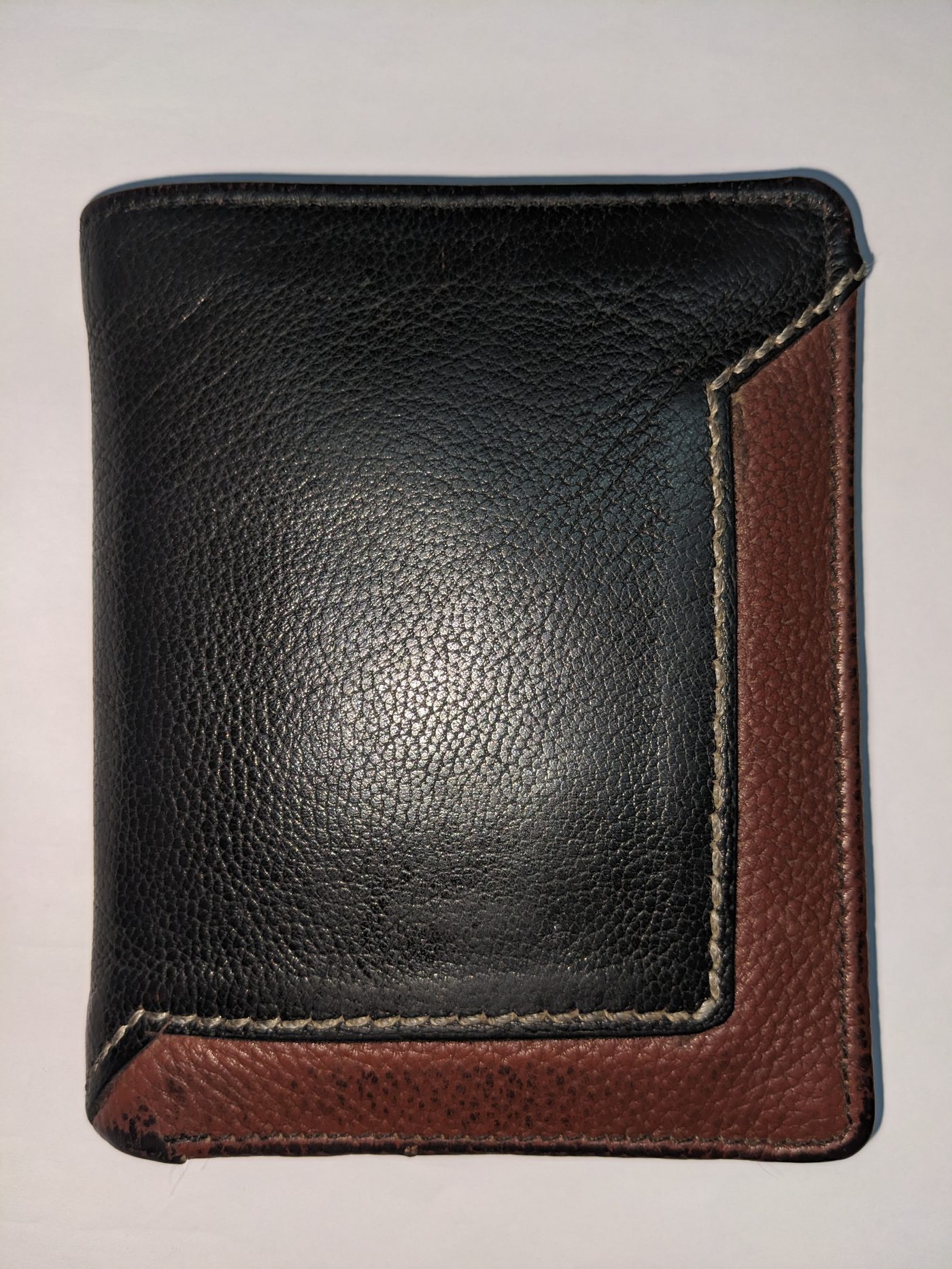
black and brown leather wallet (Source: Wikimedia Commons)
- Fabric: Canvas, denim, and other textiles offer versatility in color and texture, often used in casual or eco-friendly accessories.
- Faux Leather: More affordable and animal-friendly, faux leather is increasingly popular among Kenyan designers targeting young consumers.
- Suede: Provides a soft texture and matte finish, used in luxury or statement pieces.
- Metal Accents: Reinforcements or decorative elements on flaps, such as studs or frames, enhance durability and aesthetic appeal.
Construction Techniques
- Edge Finishing: Techniques such as folding and stitching or binding edges prevent fraying and add polish. For example, hand-stitched edges on leather flaps improve durability and visual appeal.
- Reinforcement: Areas prone to stress, like the flap hinge, are reinforced with interfacing or additional layers to prevent tearing.
- Attachment Methods: Flaps are sewn directly to the accessory body or attached via rivets or hinges, depending on design and material.
- Closure Integration: Incorporating magnets, buckles, or snaps requires precise placement and secure stitching to ensure functionality.
- Decorative Detailing: Embossing, perforations, or appliqué can be added during construction to enhance the flap’s design.
Design Considerations and Practical Applications of Flaps
Designing flaps requires attention to both aesthetic appeal and functional performance. Kenyan fashion designers must consider consumer lifestyle, accessory purpose, and manufacturing constraints when creating flap designs.
Design Considerations
- User Convenience: Flaps should allow easy access without compromising security, important for busy professionals or students carrying bags daily.
- Compatibility with Closure Systems: The flap must accommodate the chosen closure mechanism seamlessly, ensuring durability and ease of use.
- Proportion and Balance: The flap’s size and shape should complement the accessory’s overall proportions to maintain visual harmony.
- Cultural Trends: Understanding local fashion preferences and cultural symbols can influence flap design choices, enhancing market appeal.
- Sustainability: Using eco-friendly materials and minimizing waste in flap construction aligns with growing environmental awareness among Kenyan consumers.
Practical Applications
- Office Bags: Flaps with secure magnetic closures provide quick access to documents while maintaining a professional look.
- Casual Backpacks: Rounded or asymmetrical flaps add style and protect contents from rain or dust.
- Evening Clutches: Envelope flaps enhance elegance and facilitate easy handling during events.
- Travel Wallets: Double flaps increase security for passports and money, essential for frequent travelers.
- Children’s School Bags: Sturdy straight flaps with Velcro closures offer durability and ease of use for young users.
Pockets
In fashion accessory design, pockets serve both functional and aesthetic roles, shaping the usability and style of garments. Within Kenya's fashion industry, pockets are increasingly regarded not just as utility features but as design elements that enhance the overall garment appeal. Designers working with retail brands, schools, or bespoke tailoring studios must master pocket types, placements, and construction techniques to meet client needs and market trends. Understanding pockets also supports sustainability by encouraging durable, multi-purpose clothing favored by Kenyan consumers.
Types of Pockets and Their Design Characteristics
Pockets vary widely in style and function, influencing the garment’s silhouette and user convenience. Kenyan fashion designers must select pocket types that align with the garment’s purpose, fabric, and target market preferences. For example, casual wear for urban youth might feature patch pockets for easy access, while formal attire may incorporate welt pockets for sleekness.
Types of Pockets
- Patch Pockets: These are sewn onto the outside of the garment and are highly visible. They often add a casual or utilitarian vibe, making them popular in streetwear and school uniforms in Nairobi.
- Welt Pockets: Characterized by a narrow opening with fabric welts on either side, these pockets are discreet and common in business suits or formal dresses, such as those tailored for county government officials.
- Inseam Pockets: Hidden in the side seams, inseam pockets maintain the garment’s clean lines while providing functional storage, often used in dresses and trousers for professionals in banking.
- Flap Pockets: These pockets include a flap covering the pocket opening, adding decorative detail and security. They are frequently seen in safari-style jackets popular among Kenyan tourism workers.
- Cargo Pockets: Large, expandable pockets usually attached to the thigh or hip area, designed for utility and storage, favored in workwear for farmers and construction workers.
Pocket Placement and Its Impact on Garment Functionality and Style
The placement of pockets affects both the garment’s practicality and visual balance. In Kenya’s diverse fashion market, careful pocket positioning caters to cultural preferences and lifestyle needs, such as pockets placed for ease of access during daily activities or to enhance body shape.
Effects of Pocket Placement
- Hip-Level Placement: Common in trousers and skirts, this placement facilitates easy hand access, suitable for casual and office wear in Nairobi’s corporate sector.
- Chest-Level Placement: Seen in shirts and jackets, chest pockets add detail and can hold small items like pens or mobile phones, useful for field workers in county offices.
- Back Pockets: Typically found on jeans and shorts, back pockets contribute to garment shape and storage but require sturdy construction to endure frequent use by retail employees.
- Side Seam Pockets: These pockets are subtly integrated without disrupting garment lines, ideal for formal wear designed for university staff and lecturers.
- Interior Pockets: Hidden inside jackets or blazers, interior pockets secure valuables, important for professionals in banks and insurance companies.
Construction Techniques and Materials for Durable and Stylish Pockets
The durability and appearance of pockets depend on the choice of materials and the construction techniques used. Kenyan designers must balance cost, fabric compatibility, and end-use requirements when constructing pockets, especially for garments intended for heavy daily use.
Construction Considerations
- Reinforced Stitching: Essential for high-stress areas like pocket openings, reinforced stitching prevents tearing, critical for garments used by hospitality staff in busy hotels.
- Interfacing Use: Applying interfacing stabilizes pocket openings and shapes, improving durability and maintaining form in garments for county government uniforms.
- Choice of Fabric: Pocket linings typically use lighter, smoother fabrics like cotton or polyester blends to reduce bulk and enhance comfort, common in school uniforms.
- Edge Finishing: Techniques such as binding or topstitching edges improve pocket longevity and add decorative elements, seen in retail fashion collections.
- Closure Options: Incorporating buttons, zippers, or Velcro closures enhances security and style, particularly in travel jackets designed for Kenya’s tourism sector.
Crown
In the Kenyan fashion industry, crowns serve as both ornamental and symbolic accessories, often enhancing the wearer’s status, cultural identity, or thematic expression in fashion events. Designers incorporate crowns to complement haute couture, bridal wear, and traditional attire, blending contemporary aesthetics with indigenous motifs. Understanding the design, materials, and cultural relevance of crowns is essential for fashion professionals aiming to create meaningful and marketable accessories in Kenya’s diverse fashion landscape.
Design Elements and Styles of Crowns
The design of crowns in fashion accessories involves several stylistic considerations that reflect both artistic creativity and cultural significance. Kenyan designers often draw inspiration from traditional regalia, incorporating motifs from various ethnic groups such as the Maasai beadwork or Kikuyu symbolism, while adapting them to modern fashion trends. The choice of design elements influences the crown’s appeal, functionality, and appropriateness for different occasions.
Key Design Elements of Crowns
-
Shape and Structure: Crowns can range from circlets and tiaras to full headpieces with elaborate frameworks. The shape determines how the crown sits on the head and interacts with hairstyles, which is critical for comfort and visual impact during events like fashion shows or weddings.
-
Motifs and Patterns: Incorporating cultural symbols or geometric patterns adds depth and local relevance. For instance, Maasai bead patterns symbolize unity and identity, making the crown not just an accessory but a storytelling piece.
-
Material Finish: The surface treatment, such as metallic shine, matte textures, or painted designs, affects the crown’s perceived value and style. Kenyan designers often use gold or silver plating to emulate royal aesthetics, appealing to luxury fashion markets.
-
Size and Proportion: The crown’s dimensions must harmonize with the wearer’s facial features and outfit scale. Oversized crowns may overpower simple dresses, while delicate designs complement intricate gowns, requiring precise design judgment.
-
Attachment Mechanisms: Practical design includes how the crown is secured, combs, elastic bands, or pins, to ensure stability without discomfort during prolonged wear, especially important in active environments like runway shows.
Materials and Fabrication Techniques for Crowns
Selecting appropriate materials and fabrication methods is vital for producing crowns that are both durable and visually appealing. Kenyan artisans blend traditional craftsmanship with modern technology to create crowns that meet contemporary fashion standards while preserving cultural heritage. The choice of materials impacts cost, weight, and environmental sustainability, all critical factors in Kenya’s evolving fashion market.
Common Materials Used in Crown Making
-
Metals: Brass, copper, and aluminum are popular for frameworks due to their malleability and affordability. Precious metals like gold and silver are reserved for high-end pieces, often plated to reduce costs while maintaining luxury appeal.
-
Beads and Gemstones: Glass beads, semi-precious stones, and crystals are extensively used for decoration, providing color and texture. Kenyan designers frequently use locally sourced beads, supporting artisan communities and adding authenticity.
-
Fabric and Leather: Soft materials like velvet or leather are used as base linings or decorative wraps, enhancing comfort and aesthetic richness, especially in bridal crowns.
-
Wire and Thread: Fine wires allow intricate detailing and attachment of decorative elements. Strong threads secure beads and stones, combining durability with delicate appearance.
-
Synthetic Materials: Acrylics and plastics offer lightweight alternatives for experimental designs, enabling bold colors and shapes that traditional materials cannot achieve.
Fabrication Techniques
-
Hand Beading: This meticulous process involves sewing beads onto a fabric base or wire frame, common in Kenyan beadwork traditions and essential for detailed patterns.
-
Metalworking: Techniques such as soldering, bending, and engraving shape the metal base, requiring skilled craftsmanship to maintain precision and durability.
-
Casting and Molding: For crowns with repetitive or intricate shapes, casting metal or synthetic components allows mass production while preserving detail.
-
Embroidery and Appliqué: Adding fabric embellishments enhances texture and color contrasts, often combined with beading for layered effects.
-
Assembly and Finishing: Final steps include polishing metals, securing attachments, and quality checks to ensure the crown meets aesthetic and functional standards.
Cultural Significance and Contemporary Usage of Crowns in Kenya
Crowns in Kenya carry deep cultural meanings, symbolizing authority, achievement, and identity across various communities. Fashion designers leverage these cultural connotations to create accessories that resonate with both traditional values and modern expressions. Understanding the cultural context enriches design relevance and market acceptance, particularly during cultural festivals, weddings, and beauty pageants.
Cultural Roles of Crowns in Kenya
-
Symbol of Leadership: Among communities such as the Kikuyu and Maasai, crowns or headpieces denote chieftaincy or royalty, representing power and respect.
-
Ritual and Ceremonial Use: Crowns are integral to rites of passage, weddings, and religious ceremonies, marking significant life events with symbolic adornment.
-
Identity and Heritage: Wearing a crown with traditional beadwork or motifs affirms ethnic identity, fostering pride and continuity of cultural heritage.
-
Social Status Indicator: The intricacy and materials of a crown often reflect the wearer’s social standing or achievements within the community.
-
Modern Fashion Statements: Contemporary designers reinterpret crowns as fashion accessories that blend tradition with urban style, appealing to younger generations and international audiences.
Practical Considerations in Crown Development and Marketability
Creating crowns for the Kenyan fashion market requires balancing aesthetics, comfort, and production feasibility. Designers must consider consumer preferences, event requirements, and pricing strategies to ensure commercial success. Practical factors such as durability, weight, and ease of wear influence customer satisfaction and brand reputation.
Essential Practical Factors in Crown Development
-
Comfort and Fit: Crowns must accommodate various head sizes and hairstyles without causing discomfort, which is crucial for users attending long events such as weddings or fashion weeks.
-
Durability and Maintenance: Materials and construction should withstand handling and transport. Easy maintenance prolongs product life, enhancing value for customers in retail settings.
-
Cost of Production: Efficient use of materials and labor affects pricing. Designing scalable crowns allows targeting both luxury and mid-range markets.
-
Trends and Customer Preferences: Staying attuned to fashion trends and cultural shifts helps designers create relevant products. For example, eco-friendly materials appeal to environmentally conscious consumers.
-
Marketing and Branding: Positioning crowns as statement pieces or cultural artifacts influences promotional strategies. Collaborations with cultural institutions or event organizers can enhance visibility and sales.
Brim
In fashion accessories, particularly in hat design, the brim plays a crucial role both in functionality and aesthetics. In Kenya's diverse climate and fashion culture, brims provide sun protection while complementing traditional and contemporary styles. Fashion designers must skillfully select and develop brims that balance practicality with creative expression, addressing client needs from urban professionals to rural communities.
Definition and Functional Role of the Brim
The brim is the part of a hat that extends outward from the crown, encircling the head to provide shade and style. Its functional role is especially important in Kenya, where intense sunlight demands effective sun protection for outdoor activities such as farming, market trading, and public events. Beyond protection, the brim frames the wearer’s face and influences the overall silhouette of the accessory.
Characteristics of the Brim
- Width: The brim’s width determines the amount of sun coverage, ranging from narrow bands to wide flares. Wider brims offer more protection but can be cumbersome in crowded urban settings like Nairobi’s Central Business District.
- Shape: Brims can be flat, curved, or angled, affecting both style and comfort. For example, a curved brim suits casual wear, while a flat brim is popular in urban street fashion.
- Material: Common materials include straw, felt, leather, and synthetic fabrics, each influencing durability and breathability. Straw brims are favored in coastal regions for their lightweight and ventilated qualities.
- Attachment: The brim may be sewn, glued, or woven into the crown, impacting the hat’s structural integrity and flexibility.
- Edge Finish: Bound edges or raw edges affect the brim’s durability and aesthetic appeal, with bound edges providing a cleaner, more polished look preferred in formal hats.
Design Considerations and Styles of Brims in Kenyan Fashion
Designing the brim involves understanding the target market’s cultural preferences, climate demands, and fashion trends. In Kenya, brim styles often reflect ethnic heritage, urban fashion influences, or functionality for outdoor professions.
Popular Brim Styles
- Wide-brimmed hats: Favored by farmers and outdoor vendors for maximum sun protection, these hats often use natural fibers like sisal or raffia. Their large surface area also allows for decorative elements such as beadwork.
- Fedora brims: Narrower and slightly curved, fedoras are popular among urban professionals in county government offices and conference settings, blending functionality with formality.
- Bucket hat brims: Soft and downward sloping, these brims suit casual wear and are commonly seen in youth fashion, especially in Nairobi’s vibrant retail scene.
- Floppy brims: Made of soft materials, these brims create a relaxed, bohemian look popular among creative professionals and tourists visiting coastal resorts.
- Brimless hats: Though not technically having a brim, brimless designs influence how designers approach brim construction, often contrasting with brimmed hats to offer variety in accessory lines.
Materials and Construction Techniques for Brims
The choice of materials and construction methods affects the brim’s durability, flexibility, and appearance. Kenyan fashion designers often combine traditional materials with modern techniques to create unique brims that resonate locally and appeal internationally.
Common Materials for Brims
- Straw and natural fibers: Lightweight and breathable, sourced from sisal, raffia, or palm leaves, these materials suit hot climates and integrate well with handcraft traditions in rural Kenya.
- Felt: Made from wool or synthetic fibers, felt brims offer warmth and structure, ideal for cooler highland areas like Kericho.
-
Leather: Used for sturdy brims, leather adds a rugged, luxury element often seen in high-end bespoke designs.
-
Cotton and synthetic fabrics: These materials allow for colorful prints and easy shaping, popular in urban fashion markets.
- Wire and plastic reinforcements: Incorporated inside the brim to maintain shape and prevent sagging, especially in wide-brimmed hats.
Construction Techniques
- Blocking: Shaping the brim over a mold to create desired curvature and stiffness, essential in felt and straw hats.
- Stitching and binding: Edges are stitched and bound with ribbons or fabric strips to enhance durability and aesthetics.
- Weaving: Brims made from natural fibers are handwoven, often by artisans, adding intricate patterns and texture.
- Gluing and laminating: Used to attach layers or reinforce the brim, common in synthetic material brims.
- Edge finishing: Techniques include scalloping, piping, or folding edges to prevent fraying and add decorative appeal.
Impact of Brim Design on Wearer Comfort and Fashion Appeal
The brim influences the wearer’s comfort through factors such as weight, ventilation, and sun protection, while also defining the fashion statement of the accessory. Designers must carefully balance these aspects to meet diverse client needs in Kenya’s varied environments.
Factors Affecting Comfort
- Weight distribution: A well-designed brim balances weight evenly to avoid discomfort during prolonged wear, important for professionals like teachers or SACCO agents attending outdoor events.
- Ventilation: Materials and construction that allow airflow reduce heat buildup, critical in equatorial regions.
- Flexibility: Adjustable or flexible brims accommodate different head shapes and preferences, enhancing usability.
- Sun protection: The brim’s size and angle determine the level of UV protection, a health concern for outdoor workers.
- Moisture resistance: Brims that resist water damage maintain shape and appearance during Kenya’s rainy seasons.
Fashion Appeal
- Silhouette enhancement: The brim frames the face and complements hairstyles, influencing perceived elegance or casualness.
- Cultural symbolism: Certain brim styles carry ethnic or social connotations, such as Maasai-inspired wide brims signifying status.
- Trend responsiveness: Designers align brim shapes and sizes with current fashion trends, such as oversized brims gaining popularity in Nairobi’s fashion weeks.
- Customization: Embellishments like embroidery, beads, or appliqué on the brim add uniqueness and market differentiation.
- Versatility: Some brim designs are reversible or detachable, allowing clients to adapt accessories for multiple occasions.
Side bag
Side bags occupy a prominent place in the fashion accessories landscape of Kenya, especially among urban professionals and students who require a blend of style and practicality. This accessory complements everyday wear while addressing the need for portability and easy access to personal items. In Nairobi’s bustling business districts and university campuses, side bags are increasingly preferred for their versatility, enabling users to carry essentials securely and fashionably. Understanding the design, functional attributes, and material choices of side bags is crucial for fashion design professionals aiming to innovate in this accessory category.
Design Features of Side Bags
The design of side bags is a critical factor that influences both their aesthetic appeal and functional performance. Kenyan fashion designers must consider local lifestyle needs and environmental conditions when crafting side bags that resonate with consumers.
Key Design Elements
- Shape and Size: Side bags typically have a compact rectangular or square form that fits comfortably across the body. Designers balance size to ensure the bag is spacious enough for essentials like wallets, phones, and notebooks without being bulky for urban mobility.
- Strap Configuration: Adjustable straps made from leather, canvas, or synthetic materials allow users to wear the bag across the shoulder or chest. The strap’s width and length influence comfort and style, catering to diverse body types and preferences.
- Compartments and Closures: Multiple compartments including zipped sections, inner pockets, and external flaps enhance organization. Magnetic snaps, zippers, or buckle closures secure contents and provide quick access.
- Aesthetic Detailing: Embellishments such as embroidery, beadwork, and appliqué reflect Kenyan cultural motifs, adding uniqueness. Use of bold colors and textures aligns with contemporary fashion trends in urban centers like Mombasa and Kisumu.
- Functionality Enhancements: Features such as water-resistant linings, reinforced bases, and ergonomic designs improve durability and user experience, especially for daily commuters and field workers.
Materials and Construction Techniques
Selecting appropriate materials and construction methods is essential for creating side bags that meet durability and style expectations in Kenya’s varied climatic and social environments.
Material Selection
- Leather: Genuine and synthetic leather are favored for their durability and premium look. Leather side bags are popular among professionals frequenting corporate offices and banks in Nairobi.
- Canvas and Denim: These fabrics offer a casual, rugged appeal suited for students and creative professionals. Canvas is breathable and easy to clean, ideal for Kenya’s warm climate.
- Polyester and Nylon: These synthetic materials provide water resistance and lightweight properties, beneficial for outdoor activities and travel.
- Natural Fibers: Materials like sisal and kiondo weave incorporate traditional craftsmanship, promoting sustainable fashion and supporting local artisans.
- Lining Fabrics: Smooth polyester or cotton linings protect contents and add structure to the bag’s interior.
Construction Techniques
- Stitching: Double or triple stitching enhances the bag’s strength, especially at stress points like the strap attachments and corners. Kenyan workshops prioritize quality stitching to extend product lifespan.
- Reinforcement: Use of interfacing and padding in the bag’s body and strap areas prevents deformation and adds comfort.
- Edge Finishing: Binding or piping along edges prevents fraying and contributes to a polished finish.
- Hardware Integration: Durable metal or plastic hardware such as buckles, zippers, and rivets are selected to withstand frequent use and environmental exposure.
Functional Uses and Market Trends
Side bags have evolved from purely utilitarian objects to fashion statements that align with consumers’ lifestyles and preferences. Understanding their functional roles and market dynamics helps designers tailor products effectively.
Functional Roles
- Daily Commuting: Side bags offer convenient storage for transport cards, phones, and keys, making them indispensable for Nairobi’s working class using matatus or boda-bodas.
- Student Use: Lightweight and hands-free design suits students carrying notebooks and small gadgets around campuses such as Kenyatta University.
- Travel and Tourism: Tourists and local travelers use side bags for secure storage of passports, money, and cameras, especially in safari towns like Naivasha and Amboseli.
- Fashion Accessory: Beyond utility, side bags serve as style enhancers, matching outfits and projecting personal identity during social events and casual outings.
- Safety and Security: Cross-body wearing style reduces the risk of theft, a significant consideration in busy urban areas.
Market Trends
- Customization: Increasing demand for personalized side bags with monograms or bespoke designs, reflecting individual tastes.
- Sustainability: Growing consumer interest in eco-friendly materials and ethical production methods supports the use of recycled fabrics and artisanal crafts.
- Tech Integration: Incorporation of compartments for power banks and headphones responds to the digital lifestyle of young Kenyans.
- Minimalist Designs: Clean lines and understated colors appeal to corporate clients seeking subtlety and professionalism.
- Collaborations: Partnerships between fashion designers and local artisans promote cultural heritage while innovating side bag aesthetics.
Practice Questions
- Explain five key purposes of using fashion accessories patterns in accessory design. (10 marks)
- Describe five different types of fashion accessories patterns and their typical applications. (10 marks)
- Outline six detailed steps involved in creating a fashion accessory pattern. (12 marks)
- Identify four common challenges faced when using fashion accessories patterns and propose solutions for each. (12 marks)
- Explain the significance of pattern development in the production of fashion accessories. (10 marks)
- Describe four types of patterns used in fashion accessory design and provide an example of each. (12 marks)
- Outline the six steps involved in developing a fashion accessory pattern, explaining the purpose of each step. (18 marks)
- Identify six essential tools or materials used in pattern development for fashion accessories and describe their specific uses. (12 marks)
- Explain the difference between a flounce and a traditional ruffle in fashion design. (5 marks)
- Describe five characteristics of flounces that make them popular in Kenyan fashion accessories. (10 marks)
- Outline the steps involved in drafting a flounce pattern for a skirt hem. (12 marks)
- Discuss four ways flounces can be applied to fashion accessories and their impact on the overall design. (8 marks)
- Define a flap in fashion accessories and explain five roles it plays in accessory design. (10 marks)
- Discuss five different types of flaps used in fashion accessory design, highlighting their distinct features. (10 marks)
- Identify five materials used in flap construction and explain how each material affects the flap’s functionality and appearance. (10 marks)
- Describe five key design considerations when creating flap components for fashion accessories in Kenya. (10 marks)
- Explain the functional and aesthetic differences between welt pockets and patch pockets in fashion design. (10 marks)
- Discuss how pocket placement can influence both the usability and visual appeal of a garment, providing examples relevant to Kenyan fashion contexts. (12 marks)
- Describe six key construction techniques that ensure pockets are durable and stylish in professional garments. (12 marks)
- Compare and contrast flap pockets and cargo pockets in terms of their typical uses and target markets within Kenya. (10 marks)
- Explain five key design elements of crowns and how they influence the accessory’s functionality and aesthetics in Kenyan fashion. (10 marks)
- Discuss the various materials used in crown fabrication and their significance in balancing cost, durability, and cultural value. (10 marks)
- Describe five cultural significances of crowns in Kenya and how these influence contemporary fashion design. (10 marks)
- Identify and explain six practical considerations a fashion designer should account for when developing crowns for the Kenyan market. (12 marks)
-
Explain five key characteristics of the brim in hat design and how each influences the overall accessory. (10 marks)
-
Discuss the different materials used for making brims in Kenyan fashion accessories and the advantages of each. (10 marks)
-
Describe six steps involved in constructing a straw brim for a wide-brimmed hat suitable for outdoor use. (12 marks)
-
Analyze how brim design affects wearer comfort and fashion appeal in the context of Kenyan urban and rural consumers. (8 marks)
- Explain how the design features of side bags cater to the needs of urban professionals in Kenya. (10 marks)
- Discuss five materials commonly used in the construction of side bags and their suitability for the Kenyan market. (10 marks)
- Identify and explain five functional uses of side bags in the context of Kenyan consumers. (10 marks)
- Outline six steps involved in selecting materials and constructing a durable side bag. (12 marks)
The rest of this chapter
🔒Create a free account to open more of this chapter.
Free: practical guides, quick cards, workplace scenarios and more.
Create a free account 🔒2.2 Pattern Instructions
In the Kenyan fashion design industry, particularly for fashion accessories, pattern instructions are essential to ensure that the final product reflects the designer’s vision accurately. Clear and precise pattern instructions guide artisans and manufacturers…
🔒2.3 Cut Accessories Pattern Pieces
Cutting pattern pieces for fashion accessories is a critical step that determines the final fit, shape, and quality of the accessory. In the Kenyan fashion industry, where bespoke and handcrafted accessories are highly valued, precision in cutting ensures that…
Chapter Summary
This chapter explored the fundamentals of fashion accessories patterns and the detailed process involved in developing them to achieve desired designs. Key components such as flounces, flaps, pockets, crowns, and brims were examined to understand their role in enhancing accessory aesthetics and functionality. The construction of side bags was also covered, emphasizing pattern instructions that guide precise assembly. Important elements like folds, notches, and balance marks were highlighted for their contribution to accurate pattern alignment and garment fit. The chapter further discussed the significance of straight grains, pattern size, style numbers, and the number of pieces to be cut to ensure consistency and efficiency in production. Practical aspects of cutting accessories pattern pieces included attention to cutting specifications, achieving a clean cut, and making straight line adjustments while maintaining equality across all fabric layers. Special demands related to unique design requirements were also addressed to equip learners with the skills needed for professional pattern development.
Self-Assessment
🔒 PDFDownload this self-assessment, with answers
A. Written Assessment
- What is the purpose of notches or balance marks in fashion accessories patterns? (3 marks)
- Identify three key considerations when developing patterns for flounces in fashion accessories. (6 marks)
🔒20 more in this section.
Chapter Examination Questions
🔒 PDFDownload these examination questions, with worked answers
SECTION A (40 Marks) - Answer ALL Questions
- Explain the purpose of using notches and balance marks when developing fashion accessory patterns in a Kenyan design studio. (4 marks)
- Describe the function of a flounce in fashion accessory design and give an example of its use in Kenyan traditional attire. (4 marks)
🔒18 more in this section.
Chapter Practical Activities
Practical 1: Develop a flounce pattern 60cm diameter with 10cm width
Fashion Design · Level 6
Fashion Accessories
PRACTICAL ASSESSMENT
TIME: 4 HOURS
⬇ PDFCandidate Instructions (Candidate Tool)
Type: Individual
INSTRUCTIONS TO CANDIDATE:
1. You are required to perform the following task:
i. Develop a circular flounce pattern with 60cm diameter and 10cm width.
2. You have been provided with the following resources for the practical task:
| Tools & Equipment | Materials |
|---|
| Measuring tape | Brown paper |
| French curve ruler | Lightweight cotton fabric |
| Pencil | White sewing thread |
| Eraser | Dust coat |
| Scissors (pattern cutting) | Flat closed shoes |
| Ruler (30 cm) | |
| Set square | |
| Tracing wheel | |
⬇ PDFResources Required (Cutting List)
| S/N | Item | Quantity |
|---|
| 1 | Brown paper | 1 sheet per candidate |
| 2 | Measuring tape | 1 per candidate |
| 3 | French curve ruler | 1 per candidate |
| 4 | Pencil | 1 per candidate |
| 5 | Eraser | 1 per candidate |
| 6 | Scissors (pattern cutting) | 1 per candidate |
| 7 | Ruler (30 cm) | 1 per candidate |
| 8 | Set square | 1 per candidate |
| 9 | Tracing wheel | 1 per candidate |
| 10 | Dust coat | 1 per candidate |
| 11 | Flat closed shoes | 1 pair per candidate |
| 12 | Lightweight cotton fabric 75cm by 75cm | 1 piece per candidate |
| 13 | White sewing thread | 1 spool per candidate |
⬇ PDFAssessor Guide
| Items to be Evaluated | Marks Available | Marks Obtained | Comments |
|---|
| TASK 1: Preparation and Safety |
Wore personal protective equipment (dust coat and flat closed shoes)
(Award 1 mark each for dust coat and flat closed shoes) | 2 | | |
Observed occupational safety and health requirements (well-lit and well-ventilated working area)
(Award 1 mark each for well-lit and well-ventilated room) | 2 | | |
| Sub-Total | 4 | | |
| TASK 2: Tools, Materials Identification and Pattern Drafting |
Identified and obtained required tools and materials (measuring tape, rulers, pencil, eraser, scissors, brown paper, fabric, sewing thread)
(Award 1 mark each for correctly identified tools and materials) | 6 | | |
Measured and marked the flounce dimensions accurately (60cm diameter circle and 10cm width)
(Award 2 marks for correct diameter, 2 marks for correct width) | 4 | | |
Developed the flounce pattern accurately on brown paper (circular shape with correct dimensions)
(Award 5 marks for correct shape and dimensions) | 5 | | |
Added pattern instructions including grain line, pattern name, number of pieces to cut, seam allowance, and notches
(Award 1 mark each for grain line, pattern name, number of pieces, seam allowance, and notches) | 5 | | |
| Sub-Total | 20 | | |
| TASK 3: Laying and Cutting |
Laid the flounce pattern on fabric correctly following grain line and layout instructions
(Award 4 marks for correct fabric layout) | 4 | | |
Cut the fabric accurately using long smooth strokes as per pattern
(Award 4 marks for clean and accurate cutting) | 4 | | |
Transferred all pattern markings (notches, seam allowance lines) to fabric pieces
(Award 2 marks for correct transfer of markings) | 2 | | |
| Sub-Total | 10 | | |
| TASK 4: Finishing and Presentation |
Checked sewing machine for serviceability and threaded correctly
(Award 1 mark each for threading bobbin, positioning needle, threading upper thread) | 3 | | |
Presented the flounce pattern pieces neatly labeled and pressed
(Award 3 marks for neat labeling, clean presentation, and pressing) | 3 | | |
| Sub-Total | 6 | | |
| PRODUCT CHECKLIST |
Flounce pattern diameter is 600mm +/- 5mm
(Award 4 marks for correct diameter within tolerance) | 4 | | |
Flounce width is 100mm +/- 5mm
(Award 4 marks for correct width within tolerance) | 4 | | |
Pattern shape is circular and symmetrical
(Award 4 marks for correct shape and symmetry) | 4 | | |
Pattern instructions are complete and clear (grain line, seam allowance, number of pieces, pattern name, notches)
(Award 1 mark each for complete and clear instructions) | 4 | | |
| Sub-Total | 16 | | |
| GRAND TOTAL | 56 | | |
ASSESSMENT OUTCOME: ☐ Competent ☐ Not Yet Competent (competent if at least 50%)
Practical 2: Create a flap pattern for a fashion accessory bag
Fashion Design · Level 6
Fashion Accessories
PRACTICAL ASSESSMENT
TIME: 4 HOURS
⬇ PDFCandidate Instructions (Candidate Tool)
Type: Individual
INSTRUCTIONS TO CANDIDATE:
1. You are required to perform the following task:
i. Draft and develop a flap pattern for a rectangular bag flap measuring 30cm width by 20cm height.
2. You have been provided with the following resources for the practical task:
| Tools & Equipment | Materials |
|---|
| Brown paper | Brown paper |
| Pattern drafting tools | |
| Measuring tape | |
| Sharp scissors for paper cutting | |
| Pencil | |
| Eraser | |
| Tracing wheel | |
⬇ PDFResources Required (Cutting List)
| S/N | Item | Quantity |
|---|
| 1 | Brown paper | 1 sheet per Candidate |
| 2 | Pattern drafting tools (ruler, French curve, pencil, eraser, tracing wheel) | 1 set per Candidate |
| 3 | Measuring tape | 1 per Candidate |
| 4 | Sharp scissors for paper cutting | 1 per Candidate |
| 5 | Personal Protective Equipment (dust coat, flat closed shoes) | 1 set per Candidate |
⬇ PDFAssessor Guide
| Items to be Evaluated | Marks Available | Marks Obtained | Comments |
|---|
| TASK 1: Preparation and Safety |
Identified and wore Personal Protective Equipment (dust coat, flat closed shoes)
(Award 1 mark for each PPE worn correctly) | 2 | | |
Observed occupational safety and health requirements (well-lit work area, well-ventilated room)
(Award 1 mark for each condition met) | 2 | | |
| Sub-Total | 4 | | |
| TASK 2: Identifying Tools and Materials |
Identified and obtained brown paper for pattern drafting
(Award 1 mark if done) | 1 | | |
Identified and assembled pattern drafting tools (ruler, French curve, pencil, eraser, tracing wheel)
(Award 1 mark for each group of tools) | 2 | | |
Identified measuring tape and paper cutting scissors
(Award 1 mark if done) | 1 | | |
| Sub-Total | 4 | | |
| TASK 3: Pattern Drafting |
Drafted flap pattern with correct width (30cm) and height (20cm)
(Award 3 marks if dimensions are accurate within ±1cm) | 3 | | |
Included pattern instructions: grain line, fold line, number of pieces to cut, pattern name, seam allowance, notches/balance marks
(Award 0.5 mark for each instruction included) | 4 | | |
Used appropriate drafting tools correctly (ruler, French curve)
(Award 1 mark each for correct use) | 2 | | |
| Sub-Total | 9 | | |
| TASK 4: Cutting and Marking |
Laid out pattern on brown paper as per design
(Award 1 mark if pattern layout is correct) | 1 | | |
Cut out flap pattern using smooth, clean strokes
(Award 2 marks for neat cutting without jagged edges) | 2 | | |
Transferred all pattern markings accurately (grain line, notches, fold line, seam allowances)
(Award 1 mark each for completeness and accuracy) | 3 | | |
| Sub-Total | 6 | | |
| PRODUCT CHECKLIST |
Flap pattern measurements: Width 300mm ±10mm, Height 200mm ±10mm
(Award 2 marks each for width and height within tolerance) | 4 | | |
Pattern instructions correctly legible and complete (grain line, fold line, number of pieces, pattern name, seam allowance, notches)
(Award 1 mark for each accurate instruction present) | 4 | | |
Pattern cut neatly with clean edges and correct shape
(Award 3 marks for neatness and accuracy) | 3 | | |
Pattern markings accurately transferred and visible
(Award 3 marks for complete and legible markings) | 3 | | |
| Sub-Total | 14 | | |
| GRAND TOTAL | 37 | | |
ASSESSMENT OUTCOME: ☐ Competent ☐ Not Yet Competent (competent if at least 50%)
🔒Draft a pocket pattern with all necessary markings and instructionsPractical 3
🔒Draft a Crown Pattern for a Fashion Accessory HatPractical 4
🔒Draft a brim pattern for a fashion accessory hat 18cm wide and 55cm inner circumferencePractical 5
🔒Develop Side Bag Pattern with Detailed InstructionsPractical 6
🔒Mark pattern details on fashion accessory patternPractical 7
🔒Determine number of pieces and cutting specifications for a leather clutch bagPractical 8
🔒Cut accessories pattern pieces for a leather wristlet pouch 20cm x 12cmPractical 9
🔒Adjust straight lines on fashion accessory patterns for accuracy and neatnessPractical 10
🔒Ensure equality in layered cutting of fashion accessory fabric piecesPractical 11
🔒Identify and mark straight grains on pattern pieces for a fashion accessoryPractical 12
🔒Label pattern size and style number on fashion accessory pattern piecesPractical 13
