The notes
Every chapter of every unit, written to the CDACC curriculum and organised the way you teach it. Read them online or take the PDF into class.
Open a unit →
CDACC notes, past papers, practice and practicals across 60 courses, written to the curriculum and continuously improved by the trainers who teach from them.

This only works if the people who teach from these notes are the ones keeping them right. So we don't charge you. You earn credits by contributing, and credits open everything on the platform.
Verification alone covers your first few downloads, before you have contributed anything at all. After that, flagging one mistake in a chapter you were reading anyway is enough to keep going.
Every chapter of every unit, written to the CDACC curriculum and organised the way you teach it. Read them online or take the PDF into class.
Open a unit →Learning plan, session plan, record of work and oral assessment: generated for any unit, in CDACC format, ready to download.
Create an account to use them →1514 CDACC papers, filed by unit and sitting, with worked answers. Free to everyone, whether you contribute or not.
Browse past papers →Not a sample written for this page. This is the live opening of a real chapter, pulled from the platform as you load it.
Operating hand tools and equipment is a fundamental skill for Agriculture and Extension professionals in Kenya. This chapter focuses on the safe and effective use of such tools, emphasizing the critical role of personal protective equipment (PPE) in preventing injuries and promoting health. Given the physical nature of farm work and the use of various mechanical implements, understanding PPE requirements, their importance, and proper care is essential for productivity and safety on farms and in extension services.
Personal protective equipment (PPE) serves as the first line of defense against hazards encountered during farm machinery operations. In Kenyan agricultural settings, where workers may be exposed to sharp tools, chemicals, dust, and loud machinery, PPE minimizes risks and ensures compliance with occupational safety standards. This section explores the specific requirements for PPE, why it is indispensable, and how to maintain it for long-term use.
PPE requirements specify the minimum protective gear that must be worn to safeguard workers from hazards associated with hand tools and machinery. These requirements are guided by Kenya’s Occupational Safety and Health Act and best practices in agricultural operations.
Every unit on Profplanet can have one Master Trainer: the trainer who owns its notes and keeps them right. Their edits become the version every other trainer and student sees.
Trainers become eligible by contributing. Seats are limited to one per unit, so eligibility is not a seat: you take one when a vacancy opens.
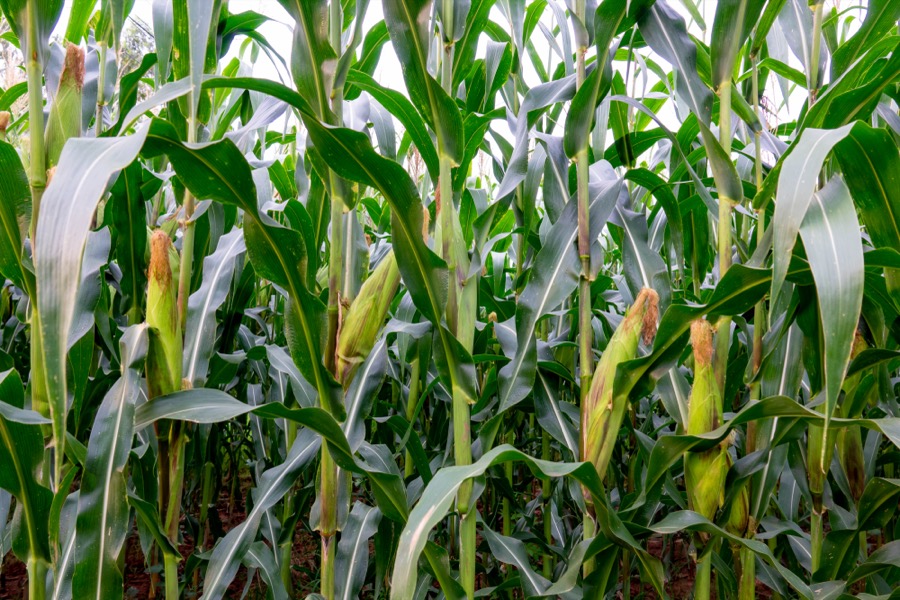 Agriculture & Natural Resources
5 courses
 Building & Civil Engineering
8 courses
 Business & Entrepreneurship
10 courses
 Computing & Digital Media
6 courses
 Fashion, Beauty & Textiles
2 courses
 Health & Applied Sciences
7 courses
 Hospitality & Tourism
12 courses
 Mechanical & Electrical Engineering
8 courses
 Social Sciences & Liberal Studies
2 courses
Exam-style questions with answers, oral exam preparation, worked calculations, workplace scenarios, quick cards and decision simulators: on every chapter, for every unit.
The first topic of every chapter is open to anyone, with no account. Past papers are free for everyone, always.
See what a chapter looks likeFree for trainers. Get verified and start with credits in your wallet.
Free to start. Past papers always free.