Fashion accessories enhance and complete fashion designs by adding detail, function, and style. Properly cutting these accessories requires precision and planning to ensure that the final product fits the intended garment and meets quality standards. In Kenya’s competitive fashion industry, where local designers and manufacturers supply diverse markets from retail boutiques in Nairobi to garment exporters in Athi River, mastering the laying and cutting of fashion accessory pattern pieces is crucial. This chapter focuses on the professional techniques involved in laying out accessory patterns before cutting, which directly impacts fabric efficiency and product quality.
3.1 Laying of Fashion Accessories Pattern Pieces
Laying out pattern pieces accurately is a critical preparatory step in cutting fashion accessories. It ensures optimal fabric use, maintains design integrity, and reduces material waste. Kenyan fashion professionals working in production units or bespoke tailoring studios must understand how to lay patterns efficiently to meet tight deadlines and cost targets while maintaining quality standards.
Principles of Pattern Laying for Fashion Accessories
Pattern laying is the process of arranging pattern pieces on fabric or other materials before cutting. This step influences fabric utilization, garment fit, and accessory functionality. In Nairobi’s fashion ateliers or garment factories, mastering pattern laying is essential to balance aesthetics and production efficiency.
Key Principles of Pattern Laying
-
Grainline Alignment: The grainline marked on pattern pieces must align with the fabric’s grain to ensure the accessory retains its shape and drape correctly. For example, aligning a belt pattern with the fabric grain helps maintain its strength and prevents distortion during wear.
-
Fabric Utilization Efficiency: Arranging pattern pieces to minimize fabric waste reduces production costs. In a retail business supplying handbags, efficient layout can save significant material costs, especially when using expensive leather or canvas.
-
Pattern Piece Orientation: Accessories often have directional prints or textures; placing pattern pieces consistently preserves the design’s visual flow. For instance, in a hotel uniform accessory like a necktie, correct orientation ensures brand colors and patterns display uniformly.
-
Allowance for Seam and Hem: Pattern pieces must include seam allowances to facilitate assembly. This is vital in county government uniform accessories where durability and finish quality affect the accessory’s lifespan.
-
Avoiding Fabric Flaws and Defects: Laying patterns to bypass fabric defects such as holes or stains maintains product quality. In a SACCO promotional item like branded caps, defect-free fabric presentation enhances the brand image.
Types of Laying Techniques Used in Accessory Cutting
Different laying techniques cater to various fabric types, accessory complexity, and production scales. Kenyan fashion designers and manufacturers select methods that balance speed, accuracy, and fabric conservation.
Common Laying Techniques
-
Straight Laying: Pattern pieces are aligned parallel to fabric grain in a simple, straight line. This technique suits woven fabrics used in school uniform ties and is easy to execute in small workshops.
-
Crosswise Laying: Pieces are placed perpendicular to the fabric grain, often used for bias-cut accessories like scarves, allowing for better stretch and drape.
-
Marker Making: A composite layout of all pattern pieces arranged on fabric to optimize cutting efficiency. This is common in garment factories producing large quantities of accessories such as belts and hats.
-
Manual Laying: Done by hand on cutting tables, manual laying allows flexibility for irregular fabric widths or special materials like leather used in handcrafted bags.
-
Automated Laying: Computer-controlled machines arrange patterns digitally before cutting, improving precision and reducing fabric waste. This technology is emerging in high-end Kenyan fashion manufacturing hubs serving export markets.
Factors Influencing Effective Pattern Laying
Several factors affect how pattern pieces are laid out, impacting the quality and cost of fashion accessories. Understanding these allows Kenyan designers to adapt to resource availability and product requirements.
Influential Factors
-
Fabric Type and Width: Thicker fabrics like felt or leather require more careful laying to avoid bulkiness, while narrow fabric widths limit layout options, common in small-scale Nairobi workshops.
-
Accessory Design Complexity: Intricate designs with multiple small pieces, such as embellished brooches, demand precise arrangement to avoid miscuts.
-
Production Volume: High-volume production favors marker making to maximize fabric use, while bespoke accessories benefit from manual, flexible layouts.
-
Fabric Print and Pattern: Directional or patterned fabrics require consistent orientation of pieces to maintain design continuity, essential for formal wear accessories in hotels.
-
Cutting Method: The laying technique must correspond with the cutting method, whether manual scissors or automated cutting machines, to ensure accuracy and efficiency.
Steps in Laying Fashion Accessory Pattern Pieces
The laying process follows a systematic sequence to prepare for cutting. Kenyan fashion technicians and designers benefit from a structured approach to reduce errors and material loss.
Step-by-Step Pattern Laying Process
-
Prepare Fabric: Inspect the fabric for defects, press if necessary, and spread it evenly on a clean cutting table to avoid distortions.
-
Identify Fabric Grain: Locate the warp and weft threads to align pattern pieces correctly, ensuring accessory durability and appearance.
-
Place Pattern Pieces: Arrange the accessory pattern pieces on the fabric according to the grainline and design requirements, considering fabric width and print direction.
-
Optimize Layout: Adjust pieces to minimize fabric waste, grouping smaller pieces in gaps and aligning pieces for efficient cutting sequences.
-
Secure Pattern Pieces: Pin or use pattern weights to hold pieces firmly in place, preventing shifting during cutting, particularly important when working with slippery fabrics.
-
Check Alignment: Verify all pattern pieces are correctly oriented and allowances are included before cutting begins.
3.1.1 Pattern Pieces
Pattern pieces form the foundation of cutting fashion accessories, guiding the accurate shaping and sizing of each component to ensure a flawless final product. In the Kenyan fashion design industry, precision in pattern making is crucial, especially for accessories like bags, belts, and hats, where fit and proportion directly influence market appeal. Designers at Nairobi-based ateliers or accessory production firms depend on well-crafted pattern pieces to maintain consistency and quality across product lines. Understanding the types, creation, and adjustment of pattern pieces empowers fashion professionals to innovate while meeting the demands of diverse customer preferences.
Types of Pattern Pieces for Fashion Accessories
Pattern pieces vary depending on the accessory being created, each serving a specific function in the assembly process. Recognizing the types of patterns used in accessory design enables designers to optimize fabric use and enhance structural integrity.
Common Pattern Pieces in Accessories
- Basic Shape Patterns: These include the main body shapes such as the outline of a handbag flap or a belt strap, which define the accessory's overall form and dimensions. Mastery of these shapes ensures the accessory’s silhouette matches the design intent.
- Lining Patterns: Separate pieces cut for the interior lining provide a neat finish and protect the accessory’s structure. For instance, at a leather goods workshop in Mombasa, precise lining patterns prevent bulkiness and allow smooth closure.
- Interfacing Patterns: Patterns for interfacing materials add stiffness or reinforcement, critical in accessories like hats or wallets to maintain shape under use. The interfacing must align exactly with the outer fabric to avoid distortion.
- Detailing Patterns: Smaller pieces for components such as pockets, straps, or decorative elements are cut from specific patterns to maintain symmetry and design coherence. These pieces require meticulous attention to scale and placement.
- Binding and Edge Finishing Patterns: These patterns guide cutting fabric strips or trims used to finish edges, essential for durability and aesthetic appeal, as seen in handmade Kenyan clutches where edge binding enhances longevity.
Creating Pattern Pieces for Accessories
The creation of pattern pieces involves translating design sketches into precise templates that guide fabric cutting. This process demands technical skill and an understanding of material behaviour, especially with diverse fabrics common in Kenyan fashion, from kitenge to leather.
Steps in Pattern Creation
- Analyzing the Design: Study the accessory sketch to identify all components and their relationships, noting dimensions and proportions critical for functionality.
- Drafting Basic Shapes: Using rulers and curves, draft the fundamental shapes on pattern paper, ensuring measurements correspond to desired accessory sizes.
- Adding Seam Allowances: Include appropriate seam allowances around each piece to accommodate stitching, typically 0.5 to 1 cm depending on fabric thickness and accessory type.
- Marking Notches and Grainlines: Indicate alignment points and fabric grain direction on the pattern to ensure pieces are assembled correctly and fabric behaves as intended.
- Testing with Muslin or Similar Material: Create a prototype by cutting and assembling a sample using inexpensive fabric, allowing evaluation of fit and adjustments before final cutting.
- Finalizing and Labeling: Once perfected, finalize the pattern by reinforcing it with cardboard or plastic and label each piece with instructions, grain direction, and cutting quantity for production clarity.
Adjusting Pattern Pieces for Fit and Style
Adjustments to pattern pieces are often necessary to tailor accessories to specific customer requirements or evolving fashion trends. In Kenya, where custom-made accessories are popular, the ability to modify patterns quickly and accurately is a valuable skill.
Methods of Pattern Adjustment
- Scaling Up or Down: Increase or decrease the size of pattern pieces proportionally to fit different customer sizes or target markets without distorting design features.
- Altering Proportions: Change the width, length, or curvature of pieces to adapt the accessory’s style, such as elongating a belt strap or widening a bag base for increased capacity.
- Adding Design Elements: Modify patterns to include new features like pleats, gathers, or additional pockets, enhancing the accessory’s functionality or aesthetic appeal.
- Compensating for Fabric Stretch: Adjust pattern dimensions to account for stretch or shrinkage characteristics of the chosen fabric, ensuring the final product maintains intended shape and fit.
- Refining Seam Allowances: Modify seam allowances to improve assembly ease or accommodate thicker materials, which is often necessary when working with leather or heavy textiles used in Kenyan fashion accessories.
Importance of Accurate Pattern Pieces in Production Efficiency
Accurate pattern pieces are vital to streamline production processes and minimize waste in accessory manufacturing. Kenyan accessory producers, whether small-scale artisans or larger factories, rely on precise patterns to optimize fabric use and reduce costly errors.
Benefits of Accuracy in Pattern Pieces
- Consistency Across Batches: Accurate patterns ensure each accessory produced matches the intended design, building brand reputation and customer trust.
- Material Conservation: Precise cutting guided by well-made patterns reduces fabric wastage, an important cost-saving factor for Kenyan designers sourcing expensive imported materials.
- Simplified Assembly: Correctly shaped pattern pieces facilitate easier and faster stitching, reducing labour time and improving workflow in production units.
- Quality Control Enhancement: Patterns that reflect exact specifications allow for easier inspection of finished products, maintaining high standards demanded in competitive markets like Nairobi’s fashion scene.
- Facilitation of Custom Orders: Well-documented and accurate patterns enable quick adaptation for bespoke orders, supporting the growing Kenyan market for personalized fashion accessories.
Flounce
Flounces are a popular decorative element in fashion accessories and garments, especially in Kenyan fashion design where vibrant and dynamic aesthetics are highly valued. A flounce is a strip of fabric gathered or pleated on one edge and attached to a garment to create a ruffled effect. This feature adds volume, movement, and a playful texture to accessories such as collars, cuffs, and hemlines. In Kenya’s fashion industry, flounces are often used in designing accessories for traditional wear and contemporary outfits, contributing to the distinctiveness and cultural richness of the designs.
Definition and Purpose of Flounce in Fashion Accessories
Understanding what a flounce is and why it is used is fundamental for fashion accessory designers. The flounce differs from a ruffle in that it is cut in a circular or semi-circular shape, which allows it to hang in soft waves without the bulk created by gathers.
Definition of Flounce
- Fabric Strip with Curved Edge: A flounce is a fabric strip cut with a curved edge that allows it to fall in soft, flowing waves when attached to a garment or accessory.
- Non-Gathered Volume Creation: Unlike ruffles, flounces create volume through the fabric’s shape rather than tight gathering or pleating.
- Edge Decoration: Flounces are typically sewn onto edges such as cuffs, collars, or hemlines to add decorative appeal.
- Lightweight and Flowing: The design of a flounce encourages movement and fluidity, enhancing the visual interest of accessories.
- Versatile Application: Flounces can be used on various accessories including hats, handbags, and even footwear to provide a feminine or dramatic touch.
Purpose of Flounce in Fashion Accessories
- Enhances Visual Appeal: Flounces add texture and dimension, making simple accessories more eye-catching.
- Creates Feminine Silhouettes: The soft waves of flounces contribute to delicate and elegant designs, important in women’s fashion accessories.
- Incorporates Movement: In accessories like scarves or shawls, flounces introduce dynamic movement that enhances the overall design.
- Balances Proportions: Strategically placed flounces can balance the proportions of accessories, such as adding volume to narrow cuffs or collars.
- Cultural Expression: In Kenyan fashion, flounces often reflect traditional styles and motifs, blending modern design with cultural heritage.
Techniques for Cutting Flounces
Cutting a flounce requires precision and understanding of fabric behavior to achieve the desired wave and volume. The cutting technique directly affects how the flounce will drape and move.
Cutting Methods for Flounce
- Circular Cutting: The most common method involves cutting fabric in a circular or semi-circular shape. This shape allows the fabric to fall in soft folds when attached.
- Single Layer Cutting: Flounces are often cut on a single fabric layer to maintain the flow and prevent bulkiness.
- Bias Cutting: Cutting the flounce on the bias (diagonal to the fabric grain) enhances stretch and fluidity, allowing more graceful movement.
- Adding Seam Allowance: A seam allowance of about 1 to 1.5 cm is included along the straight edge for attaching the flounce securely to the accessory.
- Marking Notches: Notches are marked on the flounce and accessory edge to ensure accurate alignment during sewing.
Fabric Considerations for Cutting Flounce
- Lightweight Fabrics: Fabrics such as chiffon, georgette, and organza are ideal as they provide the necessary drape.
- Avoid Heavy Fabrics: Thick or stiff fabrics hinder the soft wave effect of flounces.
- Pre-washing Fabric: To avoid distortion after cutting, fabrics should be pre-washed and pressed.
- Directional Prints: When working with printed fabrics, the direction of the print must be considered to maintain aesthetic consistency.
- Fabric Width and Flounce Length: Choosing the right fabric width and length is essential to achieve the desired fullness and length of the flounce.
Attaching Flounces to Accessories
The method of attaching flounces is crucial for durability and appearance. Proper attachment ensures that the flounce maintains its shape while complementing the accessory design.
Steps for Attaching Flounces
- Prepare the Flounce and Accessory Edges: Both edges should be ironed flat and seam allowances pinned in place to avoid shifting.
- Pinning Flounce to Accessory: Align the flounce’s straight edge with the accessory edge, matching notches, and pin securely.
- Sewing the Flounce: Use a straight stitch to sew the flounce to the accessory, maintaining an even seam allowance.
- Finish Seam Allowances: To prevent fraying, finish the seam allowances with overlocking or zigzag stitching.
- Pressing the Seam: Press the seam allowance towards the accessory to flatten the attachment and enhance the flounce’s fall.
- Topstitching for Stability: Optional topstitching along the seam can provide extra stability and decorative detail.
Considerations for Different Accessories
- On Collars and Cuffs: Flounces must be attached with precision to allow comfortable movement and maintain the accessory’s shape.
- On Bags or Hats: Reinforcement is necessary to withstand wear and tear.
- On Footwear: Use strong stitching and possibly interfacing to support the flounce’s shape.
- Layering Flounces: When layering multiple flounces, each layer should be attached separately to preserve volume and prevent bulk.
- Matching Thread and Seam Type: Use thread color that blends with the fabric and select seam types suitable for the fabric weight and accessory use.
Design Applications of Flounces in Kenyan Fashion Accessories
Flounces play a significant role in the design vocabulary of Kenyan fashion accessories, reflecting both contemporary trends and traditional aesthetics.
Popular Uses of Flounces
- Necklines and Collars: Flounces add flair to neckline accessories such as detachable collars, popular in boutique designs in Nairobi.
- Cuffs and Sleeves: Adding flounces to cuffs creates dramatic sleeve ends often seen in fashion-forward clothing lines.
- Handbag Trims: Flounce trimmings on handbags offer a playful and feminine touch, favored by designers targeting urban women.
- Headwear Embellishments: Flounces on hats and headbands enhance traditional headgear designs and modern accessories alike.
- Footwear Accents: Designers incorporate small flounces on sandals and heels to inject softness and movement.
Influence on Market Trends
- Bridal and Formal Accessories: Flounces are integral in bridal accessory designs, adding elegance and volume.
- Cultural Fusion: Combining flounces with African prints and beadwork creates unique accessories that celebrate Kenyan heritage.
- Youth Fashion: Young Kenyan designers use flounces to create bold, statement accessories that appeal to urban youth.
- Sustainability Focus: Upcycling fabric scraps into flounces in accessories supports eco-friendly fashion initiatives.
- Export Potential: Flounce-adorned accessories have gained popularity in regional markets, showcasing Kenyan creativity internationally.
Flap
In the Kenyan fashion design industry, flaps are essential components that enhance both the functionality and aesthetic appeal of fashion accessories such as handbags, wallets, and clutches. Whether crafted from leather, fabric, or synthetic materials, flaps serve as closures that protect the contents of accessories while adding stylistic elements that define brand identity and consumer preference. Designers working in Nairobi or Mombasa often incorporate flaps into their accessory lines to meet client demands for secure yet fashionable pieces suitable for both casual and formal occasions.
Definition and Purpose of a Flap
A flap in fashion accessories is a piece of material that folds over the opening of a bag, wallet, or similar item to cover and secure its contents. The primary purpose of the flap is to provide closure, protecting the interior from dust, theft, or accidental spillage, while also contributing to the accessory's visual design. In Kenyan markets, where durability and style are both critical, flaps often combine functional hardware such as magnetic snaps or buckles with decorative elements that reflect local trends and craftsmanship.
Definition of a Flap
- The flap is typically an extension of the accessory’s main body material, designed to fold over the opening.
- It can be cut in various shapes, including straight-edged, rounded, or pointed, influencing the overall style of the accessory.
- Flaps may be lined or padded to add structure and durability, especially in high-end leather goods.
- The size of the flap is proportionate to the accessory; a larger flap offers more coverage and can be a dominant design feature.
- Flaps often incorporate additional components like decorative stitching, embossing, or appliqué to enhance aesthetic appeal.
Purpose of a Flap
- Provides a secure closure that protects the contents from external elements such as rain or dust, important for accessories used in Kenya’s variable climate.
- Acts as a design element that can convey brand identity or cultural motifs through shape, material, and decoration.
- Facilitates easy access to the accessory’s interior while maintaining closure security, often through magnetic snaps or buckles.
- Adds structural integrity to the accessory, preventing deformation especially when the item is filled.
- Enhances user comfort by offering a smooth surface that can be ergonomically designed for handling or carrying.
Types of Flaps Used in Fashion Accessories
Fashion designers in Kenya employ various flap styles to cater to diverse market niches, ranging from minimalist everyday bags to elaborate occasion pieces. Each type of flap offers unique advantages in terms of security, accessibility, and visual impact, influencing the accessory’s functionality and consumer appeal.
Common Types of Flaps
- Straight Flap: A simple rectangular flap that folds straight down over the opening, favored for its clean lines and ease of construction.
- Rounded Flap: Features curved edges that soften the accessory’s silhouette, popular in casual handbags and children’s accessories.
- Envelope Flap: Shaped like an envelope with pointed edges, this flap style adds sophistication and is often used in clutch bags and formal accessories.
- Asymmetric Flap: Designed with uneven sides or angles to create a modern, edgy look, appealing to younger fashion consumers.
- Double Flap: Incorporates two overlapping flaps for enhanced security and layered aesthetic, typical in luxury handbags.
Materials and Construction Techniques for Flaps
The choice of materials and construction techniques for flaps significantly affects the durability and style of fashion accessories in the Kenyan market. Designers balance cost, availability, and desired finish when selecting materials and methods to ensure the flap complements the overall accessory design.
Materials Commonly Used for Flaps
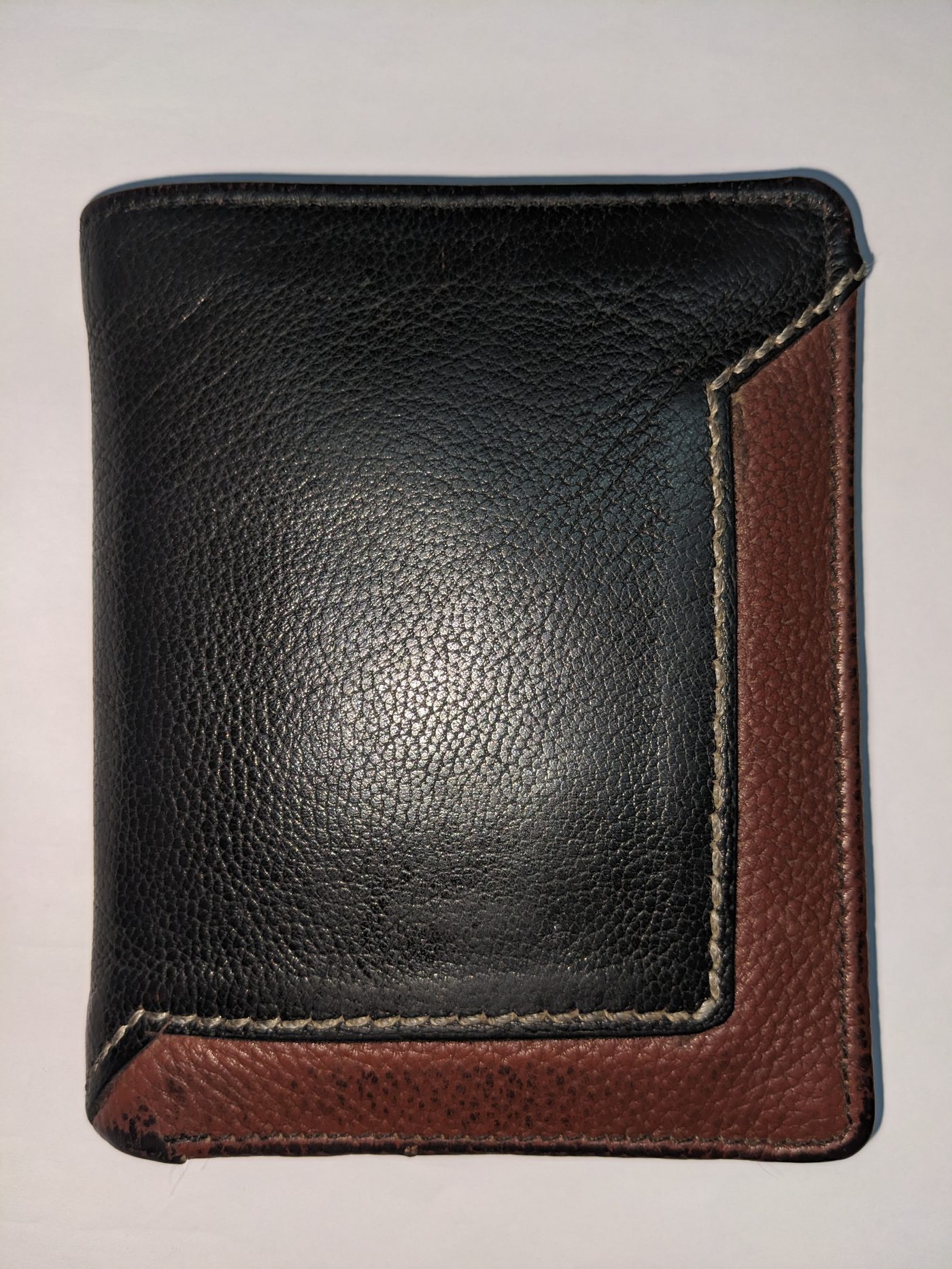
- Leather: Offers durability and a premium look; often sourced locally or imported, leather flaps are ideal for high-end handbags.
black and brown leather wallet (Source: Wikimedia Commons)
- Canvas: A sturdy, affordable fabric used for casual or utility bags; canvas flaps may be waxed for water resistance.
- Synthetic Leather (PU): Provides a leather-like appearance at a lower cost, widely used in mid-range accessories.
- Silk or Satin: Used in flap designs for evening bags or clutches, adding elegance and softness.
- Denim: Popular in youth fashion, denim flaps offer ruggedness and casual style.
Construction Techniques
- Edges are often reinforced with piping or binding to prevent fraying, crucial for fabric flaps exposed to frequent handling.
- Interfacing or padding is inserted between layers to provide stiffness and shape retention.
- Stitching methods such as topstitching add decorative flair and strength; double stitching is common in leather flaps to withstand wear.
- Attachment points for closures like snaps or buckles require reinforced stitching or rivets to ensure longevity.
- Some flaps are laminated or treated with waterproof coatings to enhance resistance against Kenya’s humid coastal conditions.
Design Considerations and Functional Features of Flaps
In Kenyan fashion accessory design, flaps must balance aesthetic appeal with practical function. Designers consider consumer lifestyle, climate, and security needs when developing flap designs for different market segments, from urban professionals to rural customers.
Design Considerations
- Size and Proportion: Flaps should complement the accessory’s overall dimensions, avoiding oversized designs that hinder usability.
- Closure Mechanism: Choices include magnetic snaps, buckles, zippers, or Velcro, each offering different levels of security and ease of use.
- Decorative Elements: Embroidery, beadwork, or traditional fabrics like kikoy or kitenge can be incorporated to reflect Kenyan cultural heritage.
- Ergonomics: Flaps designed for ease of opening and closing, particularly important in professional settings like banks or county offices where quick access is needed.
- Weather Resistance: Materials and finishes must withstand Kenya’s diverse weather, from Nairobi’s dry climate to Mombasa’s humidity.
Functional Features
- Hidden pockets within flaps provide additional storage for small items such as cards or keys.
- Reinforced edges protect against wear from frequent opening and closing.
- Flaps with adjustable straps or extensions allow customization of the accessory’s capacity.
- Integration of RFID-blocking fabrics in flaps enhances security for wallets and travel bags.
- Use of lightweight materials in flap construction reduces overall accessory weight, improving user comfort.
Pockets
In fashion design, pockets are essential functional and aesthetic components that influence the garment's usability and style. In the Kenyan fashion industry, well-designed pockets can enhance the appeal of garments such as school uniforms, casual wear, and corporate attire, which are prominent in Nairobi's retail boutiques and county government staff wardrobes. Understanding pocket types, placement, and construction techniques is vital for fashion designers aiming to produce garments that meet both consumer expectations and practical needs in Kenya's diverse market.
Types of Pockets
Pockets vary widely in design, each serving different purposes and contributing distinctively to the garment’s style and function. Kenyan designers often integrate various pocket types to suit the target market, whether it is casual wear for young professionals in Nairobi or traditional attire for cultural events in Kisumu.
Types of Pockets
-
Patch Pockets: These are sewn onto the garment’s exterior, typically square or rectangular, and are common in casual shirts and jackets. They offer easy access and add a decorative element, frequently seen on safari jackets popular in Kenyan tourism fashion.
-
Welt Pockets: Characterized by a narrow slit with fabric edges (welts) finishing the opening, these pockets are usually more formal and are common on trousers and blazers in corporate wear for Nairobi’s banking sector.
-
Inseam Pockets: Hidden along the seam of a garment, inseam pockets maintain a smooth silhouette and are favored in dresses and trousers, providing discreet storage without disrupting the garment’s line.
-
Flap Pockets: These have a flap covering the pocket opening, which can be decorative or functional to protect items inside. They are often used on coats and military-inspired garments, which are trendy among Kenyan youth fashion brands.
-
Cargo Pockets: Large, expandable pockets with flaps and sometimes pleats, cargo pockets are practical and add a utilitarian look. They are frequently incorporated in casual and outdoor wear designed for Kenya’s active lifestyle and safari tourism.
Placement and Functionality of Pockets
The placement of pockets affects both the garment's practicality and its visual balance. In the Kenyan fashion market, where versatility is valued, pocket placement must consider wearer convenience and style appropriateness.
Key Considerations in Pocket Placement
-
Accessibility: Pockets should be positioned where the wearer can easily reach them, such as at hip level on trousers or chest level on shirts, to enhance functionality in everyday use.
-
Body Shape and Movement: Placement must accommodate body contours and allow free movement, especially in activewear and school uniforms where comfort is critical.
-
Garment Style: Formal garments typically feature discreet pockets to maintain sleek lines, while casual or utility garments have more pronounced pockets to emphasize style or function.
-
Balancing Proportions: Pockets can be used to visually balance the garment’s proportions, for example, adding pockets on the hips to emphasize curves or on the chest to broaden the shoulders.
-
Security: For garments intended for travel or outdoor use, such as safari jackets, pockets are often placed with closures like zippers or buttons to secure valuables, reflecting the needs of Kenyan tourists and professionals.
Construction Techniques for Pockets
The quality of pocket construction directly affects garment durability and appearance, which is critical in Kenya’s competitive fashion market where consumers expect value for money. Skilled tailoring and appropriate finishing techniques ensure pockets perform well under daily use.
Essential Construction Techniques
-
Reinforcement at Stress Points: Areas where the pocket meets the garment, especially corners and openings, must be reinforced with bar tacks or rivets to prevent tearing, essential in school uniforms and workwear.
-
Proper Seam Allowances: Allowing sufficient seam allowance ensures the pocket can be attached securely without puckering or distortion, maintaining a professional finish.
-
Edge Finishing: Edges of pocket openings require clean finishing, such as topstitching or binding, to prevent fraying and extend garment life, important in garments sold through Kenyan retail chains like Naivas and Tuskys.
-
Lining and Interfacing: Using lining or interfacing in pocket bags provides shape and strength, especially for lightweight fabrics common in Kenya’s hot climate.
-
Symmetry and Alignment: Accurate placement and stitching ensure pockets are symmetrical and aligned, which reflects quality craftsmanship and affects consumer perception in Nairobi’s boutique stores.
Design Considerations and Trends in Pocket Use
The evolving fashion trends in Kenya influence how pockets are incorporated into garments, blending traditional aesthetics with contemporary styles. Designers must balance innovation with functional demands to meet diverse consumer preferences.
Influential Design Factors
-
Cultural Influence: Traditional Kenyan attire often includes decorative pockets or pocket-like elements that serve as style statements rather than functional storage, inspiring modern designers to reinterpret these features.
-
Fabric Choice: The type of fabric determines pocket design; heavy cottons and denim support larger, structured pockets, whereas silks and chiffons require subtle, lightweight pocket styles.
-
Sustainability: With growing awareness of sustainability, designers in Kenya are experimenting with minimalistic pocket designs to reduce fabric waste and streamline production.
-
Gender Considerations: Pocket styling may vary between menswear and womenswear, reflecting societal norms and functional needs, such as smaller or fewer pockets in women’s fashion which is currently being challenged by designers advocating for practicality.
-
Technological Integration: Some contemporary Kenyan fashion brands are incorporating pockets designed to hold smartphones and other gadgets securely, reflecting urban lifestyle demands.
Crown
In the realm of fashion accessories, the crown holds a distinctive position as a symbol of authority, elegance, and cultural heritage. In Kenya's vibrant fashion industry, crowns are not only worn during ceremonial occasions but have also found their place in contemporary fashion shows, weddings, and cultural festivals. For fashion designers, understanding the nuances of crown design and construction is essential to creating pieces that resonate with both tradition and modern aesthetics.
Definition and Historical Context of Crowns
Crowns are ornamental headpieces traditionally associated with royalty, leadership, and ceremonial significance. In Kenya, various ethnic communities have unique crown styles that reflect their cultural identity and social hierarchy. For example, the Maasai warriors traditionally wear beaded headbands that signify their status, while the Kikuyu community uses elaborate head adornments during rites of passage.
Definition of Crowns
- Symbol of Authority: Crowns have historically denoted power and leadership, worn by kings, queens, chiefs, and other dignitaries.
- Ornamental Headwear: Beyond symbolism, crowns serve as decorative accessories that enhance the wearer’s appearance.
- Material Diversity: They can be crafted from metals, beads, fabrics, or natural elements, depending on cultural context and fashion trends.
- Ceremonial Use: Crowns are integral to rituals such as coronations, weddings, and cultural ceremonies.
- Fashion Statement: In contemporary fashion, crowns are adapted as statement pieces for runway shows, photo shoots, and special events.
Historical Context in Kenya
- Cultural Significance: Different Kenyan communities imbue crowns with meanings tied to social status, age sets, and spiritual roles.
- Traditional Craftsmanship: Beadwork, metalwork, and natural materials like feathers and animal skins are commonly used in crown making.
- Colonial Influence: The introduction of Western styles influenced the evolution of crowns, blending traditional and modern designs.
- Modern Adaptations: Kenyan designers integrate traditional motifs with contemporary materials like crystals and synthetic fabrics.
- Preservation of Heritage: Crowns remain a vital part of cultural identity, often showcased in festivals such as the Lamu Cultural Festival and Maralal Camel Derby.
Materials and Components Used in Crown Making
Selecting appropriate materials and components is fundamental to the design and durability of crowns. Kenyan fashion designers must balance aesthetics, cultural relevance, and functionality when choosing materials.
Common Materials for Crowns
- Metal Frames: Typically brass, copper, or aluminum are used for structural bases due to their malleability and durability.
- Beads and Gemstones: Glass beads, Swarovski crystals, and semi-precious stones add color and sparkle, reflecting traditional beadwork techniques.
- Fabric and Leather: Velvet, satin, or leather bases provide comfort and a luxurious finish, often used in royal or bridal crowns.
- Feathers and Natural Elements: Ostrich or peacock feathers, shells, and seeds introduce organic textures and cultural symbolism.
- Adhesives and Fasteners: High-quality glues, wires, and clasps ensure stability and wearability during prolonged use.
Components of Crown Design
- Base Frame: The foundational structure that supports the entire crown, shaped to fit the head securely.
- Decorative Embellishments: Elements like beads, stones, and embroidery that define the crown’s aesthetic appeal.
- Support Elements: Internal padding or lining to enhance comfort and prevent slipping.
- Attachment Mechanisms: Adjustable straps, combs, or elastic bands that secure the crown in place.
- Protective Coatings: Varnishes or sealants applied to metal or beads to prevent tarnishing and damage.
Design Techniques and Styles of Crowns
Crown design in Kenyan fashion involves both traditional craftsmanship and innovative techniques. Designers must understand stylistic influences and construction methods to produce crowns that meet client expectations and cultural standards.
Traditional Design Techniques
- Bead Weaving: Intricate patterns created using small beads threaded tightly to form symbolic motifs.
- Metalworking: Techniques such as soldering, hammering, and engraving shape metal frames and embellishments.
- Embroidery: Stitching beads, sequins, or threads onto fabric bases to add texture and visual interest.
- Composite Assembly: Combining multiple materials like feathers, beads, and metal to create layered, multidimensional crowns.
- Hand Painting: Applying color and designs directly onto surfaces for personalized detailing.
Contemporary Styles
- Minimalist Crowns: Sleek designs using few materials to create elegant, understated looks suited for modern brides or fashion events.
- Statement Pieces: Large, bold crowns featuring oversized beads, crystals, or feathers for dramatic runway presence.
- Cultural Fusion: Designs that blend traditional Kenyan patterns with global fashion trends, appealing to both local and international markets.
- Eco-friendly Designs: Use of sustainable materials such as recycled metals and organic fibers responding to growing environmental awareness.
- Adjustable and Modular Crowns: Components that can be detached or rearranged, offering versatility and multiple styling options.
Construction Process and Quality Considerations
The construction of crowns demands precision, patience, and attention to detail to ensure both aesthetic appeal and durability. In Kenya’s fashion industry, quality craftsmanship distinguishes premium crowns from mass-produced alternatives.
Steps in Crown Construction
- Design Conceptualization: Sketching the crown’s design, considering cultural elements, client preferences, and material availability.
- Material Selection: Procuring high-quality metals, beads, fabrics, and adhesives suited to the design.
- Frame Fabrication: Shaping and assembling the metal base to fit the intended head size and design specifications.
- Decoration Application: Attaching beads, stones, feathers, and other embellishments using techniques such as sewing, gluing, or wiring.
- Fitting and Adjustment: Adding support elements and attachment mechanisms to ensure comfort and secure fit.
- Final Inspection and Finishing: Checking for structural integrity, cleaning, and applying protective coatings.
Quality Considerations
- Durability: Components must withstand repeated use without losing shape or losing embellishments.
- Comfort: Padding and ergonomic design prevent discomfort during prolonged wear.
- Aesthetic Consistency: Symmetry, color harmony, and neat finishing reflect professional craftsmanship.
- Cultural Accuracy: Designs should respect the symbolism and traditional meanings associated with crown styles.
- Safety: Use of non-toxic materials and secure attachments to avoid injury to the wearer.
Brim
In fashion accessories, particularly hats, the brim plays a pivotal role in both function and style. For Kenyan fashion designers, understanding brim construction and design is essential to create hats that balance aesthetics with practical protection against the sun, a significant consideration in Kenya’s climate. The brim not only frames the face but also influences the overall silhouette of the accessory, impacting its market appeal and wearer comfort.
Brim Meaning and Purpose
The brim refers to the projecting edge of a hat that extends outward from the crown, serving specific purposes beyond decoration. It is a crucial element for sun protection, shading the face and neck, which is particularly relevant in outdoor work or leisure settings common in Kenya such as farming or tourism. Additionally, the brim contributes to the hat’s structural balance and visual proportion, influencing how it complements different face shapes and fashion styles.
Purpose of the Brim
- Sun Protection: The brim shields the wearer’s face, ears, and neck from harmful UV rays, reducing the risk of sunburn and heat exposure, especially important for outdoor workers in counties like Kitui and Turkana.
- Aesthetic Framing: It shapes the hat’s silhouette, creating a visual frame for the face that can soften or emphasize facial features depending on brim width and shape.
- Balance and Proportion: The brim helps balance the crown’s size, ensuring the hat fits harmoniously with the wearer’s head and outfit, enhancing overall style.
- Weather Shield: Beyond sun protection, brims can also shield from rain, offering practical use in Kenya’s rainy seasons, particularly in regions like Kisumu and Kakamega.
- Cultural Expression: In Kenyan fashion, brim styles can symbolize cultural identity or social status, seen in traditional Maasai or Kikuyu hat designs incorporating distinctive brim shapes.
Meaning of the Brim
The brim is the extended edge of a hat that projects outward from the base of the crown, defining the overall silhouette and style of the headwear. In Kenyan fashion, the brim is not only a functional component but also a key stylistic element that distinguishes different hat types, such as the wide-brimmed hats worn by Maasai elders during ceremonies or the flat-brimmed caps popular among Nairobi’s urban youth. The meaning of the brim extends to its role as a symbol of status or cultural identity in various communities, with specific brim shapes and sizes signifying different occasions or social roles.
Types of Brims and Their Characteristics
Brims vary widely in shape, size, and stiffness, each type conveying different fashion statements and functional benefits. Kenyan designers must select brim styles that suit the intended use, target market, and current fashion trends, balancing innovation with cultural resonance.
Common Brim Types
- Wide Brim: Extends significantly from the crown, offering maximum sun protection and dramatic style. Often used in safari hats or elegant sun hats popular in Nairobi’s upscale retail boutiques.
- Narrow Brim: Provides subtle shading with minimal projection, suitable for formal hats or fashion-forward designs where less bulk is desired.
- Floppy Brim: Soft and flexible, this brim droops naturally, offering a relaxed, bohemian aesthetic favored in casual wear and resort fashion.
- Upturned Brim: Brims that curve upward at the edges, adding a playful or vintage flair, often seen in retro-inspired hats sold in Mombasa’s coastal markets.
- Flat Brim: Maintains a rigid, flat profile around the crown, common in baseball caps and streetwear, blending function with contemporary urban style.
Brim Materials and Construction Techniques
The choice of material and construction method for the brim affects durability, comfort, and style. Kenyan fashion designers must consider locally available materials and consumer preferences when selecting brim components.
Materials Used for Brims
- Straw: Lightweight and breathable, straw brims are traditional in Kenya’s rural hat-making, ideal for hot climates but less durable in wet conditions.
- Felt: Made from wool or synthetic fibers, felt brims provide warmth and structure, suitable for cooler highland areas like Nyeri.
- Leather: Offers a premium, durable finish with natural water resistance, often used in bespoke fashion accessories for urban markets.
- Synthetic Fabrics: Materials like polyester blends provide flexibility and weather resistance, favored for sporty or casual hats.
- Wire Reinforcement: Thin wire sewn into the brim edge maintains shape and allows adjustable styling, common in both traditional and modern hat designs.
Designing Brims for Kenyan Fashion Markets
Designing brims requires balancing functionality, cultural relevance, and style trends. Understanding the diverse Kenyan market, from urban centers to rural communities, helps designers create accessories that resonate widely.
Key Design Considerations
- Climate Adaptation: Brims must suit local weather patterns, with wider brims preferred in sunny regions like Machakos and narrower brims in cooler areas.
- Cultural Significance: Incorporating traditional motifs or shapes can enhance market appeal among communities valuing heritage fashion.
- Target Demographic: Urban youth may prefer trend-driven brim styles, while older consumers might seek classic, functional designs.
- Production Costs: Material choice and construction complexity impact pricing; designers must align with the purchasing power of target customers.
- Sustainability: Using eco-friendly or locally sourced materials supports Kenya’s growing demand for sustainable fashion.
Side bag
Side bags are an essential category of fashion accessories that combine functionality with style, making them highly popular among fashion-conscious Kenyans. This accessory is designed to be worn across the body or on one shoulder, offering convenience and hands-free mobility. In Kenya’s urban centers such as Nairobi and Mombasa, where professionals and students alike require practical yet fashionable carrying options, side bags have become a staple. Their versatility allows them to complement various outfits, from casual wear to semi-formal attire, contributing significantly to personal style expression.
Definition and Functional Role of Side Bags
Side bags are compact bags typically worn across the torso or on one shoulder, designed to carry personal belongings securely while allowing ease of movement. Their defining characteristic is the long strap, which enables the bag to rest on the side of the body, hence the name. This design supports weight distribution evenly, reducing strain on one shoulder compared to traditional handbags.
Side bags serve a functional role beyond aesthetic appeal. They provide quick access to essentials such as wallets, phones, and keys, which is particularly beneficial for professionals in dynamic environments like county government offices or retail businesses. Additionally, their secure positioning minimizes the risk of theft, an important consideration in busy urban areas. The design often includes multiple compartments, promoting organization and accessibility.
Design Elements and Materials Used in Side Bags
The design of side bags in the Kenyan fashion industry reflects a balance between durability, aesthetics, and practicality. Materials commonly used include leather, canvas, and synthetic fabrics, each chosen for specific qualities such as texture, weight, and weather resistance. For instance, leather side bags are favored for their elegance and longevity, often seen in corporate settings like banks or insurance firms.
Design elements focus on size, shape, strap length, and closure types. Adjustable straps enhance comfort for users of different heights and preferences. Closure mechanisms like zippers, magnetic snaps, or buckles ensure the security of contents while adding to the bag’s style quotient. Kenyan designers often incorporate local motifs or beadwork to infuse cultural identity, appealing to consumers seeking unique, handcrafted accessories.
Production Techniques and Craftsmanship in Side Bag Making
Producing side bags involves a sequence of detailed steps that require skilled craftsmanship, particularly in cutting, stitching, and finishing. Precision in cutting the fabric or leather panels is crucial to ensure the bag’s shape and structural integrity. In Kenya’s fashion workshops, such as those in Nairobi’s industrial area, artisans use both manual and machine sewing techniques to achieve durability and neat finishes.
Craftsmanship extends to the installation of hardware like buckles, rings, and zippers, which must be securely attached to withstand daily use. Attention to detail in edge finishing and lining also contributes to the bag’s overall quality and user experience. Many Kenyan designers emphasize sustainable practices by sourcing local materials and employing traditional techniques that reduce waste and promote environmental responsibility.
Market Trends and Consumer Preferences for Side Bags in Kenya
The demand for side bags in Kenya reflects broader fashion trends and consumer lifestyle changes. Urban consumers increasingly prioritize multifunctionality and style, seeking bags that transition seamlessly from work to leisure. Side bags with minimalist designs and neutral colors tend to dominate the market due to their versatility, especially among young professionals in sectors like education and healthcare.
There is also a growing appreciation for ethically produced accessories, with consumers supporting brands that promote fair labor practices and use eco-friendly materials. Customization options, such as personalized embossing or interchangeable straps, are gaining popularity, allowing individuals to express their identity. Retail businesses and boutique shops in Nairobi and Kisumu often stock a diverse range of side bags to cater to these evolving preferences.
3.1.2 Principles of Fabric Laying
Fabric laying is a critical preparatory step in cutting fashion accessories, ensuring precision, efficiency, and quality in the final product. In Kenya's fashion design industry, where resource optimization and minimizing fabric wastage are essential due to high material costs, mastering fabric laying principles can significantly enhance profitability and product consistency. Whether working with leather, cotton, silk, or synthetic blends commonly used in accessories like belts, hats, and bags, proper fabric laying affects how patterns align, how many pieces can be cut from a single length, and ultimately the aesthetic and functional quality of the accessory.
Fabric Grain and Its Impact on Laying
Understanding fabric grain is fundamental before laying fabric for cutting fashion accessories. The grain refers to the orientation of yarns in woven or knitted fabric, affecting the stretch, drape, and stability of the material.
Fabric Grain Types
- Lengthwise Grain (Warp): This runs parallel to the selvage edge and is the strongest grain direction with minimal stretch. Aligning pattern pieces along this grain ensures structural integrity in accessories like sturdy belts or structured hat brims.
- Crosswise Grain (Weft): Runs perpendicular to the selvage and has slight stretch, providing some flexibility. This grain is often used for parts of accessories requiring minor give, such as adjustable straps.
- Bias Grain: At a 45-degree angle to the lengthwise and crosswise grains, the bias offers maximum stretch and drape. Fashion designers use bias grain strategically in fabric laying for accessories like scarves or decorative trims to achieve fluidity and contour.
- Selvage Edge: The tightly woven edge prevents fraying. In fabric laying, keeping the selvage aligned can help maintain consistent grain direction and reduce distortion during cutting.
Impact on Fabric Laying
The grain direction dictates how fabric must be laid flat to avoid distortion or misalignment during cutting. For example, laying fabric off-grain can cause accessories such as bags to twist or belts to warp after assembly. In Kenyan design studios, designers working with cotton canvas for tote bags must ensure the lengthwise grain aligns with the main body of the bag to maintain durability and shape.
Fabric Spreading Techniques
Fabric spreading involves unrolling and arranging fabric layers on a cutting table before laying patterns. The choice of spreading technique influences fabric usage, cutting accuracy, and handling efficiency.
Common Spreading Techniques
- Flat Spreading: Fabric is spread in single layers flat on the table. This technique suits delicate fabrics like silk used in accessory linings where careful handling prevents wrinkles and distortion.
- Folded Spreading: Fabric is folded lengthwise or crosswise, doubling the layers. This approach is efficient for mass production of symmetrical accessories such as gloves or bow ties, reducing handling time.
- Loop Spreading: Fabric is formed into loops on the table, allowing continuous spreading without tension. It is ideal for knit fabrics used in stretchable accessories like wristbands, ensuring uniform tension.
- Automatic Spreading: In larger Kenyan fashion houses or cooperatives, automated spreading machines handle bulk fabric efficiently, minimizing human error and fabric wastage.
Considerations in Fabric Spreading
Spreading must be done on a clean, smooth surface to avoid contamination or damage to the fabric. For example, a county government office producing school uniforms with fabric accessories like badges will emphasize flat spreading to maintain fabric quality and uniformity. Proper spreading also accounts for fabric shrinkage and stretch properties, especially when working with blends.
Fabric Alignment and Pattern Placement
Accurate alignment and pattern placement on fabric are essential to maximize fabric utilization and ensure the accessory pieces conform to design specifications.
Principles of Fabric Alignment
- Matching Grain Lines: Pattern pieces must be placed along the correct grain line marked on the pattern to preserve fabric behavior after cutting. For instance, placing a hat brim pattern on the bias may cause unwanted stretching.
- Directional Prints and Patterns: When working with printed or patterned fabrics, alignment ensures that motifs appear correctly oriented on the accessory. A SACCO producing branded caps in Nairobi would align logos consistently to maintain brand identity.
- Nap and Pile Direction: Fabrics like velvet or suede used in high-end accessories have a nap that reflects light differently depending on direction. Aligning all pieces in the same nap direction avoids shading inconsistencies.
- Symmetry and Balance: For symmetrical accessories such as gloves or cuffs, pattern pieces are laid out to align perfectly for balanced cutting.
Pattern Placement Techniques
- Marker Making: Creating an efficient cutting layout (marker) of pattern pieces reduces fabric waste. Designers at a retail business in Mombasa use computerized marker making to optimize fabric use in mass accessory production.
- Allowing for Seam and Hem: Proper placement includes allowances for seams, hems, and other finishing details critical in accessories like wrist straps or hat bands.
- Avoiding Fabric Defects: Pattern pieces are positioned to steer clear of fabric defects such as holes or stains, ensuring accessory quality.
Managing Fabric Tension and Handling During Laying
Managing fabric tension and handling during the laying process prevents distortion and damage, which are common challenges in cutting fashion accessories.
Importance of Tension Control
Fabric tension affects how the fabric lies flat and maintains its shape during cutting. Uneven tension can stretch or compress fabric, causing inaccuracies in cut pieces. In Kenyan fashion workshops producing leather accessories, controlling tension is vital as leather reacts differently compared to woven fabrics.
Handling Methods
- Gentle Manipulation: Handling delicate fabrics like chiffon or organza used in decorative accessories requires careful lifting and smoothing to avoid stretching or snagging.
- Use of Weights and Pins: Applying weights or pins stabilizes fabric layers during laying and cutting. For example, designers crafting bead-embellished belts at a Nairobi boutique use fine pins to secure fabric without damaging the surface.
- Avoiding Fabric Drag: Dragging fabric across rough surfaces can cause pulls or tears; fabric is lifted and placed carefully to prevent such damage.
- Maintaining Cleanliness: Clean hands and tools prevent staining, crucial for white or light-colored accessory fabrics in hospitals and hotels.
Environmental Factors
Humidity and temperature in Kenyan climates affect fabric behavior; high humidity can cause fabrics to absorb moisture and stretch, requiring adjustments in tension during laying.
Ply alignment
In fashion accessory production, especially when working with layered materials such as leather, fabric, or synthetic composites, ply alignment is a critical factor that directly influences the durability, aesthetic quality, and functional performance of the final product. In the Kenyan fashion industry, where accessories like belts, handbags, and hats often combine multiple layers to achieve desired strength and style, precise ply alignment ensures uniformity and prevents defects during cutting and assembly. Misaligned plies can cause uneven edges, weak spots, and distortion, which compromise both the accessory’s appearance and longevity.
Understanding Ply Alignment in Fashion Accessories
Ply alignment refers to the correct positioning of multiple layers of material stacked together before cutting or stitching. In fashion accessories, these plies may consist of the outer decorative fabric, interlining for structure, and backing material for comfort or reinforcement. Proper alignment guarantees that all layers conform to the intended shape and pattern.
- Material consistency: Aligning plies ensures that the thickness and texture are uniform throughout the accessory, which is especially important in multi-layered handbags or shoe uppers.
- Pattern matching: For patterned or printed materials, ply alignment allows designs to line up perfectly across layers, enhancing the visual appeal.
- Structural integrity: Correct alignment prevents shifting during cutting, which can weaken seams and reduce the accessory’s lifespan.
- Waste reduction: Precise ply alignment minimizes material wastage by enabling accurate cutting, which is vital for cost control in Kenyan fashion enterprises where material costs are significant.
- Ease of assembly: When plies are aligned correctly, stitching and bonding processes proceed smoothly, reducing production errors and rework.
Techniques for Achieving Accurate Ply Alignment
Achieving accurate ply alignment requires careful handling and specific techniques during the cutting preparation stage. Kenyan fashion designers and production teams apply these methods to maintain quality standards in competitive markets.
- Layer inspection and sorting: Before stacking, each ply is inspected for defects and sorted by size and shape to ensure uniformity.
- Use of alignment pins or clips: Temporary fasteners hold plies together at critical points, preventing slippage during cutting.
- Marking reference points: Tailors mark alignment guides on the edges of plies using chalk or tailor’s tacks, which serve as visual cues during stacking.
- Manual smoothing and adjustment: Skilled workers manually adjust plies, smoothing wrinkles and ensuring edges match precisely.
- Application of adhesives or spray tack: In some cases, a light adhesive spray is applied between plies to maintain their position without causing permanent bonding.
Challenges in Ply Alignment and Mitigation Strategies
In the Kenyan fashion accessory industry, ply alignment can present several challenges due to material variability, workforce skill levels, and production scale. Addressing these challenges is essential to sustaining product quality.
Challenges
- Material stretch and elasticity: Some fabrics or leathers stretch unevenly, causing misalignment when stacked.
- Thickness variation: Different ply materials may vary in thickness, leading to uneven layering.
- Human error: Manual processes rely heavily on the operator’s skill and concentration, increasing the risk of misalignment.
- Environmental factors: Humidity and temperature can affect material behavior, especially natural fibers, causing shifts after alignment.
- High production volumes: Mass production pressures can lead to rushed ply alignment, compromising accuracy.
Mitigation Strategies
- Training and skill development: Regular training for cutting room staff enhances attention to detail and ply handling techniques.
- Standard operating procedures (SOPs): Clear SOPs guide workers on ply stacking and alignment steps to reduce variability.
- Use of alignment tools: Investing in specialized equipment such as ply spreaders and clamps improves consistency.
- Environmental controls: Maintaining stable workshop conditions reduces material distortion risks.
- Quality checks: Implementing intermediate inspections during ply stacking catches misalignments early, preventing downstream defects.
Impact of Ply Alignment on Accessory Quality and Production Efficiency
Proper ply alignment is not merely a technical requirement; it significantly influences the overall quality and efficiency of fashion accessory production in Kenya.
- Enhanced product durability: Well-aligned plies contribute to stronger seams and longer-lasting accessories, reinforcing brand reputation.
- Improved aesthetic appeal: Consistent ply alignment ensures smooth edges and pattern continuity, elevating the accessory’s market value.
- Reduced material wastage: Accurate cuts reduce scrap material, lowering production costs and improving sustainability.
- Faster assembly time: When plies are correctly aligned, sewing and bonding proceed without interruptions, optimizing workflow.
- Customer satisfaction: Delivering accessories with flawless ply alignment meets consumer expectations, fostering repeat business and referrals.
Ply tension
In the production of cut fashion accessories, especially those involving threads, yarns, or cords, controlling ply tension is essential to achieving high-quality, durable products. Ply tension refers to the force applied to individual strands or plies of yarn as they are twisted or combined during manufacturing. In Kenyan fashion design workshops and studios, managing ply tension correctly ensures that accessories such as braided belts, woven wristbands, or decorative trims maintain consistent texture, strength, and appearance. Improper ply tension can lead to uneven thickness, weak spots, or distortion, which compromise both aesthetics and functionality.
Definition and Role of Ply Tension
Ply tension is the amount of tension or pulling force exerted on each ply of yarn or thread as it is twisted or combined with others to form a thicker, stronger strand. This tension influences the tightness of the twist, the uniformity of the ply, and ultimately the mechanical properties of the final accessory component. In Kenyan fashion accessory production, ply tension must be carefully regulated to balance flexibility and strength, especially when working with natural fibers such as cotton or sisal, which are common in local artisanal crafts.
Importance of Ply Tension in Accessory Design
- Maintains Consistent Thickness: Proper ply tension prevents variations in the diameter of combined yarns, ensuring that belts or cords look uniform and professional.
- Enhances Strength and Durability: Adequate tension increases the tensile strength of the yarn, reducing the likelihood of breakage during use or sewing.
- Controls Elasticity: Adjusting ply tension allows designers to achieve the desired elasticity or rigidity in accessories such as braided straps or decorative cords.
- Prevents Distortion: Correct tension avoids kinks, loops, or uneven twisting that can distort the shape or pattern of the accessory.
- Improves Dye Uptake and Finish: Uniform ply tension contributes to even dye absorption and smooth surface finish, important for vibrant, long-lasting colors in fashion accessories.
Factors Affecting Ply Tension in Production
Ply tension is influenced by several factors related to materials, equipment, and operator technique. Understanding these helps Kenyan fashion designers and technicians optimize accessory quality.
- Type and Thickness of Yarn: Heavier or coarser yarns require different tension settings compared to fine threads to avoid overstretching or slackness.
- Twisting Speed: Faster twisting increases tension, which may tighten the ply excessively if not controlled, affecting flexibility.
- Machine Settings: In mechanized production, tension brakes and tensioners must be calibrated carefully to maintain consistent pull on each ply.
- Operator Skill: Manual ply twisting or braiding demands consistent hand tension and rhythm to avoid irregularities.
- Environmental Conditions: Humidity and temperature affect fiber elasticity; for instance, cotton yarns become more elastic in moist environments common in Nairobi and coastal regions, requiring tension adjustments.
Techniques to Control and Adjust Ply Tension
Effective ply tension management involves both equipment adjustments and skilled manual handling. Kenyan fashion accessory workshops utilize these techniques to maintain quality.
- Use of Tension Devices: Adjustable tension brakes or tension discs on twisting machines regulate the force exerted on each ply, allowing precise control.
- Manual Tension Monitoring: When twisting by hand, designers maintain steady finger pressure and consistent speed to keep tension uniform.
- Calibration Before Production: Trial runs help establish ideal tension settings for specific yarn types and accessory designs, minimizing waste.
- Regular Maintenance of Equipment: Ensuring tension devices are clean and functioning prevents uneven tension caused by mechanical faults.
- Environmental Adaptation: Adjust tension based on current humidity or temperature to accommodate fiber property changes.
Consequences of Improper Ply Tension and Preventive Measures
Incorrect ply tension can lead to defects that compromise accessory quality and customer satisfaction. Kenyan fashion designers must recognize these issues and apply preventive strategies.
- Uneven Thickness and Bulges: Low tension causes slack in yarns, resulting in inconsistent thickness that undermines accessory aesthetics.
- Weak Points and Breakage: Excessive tension stretches fibers beyond their limits, making them prone to snapping during production or use.
- Distorted Patterns: Unequal tension among plies creates twisting or kinking, distorting braided or woven designs.
- Poor Dye Penetration: Inconsistent tension leads to uneven surface texture, causing dye to absorb irregularly and fade prematurely.
- Increased Production Waste: Defective accessories due to tension errors lead to rework or scrapping, increasing costs.
Preventive Measures
- Regular Training: Skill development in tension control techniques reduces operator errors.
- Routine Equipment Checks: Preventive maintenance ensures tension mechanisms function optimally.
- Environmental Monitoring: Adjust production parameters in response to climate changes.
- Quality Control Inspections: Early detection of tension-related defects allows timely correction.
- Standard Operating Procedures: Documented tension settings for different yarns and accessories guide consistent production.
Fabric design
Fabric design is a critical aspect of fashion accessories, shaping the texture, pattern, and overall aesthetic that complements clothing and enhances personal style. In Kenya's vibrant fashion industry, designers rely on fabric design to create unique accessories that reflect cultural identity and contemporary trends. Whether producing scarves, bags, or belts, the choice and design of fabric influence both the functionality and appeal of fashion accessories. Understanding fabric design principles enables fashion designers to innovate and cater to diverse markets, from urban boutiques in Nairobi to rural artisan cooperatives.
Types of Fabric Design
Fabric design encompasses various techniques that determine the visual and tactile qualities of textiles used in fashion accessories. Each type offers distinct characteristics that influence the accessory's suitability for different uses and styles.
Printed Fabric Design
Printed fabric design involves applying color, patterns, or motifs onto fabric surfaces using methods such as screen printing, block printing, or digital printing. This technique allows for intricate and multicolored designs that can be customized to reflect Kenyan motifs or modern abstract patterns. For example, printed fabrics featuring Maasai beadwork-inspired motifs are popular for handbags and head wraps.
Woven Fabric Design
Woven fabric design is created by interlacing warp and weft yarns to form patterns and textures. Techniques like jacquard weaving enable complex motifs directly integrated into the fabric structure, offering durability and an upscale appearance. Woven designs are common in belts and watch straps, where strength and design coherence are essential.
Embroidered Fabric Design
Embroidery adds decorative stitching to fabric surfaces, often incorporating threads, beads, and sequins to create textured patterns. Kenyan designers frequently use traditional embroidery techniques to embellish accessories such as clutches and hats, blending cultural heritage with contemporary fashion.
Knitted Fabric Design
Knitted fabric design uses interlocking loops of yarn to produce stretchable and soft textiles. This approach is favored for scarves and wristbands, where comfort and flexibility are priorities. Knitted designs can range from simple solid colors to complex patterns like cable knits or lace.
Felted Fabric Design
Felted fabric design involves matting fibers together using heat, moisture, and pressure, resulting in dense, non-woven textiles. Felted fabrics are robust and insulating, making them suitable for winter accessories like hats and gloves. Kenyan artisans have adopted felt techniques to create eco-friendly, handcrafted products for niche markets.
Elements and Principles of Fabric Design
Fabric design is governed by fundamental elements and principles that ensure the final accessory is aesthetically pleasing and functionally appropriate. Mastery of these concepts enables designers to create balanced, attractive, and innovative fashion accessories.
Elements of Fabric Design
- Line: Lines guide the eye and define shapes within the fabric pattern. For example, vertical lines can elongate a scarf's appearance, making it more elegant.
- Color: Color influences mood and style; complementary colors create harmony, while contrasting colors add vibrancy. African wax prints often use bold color palettes to convey cultural stories.
- Texture: The surface feel of the fabric, whether smooth, rough, or embossed, affects the accessory's tactile appeal and usability.
- Shape: Shapes formed by patterns or motifs contribute to the fabric’s visual interest and can reflect symbolic meanings.
- Space: The arrangement of motifs and the use of positive and negative space impact the fabric’s balance and readability.
Principles of Fabric Design
- Balance: Symmetrical or asymmetrical distribution of design elements ensures visual stability. For example, balanced floral patterns on a handbag fabric create a pleasing look.
- Contrast: Using opposing elements like dark and light colors or rough and smooth textures enhances visual impact.
- Repetition: Repeated motifs or colors provide rhythm and unity in fabric design, essential for cohesive accessory collections.
- Harmony: All design elements work together to create a unified whole, important for accessories intended to match specific fashion lines.
- Scale: The size of patterns relative to the accessory affects its overall appearance; large patterns may overwhelm small items like wallets.
Fabric Design Techniques Specific to Fashion Accessories
Designing fabric for fashion accessories involves specialized techniques that differ from apparel fabric design due to the accessory's functional and aesthetic requirements. Kenyan designers employ these methods to enhance durability, appearance, and market appeal.
Surface Embellishment
Surface embellishment includes techniques such as beadwork, appliqué, and sequins application to add texture and visual interest. For instance, bead embroidery on a purse can highlight cultural motifs while reinforcing fabric strength.
Digital Textile Printing
Digital printing allows precise, customizable designs with vibrant colors and fine details. Kenyan accessory producers use this technology to create limited-edition fabric patterns for scarves and ties, appealing to urban consumers seeking exclusivity.
Resist Dyeing
Resist dyeing techniques like batik and tie-dye create unique patterns by preventing dye absorption in certain fabric areas. These traditional methods are popular among artisan cooperatives producing eco-friendly bags and headbands with authentic Kenyan aesthetics.
Fabric Manipulation
Fabric manipulation involves altering fabric structure through pleating, folding, or quilting to create three-dimensional textures. This technique adds volume and interest to accessories such as clutches and decorative belts.
Mixed Media Fabric Design
Incorporating multiple materials such as leather patches, metallic threads, or synthetic fibers into fabric design enhances accessory functionality and style. For example, integrating leather trims on fabric bags improves durability and adds a premium look.
Challenges and Innovations in Fabric Design for Fashion Accessories in Kenya
The Kenyan fashion accessory industry faces unique challenges in fabric design, driving innovation and adaptation to meet market demands and sustainability goals.
Challenges in Fabric Design
- Limited Access to Advanced Technology: Many Kenyan designers lack access to state-of-the-art fabric printing and finishing equipment, limiting design complexity and production scale.
- High Cost of Imported Materials: Reliance on imported specialty fabrics raises production costs, affecting pricing competitiveness.
- Sustainability Concerns: Environmental impact of synthetic dyes and non-biodegradable fabrics poses challenges for eco-conscious designers and consumers.
- Market Preferences: Balancing traditional cultural motifs with modern fashion trends requires sensitive and creative fabric design approaches.
- Skill Gaps: There is a shortage of skilled textile designers proficient in both traditional and modern fabric design techniques.
Innovations Addressing Challenges
- Local Fabric Production: Initiatives supporting local weaving and fabric printing reduce dependency on imports and promote Kenyan cultural identity.
- Eco-Friendly Materials: Adoption of organic cotton, natural dyes, and recycled fibers aligns with global sustainability trends and appeals to niche markets.
- Collaborative Design Platforms: Partnerships between designers, cooperatives, and technology providers foster skill development and access to new techniques.
- Digital Design Tools: Increasing use of affordable software enables designers to experiment with patterns and colors before production, reducing waste.
- Cultural Fusion Designs: Combining indigenous motifs with contemporary styles creates unique fabric designs that resonate locally and internationally.
Practice Questions
- Explain the importance of grainline alignment when laying fashion accessory pattern pieces. (5 marks)
- Describe three different laying techniques used in cutting fashion accessories and their appropriate applications. (6 marks)
- Identify five factors that influence the laying of accessory pattern pieces and explain how each affects the process. (10 marks)
- Outline the steps involved in laying out pattern pieces for a fashion accessory, detailing the purpose of each step. (12 marks)
- Explain the role of basic shape patterns in the design and production of fashion accessories. (6 marks)
- Describe the key steps involved in creating pattern pieces for a new handbag design. (8 marks)
- Discuss five methods used to adjust pattern pieces to fit different customer needs or styles. (10 marks)
- Outline the importance of accuracy in pattern pieces for production efficiency in the Kenyan fashion accessory industry. (6 marks)
- Explain the difference between a flounce and a ruffle in the context of fashion accessories. (5 marks)
- Describe the key steps involved in cutting a flounce for a fashion accessory, emphasizing fabric considerations. (10 marks)
- Outline the process of attaching a flounce to a cuff, highlighting techniques that ensure durability. (8 marks)
- Discuss how flounces influence the design and market appeal of fashion accessories in Kenya. (7 marks)
- Explain the primary purposes of a flap in fashion accessories and how these purposes influence flap design in the Kenyan market. (10 marks)
- Describe five different types of flaps used in fashion accessories and discuss their suitability for various accessory styles. (15 marks)
- Identify and explain five materials commonly used to construct flaps in fashion accessories, highlighting their advantages and disadvantages. (15 marks)
- Discuss five important design considerations when creating flaps for fashion accessories, focusing on functionality and user needs. (10 marks)
- Explain the differences between welt pockets and patch pockets, including their typical uses in Kenyan fashion garments. (10 marks)
- Describe five key factors to consider when placing pockets on a garment intended for outdoor use in Kenya. (10 marks)
- Outline six essential construction techniques that ensure durability and aesthetics in pocket making. (12 marks)
- Discuss how cultural influences can affect pocket design in Kenyan contemporary fashion. Provide examples. (8 marks)
- Explain the cultural significance of crowns in Kenyan fashion and how they influence contemporary design. (10 marks)
- Identify and describe five materials commonly used in the construction of crowns, highlighting their functional roles. (10 marks)
- Discuss three traditional and three contemporary design techniques used in crown making. (12 marks)
- Outline six detailed steps involved in the construction process of a crown and explain the importance of each step. (12 marks)
- What are five key quality considerations a fashion designer must observe when producing crowns for the Kenyan market? (10 marks)
-
Explain the functional purposes of a brim in fashion accessories and discuss its importance in the Kenyan context. (10 marks)
-
Identify and describe five types of brims, highlighting their characteristics and suitable fashion applications. (15 marks)
-
Discuss the influence of material choice on brim construction and performance in Kenyan fashion accessories. Provide examples. (12 marks)
-
Analyze key design considerations when creating brims for different Kenyan market segments. (13 marks)
- Explain the functional advantages of side bags in the context of urban Kenyan lifestyles. (10 marks)
- Discuss the key design elements that influence the durability and aesthetic appeal of side bags. (15 marks)
- Outline the production process of side bags and highlight the importance of craftsmanship in ensuring product quality. (15 marks)
- Analyze how current market trends in Kenya affect consumer preferences for side bags. (10 marks)
- Explain the significance of fabric grain in the laying process and how it affects the quality of cut fashion accessories. (10 marks)
- Describe four fabric spreading techniques and discuss their suitability for different types of accessory fabrics. (12 marks)
- How does pattern placement influence fabric utilization and accessory aesthetics? Provide examples relevant to Kenyan fashion design. (10 marks)
- Discuss the methods of managing fabric tension during fabric laying and their importance in preventing fabric distortion. (8 marks)
- Explain why ply alignment is critical in the production of multi-layered fashion accessories such as handbags and belts. (6 marks)
- List and describe five techniques used to achieve accurate ply alignment in fashion accessory manufacturing. (10 marks)
- Discuss three challenges faced during ply alignment in Kenyan fashion accessory production and propose mitigation strategies for each. (12 marks)
- How does proper ply alignment impact production efficiency and product quality in the fashion accessories sector? Provide five points with explanations. (10 marks)
- Explain how ply tension affects the strength and appearance of braided fashion accessories. (10 marks)
- List and describe five factors that influence ply tension during accessory production. (10 marks)
- Describe six steps a fashion designer should take to control ply tension when manually twisting yarns. (12 marks)
- Identify four consequences of improper ply tension and suggest preventive measures for each. (12 marks)
- Explain five types of fabric design and discuss their suitability for different fashion accessories in Kenya. (10 marks)
- Identify and describe five elements and five principles of fabric design, illustrating how they influence the appearance of fashion accessories. (12 marks)
- Discuss six fabric design techniques used specifically for fashion accessories and their advantages in the Kenyan fashion industry. (12 marks)
- Analyze three major challenges faced by Kenyan fashion designers in fabric design and describe innovative solutions addressing each challenge. (11 marks)
The rest of this chapter
🔒Create a free account to open more of this chapter.
Free: practical guides, quick cards, workplace scenarios and more.
Create a free account 🔒3.2 Cut Pattern Pieces
Cutting pattern pieces is a critical stage in the production of fashion accessories, directly influencing the accuracy, fit, and quality of the final product. In Kenya’s fashion industry, where bespoke and ready-to-wear accessories compete in both local and in…
🔒3.3 Transfer Pattern Annotation/Markings
In the Kenyan fashion design industry, precise transfer of pattern annotations and markings onto fabric is crucial for producing high-quality fashion accessories. These markings guide cutting, stitching, and assembling processes, ensuring that the final access…
🔒3.4 Bundle pattern pieces
In Kenyan fashion design studios, efficient handling of pattern pieces after cutting is essential to maintain order and precision in garment production. Bundling pattern pieces correctly prevents loss or mixing of parts, ensuring that each design element proce…
Chapter Summary
This chapter explored the process of cutting fashion accessories, beginning with the laying of fashion accessory pattern pieces to ensure efficient use of fabric and accurate shaping. It detailed various pattern pieces such as flounces, flaps, pockets, crowns, brims, and side bags, highlighting their role in garment design. The principles of fabric laying were examined, emphasizing ply alignment and ply tension to maintain fabric integrity and design consistency. Consideration of fabric design was also covered to align patterns and motifs correctly during cutting. The chapter then addressed the cutting of pattern pieces and the importance of transferring pattern annotations and markings accurately using methods such as tailor’s chalk, tailor’s tacks, and tailor’s carbon paper with a tracing wheel. Finally, it discussed the organization of cut pieces through bundling, tying with strings, and the use of boxes to keep components orderly and ready for assembly.
Self-Assessment
🔒 PDFDownload this self-assessment, with answers
A. Written Assessment
- What is the primary purpose of laying out fashion accessory pattern pieces before cutting? (2 marks)
- Identify three key principles of fabric laying that affect the final quality of a cut accessory. (3 marks)
🔒20 more in this section.
Chapter Examination Questions
🔒 PDFDownload these examination questions, with worked answers
SECTION A (40 Marks) - Answer ALL Questions
- Explain the importance of proper ply alignment when cutting fabric for a side bag. (4 marks)
- Describe the role of a flap in fashion accessories and give an example of its use in Kenyan fashion products. (4 marks)
🔒18 more in this section.
Chapter Practical Activities
Practical 1: Laying fabric for cutting fashion accessories
Fashion Design · Level 6
Fashion Accessories
PRACTICAL ASSESSMENT
TIME: 4 HOURS
⬇ PDFCandidate Instructions (Candidate Tool)
Type: Individual
INSTRUCTIONS TO CANDIDATE:
1. You are required to perform the following task:
i. Lay 1 metre of lightweight printed cotton fabric flat on the cutting table ensuring correct ply alignment, ply tension, and fabric design orientation for cutting fashion accessories.
2. You have been provided with the following resources for the practical task:
| Tools & Equipment | Materials |
|---|
| Pattern drafting tools | Lightweight printed cotton fabric |
| Cutting shears | Brown paper |
| Tape measure | |
| Dressmaker pins | |
| Tailor’s chalk | |
⬇ PDFResources Required (Cutting List)
| S/N | Item | Quantity |
|---|
| 1 | Lightweight printed cotton fabric | 1 metre per Candidate |
| 2 | Brown paper | 1 piece per Candidate |
| 3 | Pattern drafting tools | 1 set per Candidate |
| 4 | Cutting shears | 1 per Candidate |
| 5 | Tape measure | 1 per Candidate |
| 6 | Dressmaker pins | 1 packet per Candidate |
| 7 | Tailor’s chalk | 1 piece per Candidate |
| 8 | Dust coat | 1 per Candidate |
| 9 | Flat closed shoes | 1 pair per Candidate |
| 10 | Well-ventilated, well-lit cutting table | 1 per Candidate |
⬇ PDFAssessor Guide
| Items to be Evaluated | Marks Available | Marks Obtained | Comments |
|---|
| TASK 1: Preparation and PPE |
Wore dust coat and flat closed shoes appropriately
(Award 1 mark each) | 2 | | |
Ensured working area was well-lit and well-ventilated
(Award 1 mark each) | 2 | | |
| Sub-Total | 4 | | |
| TASK 2: Identifying and gathering tools and materials |
Identified and obtained lightweight printed cotton fabric and brown paper
(Award 1 mark each) | 2 | | |
Identified and obtained pattern drafting tools, cutting shears, tape measure, pins, and tailor’s chalk
(Award 1 mark each) | 5 | | |
| Sub-Total | 7 | | |
| TASK 3: Laying fabric for cutting |
Laid fabric flat on cutting table without folds or wrinkles
(Award 2 marks if done properly) | 2 | | |
Ensured correct ply alignment according to fabric grain
(Award 2 marks if aligned correctly) | 2 | | |
Maintained appropriate ply tension to avoid stretching or slack
(Award 2 marks if tension is correct) | 2 | | |
Oriented fabric design correctly as per pattern instructions
(Award 2 marks if design orientation is correct) | 2 | | |
| Sub-Total | 8 | | |
| TASK 4: Final checks and preparation for cutting |
Pinned fabric securely using dressmaker pins to prevent movement
(Award 2 marks if fabric is pinned securely) | 2 | | |
Marked fabric with tailor’s chalk for cutting lines if applicable
(Award 2 marks if markings are clear and accurate) | 2 | | |
| Sub-Total | 4 | | |
| PRODUCT CHECKLIST |
Fabric laid flat with no folds or wrinkles
(Award 2 marks if fabric is perfectly flat) | 2 | | |
Ply alignment matches fabric grain and pattern instructions
(Award 2 marks if ply alignment is correct) | 2 | | |
Fabric design orientation matches client specifications
(Award 2 marks for correct design orientation) | 2 | | |
Fabric tension is even and appropriate, no stretching or slack
(Award 2 marks if tension is maintained) | 2 | | |
Fabric pinned securely and cutting lines marked accurately
(Award 2 marks if fabric is pinned and marked correctly) | 2 | | |
| Sub-Total | 10 | | |
| GRAND TOTAL | 33 | | |
ASSESSMENT OUTCOME: ☐ Competent ☐ Not Yet Competent (competent if at least 50%)
Practical 2: Laying out fashion accessories pattern pieces on fabric
Fashion Design · Level 6
Fashion Accessories
PRACTICAL ASSESSMENT
TIME: 4 HOURS
⬇ PDFCandidate Instructions (Candidate Tool)
Type: Individual
INSTRUCTIONS TO CANDIDATE:
1. You are required to perform the following task:
i. Lay out handbag pattern pieces on 75cm by 75cm fabric as per layout principles to optimize fabric use and accuracy.
2. You have been provided with the following resources for the practical task:
| Tools & Equipment | Materials |
|---|
| Pattern drafting tools | Light weight cotton fabric |
| Cutting shears | Brown paper |
| Measuring tape | Sewing thread (matching fabric) |
| Tailor's chalk | Personal protective equipment (dust coat, flat closed shoes) |
| Dressmaker pins | |
| Sewing needles | |
⬇ PDFResources Required (Cutting List)
| S/N | Item | Quantity |
|---|
| 1 | Light weight cotton fabric | 75cm by 75cm per Candidate |
| 2 | Brown paper | 1 sheet per Candidate |
| 3 | Tailor's chalk | 1 piece per Candidate |
| 4 | Dressmaker pins | 20 Pcs per Candidate |
| 5 | Pattern drafting tools | 1 set per Candidate |
| 6 | Cutting shears | 1 pair per Candidate |
| 7 | Measuring tape | 1 per Candidate |
| 8 | Sewing thread (matching fabric) | 1 spool per Candidate |
| 9 | Sewing needles | 1 set per Candidate |
| 10 | Personal protective equipment (dust coat, flat closed shoes) | 1 set per Candidate |
| 11 | Working table | 1 per Candidate |
⬇ PDFAssessor Guide
| Items to be Evaluated | Marks Available | Marks Obtained | Comments |
|---|
| TASK 1: Preparation and Safety |
Identified and wore personal protective equipment (dust coat, flat closed shoes)
(Award 1 mark for each PPE worn correctly) | 2 | | |
Ensured well-lit and well-ventilated working area
(Award 1 mark each for lighting and ventilation) | 2 | | |
| Sub-Total | 4 | | |
| TASK 2: Identifying Tools, Materials and Equipment |
Identified and gathered all required tools and materials according to standard operating procedures
(Award 1 mark each for correct identification of 8 items) | 8 | | |
| Sub-Total | 8 | | |
| TASK 3: Laying Out Pattern Pieces |
Arranged pattern pieces on fabric respecting grain lines and fabric layout principles
(Award 2 marks for each correctly laid pattern piece: front, back, gusset) | 6 | | |
Pinned pattern pieces securely without distortion
(Award 2 marks if pinned correctly) | 2 | | |
Used fabric economically minimizing waste
(Award 2 marks for efficient layout) | 2 | | |
| Sub-Total | 10 | | |
| TASK 4: Cutting and Marking |
Cut fabric pieces cleanly following pattern outlines using long smooth strokes
(Award 2 marks for each correctly cut piece: front, back, gusset) | 6 | | |
Transferred all pattern markings accurately onto fabric (grain line, notches, seam allowance)
(Award 1 mark for each correct marking transferred) | 4 | | |
| Sub-Total | 10 | | |
| PRODUCT CHECKLIST |
Pattern pieces laid on fabric with correct grain direction and alignment
(Award 4 marks if all pieces correctly aligned) | 4 | | |
Cut fabric pieces match pattern shapes and dimensions (front: 30cm x 16cm, back: 30cm x 16cm, gusset: 80cm x 7cm)
(Award 2 marks for each piece matching dimensions within ±1cm) | 6 | | |
Pattern markings transferred correctly and clearly visible
(Award 1 mark each for seam lines, notches, grain lines) | 3 | | |
Fabric cut edges are clean and free from jagged edges
(Award 3 marks for clean cutting) | 3 | | |
| Sub-Total | 16 | | |
| GRAND TOTAL | 48 | | |
ASSESSMENT OUTCOME: ☐ Competent ☐ Not Yet Competent (competent if at least 50%)
🔒Cutting a Flounce Component for a Fashion AccessoryPractical 3
🔒Cutting flap component for a leather bagPractical 4
🔒Cutting Pocket Components from FabricPractical 5
🔒Cutting the Crown Component of a HatPractical 6
🔒Cutting Side Bag ComponentsPractical 7
🔒Transfer pattern annotations onto fabric using tailor’s chalkPractical 8
🔒Transfer pattern annotations using tailor’s tacks on accessory fabricPractical 9
🔒Transfer pattern annotations onto fabric using carbon paper and tracing wheelPractical 10
🔒Bundling cut fashion accessory pattern pieces by tying with stringsPractical 11
🔒Bundle Pattern Pieces Using Boxes for Storage and TransportPractical 12
🔒Preparation, layout, and cutting of fashion accessory componentsPractical 13
