Sheet metal work forms a fundamental aspect of fabrication processes across various professional fields in Kenya. Whether in manufacturing components for hospital equipment, fabricating signage for retail businesses, or constructing fixtures for county government offices, the ability to safely and efficiently carry out sheet metal work is crucial. This chapter examines the occupational health and safety standards relevant to sheet metal operations and explores the identification of hazards inherent in this work environment. Understanding these elements is essential for maintaining safe workplaces and ensuring quality outcomes in sheet metal fabrication.
2.1 Occupational health and safety standards in sheet metals
Occupational health and safety (OHS) standards provide the framework that governs safe working conditions, protecting workers engaged in sheet metal work from injuries and illnesses. In Kenya, adherence to OHS protocols is not only a legal requirement under the Occupational Safety and Health Act, 2007, but also a practical necessity for organizations to maintain productivity and reduce downtime. These standards encompass risk assessments, proper use of personal protective equipment (PPE), safe handling of tools and materials, and emergency preparedness measures tailored to the sheet metal fabrication environment.
2.1.1 Legal framework governing OHS in sheet metal work
Kenya’s Occupational Safety and Health Act, 2007, sets out the legal requirements for workplace safety, including specific provisions applicable to fabrication industries. It mandates employers to provide a safe working environment, conduct risk assessments, and ensure that employees receive adequate training on hazard management. For example, a county referral hospital’s maintenance workshop must comply with these regulations to protect technicians from metal cutting and welding hazards.
Key legal requirements include:
- Risk assessment and hazard identification: Employers must regularly evaluate the workplace to identify potential hazards associated with sheet metal work.
- Provision of PPE: Workers must be supplied with appropriate PPE such as gloves, eye protection, and respiratory masks.
- Training and supervision: Employees should receive training on safe work practices and be supervised to ensure compliance.
- Incident reporting and investigation: Accidents and near misses must be reported promptly and investigated to prevent recurrence.
- Emergency preparedness: Facilities must have clear emergency response plans including first aid and fire safety measures.
2.1.2 Personal protective equipment (PPE) in sheet metal fabrication
Sheet metal work involves operations such as cutting, bending, and welding, which pose risks of cuts, burns, and exposure to fumes. PPE is the last line of defense against these hazards and must be selected based on the specific tasks performed. For instance, workers at a Nairobi university’s workshop use flame-resistant overalls and welding helmets to prevent injury during metal joining processes.
Essential PPE components include:
- Safety gloves: Protect hands from sharp edges and hot surfaces.
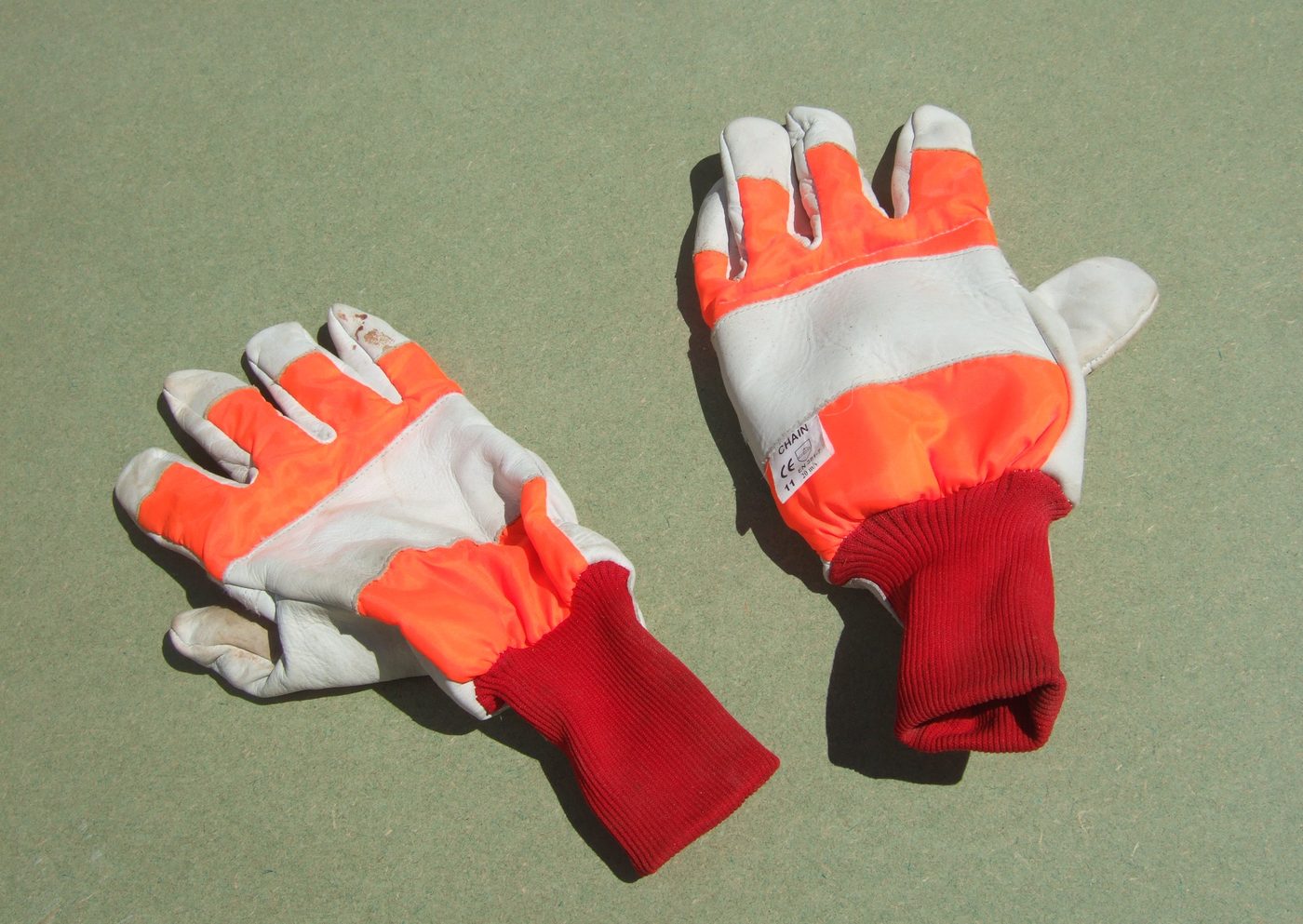
Pair of safety gloves for building work (Source: Wikimedia Commons)
- Eye protection: Safety goggles or face shields guard against flying particles and intense light from welding arcs.
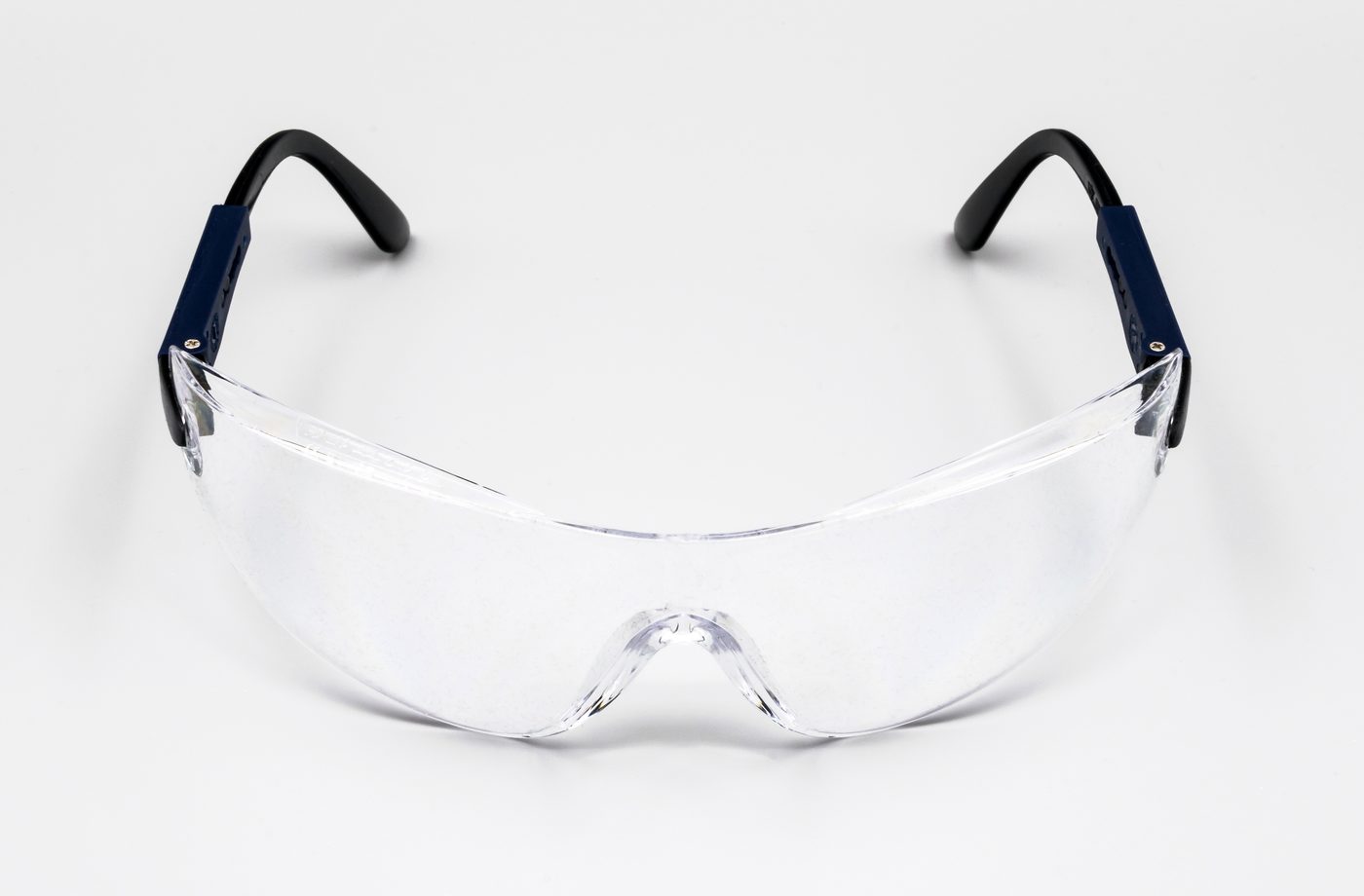
clear safety glasses for eye protection (Source: Wikimedia Commons)
- Respiratory masks: Filter harmful fumes and dust generated during cutting and welding.
- Ear protection: Earplugs or earmuffs reduce noise exposure from machinery.

Person wearing blue ear protection earmuffs (Source: Wikimedia Commons)
- Safety footwear: Steel-toed boots prevent foot injuries from falling objects or heavy materials.
2.1.3 Safe work practices and training
Effective OHS management in sheet metal work requires workers to adopt safe work practices supported by comprehensive training programs. For example, a retail business fabricating custom metal displays ensures its staff are trained on correct machine operation and handling techniques to minimize accidents. Training should cover hazard recognition, proper tool use, and emergency response procedures.
Important safe work practices include:
- Proper machine guarding: Ensuring cutting and bending equipment have guards to prevent accidental contact.
- Correct lifting techniques: To avoid musculoskeletal injuries when handling heavy metal sheets.
- Regular equipment maintenance: Prevents malfunctions that could cause accidents.
- Housekeeping: Keeping the work area clean to reduce slip and trip hazards.
- Lockout/tagout procedures: Ensuring machines are safely de-energized during maintenance.
2.1.4 Emergency preparedness and response
Preparedness for emergencies such as fires, chemical spills, or injuries is vital in sheet metal workshops. County government offices with fabrication units must have clear emergency protocols to safeguard workers and minimize damage. This includes availability of first aid kits, fire extinguishers, and trained personnel to respond effectively.
Components of emergency preparedness include:
- Emergency evacuation plans: Clearly marked exits and assembly points.
- First aid facilities: Accessible kits and trained first aiders to provide immediate care.
- Fire safety equipment: Appropriately placed fire extinguishers and fire blankets.
- Regular drills: To familiarize workers with emergency procedures.
- Communication systems: For rapid reporting and coordination during emergencies.
Practice Questions
- Explain the key legal requirements under the Occupational Safety and Health Act, 2007, that apply to sheet metal fabrication workshops. (10 marks)
- Describe five types of personal protective equipment essential for sheet metal workers and their specific uses. (10 marks)
- Outline six safe work practices that reduce risks in sheet metal fabrication environments. (12 marks)
- Discuss the components of an effective emergency preparedness plan for a sheet metal workshop. (8 marks)
The rest of this chapter
🔒Create a free account to open more of this chapter.
Free: practical guides, quick cards, workplace scenarios and more.
Create a free account 🔒2.2 Sheet metal hazards identification
Identifying hazards in sheet metal work is the first step in preventing accidents and occupational illnesses. Hazards in this field are diverse, encompassing physical dangers from machinery and sharp materials, chemical risks from fumes and solvents, biologica…
🔒2.3 Sheet metal workshop Incident/Accident reporting
In sheet metal workshops across Kenya, maintaining a safe working environment is essential for protecting employees and ensuring uninterrupted operations. Incident and accident reporting is a critical process that helps organizations identify hazards, prevent…
🔒2.4 Sheet metal work ergonomics
Ergonomics in sheet metal work focuses on designing tasks, tools, and workstations to fit workers’ physical capabilities, thereby reducing fatigue, preventing injury, and enhancing productivity. In Kenyan workplaces such as county government workshops and univ…
🔒2.5 Sheet Metal Workshop Waste Management
Waste management in sheet metal workshops is a vital aspect of maintaining a safe, efficient, and environmentally responsible workplace. In Kenya, where industries are increasingly adopting sustainable practices, proper disposal and recycling of sheet metal wa…
🔒2.6 Personal Protective Equipment Used in Sheet Metal Work
Personal Protective Equipment (PPE) is essential in sheet metal work to protect workers from physical injuries, chemical exposure, and other occupational hazards. Given the diversity of hazards in sheet metal fabrication, such as sharp edges, flying debris, an…
🔒2.7 Sheet Metal Work Procedures
Sheet metal work procedures form the foundation for producing accurate, durable, and functional metal components used across multiple sectors in Kenya. Whether fabricating equipment casings for a county hospital, constructing roofing sheets for a school, or as…
🔒2.8 Roles and Responsibilities in Sheet Metal Workshop
Effective operation of a sheet metal workshop depends on clearly defined roles and responsibilities among personnel. This ensures smooth workflow, adherence to safety protocols, quality output, and timely delivery of fabricated products. In Kenya, workshops su…
🔒2.9 Emergency Procedures in Sheet Metal Work
Emergency procedures in sheet metal work are critical for protecting workers and minimizing damage during incidents such as fires, injuries, or equipment failures. In Kenyan workplaces like county referral hospitals or manufacturing cooperatives, knowing how t…
🔒2.10 Housekeeping in Sheet Metal Work
Housekeeping in sheet metal work is essential to maintain a safe, efficient, and productive work environment. In Kenya’s diverse workplaces such as county hospitals, universities, or retail workshops, good housekeeping reduces accident risks, improves workflow…
🔒2.11 Sheet metal work tools and equipment
Sheet metal work turns flat sheet, usually up to 6 mm thick, into useful products such as ducts, tanks, cabinets, roofing accessories and cans. This is only possible with the right mix of hand tools, portable power tools and workshop machines. Each tool is des…
🔒2.12 Material preparation in sheet metal work (up to 6 mm thickness)
Material preparation is everything done to a raw sheet before it is formed, joined or assembled: checking it, measuring it, marking the shape on it, cutting it out and finishing its edges. Errors made at this stage cannot be corrected later, because a blank th…
🔒2.13 Sheet Metal Work Operations (Up to 6 mm Thickness)
Sheet metal work is a critical skill in fabrication workshops, from jua kali roofing and gutter makers to garages and general engineering shops. Working with sheet metals up to 6 mm thick requires specialised operations that balance precision, efficiency and s…
🔒2.14 Procedure and Applications
Carrying out sheet metal work requires systematic procedures to ensure quality, safety, and efficiency. Procedures vary slightly with the operation type but share common preparatory and finishing steps. Applications of these procedures extend across sectors, e…
🔒2.15 Fitting and assembly in sheet metal work (up to 6 mm thickness)
Fitting and assembly are critical stages in sheet metal work, particularly when working with materials up to 6 mm thick. This phase ensures that individual sheet metal components are correctly aligned, joined, and secured to form a functional structure or prod…
🔒2.16 Types and applications of fasteners in sheet metal work
Fasteners are essential components in sheet metal work, serving to join parts securely while sometimes allowing for disassembly. Their selection depends on factors such as material thickness, load requirements, and environmental conditions. In Kenyan instituti…
🔒2.17 Sheet metal pattern development
Sheet metal pattern development is a fundamental skill in fabrication processes, enabling craftsmen and technicians to transform flat metal sheets into complex shapes and components. In Kenya's jua kali workshops and fabrication shops, accurate pattern develop…
🔒2.18 Sheet metal products
Sheet metal products are made every day in Kenyan fabrication and jua kali workshops, from water tanks and gutters to cabinets, drums and tables. These products vary widely in shape, size, and function, reflecting the versatility of sheet metal fabrication. Un…
Chapter Summary
This chapter provides a comprehensive overview of sheet metal work, beginning with the importance of adhering to occupational health and safety standards to protect workers from various hazards. It identifies physical, chemical, biological, and psychological risks commonly encountered in sheet metal workshops and emphasizes the necessity of proper incident and accident reporting to maintain a safe working environment. Ergonomic principles specific to sheet metal work are discussed to prevent musculoskeletal injuries, alongside effective waste management practices to ensure environmental compliance. The chapter highlights the critical role of personal protective equipment in minimizing exposure to workplace dangers. Detailed procedures for sheet metal work include material preparation, measuring, marking, cutting, and edge finishing, followed by operations such as filing, grinding, drilling, reaming, tapping, sawing, and welding techniques suitable for sheet metals up to 6 mm thick. Roles and responsibilities within the workshop are clarified, as are emergency response protocols and housekeeping tasks that involve cleaning and waste disposal. Finally, the chapter covers the types and proper use of tools and equipment, fitting and assembly processes using various fasteners, methods for developing sheet metal patterns, and the production and application of common sheet metal products like tanks, panels, cabinets, drums, and furniture.
Self-Assessment
🔒 PDFDownload this self-assessment, with answers
A. Written Assessment
- What are the primary occupational health and safety standards applicable in sheet metal workshops? (3 marks)
- Identify and explain two physical hazards commonly encountered in sheet metal work. (4 marks)
🔒26 more in this section.
Chapter Examination Questions
🔒 PDFDownload these examination questions, with worked answers
SECTION A (40 Marks) - Answer ALL Questions
- Explain five occupational health and safety standards that must be observed in a sheet metal workshop at a county referral hospital. (4 marks)
- Identify and describe three physical hazards commonly found in sheet metal work environments. (4 marks)
🔒18 more in this section.
Chapter Practical Activities
Practical 1: Sheet Metal Workshop Hazard Identification and Control
Welding Technology · Level 6
Fabrication Processes I
PRACTICAL ASSESSMENT
TIME: 4 HOURS
⬇ PDFCandidate Instructions (Candidate Tool)
Type: Individual
INSTRUCTIONS TO CANDIDATE:
1. You are required to perform the following task:
i. Identify and document all physical, chemical, biological, and psychological hazards in the sheet metal workshop and recommend appropriate control measures.
2. You have been provided with the following resources for the practical task:
| Tools & Equipment | Materials |
|---|
| Safety inspection checklist form | Personal Protective Equipment (Overall, Safety boots, Leather gloves, Safety goggles) |
| Pen | |
| Flashlight | |
| Measuring tape (5 m) | |
| Camera or smartphone | |
⬇ PDFResources Required (Cutting List)
| S/N | Item | Quantity |
|---|
| 1 | Safety inspection checklist form | 1 per Candidate |
| 2 | Pen | 1 per Candidate |
| 3 | Personal Protective Equipment (PPE): Overall, Safety boots, Leather gloves, Safety goggles | 1 set per Candidate |
| 4 | Flashlight | 1 per 3 Candidates |
| 5 | Measuring tape (5 m) | 1 per 3 Candidates |
| 6 | Camera or smartphone for photo documentation | 1 per Candidate |
⬇ PDFAssessor Guide
| Items to be Evaluated | Marks Available | Marks Obtained | Comments |
|---|
| TASK 1: Adherence to Safety Protocols |
Wore overall correctly
(Award 1 or 0) | 1 | | |
Wore safety boots correctly
(Award 1 or 0) | 1 | | |
Wore leather gloves correctly
(Award 1 or 0) | 1 | | |
Wore safety goggles correctly
(Award 1 or 0) | 1 | | |
| Sub-Total | 4 | | |
| TASK 2: Hazard Identification Process |
Conducted systematic inspection covering physical hazards
(Award 2 or 0) | 2 | | |
Identified chemical hazards present in the workshop
(Award 2 or 0) | 2 | | |
Identified biological hazards in the environment
(Award 1 or 0) | 1 | | |
Identified psychological hazards related to work conditions
(Award 1 or 0) | 1 | | |
Used flashlight and measuring tape effectively to assess hazards
(Award 1 or 0) | 1 | | |
| Sub-Total | 7 | | |
| TASK 3: Reporting and Control Measures |
Documented all identified hazards in the checklist form
(Award 2 or 0) | 2 | | |
Recommended appropriate control measures for physical hazards
(Award 2 or 0) | 2 | | |
Recommended appropriate control measures for chemical hazards
(Award 2 or 0) | 2 | | |
Recommended appropriate control measures for biological hazards
(Award 1 or 0) | 1 | | |
Recommended appropriate control measures for psychological hazards
(Award 1 or 0) | 1 | | |
Included photo documentation to support report
(Award 1 or 0) | 1 | | |
| Sub-Total | 9 | | |
| PRODUCT CHECKLIST |
Complete hazard identification report covering all four hazard categories
(Award 5 or 0) | 5 | | |
Control measures are relevant, practical, and clearly stated
(Award 5 or 0) | 5 | | |
| Sub-Total | 10 | | |
| GRAND TOTAL | 30 | | |
ASSESSMENT OUTCOME: ☐ Competent ☐ Not Yet Competent (competent if at least 50%)
Practical 2: Report Sheet Metal Workshop Incidents and Accidents
Welding Technology · Level 6
Fabrication Processes I
PRACTICAL ASSESSMENT
TIME: 3 HOURS
⬇ PDFCandidate Instructions (Candidate Tool)
Type: Individual
INSTRUCTIONS TO CANDIDATE:
1. You are required to perform the following task:
i. Complete a formal incident report for a sheet metal workshop accident involving a cut injury sustained during material handling, including details of the incident, causes, and recommended preventive measures.
2. You have been provided with the following resources for the practical task:
| Tools & Equipment | Materials |
|---|
| Pen | Incident Report Form |
| Workshop Safety Handbook |
| Personal Protective Equipment (PPE) Sample Set |
⬇ PDFResources Required (Cutting List)
| S/N | Item | Quantity |
|---|
| 1 | Incident Report Form | 1 per Candidate |
| 2 | Pen | 1 per Candidate |
| 3 | Workshop Safety Handbook | 1 per Candidate |
| 4 | Personal Protective Equipment (PPE) Sample Set | 1 set per Candidate |
⬇ PDFAssessor Guide
| Items to be Evaluated | Marks Available | Marks Obtained | Comments |
|---|
| TASK 1: Incident Report Completion |
Identified and recorded the date and time of the incident
(Award 2 or 0 marks) | 2 | | |
Described the location of the incident accurately
(Award 2 or 0 marks) | 2 | | |
Provided a clear and concise description of the incident
(Award 4 or 0 marks) | 4 | | |
Identified the immediate cause(s) of the accident
(Award 3 or 0 marks) | 3 | | |
Recorded the persons involved and witnesses correctly
(Award 2 or 0 marks) | 2 | | |
Listed the type and extent of injury sustained
(Award 2 or 0 marks) | 2 | | |
Recommended suitable preventive measures to avoid recurrence
(Award 5 or 0 marks) | 5 | | |
| Sub-Total | 20 | | |
| PRODUCT CHECKLIST |
Completed incident report form is legible, accurate, and fully filled with all required sections
(Award 10 or 0 marks) | 10 | | |
| Sub-Total | 10 | | |
| GRAND TOTAL | 30 | | |
ASSESSMENT OUTCOME: ☐ Competent ☐ Not Yet Competent (competent if at least 50%)
🔒Apply ergonomics principles in sheet metal workPractical 3
🔒Manage Sheet Metal Workshop Waste and Perform CleaningPractical 4
🔒Selection and Use of Sheet Metal Work Tools and EquipmentPractical 5
🔒Prepare a 300mm x 200mm x 6mm sheet metal blank with chamfered edgesPractical 6
🔒Perform filing and grinding operations on sheet metalPractical 7
🔒Drilling, Reaming, and Tapping Holes on a 200mm x 150mm Mild Steel SheetPractical 8
🔒Saw and cut sheet metal to specified dimensionsPractical 9
🔒Perform gas welding on sheet metal componentsPractical 10
🔒Perform spot welding on 1.5 mm thick mild steel sheet metal piecesPractical 11
🔒Fit and assemble sheet metal components using fastenersPractical 12
🔒Develop Sheet Metal Pattern Using Parallel Line Method for a Rectangular DuctPractical 13
🔒Fabricate and assemble a rectangular sheet metal tank and panelPractical 14
🔒Fabricate a sheet metal cabinet 600mm x 400mm x 800mmPractical 15
