Food Production (Cookery)  ·  Level 4
Desserts Preparation
Chapter 3: Prepare accompanying sauces
📚 10 Topics
⚑ What you will be able to do

By the end of this chapter, you will be able to:

  • Put on the correct personal protective equipment safely and follow all safety procedures.
  • Clean and store tools, equipment, and materials properly to keep your workspace organized.
  • Clean work surfaces and floors thoroughly using the right procedures to maintain a hygienic environment.
  • Dispose of waste safely and correctly according to work procedures.
  • Identify and assemble cleaning tools, equipment, and materials correctly to prepare for cleaning tasks.
  • Collect and weigh ingredients accurately following the standard recipe for perfect results.
  • Check the freshness and quality of ingredients using HACCP guidelines to ensure food safety.
  • Make accompanying sauces accurately and present them neatly and attractively according to the recipe.

Mastering these skills will help you create delicious desserts that look great and are safe to enjoy, making you a confident and professional dessert maker!

Preparing accompanying sauces in dessert preparation requires not only culinary skill but also strict adherence to safety and hygiene standards. In professional kitchens across Kenya, such as hotel kitchens in Nairobi or catering services in Mombasa, the use of appropriate personal protective equipment (PPE) and maintaining occupational safety and health (OSH) are vital to prevent accidents and ensure food safety. This chapter focuses on the types and uses of PPE relevant to dessert sauce preparation and the principles of occupational safety and health that protect both the cook and the consumers.

3.1 Types and Uses of PPEs

In dessert preparation, especially when handling hot liquids, sharp utensils, and chemical cleaning agents, personal protective equipment is essential. PPE serves as a barrier against hazards that can cause injury or contamination. In Kenyan food production settings such as school kitchens or county government canteens, proper PPE use enhances safety and ensures compliance with food safety regulations.

Personal protective equipment (PPE)
Personal protective equipment (PPE) (Source: 5f700936fcc590f8)

3.1.1 Types of PPE Used in Dessert Sauce Preparation

Personal protective equipment in dessert sauce preparation includes various items designed to protect different parts of the body from specific hazards encountered in the kitchen.
Types of PPE

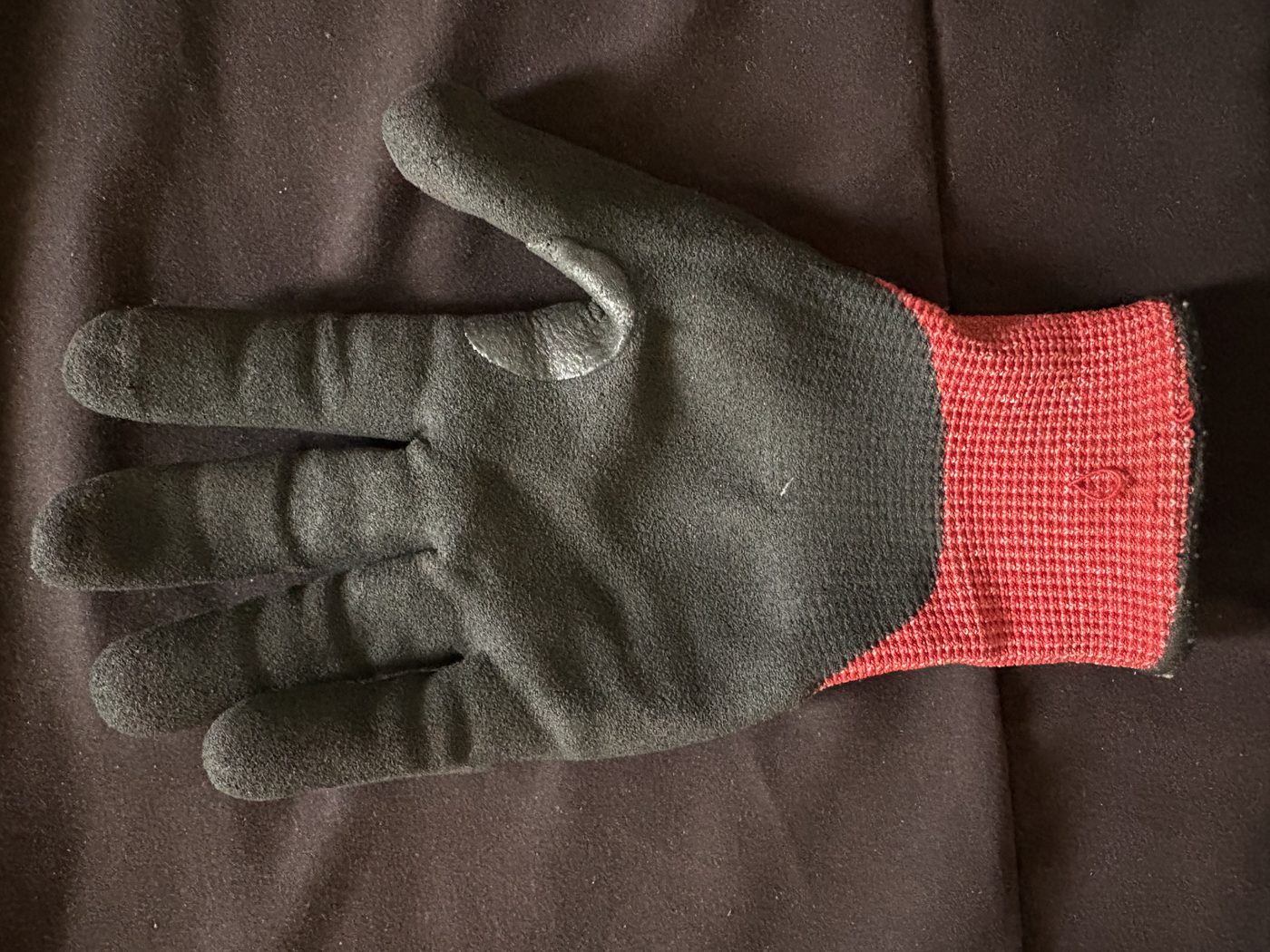
  • Heat-resistant gloves: These gloves protect hands from burns when handling hot saucepans or pouring sauces. They allow cooks to manage hot containers safely during sauce preparation.

single heat-resistant glove with red cuff
single heat-resistant glove with red cuff (Source: Wikipedia (Cut-resistant gloves))
  • Aprons: Made from thick, waterproof material, aprons shield clothing and skin from hot splashes and spills of sauces or cleaning chemicals.
  • Hairnets and chef hats: These prevent hair from falling into sauces, maintaining hygiene and preventing contamination.
  • Non-slip shoes: Essential for preventing slips and falls in kitchens where floors may become wet or greasy, especially during busy dessert service times.
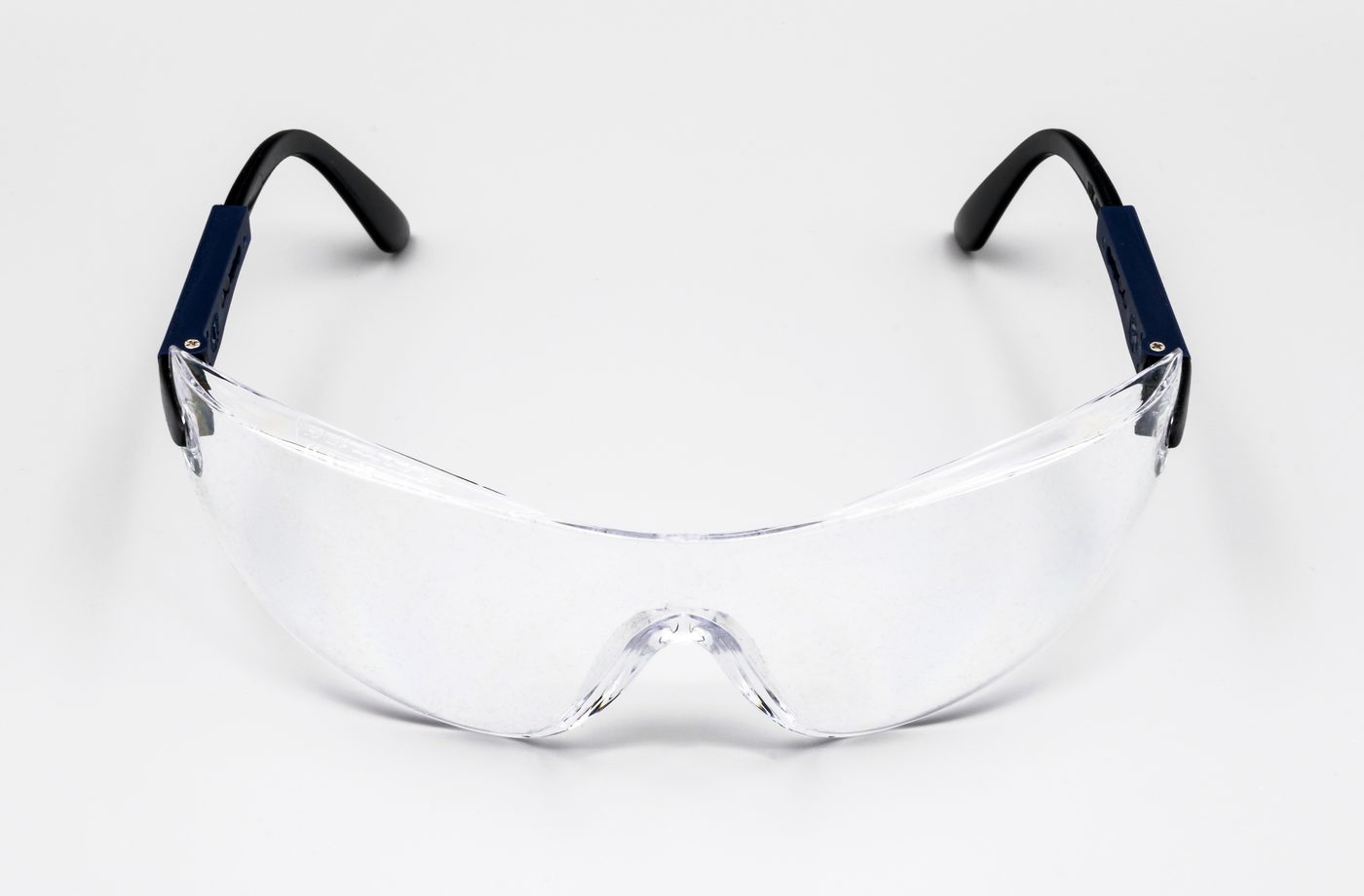
  • Protective eyewear: Used when working with hot steam or cleaning chemicals, eyewear prevents irritation or injury to the eyes.

Clear protective eyewear for safety
Clear protective eyewear for safety (Source: Wikimedia Commons)

3.1.2 Proper Use and Maintenance of PPE

Correct use and maintenance of PPE ensure its effectiveness in protecting kitchen staff.

Guidelines for Use and Maintenance

  • Inspection before use: PPE must be checked for damage such as tears in gloves or worn-out aprons to ensure full protection.
  • Correct fitting: Gloves and aprons should fit properly to avoid accidents caused by loose or tight gear limiting movement.
  • Cleaning and sanitizing: Aprons, hairnets, and gloves should be cleaned regularly according to the manufacturer's instructions to prevent contamination.
  • Storage: PPE should be stored in clean, dry areas away from food preparation surfaces to maintain hygiene.
  • Replacement: Damaged or worn-out PPE must be replaced promptly to maintain safety standards.

3.1.3 Importance of PPE in Preventing Cross-Contamination

Cross-contamination in kitchens can lead to foodborne illnesses, which are especially critical in dessert preparation where dairy and eggs are common ingredients.

Role of PPE in Hygiene

  • Barrier against contaminants: Gloves and aprons prevent direct contact between hands or clothes and food, reducing the risk of transferring bacteria.
  • Preventing chemical contamination: Using gloves when handling cleaning agents avoids chemical residues contaminating sauces.
  • Maintaining personal hygiene: Hairnets and hats stop hair strands from falling into food, preserving the quality and safety of desserts.
  • Reducing allergen transfer: PPE helps prevent allergens from one dish contaminating another, protecting consumers with allergies.
  • Compliance with food safety standards: Proper PPE use aligns with Kenya's Food, Drugs and Chemical Substances Act, ensuring legal compliance and consumer safety.

3.1.4 Challenges in PPE Usage and How to Overcome Them

Despite its importance, PPE usage faces challenges in busy kitchen environments that can reduce compliance and effectiveness.

Challenges

  • Discomfort and heat: Wearing gloves and aprons in hot kitchens can be uncomfortable, leading to non-compliance.
  • Limited availability: Smaller establishments may struggle to provide adequate PPE for all staff.
  • Lack of training: Without proper training, staff may misuse PPE or neglect its importance.
  • Damage and wear: Frequent use leads to rapid wear, requiring consistent replacement which can strain budgets.
  • Resistance to change: Some workers may resist adopting PPE due to habits or perceived inconvenience.

Strategies to Overcome Challenges

  • Selecting breathable, ergonomic PPE: Using materials designed for comfort encourages consistent use.
  • Budget allocation for PPE: Prioritizing PPE in procurement ensures availability.
  • Regular training sessions: Educating staff on PPE benefits and correct usage improves compliance.
  • Routine inspection and timely replacement: Scheduled PPE audits prevent use of damaged equipment.
  • Leadership by example: Supervisors modeling PPE use foster a culture of safety.
The rest of this chapter
🔒

Create a free account to open more of this chapter.

Free: practical guides, quick cards, workplace scenarios and more.

Create a free account
🔒3.2 Occupational Safety and Health

Occupational safety and health in the kitchen environment is critical to protecting food production workers from hazards and ensuring a safe workspace. In Kenya, institutions such as county hospital kitchens or university dining halls must comply with legal OS…

🔒3.3 Cleaning Tools, Equipment and Materials

In the Kenyan food production industry, especially within dessert preparation, maintaining impeccable hygiene is critical to ensure food safety and quality. Proper cleaning of tools, equipment, and materials prevents contamination, extends equipment lifespan,…

🔒3.4 Preparing Sweet Sauces

Sweet sauces are integral to dessert presentation and flavor enhancement in Kenyan culinary establishments. They complement textures and balance tastes, elevating simple desserts into appealing dishes. Understanding the preparation techniques and ingredient ro…

🔒3.5 Hygiene practices

In the Kenyan food production industry, particularly in cookery and dessert preparation, hygiene practices are critical to ensuring food safety and protecting consumer health. Foodborne illnesses remain a significant risk if hygiene standards are not upheld, e…

🔒3.6 Production of sweet sauces

Sweet sauces are integral accompaniments to many Kenyan desserts, enhancing flavor, texture, and presentation. Mastery of their production requires understanding the different types of sweet sauces, appropriate production techniques, and quality evaluation to…

🔒3.7 Presenting Sweet Sauces

In Kenyan professional kitchens, especially in hotels and restaurants, the presentation of sweet sauces plays a crucial role in enhancing the overall appeal of desserts. A well-presented sauce not only complements the flavor profile but also contributes to the…

🔒3.8 Cleaning of Tools, Equipment's and Materials

Maintaining cleanliness of tools, equipment, and materials used in dessert preparation is fundamental to food safety and hygiene standards in Kenyan food production environments. Proper cleaning prevents contamination, extends equipment lifespan, and ensures c…

🔒3.9 Cleaning of work surfaces and floors

In Kenyan food production environments such as hotels, schools, and hospitals, maintaining clean work surfaces and floors is crucial for both food safety and staff safety. Contaminated surfaces can harbor pathogens that may cause foodborne illnesses, while sli…

🔒3.10 Waste disposal

Proper waste disposal in Kenyan kitchens is a critical aspect of maintaining sanitary conditions and environmental health. Given the volume of organic and packaging waste generated in food production settings such as hotels, schools, and hospitals, effective w…

Chapter Summary

This chapter covered essential aspects of preparing accompanying sauces with a focus on safety, hygiene, and quality. It began by outlining the types and uses of personal protective equipment to ensure safe handling during sauce preparation. Occupational safety and health principles were emphasized to maintain a secure working environment. The chapter then discussed the appropriate cleaning tools, equipment, and materials necessary for maintaining cleanliness. Detailed procedures for preparing various sweet sauces were explored alongside hygiene practices, including personal hygiene and food hygiene prevention measures. Production methods for different types of sweet sauces were explained, followed by techniques for assessing their quality. Finally, the chapter addressed the presentation of sweet sauces and the proper cleaning of tools, equipment, work surfaces, floors, as well as effective waste disposal to ensure a hygienic workspace.

Self-Assessment

🔒 PDFDownload this self-assessment, with answers

A. Written Assessment

  1. Identify five types of personal protective equipment (PPE) commonly used in dessert preparation and explain their specific uses. (10 marks)
  2. Describe three key occupational safety hazards in a bakery or dessert kitchen and how to prevent them. (6 marks)
🔒20 more in this section.

Chapter Examination Questions

🔒 PDFDownload these examination questions, with worked answers

SECTION A (40 Marks) - Answer ALL Questions

  1. Identify five types of personal protective equipment (PPE) used in a dessert preparation kitchen and explain their specific uses. (4 marks)
  2. Describe the main responsibilities of a food production worker under the Occupational Safety and Health Act in Kenya. (4 marks)
🔒18 more in this section.

Chapter Practical Activities

Practical 1: Demonstrate proper use of PPE and safety measures while preparing dessert sauces

Food Production (Cookery) · Level 4
Desserts Preparation
PRACTICAL ASSESSMENT
TIME: 3 HOURS
⬇ PDFCandidate Instructions (Candidate Tool)

Type: Individual

INSTRUCTIONS TO CANDIDATE:
1.  You are required to perform the following task:
i.  Prepare 250ml of lemon vanilla dessert sauce following hygiene and safety protocols.
2.  You have been provided with the following resources for the practical task:
Tools & EquipmentMaterials
Stainless steel mixing bowlsLemon juice
Saucepan 1.5 litersCaster sugar
WhiskButter
Measuring jug 500mlCorn flour
Measuring spoonsWater
Clean kitchen clothsVanilla essence
⬇ PDFResources Required (Cutting List)
S/NItemQuantity
1Disposable gloves1 pair per Candidate
2Kitchen apron1 per Candidate
3Chef's hat1 per Candidate
4Face mask1 per Candidate
5Clean kitchen cloths2 per Candidate
6Stainless steel mixing bowls2 per Candidate
7Saucepan 1.5 liters1 per Candidate
8Whisk1 per Candidate
9Measuring jug 500ml1 per Candidate
10Measuring spoons1 set per Candidate
11Lemon juice30 ml per Candidate
12Caster sugar50 g per Candidate
13Butter25 g per Candidate
14Corn flour10 g per Candidate
15Water100 ml per Candidate
16Vanilla essence2 drops per Candidate
17Safe and fully equipped kitchen1 per Candidate
18Full kitchen uniform1 set per Candidate
⬇ PDFAssessor Guide
Items to be EvaluatedMarks AvailableMarks ObtainedComments
TASK 1: PPE and Safety Compliance during Sauce Preparation
Candidate wears full PPE correctly before starting (disposable gloves, apron, chef's hat, face mask)
(Award 1 mark each for gloves, apron, hat, and face mask correctly worn; max 3 marks)
3
Candidate washes hands thoroughly before and after PPE use
(Award 1 mark for proper hand washing observed)
1
Candidate maintains personal hygiene (clean uniform, no jewelry, short clean nails, no nail polish)
(Award marks for each correct item: clean uniform (1), no jewelry (0.5), nails (0.5))
2
Candidate uses clean and appropriate kitchen cloths during preparation
(Award 1 mark if clean kitchen cloths are used properly)
1
Candidate handles equipment and ingredients safely minimizing contamination
(Award 2 marks for safe handling and avoiding cross contamination)
2
Candidate disposes of waste properly and keeps work area clean and dry during preparation
(Award 1 mark for proper waste disposal and clean work area)
1
Candidate removes PPE correctly after completing the sauce preparation
(Award 1 mark for correct doffing of PPE)
1
Sub-Total11
TASK 2: Sauce Preparation Process
Candidate collects all required tools and materials as per the recipe
(Award 1 mark for correct collection)
1
Candidate measures all ingredients accurately as per recipe quantities
(Award 2 marks for accurate weighing and measuring)
2
Candidate prepares the lemon vanilla sauce by: mixing sugar, corn flour, and water; heating gently until thickened; adding butter, lemon juice, and vanilla essence; stirring continually
(Award 1 mark for each correct step: mixing dry ingredients (1), heating and thickening (1), adding butter (1), adding lemon juice (1), adding vanilla essence and stirring (1))
5
Candidate maintains safety and hygiene throughout sauce preparation
(Award 1 mark for continuous hygiene and safety observation)
1
Candidate cleans and clears all used equipment and work area after preparation
(Award 1 mark for proper cleaning and clearing)
1
Sub-Total10
PRODUCT CHECKLIST
Sauce volume is approximately 250ml with smooth, lump-free consistency
(Award 2 marks if sauce volume is correct and texture is smooth)
2
Sauce has balanced lemon and vanilla flavor with appropriate sweetness
(Award 2 marks for correct flavor balance)
2
Sauce appearance is glossy and visually appealing without separation
(Award 1 mark for good appearance)
1
Sub-Total5
GRAND TOTAL26
ASSESSMENT OUTCOME:   ☐ Competent    ☐ Not Yet Competent (competent if at least 50%)

Practical 2: Clean and Sanitize Tools, Equipment and Materials Used in Sauce Preparation

Food Production (Cookery) · Level 4
Desserts Preparation
PRACTICAL ASSESSMENT
TIME: 3 HOURS
⬇ PDFCandidate Instructions (Candidate Tool)

Type: Individual

INSTRUCTIONS TO CANDIDATE:
1.  You are required to perform the following task:
i.  Clean and sanitize all tools, equipment and materials used in preparing dessert sauces ensuring they are free from food residues and safe for reuse.
2.  You have been provided with the following resources for the practical task:
Tools & EquipmentMaterials
Mixing bowlsDishwashing liquid
WhisksSanitizing solution (chlorine-based)
Sauce pans
Measuring spoons
Measuring jug 500 ml
Spatulas
Kitchen cloths
Scrubbing brushes
Disposable gloves
Drying rack
Waste bin with liner
⬇ PDFResources Required (Cutting List)
S/NItemQuantity
1Mixing bowls2 pcs per Candidate
2Whisks1 pc per Candidate
3Sauce pans1 pc per Candidate
4Measuring spoons1 set per Candidate
5Measuring jug 500 ml1 pc per Candidate
6Spatulas1 pc per Candidate
7Kitchen cloths3 pcs per Candidate
8Dishwashing liquid50 ml per Candidate
9Sanitizing solution (chlorine-based)100 ml per Candidate
10Disposable gloves1 pair per Candidate
11Scrubbing brushes1 pc per Candidate
12Drying rack1 pc per Candidate
13Waste bin with liner1 pc per Candidate
⬇ PDFAssessor Guide
Items to be EvaluatedMarks AvailableMarks ObtainedComments
TASK 1: Cleaning and Sanitizing Tools and Equipment
Wears clean and pressed uniform, disposable gloves and observes personal hygiene
(Award 1 mark for correct PPE and personal hygiene)
1
Removes food residues from all tools and equipment before washing
(Award 1 mark for removing visible residues)
1
Washes all tools and equipment thoroughly using dishwashing liquid and scrubbing brushes
(Award 1 mark for thorough washing of tools, 1 mark for equipment)
2
Rinses tools and equipment with clean water to remove detergent
(Award 1 mark for proper rinsing)
1
Sanitizes all tools and equipment by immersing in chlorine-based sanitizing solution for at least 2 minutes
(Award 2 marks for correct sanitizing method and time)
2
Drains and places cleaned tools and equipment on drying rack
(Award 1 mark for correct placement to dry)
1
Washes and sanitizes kitchen cloths used during sauce preparation
(Award 1 mark for cleaning and sanitizing cloths)
1
Disposes of waste properly in waste bin with liner
(Award 1 mark for correct waste disposal)
1
Wipes and dries all work surfaces after cleaning
(Award 1 mark for wiping surfaces clean and dry)
1
Sub-Total11
PRODUCT CHECKLIST
All tools and equipment are visibly clean and free from food residues
(Award 2 marks if no residue or dirt detected)
2
Tools and equipment are properly sanitized and safe for reuse
(Award 2 marks for effective sanitization)
2
Kitchen cloths are clean, sanitized and odor-free
(Award 1 mark for clean cloths)
1
Work surfaces are clean, dry, and free from contamination
(Award 1 mark for clean and dry surfaces)
1
Waste is properly collected and bin is clean
(Award 1 mark for proper waste management)
1
Sub-Total7
GRAND TOTAL18
ASSESSMENT OUTCOME:   ☐ Competent    ☐ Not Yet Competent (competent if at least 50%)
🔒

Free: practical guides, quick cards, workplace scenarios and more.

Create a free account
🔒Clean and sanitize work surfaces and floors in the sauce preparation areaPractical 3
🔒Demonstrate personal hygiene practices during preparation of vanilla saucePractical 4
🔒Implement food hygiene prevention measures during preparation of vanilla custard sauce 500mlPractical 5
🔒Prepare Three Basic Sweet Sauces for Dessert AccompanimentPractical 6
🔒Produce three types of sweet sauces using distinct production methodsPractical 7
🔒Assess Quality of Sweet Sauces Prepared for DessertsPractical 8
🔒Present Sweet Sauces Attractively on Dessert PlatesPractical 9
🔒Dispose waste properly after sauce preparationPractical 10
🔒Prepare caramel sauce 500ml as per recipePractical 11
🔒Prepare fruit coulis sauce for dessert accompanimentPractical 12
🔒Prepare 250ml Chocolate Sauce with Correct Consistency and FlavorPractical 13
🔒Clean and sanitize kitchen area after sauce preparationPractical 14
🔒Safe Storage of Prepared Sweet SaucesPractical 15
Flashcards 20 cards Study deck ▾
Question
1

↻ Tap card to reveal answer
🔒

18 more in this section.

Create a free account
Test Yourself 19 questions Start quiz ▾
0%
0 / 2
🔒

17 more in this section.

Create a free account
Am I competent?

At the start of this chapter we promised you would be able to:

  • Put on the correct personal protective equipment safely and follow all safety procedures.
  • Clean and store tools, equipment, and materials properly to keep your workspace organized.
  • Clean work surfaces and floors thoroughly using the right procedures to maintain a hygienic environment.
  • Dispose of waste safely and correctly according to work procedures.
  • Identify and assemble cleaning tools, equipment, and materials correctly to prepare for cleaning tasks.
  • Collect and weigh ingredients accurately following the standard recipe for perfect results.
  • Check the freshness and quality of ingredients using HACCP guidelines to ensure food safety.
  • Make accompanying sauces accurately and present them neatly and attractively according to the recipe.

Tick each one you can genuinely do.

So, are you there yet?

You're competent when you can confidently do 50% or more of what this chapter promised.

Sign in to record how you're doing.