Plumbing  ·  Level 5
Water Storage System
Chapter 4: To test and commission storage and auxiliary fittings
📚 6 Topics
⚑ What you will be able to do

By the end of this chapter, you will be able to:

  • Follow safety and health practices that keep you and others safe while working.
  • Conduct thorough functionality tests on water storage systems to ensure they work properly.
  • Identify the right tools and equipment needed for installing water storage systems based on the job.
  • Correctly find and fix faults in water storage systems using the proper procedures.
  • Successfully commission the installed water storage system to meet all job requirements.

Mastering these skills will help you ensure water storage systems work safely and efficiently, making you a reliable professional in your trade.

Compiled by: Joseph Njoroge

Test and commissioning of water storage systems and their auxiliary fittings is a critical stage in plumbing projects, ensuring that installations function correctly, safely, and efficiently. In Kenya, plumbing professionals must adhere to stringent safety and health practices during these activities to protect themselves, users, and the environment. Proper safety measures reduce the risk of accidents and contamination, especially in institutions like hospitals and schools where water quality and system reliability directly impact public health. This chapter explores essential safety and health practices that plumbing technicians must observe during the testing and commissioning phases.

4.1 Safety and Health Practices

4.1.1 Identifying Workplace Hazards During Testing and Commissioning

Recognizing potential hazards is the first step towards effective safety management in plumbing works involving storage systems. Plumbing technicians in county government water departments or private construction firms must be adept at spotting risks that can arise from water pressure tests, chemical usage, and confined spaces.

Common Hazards in Plumbing Testing and Commissioning

  • Water Pressure Failures: Excessive pressure during testing can cause pipe bursts or fitting failures, resulting in physical injury or equipment damage.
  • Slips, Trips, and Falls: Wet surfaces around storage tanks and fittings increase the risk of falls, especially when working at heights or on ladders.
  • Confined Space Risks: Accessing underground or enclosed tanks exposes workers to oxygen deficiency, toxic gases, or entrapment.
  • Chemical Exposure: Disinfectants or cleaning agents used during commissioning can cause skin irritation, respiratory issues, or chemical burns.
  • Electrical Hazards: Testing equipment connected to electrical power sources near wet environments poses electrocution risks.

Risk Factors Unique to the Kenyan Plumbing Environment

  • Inadequate Personal Protective Equipment (PPE): Limited access or use of PPE in informal construction sites increases vulnerability to hazards.
  • Poor Site Housekeeping: Debris and tools left around water storage installations can create additional hazards.
  • Weather Conditions: Heavy rains may cause slippery surfaces or flooding around storage tanks, complicating safe access.

4.1.2 Use and Maintenance of Personal Protective Equipment (PPE)

Proper PPE is fundamental to safeguarding plumbing personnel during the testing and commissioning of water storage systems. In Kenya, compliance with OSHA regulations mandates the provision and use of appropriate PPE to reduce injury risks.

Essential PPE for Plumbing Testing and Commissioning

  • Protective Gloves: Protect hands from sharp edges, chemicals, and contaminants during handling of fittings and disinfectants.

A pair of protective gloves
A pair of protective gloves (Source: Wikimedia Commons)
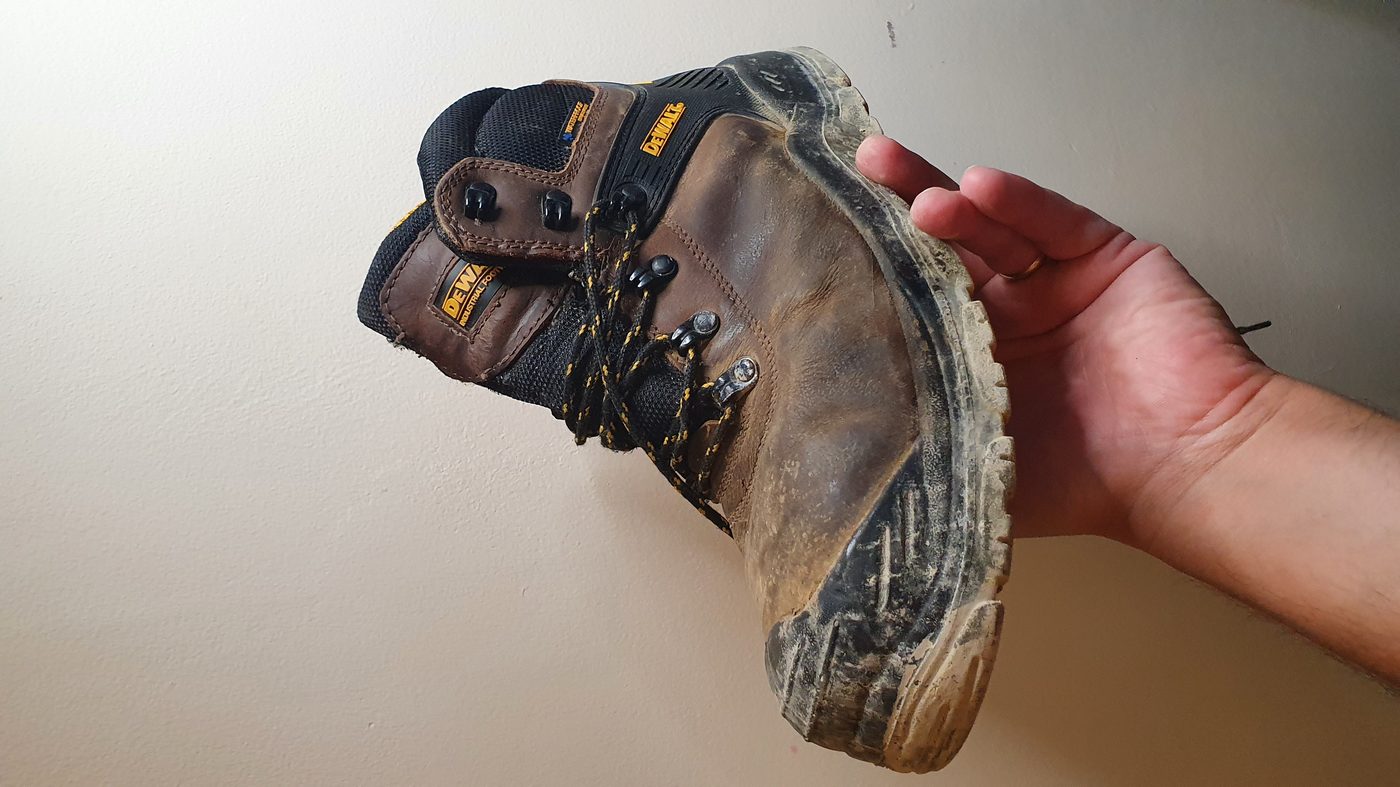
  • Safety Boots: Provide slip resistance and protect feet from falling objects or punctures on construction sites.

A single safety boot for industrial use
A single safety boot for industrial use (Source: Wikimedia Commons)
  • Eye Protection: Goggles or face shields prevent injury from splashes of water or chemicals.
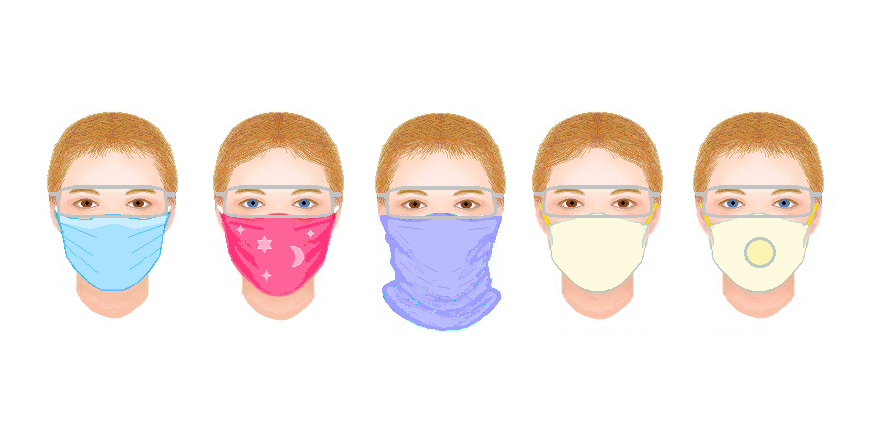
  • Respiratory Masks: Essential when working in confined spaces or with chemical disinfectants to prevent inhalation of harmful substances.

Various types of respiratory masks on faces
Various types of respiratory masks on faces (Source: Wikimedia Commons)

  • Hard Hats: Protect the head from falling tools or debris, especially when working near overhead structures.

Green hard hat worn by worker
Green hard hat worn by worker (Source: Wikipedia (Hard hat))

Proper PPE Usage and Maintenance

  • PPE must fit correctly and be inspected before use for any damage or wear.
  • Gloves and masks should be replaced regularly, especially after exposure to chemicals.
  • Safety boots require regular cleaning and sole checks to maintain slip resistance.
  • Training on correct donning and doffing procedures ensures effectiveness and prevents contamination.

4.1.3 Safe Handling and Disposal of Chemicals Used in Commissioning

Chemical agents such as chlorine or other disinfectants are commonly used to ensure water quality during commissioning of storage tanks. Their handling and disposal require strict safety measures to protect workers and the environment.

Safe Handling Procedures for Chemicals

  • Store chemicals in labeled, secure containers away from direct sunlight and incompatible substances.
  • Use PPE such as gloves and masks when mixing or applying chemicals.
  • Follow manufacturer instructions regarding dilution and contact times to avoid overexposure.
  • Avoid eating, drinking, or smoking in areas where chemicals are handled.

Environmentally Responsible Chemical Disposal

  • Neutralize excess chemicals according to safety data sheets before disposal.
  • Avoid direct discharge of chemicals into drains or water bodies to prevent pollution.
  • Use designated hazardous waste containers for chemical residues.
  • Coordinate with local environmental authorities like NEMA for proper waste management.

4.1.4 Emergency Preparedness and First Aid Measures

Despite preventive measures, accidents may occur during the test and commissioning of water storage systems. Plumbing professionals must be prepared to respond promptly and effectively.

Key Components of Emergency Preparedness

  • Conduct risk assessments to identify emergency scenarios such as chemical spills or injuries.
  • Ensure availability of first aid kits stocked with necessary supplies including eye wash solutions.
  • Train personnel in basic first aid and emergency response procedures.
  • Establish clear communication channels and emergency contacts onsite.

Immediate First Aid Actions for Common Incidents

  • For chemical splashes on skin or eyes, flush the affected area with clean water for at least 15 minutes.
  • In case of cuts or punctures, clean the wound and apply sterile dressings to prevent infection.
  • For slips or falls, immobilize injured limbs and seek professional medical attention.
  • If inhalation of fumes occurs, move the victim to fresh air and monitor breathing until help arrives.

Practice Questions

  1. Explain five common hazards associated with testing and commissioning of water storage systems and how they can be mitigated. (10 marks)

  2. Describe the types of personal protective equipment necessary for plumbing professionals during commissioning and their maintenance requirements. (10 marks)

  3. Outline the procedures for safe handling and disposal of chemicals used in water storage system commissioning in Kenya. (10 marks)

  4. Discuss the key elements of emergency preparedness and first aid measures relevant to plumbing work during commissioning. (10 marks)

The rest of this chapter
🔒

Create a free account to open more of this chapter.

Free: practical guides, quick cards, workplace scenarios and more.

Create a free account
🔒4.2 Functionality tests

Functionality testing is a critical stage in commissioning water storage systems and auxiliary fittings, ensuring that all installed components perform according to design specifications and operational requirements. In Kenya, where water scarcity and infrastr…

🔒4.3 Tools and Equipment

In the testing and commissioning of water storage systems, the choice and proper use of tools and equipment are crucial. Plumbing professionals in Kenya must rely on specialized tools to ensure that storage tanks, auxiliary fittings, and associated components…

🔒4.4 Faults

Faults in water storage systems and their auxiliary fittings present serious challenges to the reliability and safety of plumbing installations. In Kenya, where water scarcity and infrastructure investment are critical issues, identifying and rectifying faults…

🔒4.5 Correction of faults

Correction of faults in water storage systems is a critical phase following testing and commissioning, ensuring that identified issues do not compromise system performance or safety. In Kenyan plumbing practice, particularly within institutions like county hos…

🔒4.6 Commissioning

Commissioning is a critical phase in the installation of water storage systems and auxiliary fittings in plumbing. In Kenya, this process ensures that storage tanks, valves, pumps, and related components function correctly before being handed over for regular…

Chapter Summary

This chapter covered essential safety and health practices necessary during the testing and commissioning of water storage systems to ensure a secure working environment. It explained various functionality tests designed to verify the performance and reliability of storage tanks and their auxiliary fittings. The chapter identified the specific tools and equipment required to carry out these tests effectively. Common faults that may arise during testing were discussed, emphasizing their impact on system operation. Methods for correcting these faults were detailed, highlighting practical approaches to restore proper function. Finally, the chapter outlined the commissioning process, which involves final inspections and approvals to confirm that the water storage system is ready for use. Together, these topics provide a comprehensive guide to ensuring water storage systems operate safely and efficiently from installation through to operational readiness.

Self-Assessment

🔒 PDFDownload this self-assessment, with answers

A. Written Assessment

  1. What are the key safety precautions a plumber must observe when testing water storage tanks? (3 marks)
  2. Identify three common tools used in commissioning water storage auxiliary fittings and explain their purpose. (4 marks)
🔒20 more in this section.

Chapter Examination Questions

🔒 PDFDownload these examination questions, with worked answers

SECTION A (40 Marks) - Answer ALL Questions

  1. Outline five key safety and health practices a plumber must observe when testing and commissioning water storage tanks at a county hospital in Kenya. (4 marks)
  2. Describe the procedure for conducting a pressure test on a water storage tank to verify its integrity. (4 marks)
🔒18 more in this section.

Chapter Practical Activities

Practical 1: Safety Inspection and Health Practices Before Testing Water Storage System

Plumbing · Level 5
Water Storage System
PRACTICAL ASSESSMENT
TIME: 3 HOURS
⬇ PDFCandidate Instructions (Candidate Tool)

Type: Individual

INSTRUCTIONS TO CANDIDATE:
1.  You are required to perform the following task:
i.  Conduct a comprehensive safety inspection and demonstrate correct health practices before testing a 1000 litre poly plastic water storage tank system as per standard operating procedures.
2.  You have been provided with the following resources for the practical task:
Tools & EquipmentMaterials
Personal Protective Equipment (Safety boots, Gloves, Helmet, Overall, Hearing protector)First aid kit
Pipe wrenchWaste disposal bags
Tape measure
Hacksaw
Flashlight
Inspection checklist form
⬇ PDFResources Required (Cutting List)
S/NItemQuantity
1Personal Protective Equipment (Safety boots, Gloves, Helmet, Overall, Hearing protector)Full set per Candidate
2Inspection checklist form1 per Candidate
3Flashlight1 per Candidate
4Pipe wrench1 per Candidate
5Tape measure1 per Candidate
6Hacksaw1 per Candidate
7Hand gloves1 pair per Candidate
8First aid kit1 shared per 5 Candidates
9Waste disposal bags2 bags per Candidate
⬇ PDFAssessor Guide
Items to be EvaluatedMarks AvailableMarks ObtainedComments
TASK 1: Conduct Safety Inspection and Demonstrate Health Practices
Wears all required personal protective equipment correctly
(Award 1 mark for each correctly worn PPE or zero)
3
Identifies and inspects all safety hazards around the storage system area
(Award 4 marks for thorough hazard identification or zero)
4
Checks and verifies condition of storage tank fittings and auxiliary components
(Award 3 marks for correct identification and condition check or zero)
3
Demonstrates safe handling of tools and equipment during inspection
(Award 3 marks for safe handling or zero)
3
Completes inspection checklist accurately and legibly
(Award 3 marks for completeness and accuracy or zero)
3
Demonstrates correct waste disposal methods for inspection debris
(Award 2 marks for proper disposal or zero)
2
Demonstrates emergency response procedure including location and use of first aid kit
(Award 2 marks for demonstration or zero)
2
Sub-Total20
PRODUCT CHECKLIST
Completed safety inspection checklist with all items addressed
(Award 5 marks for fully completed checklist or zero)
5
Sub-Total5
GRAND TOTAL25
ASSESSMENT OUTCOME:   ☐ Competent    ☐ Not Yet Competent (competent if at least 50%)

Practical 2: Perform functionality test on 5000L storage tank valves

Plumbing · Level 5
Water Storage System
PRACTICAL ASSESSMENT
TIME: 4 HOURS
⬇ PDFCandidate Instructions (Candidate Tool)

Type: Individual

INSTRUCTIONS TO CANDIDATE:
1.  You are required to perform the following task:
i.  Perform functionality test on storage tank valves fitted on a 5000L poly plastic tank, ensuring proper opening, closing, and sealing.
2.  You have been provided with the following resources for the practical task:
Tools & EquipmentMaterials
Pipe Wrench5000L Poly Plastic Storage Tank
Adjustable Spanner1/2 inch Ball Valve
Measuring Tape1/2 inch Gate Valve
1/2 inch Tank Connector
20mm GI Union
Thread Seal Tape
Hose Pipe
Safety Boots
Overall
Gloves
⬇ PDFResources Required (Cutting List)
S/NItemQuantity
15000L Poly Plastic Storage Tank1 Pc per Candidate
21/2 inch Ball Valve2 Pcs per Candidate
31/2 inch Gate Valve1 Pc per Candidate
41/2 inch Tank Connector2 Pcs per Candidate
520mm (3/4") GI Union2 Pcs per Candidate
6Thread Seal Tape3 Rolls per Candidate
7Hose Pipe (sufficient length to water source)5 m per Candidate
8Pipe Wrench1 Pc per Candidate
9Adjustable Spanner1 Pc per Candidate
10Measuring Tape1 Pc per Candidate
11Safety Boots1 Pair per Candidate
12Overall1 Pc per Candidate
13Gloves1 Pair per Candidate
⬇ PDFAssessor Guide
Items to be EvaluatedMarks AvailableMarks ObtainedComments
TASK 1: Functionality Testing of Storage Tank Valves
Used personal protective equipment in line with occupational safety and health requirements (Safety boots, Overall, Gloves)
(Award 1 mark for each PPE used or zero x 3 = 3 Marks)
3
Identified valves and fittings according to job requirements
(Award 2 marks for correct identification or zero)
2
Checked tightness and proper installation of tank connectors and unions
(Award 3 marks for correct checking or zero)
3
Applied thread seal tape correctly on valve threads
(Award 2 marks for correct application or zero)
2
Operated ball valve to test smooth opening and closing
(Award 3 marks for smooth operation or zero)
3
Operated gate valve to test smooth opening and closing
(Award 3 marks for smooth operation or zero)
3
Checked valves for leaks and proper sealing under water pressure
(Award 4 marks for leak-free operation or zero)
4
Documented test results and reported any faults found
(Award 2 marks for complete and clear documentation or zero)
2
Sub-Total22
PRODUCT CHECKLIST
Valves installed and tested on 5000L tank with proper functionality: opening, closing, sealing verified
(Award 5 marks for valves functioning as per specifications or zero)
5
Measurements: Tank capacity 5000L and valve sizes 1/2 inch confirmed
(Award 3 marks for correct confirmation or zero)
3
No visible leakage or defects on tested valves and fittings
(Award 4 marks for no leakage or defects or zero)
4
General neatness and completeness of valve assembly and testing area
(Award 3 marks for neat, complete setup or zero)
3
Sub-Total15
GRAND TOTAL37
ASSESSMENT OUTCOME:   ☐ Competent    ☐ Not Yet Competent (competent if at least 50%)
🔒

Free: practical guides, quick cards, workplace scenarios and more.

Create a free account
🔒Test and Commission Auxiliary Fittings for Leaks in a Water Storage SystemPractical 3
🔒Identify faults in a 1000L poly plastic water storage tank and its auxiliary fittingsPractical 4
🔒Repair and Adjust Faulty Valve and Auxiliary Fittings on a 3/4" GI Water Storage System Pipe RunPractical 5
🔒Commission a 1000 litre poly plastic water storage tank system after testingPractical 6
🔒Test and Commission Storage System Fittings Using Appropriate ToolsPractical 7
🔒Perform Pressure Test on a 1000L Polyethylene Storage TankPractical 8
🔒Document and report faults, corrections and commissioning status of a water storage systemPractical 9
🔒Demonstrate safe handling and storage of water storage system toolsPractical 10
Flashcards 20 cards Study deck ▾
Question
1

↻ Tap card to reveal answer
🔒

18 more in this section.

Create a free account
Test Yourself 17 questions Start quiz ▾
0%
0 / 2
🔒

15 more in this section.

Create a free account
Am I competent?

At the start of this chapter we promised you would be able to:

  • Follow safety and health practices that keep you and others safe while working.
  • Conduct thorough functionality tests on water storage systems to ensure they work properly.
  • Identify the right tools and equipment needed for installing water storage systems based on the job.
  • Correctly find and fix faults in water storage systems using the proper procedures.
  • Successfully commission the installed water storage system to meet all job requirements.

Tick each one you can genuinely do.

So, are you there yet?

You're competent when you can confidently do 50% or more of what this chapter promised.

Sign in to record how you're doing.