
By the end of this chapter, you will be able to:
Mastering these skills will help you keep water storage systems running safely and efficiently, which is essential for providing clean water and protecting public health.
Compiled by: Joseph Njoroge
Maintaining water storage systems is a fundamental responsibility for plumbing professionals in Kenya, ensuring the safety, efficiency, and longevity of these critical infrastructure components. Proper maintenance prevents contamination, structural failures, and water wastage, which are common challenges in the Kenyan water sector, particularly in institutions such as county government offices and hospitals. Skilled plumbers must therefore adhere to stringent safety and health practices to protect themselves, users, and the environment while executing maintenance tasks. This chapter focuses on these essential safety and health practices within the context of water storage system maintenance.
Safe and healthy working conditions are paramount in plumbing maintenance, where professionals frequently interact with water tanks, pipes, and chemical treatments. In Kenya, adherence to occupational safety standards minimizes risks of accidents, disease transmission, and environmental pollution. Plumbers working in diverse settings, from schools to retail businesses, must apply specific safety protocols to safeguard their wellbeing and that of the users relying on the water storage systems.
Identifying hazards is the first step in managing safety risks during water storage system maintenance. Plumbers must recognize potential dangers inherent in their work environment to implement effective control measures. Common hazards include physical injuries from working at heights, exposure to harmful chemicals, biological contamination, and confined space risks.
Personal protective equipment is a critical barrier between plumbers and the hazards identified in the workplace. Proper selection, use, and maintenance of PPE reduce the likelihood of injuries and occupational illnesses in water storage system maintenance.

Pair of yellow work gloves used in carpentry (Source: Wikimedia Commons)
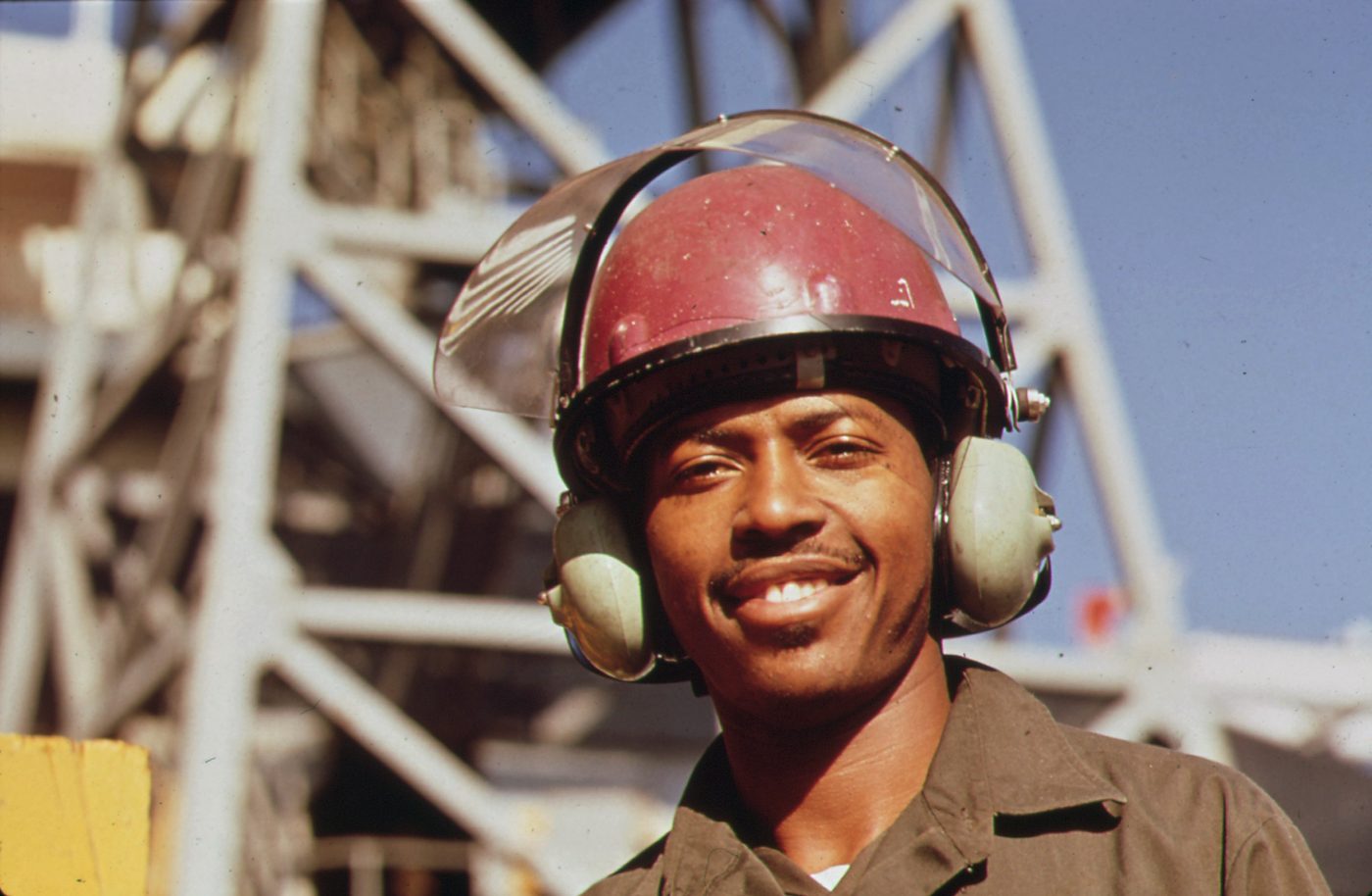
Man wearing a safety helmet (Source: Wikimedia Commons)
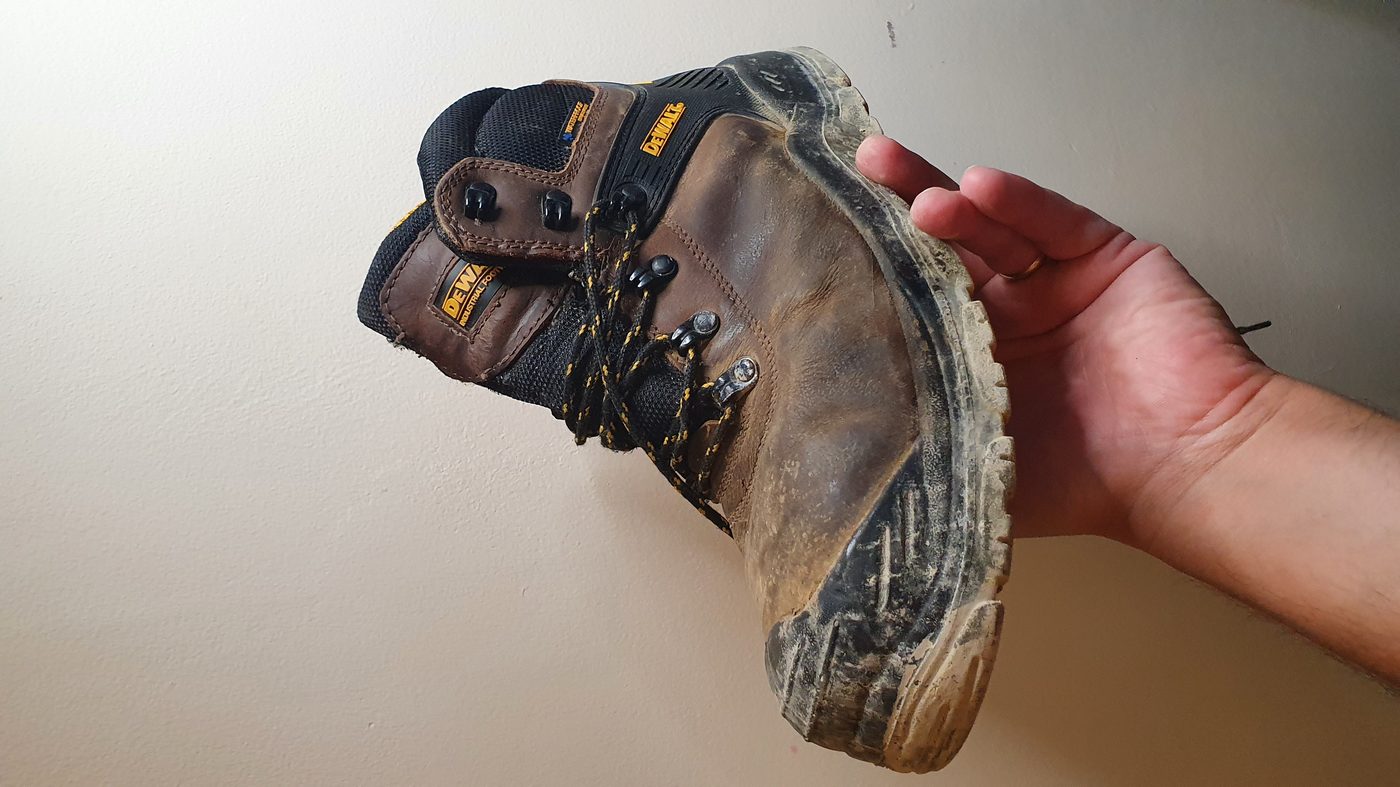
A single safety boot for industrial use (Source: Wikimedia Commons)
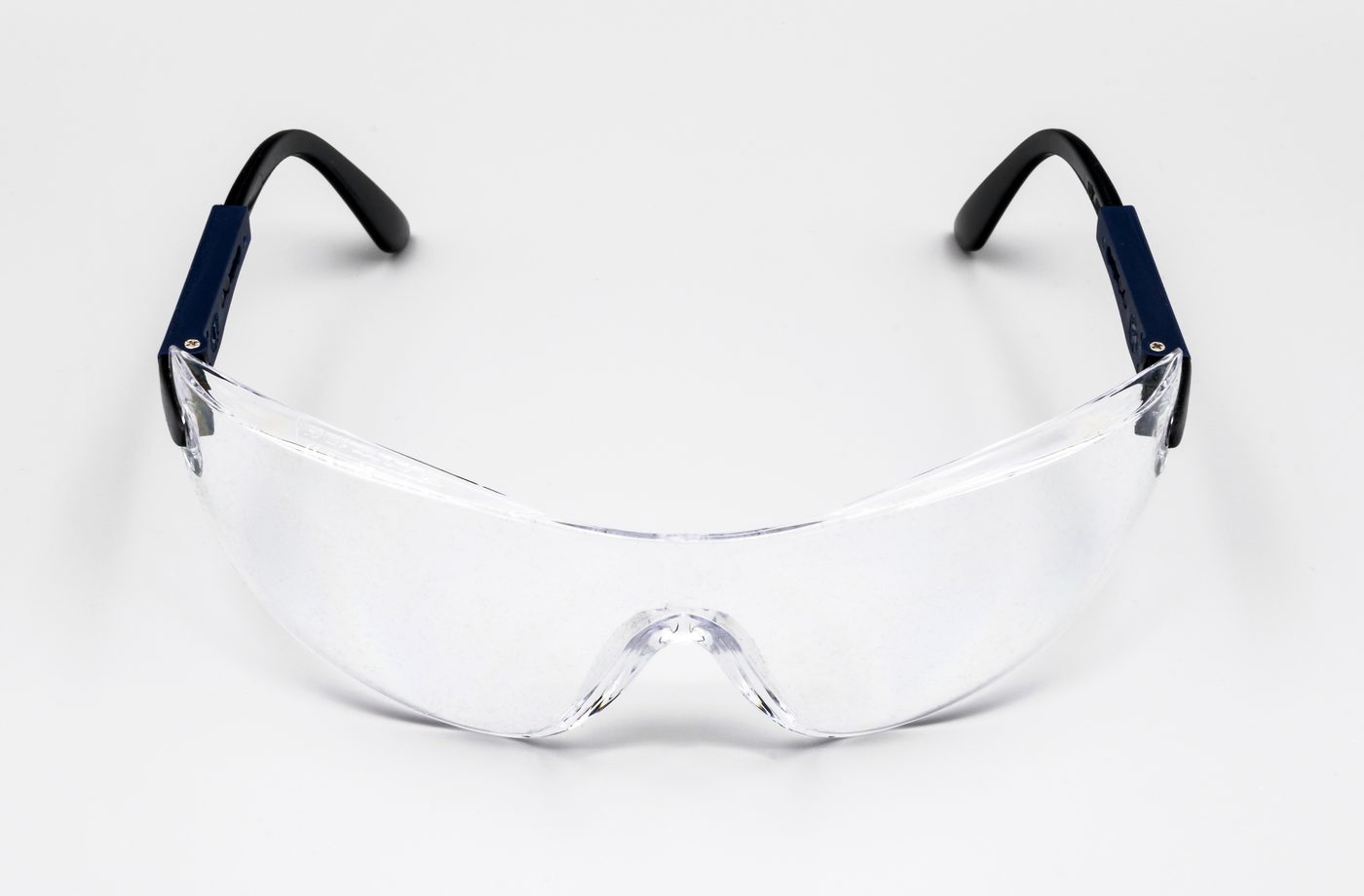
Clear protective eyewear for safety (Source: Wikimedia Commons)
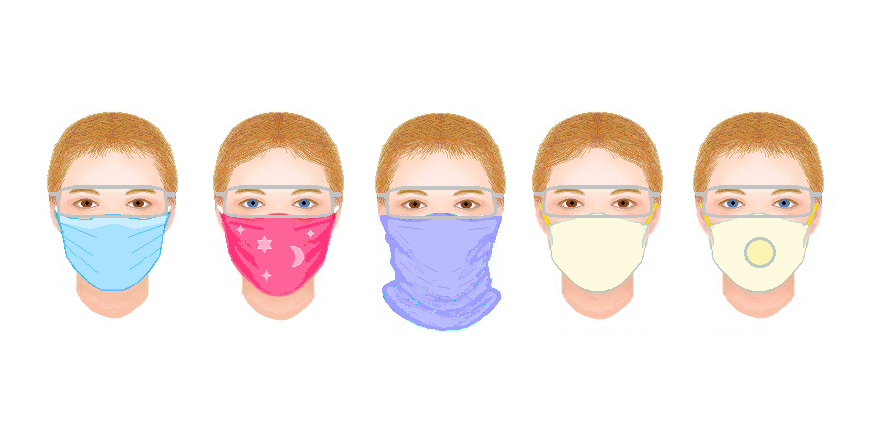
Various types of respiratory masks on faces (Source: Wikimedia Commons)
Implementing safe work procedures establishes a structured approach to maintenance activities, minimizing risks and enhancing efficiency. Plumbers must follow these procedures systematically in line with Kenyan safety guidelines to prevent accidents and health hazards.
Maintaining personal health and hygiene is vital for plumbers working with water storage systems due to exposure to contaminants and chemicals. Proper health practices prevent occupational illnesses and contribute to overall well-being.
Explain five physical hazards that plumbers face when maintaining water storage systems and how these hazards can be controlled. (10 marks)
Describe the types of personal protective equipment essential for water storage system maintenance and their specific uses. (10 marks)
Outline the safe work procedures a plumber must follow when cleaning a water storage tank. (12 marks)
Discuss five health precautions plumbers should observe to protect themselves during water storage system maintenance. (10 marks)
Create a free account to open more of this chapter.
Free: practical guides, quick cards, workplace scenarios and more.
Create a free accountMaintaining a water storage system requires strict adherence to safety and health practices to protect workers and ensure system integrity. Early detection of faults and effective solutions are essential to prevent system failures and water contamination. Proper notice for maintenance activities must be communicated to relevant personnel to coordinate efforts and minimize disruptions. Isolating the area before maintenance begins safeguards both the maintenance team and the system from accidental damage or hazards. Repairs should be conducted methodically to restore the system’s functionality without compromising its components. After repairs, thorough testing of the storage system confirms that it operates correctly and meets quality standards. Regular servicing and cleaning are necessary to prevent buildup of sediments and microbial growth, preserving water quality. Keeping detailed maintenance records supports ongoing monitoring, facilitates future repairs, and ensures compliance with operational standards.
Type: Individual
| Tools & Equipment | Materials |
|---|---|
| Pipe wrench | 20mm GI pipe |
| Hacksaw | 20mm GI elbows |
| Tape measure | Thread seal tape |
| Safety boots | |
| Overall | |
| Hearing protector | |
| Protective gloves | |
| Face shield | |
| Warning signs | |
| Fire extinguisher | |
| First aid kit | |
| Waste disposal bins |
| S/N | Item | Quantity |
|---|---|---|
| 1 | Safety boots | 1 Pair per Candidate |
| 2 | Overall | 1 Set per Candidate |
| 3 | Hearing protector | 1 Pair per Candidate |
| 4 | Protective gloves | 1 Pair per Candidate |
| 5 | Face shield | 1 per Candidate |
| 6 | Fire extinguisher (CO2) | 1 per 5 Candidates |
| 7 | First aid kit | 1 per 5 Candidates |
| 8 | Warning signs (e.g. 'Work in Progress') | 2 per Candidate |
| 9 | Water storage system working area | Shared per Candidate |
| 10 | Waste disposal bins | 1 per Candidate |
| 11 | Tools: Pipe wrench, Hacksaw, Tape measure | 1 set per Candidate |
| 12 | Materials: 20mm GI pipe, 20mm GI elbows, Thread seal tape | Sufficient per Candidate |
| Items to be Evaluated | Marks Available | Marks Obtained | Comments |
|---|---|---|---|
| TASK 1: Implement Safety and Health Practices | |||
| Used personal protective equipment (Safety boots, Overall, Hearing protector, Protective gloves, Face shield) (Award 1 mark for each PPE used or zero) | 5 | ||
| Set up warning signs around the maintenance area (Award 2 marks for correct placement or zero) | 2 | ||
| Checked and positioned fire extinguisher and first aid kit within reach (Award 2 marks for proper positioning or zero) | 2 | ||
| Ensured tools and materials are safely handled and arranged (Award 3 marks for correct handling and arrangement or zero) | 3 | ||
| Demonstrated safe approach to working near the water storage system (Award 3 marks for correct demonstration or zero) | 3 | ||
| Disposed waste materials safely into designated bins (Award 3 marks for proper waste disposal or zero) | 3 | ||
| Sub-Total | 18 | ||
| PRODUCT CHECKLIST | |||
| Observed adherence to safety protocols throughout the maintenance preparation (Award 7 marks for full compliance or zero) | 7 | ||
| Sub-Total | 7 | ||
| GRAND TOTAL | 25 | ||
Type: Individual
| Tools & Equipment | Materials |
|---|---|
| Pipe wrench | 20mm (3/4") Ø GI pipe |
| Pipe cutter | 1/2 inch tank connector |
| Hacksaw | 20mm (3/4") Ø GI elbows |
| Die stock | 20mm (3/4") Ø wall clips |
| Vise - Bench | Submersible pump |
| Files | Pump connectors |
| Claw hammer | 20mm (3/4") Ø GI union |
| Handsaw | 1/2 inch valve |
| Tape measure | Poly plastic tank 1000 liters |
| 4 inches nails | |
| 3 inches nails | |
| Hose pipe | |
| GI socket (20mm 3/4") | |
| Thread seal tape | |
| 50mm x 75mm Timber | |
| 50mm x 50mm Timber | |
| 25mm x 150mm Timber | |
| PPEs |
| S/N | Item | Quantity |
|---|---|---|
| 1 | 20mm (3/4") Ø GI pipe | 3.0 m per Candidate |
| 2 | 1/2 inch tank connector | 1 Pc per Candidate |
| 3 | 20mm (3/4") Ø GI elbows | 3 Pcs per Candidate |
| 4 | 20mm (3/4") Ø wall clips | 3 Pcs per Candidate |
| 5 | Submersible pump | 1 Pc shared per 5 Candidates |
| 6 | Pump connectors | 1 Pc per Candidate |
| 7 | 20mm (3/4") Ø GI union | 2 Pcs per Candidate |
| 8 | 1/2 inch valve | 1 Pc per Candidate |
| 9 | Poly plastic tank 1000 liters capacity | 1 Pc shared per 3 Candidates |
| 10 | 4 inches nails | 2 kg per Candidate |
| 11 | 3 inches nails | 1 kg per Candidate |
| 12 | Hose pipe sufficient to water source | 1 Roll per Candidate |
| 13 | GI socket (20mm 3/4") | 1 Pc per Candidate |
| 14 | Thread seal tape | 6 Rolls per Candidate |
| 15 | 50mm x 75mm Timber | 13 M per Candidate |
| 16 | 50mm x 50mm Timber | 3.0 M per Candidate |
| 17 | 25mm x 150mm Timber | 4.0 M per Candidate |
| 18 | PPEs (Safety boots, gloves, overall, hearing protection) | Full gear per Candidate |
| Items to be Evaluated | Marks Available | Marks Obtained | Comments |
|---|---|---|---|
| TASK 1: Fault Detection and Solution Proposal | |||
| Used personal protective equipment in line with occupational safety and health requirements (Award 1 mark for each PPE used or zero x3 = 3 marks) | 3 | ||
| Identified all materials and tools required for the inspection according to job requirements (Award 2 marks for correct identification or zero) | 2 | ||
| Conducted thorough inspection of water storage system components including pipes, joints, valves, tank, and pump (Award 5 marks for comprehensive inspection or zero) | 5 | ||
| Detected faults such as leaks, blockages, corrosion, loose fittings, or pump malfunction (Award 1 mark per correctly detected fault up to 6 marks) | 6 | ||
| Proposed appropriate and feasible solutions for each detected fault (Award 1 mark per correct solution up to 7 marks) | 7 | ||
| Demonstrated safe handling of tools and equipment during fault detection (Award 3 marks for safe handling or zero) | 3 | ||
| Sub-Total | 26 | ||
| PRODUCT CHECKLIST | |||
| Report on identified faults with correct description and location (Award 5 marks for clear, accurate, and complete fault report or zero) | 5 | ||
| Proposed solutions are practical, cost-effective, and follow best practices (Award 7 marks for appropriate solutions or zero) | 7 | ||
| Presentation of findings is clear and well organized (Award 4 marks for clarity and organization or zero) | 4 | ||
| Sub-Total | 16 | ||
| GRAND TOTAL | 42 | ||
At the start of this chapter we promised you would be able to:
Tick each one you can genuinely do.
So, are you there yet?
You're competent when you can confidently do 50% or more of what this chapter promised.
Sign in to record how you're doing.