
By the end of this chapter, you will be able to:
Mastering these skills will help you work confidently and safely with batteries, a vital part of many electrical systems in the trade.
Electricity is fundamental to electronics engineering, forming the basis for powering devices, circuits, and systems. Understanding the sources of electricity and the process of electrolysis is essential for electronics engineers designing, maintaining, and troubleshooting electronic equipment. In Kenya, where reliable power supply can be variable, knowledge of battery technologies and electrochemical processes supports innovation in portable electronics and renewable energy integration. This chapter explores the origins of electrical energy and the practical applications of electrolysis in electronics engineering.
Electricity can be generated and stored through various means, each with unique characteristics relevant to electronics engineering professionals. In Kenya, where renewable energy adoption is growing, engineers must understand different electricity sources to design efficient, sustainable electronic systems. The choice of source impacts the quality, stability, and availability of power in electronic devices and infrastructure.
Primary cells are single-use electrochemical cells that cannot be recharged after depletion, commonly used in low-power devices like remote controls and some medical instruments. Secondary cells, or rechargeable batteries, can be restored to full charge and are vital in applications where repeated use is necessary, such as mobile phones and electric vehicles.
Batteries are assemblies of multiple cells connected in series or parallel to increase voltage or capacity, respectively. Electronics engineers must design battery packs tailored to device requirements, balancing voltage, current, and size constraints.
Kenya's push towards renewable energy sources such as solar and wind power has highlighted the importance of integrating these sources into electronic systems. Engineers must understand how to convert and store renewable energy effectively.
Solar photovoltaic cells: Convert sunlight directly into electricity; widely used in off-grid electronics.
Wind turbines: Generate electricity by converting wind energy; fluctuations require power conditioning.
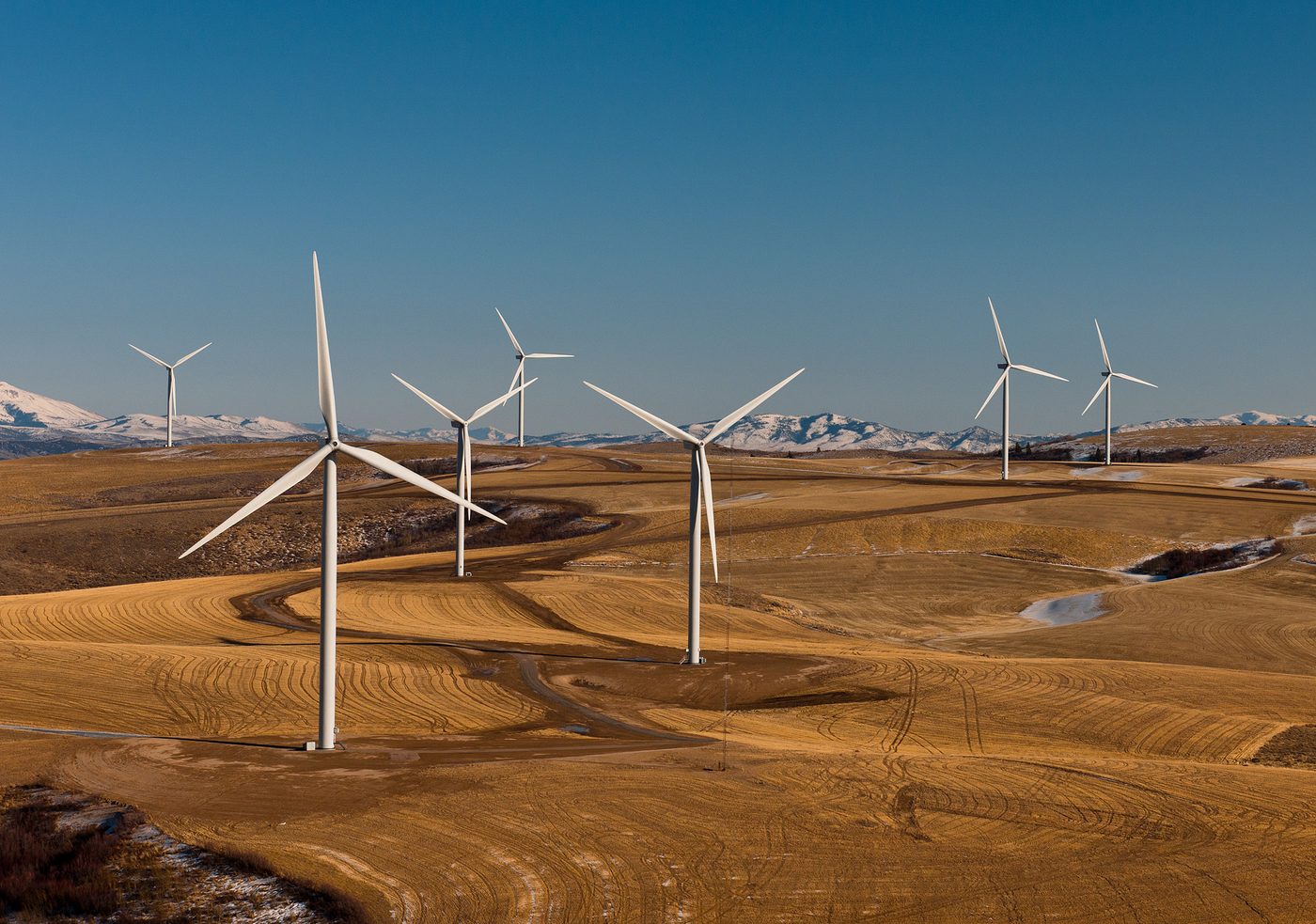
Multiple wind turbines in a field (Source: Wikimedia Commons)
Generators and power supply units (PSUs) convert mechanical or other energy forms into electrical energy. Electronics engineers often design or specify PSUs to provide stable, regulated power to sensitive electronic circuits.
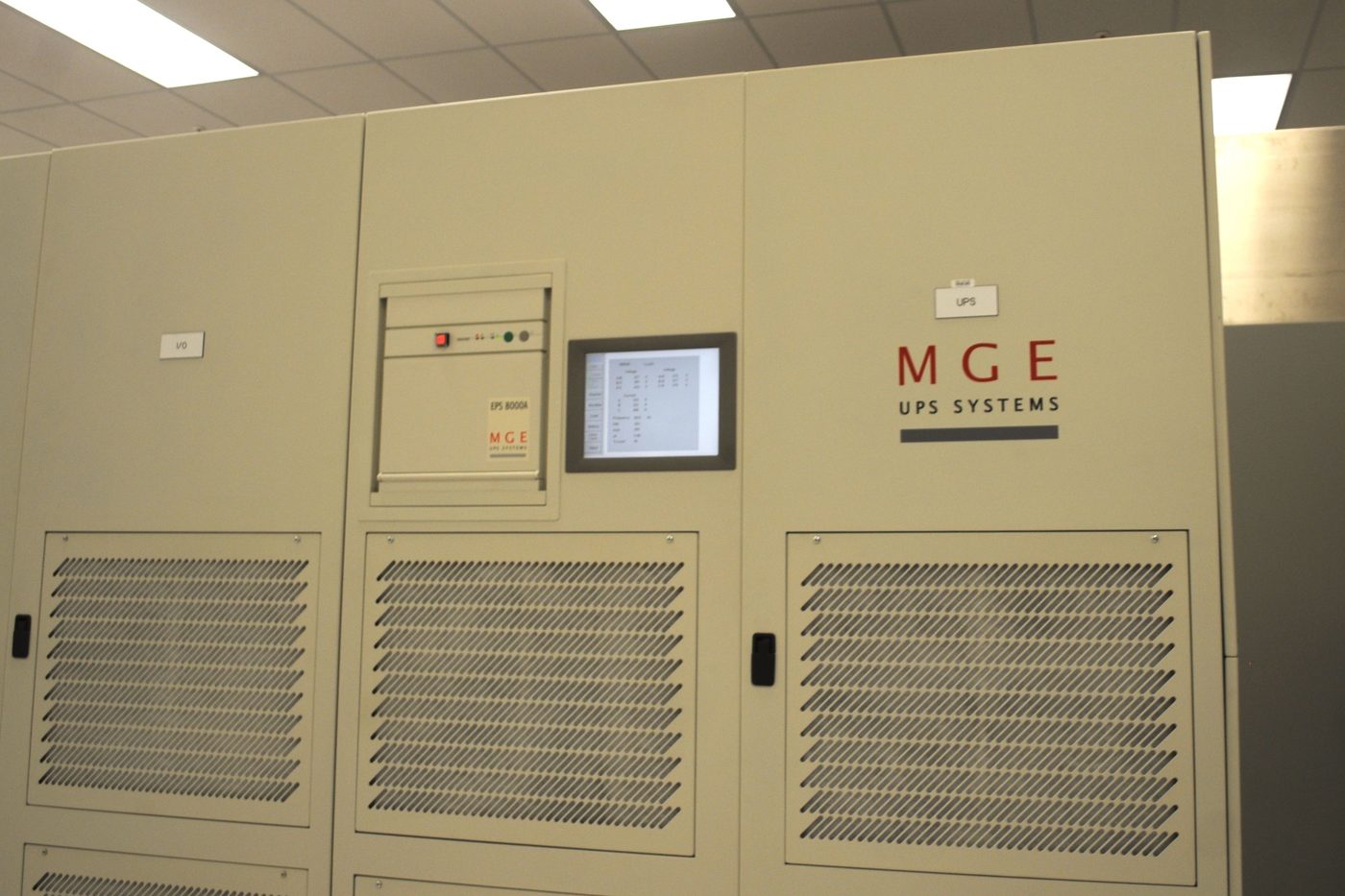
Uninterruptible power supply (UPS) system cabinet (Source: Wikimedia Commons)
Create a free account to open more of this chapter.
Free: practical guides, quick cards, workplace scenarios and more.
Create a free accountThis chapter explored various sources of electricity, highlighting their roles in powering electrical devices and systems. It examined the process of electrolysis and its practical applications in industry and everyday technology. The concept of simple cells was introduced, explaining how chemical reactions produce electrical energy. The distinction between primary and secondary cells was discussed, focusing on their usage and rechargeability. Various types of cells and batteries were described in detail, including dry cells, Leclanché, mercury, lead-acid, alkaline, and lithium batteries, each with unique characteristics and applications. The chapter also covered the electromotive force and internal resistance of cells, essential factors influencing battery performance. Proper maintenance techniques for batteries were emphasized to ensure longevity and efficiency. Finally, the diverse applications of batteries across multiple sectors were outlined, demonstrating their significance in modern electrical systems.
Type: Individual
| Tools & Equipment | Materials |
|---|---|
| Multimeter | 1.5 V AA Cell |
| Screwdriver | 12 V Lead Acid Battery |
| Wire Stripper | Solar Panel 12 V 10 W |
| Pliers | Connecting Wires Assorted |
| Lamp Holder | |
| Incandescent Lamp 3 V | |
| Switch SPST | |
| Breadboard | |
| Personal Protective Equipment (Dustcoat, Gloves) |
| S/N | Item | Quantity |
|---|---|---|
| 1 | 1.5 V AA Cell | 2 Pcs per Candidate |
| 2 | 12 V Lead Acid Battery | 1 Pc per 5 Candidates |
| 3 | Solar Panel 12 V, 10 W | 1 Pc per 5 Candidates |
| 4 | Multimeter | 1 Pair per Candidate |
| 5 | Connecting Wires Assorted | 1 Set per Candidate |
| 6 | Lamp Holder | 2 Pcs per Candidate |
| 7 | Incandescent Lamp 3 V | 2 Pcs per Candidate |
| 8 | Switch SPST | 1 Pc per Candidate |
| 9 | Breadboard | 1 Pc per Candidate |
| 10 | Personal Protective Equipment (Dustcoat, Gloves) | 1 Set per Candidate |
| 11 | Screwdriver | 1 Pc per Candidate |
| 12 | Wire Stripper | 1 Pc per Candidate |
| 13 | Pliers | 1 Pair per Candidate |
| Items to be Evaluated | Marks Available | Marks Obtained | Comments |
|---|---|---|---|
| TASK 1: Safety and Preparation | |||
| Wore Personal Protective Equipment (Dustcoat and Gloves) (Award 1 if PPE is worn correctly, else 0) | 1 | ||
| Ensured clean and safe working area before starting (Award 1 if area is tidy and safe, else 0) | 1 | ||
| Sub-Total | 2 | ||
| TASK 2: Identification and Setup of Sources | |||
| Identified 1.5 V AA Cell, 12 V Lead Acid Battery, and Solar Panel correctly (Award 1 mark per correctly identified source) | 3 | ||
| Connected each source correctly to the lamp circuit on the breadboard (Award 1 mark per correctly wired source circuit) | 4 | ||
| Used colour-coded wires observing correct polarity (Award 2 if all wiring polarity is correct, else 0) | 2 | ||
| Used correct tools for wiring and connections (Award 2 if tools used appropriately, else 0) | 2 | ||
| Sub-Total | 11 | ||
| TASK 3: Testing and Demonstration | |||
| Performed voltage measurement on each source using multimeter (Award 1 mark per source with correct voltage measurement) | 3 | ||
| Demonstrated lamp illumination for each source circuit (Award 1 mark per correctly functioning lamp circuit) | 3 | ||
| Switched circuits ON and OFF using SPST switch correctly (Award 2 if switches operate circuits correctly, else 0) | 2 | ||
| Sub-Total | 8 | ||
| PRODUCT CHECKLIST | |||
| Correctly wired and functioning lamp circuits for all three sources on the breadboard (150mm x 100mm) (Award 7 if all circuits operate correctly with neat wiring and polarity observed, else 0) | 7 | ||
| Sub-Total | 7 | ||
| GRAND TOTAL | 28 | ||
Type: Individual
| Tools & Equipment | Materials |
|---|---|
| DC power supply | Copper sulphate solution (0.5M) |
| Multimeter | Beaker (500 ml) |
| Switch | Graphite electrodes |
| Connecting wires with crocodile clips | Personal Protective Equipment (gloves, goggles, dustcoat) |
| Glass stirring rod |
| S/N | Item | Quantity |
|---|---|---|
| 1 | Copper sulphate solution (0.5M) | 500 ml per Candidate |
| 2 | Beaker (500 ml) | 1 pc per Candidate |
| 3 | Graphite electrodes | 2 pcs per Candidate |
| 4 | DC power supply (6 V adjustable) | 1 pc per 2 Candidates |
| 5 | Connecting wires with crocodile clips | 2 sets per Candidate |
| 6 | Switch (single pole) | 1 pc per Candidate |
| 7 | Multimeter | 1 pc per 2 Candidates |
| 8 | Personal Protective Equipment (gloves, goggles, dustcoat) | 1 set per Candidate |
| 9 | Glass stirring rod | 1 pc per Candidate |
| 10 | Measuring cylinder (100 ml) | 1 pc per Candidate |
| Items to be Evaluated | Marks Available | Marks Obtained | Comments |
|---|---|---|---|
| TASK 1: SETUP AND EXECUTION OF ELECTROLYSIS | |||
| Wore Personal Protective Equipment (gloves, goggles, dustcoat) (Award 1 mark if all PPE worn correctly, else 0) | 1 | ||
| Prepared a clean working area and ensured good housekeeping (Award 1 mark for clean and organized workspace) | 1 | ||
| Measured 500 ml of 0.5 M copper sulphate solution accurately using measuring cylinder (Award 2 marks for correct volume and concentration) | 2 | ||
| Set up the beaker with copper sulphate solution and inserted graphite electrodes properly (Award 2 marks for correct electrode placement and secure fixing) | 2 | ||
| Connected the electrodes to the DC power supply using correct polarities and crocodile clips (Award 2 marks for correct polarity and secure connections) | 2 | ||
| Included a switch in the circuit and demonstrated correct switching on/off (Award 1 mark for functional switch operation) | 1 | ||
| Used multimeter to measure and confirm voltage supplied to the electrodes (approx. 6 V) (Award 2 marks for correct voltage measurement and reading) | 2 | ||
| Observed and described the electrolysis process including gas evolution and electrode changes (Award 3 marks for clear observation and explanation) | 3 | ||
| Cleaned the equipment and working area after completion (Award 1 mark for good housekeeping post-task) | 1 | ||
| Sub-Total | 15 | ||
| TASK 2: EXPLANATION OF ELECTROLYSIS APPLICATIONS | |||
| Explained at least three practical applications of electrolysis (e.g., electroplating, extraction of metals, purification of copper) (Award up to 5 marks based on completeness and accuracy) | 5 | ||
| Provided relevant examples from Kenyan or industrial contexts (Award 2 marks for relevant and clear examples) | 2 | ||
| Used correct technical terminology in explanation (Award 2 marks for appropriate use of technical terms) | 2 | ||
| Sub-Total | 9 | ||
| PRODUCT CHECKLIST | |||
| Electrolysis apparatus correctly assembled and functional with visible electrode reactions (Award 5 marks for correct assembly and visible electrolysis effects) | 5 | ||
| Accurate measurement of solution volume and concentration (500 ml, 0.5 M) (Award 3 marks for correct measurement) | 3 | ||
| Correct voltage applied (approx. 6 V) as verified by multimeter (Award 3 marks for correct voltage) | 3 | ||
| Clear and correct explanation of electrolysis applications (Award 5 marks for clear and accurate explanation) | 5 | ||
| Clean and safe working area post-experiment (Award 2 marks for neatness and safety) | 2 | ||
| Sub-Total | 18 | ||
| GRAND TOTAL | 42 | ||
At the start of this chapter we promised you would be able to:
Tick each one you can genuinely do.
So, are you there yet?
You're competent when you can confidently do 50% or more of what this chapter promised.
Sign in to record how you're doing.