Building Technology  ·  Level 5
Building Substructure Works
Chapter 3: Carry out foundation walling
📚 7 Topics
What you will be able to do

By the end of this chapter, you will be able to:

  • Wear the correct personal protective equipment and follow safety procedures for foundation walling jobs.
  • Identify and select the right tools and equipment needed for foundation wall construction.
  • Prepare foundation wall materials accurately according to the specific job requirements.
  • Transfer foundation wall dimensions precisely from the profile board using the working drawings.
  • Erect foundation walls correctly, following the National Building Code 2024 standards.
  • Perform the curing process properly to ensure strong and durable foundation walls.
  • Carry out backfilling safely and accurately in line with the National Building Code 2024 requirements.

Mastering these skills will help you build strong, safe foundations that support quality structures and keep everyone on site safe.

Foundations are critical to the structural integrity and longevity of any building, serving as the interface between the structure and the ground. Carrying out foundation walling requires careful attention to safety, precision, and the correct use of personal protective equipment (PPE) to prevent workplace injuries. In Kenya, where construction often takes place under varying environmental and regulatory conditions, adherence to PPE standards ensures compliance with occupational safety laws and protects workers in diverse settings such as county hospitals, schools, banks, and retail businesses.

3.1 PPEs

3.1.1 Types of PPE Used in Foundation Walling

The variety of PPE employed on foundation walling sites addresses specific hazards that workers may encounter during excavation, handling of concrete, and masonry work. Each PPE type serves a distinct protective function essential for maintaining worker safety and health.
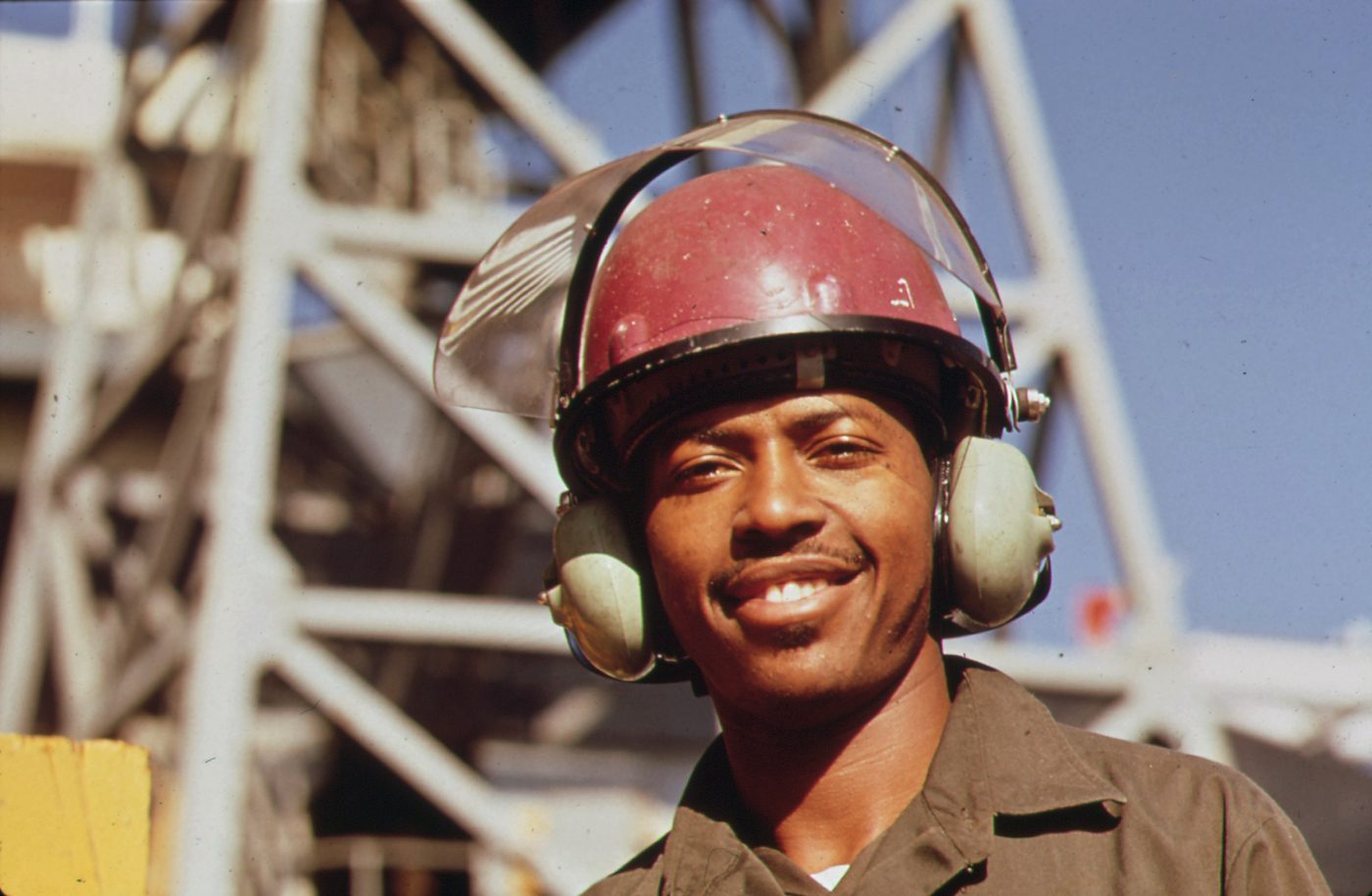
Common PPE Types and Their Functions

  • Safety Helmets: Protect the head from falling debris and accidental impacts. For example, at a TVET college undergoing expansion, helmets shield laborers from tools or materials dropped from scaffolding.

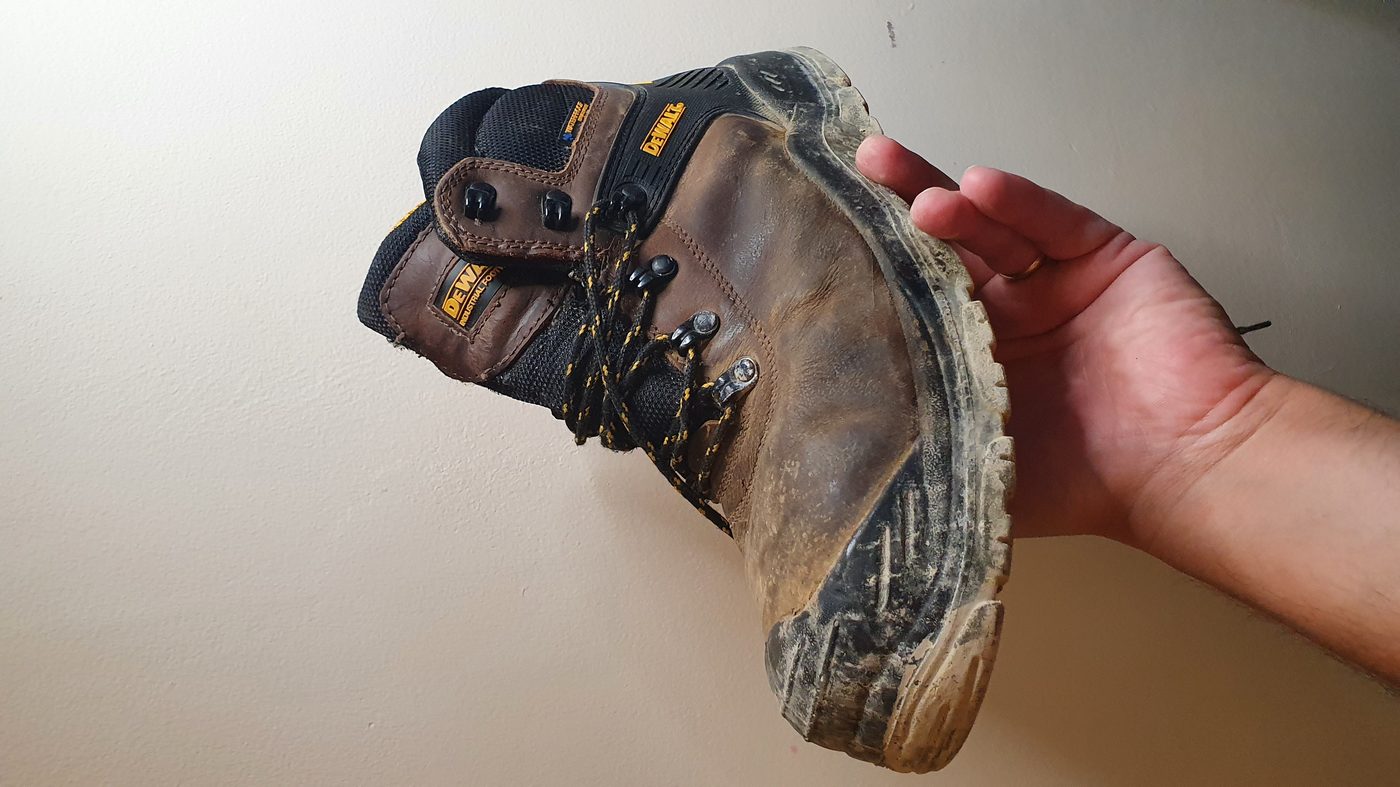
  • Safety Boots: Provide foot protection against sharp objects, heavy falling items, and uneven terrain. In a retail business construction site, boots prevent injuries from nails or metal fragments on the ground.

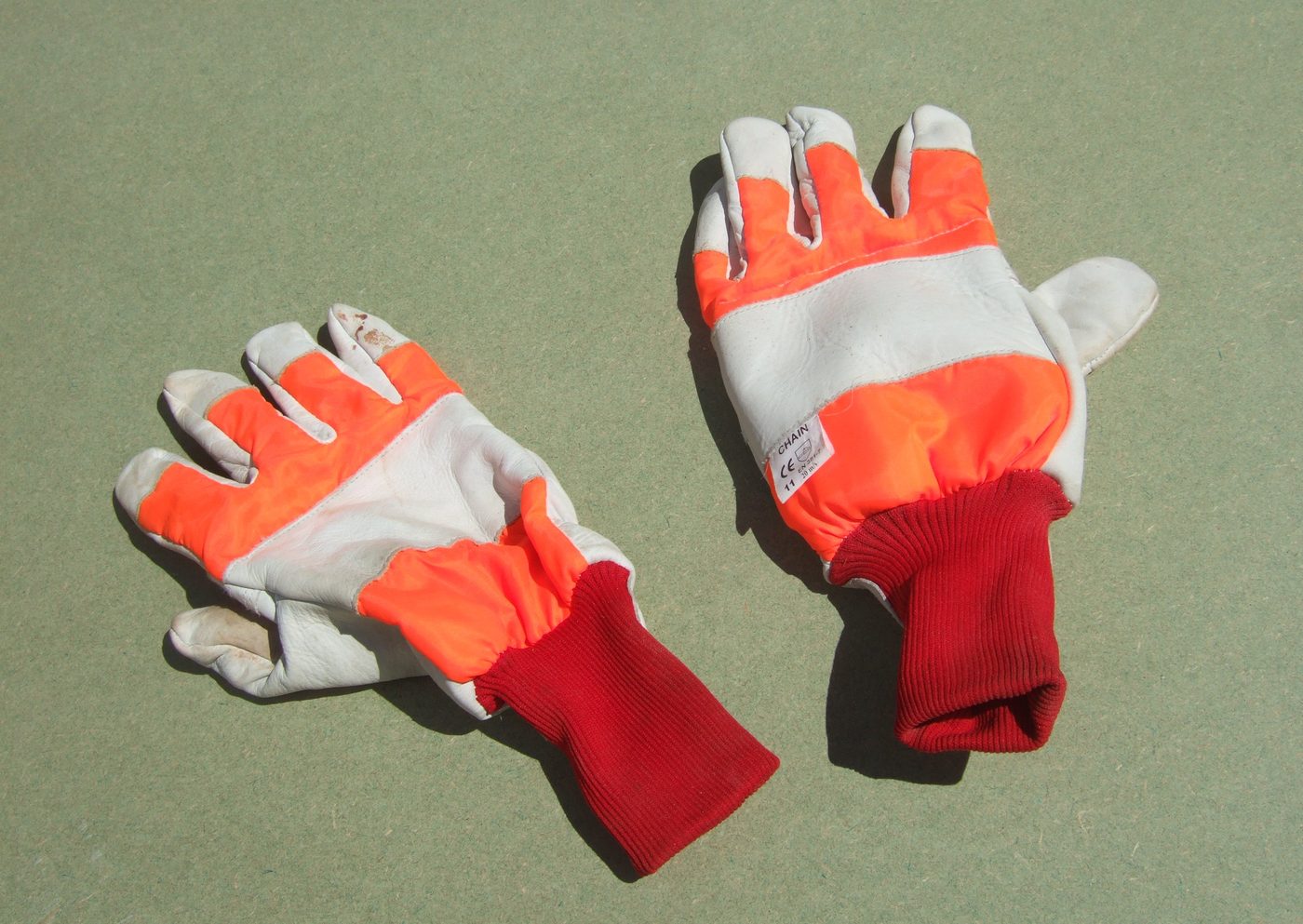
  • Protective Gloves: Shield hands from cuts, abrasions, and chemical exposure, especially during handling of cement and mortar at a county hospital construction project.

  • Dust Masks or Respirators: Prevent inhalation of dust and fine particles generated during excavation and material mixing, crucial for workers at a university site surrounded by dusty soils.

  • Eye Protection (Goggles or Safety Glasses): Guard against flying particles and splashes of cement or chemicals, important in a bank construction area where precision and safety are paramount.
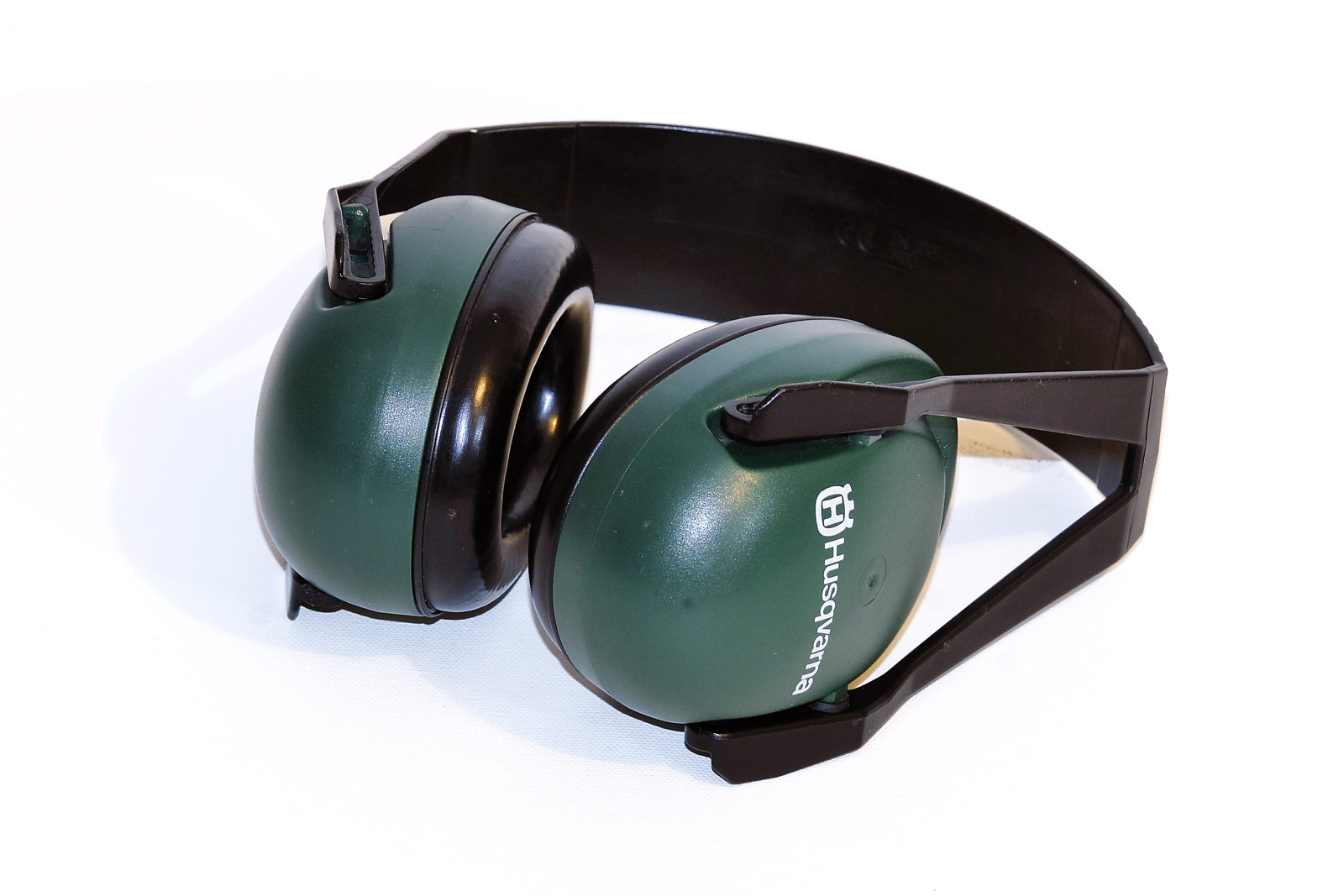
  • Ear Protection (Earplugs or Earmuffs): Reduce exposure to high noise levels from machinery such as mixers and compactors, common in hotel construction projects.

3.1.2 Selection Criteria and Proper Use of PPE

Selecting appropriate PPE involves assessing the specific hazards on the foundation walling site, the nature of tasks performed, and the working environment. Correct usage ensures that the protective equipment fulfills its intended function without causing discomfort or hindrance.

Key Considerations for PPE Selection and Usage

  • Hazard Identification: Conduct thorough site risk assessments to determine necessary PPE types. For instance, a cooperative building site with frequent heavy lifting requires robust gloves and boots.
  • Fit and Comfort: PPE must fit well to prevent accidents caused by loose or tight equipment. At a county government office site, ill-fitting helmets might fall off, reducing protection.
  • Compatibility: Ensure different PPE items can be worn together without interference. For example, masks and goggles must not fog or obstruct vision during walling at a SACCO office construction.
  • Training: Workers should be educated on the correct donning, doffing, and adjustment of PPE. At a hospital expansion project, training reduces misuse and promotes safety culture.
  • Inspection Before Use: Check PPE for damage or wear prior to each use. At a retail business site, cracked goggles or torn gloves must be replaced immediately to maintain protection.

3.1.3 Maintenance and Storage of PPE

Maintaining PPE in good condition extends its lifespan and ensures continuous protection for workers engaged in foundation walling. Proper storage prevents contamination and damage, which could compromise safety.

Essential Maintenance and Storage Practices

  • Cleaning: Regularly wash helmets, gloves, and masks according to manufacturer instructions. For example, at a university construction site, cleaning dust masks prevents respiratory issues.
  • Inspection: Periodically inspect for cracks, tears, or deformities. At a county referral hospital, faulty boots with worn soles should be discarded to prevent slips.
  • Repair: Minor repairs like replacing straps or padding should be done promptly. A SACCO office site may have designated personnel for maintaining PPE.
  • Storage: Store PPE in dry, clean, and well-ventilated areas away from direct sunlight and chemicals. At a hotel construction site, storing PPE in lockers minimizes exposure to damaging conditions.
  • Replacement: Follow manufacturer guidelines on replacement intervals, especially for disposable items like masks and earplugs, to ensure reliability.

3.1.4 Legal and Regulatory Requirements for PPE Use in Kenya

Compliance with Kenyan occupational safety laws regarding PPE is mandatory for all construction activities, including foundation walling, to protect workers and avoid legal penalties. Understanding these requirements helps organizations implement effective safety management systems.

Key Legal Requirements and Standards

  • Occupational Safety and Health Act (OSHA) 2007: Mandates employers to provide PPE free of charge and ensure its use by employees. For example, a county government office construction project must enforce PPE use as per OSHA.
  • National Construction Authority (NCA) Guidelines: Require contractors to implement safety measures including PPE provision and supervision on sites like schools and banks.
  • Work Injury Benefits Act (WIBA): Ensures compensation for workers injured due to inadequate safety measures, motivating employers to enforce PPE use.
  • Kenya Bureau of Standards (KEBS): Sets standards for PPE quality and certification, ensuring that items like helmets and boots meet safety specifications.
  • Environmental Management and Coordination Act (EMCA): Requires mitigation of environmental hazards, including dust control with PPE like masks at agricultural cooperative construction sites.

Practice Questions

  1. Explain five types of personal protective equipment used in foundation walling and describe the specific hazards each protects against. (10 marks)

  2. Discuss six important factors to consider when selecting and using PPE on a construction site. (12 marks)

  3. Outline five maintenance and storage practices necessary to ensure the longevity and effectiveness of PPE. (10 marks)

  4. Describe five key legal and regulatory requirements in Kenya that govern the use of PPE in construction projects. (10 marks)

The rest of this chapter
🔒

Create a free account to open more of this chapter.

Free: practical guides, quick cards, workplace scenarios and more.

Create a free account
🔒3.2 Foundation wall construction tools and equipment

Foundation wall construction requires a variety of specialized tools and equipment to ensure accuracy, durability, and safety. In Kenyan construction projects, from county hospitals to university campuses, selecting and using the right tools enhances workmansh…

🔒3.3 Preparation of Foundation Wall Construction Materials

In foundation walling, the quality and readiness of construction materials critically influence the strength and durability of the entire building. Kenyan construction projects, whether at county government offices in Kisumu or in university expansions at Moi…

🔒3.4 Transformation of Foundation Wall Dimensions

Accurate transformation of foundation wall dimensions from design drawings to the physical site is fundamental to achieving the intended structure. This process ensures that the foundation walls are constructed in the correct location, with proper alignment, l…

🔒3.5 Foundation Wall Erection

Foundation wall erection is a critical phase in building substructure works, as it involves constructing the vertical walls that transfer loads from the superstructure to the foundation. In Kenyan contexts such as county government offices or hospitals, proper…

🔒3.6 Curing Process

Curing is the process of maintaining adequate moisture, temperature, and time to allow concrete and mortar to achieve the desired strength and durability. In Kenya’s diverse climates, from humid coastal regions to dry highlands, proper curing practices are cru…

🔒3.7 Backfilling

Backfilling is a critical phase in foundation walling that involves replacing excavated soil around the foundation after the walls or footings are constructed. In Kenya’s diverse construction projects, from county government offices to educational institutions…

Chapter Summary

This chapter covered essential aspects of carrying out foundation walling, starting with the importance of using appropriate personal protective equipment to ensure safety on site. It then detailed key tools and equipment required for foundation wall construction, such as the trowel, spade, wheelbarrow, building line, plumb bob, spirit level, and mason square, each playing a critical role in achieving accuracy and efficiency. The preparation of construction materials was emphasized to guarantee quality and durability of the foundation wall. The process of transforming foundation wall dimensions was explained to ensure that the design specifications are accurately translated to the actual build. Erection of the foundation wall was described as a step-by-step procedure requiring precision and proper technique. The curing process was highlighted as vital for strengthening the concrete and preventing cracks. Finally, backfilling was discussed as the concluding step to stabilize and protect the foundation wall after construction.

Self-Assessment

🔒 PDFDownload this self-assessment, with answers

A. Written Assessment

  1. Identify three essential personal protective equipment (PPE) items used during foundation wall construction. (3 marks)
  2. Explain the primary use of a plumb bob in foundation wall erection. (2 marks)
🔒20 more in this section.

Chapter Examination Questions

🔒 PDFDownload these examination questions, with model answers

SECTION A (40 Marks) - Answer ALL Questions

  1. Identify five types of personal protective equipment (PPE) essential during foundation wall construction and explain their importance on a typical county government construction site. (4 marks)
  2. Describe the main function of a plumb bob in foundation walling and how improper use can affect a building’s structural integrity. (4 marks)
🔒18 more in this section.

Chapter Practical Activities

Practical 1: Identify and Demonstrate Use of Foundation Wall Construction Tools

Building Technology · Level 5
Building Substructure Works
PRACTICAL ASSESSMENT
TIME: 4 HOURS
⬇ PDFCandidate Instructions (Candidate Tool)

Type: Individual

INSTRUCTIONS TO CANDIDATE:
1.  You are required to perform the following task:
i.  Select and demonstrate the correct use of foundation wall construction tools including trowel, spade, and wheelbarrow on site as per given instructions.
2.  You have been provided with the following resources for the practical task:
Tools & EquipmentMaterials
Trowel
Spade
Wheelbarrow
Tape Measure 5m
Builders Line 30m
Spirit Level 600mm
⬇ PDFResources Required (Cutting List)
S/NItemQuantity
1Trowel1 Pc per Candidate
2Spade1 Pc per Candidate
3Wheelbarrow1 Pc per 2 Candidates
4Tape Measure 5m1 Pc per Candidate
5Builders Line 30m1 roll per 3 Candidates
6Spirit Level 600mm1 Pc per 3 Candidates
7Safety Helmet1 Pc per Candidate
8Dust Coat/Overall1 Pc per Candidate
9Safety Boots1 Pair per Candidate
10Gloves1 Pair per Candidate
⬇ PDFAssessor Guide
Items to be EvaluatedMarks AvailableMarks ObtainedComments
TASK 1: PPE and Tool Identification
Wore correct PPEs (dust coat/overall, safety helmet, safety boots)
(Award 1 mark for each correctly donned PPE up to 3 marks)
3
Identified the trowel correctly and explained its use for mortar application
(Award 2 marks for correct identification and explanation)
2
Identified the spade correctly and demonstrated its use for excavation and mixing
(Award 2 marks for correct identification and demonstration)
2
Identified the wheelbarrow correctly and demonstrated its use for transporting materials
(Award 2 marks for correct identification and demonstration)
2
Sub-Total9
TASK 2: Practical Demonstration of Tool Use
Measured and marked foundation wall lines using tape measure and builders line
(Award 3 marks for accurate measurement and marking)
3
Used spade to prepare and level the ground for foundation walling
(Award 3 marks for correct ground preparation)
3
Mixed mortar using spade and transported it using wheelbarrow
(Award 4 marks for correct mixing and transportation)
4
Applied mortar using trowel correctly on foundation wall
(Award 4 marks for proper mortar application)
4
Sub-Total14
PRODUCT CHECKLIST
Correct selection and use of trowel, spade, and wheelbarrow demonstrated
(Award 5 marks for overall proper tool usage and handling)
5
Foundation wall lines correctly measured and marked (dimensions and straightness)
(Award 4 marks for accuracy of measurements and markings)
4
Ground prepared to specification and mortar mixed to correct consistency
(Award 4 marks for ground preparation and mortar quality)
4
Mortar applied evenly and correctly using trowel
(Award 4 marks for mortar application quality)
4
Sub-Total17
GRAND TOTAL40
ASSESSMENT OUTCOME:   ☐ Competent    ☐ Not Yet Competent (competent if at least 50%)

Practical 2: Preparation and Mixing of Materials for Foundation Wall Construction 1200mm x 600mm

Building Technology · Level 5
Building Substructure Works
PRACTICAL ASSESSMENT
TIME: 4 HOURS
⬇ PDFCandidate Instructions (Candidate Tool)

Type: Individual

INSTRUCTIONS TO CANDIDATE:
1.  You are required to perform the following task:
i.  Prepare and mix mortar materials for a foundation wall 1200mm long x 600mm high to the specified mix ratio of 1:4 cement to sand.
2.  You have been provided with the following resources for the practical task:
Tools & EquipmentMaterials
WheelbarrowCement (Portland Cement)
HoeSharp Sand
TrowelClean Water
Weighing Scale
Bucket
Gloves
⬇ PDFResources Required (Cutting List)
S/NItemQuantity
1Cement (Portland Cement)2 kg per Candidate
2Sharp Sand5 kg per Candidate
3Clean Water5 Litres per Candidate
4Wheelbarrow1 Pc per 3 Candidates
5Hoe1 Pc per Candidate
6Trowel1 Pc per Candidate
7Weighing Scale1 Pc per 3 Candidates
8Bucket1 Pc per Candidate
9Gloves1 Pair per Candidate
10Dust Coat/Overall1 Pc per Candidate
11Safety Boots1 Pair per Candidate
12Safety Helmet1 Pc per Candidate
⬇ PDFAssessor Guide
Items to be EvaluatedMarks AvailableMarks ObtainedComments
TASK 1: Preparation and Mixing of Foundation Wall Mortar
Wore correct PPE (Dust coat/Overall, Safety boots, Helmet, Gloves)
(Award 1 mark for each correctly donned PPE, total 3 marks)
3
Checked and assembled all required tools and materials
(Award 2 marks for correct identification and assembly)
2
Measured cement accurately using weighing scale (2 kg)
(Award 3 marks for accurate measurement)
3
Measured sharp sand accurately using weighing scale (8 kg for 1:4 mix)
(Award 3 marks for accurate measurement)
3
Mixed cement and sand dry thoroughly to uniform color
(Award 4 marks for thorough mixing)
4
Added clean water gradually and mixed mortar to required consistency
(Award 4 marks for correct water addition and mixing)
4
Prepared mortar quantity sufficient for a 1200mm x 600mm foundation wall
(Award 3 marks for correct mortar volume estimation)
3
Cleaned tools and working area after completion
(Award 3 marks for thorough cleaning)
3
Demonstrated safe handling and mixing techniques
(Award 3 marks for safety compliance during mixing)
3
Sub-Total28
PRODUCT CHECKLIST
Mortar mix consistency suitable for foundation wall construction
(Award 6 marks for correct consistency and workability)
6
Correct mortar mix ratio of 1:4 (cement to sand) achieved
(Award 5 marks for correct batching)
5
Mortar quantity sufficient for 1200mm length x 600mm height foundation wall
(Award 5 marks for correct volume preparation)
5
Clean tools and tidy work area after task completion
(Award 4 marks for cleanliness and order)
4
Adherence to safety protocols throughout the task
(Award 2 marks for overall safety compliance)
2
Sub-Total22
GRAND TOTAL50
ASSESSMENT OUTCOME:   ☐ Competent    ☐ Not Yet Competent (competent if at least 50%)
🔒

Free: practical guides, quick cards, workplace scenarios and more.

Create a free account
🔒Transform foundation wall dimensions from plan to sitePractical 3
🔒Erect a 1200mm high foundation wall using masonry techniquesPractical 4
🔒Cure a newly constructed foundation wall 1200mm x 450mm x 600mm highPractical 5
🔒Backfill and compact soil around a 1200mm high foundation wallPractical 6
🔒Use of Plumb Bob and Spirit Level to Check Vertical and Horizontal Alignment During Foundation WallingPractical 7
🔒Use mason square to check right angles in foundation wall layoutPractical 8
🔒Operate a wheelbarrow to transport foundation wall materials on sitePractical 9
🔒Mix and apply mortar for foundation walling 1200mm x 600mmPractical 10
🔒Set Out Foundation Wall Corners and Lines Using Building Line and Mason SquarePractical 11
🔒Check and adjust foundation wall dimensions on sitePractical 12
Flashcards 20 cards Study deck ▾
Question
1

↻ Tap card to reveal answer
🔒

18 more in this section.

Create a free account
Test Yourself 18 questions Start quiz ▾
0%
0 / 2
🔒

16 more in this section.

Create a free account
Am I competent?

At the start of this chapter we promised you would be able to:

  • Wear the correct personal protective equipment and follow safety procedures for foundation walling jobs.
  • Identify and select the right tools and equipment needed for foundation wall construction.
  • Prepare foundation wall materials accurately according to the specific job requirements.
  • Transfer foundation wall dimensions precisely from the profile board using the working drawings.
  • Erect foundation walls correctly, following the National Building Code 2024 standards.
  • Perform the curing process properly to ensure strong and durable foundation walls.
  • Carry out backfilling safely and accurately in line with the National Building Code 2024 requirements.

Tick each one you can genuinely do.

Prove it — in the simulator

Sample simulation — try how the simulator works. A version built for this chapter's practical is coming.

Prepare Kenyan PilauLocked ▸

Free: practical guides, quick cards, workplace scenarios and more.

Now — are you there yet?

You're competent when you can confidently do 50% or more of what this chapter promised.

Sign in to record how you're doing.