
By the end of this chapter, you will be able to:
These skills will help you keep vehicles safe and secure, making you a valuable expert in the automotive trade.
Vehicle security systems are critical in protecting automotive assets against theft, unauthorized access, and vandalism. In Kenya’s dynamic automotive environment, maintaining these systems ensures vehicle longevity and owner peace of mind, especially given rising concerns about vehicle crime. This chapter focuses on servicing vehicle security systems effectively by understanding safety protocols and utilising the appropriate tools and diagnostic equipment. Mastery of these areas enhances the reliability and functionality of security components in modern vehicles.
Vehicle security system maintenance involves working with electrical components, sensors, and sometimes immobilizers that are sensitive and potentially hazardous if mishandled. Safety measures are essential to protect both the technician and the vehicle from damage or injury. In Kenyan workshops, where varying levels of infrastructure and equipment exist, adherence to safety protocols ensures consistent quality of service and minimizes risks.
Electrical hazards are a primary concern during servicing of vehicle security systems. Technicians must recognize risks such as electric shocks, short circuits, and static discharge that can damage sensitive electronic modules.
Maintaining personal safety during security system servicing is paramount. Technicians should use protective equipment and follow procedures tailored to the Kenyan workshop environment.
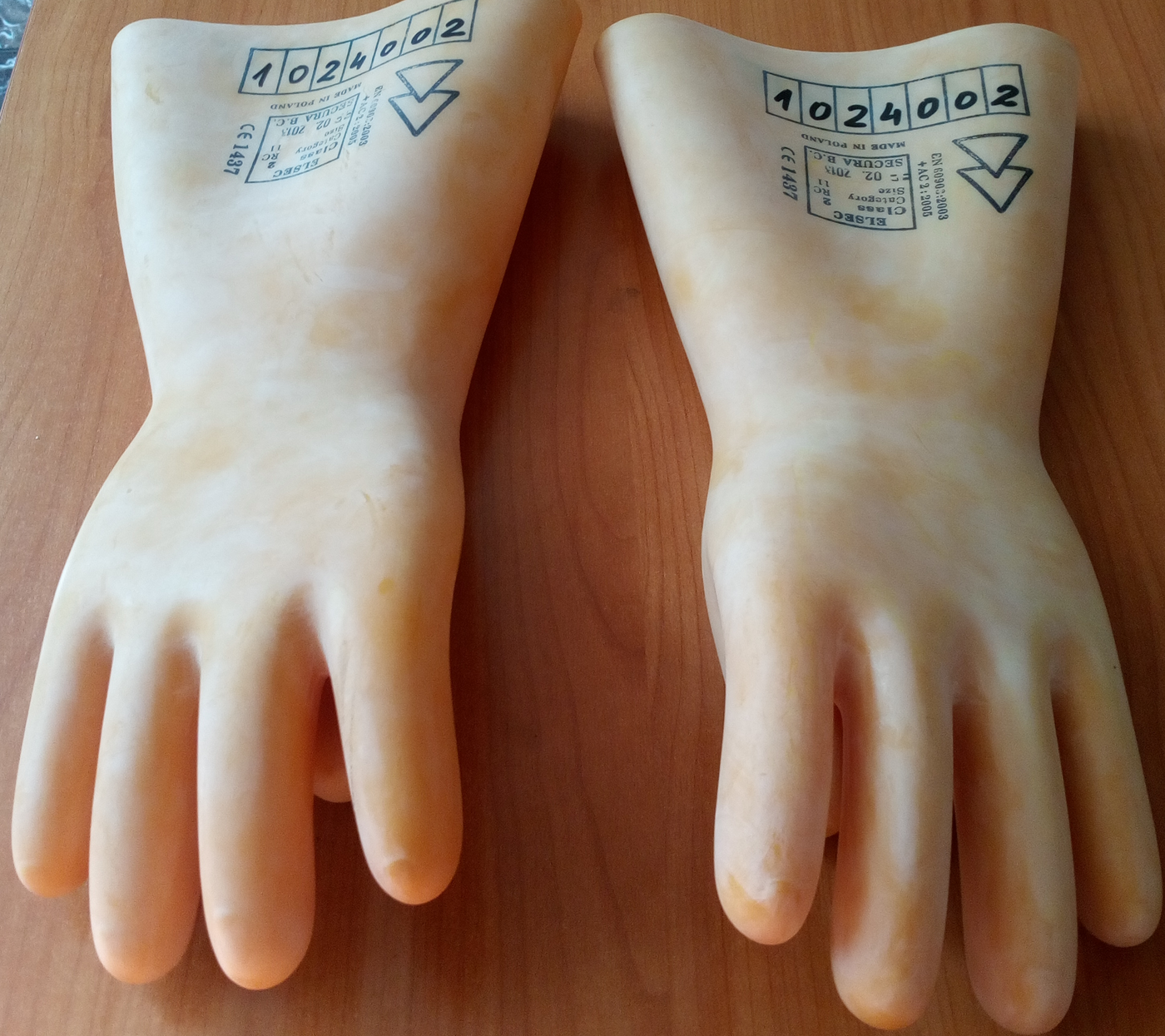
Pair of insulated gloves for electrical safety (Source: Wikimedia Commons)
Preparing the vehicle correctly before any security system maintenance reduces risks and ensures accurate diagnostics.
Security system components such as sensors, control units, and wiring harnesses require careful handling to maintain functionality.
Create a free account to open more of this chapter.
Free: practical guides, quick cards, workplace scenarios and more.
Create a free accountThis chapter explored essential safety measures necessary for maintaining vehicle security systems, emphasizing the importance of protecting both the technician and the vehicle during service. It detailed the tools and equipment required for effective maintenance, focusing on the socket set and the on-board diagnostic kit as critical instruments for accurate assessment and repair. The chapter provided a comprehensive examination of key vehicle security components, including steering wheel locks, alarms, immobilizers, remote locks, satellite trackers, and smart keys, highlighting their functions and the procedures for their assessment, installation, servicing, and replacement. Each component’s role in enhancing vehicle protection was clearly outlined to ensure thorough understanding. Furthermore, the chapter addressed the importance of meticulous service documentation, which supports accountability and facilitates future maintenance activities. Overall, the content reinforced the technical skills and safety protocols essential for servicing vehicle security systems effectively and responsibly.
Type: Individual
| Tools & Equipment | Materials |
|---|---|
| Multimeter | Cotton waste |
| Screwdriver set | Personal Protective Equipment (PPE) |
| Wire stripper and cutter | Workshop manual |
| Socket wrench set | |
| Insulation tape | |
| Electrical contact cleaner spray | |
| Car jack and safety stands | |
| Wheel chock |
| S/N | Item | Quantity |
|---|---|---|
| 1 | Complete Toyota Corolla 2018 vehicle with security system | 1 Pc per Candidate |
| 2 | Personal Protective Equipment (PPE) including safety boots, overall, gloves, and goggles | 1 Set per Candidate |
| 3 | Multimeter | 1 Pc per Workstation |
| 4 | Screwdriver set (flat and Phillips heads) | 1 Set per Workstation |
| 5 | Insulation tape | 1 Roll per 3 Candidates |
| 6 | Wire stripper and cutter | 1 Pc per Workstation |
| 7 | Socket wrench set | 1 Set per Workstation |
| 8 | Electrical contact cleaner spray | 1 Can per 5 Candidates |
| 9 | Cotton waste | 100g per Candidate |
| 10 | Workshop manual for Toyota Corolla 2018 security system | 1 Pc per Workstation |
| 11 | Wheel chock | 1 Pc per Workstation |
| 12 | Car jack and safety stands | 1 Set per Workstation |
| Items to be Evaluated | Marks Available | Marks Obtained | Comments |
|---|---|---|---|
| TASK 1: Preparation and Safety | |||
| Wore personal protective equipment (PPE) correctly including safety boots, overall, gloves, and goggles (Award 1 mark for each PPE worn correctly or zero) | 3 | ||
| Prepared the vehicle by parking on flat firm surface and chocking wheels (Award 1 mark each for correct parking and wheel chocking or zero) | 2 | ||
| Disconnected the negative battery terminal safely (Award 2 marks for correct procedure or zero) | 2 | ||
| Raised the vehicle using car jack and supported with safety stands as per safety procedures (Award 1 mark each for jack placement, raising, and securing with stands or zero) | 3 | ||
| Sub-Total | 10 | ||
| TASK 2: Servicing Vehicle Security System | |||
| Inspected alarm system wiring and connections using multimeter for continuity and correct voltage (Award 2 marks for correct identification and 2 marks for correct testing or zero) | 4 | ||
| Cleaned electrical contacts and connectors with electrical contact cleaner and cotton waste (Award 3 marks for proper cleaning technique or zero) | 3 | ||
| Repaired or replaced damaged wires using wire strippers, cutters and insulation tape properly (Award 2 marks for correct wire preparation and 2 marks for insulation or zero) | 4 | ||
| Tested immobilizer system functionality as per workshop manual using diagnostic steps (Award 4 marks for correct testing procedure and interpretation or zero) | 4 | ||
| Reconnected battery terminal securely after servicing (Award 2 marks for correct reconnection or zero) | 2 | ||
| Sub-Total | 17 | ||
| TASK 3: Final Checks and Housekeeping | |||
| Lowered vehicle safely and removed wheel chocks and safety stands (Award 2 marks for safe lowering and removal or zero) | 2 | ||
| Performed operational test of the vehicle security system (alarm activation and immobilizer lock) (Award 3 marks for correct functional testing or zero) | 3 | ||
| Cleaned work area and disposed of waste materials properly (Award 2 marks for thorough housekeeping or zero) | 2 | ||
| Completed the entire task within the allocated time (Award 1 mark for completion within time or zero) | 1 | ||
| Sub-Total | 8 | ||
| PRODUCT CHECKLIST | |||
| Vehicle security system functions correctly with no faults detected during testing (Award 4 marks for full system operational without faults or zero) | 4 | ||
| All electrical connections are secure, insulated, and free from damage (Award 3 marks for proper wiring and insulation or zero) | 3 | ||
| Vehicle is safely lowered with no damage to vehicle or workshop surroundings (Award 3 marks for safe lowering and no damage or zero) | 3 | ||
| Sub-Total | 10 | ||
| GRAND TOTAL | 45 | ||
Type: Individual
| Tools & Equipment | Materials |
|---|---|
| Socket set (ratchet handle, extension bars, sockets sizes 8mm, 10mm, 12mm, 14mm) | Safety gloves |
| Screwdrivers (flat and Phillips head) | Safety boots |
| Torque wrench | Overall |
| Clean cotton waste | |
| Cleaning solvent spray | |
| Workshop manual for Toyota Hilux security system |
| S/N | Item | Quantity |
|---|---|---|
| 1 | Toyota Hilux vehicle with factory fitted security system | 1 Pc per Candidate |
| 2 | Socket set (including ratchet handle, extension bars, and sockets sizes 8mm, 10mm, 12mm, 14mm) | 1 Set per Candidate |
| 3 | Screwdrivers (flat and Phillips head) | 1 Set per Candidate |
| 4 | Torque wrench (capable of 10-100 Nm) | 1 Pc per Candidate |
| 5 | Safety gloves | 1 Pair per Candidate |
| 6 | Safety boots | 1 Pair per Candidate |
| 7 | Overall | 1 Pc per Candidate |
| 8 | Workshop manual for Toyota Hilux security system | 1 Pc per Candidate |
| 9 | Clean cotton waste | 100 g per Candidate |
| 10 | Cleaning solvent spray | 1 Bottle per 5 Candidates |
| Items to be Evaluated | Marks Available | Marks Obtained | Comments |
|---|---|---|---|
| TASK 1: Preparation and PPE | |||
| Wore personal protective equipment: overall, safety boots, and gloves correctly (Award 1 mark for each PPE worn correctly or zero) | 3 | ||
| Prepared work area ensuring it is clean and safe for vehicle security system servicing (Award 1 mark or zero) | 1 | ||
| Sub-Total | 4 | ||
| TASK 2: Vehicle and Tool Preparation | |||
| Parked vehicle on a flat firm surface and engaged parking brake (Award 1 mark or zero) | 1 | ||
| Chocked wheels to prevent movement (Award 1 mark or zero) | 1 | ||
| Disconnected the vehicle battery negative terminal safely (Award 2 marks or zero) | 2 | ||
| Assembled correct socket set tools and torque wrench as per task requirements (Award 2 marks or zero) | 2 | ||
| Sub-Total | 6 | ||
| TASK 3: Removal of Security System Control Unit Bracket | |||
| Located the security system control unit and bracket as per workshop manual (Award 1 mark or zero) | 1 | ||
| Selected correct socket size and used ratchet to loosen and remove all bracket bolts (Award 1 mark per correctly removed bolt up to 3 bolts or zero) | 3 | ||
| Removed the bracket and placed all bolts and components safely on parts tray (Award 1 mark or zero) | 1 | ||
| Cleaned the bracket and surrounding area using cleaning solvent and cotton waste (Award 2 marks or zero) | 2 | ||
| Sub-Total | 7 | ||
| TASK 4: Refitment of Security System Control Unit Bracket | |||
| Positioned the bracket correctly on the vehicle as per manual (Award 1 mark or zero) | 1 | ||
| Inserted and hand-tightened all bolts using the correct socket size (Award 1 mark per correctly hand-tightened bolt up to 3 bolts or zero) | 3 | ||
| Used torque wrench to tighten bolts to manufacturer’s specified torque (25 Nm) (Award 1 mark per bolt tightened to correct torque up to 3 bolts or zero) | 3 | ||
| Reconnected the vehicle battery negative terminal safely (Award 2 marks or zero) | 2 | ||
| Sub-Total | 9 | ||
| TASK 5: Final Checks and Housekeeping | |||
| Checked that all tools and materials were cleared from the work area (Award 1 mark or zero) | 1 | ||
| Disposed of used cotton waste and cleaning materials properly (Award 1 mark or zero) | 1 | ||
| Ensured vehicle is safe and ready for use (Award 1 mark or zero) | 1 | ||
| Completed the task within the allocated time (Award 2 marks or zero) | 2 | ||
| Sub-Total | 5 | ||
| PRODUCT CHECKLIST | |||
| Security system control unit bracket refitted securely and aligned correctly (150mm x 100mm dimensions verified) (Award 3 marks or zero) | 3 | ||
| All bolts tightened to manufacturer’s torque specification (25 Nm) (Award 3 marks or zero) | 3 | ||
| Vehicle battery reconnected and security system operational (Award 2 marks or zero) | 2 | ||
| Sub-Total | 8 | ||
| GRAND TOTAL | 39 | ||
At the start of this chapter we promised you would be able to:
Tick each one you can genuinely do.
So, are you there yet?
You're competent when you can confidently do 50% or more of what this chapter promised.
Sign in to record how you're doing.