
By the end of this chapter, you will be able to:
These skills are essential because they help keep vehicles safe and reliable, protecting drivers and passengers every day.
Vehicle safety systems are critical components designed to protect occupants and reduce the risk of accidents and injuries. In Kenya, where road traffic incidents contribute significantly to mortality and injury rates, maintaining these systems within vehicles is a professional responsibility that automotive engineers must uphold. Proper servicing of vehicle safety systems ensures compliance with national road safety regulations and enhances the reliability of vehicles used in public and private transport sectors. This chapter addresses essential safety measures, tools, and equipment required to service vehicle safety systems effectively.
Vehicle safety system maintenance involves working with components that directly influence occupant protection and vehicle control. This demands strict adherence to safety protocols to prevent accidents during servicing and to ensure the systems function optimally post-maintenance. Kenyan automotive workshops serving public transport vehicles, such as matatus and commercial trucks, must prioritize these measures to maintain roadworthiness and safeguard passengers.
The use of PPE is fundamental to protect technicians from mechanical, electrical, and chemical hazards encountered during vehicle safety system servicing. In Nairobi’s busy automotive service centers, PPE prevents injuries caused by sharp components, electrical shocks from airbag systems, and exposure to harmful fluids.
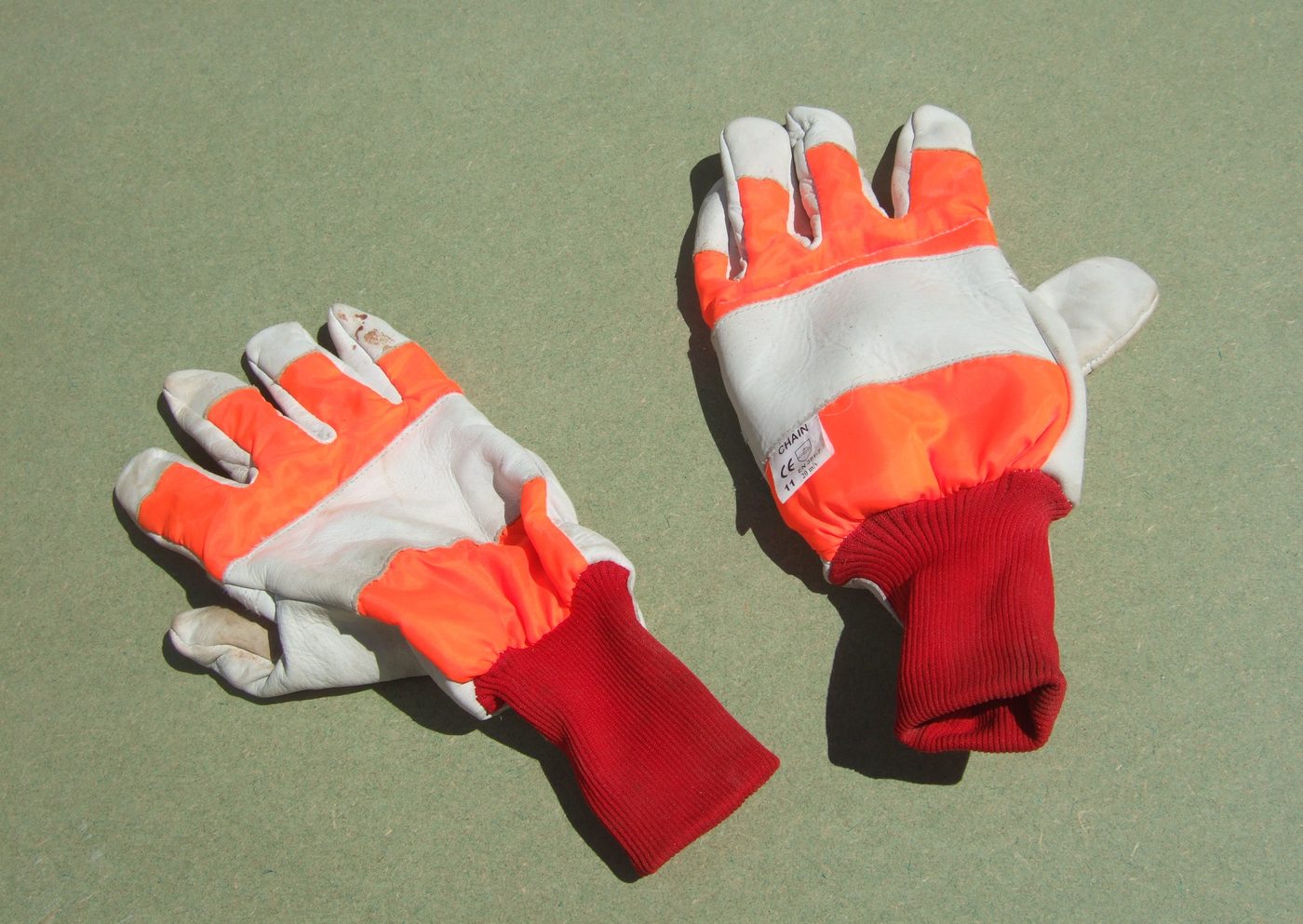
Pair of safety gloves for protection (Source: Wikimedia Commons)
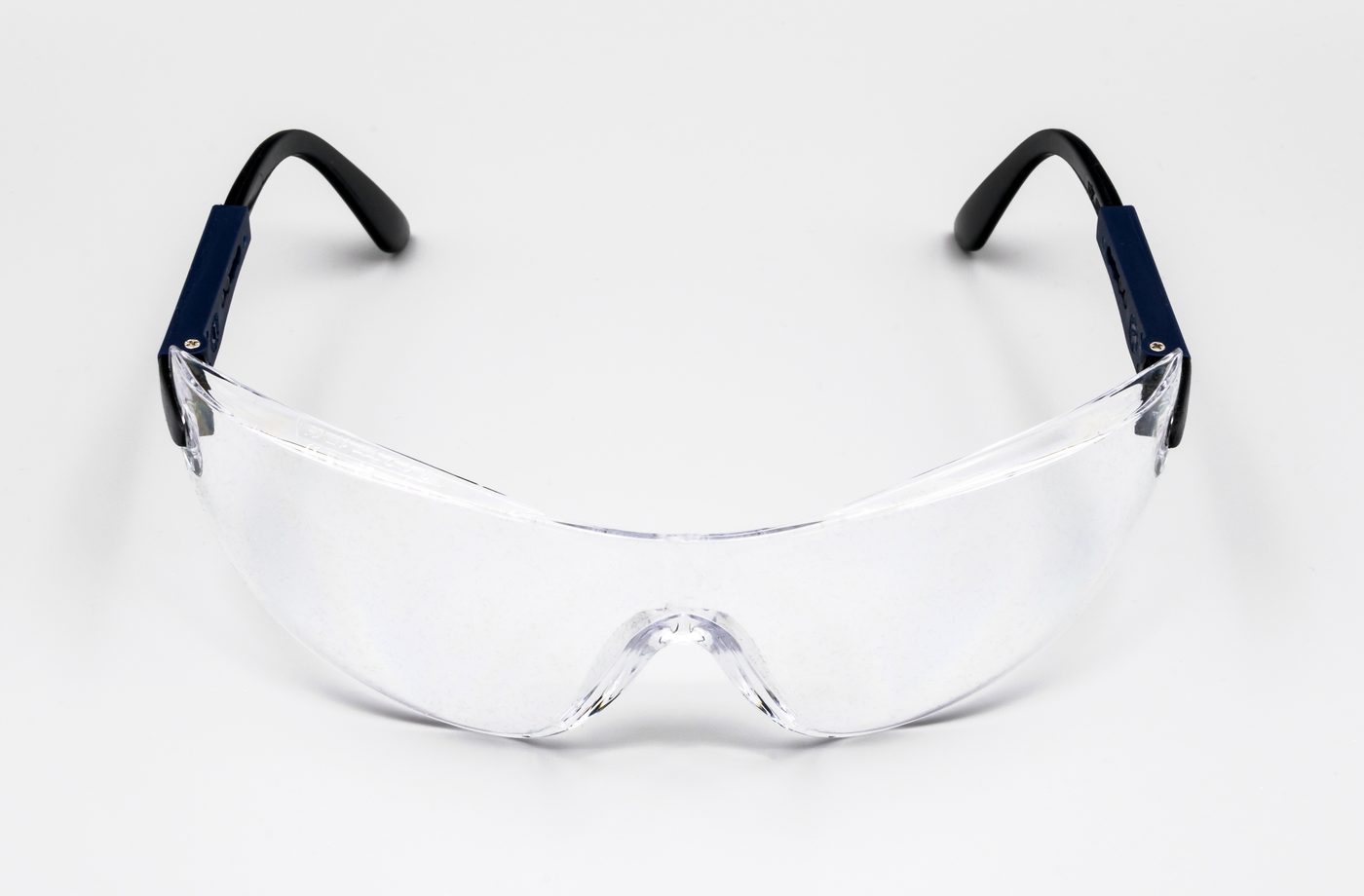
Clear safety goggles for eye protection (Source: Wikimedia Commons)
Protective Footwear: Steel-toe boots prevent foot injuries from falling heavy parts or tools.
Coveralls: Prevent contamination of skin and clothing by oils, grease, and battery acids.
Airbags contain explosive charges that deploy rapidly during collisions, posing significant risks during maintenance. Technicians must follow strict procedures to avoid accidental deployment, which can cause severe injury and equipment damage.
Brake systems are vital for vehicle control and safety. Servicing brakes involves exposure to hazardous materials such as brake fluid, which is corrosive and toxic. Proper handling prevents contamination and mechanical failure.
Modern vehicles have complex electrical safety features such as anti-lock braking systems (ABS) and electronic stability control (ESC). Servicing these systems requires caution to avoid electric shocks and system malfunctions.
Create a free account to open more of this chapter.
Free: practical guides, quick cards, workplace scenarios and more.
Create a free accountThis chapter explored the essential safety measures necessary when servicing vehicle safety systems to ensure both technician and vehicle protection. It described critical tools and equipment such as socket sets, pliers, and on-board diagnostic kits that facilitate effective maintenance. Various types of vehicle safety systems were examined, including alarms, first aid kits, blind spot mirrors, dash cams, backup cameras, alarm and signaling systems, tire pressure monitoring systems, safety belts, airbags, vehicle tracking, and central door locking systems. The construction and operation of key components like airbags, seat belts and buckles, central door locking systems, and alarm and signaling systems were detailed to provide a clear understanding of their functionality. Procedures for installing dash cams and backup cameras were outlined to ensure proper integration with vehicle systems. The chapter also covered the assessment, servicing, and replacement of critical safety components such as airbags, seat belts, central door locking systems, and alarm systems to maintain optimal performance. Finally, the importance of accurate service documentation was emphasized to support maintenance records and future servicing needs.
Type: Individual
| Tools & Equipment | Materials |
|---|---|
| Multimeter | Cotton waste |
| Pressure gauge kit | Gloves |
| Flashlight | Safety boots |
| Torque wrench | Overall/dust coat |
| Screwdrivers (flat & Phillips) | Goggles |
| Brake fluid tester | |
| Wheel chocks |
| S/N | Item | Quantity |
|---|---|---|
| 1 | Complete vehicle for safety inspection | 1 Pc per Candidate |
| 2 | Multimeter | 1 Pc per Candidate |
| 3 | Pressure gauge kit (for brake system) | 1 Pc per Candidate |
| 4 | Flashlight | 1 Pc per Candidate |
| 5 | Workshop manual for vehicle make and model | 1 Pc per Candidate |
| 6 | Cotton waste | 100 g per Candidate |
| 7 | Gloves | 1 Pair per Candidate |
| 8 | Safety boots | 1 Pair per Candidate |
| 9 | Overall/dust coat | 1 Pc per Candidate |
| 10 | Goggles | 1 Pc per Candidate |
| 11 | Wheel chocks | 2 Pcs per Candidate |
| 12 | Torque wrench | 1 Pc per Candidate |
| 13 | Screwdrivers (flat & Phillips) | 1 Set per Candidate |
| 14 | Brake fluid tester | 1 Pc per Candidate |
| Items to be Evaluated | Marks Available | Marks Obtained | Comments |
|---|---|---|---|
| TASK 1: Preparation and PPE | |||
| Wore personal protective equipment (overall, safety boots, gloves, goggles) (Award 1 mark for each PPE worn correctly) | 4 | ||
| Prepared work area: parked vehicle on flat surface and chocked wheels (Award 1 mark each for correct parking and chocking) | 2 | ||
| Gathered and inspected all required tools and equipment (Award 2 marks for complete and correct tool selection) | 2 | ||
| Sub-Total | 8 | ||
| TASK 2: Brake System Safety Checks | |||
| Checked brake fluid level and tested fluid quality using brake fluid tester (Award 2 marks for correct fluid level and quality check) | 2 | ||
| Measured hydraulic pressure using pressure gauge kit (Award 3 marks for correct pressure measurement and reading) | 3 | ||
| Inspected brake lines, hoses and connections for leaks or damage (Award 3 marks for thorough inspection and correct identification of defects) | 3 | ||
| Tested parking brake function and adjustment (Award 2 marks for correct testing and adjustment) | 2 | ||
| Sub-Total | 10 | ||
| TASK 3: Electrical Safety System Checks | |||
| Tested front and rear lights (headlights, brake lights, indicators, hazard lights) for operation (Award 1 mark for each correctly tested lighting system) | 3 | ||
| Checked horn operation and wiring condition (Award 2 marks for successful horn test and wiring inspection) | 2 | ||
| Checked dashboard warning lights and indicators for proper function (Award 3 marks for correct testing and fault identification if any) | 3 | ||
| Verified battery terminals and cables for corrosion and tightness (Award 2 marks for correct visual and physical checks) | 2 | ||
| Sub-Total | 10 | ||
| TASK 4: Safety Restraints and Warning Devices | |||
| Checked seat belts for damage, proper locking and retraction (Award 3 marks for correct inspection and functional test) | 3 | ||
| Tested operation of vehicle warning devices (e.g. hazard lights, reverse buzzer if fitted) (Award 2 marks for correct testing) | 2 | ||
| Sub-Total | 5 | ||
| TASK 5: Final Checks and Documentation | |||
| Reported any defects found and recommended corrective actions (Award 3 marks for clear and accurate reporting) | 3 | ||
| Completed safety check within allocated time (Award 2 marks for timely completion) | 2 | ||
| Performed proper housekeeping and cleaned work area (Award 2 marks for neat and safe work area after task) | 2 | ||
| Sub-Total | 7 | ||
| PRODUCT CHECKLIST | |||
| Vehicle safety system check report is complete, accurate, and includes all inspected items (Award 5 marks for comprehensive and clear report) | 5 | ||
| All safety system components inspected meet manufacturer and Kenyan safety standards (Award 5 marks for correct assessment and compliance) | 5 | ||
| No safety hazards left unreported or unresolved (Award 5 marks for thoroughness and responsibility) | 5 | ||
| Sub-Total | 15 | ||
| GRAND TOTAL | 55 | ||
Type: Individual
| Tools & Equipment | Materials |
|---|---|
| Socket set | Cotton waste |
| Combination pliers | Grease tube |
| Needle nose pliers |
| S/N | Item | Quantity |
|---|---|---|
| 1 | Complete vehicle with standard safety system | 1 Pc per Candidate |
| 2 | Socket set (metric sizes 8mm to 19mm) with ratchet handle | 1 Set per Candidate |
| 3 | Combination pliers | 1 Pc per Candidate |
| 4 | Needle nose pliers | 1 Pc per Candidate |
| 5 | Workshop manual for the vehicle | 1 Pc per Candidate |
| 6 | Cotton waste | 100 g per Candidate |
| 7 | Grease tube 50 g | 1 Tube per Candidate |
| 8 | Gloves | 1 Pair per Candidate |
| 9 | Safety boots | 1 Pair per Candidate |
| 10 | Overall/work coat | 1 Pc per Candidate |
| Items to be Evaluated | Marks Available | Marks Obtained | Comments |
|---|---|---|---|
| TASK 1: Preparation and PPE | |||
| Wore personal protective equipment: overall, safety boots, gloves (Award 1 mark for each correctly worn PPE or zero) | 3 | ||
| Prepared the working area by parking vehicle on flat surface and choked the wheels (Award 1 mark each for parking and choking wheels or zero) | 2 | ||
| Assembled required tools and materials according to the task (Award 1 mark each for tools and materials assembled or zero) | 2 | ||
| Sub-Total | 7 | ||
| TASK 2: Removal of Safety System Components | |||
| Loosened and removed brake line connectors using appropriate socket size (Award 3 marks for correct socket use and removal or zero) | 3 | ||
| Used combination pliers to remove cable clamps without damage (Award 3 marks for correct pliers use and clamp removal or zero) | 3 | ||
| Safely detached wiring harness clips using needle nose pliers (Award 2 marks for correct use or zero) | 2 | ||
| Cleaned removed components with cotton waste (Award 2 marks for thorough cleaning or zero) | 2 | ||
| Sub-Total | 10 | ||
| TASK 3: Installation of Safety System Components | |||
| Applied grease to brake line connectors before installation (Award 2 marks for correct grease application or zero) | 2 | ||
| Reinstalled brake line connectors and tightened to manufacturer torque specifications using socket set (Award 4 marks for correct installation and torque or zero) | 4 | ||
| Refitted cable clamps securely using combination pliers (Award 3 marks for correct clamp fitting or zero) | 3 | ||
| Reattached wiring harness clips using needle nose pliers (Award 2 marks for correct clip attachment or zero) | 2 | ||
| Sub-Total | 11 | ||
| TASK 4: Final Checks and Housekeeping | |||
| Checked all fittings for security and correct alignment (Award 3 marks for thorough final check or zero) | 3 | ||
| Cleaned work area and disposed of waste materials appropriately (Award 2 marks for proper housekeeping or zero) | 2 | ||
| Completed the service within allocated time of 4 hours (Award 2 marks for timely completion or zero) | 2 | ||
| Sub-Total | 7 | ||
| PRODUCT CHECKLIST | |||
| Brake line connectors correctly installed and tightened to manufacturer specifications (Award 4 marks for correct installation and torque or zero) | 4 | ||
| Cable clamps securely fitted without damage or deformation (Award 3 marks for secure and undamaged clamps or zero) | 3 | ||
| Wiring harness clips correctly attached and aligned (Award 3 marks for correct clip attachment or zero) | 3 | ||
| Sub-Total | 10 | ||
| GRAND TOTAL | 45 | ||
At the start of this chapter we promised you would be able to:
Tick each one you can genuinely do.
So, are you there yet?
You're competent when you can confidently do 50% or more of what this chapter promised.
Sign in to record how you're doing.