
By the end of this chapter, you will be able to:
These skills will help you become a reliable and skilled technician, ensuring vehicles are safe and secure for everyone on the road.
Vehicle safety and security system diagnosis is a critical skill for automotive engineering technicians in Kenya, ensuring that vehicles operate reliably and protect occupants and assets effectively. This chapter introduces the essential tools, equipment, and materials required to accurately diagnose faults in vehicle safety and security systems. Mastery of these resources enables technicians to deliver timely interventions in diverse settings such as county government fleets, transport companies, and private garages. Understanding the correct use and maintenance of diagnostic tools also enhances the quality of service and customer satisfaction in the automotive sector.
The effective diagnosis of vehicle safety and security systems depends heavily on having the right tools and equipment. This section outlines the key items technicians need to carry out comprehensive inspections and repairs in Kenyan automotive workshops. Each tool or material plays a specific role in identifying faults, testing components, or ensuring safety during the diagnostic process.
Socket sets typically include a variety of socket sizes, ratchets, and extensions designed to fit different bolt and nut dimensions. Common types include:
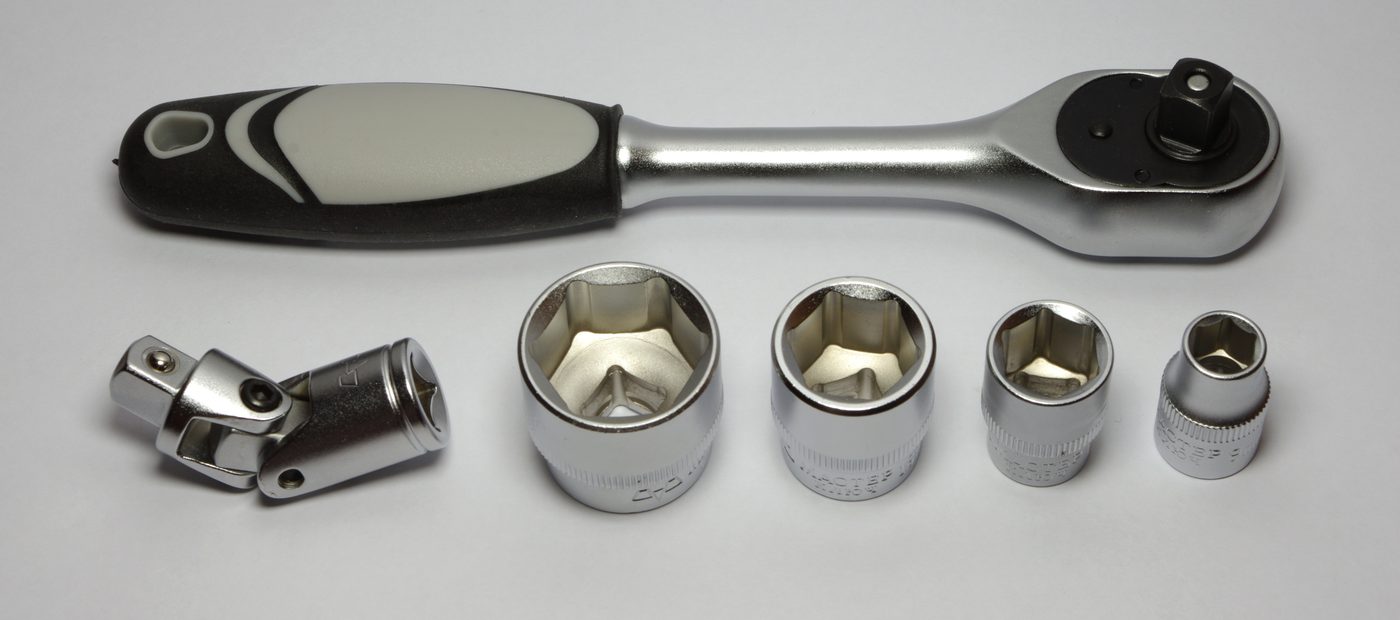
Set of deep sockets with a ratchet wrench (Source: Wikipedia (Socket wrench))
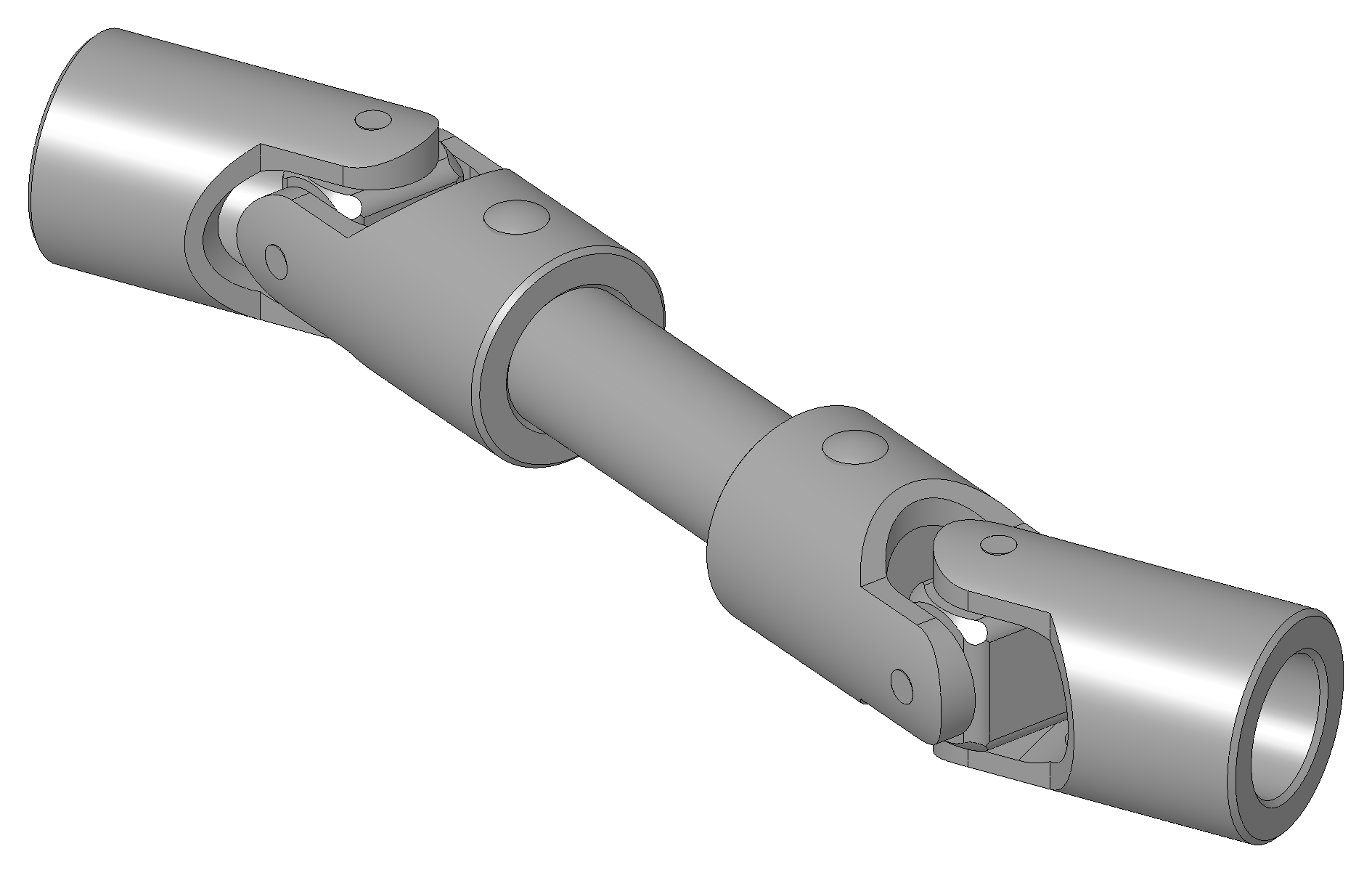
3D model of a universal joint (Source: Wikimedia Commons)
Socket sets enable technicians to dismantle safety-critical components such as brake assemblies, steering columns, and seatbelt anchors. For example, in a Nairobi County vehicle maintenance workshop, socket sets are essential for accessing ABS sensors to diagnose malfunctions. Proper socket selection prevents damage to fasteners, maintaining the integrity of vehicle safety systems.
Using the correct socket size prevents rounding off fasteners, which can lead to costly repairs. Technicians should match the socket precisely to the fastener head and apply steady torque. Maintenance involves regular cleaning to remove grease and dirt, inspection for wear or cracks, and storage in a clean, dry case to prevent rust.
When using socket sets, technicians must wear protective gloves and eye protection to guard against slipping tools or flying debris. Additionally, ensuring tools are in good condition reduces the risk of accidents during repairs on sensitive safety components like airbag modules.
| Name | Specification | Use |
|---|---|---|
| Socket Set | Metric sizes 8mm to 19mm, ratchets, extensions, universal joints | Removing and installing fasteners on vehicle safety components |
Pliers are versatile hand tools essential for gripping, bending, cutting, and manipulating wires and small components in vehicle safety and security systems.
Technicians use various pliers depending on the task:

Needle nose plier with orange handles (Source: Wikimedia Commons)

Slip joint plier with adjustable pivot (Source: Wikimedia Commons)

Metal cutting plier on wooden surface (Source: Wikimedia Commons)
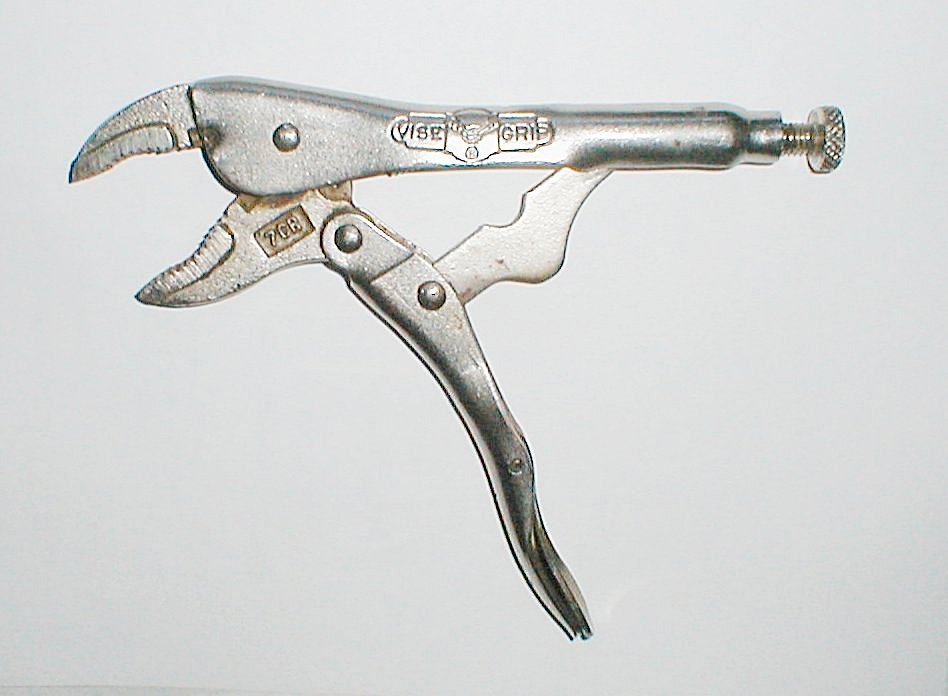
locking plier tool (Source: Wikimedia Commons)
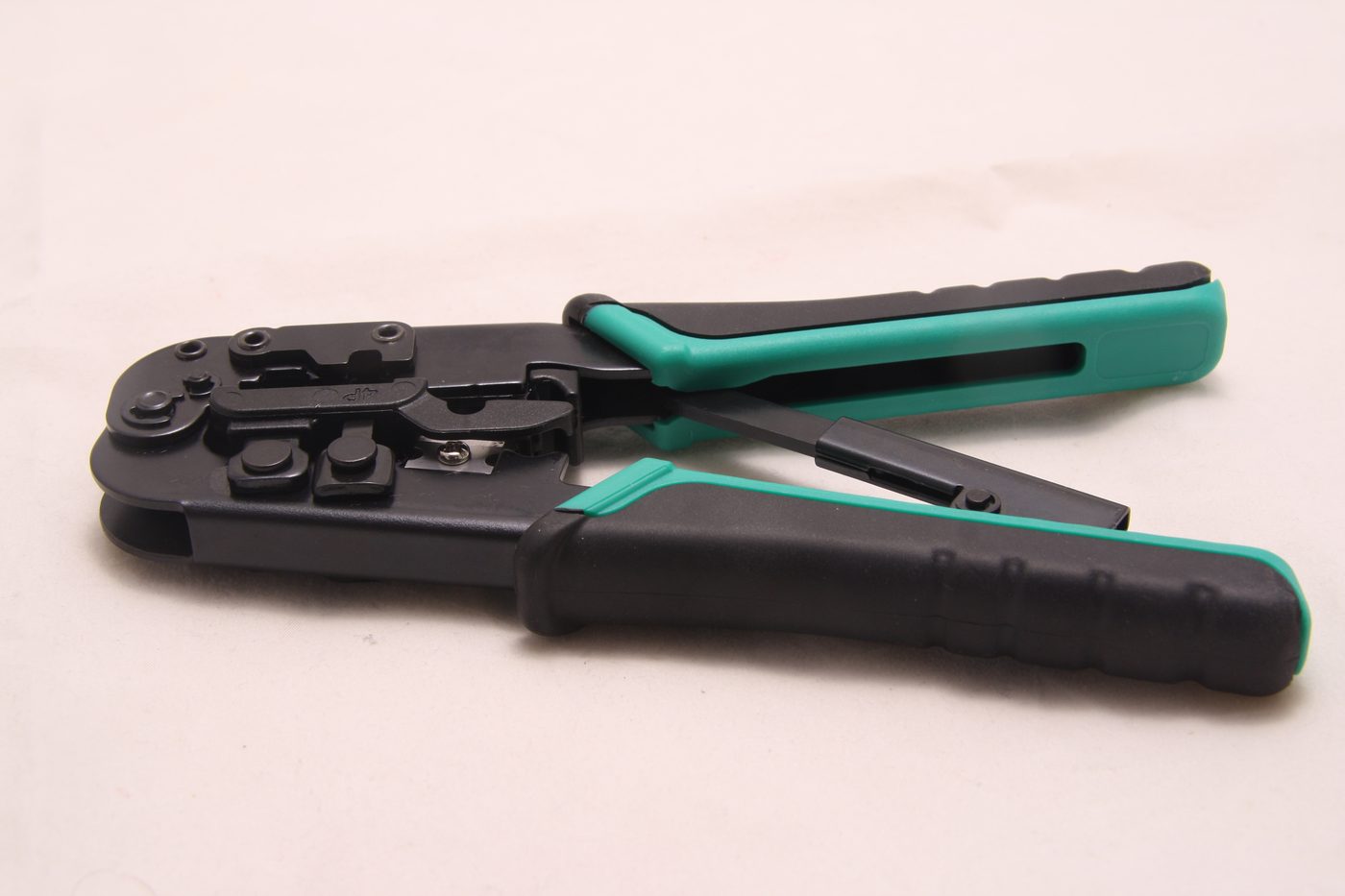
Green and black crimping plier tool (Source: Wikimedia Commons)
For example, in a Nairobi automotive workshop, pliers assist in disconnecting faulty wiring harnesses linked to vehicle alarms or immobilizers. They also help in adjusting mechanical linkages in door locks and seatbelt retractors, ensuring proper function during security system checks.
Technicians should select pliers with insulated handles when working on electrical components to prevent shocks. Regular sharpening of cutting edges and cleaning of pivot joints maintain tool efficiency. Storing pliers in toolboxes prevents damage and preserves alignment.
Using pliers with ergonomic grips reduces hand fatigue during prolonged diagnostic tasks. Safety glasses are recommended to protect eyes from wire fragments or debris.
| Name | Specification | Use |
|---|---|---|
| Pliers | Insulated handles, needle nose, cutting, locking types | Gripping, cutting, bending wires and small parts in safety/security systems |
An On Board Diagnostic (OBD) kit is a vital electronic tool that interfaces with a vehicle’s computer system to retrieve fault codes and real-time data, facilitating precise diagnosis of safety and security system issues.
An OBD kit typically includes:
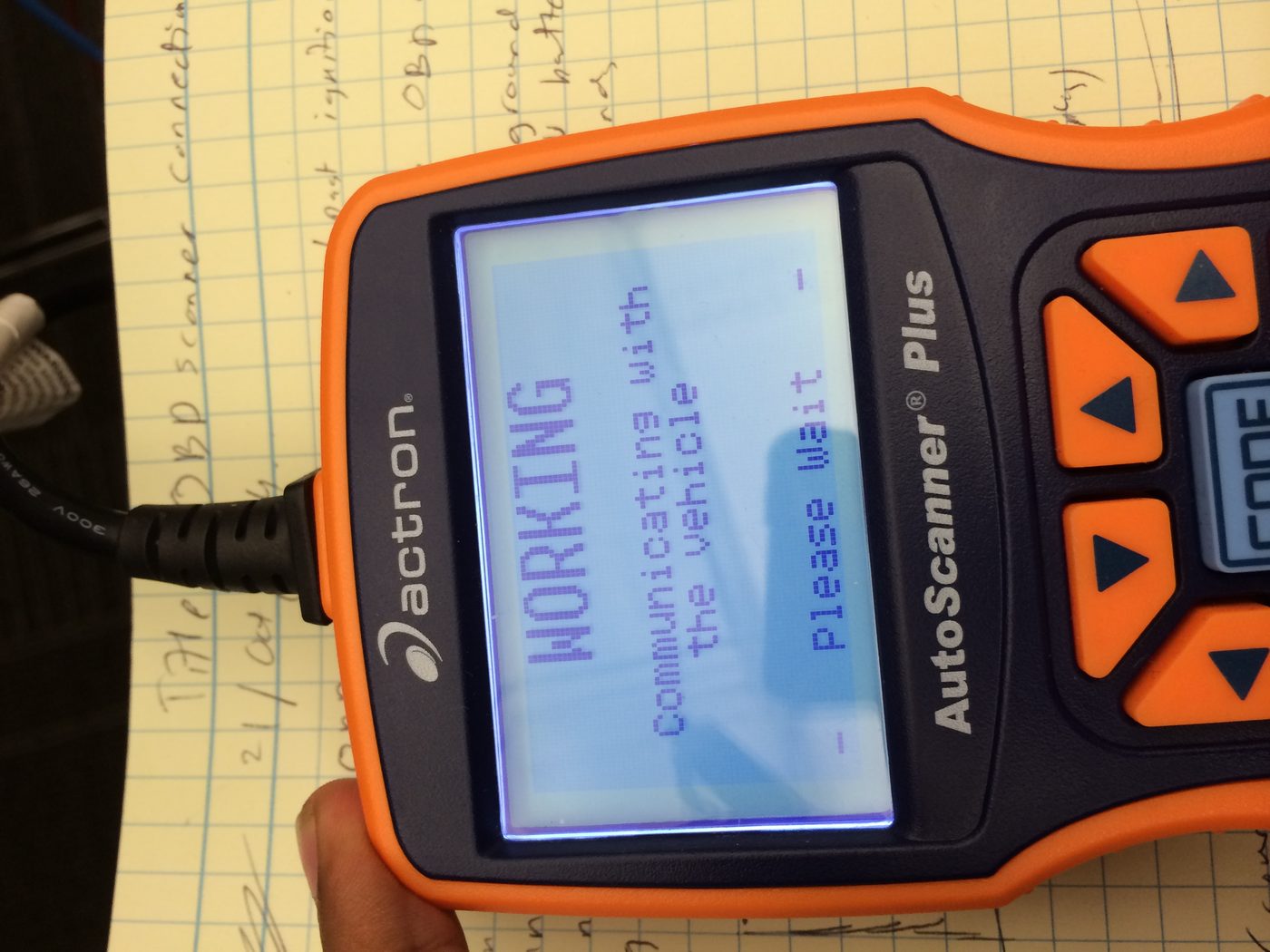
Actron AutoScanner Plus OBD scanner/reader (Source: Wikimedia Commons)
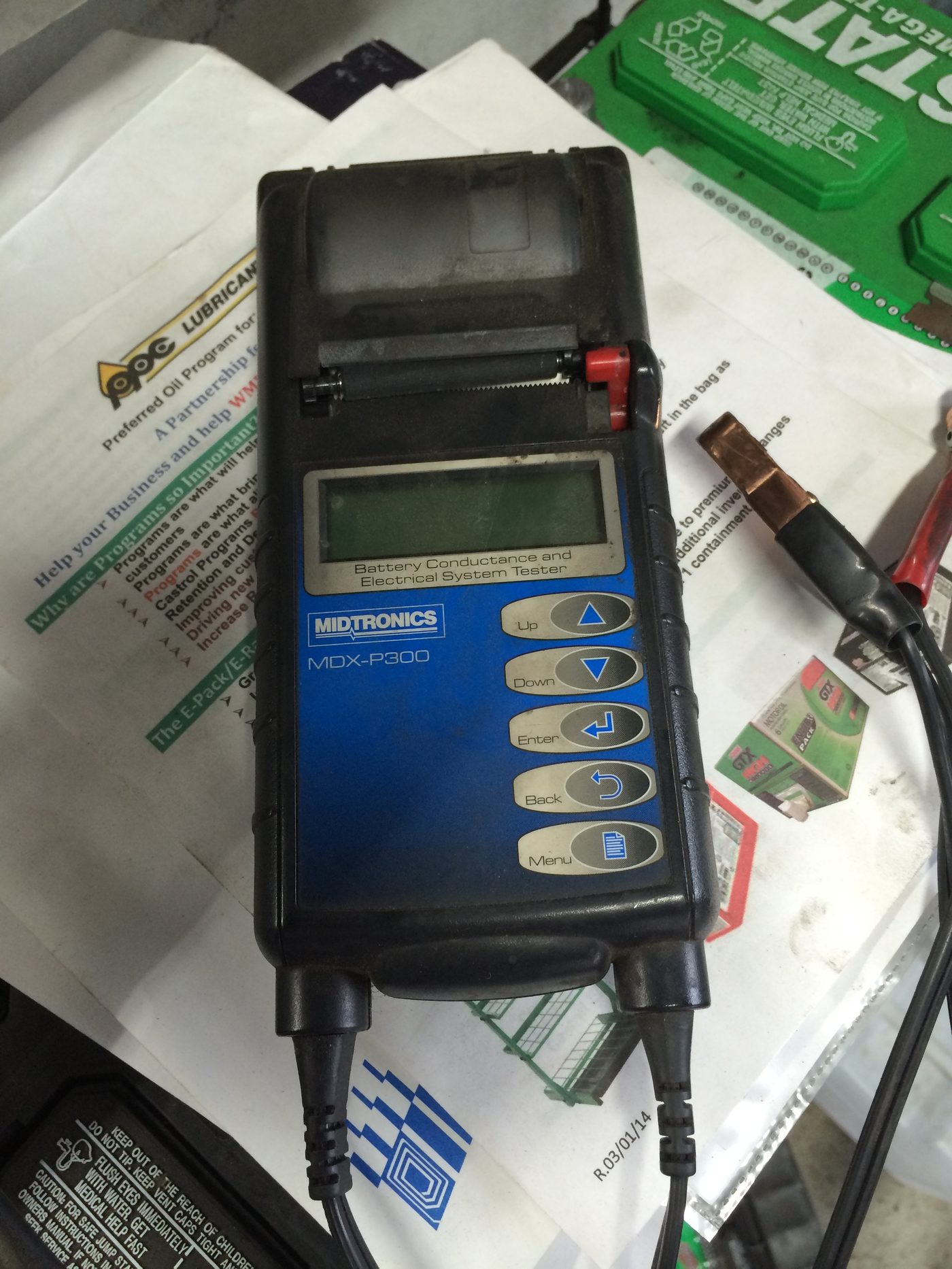
Midtronics MDX-P300 battery tester device (Source: Wikimedia Commons)
The OBD kit accesses the vehicle’s Engine Control Unit (ECU) and other modules to detect faults related to airbags, ABS, immobilizers, and alarms. For instance, technicians at a Nairobi County hospital vehicle fleet use OBD tools to quickly identify sensor failures affecting airbag deployment systems, enabling timely repairs that safeguard passengers.
Keeping the OBD software updated ensures compatibility with the latest vehicle models common in Kenya. The hardware should be stored carefully to avoid damage, and connectors cleaned regularly to maintain reliable communication.
| Name | Specification | Use |
|---|---|---|
| On Board Diagnostic Kit | OBD-II compatible scanner, interface cables, software | Reading fault codes and real-time data from vehicle safety/security systems |
Vehicle alarms are security devices designed to deter theft and unauthorized access. Understanding their types and operation is essential for diagnosing security system faults.
Common alarm systems include:
In Kenya’s urban centers, such as Nairobi and Mombasa, vehicle theft is a significant risk. Effective alarm systems reduce theft rates and damage. For example, SACCOs operating vehicle fleets rely on immobilizer alarms to prevent unauthorized use, protecting their assets and ensuring service continuity.
Technicians use multimeters and OBD scanners to check wiring continuity, sensor function, and ECU communication. Physical inspection of alarm components, such as sirens and sensors, is also necessary to detect damage or wear.
Proper installation ensures alarm sensors are positioned to detect relevant triggers without false alarms. Regular battery checks and software updates maintain alarm responsiveness and reliability.
| Name | Specification | Use |
|---|---|---|
| Alarms | Audible siren, immobilizer, shock, tilt, GPS tracking | Deterring theft and unauthorized vehicle access |
A first aid kit is an essential safety material in any automotive workshop or vehicle, providing immediate medical supplies in the event of accidents during diagnostic or repair activities.
A typical first aid kit should include:
Adhesive Bandages: Various sizes for minor cuts and abrasions.
Antiseptic Wipes and Creams: To clean wounds and prevent infection.

Hand wearing a clear disposable glove (Source: Wikimedia Commons)
In busy Kenyan garages, such as those servicing county government vehicles, minor injuries like cuts or burns are common. Having a first aid kit readily accessible improves response times and reduces the severity of injuries, promoting a safer working environment.
First aid kits must be checked regularly to replace expired or used items. They should be stored in clearly marked, easily accessible locations within the workshop and vehicles.
Technicians should receive basic first aid training to use the kit effectively during emergencies. This readiness complements safety protocols and reduces downtime caused by workplace accidents.
| Name | Specification | Use |
|---|---|---|
| First Aid Kit | Sterile dressings, bandages, antiseptics, scissors, gloves | Providing immediate medical care for injuries in workshops |
Create a free account to open more of this chapter.
Free: practical guides, quick cards, workplace scenarios and more.
Create a free accountThis chapter explored the essential tools, equipment, and materials required for effective vehicle safety and security system diagnosis, including socket sets, pliers, and on board diagnostic kits. It then examined key vehicle safety components such as blind spot mirrors, dash cams, backup cameras, alarm and signaling systems, tire pressure monitoring systems, safety belts, and airbags, highlighting their roles in protecting vehicle occupants. The process of diagnosing vehicle safety and security systems was detailed through the use of diagnostic kits, interpretation of trouble codes, and assessment of sensors, actuators, and circuits. Further discussion focused on the assessment, servicing, installation, and replacement of various security system components including steering wheel locks, alarms, immobilizers, remote locks, satellite trackers, smart keys, airbags, seat belts and buckles, central door locking systems, signaling systems, sensors, actuators, and circuits. The chapter concluded with the importance of accurate service documentation to ensure proper maintenance records and system reliability. This comprehensive overview equips learners with the knowledge to maintain and troubleshoot vehicle safety and security systems effectively.
Type: Individual
| Tools & Equipment | Materials |
|---|---|
| On Board Diagnostic Kit with scanner | Cotton waste |
| Multimeter | Cleaning cloth |
| S/N | Item | Quantity |
|---|---|---|
| 1 | Complete vehicle with OBD-II port | 1 Pc per Candidate |
| 2 | On Board Diagnostic (OBD) Kit with scanner | 1 Pc per Candidate |
| 3 | Vehicle workshop manual | 1 Pc per Candidate |
| 4 | Personal Protective Equipment (PPE): Overall, Safety boots, Gloves | 1 set per Candidate |
| 5 | Battery voltage tester (Multimeter) | 1 Pc per Candidate |
| 6 | Cotton waste | 100g per Candidate |
| 7 | Cleaning cloth | 1 Pc per Candidate |
| Items to be Evaluated | Marks Available | Marks Obtained | Comments |
|---|---|---|---|
| TASK 1: Preparation and Safety | |||
| Wore personal protective equipment (Overall, safety boots, gloves) (Award 1 mark for each PPE worn correctly or zero) | 3 | ||
| Prepared vehicle by parking on flat surface and choked wheels (Award 1 mark each or zero) | 2 | ||
| Checked vehicle battery voltage using multimeter (Award 2 marks for correct voltage check or zero) | 2 | ||
| Sub-Total | 7 | ||
| TASK 2: Diagnostic Kit Connection and Operation | |||
| Located and connected OBD-II scanner to vehicle diagnostic port (Award 3 marks for correct connection or zero) | 3 | ||
| Switched on ignition without starting engine to power diagnostic kit (Award 2 marks or zero) | 2 | ||
| Operated OBD kit to retrieve trouble codes from vehicle ECU (Award 4 marks for correct retrieval or zero) | 4 | ||
| Interpreted retrieved trouble codes to identify safety system faults (Award 2 marks for each correctly identified code or zero) | 6 | ||
| Cleared trouble codes using diagnostic kit after recording (Award 3 marks for correct clearing procedure or zero) | 3 | ||
| Sub-Total | 18 | ||
| TASK 3: Reporting and Housekeeping | |||
| Documented diagnostic results and identified faults clearly (Award 4 marks for complete and clear documentation or zero) | 4 | ||
| Disconnected diagnostic kit safely and stored tools properly (Award 2 marks for correct disconnection and storage or zero) | 2 | ||
| Cleaned work area and disposed of waste materials properly (Award 2 marks or zero) | 2 | ||
| Sub-Total | 8 | ||
| PRODUCT CHECKLIST | |||
| Correct identification and interpretation of at least three safety system trouble codes (Award 5 marks for accuracy or zero) | 5 | ||
| Accurate and neat documentation of diagnostic results (Award 4 marks for legibility and completeness or zero) | 4 | ||
| Sub-Total | 9 | ||
| GRAND TOTAL | 42 | ||
Type: Individual
| Tools & Equipment | Materials |
|---|---|
| Set of screwdrivers (flathead and Phillips) | Replacement blind spot mirror (120mm diameter) |
| Torque wrench | Replacement dash cam (1080p resolution with 32GB SD card) |
| Electrical tester/multimeter | Replacement backup camera (wide-angle lens, 120° view) |
| Cleaning cloth | |
| Cable ties |
| S/N | Item | Quantity |
|---|---|---|
| 1 | Complete vehicle with blind spot mirrors, dash cam, and backup camera installed | 1 Pc per Candidate |
| 2 | Set of screwdrivers (flathead and Phillips) | 1 Set per Candidate |
| 3 | Torque wrench | 1 Pc per Candidate |
| 4 | Replacement blind spot mirror (glass type, 120mm diameter) | 1 Pc per Candidate |
| 5 | Replacement dash cam (1080p resolution with 32GB SD card) | 1 Pc per Candidate |
| 6 | Replacement backup camera (wide-angle lens, 120° view) | 1 Pc per Candidate |
| 7 | Cleaning cloth | 1 Pc per Candidate |
| 8 | Electrical tester/multimeter | 1 Pc per Candidate |
| 9 | Cable ties (100mm length) | 5 Pcs per Candidate |
| 10 | Personal protective equipment (overall, safety boots, gloves) | 1 Set per Candidate |
| Items to be Evaluated | Marks Available | Marks Obtained | Comments |
|---|---|---|---|
| TASK 1: Personal Protective Equipment and Preparation | |||
| Wore personal protective equipment: overall, safety boots, gloves (Award 1 mark for each or zero) | 3 | ||
| Prepared the vehicle by parking on flat surface and switching off ignition (Award 1 mark or zero) | 1 | ||
| Gathered all required tools and replacement parts (Award 1 mark each or zero) | 2 | ||
| Sub-Total | 6 | ||
| TASK 2: Inspection and Assessment of Vehicle Safety Components | |||
| Inspected blind spot mirror for cracks, looseness, and visibility (Award 2 marks or zero) | 2 | ||
| Tested dash cam operation including power supply and recording (Award 3 marks or zero) | 3 | ||
| Checked backup camera for lens cleanliness, wiring integrity, and image display (Award 3 marks or zero) | 3 | ||
| Sub-Total | 8 | ||
| TASK 3: Replacement of Faulty Components | |||
| Removed defective blind spot mirror carefully without damage (Award 2 marks or zero) | 2 | ||
| Installed replacement blind spot mirror securely and tightened correctly (Award 2 marks or zero) | 2 | ||
| Disconnected and removed faulty dash cam following manufacturer procedure (Award 3 marks or zero) | 3 | ||
| Installed new dash cam ensuring correct wiring and mounting (Award 3 marks or zero) | 3 | ||
| Removed defective backup camera safely without damaging wiring harness (Award 2 marks or zero) | 2 | ||
| Fitted new backup camera with correct alignment and secured mounting (Award 3 marks or zero) | 3 | ||
| Used cable ties neatly to secure wiring and prevent loose cables (Award 2 marks or zero) | 2 | ||
| Sub-Total | 17 | ||
| TASK 4: Testing and Final Checks | |||
| Tested replaced blind spot mirror for correct positioning and visibility (Award 2 marks or zero) | 2 | ||
| Powered on dash cam and verified recording and playback functionality (Award 3 marks or zero) | 3 | ||
| Activated backup camera and confirmed clear image on display unit (Award 3 marks or zero) | 3 | ||
| Cleaned all replaced components and surrounding areas (Award 1 mark or zero) | 1 | ||
| Sub-Total | 9 | ||
| TASK 5: Housekeeping and Documentation | |||
| Disposed of removed components and waste materials properly (Award 1 mark or zero) | 1 | ||
| Cleaned work area and returned tools to designated places (Award 1 mark or zero) | 1 | ||
| Completed service documentation accurately (Award 2 marks or zero) | 2 | ||
| Sub-Total | 4 | ||
| PRODUCT CHECKLIST | |||
| Blind spot mirror replaced; diameter 120mm; securely mounted and aligned (Award 5 marks or zero) | 5 | ||
| Dash cam replaced; records in 1080p; mounted securely with no loose wiring (Award 5 marks or zero) | 5 | ||
| Backup camera replaced; lens angle approximately 120°; image clear and stable (Award 5 marks or zero) | 5 | ||
| Wiring secured neatly with cable ties; no loose or dangling cables (Award 3 marks or zero) | 3 | ||
| Sub-Total | 18 | ||
| GRAND TOTAL | 62 | ||
At the start of this chapter we promised you would be able to:
Tick each one you can genuinely do.
So, are you there yet?
You're competent when you can confidently do 50% or more of what this chapter promised.
Sign in to record how you're doing.