Managing the safety of an organization's materials is a critical function within procurement management, particularly in Kenya where supply chains often face challenges such as theft, poor storage conditions, and regulatory compliance issues. Effective safety management ensures that materials are protected from damage, loss, and contamination, thereby maintaining their quality and availability for organizational needs. This chapter focuses on the principles and practices essential for safeguarding materials in storage environments and developing comprehensive materials safety policies tailored to procurement professionals.
4.1 Stores Safety
In procurement management, stores safety involves implementing measures that protect materials physically and ensure their integrity throughout storage. Kenyan organizations, including hospitals, county government offices, and retail businesses, must prioritize stores safety to minimize losses and maintain operational efficiency. The complexity of materials ranges from consumables to high-value equipment, all requiring tailored safety approaches.
Physical Security Measures in Stores
Physical security in stores is the first line of defense against theft, vandalism, and unauthorized access. Kenyan procurement managers must ensure that stores are equipped with robust security features appropriate to the materials' value and sensitivity.
- Controlled Access: Restricting entry to authorized personnel only reduces the risk of theft and tampering. For example, a university’s procurement office uses electronic access cards to monitor and control entry to its stores.
- Locking Systems: High-quality locks on doors and cabinets prevent unauthorized removal of materials. County government warehouses often employ padlocks combined with sealed storage units for sensitive items like pharmaceuticals.
- Surveillance Cameras: CCTV systems provide continuous monitoring and act as a deterrent against theft. Retail outlets in Nairobi use CCTV to secure stockrooms, ensuring accountability.
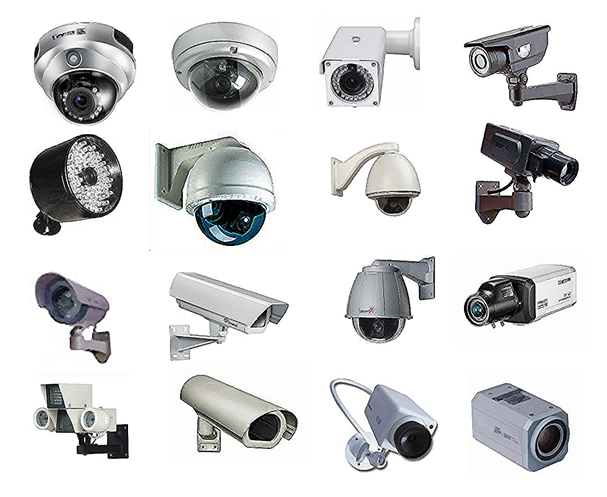
Various types of surveillance cameras (Source: Wikimedia Commons)
- Security Personnel: Employing trained guards enhances vigilance and rapid response to security incidents. Large hospitals like Kenyatta National Hospital use security teams to patrol storage areas during off-hours.
- Alarm Systems: Intruder alarms linked to security firms alert authorities promptly in case of breaches. SACCOs handling cash and documents rely on alarm systems to protect their stores.
Environmental Controls for Material Preservation
Maintaining appropriate environmental conditions within stores is vital to preserving material quality, especially for perishable or sensitive items. Kenyan procurement managers must monitor and regulate factors such as temperature, humidity, and cleanliness.
- Temperature Regulation: Certain materials, like medicines stored by county health departments, require controlled temperatures to prevent spoilage. Air conditioning or refrigeration units are necessary in these cases.
- Humidity Control: Excess moisture can cause rust or mold, damaging metal tools or paper documents. Dehumidifiers and proper ventilation systems are used in archives and equipment stores.
- Cleanliness and Pest Control: Regular cleaning and pest management prevent contamination and damage. For instance, hotel procurement departments ensure pest control to protect food supplies and linens.
- Proper Shelving: Materials should be stored on shelves that allow air circulation and prevent contact with damp floors. Retail businesses in Mombasa use metal shelving to keep stock elevated and dry.
- Adequate Lighting: Well-lit stores improve visibility, reducing accidents and facilitating inspection. Banks maintain bright storage areas for security and operational efficiency.
4.1.3 Mitigation measures to avoid accidents
Safe handling of materials within stores minimizes damage and ensures occupational safety for staff. Procurement professionals must train storekeepers and users on correct procedures.
- Use of Personal Protective Equipment (PPE): Gloves, helmets, and safety shoes protect workers handling heavy or hazardous materials. County government stores handling construction materials enforce PPE usage.
- Safe Lifting Techniques: Training staff on ergonomic lifting reduces injuries and prevents damage to materials. Hospitals train their stores staff to handle bulky medical supplies carefully.
- Proper Stacking: Materials must be stacked to avoid collapse and facilitate access. Retail warehouses use stacking protocols that limit height and ensure stability.
- Material Segregation: Hazardous and non-hazardous materials should be stored separately to avoid cross-contamination. Pharmacies in Nairobi separate chemicals from general supplies.
- Regular Safety Inspections: Conducting routine checks identifies hazards early and ensures compliance with safety standards. Cooperative societies perform monthly store audits to uphold safety.
Emergency Preparedness in Stores
Preparedness for emergencies such as fire, floods, or theft is essential to protect materials and personnel. Kenyan organizations must develop and implement contingency plans for store emergencies.
- Fire Prevention Systems: Installation of fire extinguishers and smoke detectors helps in early fire detection and suppression. County hospitals have fire safety equipment strategically placed in stores.
- Emergency Exits and Evacuation Plans: Clear signage and unobstructed exits facilitate safe evacuation during emergencies. Schools maintain evacuation routes in their stores.
- Spill Response Procedures: Handling chemical spills quickly limits damage and health risks. Agricultural cooperatives train staff on immediate containment and cleanup.
-
Backup Power Supplies: Generators ensure environmental controls remain operational during power outages. Retail chains in Nairobi use generators to maintain refrigeration for perishable goods.
-
Theft Response Protocols: Procedures for reporting and investigating thefts ensure accountability. Banks have internal controls for prompt action following inventory discrepancies.
Practice Questions
- Explain five physical security measures that a procurement manager should implement in an organization's stores to prevent theft and unauthorized access. (10 marks)
- Describe how environmental controls can affect the safety and quality of materials in storage. Provide examples relevant to Kenyan procurement contexts. (10 marks)
- Outline six safe inventory handling procedures that reduce risks to both materials and workers in stores. (12 marks)
- Discuss the importance of emergency preparedness in stores and list five critical components of an effective emergency response plan. (10 marks)
The rest of this chapter
🔒Create a free account to open more of this chapter.
Free: practical guides, quick cards, workplace scenarios and more.
Create a free account 🔒4.2 Materials Safety Policy
Developing a materials safety policy is fundamental for procurement managers to establish clear guidelines and accountability mechanisms that safeguard organizational assets. In Kenya, where regulatory frameworks and operational risks vary widely across sector…
🔒4.3 Materials Safety Code
In procurement management, especially within Kenyan organizations, adhering to a materials safety code is crucial for protecting physical assets, ensuring employee safety, and maintaining operational continuity. Materials safety codes provide systematic guidel…
Chapter Summary
This chapter explored the critical aspects of managing the safety of an organization's materials, starting with the importance of maintaining stores safety. It examined various safety measures necessary in stores to protect materials and personnel, along with common causes of accidents that can occur within storage areas. Strategies to mitigate these accidents were discussed to ensure a safe working environment. The chapter then defined materials safety policy, highlighting its role in providing clear guidelines for handling and protecting materials. The significance of having a comprehensive safety policy was emphasized, alongside the key components that such a policy should include. Finally, the chapter addressed the materials safety code, explaining its purpose in setting standards for safe material management and detailing the essential elements that constitute an effective safety code. Together, these topics provide a thorough understanding of how to safeguard organizational materials through structured policies and practical safety measures.
Self-Assessment
🔒 PDFDownload this self-assessment, with answers
A. Written Assessment
- What are three key stores safety measures that a procurement manager should implement in a warehouse? (3 marks)
- Identify four common causes of accidents in material stores. (4 marks)
🔒20 more in this section.
Chapter Examination Questions
🔒 PDFDownload these examination questions, with worked answers
SECTION A (40 Marks) - Answer ALL Questions
- Explain five key safety measures that should be implemented in a procurement store at a county hospital in Kenya to reduce risks of accidents. (4 marks)
- Identify and describe four common causes of accidents in materials stores within a government procurement office. (4 marks)
🔒18 more in this section.
