Securing an organization’s materials is a critical aspect of procurement management that directly influences operational efficiency, cost control, and risk mitigation. In Kenya’s dynamic business environment, ensuring the security of stored materials safeguards assets against theft, damage, and mismanagement. This chapter examines the practical approaches to securing materials in storage and highlights the importance of robust stores security systems tailored for procurement professionals. Effective materials security supports seamless supply chain operations and protects organizational investments.
3.1 Security of stored materials
In procurement management, stored materials represent significant financial and operational value. Securing these materials involves implementing physical, procedural, and technological controls to prevent loss and ensure availability when needed. For Kenyan organizations such as county government offices or retail businesses, inadequate storage security can lead to stockouts, inflated procurement costs, and compromised service delivery. Understanding the various dimensions of stored materials security enables procurement managers to design comprehensive strategies that protect assets effectively.
Physical Security Measures for Stored Materials
Physical security forms the first line of defense in protecting materials from theft, vandalism, and environmental damage. This involves securing storage facilities through structural and access control measures.
Key components of physical security include:
- Controlled Access Points: Limiting entry to storage areas using locks, access cards, or biometric systems reduces unauthorized access. For instance, a bank’s stores department might use biometric scanners to ensure only authorized personnel handle sensitive materials.
- Perimeter Security: Fencing, security lighting, and surveillance cameras around warehouses deter intruders and allow for monitoring. County government warehouses often employ CCTV systems monitored by security personnel to safeguard supplies.
- Material Handling Equipment Security: Securing forklifts and pallet jacks prevents misuse or theft within storage premises. Regular checks ensure equipment is used only by trained staff.
- Environmental Controls: Protection against fire, moisture, and pests preserves material integrity. Hospitals, for example, maintain humidity controls in pharmaceutical stores to prevent spoilage.
- Regular Security Patrols: Employing security guards to monitor storage premises during and after working hours deters criminal activity and provides rapid response to incidents.
Inventory Control Systems and Their Role in Security
Inventory control systems integrate record-keeping and tracking technology to monitor stored materials continuously. These systems enhance security by providing real-time visibility and accountability.
Functions of inventory control systems include:
- Barcode and RFID Tagging: Materials are labeled with scannable codes or radio-frequency tags, facilitating accurate tracking and minimizing human error. Retail businesses use RFID to track stock movement efficiently.
- Automated Stock Reconciliation: Systems compare physical stock counts with recorded quantities to detect discrepancies promptly. Universities managing laboratory supplies benefit from such automated reconciliation.
- Access Logs: Digital records of personnel accessing materials improve traceability and accountability. SACCOs often maintain logs to monitor cash and asset handling.
- Alerts and Notifications: Systems generate alerts for unusual stock movements or low inventory levels, enabling timely investigations. Pharmacies integrated with inventory software receive notifications on expiry dates.
- Integration with Procurement Processes: Linking inventory data with procurement orders supports just-in-time stock replenishment and reduces overstocking risks.
Staff Training and Access Management
Human factors significantly influence the security of stored materials. Ensuring that staff understand security protocols and have appropriate access rights is vital for minimizing internal risks.
Aspects of staff training and access management include:
-
Security Awareness Programs: Regular training sessions educate employees on the importance of materials security and their roles. For example, county hospital stores staff are trained on handling controlled substances securely.
-
Role-Based Access Control: Assigning access rights based on job functions limits exposure of sensitive materials. A retail store may restrict high-value electronics storage access to senior procurement officers.
- Confidentiality Agreements: Staff sign agreements to protect organizational assets and data, reinforcing accountability. This is common in financial institutions handling sensitive procurement contracts.
- Performance Monitoring: Supervisors regularly evaluate adherence to security protocols and provide feedback. University procurement offices conduct periodic audits to ensure compliance.
- Incident Reporting Mechanisms: Establishing clear channels for reporting security breaches or suspicious activities encourages proactive management.
Use of Technology in Enhancing Materials Security
Modern technology offers innovative solutions to strengthen the security of stored materials, complementing traditional methods.
Technological tools include:
- Closed-Circuit Television (CCTV): Provides continuous monitoring and recording of storage areas, aiding in deterrence and incident investigation. Hotels use CCTV to monitor storerooms containing expensive inventory.
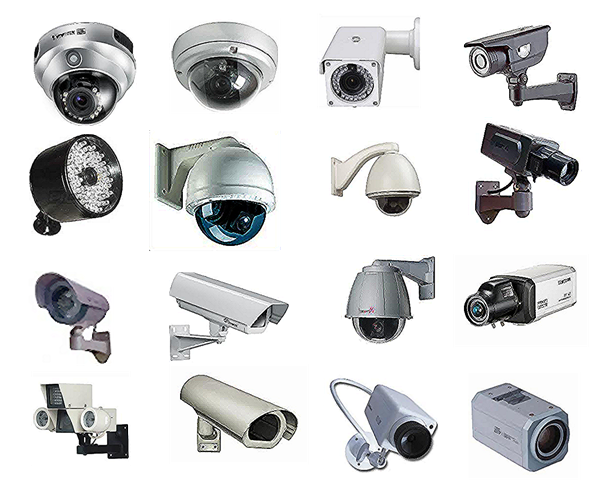
Various types of closed-circuit television cameras (Source: Wikimedia Commons)
- Electronic Access Control Systems: Keycards, biometric scanners, and PIN codes regulate entry and generate access logs. SACCOs utilize biometric systems to secure cash vaults.
- Inventory Management Software: Cloud-based platforms enable remote monitoring and data analytics for stock security. Agricultural cooperatives track fertilizer distribution using mobile-enabled software.
- Alarm Systems: Intrusion alarms trigger alerts during unauthorized access attempts, facilitating rapid response. Schools deploy alarm systems to protect computer labs and library stock.
- Drones and Robotics: Emerging technologies for large warehouses provide automated surveillance and inventory checks, though still emerging in Kenyan contexts.
The rest of this chapter
🔒Create a free account to open more of this chapter.
Free: practical guides, quick cards, workplace scenarios and more.
Create a free account 🔒3.2 Importance of stores security
The security of stores is fundamental to organizational success, especially in procurement where materials represent substantial investments. In Kenya, where theft and mismanagement risks are prevalent, strong stores security protects the organization's financ…
🔒3.3 Risks associated with stores
In procurement management, stores represent a critical component where materials are received, stored, and issued. The management of stores in Kenyan organizations, such as county government offices or retail businesses, involves mitigating various risks that…
🔒3.4 Risk assessment
Risk assessment in stores management is a systematic process that enables procurement professionals to identify, analyse, and prioritize risks to materials and supplies. In Kenya’s procurement landscape, where public and private organizations face diverse oper…
🔒3.5 Classification of Risks
Risk classification is essential for procurement managers in Kenya to identify, assess, and prioritize potential threats that could disrupt the supply chain or organizational operations. Recognizing different types of risks enables procurement professionals to…
🔒3.6 Risk Control Techniques
Effectively managing risks in procurement requires implementing control techniques that reduce the likelihood or impact of adverse events. Kenyan procurement managers must integrate risk control into their daily operations to safeguard organizational assets, e…
🔒3.7 Measures to Ensure Security of Stores
In procurement management, securing organizational stores is critical to safeguarding materials against theft, damage, and loss. Effective security measures protect the investment made in purchasing materials, ensure operational continuity, and maintain accura…
Chapter Summary
This chapter focused on the security of stored materials within organizations, emphasizing the need to protect these assets from loss, damage, or theft. It highlighted the importance of stores security in safeguarding organizational resources, ensuring operational continuity, and maintaining financial integrity. Various risks associated with stores were examined, including theft, fire, and environmental hazards, which can severely impact organizational performance. The process of risk assessment was explained as a systematic approach to identifying, analyzing, and evaluating potential threats to stored materials. Classification of risks was discussed to help prioritize control measures based on the nature and severity of each risk. Effective risk control techniques were outlined, including preventive, detective, and corrective actions to mitigate identified risks. The chapter also detailed practical measures to ensure store security, such as the use of surveillance systems, alarm systems, perimeter security, fire prevention and suppression systems, and proper custody of keys, all of which contribute to a comprehensive security framework.
Self-Assessment
🔒 PDFDownload this self-assessment, with answers
A. Written Assessment
- What is the primary purpose of surveillance systems in stores security? (2 marks)
- List four common risks associated with stores in procurement management. (4 marks)
🔒20 more in this section.
Chapter Examination Questions
🔒 PDFDownload these examination questions, with worked answers
SECTION A (40 Marks) - Answer ALL Questions
- Explain the importance of maintaining security for stored materials in a procurement environment such as a county government warehouse. (4 marks)
- Identify four common risks associated with stores in procurement management and briefly describe each. (4 marks)
🔒18 more in this section.
