Animal Production Technology  ·  Level 6
Farm Machinery Operation
Chapter 5: Operate harvesting machinery
📚 4 Topics
⚑ What you will be able to do

By the end of this chapter, you will be able to:

  • confidently wear the correct personal protective equipment, following all safety procedures
  • operate harvesting machinery safely and correctly, using the proper techniques
  • maintain harvesting machinery to the required standard, ensuring it stays in good working order
  • store harvesting machinery properly according to job requirements, keeping it safe and functional

Mastering these skills will help you work efficiently and safely in the field, making you a valuable asset in agricultural operations.

Compiled by: Charles Mwangi

Operating harvesting machinery is a critical function in animal production, particularly for farmers who rely on quality fodder to sustain livestock. Efficient harvesting ensures that feed crops such as Napier grass, maize stover, and fodder legumes are collected timely and with minimal loss. In Kenya, where seasonal rains and feed scarcity challenge livestock productivity, mastering the use of harvesting machinery enhances farm output and profitability. This chapter focuses on the personal protective equipment necessary for safe operation and the practical use of key harvesting machines relevant to animal production.

5.1 Personal Protective Equipment

Personal protective equipment (PPE) is essential for safeguarding operators from the inherent risks associated with harvesting machinery. In the Kenyan agricultural sector, where many smallholder farmers and farm workers engage directly with machines, proper PPE use reduces injuries and promotes health. PPE serves as the first line of defense against hazards such as flying debris, loud noise, dust, and mechanical accidents during harvesting operations.

5.1.1 Purpose of Personal Protective Equipment

The primary purpose of PPE is to minimize exposure to workplace hazards that can cause injuries or illnesses. In the context of harvesting machinery, operators face risks including cuts, bruises, eye injuries, hearing loss, and respiratory problems from dust or chemicals. PPE provides a barrier that protects vital body parts, enabling workers to perform their tasks confidently and safely.

5.1.2 Types of Personal Protective Equipment for Harvesting

Harvesting operations require specific PPE tailored to the hazards involved. The main types include:

  • Safety Helmets: Protect the head from impacts caused by falling objects or accidental contact with machinery components.

Man wearing a safety helmet
Man wearing a safety helmet (Source: Wikimedia Commons)

  • Protective Eyewear: Shields eyes from dust particles, plant debris, and chemical sprays that can cause irritation or injury.

A pair of safety glasses
A pair of safety glasses (Source: RCTDS301_Drainage_system)

  • Ear Protection: Earplugs or earmuffs reduce noise exposure from engine and machine operation, preventing hearing impairment.

Green ear protection earmuffs
Green ear protection earmuffs (Source: Wikimedia Commons)

  • Gloves: Durable gloves protect hands from cuts, abrasions, and exposure to sharp tools and rough plant material.

Pair of yellow work gloves used in carpentry
Pair of yellow work gloves used in carpentry (Source: Wikimedia Commons)
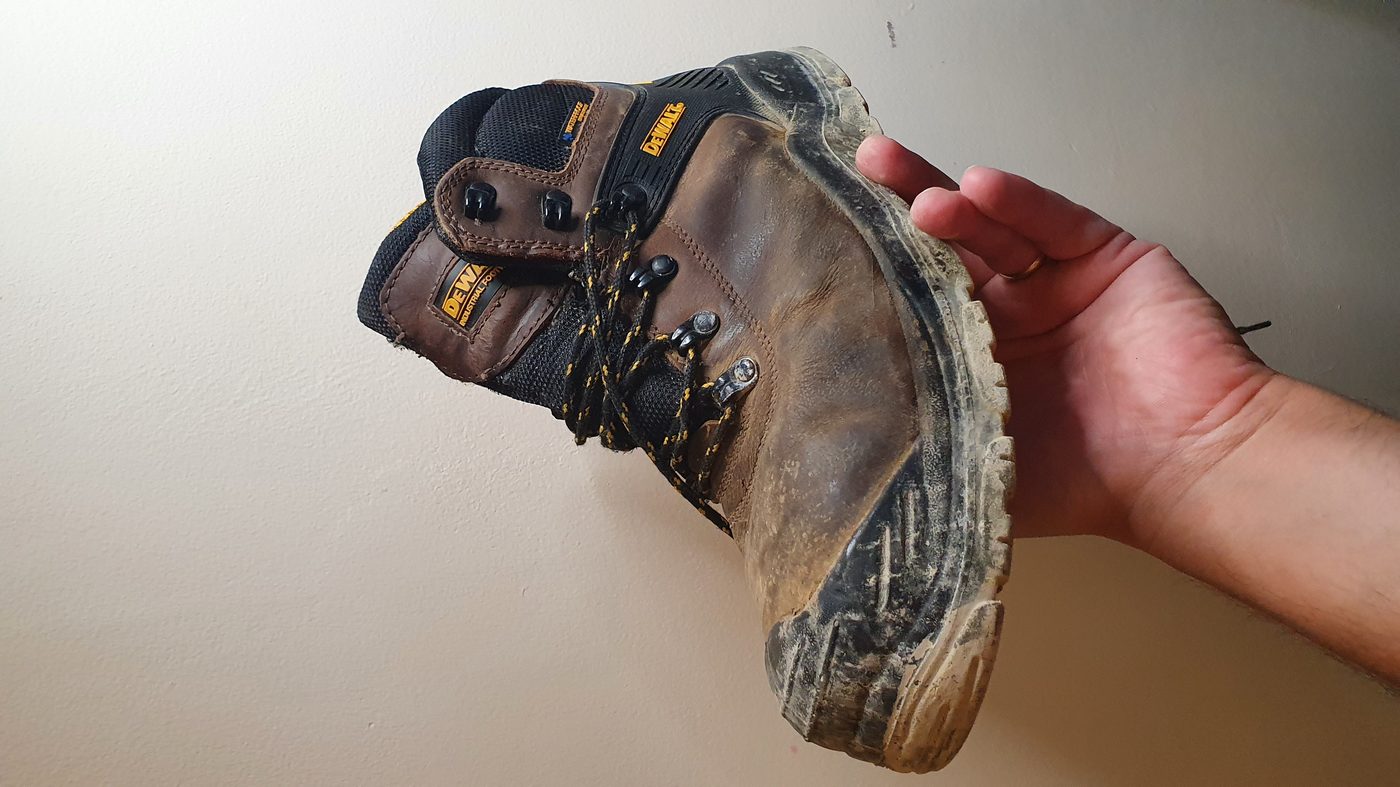
  • Safety Boots: Steel-toed boots prevent foot injuries from heavy machinery parts or accidental dropping of tools.

A single safety boot for industrial use
A single safety boot for industrial use (Source: Wikimedia Commons)

5.1.3 Proper Use and Maintenance of PPE

Correct use and upkeep of PPE are vital to ensure its effectiveness over time. Operators must inspect all equipment before use to check for damage such as cracks in helmets or tears in gloves. PPE should be cleaned regularly according to manufacturer instructions to prevent contamination and degradation. Proper storage in a clean, dry area extends the lifespan of protective gear and maintains its protective qualities.

5.1.4 Challenges in PPE Adoption and Solutions

Despite the clear benefits, adoption of PPE in Kenya’s animal production farms can be limited by factors such as cost, discomfort, and lack of awareness. Many small-scale farmers may find the initial investment prohibitive or underestimate the risks involved. To overcome these challenges, agricultural extension services and cooperative societies can play a role by offering training and subsidized PPE. Designing PPE that suits local climatic conditions and provides comfort encourages consistent use by operators.

Practice Questions

  1. Explain the importance of personal protective equipment when operating harvesting machinery. (5 marks)
  2. List and describe five types of PPE essential for harvesting operations in animal production. (10 marks)
  3. Discuss challenges faced by farmers in adopting PPE and suggest practical solutions. (10 marks)
The rest of this chapter
🔒

Create a free account to open more of this chapter.

Free: practical guides, quick cards, workplace scenarios and more.

Create a free account
🔒5.2 Operation of Harvesting Machinery

Harvesting machinery in animal production facilitates timely and efficient collection of fodder crops, reducing labor intensity and post-harvest losses. Kenyan farmers use various machines adapted to different crop types and farm sizes, from small-scale mowers…

🔒5.3 Maintenance of harvesting machinery

Maintenance of harvesting machinery is a critical aspect of farm management in animal production enterprises across Kenya. Proper upkeep ensures machinery operates efficiently during peak harvest periods such as fodder collection for dairy cattle or feed crop…

🔒5.4 Storage of harvesting machinery

Proper storage of harvesting machinery after use is vital to preserve functionality and protect investment in animal production enterprises. Kenya’s diverse climate, ranging from humid coastal regions to cooler highlands, influences storage needs to prevent ru…

Chapter Summary

This chapter covered essential aspects of operating harvesting machinery, beginning with the importance of personal protective equipment to ensure operator safety during fieldwork. It then examined the operation of various types of harvesting machinery, including mowers, combined harvesters, potato harvesters, threshers, and balers, highlighting their specific functions and handling techniques. The chapter emphasized the need for regular maintenance to keep machinery in optimal working condition and prevent breakdowns. Proper storage practices were also discussed to protect equipment from environmental damage and prolong its lifespan. Together, these topics provide a comprehensive guide for effective and safe harvesting machinery operation in agricultural settings.

Self-Assessment

🔒 PDFDownload this self-assessment, with answers

A. Written Assessment

  1. What are the essential components of personal protective equipment (PPE) when operating harvesting machinery? (3 marks)
  2. Describe the main operational differences between a mower and a combined harvester used in animal feed production. (4 marks)
🔒20 more in this section.

Chapter Examination Questions

🔒 PDFDownload these examination questions, with worked answers

SECTION A (40 Marks) - Answer ALL Questions

  1. Describe the importance of wearing personal protective equipment when operating harvesting machinery on a dairy farm in Nakuru County. (4 marks)
  2. List four safety checks that should be performed before starting a mower. (4 marks)
🔒18 more in this section.
Flashcards 20 cards Study deck ▾
Question
1

↻ Tap card to reveal answer
🔒

18 more in this section.

Create a free account
Test Yourself 16 questions Start quiz ▾
0%
0 / 2
🔒

14 more in this section.

Create a free account
Am I competent?

At the start of this chapter we promised you would be able to:

  • confidently wear the correct personal protective equipment, following all safety procedures
  • operate harvesting machinery safely and correctly, using the proper techniques
  • maintain harvesting machinery to the required standard, ensuring it stays in good working order
  • store harvesting machinery properly according to job requirements, keeping it safe and functional

Tick each one you can genuinely do.

So, are you there yet?

You're competent when you can confidently do 50% or more of what this chapter promised.

Sign in to record how you're doing.