Operating crop protection machinery is a crucial skill for animal production professionals who manage integrated farming systems that include fodder crops and pasture improvement. Effective use of these machines increases productivity by controlling pests and diseases that can indirectly affect livestock health through feed quality. In Kenya, where smallholder farmers and commercial ranches rely on sustainable practices, understanding the correct operation of crop protection machinery ensures environmental safety, worker health, and optimal application of pesticides. This chapter focuses on personal protective equipment and the calibration of machinery such as sprayers and dusters used in crop protection.
4.1 Personal Protective Equipment
Personal protective equipment (PPE) is essential for anyone operating crop protection machinery to minimize exposure to harmful chemicals. In animal production settings, where pesticides may be applied near livestock housing or feed stores, the use of appropriate PPE safeguards workers’ health and prevents contamination of animal products. Understanding the types, correct usage, and maintenance of PPE enhances safety and compliance with Kenyan occupational health standards.
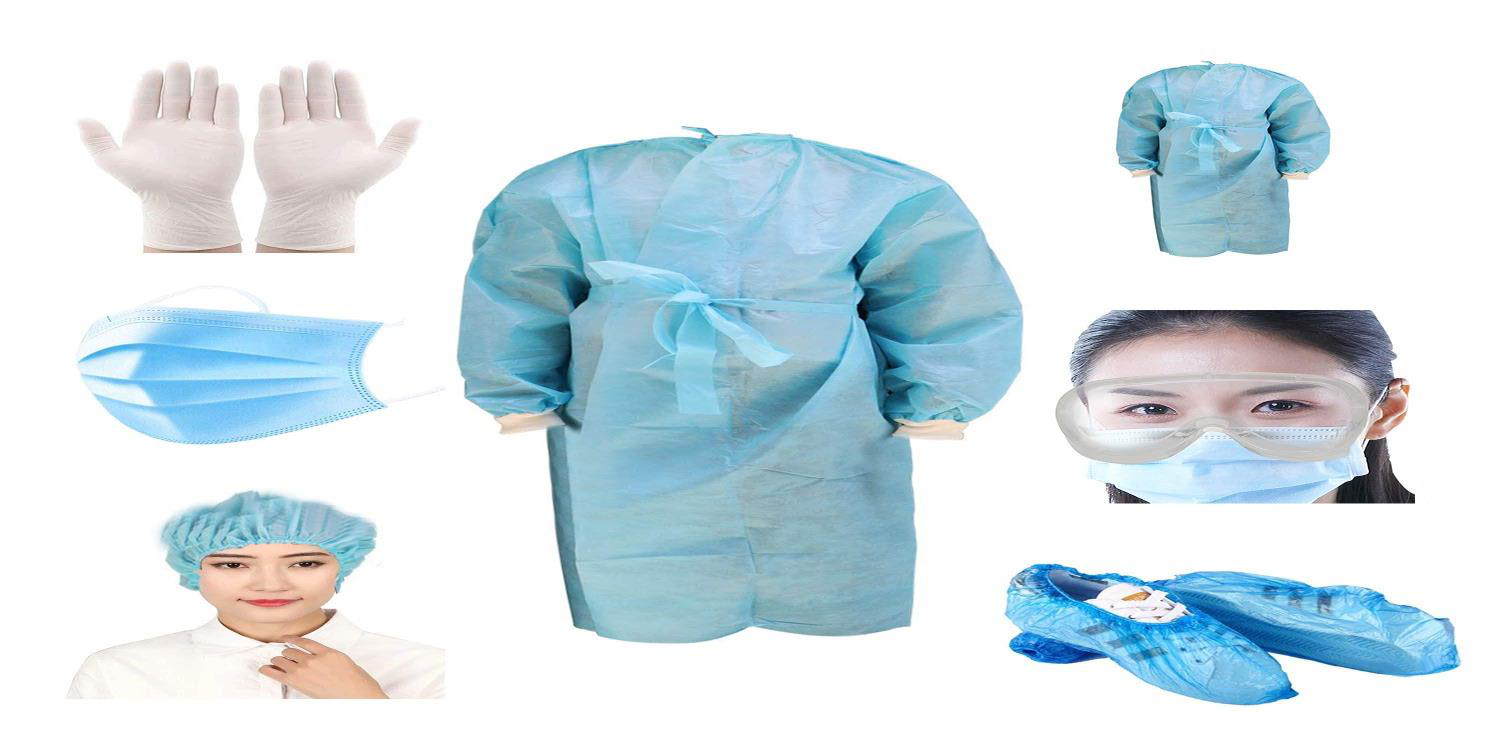
Personal protective equipment (PPE) (Source: 5f700936fcc590f8)
4.1.1 Types of Personal Protective Equipment Used in Crop Protection
Different PPE items protect operators from various routes of chemical exposure, including inhalation, skin contact, and eye injury. Common PPE includes:
- Respirators and masks: Protect against inhalation of toxic fumes and pesticide aerosols. Proper fit and filter type are critical to effectiveness.
- Protective clothing: Overalls or chemical-resistant suits prevent skin contact with pesticides. Materials like PVC or rubber are preferred for their impermeability.
-
Gloves: Chemical-resistant gloves, typically made of nitrile or neoprene, protect hands during mixing and spraying.
-
Goggles or face shields: Eye protection is necessary to prevent irritation or injury from splashes.
- Boots: Waterproof and chemical-resistant boots prevent pesticide absorption through the feet and protect from spills.
Functions of Personal Protective Equipment in Crop Protection
Each type of PPE serves a specific protective function in crop protection activities:
- Respirators and masks: These prevent inhalation of hazardous pesticide fumes and fine particles, which is especially important when spraying in enclosed spaces or during windy conditions in regions like Machakos. They help reduce respiratory illnesses among workers.
- Protective clothing: Overalls or chemical-resistant suits shield the skin from accidental splashes and spills, reducing the risk of skin irritation or burns. For example, workers at the Kenya Agricultural and Livestock Research Organization (KALRO) use such clothing during field trials.
- Gloves: By protecting hands from direct contact with chemicals, gloves help prevent absorption of toxic substances through the skin, which is a common route of poisoning in rural farms.
- Goggles or face shields: These protect the eyes from chemical splashes, which can cause severe irritation or even blindness. In counties like Kisumu, where manual mixing of pesticides is common, eye protection is critical.
- Boots: Waterproof boots prevent chemicals from soaking through footwear and being absorbed through the feet, which is important when working in wet fields or during rainy seasons in Western Kenya.
4.1.2 Importance of Correct Use and Fit of PPE
Properly selected PPE is ineffective if not worn correctly. Ill-fitting or damaged equipment can allow pesticide exposure, leading to acute poisoning or long-term health effects. In Kenya, training programs at agricultural training centres emphasize the importance of:
- Checking PPE for tears or defects before use.
- Ensuring respirators fit tightly around the face without gaps.
- Wearing full-body coverage during pesticide mixing and application.
- Removing and cleaning PPE after use to avoid cross-contamination.
- Storing PPE in a clean, dry environment away from chemicals.
4.1.3 Maintenance and Storage of PPE
Maintaining PPE extends its lifespan and ensures ongoing protection. Neglect can lead to deterioration, reducing effectiveness and increasing risk. Recommended practices include:
- Washing protective clothing immediately after use with mild detergent.
- Inspecting gloves and boots for cracks or holes before each use.
- Replacing filters in respirators as per manufacturer guidelines.
- Storing PPE separately from chemicals to avoid degradation.
- Keeping PPE in designated lockers or containers to prevent contamination.
Storage of PPE
Proper storage of PPE is vital to maintain its protective qualities and ensure it is ready for use when needed:
- Separate storage from chemicals: PPE should be stored in a clean, dry area, away from pesticides and other chemicals, to prevent contamination. For instance, the Egerton University demonstration farm uses dedicated PPE lockers.
- Ventilated storage spaces: Storing PPE in ventilated lockers or cabinets prevents moisture buildup, which can cause mold or mildew on items like gloves and overalls.
- Hanging and organizing: Overalls and suits should be hung up rather than folded to avoid creasing and material fatigue, as practiced in large-scale horticultural farms in Naivasha.
- Labeling and access control: PPE storage areas should be clearly labeled and access limited to trained staff, reducing the risk of misuse or damage.
- Regular inspection of stored PPE: Items in storage should be checked periodically for signs of deterioration, such as cracked rubber or faded fabric, and replaced as needed.
4.1.4 Legal and Safety Regulations Governing PPE Use in Kenya
Kenya’s Occupational Safety and Health Act requires employers to provide PPE and ensure its proper use in environments involving hazardous substances. Crop protection workers must comply with guidelines from the Pest Control Products Board (PCPB) and the Ministry of Labour. Key regulatory requirements include:
- Mandatory PPE provision during pesticide application.
- Training on correct PPE use and hazards associated with pesticides.
- Regular workplace inspections to enforce compliance.
- Reporting and documentation of PPE usage and safety incidents.
- Penalties for non-compliance to encourage adherence to safety standards.
Practice Questions
- Explain the role of respirators in protecting operators of crop protection machinery. (5 marks)
- Describe five key maintenance practices for PPE used in pesticide application. (10 marks)
- Discuss the importance of legal regulations related to PPE use in Kenya’s agricultural sector. (5 marks)
The rest of this chapter
🔒Create a free account to open more of this chapter.
Free: practical guides, quick cards, workplace scenarios and more.
Create a free account 🔒4.2 Calibration of Crop Protection Machinery
Calibration is a critical process that ensures crop protection machinery applies pesticides at the correct rate, promoting effectiveness and environmental safety. In animal production systems, over-application can contaminate fodder crops and harm livestock, w…
🔒4.3 Operation of crop protection machinery
Operating crop protection machinery effectively is crucial for animal production farmers who integrate fodder crops or pasture management into their systems. In Kenya, where smallholder mixed farms predominate, the correct use of sprayers, dusters, and other c…
🔒4.4 Maintenance of crop protection machinery
Maintaining crop protection machinery is essential to ensure longevity, operational efficiency, and safety. In animal production contexts, well-maintained equipment prevents contamination of fodder crops and reduces costs associated with breakdowns and chemica…
🔒4.5 Storage of Crop Protection Machinery
Proper storage of crop protection machinery is critical for maintaining equipment efficiency, safety, and longevity in animal production settings. Given the diverse climate conditions across Kenya, including regions with heavy rains or high temperatures, the c…
Chapter Summary
This chapter covered the essential aspects of operating crop protection machinery with a focus on safety, efficiency, and equipment care. It began by emphasizing the importance of personal protective equipment to safeguard operators from chemical exposure and physical hazards. The calibration of machinery, including sprayers and dusters, was discussed to ensure accurate application of pesticides and minimize waste. Detailed procedures for the safe and effective operation of crop protection machinery were explained, highlighting best practices in the field. Maintenance techniques were outlined to extend the lifespan of the equipment and prevent breakdowns during critical farming periods. Finally, proper storage methods were presented to protect machinery from environmental damage and maintain readiness for future use. Together, these topics provide a comprehensive guide for managing crop protection machinery responsibly and effectively.
Self-Assessment
🔒 PDFDownload this self-assessment, with answers
A. Written Assessment
- What are the key components of personal protective equipment (PPE) when operating crop protection machinery? (3 marks)
- Explain why calibration of sprayers is critical in animal feed crop protection. (2 marks)
🔒20 more in this section.
Chapter Examination Questions
🔒 PDFDownload these examination questions, with worked answers
SECTION A (40 Marks) - Answer ALL Questions
- Identify five essential items of personal protective equipment (PPE) when operating crop protection machinery in a dairy farm setting. (4 marks)
- Explain the importance of calibrating sprayers before use in a poultry feed maize farm. (4 marks)
🔒18 more in this section.
