Farm machinery plays a vital role in modern animal production enterprises by enhancing the efficiency of feed processing and storage. Agro-processing machinery transforms raw agricultural products such as grains, fodder, and feed ingredients into usable forms that meet the nutritional requirements of livestock. Mastery of operating these machines safely and effectively is essential for animal production professionals in Kenya, where smallholder and commercial farms alike depend on mechanized systems to improve productivity and reduce labor intensity.
6.1 Personal Protective Equipment
Personal protective equipment (PPE) is critical when operating agro-processing machinery to prevent injuries and ensure safety in farm environments. Animal production workers face risks such as dust inhalation, mechanical hazards, noise, and electrical shocks while handling these machines. The use of appropriate PPE safeguards workers, enabling them to perform tasks efficiently without compromising their health.
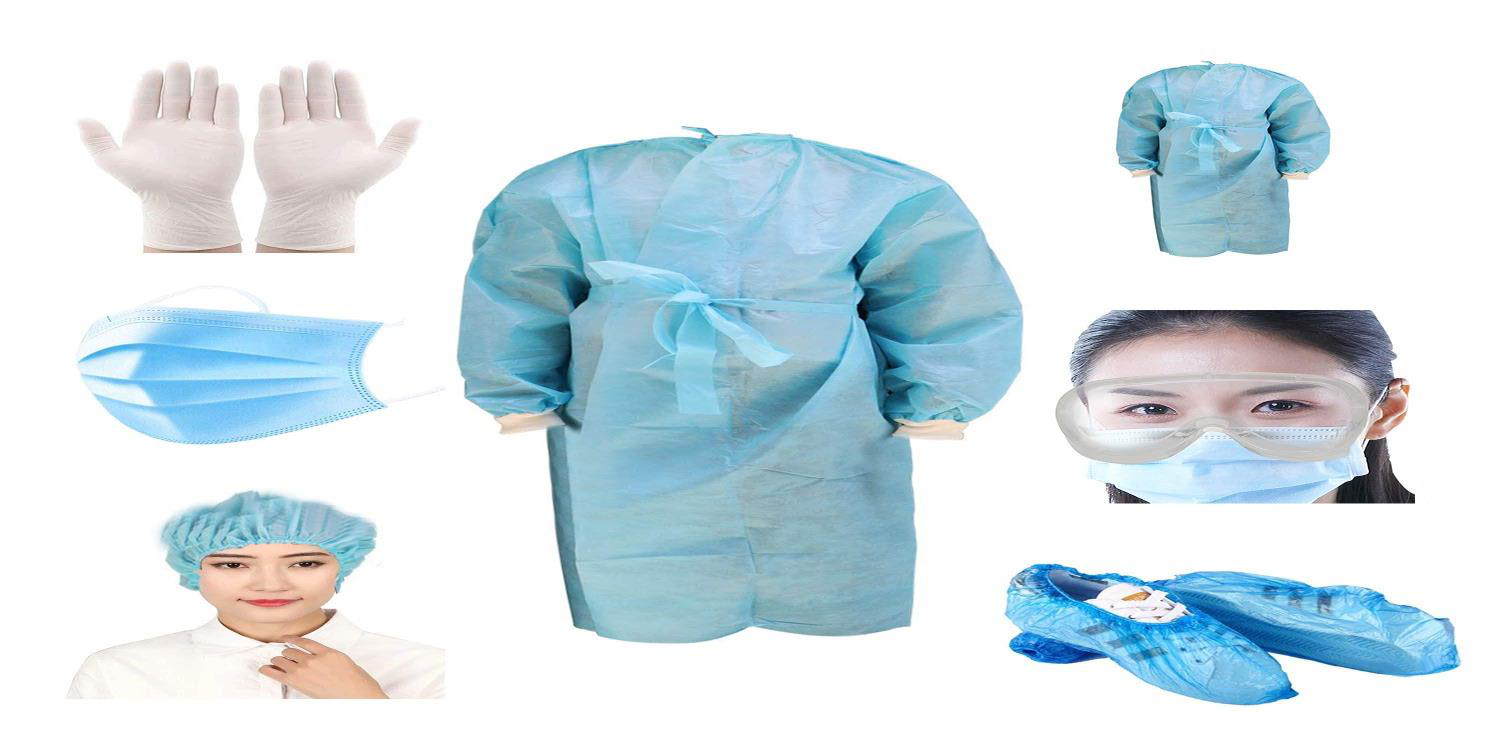
Personal protective equipment (PPE) (Source: 5f700936fcc590f8)
6.1.1 Types of Personal Protective Equipment for Agro-processing
Different agro-processing tasks require specific PPE to mitigate distinct hazards. The main types include:
- Safety gloves: Protect hands from cuts, abrasions, and chemical exposure during machine handling and maintenance.
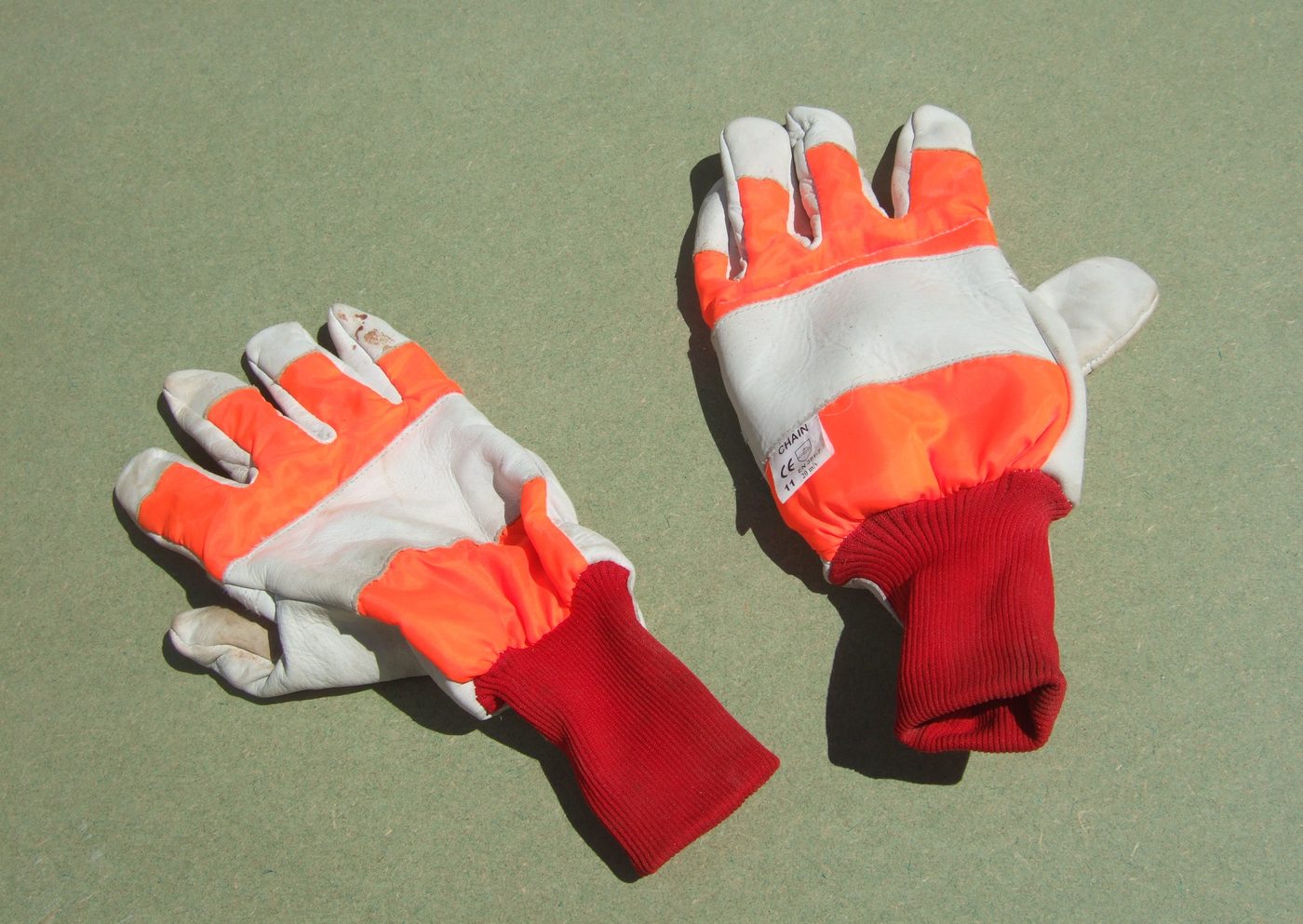
Pair of safety gloves for protection (Source: Wikimedia Commons)
- Dust masks or respirators: Prevent inhalation of dust particles generated during milling or grinding, which can cause respiratory issues.
- Ear protection: Ear muffs or plugs reduce hearing damage from prolonged exposure to loud machinery noises common in mills and grinders.
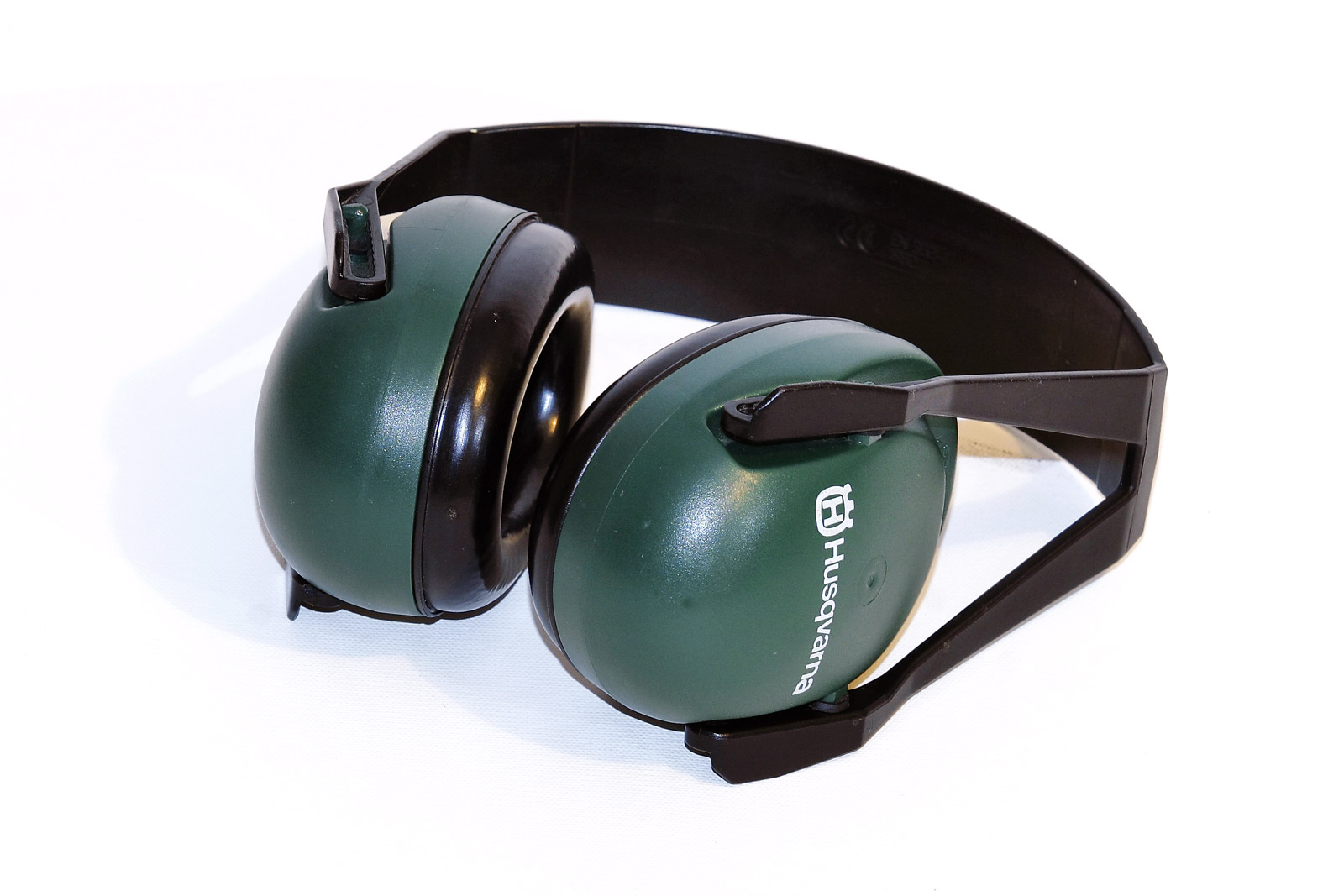
Green ear protection earmuffs (Source: Wikimedia Commons)
- Safety goggles: Shield eyes from flying debris, dust, and chemical splashes during processing operations.

Clear safety goggles for eye protection (Source: Wikimedia Commons)
- Protective footwear: Steel-toed boots protect feet from heavy falling objects and provide grip on slippery surfaces.
6.1.2 Selection Criteria for PPE
Choosing the right PPE depends on the specific agro-processing operation, risk level, and comfort:
- Hazard assessment: Identify risks such as mechanical, chemical, or dust exposure to determine necessary PPE.
- Fit and comfort: PPE must fit correctly to ensure protection without impairing task performance.
- Durability: Materials should withstand farm environments, including moisture, heat, and abrasion.
- Compliance: Equipment should meet Kenyan standards such as those from the Kenya Bureau of Standards (KEBS).
- Maintenance ease: PPE that can be cleaned and maintained easily encourages consistent use.
6.1.3 Proper Use and Maintenance of PPE
Correct use and upkeep of PPE maximize its protective benefits and longevity:
- Inspection before use: Check for damage, tears, or wear that could reduce effectiveness.
- Correct wearing: Ensure gloves, masks, goggles, and footwear are worn as intended without gaps or looseness.
- Cleaning: Regularly wash reusable PPE such as masks and goggles to prevent contamination.
- Storage: Store PPE in clean, dry areas to avoid degradation.
- Replacement: Timely replace PPE when worn out or after exposure to hazardous substances.
6.1.4 Training and Awareness on PPE Use
Farm workers must be educated on PPE’s importance and proper usage to foster a safety culture:
- Demonstrations: Practical sessions showing correct donning and doffing of PPE.
- Hazard communication: Inform workers of risks associated with agro-processing machinery.
- Enforcement: Supervisors should monitor PPE compliance during operations.
- Feedback mechanisms: Encourage reporting of PPE issues or discomfort for timely resolution.
- Refresher training: Regular updates to reinforce PPE protocols and introduce new safety practices.
Practice Questions
-
Explain five types of personal protective equipment used in agro-processing machinery operations and their specific protective roles. (10 marks)
-
Discuss five key factors to consider when selecting personal protective equipment for animal production workers. (10 marks)
-
Describe six steps involved in the proper use and maintenance of personal protective equipment in a farm setting. (12 marks)
The rest of this chapter
🔒Create a free account to open more of this chapter.
Free: practical guides, quick cards, workplace scenarios and more.
Create a free account 🔒6.2 Operation of Agro-processing Machinery
Agro-processing machinery converts raw farm produce into forms suitable for livestock feeding, storage, or sale. Operating these machines requires technical knowledge, adherence to safety protocols, and routine maintenance to ensure optimal performance. In Ken…
🔒6.3 Maintenance of Agro-processing Machinery
Maintenance of agro-processing machinery is vital to ensure continuous, efficient operation on animal production farms in Kenya. Regular upkeep prolongs machine lifespan and prevents costly breakdowns that can disrupt critical processes such as feed milling or…
🔒6.4 Storage of Agro-processing Machinery
Proper storage of agro-processing machinery is critical to protect equipment from environmental damage, theft, and deterioration when not in use. In Kenya’s diverse climatic zones, machines exposed to excessive moisture or dust risk rust and component failure.…
Chapter Summary
This chapter covered essential aspects of operating agro-processing machinery with a focus on safety, efficiency, and equipment care. It began by emphasizing the importance of personal protective equipment to safeguard operators from potential hazards. The operation of various agro-processing machines was then explored, detailing the specific functions and handling of mills, grinders, shellers, dryers, and elevator conveyors. Proper maintenance practices were highlighted as critical for prolonging the lifespan and ensuring the reliability of the machinery. Additionally, the chapter addressed appropriate storage methods to protect equipment from damage and deterioration when not in use. Together, these topics provide a comprehensive understanding necessary for effective and safe agro-processing machinery operation.
Self-Assessment
🔒 PDFDownload this self-assessment, with answers
A. Written Assessment
- What is the primary purpose of personal protective equipment (PPE) when operating agro-processing machinery? (2 marks)
- Identify three types of PPE commonly used in animal feed milling operations and explain their specific protective functions. (3 marks)
🔒20 more in this section.
Chapter Examination Questions
🔒 PDFDownload these examination questions, with worked answers
SECTION A (40 Marks) - Answer ALL Questions
- Explain the importance of wearing personal protective equipment when operating agro-processing machinery on a dairy farm in Kiambu County. (4 marks)
- Describe the main operational steps when using a maize mill for animal feed production. (4 marks)
🔒18 more in this section.
