Animal Production Technology  ·  Level 6
Farm Machinery Operation
Chapter 3: Operate planting machinery
📚 5 Topics
⚑ What you will be able to do

By the end of this chapter, you will be able to:

  • Wear the correct personal protective equipment by following all safety procedures.
  • Accurately calibrate planting machinery to match the specific job requirements.
  • Operate planting machinery safely and correctly in line with work procedures.
  • Maintain planting machinery properly using the correct maintenance steps.
  • Store planting machinery safely and correctly according to work procedures.

Mastering these skills will help you work confidently and safely with planting machinery, making you a valuable asset on any farm.

Compiled by: Charles Mwangi

Farm machinery operation is crucial in modern animal production farming, where efficient land preparation and crop establishment directly affect feed availability for livestock. Operating planting machinery correctly enhances seed placement accuracy, optimizes fertilizer application, and reduces wastage, benefiting both small-scale and commercial livestock farmers in Kenya. This chapter focuses on the safe and effective use of planting machinery, including essential personal protective equipment and the calibration of various planting implements to ensure optimum performance in animal feed crop production.

3.1 Personal Protective Equipment

Personal protective equipment (PPE) is vital for safeguarding farm workers operating planting machinery against physical injuries, chemical exposure, and environmental hazards common in agricultural settings. In Kenya, where many farms combine crop and livestock production, PPE use minimizes risks associated with machinery operation near animals and during chemical fertilizer application. Proper PPE not only protects health but also promotes compliance with occupational safety standards in agricultural workplaces.

3.1.1 Importance of Personal Protective Equipment

The use of PPE during planting machinery operation is essential to prevent injuries such as cuts, abrasions, and chemical burns. Farm workers often handle sharp blades, moving parts, and potentially hazardous substances like fertilizers and pesticides. For example, at a dairy farm in Nakuru County, workers operating seed drills wear PPE to avoid injuries from rotating discs and exposure to dust. PPE also reduces the risk of respiratory problems caused by inhaling fine particles during seed or fertilizer spreading. Moreover, consistent PPE use demonstrates professionalism and adherence to Kenya’s Occupational Safety and Health Act (OSHA), fostering a culture of safety on farms.

3.1.2 Types of Personal Protective Equipment for Planting Machinery

Planting machinery operation requires specific PPE tailored to the hazards involved. Essential PPE includes:
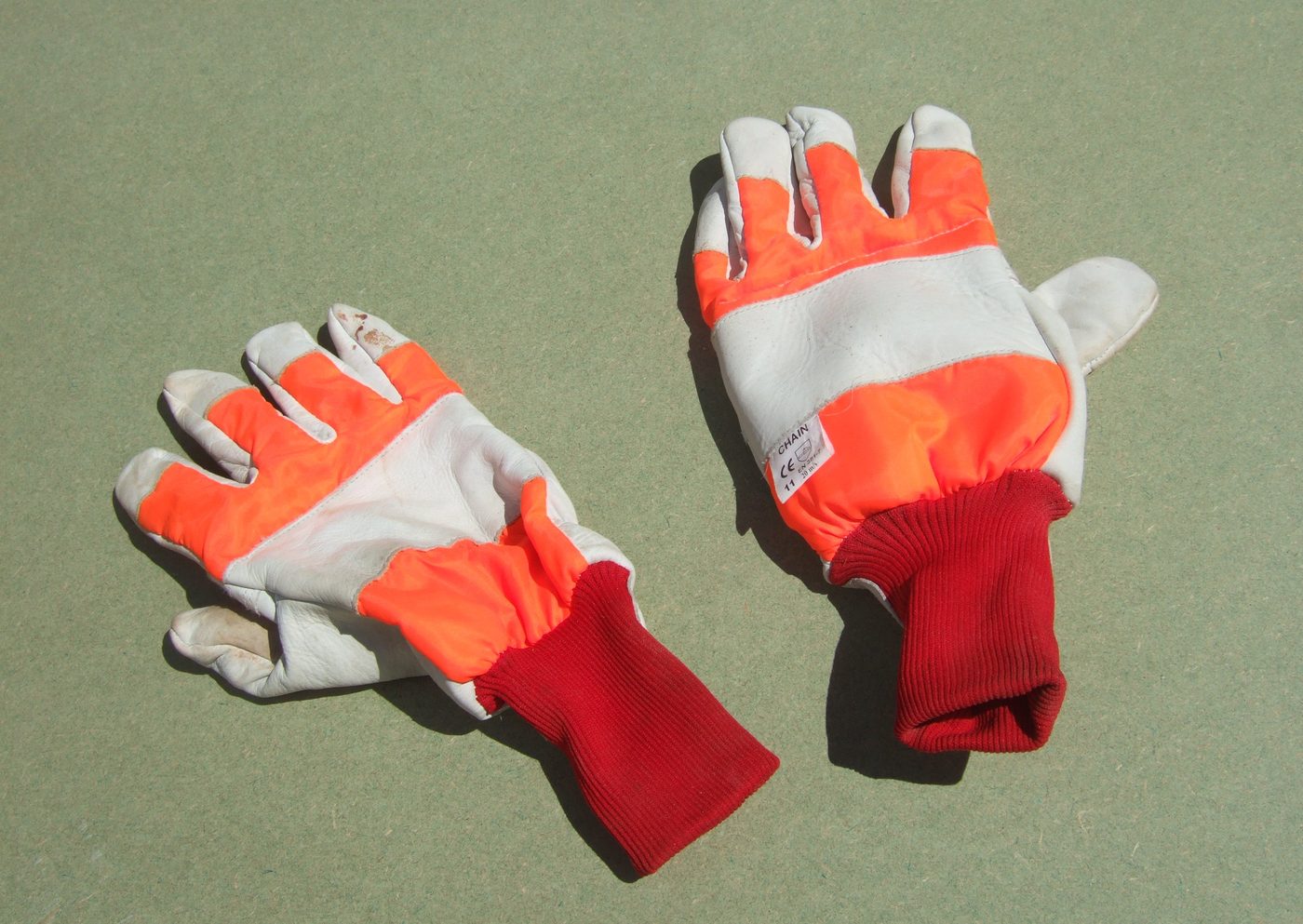
  • Protective gloves: These shield hands from cuts, chemical exposure, and abrasions when handling machinery parts or seeds.

A pair of protective gloves
A pair of protective gloves (Source: Wikimedia Commons)
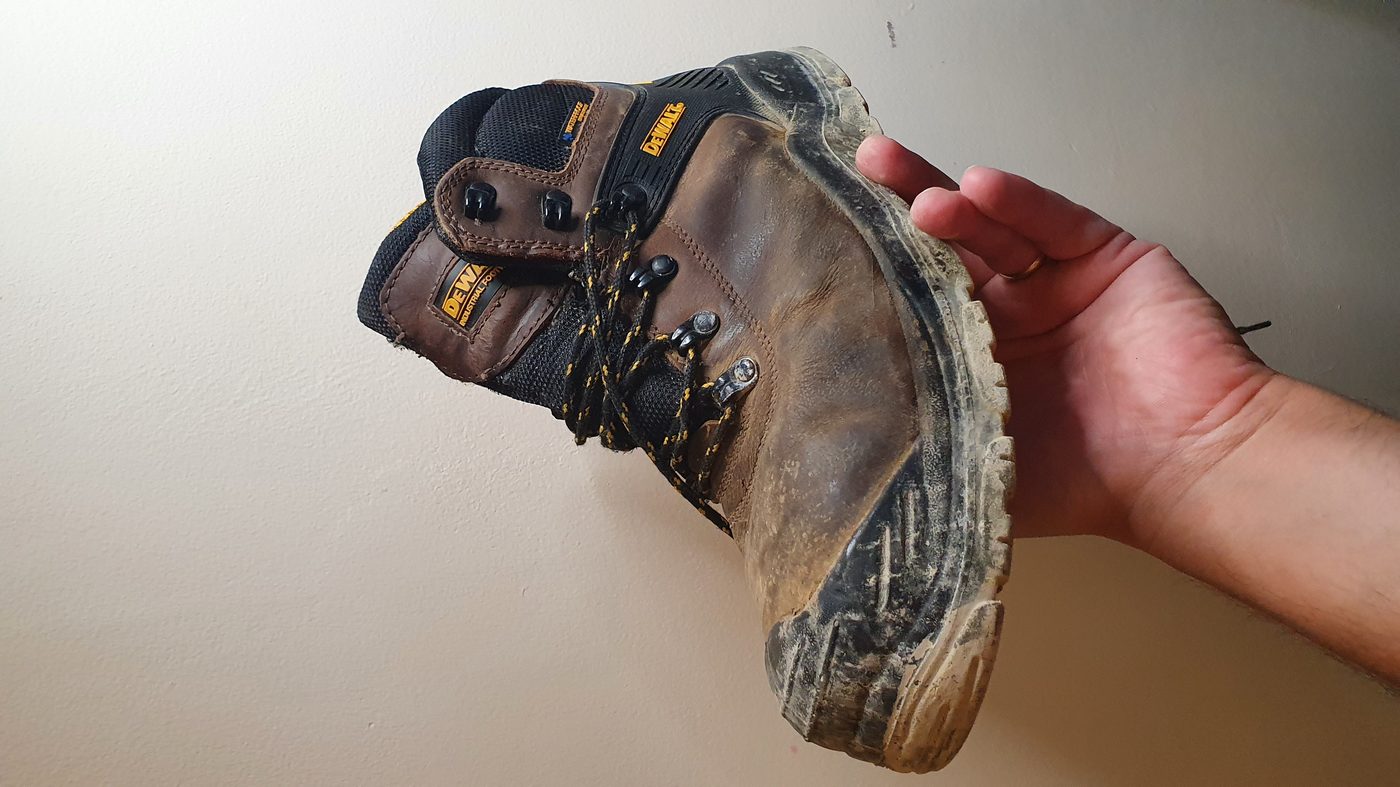
  • Safety boots: Footwear with steel toes protects against heavy objects falling and prevents slips on muddy or uneven farm terrain.

A single safety boot for industrial use
A single safety boot for industrial use (Source: Wikimedia Commons)

  • Eye protection: Goggles or safety glasses guard against dust, flying debris, and chemical splashes during fertilizer application.
  • Respirators or dust masks: These prevent inhalation of dust or fertilizer particles that can cause respiratory issues.
  • Protective clothing: Long-sleeved shirts and trousers reduce skin exposure to chemicals and physical injuries from sharp machinery edges.

Each type of PPE plays a distinct role in protecting workers from the multiple risks encountered during planting machinery use.

3.1.3 Proper Use and Maintenance of PPE

Correct usage and maintenance of PPE ensure maximum protection and longevity of the equipment. Workers must:

  • Inspect PPE before use to check for damage such as cracks in goggles or worn-out gloves.
  • Wear PPE consistently and correctly, ensuring gloves fit snugly and boots are laced properly.
  • Clean PPE after each use; for instance, washing protective clothing to remove chemical residues.
  • Store PPE in a clean, dry place away from direct sunlight to prevent material degradation.
  • Replace PPE promptly when signs of wear or damage appear, such as torn gloves or cracked respirators.

Training farm workers on PPE care and enforcement of PPE policies at farms, such as at a large-scale feedlot in Uasin Gishu County, reduces workplace accidents and promotes a safe working environment.

3.1.4 Legal and Institutional Framework on PPE Use in Kenya

Kenya’s Occupational Safety and Health Act mandates employers to provide PPE and ensure its proper use in agricultural operations. The Directorate of Occupational Safety and Health Services (DOSHS) conducts inspections and enforces compliance. For example, county agricultural officers in Kiambu regularly inspect farms to verify PPE use during machinery operation. Additionally, the Kenya Plant Health Inspectorate Service (KEPHIS) advises on safe handling of seeds and fertilizers, reinforcing PPE importance. Understanding and adhering to these regulations protect farm workers and reduce liability risks for farm owners.

Practice Questions

  1. Explain why personal protective equipment is critical when operating planting machinery in animal production farms. (6 marks)
  2. Identify and describe five types of PPE used during planting machinery operation. (10 marks)
  3. Outline six steps for proper maintenance of PPE in a farm setting. (12 marks)
  4. Discuss the role of Kenyan occupational safety regulations in ensuring PPE use on farms. (7 marks)
The rest of this chapter
🔒

Create a free account to open more of this chapter.

Free: practical guides, quick cards, workplace scenarios and more.

Create a free account
🔒3.2 Calibration of Planting Machinery

Calibration of planting machinery is an essential practice to achieve precise seed and fertilizer placement, maximize resource use, and enhance crop establishment success in animal feed production. In Kenya’s diverse agro-ecological zones, properly calibrated…

🔒3.3 Operation of planting machinery

In animal production systems in Kenya, planting machinery plays a critical role in establishing fodder crops, pastures, and forage species that sustain livestock productivity. Efficient operation of planting equipment enhances seed placement accuracy, optimize…

🔒3.4 Maintenance of planting machinery

Maintenance of planting machinery is fundamental to ensuring longevity, reducing downtime, and maintaining planting quality on animal production farms. Kenyan farmers who maintain their equipment regularly save costs on repairs and avoid planting delays that c…

🔒3.5 Storage of Planting Machinery

Proper storage of planting machinery is essential for maintaining the equipment’s functionality and longevity, especially in Kenya’s diverse climatic conditions. Animal production farms often rely on timely and efficient planting of fodder crops, which require…

Chapter Summary

This chapter covered the essential aspects of operating planting machinery effectively and safely. It began by emphasizing the importance of using personal protective equipment to safeguard operators from potential hazards. The calibration of various planting machines was then explored in detail, including seed drills, planters, ridgers, fertilizer distributors, and manure spreaders, highlighting the need for precise adjustment to ensure optimal performance. The practical operation of planting machinery was discussed, focusing on correct techniques to maximize efficiency and crop yield. Maintenance practices were outlined to prolong the lifespan of equipment and prevent breakdowns during critical planting periods. Finally, proper storage methods were presented to protect machinery from environmental damage and preserve functionality between uses. The chapter integrated these topics to provide a comprehensive guide for farm machinery operation.

Self-Assessment

🔒 PDFDownload this self-assessment, with answers

A. Written Assessment

  1. What is the primary purpose of wearing personal protective equipment (PPE) when operating planting machinery? (2 marks)
  2. Identify three types of PPE commonly used during the operation of seed drills in animal production farms. (3 marks)
🔒20 more in this section.

Chapter Examination Questions

🔒 PDFDownload these examination questions, with worked answers

SECTION A (40 Marks) - Answer ALL Questions

  1. Identify five types of personal protective equipment (PPE) essential for safely operating planting machinery on a dairy farm in Nakuru County. (4 marks)
  2. Explain the importance of calibrating seed drills before planting fodder crops on a commercial farm. (4 marks)
🔒24 more in this section.
Flashcards 20 cards Study deck ▾
Question
1

↻ Tap card to reveal answer
🔒

18 more in this section.

Create a free account
Test Yourself 20 questions Start quiz ▾
0%
0 / 2
🔒

18 more in this section.

Create a free account
Am I competent?

At the start of this chapter we promised you would be able to:

  • Wear the correct personal protective equipment by following all safety procedures.
  • Accurately calibrate planting machinery to match the specific job requirements.
  • Operate planting machinery safely and correctly in line with work procedures.
  • Maintain planting machinery properly using the correct maintenance steps.
  • Store planting machinery safely and correctly according to work procedures.

Tick each one you can genuinely do.

So, are you there yet?

You're competent when you can confidently do 50% or more of what this chapter promised.

Sign in to record how you're doing.