
By the end of this chapter, you will be able to:
Mastering these skills will help you work safely and efficiently in the field, making you a valuable asset in farm operations.
Compiled by: Joyce Waweru
Harvesting machinery plays a critical role in animal production by efficiently gathering fodder crops and feed materials necessary for livestock nutrition. Proper operation of these machines enhances productivity, reduces post-harvest losses, and ensures timely availability of quality feed. In Kenya, where smallholder farmers and large-scale ranches coexist, understanding the operation and maintenance of harvesting machinery is essential for animal production professionals to optimize resource use and improve farm profitability.
Operating harvesting machinery involves exposure to physical hazards such as moving parts, dust, and noise. Use of appropriate personal protective equipment (PPE) safeguards operators from injuries and health risks during harvesting activities. In Kenya’s agricultural sector, where mechanization is increasing, PPE is vital for compliance with occupational safety regulations and maintaining workforce well-being.
The use of PPE reduces the risk of accidents and occupational illnesses associated with harvesting machinery. Operators who wear PPE minimize exposure to hazards like flying debris, dust inhalation, and loud noise, which can cause injuries or long-term health problems. For example, at a dairy cooperative in Nakuru County, workers who consistently use ear protection during threshing activities report fewer cases of hearing impairment.
A pair of clear safety goggles designed to protect the eyes during con (Source: PLUMB 5 LEARNING GUIDE-1 (1))
Different harvesting tasks require specific PPE tailored to the hazards present. Selecting appropriate equipment depends on the machinery type and working environment.
Safety Helmets: Protect the head from falling objects and accidental bumps.
Protective Gloves: Provide grip and shield hands from sharp components and plant materials.
Safety Boots: Reinforced footwear prevents foot injuries from heavy objects and slippery surfaces.
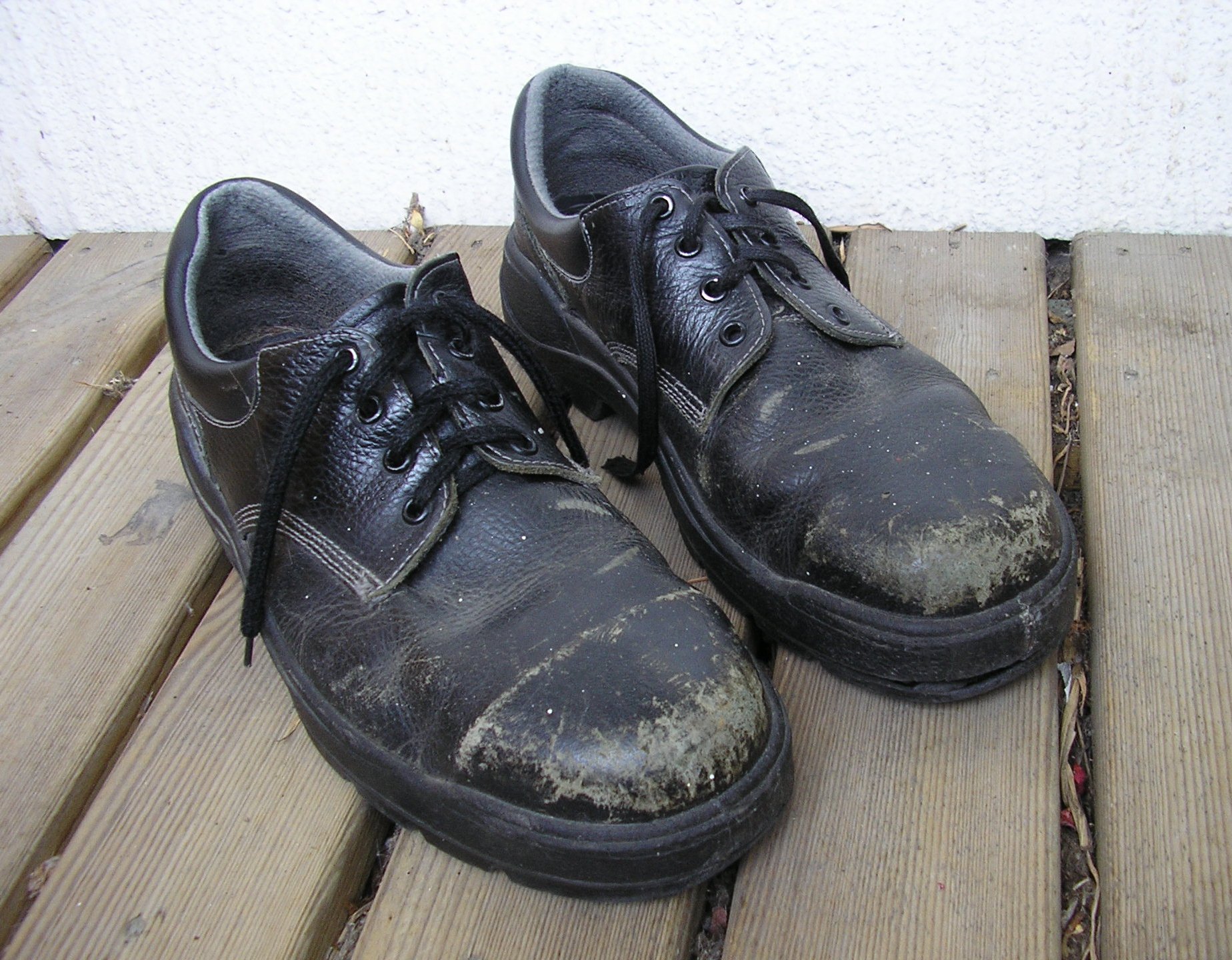
worn black safety boots on wooden floor (Source: Wikipedia (Steel-toe boot))
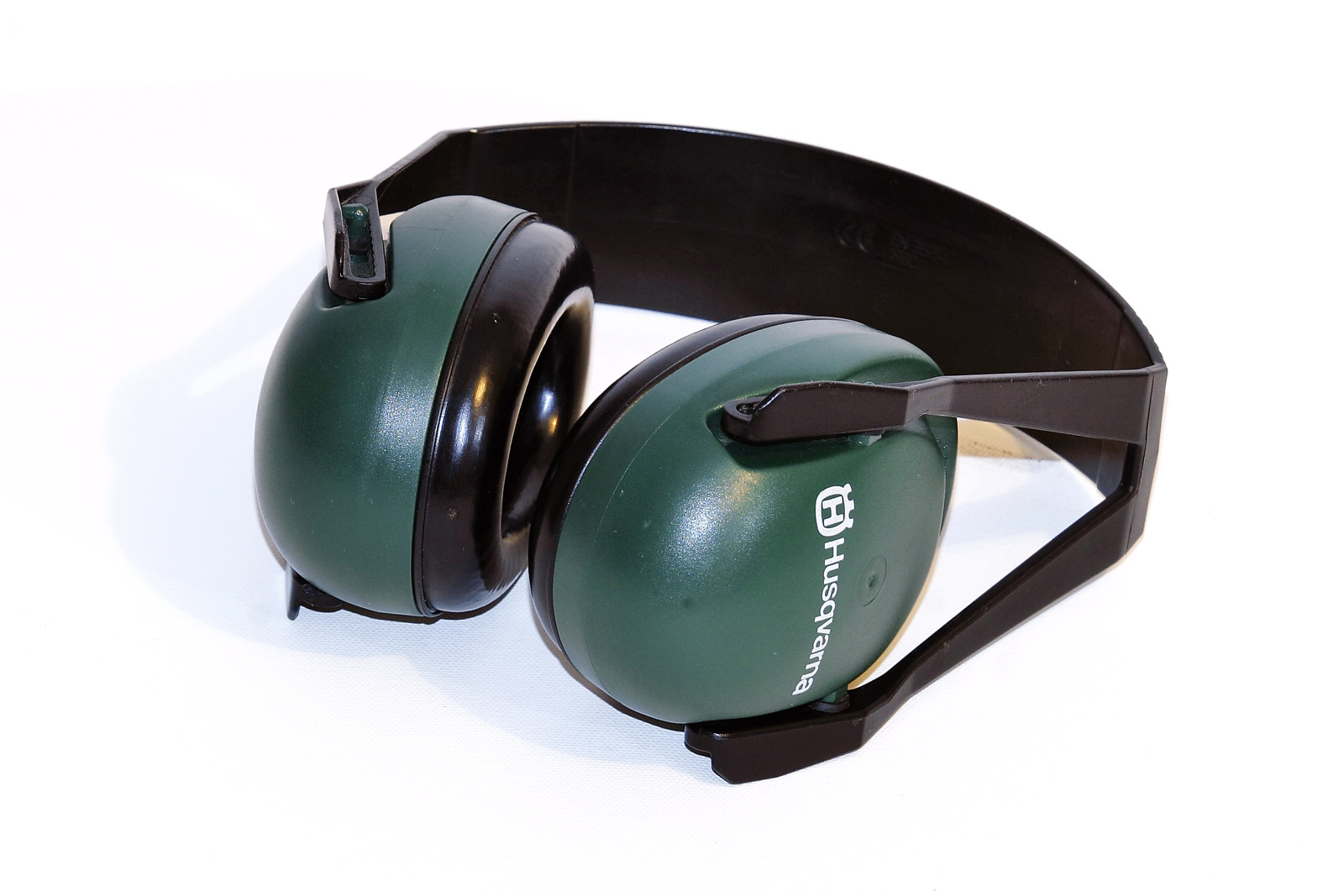
Green Husqvarna hearing protection earmuffs (Source: Wikimedia Commons)

clear safety glasses for eye protection (Source: Wikimedia Commons)
Correct use and upkeep of PPE ensure maximum protection and durability. Operators must be trained in the correct wearing procedures and care routines.
Despite its importance, PPE usage can be limited by discomfort, cost, and lack of awareness. Addressing these challenges improves safety outcomes on farms.
Explain why personal protective equipment is crucial for operators of harvesting machinery in animal production farms. (5 marks)
Identify and describe five types of PPE commonly used during harvesting operations. (10 marks)
Discuss three challenges faced by Kenyan farmers in adopting PPE and suggest possible solutions. (10 marks)
Create a free account to open more of this chapter.
Free: practical guides, quick cards, workplace scenarios and more.
Create a free accountThis chapter covered the essential aspects of operating harvesting machinery, beginning with the importance of personal protective equipment to ensure operator safety during machinery use. It detailed the operation of various harvesting machines including mowers, combined harvesters, potato harvesters, threshers, and balers, explaining their specific functions and operational procedures. The chapter emphasized the significance of proper maintenance practices to keep machinery in good working condition and to extend their service life. It also discussed best practices for the storage of harvesting machinery to protect equipment from damage and deterioration when not in use. Together, these topics provide comprehensive guidance on the effective and safe handling of harvesting machinery in agricultural operations.
At the start of this chapter we promised you would be able to:
Tick each one you can genuinely do.
So, are you there yet?
You're competent when you can confidently do 50% or more of what this chapter promised.
Sign in to record how you're doing.