
By the end of this chapter, you will be able to:
Mastering these skills will help you work confidently and safely with farm machinery, making your work more productive and reliable.
Compiled by: Joyce Waweru
Operating agro-processing machinery is a vital skill for animal production professionals in Kenya, as it enhances feed preparation efficiency and quality, directly impacting livestock productivity. Mastery of this machinery allows farmers and technicians to transform raw agricultural produce into suitable feed forms, ensuring animals receive balanced nutrition. This chapter focuses on the safe and effective use of key agro-processing machines commonly found in Kenyan farms and cooperative feed centers, emphasizing personal safety and operational competence.
Proper use of personal protective equipment (PPE) is essential when operating agro-processing machinery to prevent injuries and maintain a safe working environment. In animal production settings, where dust, noise, and moving parts pose hazards, PPE serves as a critical barrier protecting workers from harm. Kenyan livestock farmers and feed mill workers must understand the types, correct usage, and maintenance of PPE to reduce occupational health risks.
Personal protective equipment (PPE) (Source: 5f700936fcc590f8)
The selection of PPE depends on the specific machine and associated hazards. Common PPE includes:

Clear safety goggles for eye protection (Source: Wikimedia Commons)
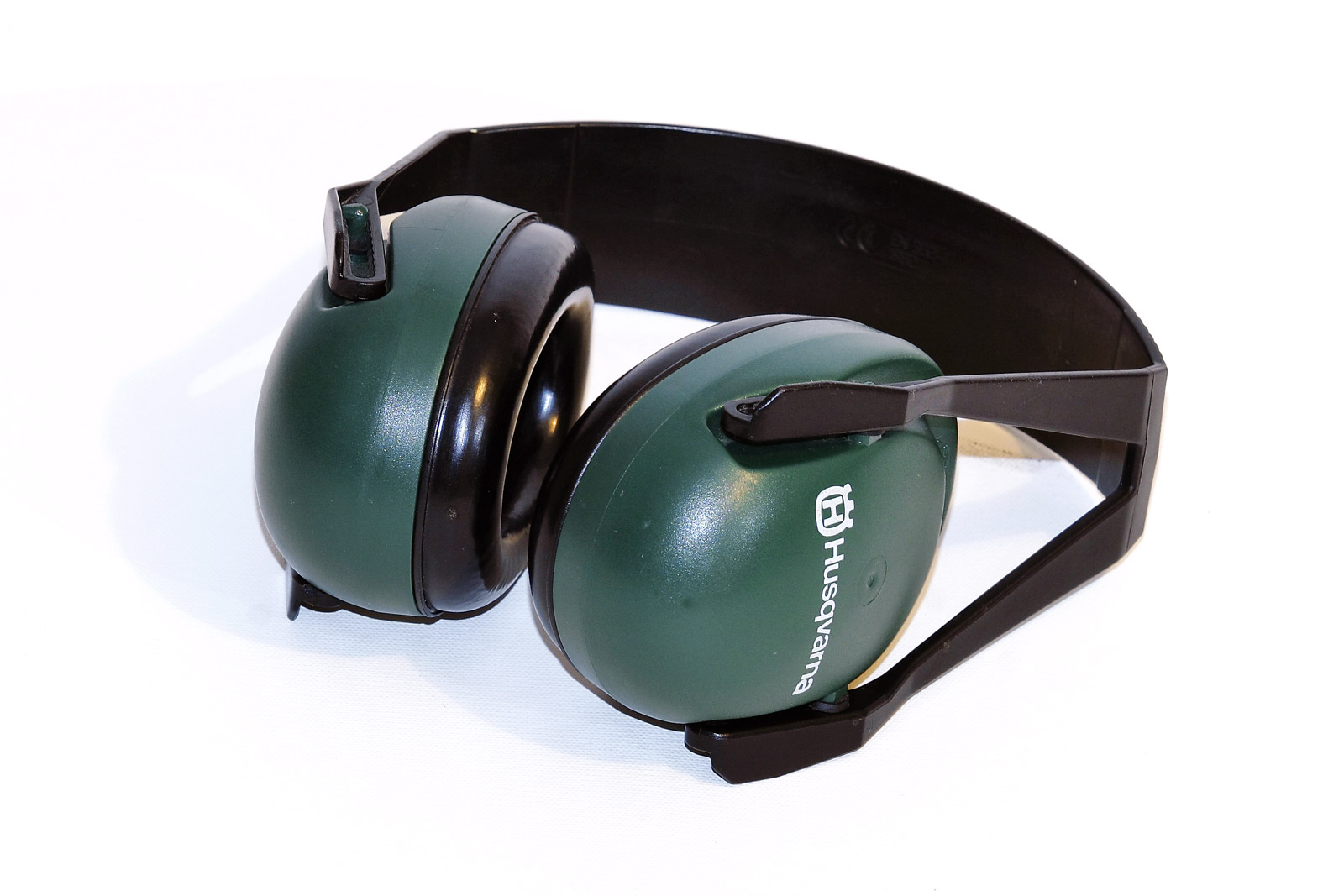
Green ear protection earmuffs (Source: Wikimedia Commons)
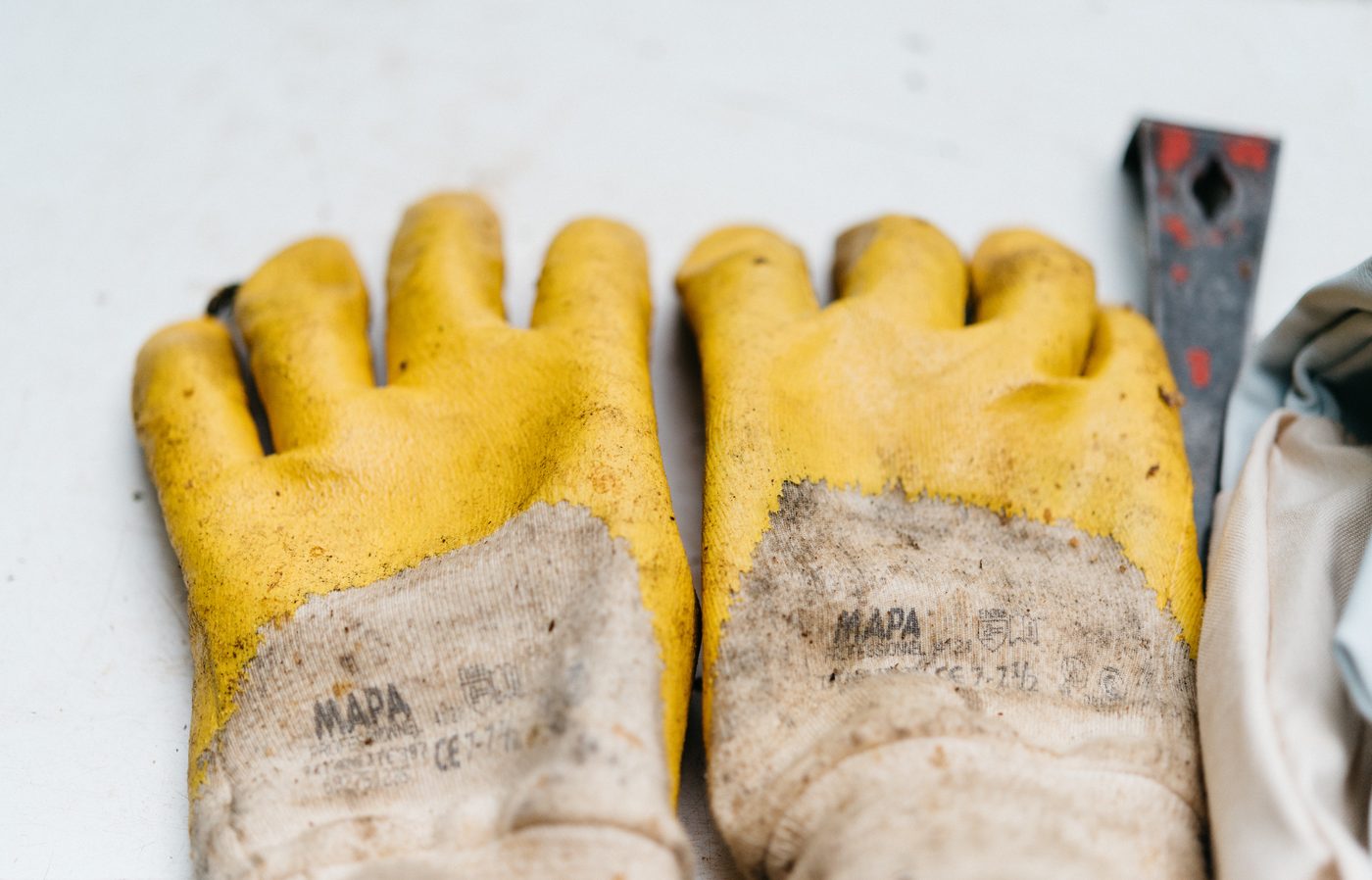
Pair of yellow work gloves used in carpentry (Source: Wikimedia Commons)
Correct use and fitting of PPE determine its effectiveness. Workers must:
Maintaining PPE in good condition prolongs its effectiveness and ensures user safety. Key practices include:
Adherence to PPE standards reduces workplace accidents and illnesses, contributing to a productive workforce. For example, at a dairy cooperative in Nakuru County, consistent use of PPE during feed milling operations has lowered respiratory complaints among workers. Moreover, compliance with Kenya’s Occupational Safety and Health Act (OSHA) requirements helps farms avoid legal penalties and fosters a culture of safety.
List five types of personal protective equipment used in agro-processing and explain their specific protective functions. (10 marks)
Describe the steps involved in maintaining and storing PPE to ensure its effectiveness. (10 marks)
Explain why compliance with PPE use is critical in animal feed processing environments. (5 marks)
Create a free account to open more of this chapter.
Free: practical guides, quick cards, workplace scenarios and more.
Create a free accountThis chapter covered essential aspects of operating agro-processing machinery with a focus on safety, efficiency, and equipment care. It began by emphasizing the importance of using personal protective equipment to safeguard operators from potential hazards during machine operation. The discussion then moved to the operation of key agro-processing machines including mills, grinders, shellers, dryers, and elevator conveyors, detailing their functions and operational requirements. Proper maintenance practices were highlighted to ensure machinery longevity and optimal performance, addressing routine checks and timely repairs. Finally, the chapter explored the correct methods for storing agro-processing machinery to prevent damage and deterioration when not in use. Together, these topics provide a comprehensive guide for safe and effective management of agro-processing equipment on the farm.
At the start of this chapter we promised you would be able to:
Tick each one you can genuinely do.
So, are you there yet?
You're competent when you can confidently do 50% or more of what this chapter promised.
Sign in to record how you're doing.