
By the end of this chapter, you will be able to:
Mastering these skills will help you protect crops effectively and keep your equipment reliable for every season in the farming industry.
Compiled by: Joyce Waweru
Operating crop protection machinery is a critical skill for animal production professionals who manage integrated farms where crop and livestock production coexist. Proper use of these machines safeguards crops from pests and diseases, which indirectly supports animal nutrition through quality fodder production. This chapter focuses on essential practices for operating crop protection machinery safely and effectively in Kenya’s diverse agricultural environments, emphasizing personal protective equipment and accurate calibration of sprayers and dusters.
The use of personal protective equipment (PPE) when operating crop protection machinery is vital for safeguarding workers from harmful chemicals and physical hazards. In Kenya, where many animal production farms also cultivate fodder crops, exposure to pesticides and dust can pose serious health risks. PPE minimizes these risks and ensures compliance with occupational safety standards set by bodies like the Directorate of Occupational Safety and Health Services (DOSHS).
Farmers and operators use various PPE items designed to protect different parts of the body from chemical exposure and mechanical injury. These include:
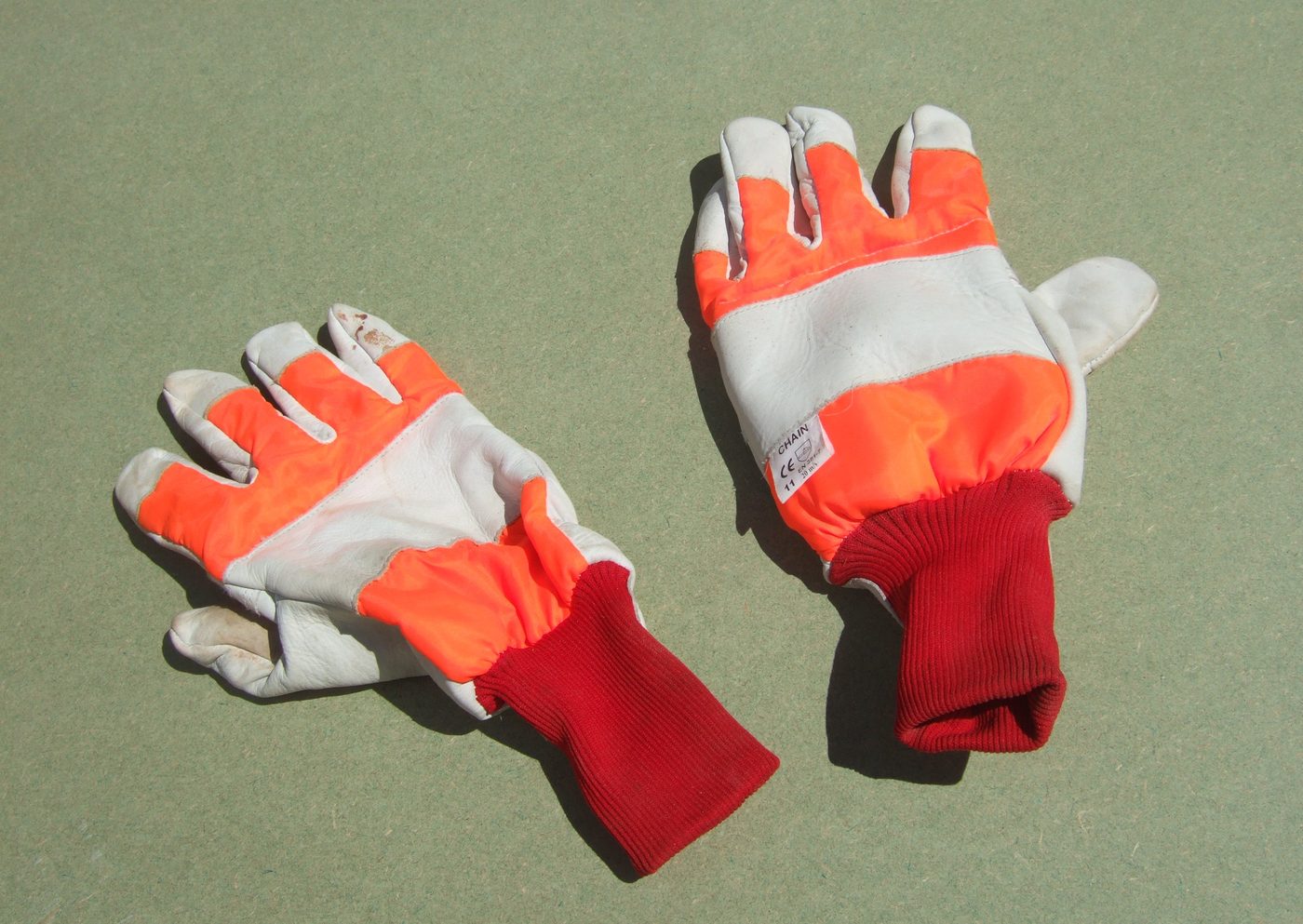
A pair of protective gloves (Source: Wikimedia Commons)
PPE plays a crucial role in preventing acute and chronic health effects associated with pesticide exposure. Farm workers without proper protection risk respiratory problems, skin diseases, eye injuries, and systemic poisoning. For example, workers at dairy farms in Nakuru County who also spray fodder crops have reported fewer respiratory complaints when consistently using PPE. PPE also helps reduce contamination of clothing, which can spread chemicals to family members after work.
Proper use and upkeep of PPE ensures it provides the intended level of protection during crop protection activities. Operators must:
Beyond wearing PPE, safe work practices enhance protection during spraying or dusting. These include:
Create a free account to open more of this chapter.
Free: practical guides, quick cards, workplace scenarios and more.
Create a free accountThis chapter covered the essential aspects of operating crop protection machinery safely and effectively. It began by emphasizing the importance of using personal protective equipment to safeguard operators from chemical exposure and physical hazards. The calibration of crop protection machinery was detailed, focusing on sprayers and dusters to ensure accurate application rates and uniform coverage. Proper operation techniques were discussed to maximize efficiency and minimize environmental impact. The chapter also addressed routine maintenance practices necessary to keep machinery in optimal working condition and prevent breakdowns. Finally, it highlighted appropriate storage methods to preserve equipment longevity and maintain safety standards. Together, these topics provide a comprehensive foundation for managing crop protection machinery in agricultural settings.
Which of the following is NOT a common type of personal protective equipment (PPE) used when operating crop protection machinery?
a) Gloves
b) Safety goggles
c) Ear plugs
d) Running shoes
(2 marks)
Explain why calibration of sprayers is critical in crop protection for animal feed crops. (3 marks)
At the start of this chapter we promised you would be able to:
Tick each one you can genuinely do.
So, are you there yet?
You're competent when you can confidently do 50% or more of what this chapter promised.
Sign in to record how you're doing.