Operating planting machinery is a critical skill for animal production professionals engaged in fodder crop establishment and pasture development. Proper use of planting equipment ensures timely and uniform sowing, which directly influences feed availability and livestock productivity. In Kenya, where smallholder and commercial farms coexist, mastering machinery operation optimizes resource use, reduces labor costs, and enhances crop establishment success. This chapter focuses on essential practices such as personal protective equipment and precise calibration of various planting machines used in animal production settings.
3.1 Personal Protective Equipment
Personal protective equipment (PPE) is essential for safeguarding operators of planting machinery from hazards associated with mechanical components, chemicals, and environmental exposure. In animal production environments like dairy farms or feed crop fields, PPE reduces the risk of injury and contamination, promoting operator safety and farm biosecurity. Understanding the correct selection, use, and maintenance of PPE is fundamental for professional machinery operation.
3.1.1 Types of Personal Protective Equipment for Planting Machinery Operators
Operators require specific PPE to protect against physical, chemical, and environmental risks encountered during machinery operation. Five key PPE types include:
- Protective Gloves: These shield hands from cuts, abrasions, and chemical exposure when handling seeds, fertilizers, or machine parts. Durable gloves reduce the risk of infections that may arise from contact with contaminated soil or manure.
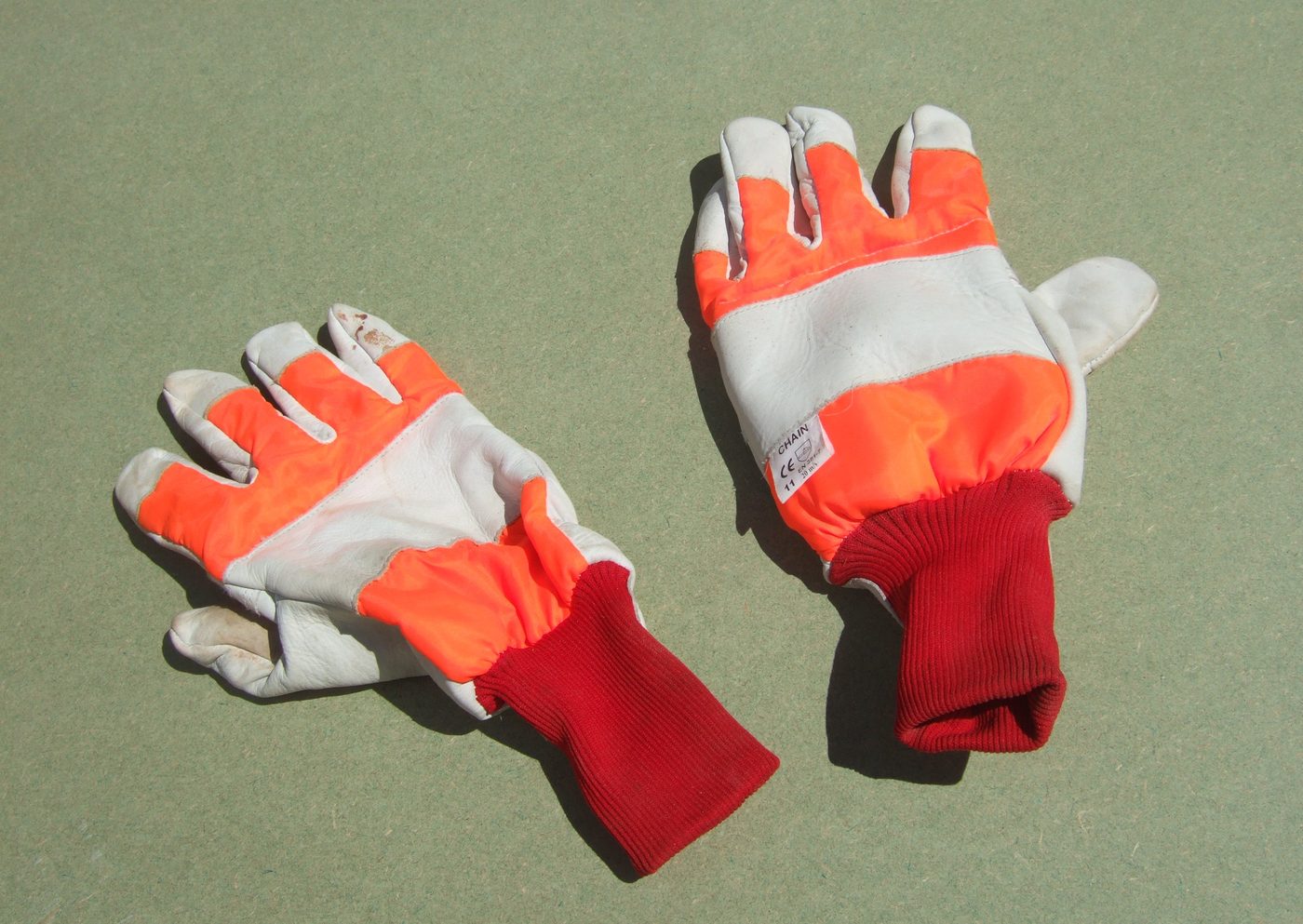
A pair of protective gloves (Source: Wikimedia Commons)
- Safety Boots: Footwear with steel toes and slip-resistant soles protects feet from heavy machinery parts and slippery surfaces common in muddy farm fields.
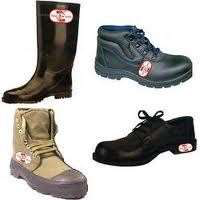
Four types of safety footwear commonly used in construction and engine (Source: PLUMB 5 LEARNING GUIDE-1 (1))
- Eye Protection: Safety goggles or face shields prevent dust, soil particles, and chemical sprays from injuring the eyes during calibration or operation.
-
Hearing Protection: Earplugs or earmuffs minimize hearing damage caused by prolonged exposure to noisy engines, especially in enclosed or poorly ventilated areas.
-
Protective Clothing: Overalls or long-sleeved shirts made from thick fabric protect skin from sunburn, insect bites, and chemical splashes, maintaining operator comfort and safety.
3.1.2 Proper Use and Maintenance of PPE in Planting Operations
Correct PPE use involves selecting appropriate equipment, wearing it consistently, and ensuring it remains in good condition. Key practices include:
- Inspection Before Use: Operators should check PPE for damage such as tears, cracks, or worn-out parts before every shift to guarantee effectiveness.
- Correct Fit: Ill-fitting gloves or boots can cause accidents; PPE must fit snugly without restricting movement.
- Cleaning After Use: Washing gloves, goggles, and clothing removes contaminants like pesticides or fertilizers, preventing skin irritation and prolonging PPE lifespan.
- Safe Storage: PPE should be stored in clean, dry places away from direct sunlight or chemicals to avoid degradation.
- Replacement Schedule: Regular replacement of disposable items like earplugs or worn-out gloves is necessary to maintain protection standards.
3.1.3 Safety Risks Mitigated by PPE in Planting Machinery Operation
PPE addresses several hazards common in planting machinery tasks, especially in animal production farms where chemical use and mechanical equipment intersect:
- Mechanical Injuries: Moving parts such as seed metering wheels can cause cuts or crush injuries without protective gloves and boots.
- Chemical Exposure: Fertilizers and pesticides used in planting can cause burns or respiratory issues, mitigated by gloves, masks, and eye protection.
- Noise-Induced Hearing Loss: Prolonged exposure to tractor and machinery noise threatens hearing ability, controlled through hearing protection.
- Dust and Debris: Soil particles and plant matter can irritate eyes and respiratory tracts; goggles and masks reduce these risks.
- Sun and Insect Hazards: Long hours in the field expose operators to sunstroke and insect bites, prevented by protective clothing and hats.
3.1.4 Regulatory and Institutional Guidelines on PPE Use in Kenya
Kenyan agricultural and occupational safety bodies provide standards and recommendations for PPE use in farm machinery operation:
- Occupational Safety and Health Act (OSHA) Compliance: Employers must provide suitable PPE and training according to OSHA regulations, ensuring worker safety.
- Kenya Plant Health Inspectorate Service (KEPHIS) Guidelines: For handling seeds and chemicals, KEPHIS advises PPE to prevent contamination and operator harm.
- County Agricultural Offices: Often conduct awareness and training sessions on safe machinery operation, emphasizing PPE importance.
- Farm Safety Protocols: Large-scale farms and cooperatives typically develop internal PPE policies aligned with national standards.
- Supplier Instructions: Machinery and chemical manufacturers provide PPE recommendations specific to their products, which operators must follow diligently.
The rest of this chapter
🔒Create a free account to open more of this chapter.
Free: practical guides, quick cards, workplace scenarios and more.
Create a free account 🔒3.2 Calibration of Planting Machinery
Calibration is the process of adjusting planting machinery to deliver the correct seed, fertilizer, or manure quantities uniformly across the field. In animal production, accurate calibration ensures optimal pasture establishment and fertilizer efficiency, dir…
🔒3.3 Operation of planting machinery
Operating planting machinery is a critical skill for animal production professionals who cultivate fodder crops and pasture seeds. Proper operation ensures seed placement accuracy, optimal germination, and efficient use of inputs, which directly affects animal…
🔒3.4 Maintenance of planting machinery
Maintenance of planting machinery is essential to ensure longevity, reliable performance, and cost-effective animal production. Because planting often occurs during narrow seasonal windows, breakdowns can cause delays that impact forage availability for livest…
🔒3.5 Storage of Planting Machinery
Proper storage of planting machinery is a critical aspect of farm machinery operation, particularly in the context of animal production farms in Kenya. Planting equipment such as seed drills, planters, and seeders are often exposed to harsh weather conditions,…
Chapter Summary
This chapter covered essential aspects of operating planting machinery on the farm, beginning with the importance of using appropriate personal protective equipment to ensure safety during machinery operation. Calibration of various planting equipment was examined in detail, including seed drills, planters, ridgers, fertilizer distributors, and manure spreaders, highlighting the need for precise adjustment to achieve optimal planting accuracy and efficiency. The practical steps involved in the operation of planting machinery were discussed, emphasizing correct handling techniques to maximize performance and crop yield. Maintenance procedures were outlined to promote the longevity and reliability of the equipment through regular inspection, cleaning, and timely repairs. Finally, the chapter addressed proper storage practices to protect machinery from environmental damage and deterioration during periods of inactivity. Together, these topics provide a comprehensive guide for effective management of planting machinery in agricultural production.
Self-Assessment
🔒 PDFDownload this self-assessment, with answers
A. Written Assessment
-
Which of the following is NOT a recommended personal protective equipment (PPE) when operating planting machinery?
a) Safety boots
b) Ear plugs
c) Open sandals
d) Protective gloves
(2 marks)
-
Explain why calibration of seed drills is critical before planting. (3 marks)
🔒20 more in this section.
Chapter Examination Questions
🔒 PDFDownload these examination questions, with worked answers
SECTION A (40 Marks) - Answer ALL Questions
- Identify five types of personal protective equipment (PPE) essential for operating planting machinery on a dairy farm in Kiambu County. (4 marks)
- Explain why calibration of seed drills is critical before planting fodder crops for dairy cattle. (4 marks)
🔒18 more in this section.
