
By the end of this chapter, you will be able to:
Mastering these skills will help you create high-quality uniforms that are safe, precise, and professional—essential for success in the clothing and textile trade!
Planning uniform construction is a critical phase in fashion design, especially when creating professional and functional attire for various sectors in Kenya. Uniforms must not only reflect the identity and values of an organization but also ensure the safety and comfort of the wearer. This chapter focuses on the integration of Personal Protective Equipment (PPE) into uniform design, a vital consideration for sectors such as healthcare, hospitality, manufacturing, and public service where safety standards are paramount.
Personal Protective Equipment (PPE) refers to clothing and accessories designed to protect the wearer from hazards that may cause injury or illness in the workplace. In Kenya, compliance with PPE guidelines is regulated by bodies such as the Ministry of Labour and Social Protection and overseen by institutions like NEMA and OSHA. For fashion designers specializing in uniform wear, understanding the types, standards, and practical integration of PPE into uniform construction enhances both wearer safety and garment functionality.
PPE encompasses all gear worn to minimize exposure to workplace hazards that can cause physical, chemical, or biological harm. Its primary purpose is to serve as the last line of defense when engineering controls or administrative actions cannot adequately reduce risks. For example, in a county hospital, nurses’ uniforms must integrate PPE elements such as gloves and masks to prevent infection transmission while maintaining professional appearance.
A pair of safety glasses (Source: RCTDS301_Drainage_system)
Hand Protection: Gloves made from materials suited to specific hazards, including latex for biological protection or leather for mechanical tasks.
Respiratory Protection: Masks and respirators that filter harmful airborne particles or gases.
A protective face mask (Source: PLUMB 5 LEARNING GUIDE-1 (1))
Incorporating PPE into uniform design requires familiarity with the various types suited to different occupational hazards. Fashion designers must select materials and garment features that accommodate PPE without compromising comfort or style, ensuring practicality alongside protection.
A safety vest icon (Source: ENVIRONMENTAL LITERACY)
Gloves: Disposable or reusable gloves tailored for specific tasks, integrated into uniform kits or pockets for easy access.
Masks and Respirators: Designed to fit securely with uniform collars or hoods, sometimes requiring adjustable fastenings.
Eye Protection: Safety goggles or face shields that can be worn over or incorporated into uniform headgear.
Footwear: Steel-capped or chemical-resistant boots that complement uniform design while meeting safety standards.
Adhering to national and international standards is essential when designing uniforms that incorporate PPE. Kenyan fashion designers must be conversant with regulatory frameworks that dictate minimum safety requirements, ensuring that uniforms not only meet aesthetic goals but also legal compliance.
The effective combination of PPE with uniform wear demands a thoughtful design process that balances protection, comfort, and corporate identity. Designers must consider fabric choice, garment structure, and accessory placement to enhance usability and wearer acceptance.
In the context of uniform wear for fashion design professionals in Kenya, understanding Personal Protective Equipment (PPE) is crucial for designing functional and compliant uniforms. PPE refers to garments and accessories intended to protect wearers from hazards in their working environment. For fashion designers tasked with creating uniforms for sectors such as healthcare, hospitality, or manufacturing, incorporating appropriate PPE elements improves safety, compliance with regulations, and user comfort. This section explores typical PPE examples relevant to uniform construction, highlighting their protective functions and design considerations.
Protective clothing forms the core of PPE in many workplaces, designed to shield the wearer from physical, chemical, or biological hazards. Fashion designers must understand the variety of protective clothing to tailor uniforms that meet specific workplace safety requirements while maintaining professionalism and comfort.
High-Visibility Vests: Used in construction and traffic management, these vests improve worker visibility. Designers must incorporate reflective materials and bright colors without compromising comfort for workers at county roadworks.
Chemical-Resistant Suits: These specialized suits protect against hazardous chemicals and require materials that are impermeable yet breathable. Workers in agricultural cooperatives handling pesticides benefit from such suits designed with safety and mobility in mind.
Head and eye protection are vital PPE components that reduce risks from falling objects, chemical splashes, or airborne particles. Fashion designers involved in uniform wear must integrate these protective elements thoughtfully to ensure compliance and wearer acceptance.
Hard Hats and Helmets: Essential in construction and manufacturing for impact protection. Uniform designers may incorporate attachment points or color coding on helmets for easy identification of staff roles in industrial settings.
Safety Goggles and Glasses: Protect eyes from dust, chemicals, and flying debris. In hospital laboratories, safety glasses can be designed with anti-fog coatings and comfortable frames to encourage consistent usage.
Face Shields: Used in medical and industrial environments to protect the entire face from splashes and impacts. Fashion designers can coordinate face shield colors or branding with uniforms for cohesive appearance.
Sun Hats and Caps: Outdoor workers such as farm laborers require protection from UV rays. Incorporating wide-brimmed hats or caps made from UV-protective fabrics into uniforms helps reduce heat stress and skin damage.
Hands and feet are particularly vulnerable to injuries in many work environments. PPE in these areas often includes gloves and protective footwear, which uniform designers must consider for both safety and functional integration with the overall uniform.
Protective Gloves: Gloves vary widely depending on hazards, from chemical-resistant gloves used by pharmacists at private clinics to cut-resistant gloves for food processing workers. Material choice affects dexterity and comfort, critical for prolonged use.
Safety Boots and Shoes: Steel-toe boots protect against heavy objects and punctures, common in warehouses and factories. Designers may specify boot styles that complement uniforms in sectors such as hospitality logistics without compromising protection.
A pair of safety boots (Source: ENVIRONMENTAL LITERACY)
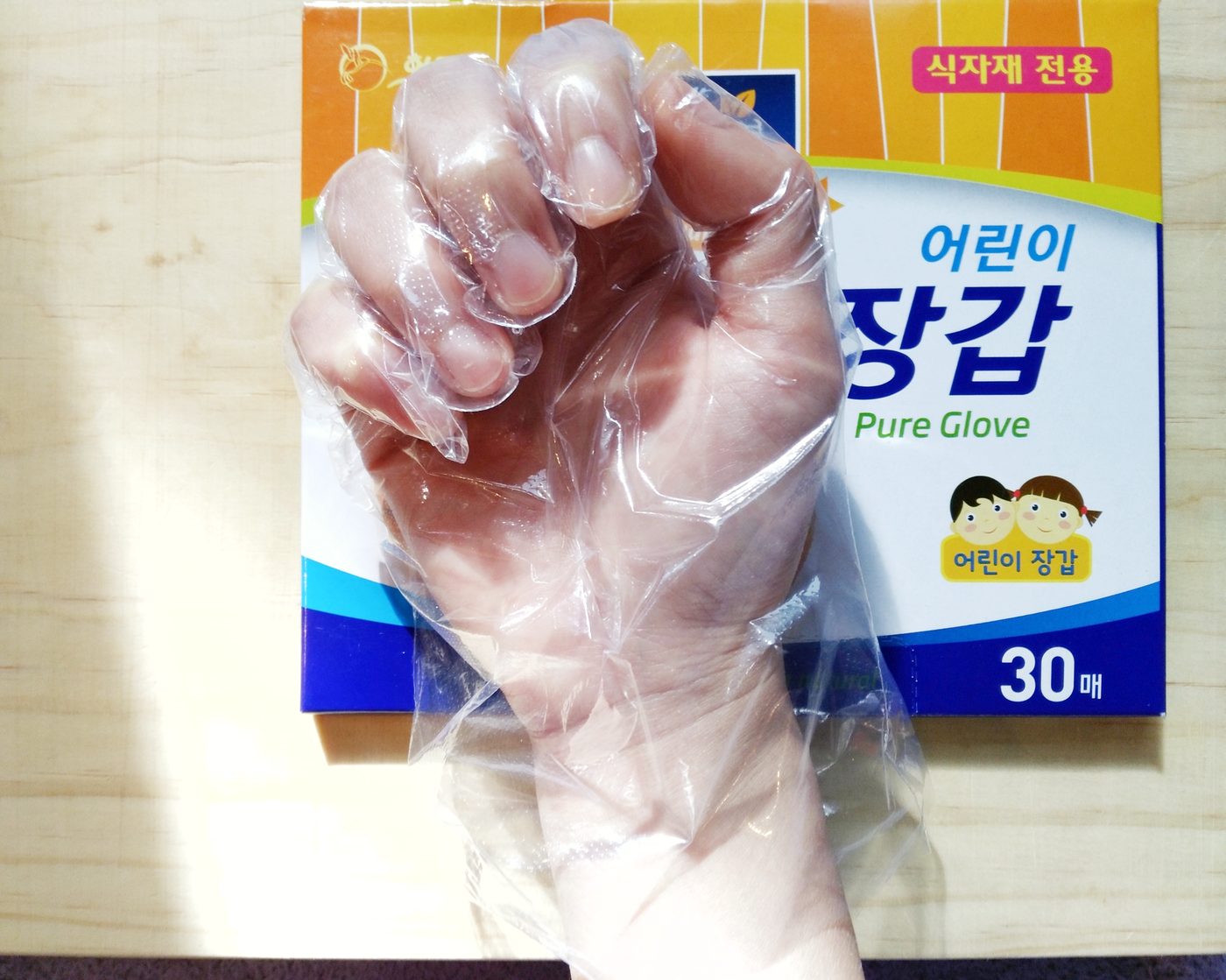
Hand wearing a clear disposable glove (Source: Wikimedia Commons)
Certain work environments require respiratory protection and other specialized PPE to safeguard workers from inhaling hazardous substances or exposure to specific risks. Fashion designers creating uniforms for such sectors must integrate these PPE elements seamlessly.
In the Kenyan fashion design industry, the dust coat serves a vital role in uniform wear, especially in professional and industrial settings. It is widely used in hospitals, laboratories, schools, and manufacturing environments to protect clothing from dirt, dust, and contaminants. For fashion designers creating uniforms, understanding the construction and functional aspects of dust coats is essential to meet client specifications and workplace safety standards while maintaining aesthetic appeal.
The dust coat is a protective garment worn over regular clothing to shield it from dust, dirt, stains, or hazardous materials. It is typically lightweight, easy to clean, and designed for practical use rather than fashion statement. In Kenya’s healthcare sector, such as at Kenyatta National Hospital, dust coats help maintain hygiene by preventing cross-contamination between patients and staff clothing. Similarly, in schools and laboratories, dust coats protect uniforms from damage during practical activities.
Designing a dust coat involves balancing functionality, comfort, and the client’s brand identity. Fashion designers must consider the work environment, user needs, and aesthetic preferences when planning the garment.
Efficient construction of dust coats requires precise pattern making and sewing techniques to ensure durability and wearer comfort. Patterns must account for ease of movement and layering over other clothing.
Ensuring the dust coat meets quality standards and occupational safety requirements is crucial, particularly for institutional clients. Fashion designers must implement quality checks during and after production.
In the Kenyan fashion design industry, particularly when designing uniforms for sectors such as healthcare, hospitality, manufacturing, and security, safety shoes are a critical component. They protect workers from foot injuries caused by hazards like sharp objects, chemical spills, and heavy equipment. Designing safety shoes within uniform wear requires understanding both functional and aesthetic aspects to ensure compliance with safety standards without compromising style and comfort.
Safety shoes are specialized footwear designed to protect the feet from workplace hazards. Their purpose extends beyond basic foot covering to include injury prevention and enhancement of worker productivity by reducing discomfort and accidents. In Kenya, institutions like county hospitals and manufacturing firms rely on safety shoes as part of their uniform policy to safeguard employees in potentially hazardous environments.
Protective Footwear: Safety shoes are made with reinforced materials such as steel or composite toe caps to prevent injuries from falling objects or compression.
Ergonomic Design: These shoes provide support and comfort to reduce fatigue during long working hours, important in sectors like hospitality and healthcare.
Safety shoes come in various types designed to address specific workplace hazards. In uniform design, selecting the appropriate type depends on the environmental risks and comfort requirements of the wearer. Kenyan industries such as food processing and county government offices require different safety shoe specifications based on their operational hazards.
Material choice and design significantly influence the functionality, durability, and wearer comfort of safety shoes. Fashion designers working on uniform wear must balance safety requirements with ergonomic and aesthetic factors to meet client expectations in diverse Kenyan workplaces.
Leather: Durable and flexible, leather is favored for its abrasion resistance and breathability, commonly used in safety shoes for hotel staff and security guards.
Rubber and PVC: These materials provide excellent water resistance and chemical protection, suitable for agricultural workers and hospital cleaners.
Composite Materials: Lightweight and non-metallic, composites prevent electrical conduction and reduce shoe weight, preferred in electrical utilities and laboratories.
Steel: Used in toe caps and midsoles for maximum protection but adds weight, often avoided where agility and comfort are priorities.
Proper maintenance extends the lifespan and effectiveness of safety shoes, ensuring continued protection and comfort. This is especially important in Kenya’s varied climates, where dust, moisture, and heat can degrade shoe materials quickly if not cared for properly.
Face masks have become an essential component of uniform wear, especially in sectors where health, safety, and hygiene are paramount. In Kenya, with the ongoing emphasis on public health due to pandemics and occupational safety regulations, integrating face masks into uniform design is a practical necessity. Fashion designers tasked with uniform construction must balance functionality, comfort, and aesthetic appeal to produce masks that meet safety standards while complementing the overall uniform. This requires understanding material selection, design considerations, and production techniques specific to face masks within the uniform context.
Choosing the right materials for face masks in uniform construction is critical to ensure protection, durability, and wearer comfort. Different occupational settings demand varying levels of filtration and breathability, influencing material choice. For instance, in healthcare settings like county hospitals, masks require high filtration efficiency, while in retail or hospitality sectors, comfort and appearance may be prioritized alongside basic protection.
Designing face masks as part of uniform wear involves balancing protection with style and corporate identity. Designers must incorporate features that ensure proper fit, ease of use, and alignment with the organization’s branding.
Efficient and quality-controlled production methods are vital when incorporating face masks into uniform sets, especially for bulk orders in institutions such as universities or SACCOs.
Face masks used in uniform construction must comply with Kenya’s health and safety regulations to ensure wearer protection and public confidence. This compliance varies according to the occupational sector and the level of risk involved.
Incorporating these standards into the design and production phases ensures that face masks not only complement the uniform aesthetically but also fulfill their protective function effectively.
The thimble is a small but essential tool in uniform garment construction, particularly in Kenya's fashion design industry where hand sewing remains a vital skill despite the prevalence of machines. It serves as a protective device for the finger used to push needles through thick or multiple layers of fabric, which is common in uniform tailoring. In uniform production for institutions such as schools, hospitals, or county government offices, the thimble improves efficiency and safety, reducing the risk of injury and enhancing stitch quality. Understanding the types, proper use, and maintenance of thimbles can significantly impact the quality and durability of uniform garments.
Various thimble types are available to suit different sewing needs, especially in uniform construction where fabric thickness and complexity vary. Each type offers specific advantages depending on the sewing task, fabric type, and user preference.
Metal thimbles, often made from steel or brass, are durable and provide excellent protection against needle pricks. They are preferred for heavy fabrics like canvas or denim used in security or industrial uniforms. Their rigid structure ensures needles do not penetrate the finger, which is critical when working with tough materials.
Leather thimbles offer flexibility and comfort, molding to the finger's shape over time. They are suitable for lighter fabrics or when sewing requires more tactile sensitivity, such as in delicate hospital uniforms or school attire. However, they provide less puncture resistance compared to metal thimbles.
These are lightweight and often used for light sewing tasks or in environments where metal detectors are present, such as in some banking or airport security uniforms. They provide moderate protection and are less durable, typically requiring frequent replacement.
Adjustable thimbles feature an open design with a band that can be resized to fit different finger sizes. This versatility makes them popular among tailors who handle various uniform sizes and need comfort during prolonged sewing sessions.
Specialty thimbles include those with textured surfaces or ergonomic designs to enhance needle grip and reduce finger fatigue. Some are designed specifically for left-handed users or for use on particular fingers, improving control and precision in stitching.
Using a thimble correctly enhances sewing efficiency and safety, particularly in uniform manufacture where precision and durability are paramount. Proper technique avoids injury and contributes to consistent stitch quality.
The thimble is traditionally worn on the middle finger or the middle finger's dominant hand, the finger that pushes the needle through fabric. This positioning provides maximum leverage and control when sewing thick or layered materials common in uniform construction.
The thimble protects the finger while pushing the needle forward through challenging fabrics such as polyester blends or heavy cotton used in uniforms. Applying pressure with the thimble helps maintain steady, even stitches without discomfort or risk of puncture.
A thimble should fit snugly but not too tight, to avoid restricting blood flow or causing discomfort during long sewing sessions. Tailors in Nairobi who produce school uniforms often adjust thimbles or switch types depending on the fabric and duration of work.
While pushing the needle, care should be taken not to press too forcefully, which can distort or damage delicate fabrics like those used in hospital uniforms. The thimble aids in controlled force application, preserving fabric integrity.
Thimble use is complemented by other sewing tools such as needles, scissors, and pins. Using the thimble correctly alongside these tools ensures efficient workflow and reduces the risk of injury or errors during uniform assembly.
Maintaining thimbles in good condition is necessary to ensure their longevity and effectiveness in uniform construction. Regular care prevents wear and tear, which can compromise protection and comfort.
Metal thimbles should be wiped clean after use to remove sweat, oils, and fabric fibers that accumulate during sewing. This prevents rust and maintains a smooth surface that facilitates easy needle pushing.
Regular inspection for cracks, dents, or worn surfaces is important, especially for metal and plastic thimbles. Damaged thimbles can cause discomfort or reduce finger protection, increasing the risk of injury.
Thimbles should be stored in a dry, clean container to avoid exposure to moisture, dirt, or corrosive substances. Fashion designers in Kenya often keep thimbles in dedicated sewing kits to ensure they remain in optimal condition.
When a thimble loses its shape or protective qualities, it should be replaced promptly. Using a worn thimble can lead to needle slips or finger injuries, which can disrupt uniform production schedules.
Occasionally, applying a light oil to metal thimbles can prevent rusting and maintain smooth needle guidance. This is particularly important in humid environments like Mombasa, where moisture can accelerate metal corrosion.
Explain the primary purpose of safety shoes in uniform wear and give examples of Kenyan work environments where they are essential. (10 marks)
Describe five types of safety shoes and their specific features suitable for different occupational hazards. (15 marks)
Discuss the key material and design considerations a fashion designer must account for when planning safety shoes as part of uniform wear. (15 marks)
Outline six steps involved in the proper maintenance and care of safety shoes to ensure their longevity and effectiveness. (12 marks)
Create a free account to open more of this chapter.
Free: practical guides, quick cards, workplace scenarios and more.
Create a free accountThis chapter provides a comprehensive overview of planning uniform construction, beginning with the importance of personal protective equipment (PPEs) and specific examples such as dust coats, safety shoes, face masks, and thimbles. It then explores the various tools and equipment used in clothing construction, detailing types of tools including measuring, finishing, basic sewing, cutting, marking, and drawing tools, as well as equipment like cutting machines, display tools, cameras, and sewing machines. The categories of clothing construction tools and equipment are further examined by grouping similar tools together, emphasizing their distinct functions in the garment-making process. Considerations for selecting appropriate tools and equipment highlight factors such as suitability for the task and durability, while care, maintenance, and proper storage ensure longevity and efficiency. The chapter also addresses clothing construction materials and supplies, covering a wide array of components including assorted belts, bows, buttons, embroidery threads, beads, papers, pencils, crayons, pins, tracing paper, elastic, fabrics, interlining, interfacing, lace, lining, ribbons, sewing threads, stiffeners, and underlining. Finally, various uniform designs are presented, spanning school uniforms, hospitality and service attire, military uniforms, and medical uniforms, illustrating the diverse applications of uniform construction principles.
Which of the following is NOT considered personal protective equipment (PPE) in uniform construction?
a) Dust coat
b) Safety shoes
c) Sewing machine
d) Face mask
(2 marks)
Explain why a thimble is important during sewing uniform garments. (3 marks)
Type: Individual
| Tools & Equipment | Materials |
|---|---|
| Measuring tape | Dust coat |
| Sewing needles | Safety shoes (flat, closed, low-heeled) |
| Scissors (cutting shears) | Thimble |
| Fabric marker chalk | Face mask |
| Sewing machine | |
| Work table/working surface |
| S/N | Item | Quantity |
|---|---|---|
| 1 | Dust coat | 1 Pc per Candidate |
| 2 | Safety shoes (flat, closed, low-heeled) | 1 Pair per Candidate |
| 3 | Thimble | 1 Pc per Candidate |
| 4 | Face mask | 1 Pc per Candidate |
| 5 | Measuring tape | 1 Pc per Candidate |
| 6 | Sewing needles | 1 Set per Candidate |
| 7 | Scissors (cutting shears) | 1 Pc per Candidate |
| 8 | Fabric marker chalk | 1 Pc per Candidate |
| 9 | Sewing machine | 1 Pc per Candidate |
| 10 | Work table/working surface | 1 Pc per Candidate |
| Items to be Evaluated | Marks Available | Marks Obtained | Comments |
|---|---|---|---|
| TASK 1: PPE Selection and Demonstration | |||
| Wears dust coat correctly (Award 1 mark for correct use of dust coat) | 1 | ||
| Wears safety shoes properly (Award 1 mark for wearing flat, closed, low-heeled shoes) | 1 | ||
| Uses thimble correctly during hand sewing (Award 1 mark for correct placement and use of thimble) | 1 | ||
| Wears face mask properly covering nose and mouth (Award 1 mark for correct use of face mask) | 1 | ||
| Observes occupational safety and health requirements by working in a well-lit and well-ventilated area (Award 1 mark each for well-lit and well-ventilated workspace) | 2 | ||
| Sub-Total | 6 | ||
| PRODUCT CHECKLIST | |||
| Candidate correctly identifies and selects all appropriate PPE before starting uniform construction (Award 1 mark each for dust coat, safety shoes, face mask, and thimble selection) | 4 | ||
| Sub-Total | 4 | ||
| GRAND TOTAL | 10 | ||
Type: Individual
| Tools & Equipment | Materials |
|---|---|
| Measuring tape 150cm | Medium weight cotton fabric 60" wide |
| Tailor's square ruler 30cm | Brown pattern paper |
| French curve ruler | |
| Chalk marker | |
| Tracing wheel |
| S/N | Item | Quantity |
|---|---|---|
| 1 | Measuring tape 150cm | 1 Pc per Candidate |
| 2 | Tailor's square ruler 30cm | 1 Pc per Candidate |
| 3 | French curve ruler | 1 Pc per Candidate |
| 4 | Chalk marker | 1 Pc per Candidate |
| 5 | Tracing wheel | 1 Pc per Candidate |
| 6 | Medium weight cotton fabric 60" wide | 2 meters per Candidate |
| 7 | Brown pattern paper | 1 meter per Candidate |
| 8 | Personal protective equipment (dust coat, thimble, low-heeled closed shoes) | 1 set per Candidate |
| 9 | Working surface | 1 per Candidate |
| Items to be Evaluated | Marks Available | Marks Obtained | Comments |
|---|---|---|---|
| TASK 1: Preparation and PPE | |||
| Wore personal protective equipment (dust coat, thimble, low-heeled closed shoes) (Award 1 mark each) | 3 | ||
| Ensured working area is well-lit and well-ventilated (Award 1 mark each) | 2 | ||
| Sub-Total | 5 | ||
| TASK 2: Identification and selection of measuring tools | |||
| Identified and selected measuring tape correctly (Award 1 mark) | 1 | ||
| Selected tailor's square ruler for right angle measurements (Award 1 mark) | 1 | ||
| Selected French curve ruler for curved markings (Award 1 mark) | 1 | ||
| Selected chalk marker and tracing wheel for marking fabric (Award 1 mark each) | 2 | ||
| Sub-Total | 5 | ||
| TASK 3: Measuring and marking fabric | |||
| Measured and marked 2000mm length on fabric accurately (Award 1 mark each) | 2 | ||
| Measured and marked 1200mm width on fabric accurately (Award 1 mark each) | 2 | ||
| Used tailor’s square ruler to mark right angles at corners (Award 1 mark each) | 2 | ||
| Used French curve ruler appropriately for any curved edges if required (Award 1 mark) | 1 | ||
| Marked cutting lines clearly with chalk and tracing wheel (Award 1 mark each) | 2 | ||
| Sub-Total | 9 | ||
| PRODUCT CHECKLIST | |||
| Fabric section measured and marked to exact dimensions: 2000mm length and 1200mm width (Award 3 marks for accuracy within ±5mm) | 3 | ||
| Right angles correctly marked at all four corners (Award 2 marks for correct 90° angles) | 2 | ||
| Curved edges (if marked) are smooth and follow French curve guideline (Award 2 marks for neat and correct curves) | 2 | ||
| Markings are clear, visible, and suitable for cutting (Award 3 marks for clarity and suitability) | 3 | ||
| Sub-Total | 10 | ||
| GRAND TOTAL | 29 | ||
At the start of this chapter we promised you would be able to:
Tick each one you can genuinely do.
So, are you there yet?
You're competent when you can confidently do 50% or more of what this chapter promised.
Sign in to record how you're doing.