Developing patterns for men’s garments is a critical skill in fashion design, particularly in Kenya’s growing apparel industry where bespoke tailoring and ready-to-wear menswear continue to expand. Precision in pattern making ensures garments fit well, are comfortable, and reflect current fashion trends, all of which enhance customer satisfaction and business success. However, the process involves handling various tools and materials that pose risks, making safety considerations paramount for designers and tailors. This chapter begins by addressing the personal protective equipment (PPE) essential for safely developing men’s garment patterns.
2.1 PPEs
Personal protective equipment (PPE) is vital in the fashion design workspace to protect designers and tailors from injuries and health hazards associated with cutting, marking, and handling fabrics and tools. In Kenya’s garment production environments, ranging from small tailoring shops in Nairobi to large textile factories in Athi River, the use of appropriate PPE safeguards workers against common risks such as cuts, chemical exposure, and repetitive strain injuries. Understanding the types, purposes, and correct usage of PPE enhances workplace safety and ensures consistent productivity.
Types of PPE in Pattern Development
Pattern development involves several activities that expose workers to different hazards requiring specific PPE for protection. The following are the main types of PPE used in men’s garment pattern making:
Eye Protection
- Safety glasses or goggles shield the eyes from fabric dust, small particles, or accidental pokes from pins and needles during pattern marking and cutting.
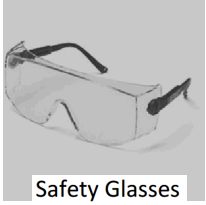
A pair of safety glasses (Source: RCTDS301_Drainage_system)
- In tailoring workshops in county government offices, eye protection prevents irritation and injury when working with sharp tools or spray adhesives.
- Protective eyewear reduces the risk of eye infections caused by dust accumulation, which is common in poorly ventilated workspaces.
- For designers working with digital patterning equipment, anti-glare glasses can reduce eye strain, improving accuracy and comfort.
- Regular cleaning and proper fitting of eye PPE maintain its effectiveness and user comfort.
Hand Protection
-
Cut-resistant gloves protect hands from accidental cuts during fabric cutting, especially when using rotary cutters or sharp scissors.
-
Gloves also provide a barrier against chemicals used in marking tools or fabric treatments, preventing skin irritation.
- In retail fashion outlets offering custom tailoring, staff benefit from hand protection to minimize injury risks during high-volume cutting sessions.
- Gloves must fit correctly to allow dexterity, ensuring precision in handling delicate pattern pieces.
- Frequent inspection and replacement of gloves are necessary to avoid wear that compromises safety.
Respiratory Protection
-
Dust masks or respirators protect against inhaling fabric fibers, dust, and chemical fumes from adhesives or sprays used in pattern making.
-
In workshops near busy roads or industrial zones in Nairobi, respiratory PPE helps reduce exposure to airborne pollutants exacerbating respiratory conditions.
- Proper mask selection depends on the type of contaminants present; for example, N95 masks filter fine particles effectively.
- Respiratory PPE also reduces allergic reactions for individuals sensitive to certain textile fibers.
- Training on correct mask fitting ensures maximum protection and comfort during extended use.
Protective Clothing
- Aprons or smocks protect personal clothing from stains, adhesives, and sharp tool damage during pattern cutting and marking.
- In educational institutions like fashion design colleges, protective clothing promotes hygiene and professionalism among students.
- Durable materials such as canvas or heavy cotton offer resistance to minor cuts and chemical spills.
- Protective clothing often includes pockets for tools, improving workflow efficiency.
- Regular laundering and maintenance prevent the accumulation of contaminants on protective garments.
Foot Protection
- Closed-toe shoes with non-slip soles protect feet from falling sharp objects like scissors or pattern weights.
- Workshops with tile or concrete floors in Nairobi’s garment manufacturing hubs require good footwear to reduce slip hazards.
- Foot protection also supports proper posture and reduces fatigue during long hours of standing.
- Shoes made of breathable materials improve comfort, preventing foot ailments.
- Footwear should be inspected regularly for wear and replaced as necessary to maintain safety standards.
Importance of PPE in Pattern Development
The use of PPE in men’s garment pattern development is not merely a regulatory requirement but a fundamental aspect of workplace safety and productivity. Its importance can be understood through multiple perspectives:
Prevention of Injuries
- PPE minimizes the risk of cuts, punctures, and abrasions common during fabric handling and cutting, reducing downtime due to accidents.
- Eye protection prevents injuries from flying debris or accidental contact with sharp tools.
- Respiratory masks prevent inhalation of harmful fibers, reducing respiratory illnesses among garment workers.
Enhancing Work Efficiency
- Workers who feel safe are more confident and focused, leading to higher accuracy in pattern development.
- Proper PPE use reduces absenteeism caused by work-related injuries or illnesses.
- Protective clothing allows workers to handle materials without fear of damage or contamination, streamlining the workflow.
Compliance with Occupational Safety Regulations
- Kenyan workplaces must adhere to the Occupational Safety and Health Act, which mandates the provision and use of PPE.
- Compliance avoids legal penalties and enhances the reputation of fashion businesses.
- Many clients, especially international buyers, require documented safety practices, including PPE usage, before placing orders.
Promoting Professionalism
- Consistent use of PPE reflects a professional attitude toward workplace safety and quality.
- It fosters a culture of care and responsibility, essential for teamwork in fashion design studios.
- Fashion institutions like universities integrate PPE training to prepare students for industry standards.
Reducing Long-Term Health Risks
- Continuous exposure to fabric dust and chemicals without PPE can lead to chronic respiratory or skin conditions.
- Using PPE mitigates these risks, preserving the long-term health of garment workers.
- Employers benefit from reduced healthcare costs and improved workforce longevity.
Proper Use and Maintenance of PPE
Correct use and upkeep of PPE ensure it performs effectively and provides the intended protection during pattern development activities. Tailors and designers in Kenya’s fashion workshops must be trained on these practices:
Correct Usage
- Select PPE suitable for the specific hazard and task, such as cut-resistant gloves for cutting and dust masks when working with adhesives.
- Ensure PPE fits properly; ill-fitting equipment can reduce protection and cause discomfort.
- Follow manufacturer instructions for wearing and removing PPE to avoid contamination.
- Use PPE consistently during all relevant activities to maintain safety standards.
- Replace disposable PPE, such as masks, after each use or when soiled.
Cleaning and Storage
- Clean reusable PPE regularly according to manufacturer guidelines to remove contaminants.
- Store PPE in clean, dry areas away from direct sunlight or chemicals to prevent degradation.
- Inspect PPE before use for signs of wear, damage, or loss of function.
- Maintain a PPE log for tracking usage and replacement schedules in larger workshops.
- Educate staff on proper disposal methods for single-use PPE to avoid environmental hazards.
Training and Awareness
- Conduct regular safety training sessions emphasizing the importance of PPE in preventing injuries.
- Use demonstrations to show correct donning and doffing techniques.
- Encourage reporting of PPE defects or shortages to management promptly.
- Promote a safety culture where PPE use is normalized and enforced.
- Integrate PPE education into fashion design curricula at polytechnics and universities.
Monitoring and Enforcement
- Supervisors should monitor PPE compliance during pattern development processes.
- Implement disciplinary measures for non-compliance to reinforce safety policies.
- Provide incentives or recognition for consistent PPE use to motivate workers.
- Regularly review PPE policies to incorporate new safety standards or technologies.
- Collaborate with occupational health officers for audits and improvements.
Challenges in PPE Adoption and How to Overcome Them
While PPE is critical, its adoption in Kenyan fashion design environments faces several challenges that require strategic interventions:
Comfort and Fit Issues
- PPE that is uncomfortable or poorly fitting discourages consistent use among tailors and designers.
- Solutions include sourcing PPE designed for the local climate and body sizes, such as breathable gloves and adjustable goggles.
- Workshops can allow workers to select PPE that fits best within safety standards.
- Feedback mechanisms help identify comfort-related issues for timely resolution.
- Training on proper fitting techniques enhances comfort and compliance.
Cost Constraints
- Small-scale tailoring businesses may find PPE costs burdensome, limiting access to quality equipment.
- Bulk purchasing cooperatives or supplier partnerships can reduce costs.
- County governments and industry associations can provide subsidies or PPE distribution programs.
- Emphasizing the cost-benefit of injury prevention encourages investment in PPE.
- Recycling and reusing PPE where safe reduces expenses without compromising safety.
Lack of Awareness and Training
- Some workers underestimate the risks of pattern development tasks and neglect PPE use.
- Continuous education campaigns by fashion design institutions and industry bodies raise awareness.
- Including PPE training in apprenticeship programs ensures early adoption of safe practices.
- Visual reminders and signage in workshops reinforce PPE importance.
- Peer mentoring encourages adoption through role modeling.
Maintenance and Replacement Challenges
- PPE can degrade over time, but some users delay replacement due to lack of knowledge or resources.
- Establishing maintenance schedules and clear replacement criteria helps maintain PPE effectiveness.
- Training on PPE care increases longevity and safety.
- Employers should budget for regular PPE procurement as part of operational costs.
- Collaboration with suppliers for warranty and support services improves PPE sustainability.
Cultural and Behavioral Barriers
- Some workers may perceive PPE as unnecessary or stigmatizing, affecting adherence.
- Leadership by example from supervisors and senior designers fosters positive attitudes.
- Integrating PPE use into standard operating procedures institutionalizes safe behavior.
- Recognizing and rewarding PPE compliance shifts workplace culture positively.
- Addressing myths and misconceptions through open dialogue promotes acceptance.
Dust coat
In the Kenyan fashion industry, the dust coat remains a staple garment for gents, especially in professional and formal settings. It is valued for its protective function as well as its stylistic versatility, commonly worn by professionals in banks, county offices, and educational institutions to protect clothing from dust and dirt. Developing accurate patterns for dust coats demands understanding both traditional tailoring principles and contemporary fashion trends to meet local market expectations.
Definition and Purpose of a Dust Coat
A dust coat is a lightweight, loose-fitting overgarment designed to protect the wearer’s underlying clothing from dust, dirt, and minor abrasions. In Kenya, dust coats are often used by professionals who need to maintain a neat appearance throughout the workday, such as laboratory technicians, teachers, and administrative staff in hospitals and universities.
Definition of Dust Coat
- A dust coat is a long-sleeved outer garment, typically knee-length or longer, worn over regular clothing.
- It is generally made from durable but breathable fabrics like cotton or polyester blends to allow comfort during prolonged wear.
- The design emphasizes ease of wear and removal, often featuring simple closures such as buttons or zippers.
- It is unlined or lightly lined to keep the garment light and practical for daily use.
- Dust coats can be plain or styled with minimal decorative elements, focusing on functionality over fashion.
Purpose of Dust Coat
- Protection: It shields the wearer’s clothes from dust, stains, and minor spills, maintaining a professional appearance.
- Hygiene: In healthcare and laboratory settings, dust coats help maintain sanitary conditions by preventing contamination.
- Uniformity: Organizations such as hospitals and schools use dust coats to create a uniform look among staff, enhancing professionalism.
- Comfort: The loose fit allows free movement and breathability, which is essential in Kenya’s warm climate.
- Identification: Dust coats often carry logos or badges that identify the wearer’s institution or department, aiding security and organization.
Key Design Features and Style Elements
Designing a dust coat pattern requires attention to specific features that balance protection, comfort, and style. These features must be adapted to suit Kenyan professionals’ needs, who require garments that function well in both indoor and outdoor environments.
Length and Fit
- Dust coats typically extend to just above the knee or mid-thigh, providing sufficient coverage without restricting movement.
- The fit is generally relaxed to accommodate layering of clothing underneath, especially in colder seasons or air-conditioned offices.
- Sleeve length is usually full, ending at the wrist, to provide maximum arm coverage.
- The shoulder area is designed with enough ease to allow unrestricted arm movement, essential for tasks such as writing or handling equipment.
- Side seams may include vents or slits to enhance mobility and ventilation.
Collar and Neckline
- Common collar styles include classic shirt collars, mandarin collars, or simple round necks, chosen for ease of wear and neat appearance.
- The neckline should be comfortable and not restrictive, allowing the wearer to move their head freely without discomfort.
- Collar designs often reflect institutional preferences; for example, hospitals may prefer mandarin collars for a clean, professional look.
- Neckline finishing must be durable to withstand frequent washing and wear.
- Some dust coats feature concealed fastenings at the neck to maintain a streamlined appearance.
Closure Types
- Button closures are the most common, offering adjustability and ease of repair.
- Zippers may be used in modern designs for speed and convenience, especially in fast-paced work environments.
- Snap buttons provide an alternative closure that is quick to open and close but can be less durable.
- Some dust coats incorporate a placket to cover buttons or zippers, enhancing the garment’s aesthetic and protecting fasteners.
- Closures may be single-breasted or double-breasted depending on the style and level of formality required.
Pattern Development Considerations for Dust Coats
Creating a precise pattern for a dust coat involves several technical considerations that ensure the garment fits well, functions effectively, and meets the expectations of Kenyan professionals who wear them daily.
Fabric Selection and Grain Alignment
- Cotton and polyester blends are preferred for their durability, ease of cleaning, and breathability.
- The fabric grain must be aligned correctly to avoid distortion and maintain garment shape after repeated use.
- Attention to fabric weight is critical; too heavy fabric reduces comfort, while too light fabric compromises protection.
- Pattern pieces should be laid out efficiently on the fabric to minimize waste, an important factor for cost control in Kenyan tailoring businesses.
- Fabric stretch properties affect ease allowances, especially in the sleeve and shoulder areas.
Ease and Allowances
- Ample ease is added to the chest, back, and sleeves to allow full range of motion and layering.
- Seam allowances typically range between 1.5 cm to 2 cm, providing sufficient margin for adjustments during fitting.
- Hem allowances must be wide enough to allow for neat finishing and to withstand frequent washing.
- Ease around the neckline and collar must balance comfort with the garment’s protective purpose.
- Pattern markings for darts or pleats are minimized to maintain the dust coat’s loose silhouette.
Pattern Pieces and Construction Details
- The basic pattern includes front and back bodice, sleeves, collar, cuffs, and facings or plackets for closures.
- Front panels may incorporate pockets for practicality, positioned within easy reach without compromising the garment’s clean lines.
- Sleeve caps are drafted with sufficient height to allow for arm movement without pulling or wrinkling.
- Back patterns may include pleats or gathers to add volume and ease of movement.
- Seam finishes must be robust, using techniques such as overlocking to prevent fraying due to frequent laundering.
Safety shoes
In the Kenyan fashion design industry, especially within the gents’ wear segment, safety shoes are a crucial element for professionals working in garment production environments. Whether in tailoring workshops, textile factories, or design studios, safety footwear protects personnel from injuries caused by sharp tools, heavy materials, and slippery floors. For fashion designers and pattern makers, understanding the types and significance of safety shoes ensures compliance with occupational safety standards while enhancing workplace productivity and comfort.
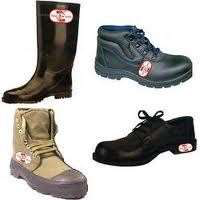
Four types of safety footwear commonly used in construction and engine (Source: PLUMB 5 LEARNING GUIDE-1 (1))
Purpose and Importance of Safety Shoes in Fashion Workshops
Safety shoes serve as a fundamental protective gear against workplace hazards common in garment production. Their purpose extends beyond mere foot covering to ensuring the wearer’s safety and supporting long hours of standing or movement in workshops.
Purpose of Safety Shoes
- Protection from Sharp Objects: Tailoring environments often have needles, scissors, pins, and cutting tools scattered on the floor. Safety shoes prevent puncture wounds and cuts by providing a tough outer layer.
- Impact Resistance: Heavy materials such as bolts of fabric, sewing machines, or equipment may accidentally fall. Safety shoes with reinforced toes shield feet from crushing injuries.
- Slip Resistance: Floors in tailoring workshops can be slippery due to fabric dust or spilled liquids. Safety shoes with specially designed soles reduce the risk of slips and falls.
- Electrical Hazard Protection: Some safety shoes are designed to insulate against electrical shocks, protecting workers who operate electric sewing machines or pressing equipment.
- Support and Comfort: Extended standing periods require shoes that provide ergonomic support to reduce foot fatigue and musculoskeletal disorders.
Importance of Safety Shoes
- Compliance with Occupational Safety Laws: Kenyan labour laws and OSHA guidelines require workplaces to provide personal protective equipment, including safety footwear, to minimize injury risks.
- Reduction in Workplace Injuries: Proper safety footwear decreases the frequency and severity of foot injuries, lowering medical costs and absenteeism in garment production units.
- Enhanced Worker Confidence and Productivity: When employees feel protected, they perform tasks more efficiently without fear of injury.
- Professional Image: In institutions like the Kenya School of Fashion Design, adherence to safety protocols, including wearing safety shoes, reflects professionalism and commitment to quality.
- Cost Savings for Employers: Investing in durable safety shoes reduces compensation claims and the costs associated with work disruptions due to accidents.
Types and Features of Safety Shoes Suitable for Gents’ Garment Workshops
Selecting appropriate safety shoes requires knowledge of the types available and the features that match the specific hazards in fashion design environments.
Types of Safety Shoes
- Steel Toe Boots: These have reinforced steel caps protecting toes from heavy impacts, ideal for areas where heavy fabric rolls or equipment are handled.
- Composite Toe Shoes: Made from non-metal materials, these shoes offer similar protection to steel toes but are lighter and non-conductive, suitable for workshops with electrical equipment.
- Slip-Resistant Shoes: Equipped with soles designed to prevent slipping on smooth or oily surfaces, these are essential in tailoring areas prone to spills.
- Puncture-Resistant Shoes: Featuring thick soles or plates to prevent penetration from sharp objects like pins or needles, crucial in sewing and cutting areas.
- Electrical Hazard (EH) Shoes: Designed to insulate against electric shocks, these are recommended where electric sewing machines and pressing irons are frequently used.
Key Features of Safety Shoes
- Durable Outer Material: Leather or synthetic uppers resist wear and tear from constant movement and exposure to sharp objects.
- Reinforced Toe Caps: Protect toes from crushing injuries; the choice between steel and composite depends on workshop needs.
- Comfortable Insoles: Cushioning reduces foot strain during long working hours, enhancing productivity.
- Breathability: Perforated or mesh panels improve airflow, preventing excessive sweating in Kenya’s warm climate.
- Slip-Resistant Soles: Rubber or polyurethane soles with tread patterns provide grip on slippery floors common in garment workshops.
Selection Criteria and Maintenance of Safety Shoes in the Kenyan Fashion Industry
Choosing the right safety shoes and maintaining them effectively ensures prolonged protection and cost efficiency for fashion design professionals.
Selection Criteria
- Hazard Assessment: Identify specific risks in the workshop such as heavy objects, sharp tools, or slippery surfaces to match shoe features accordingly.
- Comfort and Fit: Shoes must fit well to avoid blisters or discomfort, considering that fashion designers and tailors spend many hours standing.
- Durability: Preference should be given to shoes made from high-quality materials that withstand the rigours of garment production environments.
- Compliance with Standards: Shoes should meet recognized safety standards such as KS (Kenya Standards) or international equivalents like ASTM or ISO.
- Cost vs. Benefit: While safety shoes may be more expensive initially, investing in quality footwear reduces replacement frequency and injury-related costs.
Maintenance of Safety Shoes
- Regular Cleaning: Remove dust and dirt after each use with a soft brush or damp cloth to prevent material degradation.
- Conditioning Leather: Use leather conditioners periodically to maintain flexibility and prevent cracking, especially in leather uppers.
- Inspection for Damage: Check soles and toe caps regularly for wear or cracks that could compromise protection.
- Proper Storage: Store shoes in a dry, ventilated place to avoid moisture buildup that leads to fungal infections or material damage.
- Replacement Schedule: Set a timeline for replacing safety shoes, typically every 6 to 12 months depending on usage intensity and wear.
Safety Regulations and Worker Compliance in Kenyan Garment Workshops
Adhering to safety standards and fostering compliance among garment workshop workers protects lives and aligns with legal requirements.
Safety Regulations
- Occupational Safety and Health Act (OSHA) Kenya: Mandates provision of personal protective equipment, including safety footwear, to minimize workplace hazards.
- Kenya Bureau of Standards (KEBS): Provides specifications for protective footwear to ensure quality and safety.
- Factory Act Regulations: Requires employers to enforce use of safety gear and maintain a hazard-free working environment.
- Workplace Safety Policies: Many garment firms and design schools develop internal safety manuals that include footwear protocols.
- Training and Awareness: Regular safety training sessions ensure workers understand the importance and correct use of safety shoes.
Worker Compliance
- Enforcement by Supervisors: Managers and safety officers should monitor and enforce the mandatory use of safety shoes in workshops.
- Incentive Programs: Reward systems for consistent use of safety equipment encourage compliance among tailoring staff.
- Feedback Mechanisms: Workers should be able to report discomfort or defects in safety shoes to management for timely resolution.
- Integration in Work Culture: Embedding safety shoe use into daily routines makes compliance habitual and reduces resistance.
- Disciplinary Measures: Clear consequences for non-compliance reinforce the seriousness of safety protocols in garment production environments.
Face mask
Face masks have become an essential component of gents’ wear in Kenya, especially following the global COVID-19 pandemic. Beyond their health and safety function, face masks are increasingly regarded as fashion accessories that complement a gentleman’s outfit. For Kenyan fashion designers, developing patterns for face masks involves balancing comfort, protection, and style, while considering local preferences and materials. This section explores the key aspects of creating effective and appealing face mask patterns in the context of gents’ fashion design.
Design Considerations for Gents’ Face Masks
Designing face masks for men requires attention to both functional and aesthetic factors. The mask must fit comfortably on the face while allowing ease of breathing and speaking, but it should also align with masculine style preferences common in Kenya’s urban and rural settings.
Functional Requirements
- Comfortable Fit: The mask should cover the nose, mouth, and chin snugly without excessive tightness, ensuring it stays in place during daily activities such as commuting or office work.
- Breathability: Materials and pattern design must allow air circulation to prevent discomfort and moisture build-up, critical for users in warm Kenyan climates.
- Adjustability: Incorporating features like adjustable ear loops or ties helps accommodate different face shapes and sizes, enhancing usability.
- Durability: The mask pattern should support multiple washes without shape distortion, important for sustainability and cost-effectiveness.
- Protection: The design must allow for multiple fabric layers or filter pockets to meet health guidelines while maintaining wearer comfort.
Aesthetic Considerations
- Style Alignment: Patterns should complement traditional and contemporary men’s wear styles, incorporating clean lines and subtle shapes that appeal to Kenyan men’s fashion sensibilities.
- Fabric Choice Compatibility: Pattern design should consider the fabric's weight and stretch to maintain the mask’s silhouette and comfort.
- Customization Potential: Allowing for elements like embroidery or branded logos can make masks suitable for corporate or social settings.
- Color Coordination: The pattern should enable masks to coordinate with common men’s wear palettes, such as earth tones, navy, black, and grey.
- Minimalist Detailing: Designs that avoid excessive embellishment tend to be preferred for professional or formal environments.
Pattern Components and Construction Techniques
Developing a face mask pattern involves identifying essential components and applying precise construction techniques to ensure the final product meets design and functional goals.
Components of a Face Mask Pattern
- Main Body Panel: The primary fabric piece that covers the nose and mouth, often contoured to follow facial curves.
- Nose Bridge Area: A section designed to accommodate a flexible nose wire or insert, improving fit and reducing fogging for eyeglass wearers.
- Ear Loops or Ties: Attachment points for securing the mask, which can be elastic bands or fabric ties depending on design preference.
- Filter Pocket: An optional inclusion that allows insertion of replaceable filters, increasing protective capacity.
- Seam Allowances: Margins included for sewing, critical for durability and shape retention.
Construction Techniques
- Darting and Pleating: Techniques like darts or box pleats shape the mask to the contours of the face, enhancing comfort and fit.
- Topstitching: Reinforces edges and secures layers, also serving a decorative function when done with contrasting thread.
- Edge Finishing: Use of bias binding or double folding hems to prevent fraying and improve aesthetics.
- Insertion of Nose Wire: Creating a casing or channel in the pattern for a flexible wire allows users to mold the mask over the nose.
- Seam Reinforcement: Applying backstitching or bar tacks at stress points like ear loop attachments increases durability.
Example: A designer at a Nairobi-based fashion boutique developed a gents’ mask with a contoured main panel, adjustable ear loops, and a hidden filter pocket, using topstitching in a complementary thread color to add a subtle design detail.
Measurement and Sizing for Gents’ Face Masks
Accurate measurement is critical in pattern development to ensure the mask fits a diverse range of male faces in Kenya, from young adults to older men.
Key Measurements to Take
- Face Length: From the bridge of the nose to the bottom of the chin, determines the vertical dimension of the mask.
- Nose Width: The horizontal width at the nose bridge, guiding the width of the nose area in the pattern.
- Cheek Width: Distance from one cheekbone to the other, influencing the width across the face.
- Jawline Circumference: Measurement around the jawline, affecting the contour and fit under the chin.
- Ear to Ear Length: Distance from one ear to the other over the face, helping to position ear loops properly.
Sizing Strategies
- Standard Sizes: Creating small, medium, and large sizes based on average Kenyan male facial dimensions allows efficient production and retail.
- Adjustable Features: Incorporating adjustable ear loops or ties accommodates individual fit variations.
- Ease Allowance: Adding appropriate ease in pattern dimensions ensures comfort without compromising protection.
- Prototyping: Producing sample masks for fit trials on models representing different age groups and facial structures refines pattern accuracy.
- Grading: Systematic scaling of the base pattern to create a range of sizes that maintain design integrity.
Example: A designer working with a SACCO in Eldoret developed a size chart for male employees based on local anthropometric data to produce masks that fit well across the workforce, improving compliance with health protocols.
Fabric Selection and Material Considerations for Face Masks
Choosing the right fabric is vital for both the protective function and the aesthetic appeal of gents’ face masks. Kenyan designers must balance availability, cost, and performance.
Characteristics of Suitable Fabrics
- Breathability: Natural fibers like cotton allow air passage while filtering particles; essential for wearer comfort in hot climates.
- Weave Density: Tightly woven fabrics provide better filtration but may reduce breathability; a balance is necessary.
- Durability: Fabrics should withstand repeated washing and maintain shape and color, important for reusable masks.
- Skin-Friendliness: Materials must be non-irritating, especially for men with sensitive skin or facial hair.
- Aesthetic Qualities: Fabrics with matte finishes or subtle textures often better suit formal and semi-formal gents’ wear.
Common Fabric Choices in Kenya
- 100% Cotton: Widely available and affordable, cotton is favored for its softness and breathability.
- Cotton-Polyester Blends: These offer enhanced durability and wrinkle resistance but may reduce breathability slightly.
- Wax Prints: Used to add cultural flair, though usually for casual or statement masks rather than formal wear.
- Non-Woven Fabrics: Often reserved for disposable masks but sometimes incorporated as filter layers in reusable masks.
- Lining Fabrics: Soft, lightweight cotton or muslin used inside the mask for comfort against the skin.
Example: At a Nairobi hotel chain, designers created masks using high-quality cotton with a subtle pinstripe pattern to complement staff uniforms, ensuring both professionalism and compliance with health regulations.
Thimble
Definition and Purpose of a Thimble
The thimble is a small protective device worn on the finger, typically the middle finger, to shield it from needle pricks during hand sewing. Its primary purpose is to provide a firm surface against which the needle can be pushed without injury, enabling the tailor to exert more control and force without discomfort. In Kenyan tailoring workshops, where hand sewing remains prevalent for detailed finishing on gents’ garments, the thimble is essential for maintaining workflow and safeguarding health.
Definition of a Thimble
- A thimble is a cap-like tool, usually made of metal, plastic, or leather, designed to fit snugly over the fingertip.
- It features a dimpled or textured surface to prevent the needle from slipping while pushing it through fabric.
- The thimble’s design allows it to distribute pressure evenly across the finger, reducing strain during repetitive sewing motions.
- In fashion design, it is part of the essential toolkit for hand stitching, especially in delicate or intricate work on collars, cuffs, and pocket details.
- Its use is particularly important in handling heavy fabrics like denim, canvas, or wool blends commonly used for men’s outerwear.
Purpose of a Thimble
- Protects the finger from needle punctures, preventing injuries that could lead to infection or work stoppages.
- Enables the tailor to apply greater pressure when pushing needles through thick or multiple fabric layers without fear of injury.
- Improves precision by providing a stable surface, allowing for consistent and even stitches essential in professional gents’ wear construction.
- Enhances speed by reducing discomfort, enabling tailors to sew for longer periods efficiently.
- Supports ergonomic hand positioning, reducing fatigue and long-term strain in manual sewing tasks.
Types and Materials of Thimbles
Thimbles come in various shapes and materials, each suited to different sewing needs and preferences. In Kenya’s tailoring industry, the choice of thimble often depends on the fabric type, sewing technique, and personal comfort, with tailors frequently selecting the one that best fits their style and the demands of gents’ garment patterns.
Types of Thimbles
- Closed-top thimbles: These have a solid top, offering maximum protection, ideal for heavy-duty sewing on thick fabrics like leather or wool.
- Open-top thimbles: These lack a closed top, allowing for more tactile sensitivity and are preferred for delicate hand sewing, such as on fine shirt fabrics.
- Adjustable thimbles: Equipped with adjustable bands to fit different finger sizes, useful in workshops with multiple users or for tailors with varying finger dimensions.
- Sewing ring thimbles: Worn like a ring, these offer protection mainly on the side of the finger, suitable for quick fixes and less intensive sewing.
- Ergonomic thimbles: Designed with comfort in mind, featuring soft inner linings or ergonomic shapes to reduce finger fatigue during prolonged use.
Materials Used in Thimbles
- Metal (steel, brass, aluminum): Durable and provides excellent protection; commonly used in Kenyan tailoring shops for heavy fabrics.
-
Plastic: Lightweight and affordable, suitable for light sewing or beginners but less durable.
-
Leather: Offers flexibility and comfort, often used by tailors working with thick leather or in traditional crafts.
black and brown leather wallet (Source: Wikimedia Commons)
- Rubber or silicone: Sometimes used as finger caps to enhance grip, though less protective against needle punctures.
- Combination materials: Some thimbles combine metal with soft inner linings to balance protection and comfort.
Proper Use and Maintenance of a Thimble
Correct use and maintenance of a thimble ensure its effectiveness and longevity, which is vital for Kenyan tailors working in fast-paced environments such as garment factories or bespoke tailoring boutiques. Proper technique prevents hand injuries and maintains the quality of hand stitching essential in gents’ wear pattern development and garment finishing.
Proper Use of a Thimble
- Always wear the thimble on the middle finger or the finger most used to push the needle, ensuring a snug fit to prevent slipping.
- Use the dimpled surface of the thimble to push the needle through fabric, applying steady pressure to maintain stitch consistency.
- Avoid forcing the needle excessively; the thimble aids pressure but does not replace careful handling.
- Switch the thimble to the other hand if working on different angles or stitching positions to protect both hands.
- Remove the thimble periodically to check for signs of wear or discomfort during extended sewing sessions.
Maintenance of a Thimble
- Clean metal thimbles regularly with a soft cloth to remove dirt and prevent rust, especially in humid Kenyan climates.
- Inspect for dents or damage that could cause needle slippage or finger injury; replace if the surface becomes uneven.
- Store thimbles in a dry, secure container to avoid loss and maintain their condition.
- For leather thimbles, apply appropriate conditioners to keep the material supple and prevent cracking.
- Avoid exposing plastic thimbles to high heat or chemicals that could deform or weaken them.
Safety and Ergonomic Considerations When Using a Thimble
Using a thimble correctly is not only about protection but also about ensuring ergonomic safety to prevent repetitive strain injuries common among Kenyan tailors. Effective use promotes comfortable hand positioning and reduces the risk of musculoskeletal disorders, enabling professionals to maintain productivity and health in tailoring workshops.
Safety Considerations
- Always ensure the thimble fits properly; an ill-fitting thimble can slip, causing needle injuries or hand fatigue.
- Replace worn or damaged thimbles promptly to maintain adequate protection.
- Avoid using a thimble with sharp edges or rough surfaces that could injure the skin.
- Keep nails trimmed short to prevent interference with the thimble and avoid accidental punctures.
- Maintain a clean workspace to reduce the risk of infections from needle pricks.
Ergonomic Considerations
- Use thimbles designed for comfort, such as those with soft linings or ergonomic shapes, to reduce finger strain.
- Take regular breaks during intensive hand sewing to stretch fingers and hands, preventing stiffness.
- Position hands and fabric at comfortable angles to minimize awkward wrist movements.
- Alternate fingers or hands when sewing to distribute workload and avoid overuse injuries.
- Tailors in busy Nairobi tailoring workshops often combine thimble use with ergonomic hand exercises to sustain long working hours.
Practice Questions
-
Explain five types of personal protective equipment essential in men’s garment pattern development and their specific uses. (10 marks)
-
Discuss the importance of PPE in ensuring safety and productivity in Kenyan fashion design workshops. (10 marks)
-
Describe six steps to ensure the proper use and maintenance of PPE in a tailoring workshop. (12 marks)
-
Identify four challenges faced in adopting PPE among fashion design professionals in Kenya and suggest ways to overcome each. (12 marks)
- Explain the dual role of a dust coat in Kenyan professional settings and how this influences its design. (10 marks)
- Identify and describe five key design features of a dust coat that ensure both functionality and comfort. (10 marks)
- Discuss six technical considerations that must be accounted for when developing a dust coat pattern for Kenyan professionals. (12 marks)
- Calculate the total fabric length required for a dust coat if the garment length is 100 cm, with an additional 15% for hems and allowances, given the fabric width is 150 cm. Show your working. (8 marks)
- Explain the primary purposes of safety shoes in a gents’ garment workshop and discuss why they are important in Kenya’s fashion industry. (10 marks)
- List and describe five types of safety shoes suitable for use in tailoring workshops, highlighting their key features. (15 marks)
- Describe six steps involved in selecting appropriate safety shoes for employees in a garment production environment. (12 marks)
- Outline five maintenance practices that ensure the longevity and effectiveness of safety shoes used in fashion design workshops. (10 marks)
- Discuss the role of Kenyan safety regulations in enforcing the use of safety shoes in garment workshops and suggest ways to improve worker compliance. (13 marks)
- Explain five key functional requirements that must be considered when designing a face mask pattern for men. (10 marks)
- Describe the components of a face mask pattern and their significance in construction. (10 marks)
- Outline the steps a designer should take to measure and size face masks for a diverse male population. (12 marks)
- Discuss the advantages and disadvantages of different fabric types used in making reusable gents’ face masks. (8 marks)
- Explain the primary purpose of a thimble in hand sewing and why it is particularly important in the production of gents’ wear. (5 marks)
- Describe five different types of thimbles and the materials they are commonly made from, highlighting their suitability for various sewing tasks. (10 marks)
- Outline six steps for the proper use and maintenance of a thimble in a tailoring workshop. (12 marks)
- Discuss five safety and ergonomic considerations that Kenyan tailors should observe when using a thimble to prevent injury and strain. (10 marks)
The rest of this chapter
🔒Create a free account to open more of this chapter.
Free: practical guides, quick cards, workplace scenarios and more.
Create a free account 🔒2.2 Gents’ garment pattern pieces development
Developing pattern pieces for gents’ garments is a foundational skill in fashion design, especially for diploma-level professionals working in Kenya’s dynamic apparel industry. Precision in pattern development ensures garments fit well, look stylish, and meet…
🔒2.3 Pattern instructions
In Kenyan fashion design practice, especially in the gents’ wear sector, clear and precise pattern instructions are essential for effective communication between the designer, pattern cutter, and tailor. These instructions ensure that the final garment accurat…
🔒2.4 Cutting of the gents pattern pieces
Cutting is a critical stage in the production of gents’ wear garments, where precision and careful handling directly affect the quality and fit of the finished product. In the Kenyan fashion industry, where bespoke tailoring and small-scale garment production…
Chapter Summary
This chapter explored essential personal protective equipment required in garment production, beginning with the importance of PPEs such as dust coats, safety shoes, face masks, and thimbles to ensure worker safety and hygiene. The dust coat serves as a protective garment preventing contamination of the fabric, while safety shoes protect against physical hazards in the workshop environment. Face masks are critical for maintaining respiratory health by filtering airborne particles during cutting and sewing processes. The thimble provides finger protection when hand sewing, reducing the risk of injury. The chapter then detailed the development of gents’ garment pattern pieces, emphasizing precise measurements and layout techniques to achieve well-fitting designs. Pattern instructions were covered to guide the accurate assembly of garment components. Finally, the cutting of gents’ pattern pieces was discussed, highlighting the need for accuracy and careful handling to maintain fabric integrity and ensure quality finished products.
Self-Assessment
🔒 PDFDownload this self-assessment, with answers
A. Written Assessment
-
Which of the following Personal Protective Equipment (PPE) is essential when handling sharp cutting tools in a fashion design workshop?
a) Dust coat
b) Safety shoes
c) Thimble
d) Face mask
(2 marks)
-
Explain why a dust coat is important in a garment production environment. (3 marks)
🔒26 more in this section.
Chapter Examination Questions
🔒 PDFDownload these examination questions, with worked answers
SECTION A (40 Marks) - Answer ALL Questions
- Explain the importance of wearing personal protective equipment (PPE) such as dust coats in a Nairobi-based garment manufacturing workshop. (4 marks)
- Identify four key features that a safety shoe must have to protect a tailor working in a Kenyan fashion design studio. (4 marks)
🔒18 more in this section.
Chapter Practical Activities
Practical 1: Identify and use PPE for gent’s garment pattern development
Fashion Design · Level 6
Gents’ Wear
PRACTICAL ASSESSMENT
TIME: 3 HOURS
⬇ PDFCandidate Instructions (Candidate Tool)
Type: Individual
INSTRUCTIONS TO CANDIDATE:
1. You are required to perform the following task:
i. Select and correctly use appropriate PPE including dust coat, safety shoes, face mask, and thimble before starting gent’s garment pattern development.
2. You have been provided with the following resources for the practical task:
| Tools & Equipment | Materials |
|---|
| Pattern construction tools | Plain medium weight fabric |
| Cutting shears | Brown paper |
| Sewing tools | A3 brown envelope |
| Pressing tools | Thread to match the fabric |
| Personal protective equipment (dust coat, safety shoes, face mask, thimble) | |
⬇ PDFResources Required (Cutting List)
| S/N | Item | Quantity |
|---|
| 1 | Personal protective equipment (dust coat, safety shoes, face mask, thimble) | 1 set per Candidate |
| 2 | Plain medium weight fabric | 1.5 meters per Candidate |
| 3 | Brown paper | 3 meters per Candidate |
| 4 | A3 brown envelope | 1 piece per Candidate |
| 5 | Thread to match the fabric | 1 reel per Candidate |
| 6 | Pattern construction tools (rulers, curve rulers, measuring tape, pencils) | Adequate per Candidate |
| 7 | Cutting shears | 1 pair per Candidate |
| 8 | Sewing tools (pins, needles, scissors) | Adequate per Candidate |
| 9 | Pressing tools (iron, pressing board) | 1 set per Candidate |
⬇ PDFAssessor Guide
| Items to be Evaluated | Marks Available | Marks Obtained | Comments |
|---|
| TASK 1: PPE Identification and Use |
Identified and wore dust coat correctly
(Award 1 mark for correct use of dust coat) | 1 | | |
Identified and wore safety shoes appropriately
(Award 1 mark for correct use of safety shoes) | 1 | | |
Identified and wore face mask correctly
(Award 1 mark for correct use of face mask) | 1 | | |
Used thimble correctly during pattern development
(Award 1 mark for correct use of thimble) | 1 | | |
Observed occupational safety and health requirements (well-lit and ventilated working area)
(Award 1 mark each for well-lit area and proper ventilation) | 2 | | |
Identified, obtained and allocated all required production materials and supplies
(Award 1 mark for each correctly identified and allocated material/tool: fabric, brown paper, A3 envelope, thread, pattern tools) | 5 | | |
| Sub-Total | 11 | | |
| PRODUCT CHECKLIST |
Correct use and application of PPE throughout the pattern development process
(Award 1 mark each for continuous and proper use of dust coat, safety shoes, face mask, and thimble) | 4 | | |
Workplace safety maintained (no hazards created, workspace clean and organized)
(Award 3 marks for maintaining a safe and hazard-free workspace) | 3 | | |
| Sub-Total | 7 | | |
| GRAND TOTAL | 18 | | |
ASSESSMENT OUTCOME: ☐ Competent ☐ Not Yet Competent (competent if at least 50%)
Practical 2: Prepare and use dust coat during garment pattern development
Fashion Design · Level 6
Gents’ Wear
PRACTICAL ASSESSMENT
TIME: 3 HOURS
⬇ PDFCandidate Instructions (Candidate Tool)
Type: Individual
INSTRUCTIONS TO CANDIDATE:
1. You are required to perform the following task:
i. Prepare and properly wear a dust coat sized approximately 1100mm length x 600mm width as per garment pattern development safety standards.
2. You have been provided with the following resources for the practical task:
| Tools & Equipment | Materials |
|---|
| Pattern construction tools | Dust coat |
| Sewing tools | Light weight fabric 1.5 meters |
| Pressing tools | Thread to match fabric |
| Cutting shears | Brown papers |
| Measuring tools | A3 brown envelope |
| Fusible interfacing 30cm x 80cm |
⬇ PDFResources Required (Cutting List)
| S/N | Item | Quantity |
|---|
| 1 | Dust coat | 1 Pc per Candidate |
| 2 | Flat closed shoes | 1 Pair per Candidate |
| 3 | Thimble | 1 Pc per Candidate |
| 4 | Light weight fabric 1.5 meters | 1.5 Meters per Candidate |
| 5 | Thread to match fabric | 1 Reel per Candidate |
| 6 | Pattern construction tools | Adequate per Candidate |
| 7 | Sewing tools | Adequate per Candidate |
| 8 | Pressing tools | Adequate per Candidate |
| 9 | Cutting shears | 1 Pc per Candidate |
| 10 | Measuring tools | Adequate per Candidate |
| 11 | Brown papers | 3 Meters per Candidate |
| 12 | A3 brown envelope | 1 Pc per Candidate |
| 13 | Fusible interfacing 30cm x 80cm | 30cm x 80cm per Candidate |
⬇ PDFAssessor Guide
| Items to be Evaluated | Marks Available | Marks Obtained | Comments |
|---|
| TASK 1: Wearing and Maintenance of Dust Coat |
Identified and wore personal protective equipment: dust coat, flat closed shoes, thimble
(Award 1 mark each for correctly worn dust coat, flat closed shoes, and thimble) | 3 | | |
Observed occupational safety and health requirements: well-lit working area and well-ventilated room
(Award 1 mark each for well-lit area and well-ventilated room) | 2 | | |
Identified, obtained and allocated production materials and supplies correctly
(Award 1/2 mark for each correctly identified and allocated material or tool) | 11 | | |
Handled and maintained dust coat appropriately during pattern development work
(Award marks for proper handling, keeping dust coat clean, and maintaining safety standards) | 5 | | |
| Sub-Total | 21 | | |
| PRODUCT CHECKLIST |
Dust coat is properly worn, clean, and fits the candidate with appropriate length (~1100mm) and width (~600mm)
(Award marks for correct fit, cleanliness, and proper usage during pattern development) | 10 | | |
| Sub-Total | 10 | | |
| GRAND TOTAL | 31 | | |
ASSESSMENT OUTCOME: ☐ Competent ☐ Not Yet Competent (competent if at least 50%)
🔒Interpret and follow pattern instructions for a gent’s shirt pattern developmentPractical 3
🔒Set out gents’ garment pattern pieces on fabric for a shirt 78cm lengthPractical 4
🔒Cutting of Gents' Shirt Pattern PiecesPractical 5
🔒Development and Cutting of Gents’ Shirt Pattern PiecesPractical 6
🔒Safe Cutting of Gents' Wear Garment Pieces Using PPEPractical 7
🔒Marking Pattern Details and Notches on Gents’ Garment FabricPractical 8
🔒Prepare workspace and tools for gent’s garment pattern developmentPractical 9
