Planning the construction of gents’ garments requires meticulous attention to detail, especially regarding the safety and well-being of the fashion design professional. In Kenya’s vibrant fashion industry, where workshops range from small tailoring shops in Nairobi’s CBD to larger apparel manufacturing units in industrial zones, the use of Personal Protective Equipment (PPE) is indispensable. PPE not only safeguards the designer and tailor during garment construction but also ensures compliance with occupational safety standards. This chapter focuses on understanding PPE’s role, types, correct usage, and maintenance in the context of gents’ wear production.
1.1 PPEs
In the fashion design workspace, especially when working on gents’ garments, PPE is critical to protect against various hazards such as sharp tools, chemical exposure from dyes and adhesives, and ergonomic strains. Kenyan apparel workshops often involve manual cutting, sewing, pressing, and finishing processes that expose workers to potential injuries. Understanding the appropriate PPE and its proper use enhances safety, reduces downtime from accidents, and fosters a professional working environment.
Meaning and Purpose of PPE in Gents’ Garment Construction
Personal Protective Equipment (PPE) refers to specialized clothing or equipment worn by workers to minimize exposure to workplace hazards that can cause injuries or illnesses. In gents’ garment construction, PPE serves as a physical barrier between the artisan and potential dangers inherent in the production process.
Meaning of PPE
- Definition of PPE: PPE includes items such as gloves, aprons, eye protection, and masks designed to protect individuals from physical, chemical, and biological hazards encountered during garment construction.
- Scope in Fashion Design: Unlike industrial PPE, fashion workshop PPE is tailored to protect against specific risks like needle pricks, fabric dust, and heat from pressing irons.
- Legal Framework: In Kenya, the Occupational Safety and Health Act (OSHA) mandates the use of PPE where hazards cannot be eliminated, ensuring workers’ safety in garment manufacturing units.
- Worker Responsibility: Employees are expected to use PPE correctly and report any defects to supervisors to maintain a safe working environment.
- Employer Obligation: Employers must provide appropriate PPE free of charge and train workers on its proper use and care.
Purpose of PPE in Garment Construction
- Injury Prevention: PPE prevents cuts, punctures, and burns, common in tailoring activities involving scissors, needles, and irons.
- Health Protection: Masks and ventilation masks reduce inhalation of fabric fibers and chemical fumes from dyes, protecting respiratory health.
- Hygiene Maintenance: Wearing aprons and gloves prevents contamination of garments during handling, ensuring quality standards in fashion products.
- Compliance with Safety Standards: Use of PPE demonstrates adherence to Kenya’s workplace safety regulations, protecting businesses from legal penalties.
- Enhancing Productivity: Safe workers experience fewer accidents, reducing downtime and maintaining steady production flow in tailoring workshops.
Types of PPE Used in Gents’ Garment Construction
Selecting the correct PPE depends on the specific tasks involved in making gents’ wear, from cutting to finishing. The following types are commonly used in Kenyan fashion design workshops.
Hand Protection
-
Cut-resistant Gloves: These gloves protect against cuts from scissors and rotary cutters, especially during fabric cutting. They are essential in workshops producing suits and shirts where precision cutting is frequent.
-
Disposable Gloves: Used during handling of adhesives or dyes to prevent skin contact with chemicals.
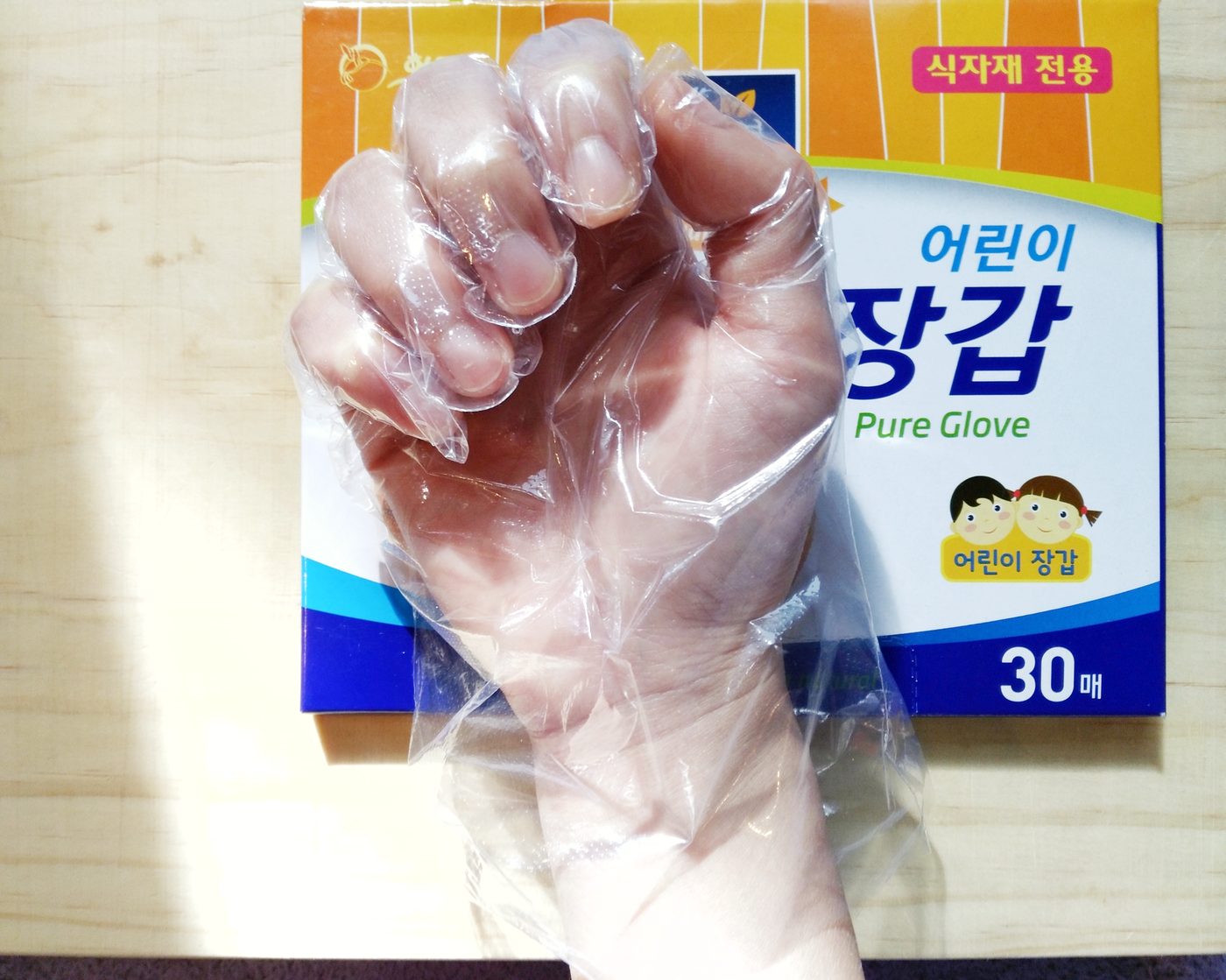
Hand wearing a clear disposable glove (Source: Wikimedia Commons)
- Padded Gloves: Provide cushioning during prolonged sewing machine operation, reducing hand fatigue.
Eye and Face Protection
- Safety Glasses: Protect the eyes from needle fragments or flying fabric particles during cutting and trimming.
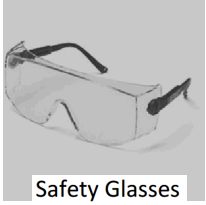
A pair of safety glasses (Source: RCTDS301_Drainage_system)
-
Dust Masks: Filter airborne fabric fibers and dust, preventing respiratory irritation during sanding or fabric finishing.
-
Face Shields: Used when working with pressing machines to shield from steam burns or splashes from chemical sprays.
Body Protection
- Aprons: Made of durable fabric, aprons protect clothing and skin from stains, dyes, and sharp tool injuries. Tailors in busy Nairobi workshops often wear aprons to maintain professional appearance and cleanliness.
-
Protective Sleeves: Worn during ironing or when applying adhesives to prevent burns and contact dermatitis.
-
Non-slip Footwear: Essential in workshop floors to prevent slips and falls, especially where fabrics and threads may cause surface hazards.
Proper Usage and Wearing of PPE in the Fashion Workshop
Correct use of PPE is as important as having it available. Kenyan tailors and designers must understand the protocols for wearing and using PPE to ensure maximum protection during garment construction.
- Appropriate Selection: Workers must choose PPE that fits well and suits the task. For example, cut-resistant gloves must not be too loose to avoid accidents with machinery.
- Correct Wearing Techniques: Gloves should cover wrists fully, and masks must fit snugly over the nose and mouth to filter particles effectively.
- Regular Inspection: PPE should be checked for wear and tear before use. Torn gloves or cracked safety glasses compromise protection and must be replaced promptly.
- Training and Awareness: Employers should provide comprehensive training on PPE use, including demonstrations and refresher sessions to reinforce proper habits.
- Disposal and Hygiene: Disposable PPE like masks and gloves must be discarded after use to avoid contamination, while reusable PPE requires cleaning according to manufacturer guidelines.
Maintenance and Storage of PPE in Garment Production
Maintaining PPE extends its lifespan and ensures consistent protection, which is vital in the cost-sensitive fashion industry in Kenya.
- Cleaning Procedures: Reusable PPE such as aprons and gloves should be washed regularly with appropriate detergents to remove contaminants without degrading material integrity.
- Repair and Replacement: PPE showing damage or significant wear must be repaired by qualified personnel or replaced immediately to avoid safety risks.
- Storage Conditions: PPE should be stored in clean, dry areas away from direct sunlight and chemicals to prevent material deterioration.
- Record Keeping: Workshops should maintain logs of PPE issuance, maintenance schedules, and replacements to comply with OSHA requirements and facilitate audits.
- User Responsibility: Tailors and designers must be proactive in caring for their PPE, reporting defects, and following maintenance guidelines to ensure personal safety.
Dust coat
In the Kenyan fashion industry, a dust coat holds a specific place in a gentleman’s wardrobe, particularly valued for its practical and stylistic roles. Dust coats are commonly used by professionals working in environments where protection from dirt and debris is essential, such as in hospitals, workshops, or while commuting in dusty urban areas like Nairobi or Mombasa. For fashion designers, understanding the construction of dust coats involves balancing functionality with aesthetics to meet local climate considerations and client expectations.
Definition and Purpose of a Dust Coat
A dust coat is a lightweight outer garment designed primarily to shield the wearer’s clothing from dust, dirt, and minor abrasions. Unlike heavier overcoats, dust coats are usually made from thin, durable fabrics that allow ease of movement and comfort in warm climates common in Kenya. The garment is often favored by professionals such as laboratory technicians, mechanics, and office workers who transit between outdoor and indoor environments.
Purpose of a Dust Coat
- Protection of Clothing: Dust coats prevent dirt and dust from settling on the wearer’s main attire, preserving the garment’s cleanliness and extending its lifespan.
- Professional Appearance: In workplaces like county hospitals or educational institutions, dust coats contribute to a tidy and professional image, enhancing the wearer’s credibility.
- Comfort in Urban Environments: Dust coats are designed to be breathable, ensuring comfort when moving through Kenya’s often hot and dusty cities.
- Ease of Movement: The coat typically has a loose fit, allowing freedom of movement which is essential for active occupations.
- Cost-Effectiveness: Dust coats are generally more affordable to produce and maintain than heavier coats, making them accessible to a wide range of professionals.
Design Features and Style Considerations
Designing a dust coat requires attention to both function and style, tailored to the wearer’s needs and the local climate. Kenyan fashion designers must consider fabric choice, fit, and detailing to produce garments that perform well and appeal to the target market.
Key Design Features
- Fabric Selection: Common materials include cotton blends, polyester-cotton mixes, and sometimes lightweight denim, chosen for durability and breathability.
- Length and Fit: Dust coats typically extend to mid-thigh or just above the knee, offering sufficient coverage without restricting movement.
- Collar Styles: Variations include stand-up collars for protection against dust infiltration or classic lapel collars for a more formal look.
- Closure Systems: Buttons or snap fasteners are preferred for ease of use and durability; zippers are less common to maintain simplicity.
- Pockets: Functional pockets positioned at the waist or chest provide practical storage for tools or personal items, important for users such as pharmacists or teachers.
Construction Techniques and Materials
The construction of a dust coat involves specific sewing and finishing techniques that enhance durability while maintaining a lightweight profile. Kenyan tailors and designers rely on these methods to produce garments suited for everyday use.
Construction Elements
- Seam Reinforcement: Double stitching or flat-felled seams are used to strengthen areas prone to stress, such as shoulders and armholes.
- Lining: Dust coats are generally unlined to reduce weight and improve breathability, though some designs may include partial lining for added comfort.
- Interfacing: Lightweight interfacing is applied to collars and cuffs to maintain shape without adding bulk.
- Hemming: Clean, narrow hems prevent fraying and maintain a neat appearance after repeated washing.
- Button Attachment: Buttons are sewn on securely with reinforced thread to withstand frequent use, especially in institutional settings like universities or banks.
Practical Applications and Client Considerations
In Kenya’s diverse professional sectors, dust coats serve various practical roles beyond mere garment protection. Fashion designers must understand client needs and environmental factors to tailor dust coats effectively.
Client and Contextual Factors
- Occupational Requirements: For example, in county government offices, dust coats may need to conform to uniform standards while allowing ease of movement for clerical work.
- Climate Adaptability: Lightweight, breathable fabrics are essential in coastal regions such as Mombasa, while slightly heavier materials may be preferred in cooler highland areas like Eldoret.
- Customization: Incorporating logos or specific color schemes for institutions such as hospitals or SACCOs enhances brand identity and professional unity.
- Maintenance: Dust coats designed for easy washing and quick drying suit busy professionals who require low-maintenance garments.
- Fashion Trends: Designers may add subtle styling elements, such as contrast stitching or piping, to align dust coats with contemporary fashion without compromising their functional role.
Safety shoes
In the Kenyan fashion design industry, particularly in the construction of gents’ wear, safety shoes play a critical role in protecting workers from hazards in the workshop environment. Tailors and garment technicians often work with sharp tools such as scissors, needles, and cutting machines, alongside heavy materials and equipment. Wearing appropriate safety shoes reduces the risk of foot injuries, ensuring the workforce remains healthy and productive. For example, in garment production units within Nairobi’s industrial areas, safety shoes prevent accidents caused by dropped tools or slipping on smooth workshop floors.
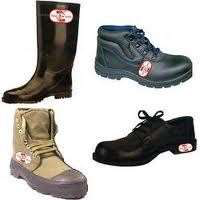
Four types of safety footwear commonly used in construction and engine (Source: PLUMB 5 LEARNING GUIDE-1 (1))
Types of Safety Shoes Used in Gents’ Garment Construction
Safety shoes come in various types designed to suit different workplace hazards and comfort needs. Selecting the right footwear for garment construction ensures protection without compromising mobility and efficiency.
Types of Safety Shoes
- Steel-toe Cap Shoes: These shoes have a reinforced steel toe that protects against heavy objects falling on the foot. Tailors working with heavy rolls of fabric or machinery parts benefit from this protection.
- Composite Toe Shoes: Made from non-metallic materials, composite toes offer similar protection to steel but are lighter and do not conduct electricity, suitable for workshops with electrical equipment.
- Slip-resistant Shoes: Featuring soles designed to prevent slipping on smooth or oily surfaces, these shoes are essential in tailoring workshops where spills of oils or adhesives are common.
- Puncture-resistant Shoes: These contain a midsole plate that prevents sharp objects such as needles or pins from penetrating the sole, protecting workers who handle sharp tools regularly.
- Electrical Hazard Shoes: Designed to insulate the wearer from electric shocks, these shoes are important for tailors working near electrical sewing machines or pressing equipment.
Specifications and Standards for Safety Shoes in Kenya
Safety shoes must comply with certain standards to guarantee adequate protection and durability. The Kenya Bureau of Standards (KEBS) provides guidelines that manufacturers and users should follow.
| Name |
Specification |
Use |
| Steel-toe Cap Shoes |
Must withstand impact of 200 joules |
Protects toes from heavy falling items |
| Slip-resistant Shoes |
Sole with high coefficient of friction |
Prevents slipping on wet or oily floors |
| Puncture-resistant Shoes |
Midsole penetration resistance of at least 1100 Newtons |
Protects feet from sharp objects |
| Electrical Hazard Shoes |
Insulation resistance of 18,000 volts |
Protects against electric shocks |
Safety shoes used in garment workshops in Kenya should meet these KEBS standards to ensure effective protection. For example, a SACCO running a tailoring cooperative in Kisumu requires all members to use certified slip-resistant shoes to reduce accident rates.
Proper Use and Maintenance of Safety Shoes
Wearing safety shoes correctly and maintaining them properly extends their lifespan and ensures continuous protection. In garment workshops, where workers are on their feet for long hours, comfort and hygiene are equally important.
Proper Use
- Correct Fit: Shoes must fit well to prevent blisters and allow free movement. Ill-fitting shoes can cause fatigue and reduce productivity.
- Wearing at All Times: Tailors should wear safety shoes throughout workshop hours, especially when handling cutting or pressing equipment.
- Appropriate for Task: Select the type of safety shoe according to the specific hazard present in the task, for instance, puncture-resistant shoes when dealing with pins.
Maintenance
- Regular Cleaning: Remove dust and stains daily to prevent material degradation. Leather shoes require polishing, while synthetic materials need wiping with a damp cloth.
- Inspection for Damage: Check for sole wear, cracks, or broken toe caps weekly. Damaged shoes lose protective qualities and must be replaced.
- Drying Properly: Avoid drying shoes near direct heat sources as this can cause cracking. Instead, air dry in shaded, ventilated areas.
- Storage: Store shoes in a dry, clean place to prevent mold and odor buildup.
- Replacement Schedule: Replace safety shoes every 6 to 12 months depending on usage intensity to maintain protection.
Health and Safety Benefits of Using Safety Shoes in Garment Workshops
The use of safety shoes in garment construction workshops directly impacts workers’ health, safety, and overall productivity. Employers who enforce safety footwear policies reduce workplace accidents and associated costs.
Health and Safety Benefits
- Prevention of Foot Injuries: Safety shoes protect against cuts, bruises, and fractures from sharp tools and heavy materials common in tailoring environments.
- Improved Stability: Slip-resistant soles reduce the risk of falls on smooth or wet workshop floors, which are frequent in fabric dyeing or finishing sections.
- Enhanced Comfort: Good safety shoes provide arch support and cushioning, reducing fatigue during long working hours, improving worker concentration.
- Compliance with Regulations: Using approved safety footwear ensures compliance with Kenya’s occupational health and safety laws, avoiding penalties.
- Reduced Absenteeism: Fewer foot injuries mean less time off work, which benefits both employees and employers by maintaining steady production schedules.
At a county government vocational training centre in Eldoret, enforcing safety shoe use led to a significant decline in foot injury cases among tailoring students, demonstrating practical benefits of this safety measure.
Face mask
In Kenya's fashion industry, the face mask has evolved from a purely functional item into an essential component of contemporary gents’ wear. The COVID-19 pandemic accelerated the demand for stylish yet protective face coverings, creating opportunities for designers to blend safety with aesthetics. For fashion professionals, understanding the construction of face masks tailored for men involves considerations of fit, fabric, style, and cultural preferences, which are critical in meeting client expectations while complying with health guidelines.
Design Considerations for Gents’ Face Masks
Designing a face mask for men requires attention to both functionality and style, ensuring comfort and protection without compromising the garment's visual appeal. Male clients often prefer masks that communicate masculinity, sophistication, or professionalism, which influences fabric choice, shape, and detailing.
Fabric Selection
- Breathability: Fabrics such as cotton and linen are preferred for their breathability, allowing ease of airflow while maintaining filtration capacity. For example, employees at banking institutions like Equity Bank require masks that can be worn comfortably throughout long working hours.
- Durability: Materials must withstand frequent washing without losing shape or protective properties. Polyester blends are often incorporated to enhance durability, especially for masks intended for daily use in retail or hospitality sectors.
- Skin Sensitivity: Natural fibers minimize irritation, important for men who may have sensitive skin, such as hotel staff at high-end lodges in Nairobi.
- Aesthetic Texture: The fabric's texture contributes to the mask's visual appeal; jacquard or twill weaves add sophistication suitable for formal settings like county government offices.
- Color and Pattern: Darker colors like navy, charcoal, or muted patterns are favored to complement typical gents’ wardrobes and to maintain a professional appearance.
Shape and Fit
- Ergonomic Contours: Masks designed with a curved seam accommodate the male facial structure, providing a snug yet comfortable fit that reduces gaps.
- Nose Bridge Support: Incorporation of adjustable nose wires enhances fit and reduces fogging of spectacles, a common concern for professionals such as university lecturers.
- Coverage Area: Masks should cover from the bridge of the nose to under the chin adequately to ensure protection without feeling restrictive.
- Ear Loop vs. Head Tie: Elastic ear loops offer convenience, but adjustable head ties can provide better fit for men with larger head sizes, common among construction supervisors.
- Additional Features: Inclusion of filters or pockets for replaceable filters caters to users requiring enhanced protection, such as healthcare workers in county hospitals.
Construction Techniques for Gents’ Face Masks
The construction process determines the mask’s durability, comfort, and effectiveness. Tailoring skills must adapt to the small scale of face masks while maintaining precision and quality expected in gents’ wear.
Cutting and Pattern Making
- Precision Cutting: Accurate cutting of fabric pieces ensures symmetrical masks that fit well, critical when working with patterned or textured fabrics to maintain design integrity.
- Multi-Layered Patterns: Most effective masks are constructed with at least two layers of fabric, often combining an outer decorative layer with an inner soft lining for comfort.
- Seam Allowance: Adequate seam allowances (usually 0.5 cm to 1 cm) are essential to prevent fraying and maintain shape after washing.
- Pattern Adaptation: Patterns must accommodate the male facial dimensions, which are generally larger and more angular than female counterparts.
- Template Usage: Reusable templates assist in mass-producing consistent masks for retail or corporate clients.
Stitching and Assembly
- Reinforced Seams: Double stitching or flat-felled seams enhance durability, essential for masks used in active environments like farms or retail shops.
- Topstitching: This technique reinforces edges and adds decorative detail, contributing to the mask’s aesthetic appeal.
- Inserting Nose Wire Channels: Creating a small casing at the top seam allows for the insertion of flexible nose wires, improving fit.
- Ear Loop Attachment: Secure stitching of elastic or fabric ties prevents detachment during wear and washing.
- Filter Pocket Construction: Sewing an internal pocket requires precision to ensure ease of filter insertion without compromising mask shape.
Styling and Finishing Touches for Men’s Face Masks
Styling elevates face masks from mere protective gear to fashion statements that complement gents’ wardrobes. Finishing details reflect the designer’s skill and understanding of male fashion preferences.
Embellishments and Branding
- Minimalist Embroidery: Subtle embroidery, such as initials or logos, adds personalization without overwhelming the mask’s design, suitable for corporate uniforms in institutions like the Kenya Revenue Authority.
- Labeling: Sewn-in labels with care instructions or brand logos enhance professionalism and brand recognition.
- Decorative Stitching: Contrasting thread colors can highlight seams as a design feature, appealing to younger male demographics in urban settings.
- Metal Accessories: Small, non-intrusive metal accents on ear loops or nose wires add a modern touch without compromising comfort.
- Custom Prints: Incorporating culturally inspired prints or motifs reflects Kenyan heritage while appealing to fashion-conscious men.
Comfort Enhancements
- Adjustable Features: Sliding toggles on ear loops allow customization of fit, accommodating various head sizes.
- Soft Inner Linings: Use of jersey or brushed cotton fabrics on the inner layer reduces skin irritation during prolonged wear.
- Breathable Design: Strategic placement of seams and fabric layers ensures ease of breathing, critical for men working in hot climates such as tea farms in Kericho.
- Weight Balance: Ensuring the mask is lightweight prevents discomfort, especially for professionals like lecturers who wear masks for extended periods.
- Washability: Finishing with pre-shrunk fabrics and durable threads ensures the mask retains shape and texture after multiple washes.
Health and Safety Compliance in Face Mask Construction
Face masks must meet health standards to be effective protective gear. Fashion designers in Kenya engaging in mask production must understand regulatory requirements alongside design aesthetics.
Regulatory Standards
- Material Safety: Fabrics used should be non-toxic and hypoallergenic to prevent adverse reactions.
- Filtration Efficiency: Masks should incorporate materials that meet minimum filtration standards, especially for use in healthcare or crowded public spaces.
- Breathability Testing: Ensuring adequate airflow is vital to prevent discomfort and encourage consistent use.
- Reusability Standards: Masks intended for repeated use must withstand multiple washing cycles without degrading protective qualities.
- Labeling Requirements: Clear instructions on mask usage, washing, and disposal must be included, following guidelines from Kenya’s Ministry of Health.
Quality Control Measures
- Inspection Protocols: Each mask should be inspected for stitching integrity, fit accuracy, and absence of defects before distribution.
- Batch Testing: Random samples from production batches undergo testing for fabric strength and filtration performance.
- User Feedback Integration: Collecting feedback from users in sectors such as county government offices helps refine design and comfort.
- Documentation: Maintaining records of materials, suppliers, and production processes ensures traceability and accountability.
- Compliance Audits: Periodic audits verify adherence to health and safety standards, safeguarding both consumers and manufacturers.
Thimble
Types of Thimbles and Their Features
Thimbles come in various designs and materials suited for different sewing needs in gents’ wear construction. Knowing the appropriate type helps tailors handle specific fabrics and hand-stitching techniques efficiently.
Types of Thimbles
- Metal Thimbles: Usually made from steel, brass, or aluminum, metal thimbles are durable and ideal for heavy fabrics like denim or wool used in men’s jackets and trousers. Their rigid surface protects fingers from needle pricks during repetitive stitching.
- Leather Thimbles: These provide a softer grip and are flexible, preferred when working with delicate fabrics such as fine cotton shirts to avoid fabric damage. Leather thimbles also offer comfort during prolonged sewing sessions.
- Plastic or Rubber Thimbles: Lightweight and inexpensive, these thimbles are suited for light sewing tasks and are common in casual tailoring setups. However, they may wear out quickly when used on thick fabrics.
- Adjustable Thimbles: These come with a band that fits various finger sizes, making them versatile for tailors who switch between different sewing tasks. Adjustable thimbles are beneficial in workshops where multiple tailors share tools.
- Ergonomic Thimbles: Designed with finger contours for comfort, ergonomic thimbles reduce fatigue during extensive hand stitching in bespoke gents’ wear, such as custom suits or traditional attire like the Kanzu.
Proper Use of a Thimble in Gents’ Garment Construction
Using a thimble correctly increases sewing accuracy and protects the tailor’s fingers, especially when working on dense or multiple fabric layers typical in gents’ jackets and trousers.
Key Practices for Using a Thimble
- Placement on Finger: The thimble is typically worn on the middle finger or the finger that pushes the needle, providing a firm surface against the needle’s pressure. In Kenyan tailoring schools, students are taught to select the finger that offers the best control.
- Needle Pushing Technique: When hand sewing buttons onto a shirt or hemming trouser legs, the thimble helps push the needle through thick fabric layers without causing injury, allowing consistent stitch tension.
- Switching Fingers: Some tailors alternate the thimble between fingers depending on the sewing angle, which is common during complex stitching on suit lapels or collar construction to maintain precision.
- Avoiding Excessive Force: The thimble protects the finger but does not eliminate the need for careful needle handling. Excessive force can break needles or damage fine fabrics like silk used in gents’ waistcoats.
- Maintaining Dexterity: While wearing a thimble, tailors must continue to maintain finger flexibility to handle fabrics delicately, especially when sewing intricate details such as embroidery on traditional Kenyan gents’ wear.
Maintenance and Care of Thimbles
Proper upkeep of thimbles ensures their longevity and consistent performance, which is critical for professional tailors who depend on reliable tools to produce quality gents’ garments.
Maintenance Guidelines
- Regular Cleaning: Metal thimbles should be wiped with a dry cloth after use to remove lint and moisture that can cause rust or tarnish, particularly in humid regions like Mombasa.
- Inspect for Damage: Tailors should routinely check for dents or cracks that can catch on fabric fibers or cause discomfort during use, especially in busy tailoring shops handling high volumes of orders.
- Storage Practices: Keeping thimbles in dedicated sewing kits or small containers prevents loss and protects them from damage. Some Kenyan tailoring workshops label thimbles by size for easy identification.
- Avoiding Chemical Exposure: Thimbles should not be exposed to harsh chemicals or solvents used in garment finishing, as these can degrade materials like leather or plastic.
- Replacing When Necessary: When a thimble loses its shape or protective quality, tailors must replace it promptly to avoid injury and maintain sewing efficiency, a practice emphasized in professional tailoring courses at technical institutes.
Safety Considerations When Using a Thimble
Handling needles safely is paramount in tailoring to prevent workplace injuries and maintain a productive work environment, especially in busy tailoring units producing gents’ wear for retail or bespoke clients.
Safety Measures
- Proper Fit: Wearing a thimble that fits snugly prevents it from slipping off during sewing, which can result in finger pricks or needle injuries.
- Avoiding Overuse: Continuous pressure without breaks can lead to finger fatigue or skin irritation; tailors in Nairobi’s tailoring cooperatives are advised to take short pauses during long hand-sewing sessions.
- Using Gloves When Needed: In some cases, tailors use thin cotton gloves under the thimble to reduce friction and protect sensitive skin, particularly when handling coarse fabrics like canvas used in gents’ workwear.
- Safe Needle Handling: Even with a thimble, tailors must handle needles carefully, avoiding distracted sewing to prevent accidents, a key safety topic during training at garment factories in Kisumu.
- First Aid Readiness: Tailoring workshops should have basic first aid kits accessible to treat minor needle injuries swiftly to avoid infections, especially in rural tailoring setups where medical facilities may be distant.
Practice Questions
-
Explain the purpose of Personal Protective Equipment (PPE) in gents’ garment construction and its significance in Kenyan fashion workshops. (10 marks)
-
List and describe five types of PPE commonly used in the construction of gents’ wear, highlighting their specific protective functions. (15 marks)
-
Outline six steps for the proper usage of PPE in a tailoring workshop producing men’s suits and shirts. (12 marks)
-
Discuss five key maintenance practices necessary for PPE used in garment production to ensure its effectiveness and longevity. (13 marks)
- Explain the primary purpose of a dust coat and how it benefits professionals in urban Kenyan settings. (10 marks)
- Identify and discuss five key design features important in the construction of a dust coat for gents. (15 marks)
- Describe the construction techniques used to enhance the durability of a dust coat while maintaining comfort. (15 marks)
- Analyze how climate and occupational factors influence the choice of materials and design in dust coats within Kenya. (10 marks)
-
Explain five types of safety shoes used in gents’ garment construction and their specific protective features. (10 marks)
-
Describe the key specifications that safety shoes must meet according to Kenyan standards and why these are important. (10 marks)
-
Outline six steps for the proper use and maintenance of safety shoes in a garment workshop. (12 marks)
-
Discuss five health and safety benefits of wearing safety shoes in a gents’ garment construction environment. (10 marks)
-
Explain five key fabric characteristics that a fashion designer must consider when constructing face masks for men and how these affect the mask’s functionality and style. (10 marks)
-
Describe six detailed steps involved in the construction of a multi-layered gents’ face mask, emphasizing how each step contributes to the mask’s durability and fit. (12 marks)
-
Discuss five styling techniques that can be used to enhance the visual appeal of men’s face masks without compromising their protective function. (10 marks)
-
Outline five health and safety compliance requirements relevant to the production of face masks in the Kenyan market and explain their importance. (10 marks)
- Describe five types of thimbles used in tailoring and explain their suitability for different fabrics in gents’ garment construction. (10 marks)
- Explain six key practices for the effective use of a thimble during hand sewing in gents’ wear tailoring. (12 marks)
- Outline five maintenance steps for ensuring the longevity and functionality of a thimble in a tailoring workshop. (10 marks)
- Discuss five safety considerations tailors should observe when using a thimble to avoid injuries. (10 marks)
The rest of this chapter
🔒Create a free account to open more of this chapter.
Free: practical guides, quick cards, workplace scenarios and more.
Create a free account 🔒1.2 Use, care and storage of PPEs
Personal Protective Equipment (PPE) is essential in the fashion design industry, especially in the construction of gents’ wear, where sharp tools, chemicals, and machinery pose risks to designers and tailors. In Kenya, adherence to PPE protocols protects worke…
🔒1.3 Clothing Construction Tools and Equipment
In the Kenyan fashion design industry, especially within the gents’ wear niche, having the right tools and equipment is fundamental to achieving precision, efficiency, and quality in garment construction. From bespoke tailoring in Nairobi’s upscale boutiques t…
🔒1.4 Gents’ garment designs analysis
In the Kenyan fashion industry, especially within bespoke tailoring and ready-to-wear gents’ wear, a thorough analysis of garment designs is essential for successful product development. Designers must understand the stylistic elements, construction requiremen…
Chapter Summary
This chapter covers the essential personal protective equipment (PPE) required in garment construction, including dust coats, safety shoes, face masks, and thimbles, emphasizing their proper use, care, and storage to ensure safety and hygiene. It then explores the various tools and equipment used in clothing construction, detailing measuring, finishing, basic sewing, cutting, marking, and drawing tools, as well as display equipment and cameras for design presentation. The chapter also addresses sewing equipment, focusing on the selection, use, and maintenance of these tools to optimize garment production. Attention is given to the materials and supplies necessary for constructing gents’ garments, followed by an analysis of common designs such as waistcoats, blazers, coats, jackets, suits, and overalls. This comprehensive overview equips learners with the knowledge to plan and execute the construction of gents’ wear effectively and safely.
Self-Assessment
🔒 PDFDownload this self-assessment, with answers
A. Written Assessment
-
Which of the following is NOT considered essential personal protective equipment (PPE) in a garment construction workshop? (2 marks)
a) Dust coat
b) Face mask
c) Safety shoes
d) Measuring tape
-
Explain why a thimble is important in sewing operations, particularly in tailoring gents' wear. (3 marks)
🔒20 more in this section.
Chapter Examination Questions
🔒 PDFDownload these examination questions, with worked answers
SECTION A (40 Marks) - Answer ALL Questions
- Explain the importance of wearing personal protective equipment (PPE) such as dust coats when constructing gents’ garments in a tailoring workshop. (4 marks)
- Describe the role of safety shoes in a garment construction environment and how they protect fashion designers during production. (4 marks)
🔒18 more in this section.
Chapter Practical Activities
Practical 1: Use and care of PPEs in gent’s garment construction
Fashion Design · Level 6
Gents’ Wear
PRACTICAL ASSESSMENT
TIME: 3 HOURS
⬇ PDFCandidate Instructions (Candidate Tool)
Type: Individual
INSTRUCTIONS TO CANDIDATE:
1. You are required to perform the following task:
i. Demonstrate correct selection, use, care, and storage of PPEs (dust coat, safety shoes, thimble, face mask) during gent’s garment construction activities.
2. You have been provided with the following resources for the practical task:
| Tools & Equipment | Materials |
|---|
| Hand needle | Dust coat |
| Sewing tools | Safety shoes (flat closed shoes) |
| Pattern construction tools | Thimble |
| Measuring tools | Face mask |
| Cutting shears | |
| Pressing tools | |
| Working surface | |
⬇ PDFResources Required (Cutting List)
| S/N | Item | Quantity |
|---|
| 1 | Dust coat | 1 Pc per Candidate |
| 2 | Safety shoes (flat closed shoes) | 1 Pair per Candidate |
| 3 | Thimble | 1 Pc per Candidate |
| 4 | Face mask | 1 Pc per Candidate |
| 5 | Hand needle | Enough per Candidate |
| 6 | Sewing tools | Adequate per Candidate |
| 7 | Pattern construction tools | Adequate per Candidate |
| 8 | Measuring tools | Adequate per Candidate |
| 9 | Cutting shears | 1 Pc per Candidate |
| 10 | Pressing tools | Adequate per Candidate |
| 11 | Working surface | 1 Pc per Candidate |
⬇ PDFAssessor Guide
| Items to be Evaluated | Marks Available | Marks Obtained | Comments |
|---|
| TASK 1: Selection and use of PPEs |
Correctly identified and wore dust coat
(Award 1 mark for correct use) | 1 | | |
Correctly identified and wore safety shoes (flat closed shoes)
(Award 1 mark for correct use) | 1 | | |
Correctly identified and used thimble during hand sewing
(Award 1 mark for correct use) | 1 | | |
Correctly identified and wore face mask
(Award 1 mark for correct use) | 1 | | |
| Sub-Total | 4 | | |
| TASK 2: Observance of occupational safety and health requirements |
Worked in a well-lit area
(Award 1 mark if done) | 1 | | |
Worked in a well-ventilated room (windows opened or fan turned on)
(Award 1 mark if done) | 1 | | |
| Sub-Total | 2 | | |
| TASK 3: Care and storage of PPEs |
Demonstrated proper cleaning of dust coat and face mask after use
(Award 1 mark for correct care) | 1 | | |
Demonstrated proper cleaning and maintenance of thimble
(Award 1 mark for correct care) | 1 | | |
Demonstrated proper storage of all PPEs in designated places
(Award 1 mark for correct storage) | 1 | | |
| Sub-Total | 3 | | |
| PRODUCT CHECKLIST |
PPEs correctly selected, worn, cared for, and stored according to workplace safety standards
(Award up to 5 marks for overall correct PPE management and safety compliance) | 5 | | |
| Sub-Total | 5 | | |
| GRAND TOTAL | 14 | | |
ASSESSMENT OUTCOME: ☐ Competent ☐ Not Yet Competent (competent if at least 50%)
Practical 2: Identify and use measuring tools to take accurate body measurements for a gent's shirt
Fashion Design · Level 6
Gents’ Wear
PRACTICAL ASSESSMENT
TIME: 4 HOURS
⬇ PDFCandidate Instructions (Candidate Tool)
Type: Individual
INSTRUCTIONS TO CANDIDATE:
1. You are required to perform the following task:
i. Take accurate body measurements for a gent's shirt including chest 88cm, neck 37cm, sleeve length 84cm, and shirt length 78cm.
2. You have been provided with the following resources for the practical task:
| Tools & Equipment | Materials |
|---|
| Measuring tape | Notebook and pen |
| Tailor's square ruler | |
| French curve ruler | |
| Tailor's chalk | |
| Hand sewing needle | |
| Thimble | |
| Dust coat | |
| Flat closed shoes | |
⬇ PDFResources Required (Cutting List)
| S/N | Item | Quantity |
|---|
| 1 | Measuring tape | 1 Pc per Candidate |
| 2 | Tailor's square ruler | 1 Pc per Candidate |
| 3 | French curve ruler | 1 Pc per Candidate |
| 4 | Tailor's chalk | 1 Pc per Candidate |
| 5 | Hand sewing needle | 1 Pc per Candidate |
| 6 | Thimble | 1 Pc per Candidate |
| 7 | Dust coat | 1 Pc per Candidate |
| 8 | Flat closed shoes | 1 Pair per Candidate |
| 9 | Notebook and pen | 1 Set per Candidate |
⬇ PDFAssessor Guide
| Items to be Evaluated | Marks Available | Marks Obtained | Comments |
|---|
| TASK 1: Preparation and PPE |
Wore PPE: dust coat, flat closed shoes, thimble
(Award 1 mark each for correct PPE worn) | 3 | | |
Observed occupational safety and health requirements: well-lit and ventilated working area
(Award 2 marks if area is well-lit and ventilated, else zero) | 2 | | |
| Sub-Total | 5 | | |
| TASK 2: Identification and selection of measuring tools |
Identified and selected appropriate measuring tools: measuring tape, square ruler, french curve
(Award 1 mark for each correct tool identified and selected) | 3 | | |
Gathered basic sewing tools: tailor's chalk, hand sewing needle, thimble
(Award 1 mark for each correct tool gathered) | 3 | | |
| Sub-Total | 6 | | |
| TASK 3: Taking body measurements |
Took chest measurement accurately (88cm ±1cm)
(Award 2 marks if within ±1cm of 88cm) | 2 | | |
Took neck measurement accurately (37cm ±1cm)
(Award 2 marks if within ±1cm of 37cm) | 2 | | |
Took sleeve length accurately (84cm ±1cm)
(Award 2 marks if within ±1cm of 84cm) | 2 | | |
Took shirt length accurately (78cm ±1cm)
(Award 2 marks if within ±1cm of 78cm) | 2 | | |
Recorded measurements clearly and correctly in the notebook
(Award 2 marks for clear and correct recording) | 2 | | |
| Sub-Total | 10 | | |
| TASK 4: Tool care and workplace tidiness |
Handled measuring and sewing tools carefully and safely
(Award 2 marks if tools handled without damage or unsafe practice) | 2 | | |
Cleaned and stored tools properly after use
(Award 2 marks for proper cleaning and storage) | 2 | | |
Left working area clean and organized
(Award 1 mark if area left tidy) | 1 | | |
| Sub-Total | 5 | | |
| PRODUCT CHECKLIST |
Measurements taken are accurate within ±1cm: chest 88cm, neck 37cm, sleeve length 84cm, shirt length 78cm
(Award 2 marks for each measurement within tolerance) | 8 | | |
| Sub-Total | 8 | | |
| GRAND TOTAL | 34 | | |
ASSESSMENT OUTCOME: ☐ Competent ☐ Not Yet Competent (competent if at least 50%)
🔒Use cutting tools and equipment to cut gent’s garment fabricPractical 3
🔒Marking and drawing gent’s garment outlines and pattern details on fabricPractical 4
🔒Setting up and operating sewing machines and related equipment for gent's garment constructionPractical 5
🔒Application of Finishing Tools on Gent’s Shirt Edges and DetailsPractical 6
🔒Use of Clothing Construction Tools and Equipment in Gents' GarmentsPractical 7
🔒Design analysis and working drawing preparation for a gents' waistcoat 900mm x 600mmPractical 8
🔒Design analysis and construction planning for a men's blazerPractical 9
🔒Design analysis and preparation for a gents' coat constructionPractical 10
🔒Design analysis and working drawings for a gents' jacket 1100mm lengthPractical 11
🔒Design analysis and technical drawing preparation for a gents’ suit constructionPractical 12
🔒Design Analysis and Layout Planning for Gents’ Overalls ConstructionPractical 13
🔒Selection and Use of Clothing Construction Materials for a Gent’s ShirtPractical 14
🔒Arrange finished gents’ garments on display equipment and document using cameraPractical 15
