Drafting garment pattern pieces is a foundational skill in fashion design, enabling designers to translate creative ideas into precise templates for cutting fabric. In Kenya's dynamic fashion industry, accuracy in pattern construction directly affects garment fit, production efficiency, and ultimately customer satisfaction. This chapter focuses on the essential tools and equipment needed for pattern drafting, known collectively as PPEs, which ensure precision and quality in the pattern-making process.
3.1 PPEs
In the context of fashion design, PPEs refer to the Pattern Production Equipment that designers and pattern makers rely on to draft, modify, and finalize garment patterns. In Kenyan fashion studios and tailoring workshops, the choice and maintenance of PPEs influence the ease of producing patterns that conform to design specifications and size standards. Understanding these tools' specifications and proper usage is vital for efficient workflow and consistent garment quality.
Types of PPEs Used in Pattern Drafting
Pattern drafting requires a variety of specialized tools, each designed to perform specific functions that contribute to the accuracy and clarity of garment patterns. The diversity of PPEs reflects the complexity of pattern construction, from measuring to marking and cutting.
Common PPEs for Pattern Drafting
| Name |
Specification |
Use |
| Pattern Paper |
Lightweight, translucent, usually 50-70 gsm |
Base material for drafting patterns |
| L-Square Ruler |
60 cm length, transparent plastic or metal |
Drawing straight and perpendicular lines |
| French Curve |
Flexible plastic, approx. 30 cm length |
Creating smooth, curved lines on patterns |
| Hip Curve Ruler |
Rigid plastic, approx. 45 cm length |
Shaping hips and waist curves |
| Measuring Tape |
Flexible, 150 cm length, marked in cm |
Taking body measurements |
- Pattern Paper: Essential for drafting, its translucency allows designers to overlay and trace designs accurately. Lightweight paper facilitates easy folding and marking.
- L-Square Ruler: Used extensively to draw straight lines and right angles, crucial for creating the basic blocks and ensuring pattern symmetry.
- French Curve: Enables smooth shaping of armholes, necklines, and other curved edges, vital for garment fit and aesthetics.
- Hip Curve Ruler: Designed to draft hip and waist curves, a critical tool for fitting garments around the torso.
- Measuring Tape: Flexible and portable, it is indispensable for capturing precise body measurements, which inform pattern dimensions.
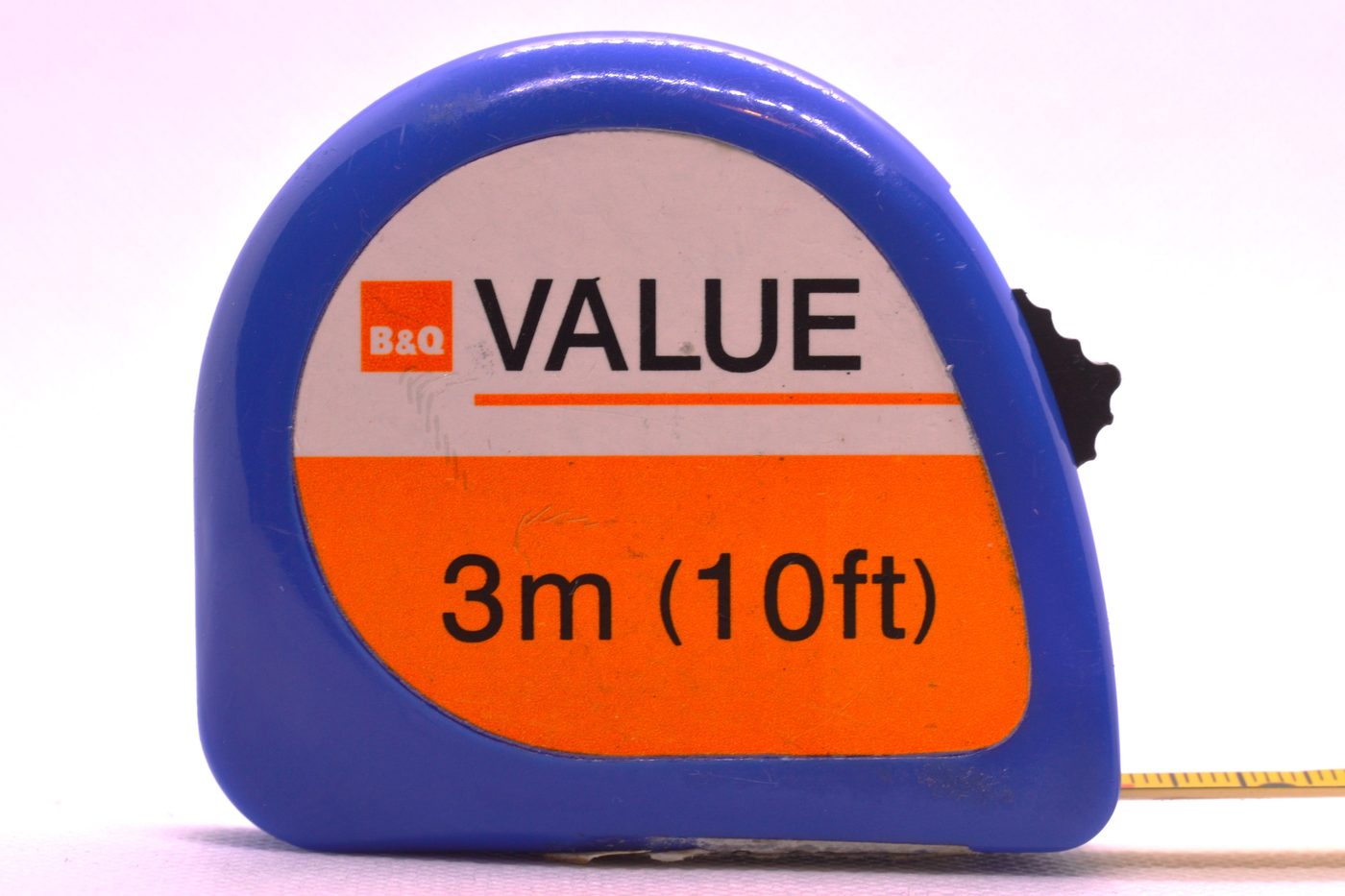
A 3m (10ft) measuring tape (Source: Wikimedia Commons)
Importance of PPE Quality and Maintenance in Pattern Drafting
The quality and upkeep of PPEs directly impact the precision of pattern pieces and the efficiency of the design process. In Kenyan fashion houses, where resources can be limited, maintaining tools maximizes their lifespan and ensures consistent production standards.
Key Aspects of PPE Quality and Maintenance
- Accuracy of Measurement Tools: High-quality measuring tapes and rulers prevent cumulative errors in pattern dimensions, which can lead to poor garment fit.
- Durability of Materials: Tools made from robust plastic or metal resist warping and damage, maintaining their shape and function over time.
- Cleanliness and Markings Visibility: Clean tools with clear markings reduce mistakes during drafting and improve speed.
- Storage Practices: Proper storage, such as hanging measuring tapes and laying rulers flat, prevents damage and distortion.
- Regular Inspection: Frequent checking for cracks, worn edges, or faded markings ensures tools remain reliable.
A Nairobi-based tailoring cooperative reported improved garment accuracy after instituting regular PPE maintenance schedules, reducing fabric wastage and customer returns.
Proper Usage Techniques for PPEs in Pattern Drafting
Mastering the correct use of PPEs is crucial for pattern makers to produce professional, reproducible patterns. Misapplication of tools can distort measurements or pattern lines, compromising garment construction.
Guidelines for Effective PPE Usage
- Measuring Tape Handling: Keep the tape parallel to the body contour without twisting to capture accurate measurements, especially for curves like bust and hips.
- Using the L-Square: Align the ruler firmly against the paper edge to draw straight perpendicular lines; avoid lifting the ruler mid-stroke to prevent jagged lines.
- Applying the French Curve: Position the curve so it smoothly connects two points on the pattern, adjusting placement to achieve the desired shape without sharp angles.
- Tracing with Pattern Paper: Use sharp pencils or pattern markers to ensure clear, precise lines that are easy to follow during cutting.
- Marking Notches and Grainlines: Use consistent symbols and directions to guide fabric cutting and assembly, ensuring pattern pieces align correctly.
In a garment production workshop in Kisumu, training staff on proper PPE techniques reduced pattern errors by 30%, speeding up the cutting and sewing phases.
Safety and Ergonomics When Using PPEs
Although pattern drafting may seem low-risk, improper handling of PPEs can cause repetitive strain injuries or accidents, especially in busy Kenyan fashion studios where long hours are common. Ergonomic practices and safety awareness improve productivity and well-being.
Safety and Ergonomic Considerations
- Proper Posture: Maintain an upright sitting position with the drafting table at a comfortable height to avoid neck and back strain.
- Tool Handling: Use tools with smooth edges and avoid excessive force when drawing or cutting to prevent hand fatigue and injury.
- Workspace Organization: Keep PPEs within easy reach and maintain a clean, uncluttered drafting area to reduce accidents.
- Breaks and Exercises: Incorporate short breaks and hand stretches to alleviate muscle tension during prolonged drafting sessions.
- Use of Protective Equipment: When cutting patterns, use cutting mats and appropriate scissors to protect surfaces and fingers.
A county government office's vocational training center in Mombasa emphasizes ergonomics to prevent injuries among fashion design students, promoting sustainable career practices.
Practice Questions
-
Explain why the quality of measuring tapes and rulers is critical in pattern drafting and how poor quality can affect garment production. (10 marks)
-
Describe the proper technique for using a French curve to draft an armhole and why this tool is preferred over freehand drawing. (10 marks)
-
Identify five maintenance practices for PPEs used in pattern drafting and explain how each practice contributes to tool longevity. (15 marks)
-
Discuss ergonomic considerations that a fashion designer should observe when drafting patterns to prevent work-related injuries. (10 marks)
Dustcoats
Dustcoats are a fundamental garment type in fashion design, especially valued in Kenyan retail and hospitality sectors for their protective and aesthetic roles. These outer garments shield the wearer’s clothing from dust and dirt, making them practical for workers in schools, hospitals, and banks, where maintaining a professional appearance is critical. In pattern construction, dustcoats require careful drafting to ensure comfort, ease of movement, and appropriate coverage, reflecting the wearer’s needs and the garment’s intended use.
Definition and Functional Purpose of Dustcoats
Dustcoats are loose-fitting outer garments designed to protect the wearer’s underlying clothing from dust, dirt, and minor spills. Their functional purpose extends beyond protection to include identification of staff roles in institutions such as hospitals and schools. For example, dustcoats worn by laboratory technicians at Kenyatta National Hospital help distinguish them while protecting their uniforms from contaminants.
Definition of Dustcoats
- Protective Outerwear: Dustcoats serve as a physical barrier that prevents dust and dirt from settling on clothes beneath, which is essential in environments like retail stores and cleaning services.
- Loose Fit Design: The garment is typically drafted with a loose fit to allow unrestricted movement, accommodating various body shapes and sizes without compromising comfort.
- Simple Construction: Dustcoats often feature minimal detailing, focusing on functionality rather than fashion trends, which simplifies pattern drafting and production.
- Unisex Application: They are commonly designed to be unisex, which means the pattern pieces need to be adaptable for both male and female body shapes.
- Easy Maintenance: Dustcoats are usually made from washable fabrics, and their construction considers ease of laundering, which is important for institutions like county government offices where frequent washing is required.
Functional Purpose of Dustcoats
- Protection: The primary function is to protect clothing from dust and stains, essential in environments such as laboratories and clinics.
- Professional Appearance: Dustcoats contribute to a neat and uniform look, important in customer-facing roles in banks and hotels.
- Role Identification: Different colors or styles can indicate job roles, aiding quick identification of staff, for example, in schools where teachers and administrative staff may wear distinct dustcoats.
- Comfort and Mobility: The loose fit allows workers to perform physical tasks comfortably, crucial for hospital cleaners and maintenance staff.
- Cost-Effectiveness: Dustcoats are economical to produce and replace, making them ideal for large institutions like universities where many staff require protective wear.
Pattern Drafting Considerations for Dustcoats
Drafting a dustcoat pattern requires specific considerations to balance protection, comfort, and ease of construction. Kenyan fashion designers working for institutions such as SACCO offices or county hospitals must focus on practical aspects that enhance wearability and durability.
Key Drafting Points
- Ease Allowance: Generous ease is added in the bodice, sleeves, and back to facilitate movement and layering over regular clothing, which is important for hospital support staff who need freedom of motion.
- Length and Coverage: Dustcoats typically cover the body from shoulders to mid-thigh or knee length, ensuring sufficient protection without restricting movement. This length varies based on user needs, for example, longer dustcoats are preferred in agricultural cooperatives to protect against dust and debris.
- Sleeve Style: Straight or slightly tapered sleeves are common, but some dustcoats may include cuff adjustments to prevent contamination or snagging during work.
- Closure Type: Front closures may include buttons, snaps, or zippers. Button closures are favored in schools for ease of repair, while snaps are common in hospitals for quick removal.
- Collar Design: Simple collars such as a stand or small turn-down collar are drafted to avoid interference with work activities, especially in food service environments.
Fabric Selection and Grainline Orientation for Dustcoats
Choosing the right fabric and correctly aligning the grainline during pattern layout are crucial for the durability and comfort of dustcoats, particularly in Kenyan climates and work environments.
Fabric Characteristics
- Durability: Fabrics must withstand repeated washing and rough use, such as heavy-duty cotton or poly-cotton blends commonly used by cleaning staff in hotels.
- Breathability: Lightweight and breathable fabrics are preferred to prevent overheating during long shifts in warm regions like Mombasa.
- Stain Resistance: Some fabrics are treated for stain resistance, beneficial for laboratory dustcoats at pharmaceutical companies.
- Cost Efficiency: Budget-friendly fabrics that offer durability without compromising comfort are preferred by county government agencies managing large staff numbers.
- Color Fastness: Fabrics must maintain color after multiple washes to preserve the professional appearance of dustcoats, essential in retail businesses.
Grainline Orientation
- Straight Grain Alignment: Dustcoat pattern pieces are typically aligned on the straight grain to provide strength and maintain the garment’s shape after washing.
- Bias Cutting Avoidance: Bias cutting is generally avoided for dustcoats to prevent unnecessary stretch and distortion, which could reduce the garment’s protective function.
- Fabric Width Utilization: Efficient layout of pattern pieces maximizes fabric use and reduces waste, a priority for small-scale garment manufacturers supplying schools and SACCOs.
- Directional Fabrics: When using fabrics with directional prints or textures, pattern pieces must be laid out consistently to ensure a uniform appearance.
- Nap Considerations: For fabrics with nap, such as brushed cotton, all pieces must be cut in the same direction to prevent color shading differences.
Finishing Techniques and Quality Control for Dustcoats
Proper finishing and quality control ensure that dustcoats meet functional and aesthetic standards required by professional settings such as county hospitals and banks.
Finishing Methods
- Seam Reinforcement: Seams are reinforced with double stitching or binding to withstand frequent washing and physical activity.
- Edge Finishing: Hems and sleeve edges are finished with narrow hems or bias binding to prevent fraying, which is critical in maintaining garment longevity in busy retail environments.
- Button and Snap Attachment: Fasteners are securely sewn with backstitching to prevent loss during use in active workplaces like schools.
- Labeling: Care labels and size tags are sewn inside to provide washing instructions and size information, aiding maintenance in institutions.
- Pressing and Shaping: Final pressing ensures the dustcoat maintains a crisp appearance, important for staff in customer-facing roles such as hotel receptionists.
Quality Control Measures
- Measurement Verification: Garments are checked against the original pattern measurements to ensure correct sizing.
- Seam Inspection: All seams are examined for strength and consistency, preventing early garment failure in demanding environments.
- Fastener Functionality: Buttons, snaps, and zippers are tested for secure attachment and smooth operation.
- Fabric Defect Checks: Inspection for fabric flaws such as holes or stains ensures only quality dustcoats reach the end user.
- Fit Testing: Sample garments are fitted on models representing the target user group to confirm ease of movement and comfort.
Practice Questions
- Explain the key functional purposes of dustcoats in Kenyan professional environments and how these influence pattern drafting. (10 marks)
- Describe the important considerations when drafting a dustcoat pattern for hospital staff, including ease allowance and closure types. (10 marks)
- Discuss the criteria for selecting suitable fabrics for dustcoats used in retail businesses and how grainline orientation affects garment performance. (10 marks)
- Outline the finishing techniques used to enhance the durability of dustcoats and the quality control measures necessary before distribution. (10 marks)
Closed flat shoes
Closed flat shoes are a fundamental category in footwear design, characterized by their fully enclosed uppers and flat soles without heels. In the Kenyan fashion industry, these shoes are widely preferred for their comfort, versatility, and suitability for various occasions, ranging from casual wear to formal settings such as offices and schools. Designing patterns for closed flat shoes requires precise measurements and thoughtful consideration of foot anatomy, material behavior, and style preferences. This section explores the essential aspects of drafting garment pattern pieces specific to closed flat shoes within the Kenyan context.
Design Elements and Pattern Features of Closed Flat Shoes
The design of closed flat shoes must balance aesthetic appeal with functionality, ensuring comfort and durability. Pattern construction for these shoes involves capturing the shape of the foot accurately while allowing for ease of movement and ventilation. Kenyan fashion designers often incorporate traditional motifs or locally sourced materials, which influence pattern complexity.
Key Design Elements
- Toe Shape: The toe box can be rounded, pointed, or square, each affecting the pattern’s front section. Rounded toes offer more comfort, while pointed toes provide a sleek look favored in urban office wear.
- Vamp Height and Shape: The vamp, covering the top of the foot, varies in height and curve, impacting foot coverage and style. A higher vamp provides more support, suitable for colder regions in Kenya, while a lower vamp enhances breathability.
- Heel Counter Design: The heel counter’s pattern must ensure a snug fit at the back of the foot to prevent slipping. This is critical in closed shoes used by professionals such as teachers or hospital staff who are on their feet for long durations.
- Sole Outline and Thickness: The sole pattern must correspond to the shoe size and intended sole material thickness, influencing comfort and durability. Kenyan artisans often use rubber or recycled materials for soles, requiring adjustments in pattern thickness.
- Seam Placement and Allowance: Strategic seam lines affect both aesthetic and structural integrity, with allowances for stitching and finishing. In Nairobi’s competitive shoe market, neat seam placement enhances product appeal.
Measurement and Sizing Considerations for Pattern Drafting
Accurate measurement is critical in drafting closed flat shoe patterns to ensure proper fit and comfort. Kenyan designers must consider foot variations due to ethnicity, lifestyle, and climate, adapting standard sizing to local needs.
Essential Measurements
- Foot Length: The distance from the heel to the tip of the longest toe, fundamental for shoe length sizing. For example, women working in retail shops in Mombasa require shoes that accommodate foot length and width for all-day comfort.
- Foot Width: Measured at the widest part of the foot, usually across the metatarsal heads, influencing the shoe’s width pattern. Wider feet common in some Kenyan communities necessitate patterns with expanded widths.
- Instep Circumference: The girth around the highest part of the foot, important for vamp fitting and pattern shaping. High insteps require deeper vamp patterns to avoid tightness.
- Heel Width and Height: These measurements ensure the heel counter fits snugly without causing discomfort or blistering. This is especially important for closed flats worn by county government office workers who walk frequently.
- Ankle Circumference: Relevant for closed flats that cover the ankle, affecting the pattern’s upper edge and closure design.
Pattern Drafting Techniques for Closed Flat Shoes
Drafting patterns for closed flat shoes involves systematic steps to translate foot measurements into paper patterns that guide material cutting and assembly. Kenyan fashion designers use both traditional manual methods and computer-aided design (CAD) tools.
Steps in Pattern Drafting
- Creating the Last or Foot Template: The last represents the 3D shape of the foot and serves as the basis for pattern drafting. Local shoemakers in Kisumu often carve lasts from wood to match specific foot shapes.
- Drawing the Sole Outline: Using foot length and width, the sole outline is drafted to match the shoe size and sole material thickness.
- Drafting the Upper Pattern: The vamp, quarters, and heel counter pieces are drawn based on instep and heel measurements, ensuring correct curvature and coverage.
- Adding Seam Allowances: Seam allowances of 0.5 to 1 cm are included around all pattern pieces for stitching and finishing.
- Marking Notches and Grainlines: Notches guide assembly alignment, while grainlines indicate fabric direction, essential for durability and fit.
- Final Adjustments and Testing: Patterns are tested on lasts or foot models, with adjustments made to accommodate fit issues identified during prototyping.
Material Selection and Its Impact on Pattern Construction
The choice of materials directly influences the pattern drafting process for closed flat shoes, as different materials behave uniquely during cutting and assembly. Kenyan designers often combine leather, canvas, and synthetic fabrics to meet market demands.
Material Characteristics Affecting Patterns
-
Leather: Stiff yet pliable, leather requires patterns with precise seam allowances to accommodate thickness and reduce waste. Leather shoes for professionals like nurses at Kenyatta National Hospital need durable patterns that withstand frequent use.
-
Canvas and Fabric: These materials are more flexible and stretchable, necessitating patterns with less ease and sometimes reinforcement patches. Casual footwear brands in Nairobi prefer canvas for breathability and affordability.
- Synthetic Materials: Often lighter and water-resistant, synthetics require patterns that consider their tendency to stretch or shrink. SACCO staff in Kisii have shown preference for synthetic closed flats due to wet weather conditions.
- Lining Materials: Linings add comfort and affect the internal dimensions of the shoe, requiring pattern adjustments for thickness.
- Sole Materials: Rubber or EVA soles require pattern allowances for bonding and stitching, impacting the sole and upper interface.
Practice Questions
- Explain five critical design elements that must be considered when drafting patterns for closed flat shoes and their impact on comfort and style. (10 marks)
- Describe the essential foot measurements required for drafting a closed flat shoe pattern and explain why each is important. (10 marks)
- Outline the six main steps involved in drafting a closed flat shoe pattern, detailing the purpose of each step. (12 marks)
- Discuss how different materials used in closed flat shoes affect pattern construction, providing examples relevant to the Kenyan fashion industry. (8 marks)
The rest of this chapter
🔒Create a free account to open more of this chapter.
Free: practical guides, quick cards, workplace scenarios and more.
Create a free account 🔒3.2 Geometric Principles
In fashion design, geometric principles underpin the drafting of garment pattern pieces by providing a structured approach to shape, proportion, and alignment. For Kenyan fashion designers, mastering these principles is essential to creating well-fitting, aest…
🔒3.3 Taking Body Measurements
Taking accurate body measurements is fundamental in fashion design to ensure garment patterns fit the wearer perfectly. In Kenya’s dynamic fashion industry, whether producing bespoke outfits for clients in Nairobi’s bustling markets or preparing ready-to-wear…
🔒3.4 Basic Blocks Construction
In Kenyan fashion design, mastering basic blocks construction is fundamental for producing well-fitting garments that meet client expectations and market demands. Basic blocks, also called slopers, serve as the foundational templates from which all garment pat…
🔒3.5 Working patterns development
In the Kenyan fashion industry, the development of working patterns is a crucial phase that transforms initial design concepts into practical templates for garment production. This process is essential for ensuring that the final garments fit well, meet design…
🔒3.6 Final patterns production
In the Kenyan fashion industry, the production of final garment patterns marks the critical transition from design conceptualization to actual garment manufacturing. This stage ensures that patterns are precise, standardized, and ready for grading and cutting,…
Chapter Summary
This chapter covers the essential elements of draft garment pattern pieces, beginning with the importance of personal protective equipment and dustcoats in maintaining safety and cleanliness during construction. It highlights the role of closed flat shoes in ensuring comfort and stability for workers. The chapter explores geometric principles and construction lines as foundational tools for accurate pattern drafting, followed by an examination of various shapes used in garment design. Accurate body measurements are emphasized as the basis for creating basic blocks, which serve as templates for drafting specific garment components such as the bodice, shirt, trouser, sleeve, skirt, and dress. The process of developing working patterns and producing final patterns is outlined, including critical considerations like seam allowances, grain lines, and the number of cuts required. The chapter concludes with guidance on naming patterns and determining appropriate sizes to ensure efficient garment production.
Self-Assessment
🔒 PDFDownload this self-assessment, with answers
A. Written Assessment
- What is the primary purpose of adding seam allowances in pattern construction? (2 marks)
- Identify three essential body measurements required for drafting a basic bodice block. (3 marks)
🔒20 more in this section.
Chapter Examination Questions
🔒 PDFDownload these examination questions, with worked answers
SECTION A (40 Marks) - Answer ALL Questions
- Describe the role of personal protective equipment (PPE) in a Kenyan fashion design workshop, particularly when working with cutting tools and sewing machines. (4 marks)
- Explain the importance of dustcoats in maintaining hygiene and professionalism in a Nairobi-based tailoring studio. (4 marks)
🔒18 more in this section.
