Fashion Design  ·  Level 6
Pattern Construction and Grading Principles
Chapter 2: Sketch garment designs
📚 5 Topics
⚑ What you will be able to do

By the end of this chapter, you will be able to:

  • confidently select and use the right sketching tools, equipment, and supplies for garment design
  • create clear and accurate garment design sketches that match the job requirements
  • carefully examine garment design details to make sure they fit the job needs

Mastering these skills will help you bring creative ideas to life and communicate your designs clearly in the fashion industry.

Sketching garment designs is a vital skill for fashion designers in Kenya, serving as the bridge between creative concepts and tangible patterns. Accurate and expressive sketches enable designers to communicate ideas clearly to clients, manufacturers, and collaborators. Mastery of sketching tools and materials enhances the quality and efficiency of this process, supporting innovation in Kenya’s dynamic fashion industry, from Nairobi’s bustling boutiques to established design houses in Mombasa.

2.1 Sketching tools, equipment and materials

The choice of sketching tools, equipment, and materials significantly influences the precision and expressiveness of garment sketches. In Kenya’s fashion studios and design schools, selecting appropriate tools ensures that ideas are effectively captured and refined. Designers must understand the specifications and best practices for using these tools to maintain professionalism and creativity in their work.

Essential sketching tools: types and specifications

Name Specification Use
Graphite pencils Range from 2H (hard) to 6B (soft) For outlining, shading, and detailed drawing
Mechanical pencils Fine lead diameter (0.3mm–0.7mm) Precise lines and consistent thickness
Erasers Vinyl, kneaded, or rubber Correcting mistakes and lightening pencil marks
Sketch pens Fine to medium nib, waterproof ink Adding sharp, permanent lines and details
Colored pencils Wax or oil-based, various pigment strengths Rendering color, texture, and fabric effects
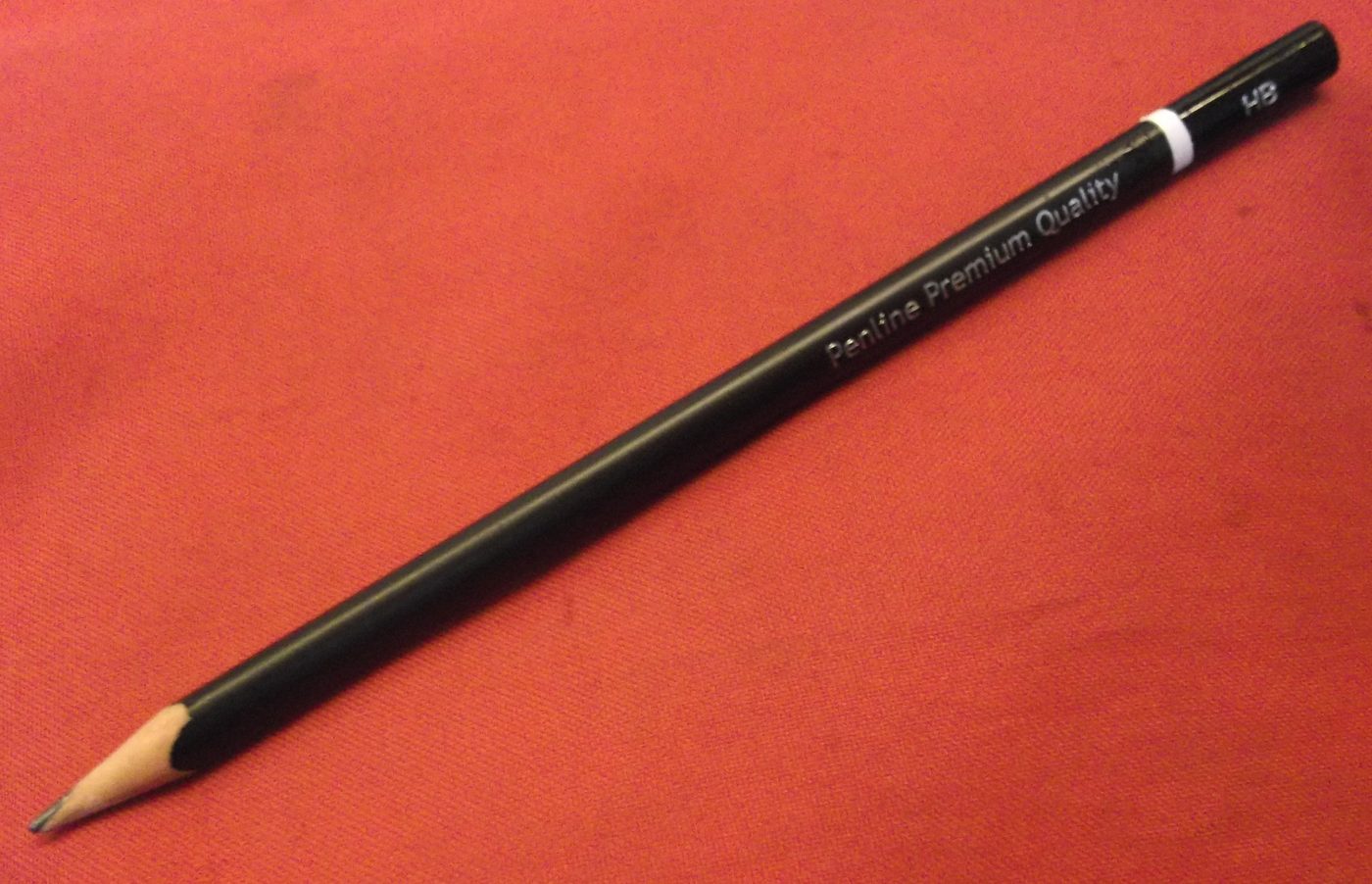
  • Graphite pencils are versatile and come in a hardness scale that influences line darkness and smoothness; designers use harder pencils for light guidelines and softer pencils for shading fabric folds.

Graphite pencil on red surface
Graphite pencil on red surface (Source: Wikimedia Commons)

  • Mechanical pencils support consistent line thickness, ideal for technical details on garment structure, such as seams and darts.
  • Erasers vary in softness and precision; kneaded erasers are preferred for subtle lightening without damaging paper.

  • Sketch pens produce crisp lines that enhance final presentations, often used in professional portfolios or client proposals.
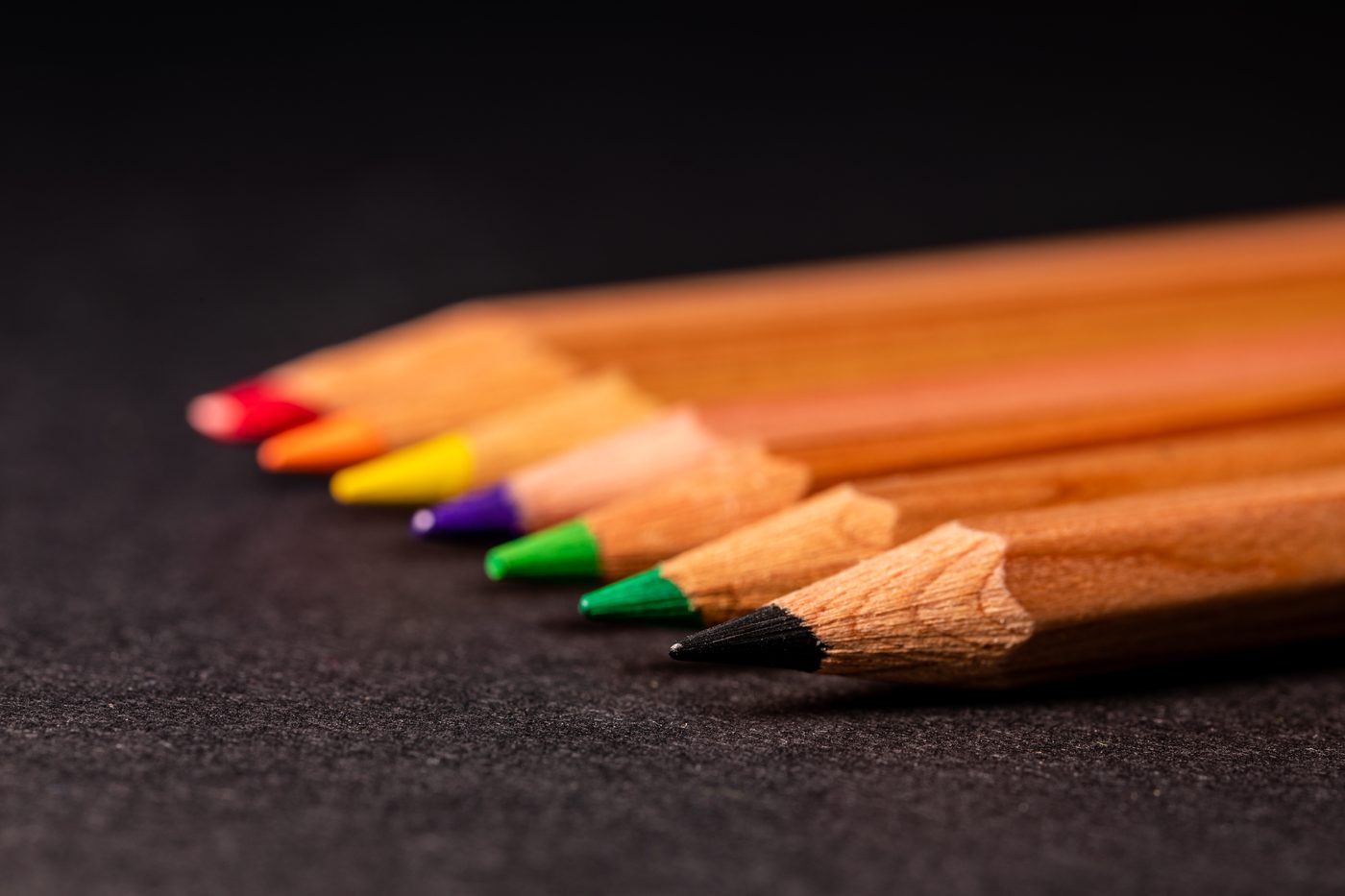
  • Colored pencils enable designers to experiment with color schemes and fabric textures directly on sketches, aiding visualization.

Colored pencils arranged on a dark surface
Colored pencils arranged on a dark surface (Source: Wikimedia Commons)

Paper types and their relevance to fashion sketches

The paper selected for sketching affects the texture, durability, and final appearance of garment designs. Kenyan fashion designers use different paper types depending on the sketch’s purpose, whether for quick concept development or detailed presentation.

Characteristics of sketch papers used in fashion design
  • Weight and thickness: Heavier papers (above 120gsm) prevent tearing and support multiple layers of media, suitable for final presentations.
  • Texture (tooth): Smooth papers allow fine line work with pens and pencils, while rougher textures hold charcoal and pastel better for shading effects.
  • Color: White or off-white papers are standard, but tinted papers can enhance certain styles or mood in sketches.
  • Opacity: Higher opacity papers reduce bleed-through when using ink or markers, maintaining sketch clarity.
  • Size: Common sizes include A3 and A4; larger formats provide space for detailed full-figure sketches and fabric swatches.
Practical use in Kenyan design environments

In design schools such as the Kenya Textile Training Institute, smooth heavyweight paper is favored for portfolio work, while quick concept sketches in retail boutiques may use lighter sketch pads for speed and convenience.

Supporting equipment and materials for garment sketching

Beyond basic tools, several supporting materials enhance sketching efficiency and output quality. These items assist in creating accurate proportions, adding texture, and maintaining workspace organization.

Name Specification Use
Rulers Transparent plastic, 30cm or 60cm Drawing straight lines and measuring dimensions
French curves Plastic, flexible curves Drawing smooth curved lines for necklines, armholes
Lightbox LED illuminated surface, A3 size Tracing and refining sketches without paper damage
Blending stumps Paper rolled tightly, various sizes Smudging and blending pencil shading
Fixative spray Acid-free, matte finish Preserving pencil and pastel sketches
  • Rulers ensure precise pattern outlines and garment details, essential when translating sketches into patterns.

  • French curves facilitate the drawing of complex curves that are difficult to achieve freehand, improving anatomical accuracy.

  • Lightboxes allow layering of sketches for iterative refinement, which is useful in fashion houses like Nairobi’s emerging design labels.
  • Blending stumps help achieve smooth gradients in shading, rendering fabric folds realistically.
  • Fixative sprays protect finished sketches from smudging during handling or presentation.

Maintenance and care of sketching tools and materials

Proper maintenance of sketching tools preserves their functionality and extends their lifespan, reducing costs and ensuring consistent quality in design work. Kenyan fashion design studios emphasize tool care to maintain professionalism and avoid interruptions during the creative process.

Guidelines for maintaining sketching tools
  • Pencils: Keep graphite pencils sharpened with a quality sharpener; avoid dropping to prevent lead breakage.
  • Mechanical pencils: Regularly refill lead and clean the mechanism to prevent jamming.

  • Erasers: Store erasers in clean, dry conditions to avoid hardening or crumbling.

  • Sketch pens: Cap pens tightly after use to prevent ink drying; store vertically to maintain ink flow.
  • Colored pencils: Keep pencils in a case to prevent breakage; sharpen carefully to avoid wasting pigment.
Care for paper and supporting equipment
  • Paper: Store sketch pads flat in a dry environment to prevent warping and discoloration.
  • Rulers and French curves: Clean regularly with a soft cloth to remove graphite or ink residue.
  • Lightboxes: Dust surfaces gently; avoid exposure to moisture to protect electrical components.
  • Blending stumps: Replace when tips become too dirty or frayed to ensure smooth blending.
  • Fixative sprays: Use in well-ventilated areas and follow safety instructions to avoid health hazards.

Practice Questions

  1. Explain the importance of using different grades of graphite pencils in fashion garment sketching. (5 marks)
  2. Compare and contrast the characteristics of sketch papers suitable for initial concept sketches versus final presentation sketches. (6 marks)
  3. Describe the role of French curves and how they contribute to accuracy in garment sketches. (5 marks)
  4. Outline six steps to properly maintain sketch pens used in fashion design studios. (6 marks)
The rest of this chapter
🔒

Create a free account to open more of this chapter.

Free: practical guides, quick cards, workplace scenarios and more.

Create a free account
🔒2.2 Tools

In the Kenyan fashion design industry, sketching garment designs demands precision and creativity supported by the right set of tools. These tools enable designers to translate conceptual ideas into detailed, accurate sketches that serve as blueprints for patt…

🔒2.3 Equipment

In the Kenyan fashion design industry, sketching garment designs remains a foundational skill that merges creativity with technical precision. The choice of equipment significantly influences the quality and efficiency of sketches, impacting how designers comm…

🔒2.4 Garment design sketches

Garment design sketches form the foundation of communicating creative ideas in fashion design. In Kenya’s dynamic fashion industry, where designers must balance cultural influences, market trends, and client preferences, sketches serve as the first tangible ex…

🔒2.5 Garment design details

In fashion design, garment design details are critical elements that define the aesthetic, functionality, and uniqueness of a finished piece. For Kenyan fashion designers, mastering these details enhances the ability to create garments that resonate with local…

Chapter Summary

This chapter provides a comprehensive overview of the essential tools, equipment, and materials used in sketching garment designs, beginning with various drawing tools such as charcoal, coloured pencils, crayons, and assorted pencils. It highlights the importance of a quality sketch pad and eraser to support the creative process. The section on equipment covers both traditional working tables and modern computer applications, illustrating how each contributes to effective design development. The chapter then explores garment design sketches, focusing on key clothing items including skirts, blouses, trousers, and dresses, emphasizing their unique design considerations. Attention is given to garment design details such as panels, pockets, sleeves, collars, cuffs, yokes, and gathers, explaining how these elements influence the overall style and functionality of the garment. Through this detailed examination, the chapter equips students with the foundational knowledge to produce accurate and creative garment sketches that reflect both technical skill and design aesthetics.

Self-Assessment

🔒 PDFDownload this self-assessment, with answers

A. Written Assessment

  1. Which sketching tool is most suitable for creating soft shading effects in garment design? (2 marks)
  2. List four essential tools required for a basic fashion design sketching workstation. (4 marks)
🔒20 more in this section.

Chapter Examination Questions

🔒 PDFDownload these examination questions, with worked answers

SECTION A (40 Marks) - Answer ALL Questions

  1. Identify five essential sketching tools used in garment design and explain their specific roles in creating detailed sketches. (4 marks)
  2. Describe the advantages of using charcoal over coloured pencils when sketching initial garment designs. (4 marks)
🔒18 more in this section.
Flashcards 20 cards Study deck ▾
Question
1

↻ Tap card to reveal answer
🔒

18 more in this section.

Create a free account
Test Yourself 19 questions Start quiz ▾
0%
0 / 2
🔒

17 more in this section.

Create a free account
Am I competent?

At the start of this chapter we promised you would be able to:

  • confidently select and use the right sketching tools, equipment, and supplies for garment design
  • create clear and accurate garment design sketches that match the job requirements
  • carefully examine garment design details to make sure they fit the job needs

Tick each one you can genuinely do.

So, are you there yet?

You're competent when you can confidently do 50% or more of what this chapter promised.

Sign in to record how you're doing.