Fabric decoration is a vital skill for fashion design professionals in Kenya, as it adds artistic value, uniqueness, and market appeal to garments and textiles. Mastery of decoration techniques like batik and embroidery demands not only creativity but also attention to safety and health standards. Proper use of personal protective equipment (PPE) safeguards artisans from hazards such as chemical exposure, needle injuries, and airborne fibres, which are common in fabric decoration workshops. This chapter begins with an in-depth focus on PPEs, underscoring their role in promoting safe and efficient working environments in Kenyan fashion studios and textile enterprises.
2.1 PPEs
Personal Protective Equipment (PPE) is essential for protecting fashion designers and textile artisans during fabric decoration processes like batik and embroidery. In Kenya, adherence to PPE guidelines aligns with occupational safety requirements stipulated by the Directorate of Occupational Safety and Health Services (DOSHS), which helps reduce workplace injuries and illnesses. Proper PPE use enhances productivity by minimizing downtime caused by accidents and health complications, thereby sustaining the quality and continuity of fabric decoration work. The following subtopics examine the types, purposes, proper use, and maintenance of PPE specific to fabric decoration.
Types of PPE Used in Fabric Decoration
Different PPE items serve to protect workers from the various risks encountered during fabric decoration activities such as batik dyeing and embroidery stitching. Understanding the types of PPE and their specific applications is fundamental for compliance and safety in Kenyan fashion workshops.
Types of PPE
- Gloves: Protect hands from chemical stains, dyes, and sharp needles. In batik work, gloves prevent skin contact with hot wax and synthetic dyes, reducing allergic reactions and burns. For embroidery, gloves protect against needle pricks which can cause infections.
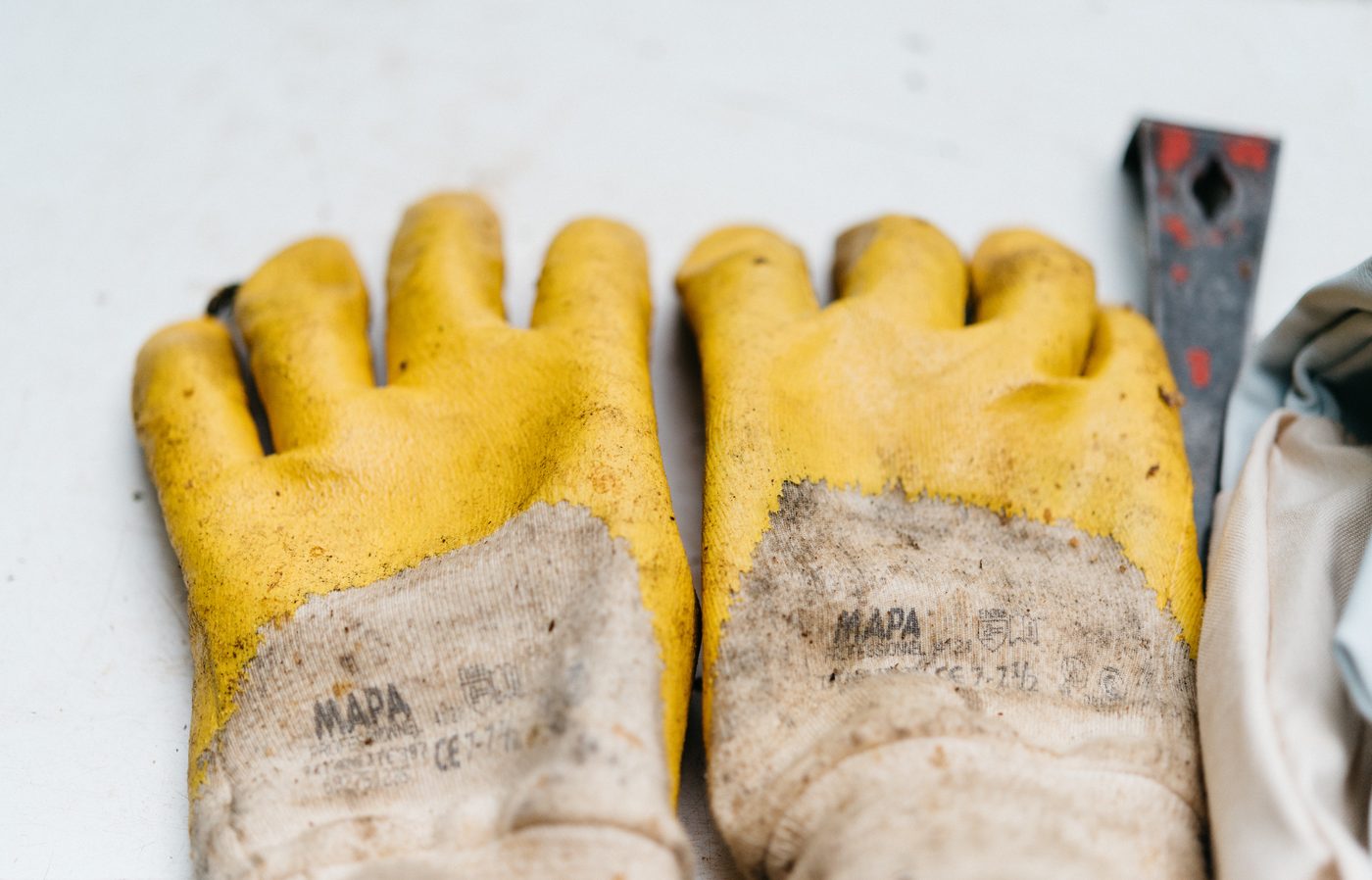
Pair of yellow work gloves used in carpentry (Source: Wikimedia Commons)
- Aprons: Usually made from waterproof or wax-resistant materials, aprons shield clothing and skin from spills of wax, dye, and threads. They also guard against accidental contact with hot tools used in wax application during batik.
- Face Masks: Masks filter out airborne particles such as textile fibres, dust, and chemical fumes from dyes and solvents. In busy urban workshops, like those in Nairobi’s industrial area, masks prevent respiratory issues associated with prolonged exposure.
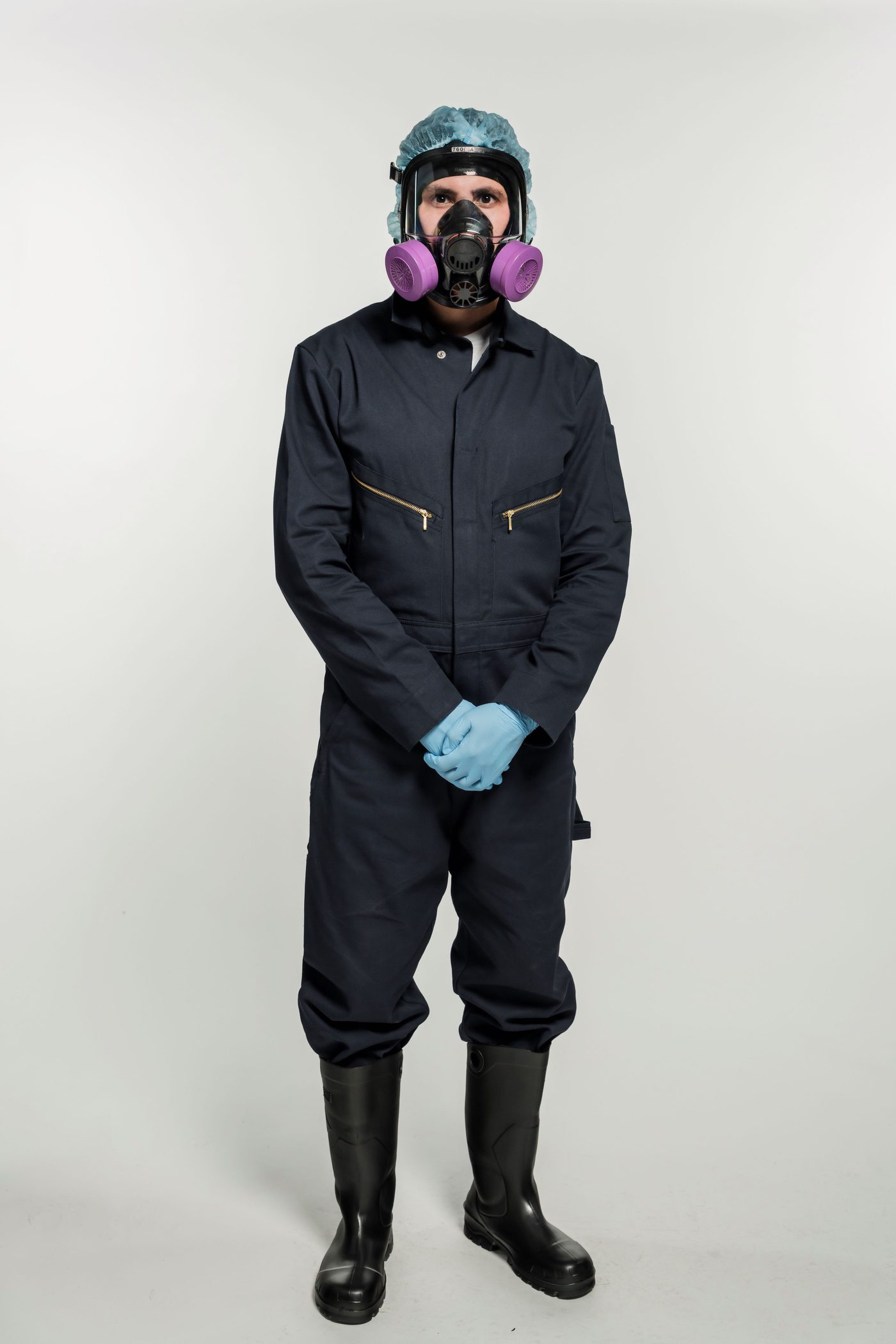
Person wearing a construction face mask with filters (Source: Wikimedia Commons)
- Protective Eyewear: Safety goggles or glasses protect eyes from splashes of dye, wax, or accidental needle flicks during embroidery. Eye protection is crucial when handling hot wax or when using spray dyes.
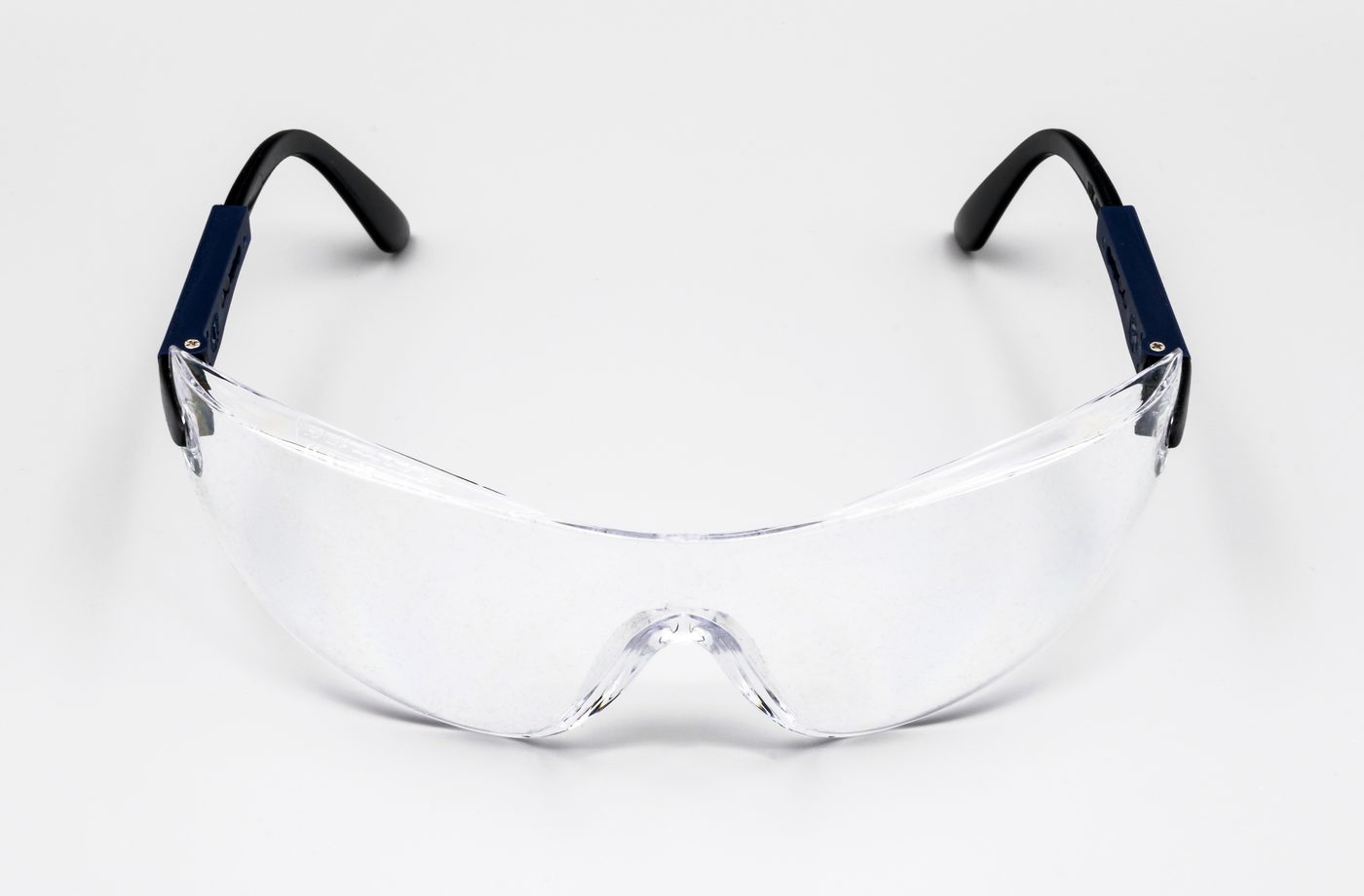
Clear protective eyewear for safety (Source: Wikimedia Commons)
- Closed-Toe Shoes: These protect feet from falling sharp tools, hot wax drips, and chemical spills. Footwear with anti-slip soles is important in textile studios where floors may become slippery from spilled liquids.
Importance and Purpose of PPE in Fabric Decoration
Using PPE is not just a regulatory requirement but a practical necessity that directly influences the health, safety, and efficiency of fabric decorators in Kenya. The purpose of PPE is to create a barrier between the worker and potential hazards arising from the materials and tools used in fabric decoration.
Importance of PPE
- Health Protection: PPE reduces the risk of skin irritations, respiratory problems, and eye injuries caused by dyes, wax, and dust. For instance, artisans working with batik wax in Kisumu town avoid burns and allergic reactions through consistent glove and apron use.
- Injury Prevention: Embroidery involves needles and scissors that can cause puncture wounds or cuts; gloves and protective eyewear minimize these risks. This is critical in institutions like garment factories in Thika where high-volume embroidery is common.
- Compliance with Safety Regulations: PPE use ensures adherence to Kenya’s occupational safety guidelines, helping businesses avoid penalties and shutdowns. County governments enforcing workplace safety in Nairobi and Mombasa monitor PPE compliance in textile workshops.
- Maintaining Work Quality: PPE prevents contamination of fabrics by human sweat or dirt, preserving the quality and appearance of delicate decorations. Clean gloves prevent stains on white embroidered fabrics used in upscale hotels’ staff uniforms.
- Enhancing Worker Confidence: Knowing they are protected, artisans can focus better on intricate tasks, improving productivity and creativity. At a SACCO cooperative producing batik scarves, PPE usage has correlated with fewer accidents and higher output.
Proper Use and Wearing of PPE in Fabric Decoration
Correctly wearing and using PPE is as important as having the equipment itself. Improper use can lead to exposure to hazards or even create new risks, especially in the detailed and delicate tasks involved in fabric decoration.
Guidelines for Proper PPE Use
- Gloves: Should fit snugly without restricting movement. Before starting batik work, gloves must be checked for tears and replaced immediately if damaged to prevent wax or dye contact.
- Aprons: Must fully cover front torso and be secured tightly to avoid slipping or catching on tools. Waterproof aprons are recommended during wax application to prevent fabric damage.
- Face Masks: Should cover both nose and mouth completely. Masks must be replaced regularly, especially in dusty environments like textile markets in Eldoret, to maintain filtration effectiveness.
- Protective Eyewear: Needs to fit securely without obstructing vision. Cleaning eyewear after each session prevents smudges that could impair precision when embroidering detailed patterns.
- Footwear: Closed-toe shoes must be worn at all times in the workshop. Shoes should be inspected for wear and replaced when soles become slippery to prevent accidents on wet floors.
Maintenance and Storage of PPE in Fashion Studios
Proper maintenance and storage of PPE extend its usability and ensure continuous protection for fabric decorators. In Kenya’s diverse climatic conditions, from humid coastal areas to cooler highlands, PPE care is crucial for durability and hygiene.
Maintenance Practices
- Cleaning: Gloves and aprons should be washed with mild detergents after each use to remove wax, dye, and dirt residues. For instance, fashion workshops in Nakuru use cold water washing to preserve the integrity of rubber gloves.
- Inspection: Regular checks for wear and tear help identify PPE that no longer offers adequate protection. Embroidery studios in Kisii conduct weekly PPE inspections to prevent needle injuries.
- Repair: Minor damages such as loose straps on aprons can be fixed promptly to avoid complete replacement. This practice helps small-scale designers reduce costs.
- Proper Drying: PPE should be air-dried thoroughly to prevent mould and bacterial growth, especially in humid coastal areas like Mombasa.
- Storage: PPE must be stored in clean, dry areas away from direct sunlight and chemicals to avoid degradation. Dedicated storage boxes or hangers maintain the shape and cleanliness of items like aprons and gloves.
Practice Questions
- Explain five types of PPE used in fabric decoration and how each protects the artisan. (10 marks)
- Discuss the importance of PPE in ensuring safety and quality during batik and embroidery processes in Kenyan fashion studios. (10 marks)
- Describe six steps for the proper use and wearing of PPE when carrying out fabric decoration. (12 marks)
- Outline five maintenance practices for PPE in a fashion design workshop and explain why each is necessary. (10 marks)
Apron
In the Kenyan fashion design industry, aprons are not just protective garments but also serve as canvases for creative fabric decoration. Whether used in culinary schools, hospitals, tailoring workshops, or retail environments, aprons combine functionality with aesthetic appeal. Fashion designers often incorporate fabric decoration techniques such as batik and embroidery to elevate aprons into personalized, branded, or culturally expressive garments that stand out in competitive markets.
Design Considerations for Aprons in Fabric Decoration
Designing an apron for fabric decoration involves balancing utility with artistic expression. In Kenya, aprons are widely used in diverse sectors including hospitality, healthcare, and artisan workshops, where durability and appearance both matter. Understanding the apron’s intended use guides the choice of decoration methods, fabric type, and design motifs.
Fabric Selection for Aprons
- Durability: Aprons typically undergo frequent washing and rough use; hence, cotton or cotton-blend fabrics are preferred for their resilience and ease of decoration through dyeing or stitching.
- Comfort: Lightweight and breathable fabrics enhance wearer comfort during long shifts in kitchens or clinics, influencing fabric choice.
- Color Base: Light-colored fabrics provide a better canvas for batik dyeing or vibrant embroidery threads, while darker fabrics may require specialized dyes or threads for visibility.
- Texture: Smooth-textured fabrics allow for finer embroidery details, while coarser textures can add rustic appeal and suit traditional batik patterns.
- Cost-effectiveness: In Kenya’s competitive market, selecting affordable yet quality fabrics ensures the apron remains accessible to institutions like vocational schools or small businesses.
Motif and Pattern Selection
- Cultural Relevance: Incorporating traditional Kenyan motifs such as Maasai beadwork patterns or Kikuyu symbols enriches the design’s cultural identity.
- Brand Identity: For corporate clients, logos or thematic motifs aligned with the organization’s branding are essential for recognition.
- Functionality: Placement of motifs should avoid high-stress areas prone to wear and tear, ensuring longevity of decoration.
- Visibility: Designs must be clear and visually appealing from a distance, especially in hospitality settings where aprons serve as uniforms.
- Balance: Combining large batik patterns with delicate embroidery can create dynamic visual interest without overwhelming the apron’s practical use.
Techniques for Fabric Decoration on Aprons
Choosing appropriate decoration techniques for aprons requires understanding their strengths and limitations relative to the fabric and intended use. Batik and embroidery are widely applied in Kenya’s fashion design, each offering distinct aesthetic and functional qualities.
Batik Application on Aprons
- Wax Resist Process: Applying wax to fabric areas prevents dye penetration, creating intricate patterns when dyed; this technique suits cotton aprons.
- Color Layering: Multiple dye baths can produce vibrant, multi-colored motifs, enhancing the apron’s visual appeal.
- Precision: Skillful wax application is necessary to avoid bleeding and ensure clean lines, especially on smaller surfaces like aprons.
- Durability: Proper curing and washing post-batik ensure that dyed patterns withstand frequent laundering common in aprons.
- Customization: Batik allows for one-of-a-kind designs, ideal for bespoke aprons in artisan or boutique settings.
Embroidery on Aprons
- Hand Embroidery: Offers detailed, textured designs that can highlight logos or motifs; suitable for limited production runs.
- Machine Embroidery: Enables consistent, fast decoration for bulk orders such as uniforms for hospitals or schools.
- Thread Selection: Using polyester or cotton threads ensures colorfastness and durability under frequent washing.
- Stitch Types: Common stitches include satin, chain, and cross-stitch, each creating different textures and visual effects.
- Placement: Embroidery is often concentrated around pockets, hems, or chest areas to reinforce both decoration and functional aspects.
Practical Application and Care of Decorated Aprons
The usability and longevity of decorated aprons depend on appropriate application methods and maintenance practices. Kenyan fashion designers must ensure that their fabric decoration techniques align with practical considerations in diverse workplaces.
Application Process
- Pre-treatment: Washing and ironing fabric aprons before decoration removes sizing and prepares the surface for dye or thread adhesion.
- Decoration Execution: Applying batik or embroidery with precision tools and controlled environments minimizes errors and enhances quality.
- Post-decoration Treatment: Heat setting, steaming, or chemical treatments secure dyes and threads, improving durability.
- Quality Inspection: Checking for uniformity, colorfastness, and stitch integrity ensures the finished apron meets client expectations.
- Packaging: Proper folding and protective packaging prevent damage during storage and transport.
Care Instructions for Clients
- Washing Guidelines: Recommend gentle washing cycles, mild detergents, and avoiding bleach to preserve batik dyes and embroidery threads.
- Ironing Practices: Use low to medium heat settings, preferably ironing on the reverse side to protect decorations.
- Storage: Advise clients to store aprons in dry, shaded areas to prevent fading and mildew.
- Repair and Maintenance: Provide guidance on repairing loose threads or minor batik cracks to extend apron lifespan.
- Usage Recommendations: Educate users on avoiding abrasive contact or harsh chemicals that can degrade fabric decorations.
Practice Questions
- Explain how fabric selection influences the effectiveness of batik and embroidery on aprons used in Kenyan hospitality settings. (10 marks)
- Describe six steps involved in applying batik decoration on a cotton apron. (12 marks)
- Discuss five considerations a designer must make when choosing embroidery techniques for aprons intended for use in healthcare facilities. (10 marks)
- Outline the maintenance guidelines that should be provided to clients to prolong the life of decorated aprons. (8 marks)
Dust coat
In the Kenyan fashion design industry, the dust coat serves as an essential protective garment, particularly during fabric decoration processes such as batik and embroidery. It shields the wearer’s clothing from stains, dyes, and threads, maintaining professional cleanliness and safety in studios or workshops. Dust coats also play a role in instilling discipline and professionalism among fashion designers and artisans, especially in busy environments such as garment factories or tailoring shops in Nairobi and Mombasa.
Purpose and Importance of a Dust Coat
The dust coat is more than just protective clothing; it enhances hygiene and efficiency in fabric decoration settings. In Kenyan fashion design workshops, where vibrant dyes and fine threads are handled, the dust coat prevents contamination of both the designer’s attire and the fabric being worked on. Its importance extends to maintaining a professional appearance, which builds trust with clients and stakeholders.
Purpose of a Dust Coat
- Protection of personal clothing: The dust coat acts as a barrier against accidental stains from dyes, paints, and loose threads during decoration activities.
- Enhancement of workplace hygiene: It reduces the transfer of dust and dirt from outside environments into sensitive fabric decoration areas, which is crucial in maintaining fabric quality.
- Safety from chemical exposure: In batik printing, where wax and dyes are used, the dust coat minimizes skin contact with potentially harmful substances.
- Promotion of uniformity: Wearing dust coats fosters a sense of unity and professionalism among workers in fashion studios or tailoring units.
- Preservation of fabric integrity: By preventing direct contact between the designer’s clothes and the fabric, the dust coat helps avoid unwanted marks or damage.
Importance of a Dust Coat
- Maintains client confidence: Clean and professional attire reassures clients of the designer’s commitment to quality and care.
- Reduces cleaning costs: Preventing stains on personal clothing reduces the need for frequent washing or replacement, saving money for employees.
- Improves workflow: Designers can focus on detailed fabric decoration without worrying about damaging their clothes.
- Supports health regulations: Dust coats help fashion workshops comply with occupational health standards, which is increasingly important for export-oriented Kenyan textile firms.
- Encourages accountability: When workers wear identifiable dust coats, it promotes responsibility and pride in maintaining a clean working environment.
Materials and Design Features of Dust Coats
The choice of material and design of dust coats in Kenyan fashion workshops affects durability, comfort, and functionality. Fabric decorators often work long hours under conditions where breathability and ease of movement are critical.
Materials Used for Dust Coats
-
Cotton: Preferred for its breathability and comfort during hot Kenyan climates, especially in informal tailoring shops.
-
Polyester-cotton blends: Offer durability and resistance to stains while maintaining some level of comfort.
- Treated fabrics: Some dust coats are made from fabrics treated to be water-resistant, protecting against liquid dyes.
- Lightweight twill: Used in more formal fashion studios for its strength and smooth finish.
- Non-woven materials: Occasionally used for disposable dust coats in large-scale production units or workshops handling hazardous materials.
Design Features
- Long sleeves: Protect arms from splashes of dye and contact with needles or threads.
- Front buttons or zippers: Allow easy wearing and removal, facilitating quick changes between tasks.
- Pockets: Enable the wearer to carry small tools such as needles, threads, or fabric markers.
- Adjustable cuffs and waist: Provide better fit and prevent loose fabric from catching on equipment.
- Collar styles: Some dust coats have collars to protect the neck area, especially during batik wax application.
Maintenance and Care of Dust Coats
Proper maintenance of dust coats ensures longevity and sustained protection for fashion design professionals in Kenya. Given the frequent exposure to dyes and wax in batik and embroidery, regular cleaning and upkeep are vital.
Maintenance Practices
- Frequent washing: Dust coats should be washed regularly to remove dye stains, wax residues, and dirt accumulated during fabric decoration.
- Use of mild detergents: To preserve fabric quality and prevent premature wear, mild detergents are recommended over harsh chemicals.
- Spot cleaning: For minor stains, spot cleaning immediately after work prevents permanent marks.
- Ironing: Ironing dust coats after washing maintains a neat appearance, which is important in client-facing environments such as boutique fashion studios.
- Proper drying: Air drying is preferred over machine drying to avoid shrinkage and fabric damage.
Selection and Procurement of Dust Coats in Fashion Studios
Selecting the right dust coat for a fashion design environment involves considering the specific needs of the fabric decoration process, worker comfort, and budget constraints. Kenyan fashion houses and tailoring businesses must balance quality and cost-effectiveness.
Factors Influencing Selection
- Nature of fabric decoration work: For batik, water-resistant or wax-resistant dust coats are ideal, while embroidery may require more flexible materials.
- Climate conditions: In hot regions like Eldoret, breathable cotton dust coats improve comfort and reduce fatigue.
- Workplace safety standards: Dust coats should meet safety requirements especially in larger workshops or factories.
- Budget availability: Small-scale tailors may opt for simpler, less expensive dust coats, while established fashion houses invest in durable, branded coats.
- Supplier reliability: Procuring dust coats from reputable Kenyan textile suppliers ensures consistent quality and availability.
Practice Questions
- Explain five reasons why dust coats are important in fabric decoration workshops. (10 marks)
- Describe the key material properties that make cotton a suitable fabric for dust coats in Kenya’s fashion industry. (10 marks)
- Outline six steps in the proper maintenance of dust coats used during embroidery work. (12 marks)
- Discuss five factors to consider when selecting dust coats for a fashion studio specializing in batik. (10 marks)
Face mask
In Kenya’s fashion industry, face masks have evolved beyond their original health and safety purpose to become vital fashion accessories that express creativity and cultural identity. The COVID-19 pandemic accelerated demand for stylish, comfortable, and functional face masks, creating opportunities for fashion designers to innovate through fabric decoration techniques such as batik and embroidery. This section explores how face masks are designed, decorated, and constructed to meet both aesthetic and practical requirements in the Kenyan context.
Design Considerations for Fashion Face Masks
Designing face masks for fashion purposes requires balancing protection, comfort, and style. Kenyan designers often incorporate traditional and contemporary motifs to appeal to diverse markets including urban youth, professionals, and cultural enthusiasts. The choice of fabric, shape, and decoration technique directly impacts the mask’s effectiveness and wearability.
Key Design Factors
-
Fabric Selection: Choosing breathable, skin-friendly fabrics such as cotton or blends that allow for batik or embroidery without compromising filtration is essential. For example, at a Nairobi-based boutique, designers use cotton voile for its lightness and suitability for detailed embroidery.
-
Shape and Fit: Masks must contour the face properly to provide adequate coverage while allowing ease of movement. Designs like pleated rectangular masks or contoured masks with darts are popular in Kenya’s retail outlets.
-
Decoration Placement: Embroidery or batik patterns are strategically positioned to avoid areas that impede breathing or interfere with mask straps. Decorative elements often frame the mask edges or center panel for visual impact.
-
Layering: Incorporating multiple fabric layers enhances protection but requires careful design to maintain breathability. Many Kenyan designers use an inner plain cotton layer with an outer decorated layer.
-
Aesthetic Appeal: Patterns inspired by Kenyan culture, such as kitenge batik motifs or Maasai beadwork embroidery, create unique selling points. Designers in Mombasa integrate coastal colors and symbols into their mask designs for tourist markets.
Fabric Decoration Techniques Suitable for Face Masks
Fabric decoration on face masks must consider durability, washability, and comfort. Both batik and embroidery are widely used by Kenyan fashion designers to add artistic value while maintaining mask functionality.
Batik Decoration on Masks
Batik involves wax-resist dyeing techniques that produce intricate patterns. For face masks, the wax application is carefully controlled to avoid stiffening the fabric excessively.
-
Wax Application: Applying wax in fine lines or simple shapes preserves fabric flexibility critical for mask comfort.
-
Dyeing Process: Multiple dye baths can create vibrant, multi-colored patterns representing Kenyan flora or abstract designs.
-
Finishing: After wax removal, the fabric is softened using gentle washing techniques to ensure softness against the skin.
Embroidery Decoration on Masks
Embroidery adds texture and detail but must be lightweight to avoid discomfort.
-
Thread Choice: Cotton or rayon embroidery threads are preferred for their softness and colorfastness.
-
Stitch Types: Simple stitches like satin stitch or chain stitch are common for outlining motifs inspired by Kenyan tribal patterns.
-
Placement: Embroidery is often limited to small areas such as the mask corners to reduce weight.
-
Durability: Embroidered masks undergo multiple wash tests to ensure threads do not loosen or fade, a practice observed in leading Nairobi fashion houses.
Construction and Finishing of Decorated Face Masks
The construction phase integrates the decorated fabric panels into functional masks. Kenyan designers pay close attention to stitching quality, strap attachment, and finishing to ensure durability and wearer comfort.
Steps in Mask Construction
-
Cutting: Fabric panels are cut to precise dimensions allowing for seam allowances and accommodating decoration placement.
-
Layer Assembly: Outer decorated fabric is paired with inner lining fabric, often plain cotton, to form the mask body.
-
Sewing: Seams are stitched using strong but flexible threads, ensuring the decoration is not damaged during assembly.
-
Strap Attachment: Elastic or fabric ties are securely sewn, with reinforced stitching at stress points to prevent detachment.
-
Edge Finishing: Bias binding or overlocking is applied to mask edges to prevent fraying and maintain shape.
-
Quality Inspection: Each mask is examined for decoration integrity, seam strength, and overall fit before packaging.
Example: A Kisumu-based fashion cooperative uses hand embroidery on kitenge fabric masks, carefully hand-sewing elastic straps to maintain artisanal quality and customer satisfaction.
Challenges and Innovations in Face Mask Decoration
While face mask decoration offers creative expression, Kenyan designers face challenges including material shortages, maintaining hygiene standards, and balancing decoration with functionality. Innovative solutions are emerging to address these issues.
Challenges
-
Material Availability: High-quality cotton and embroidery threads can be scarce or expensive, limiting production scale for smaller designers.
-
Hygiene and Safety: Decorative elements must withstand frequent washing without degradation, a critical consideration in health-conscious markets.
-
Comfort vs Decoration: Heavy embroidery or thick wax layers can reduce breathability, leading to wearer discomfort.
-
Market Competition: Mass-produced plain masks are cheaper, making it difficult for decorated masks to compete on price.
-
Environmental Impact: Disposal of masks with synthetic threads or chemical dyes poses ecological concerns.
Innovations
-
Use of Eco-Friendly Materials: Some designers incorporate organic cotton and natural dyes for sustainable mask lines.
-
Modular Decoration: Removable embroidered patches or batik panels allow users to customize masks while easing washing.
-
Hybrid Techniques: Combining light batik backgrounds with minimal embroidery creates balanced decoration.
-
Digital Embroidery Machines: Fashion hubs in Nairobi invest in computerized embroidery to increase precision and production speed.
-
Community Engagement: Fashion groups collaborate with local artisans to preserve cultural motifs in mask designs, enhancing market appeal.
Practice Questions
- Explain five key design considerations when creating fashion face masks suitable for the Kenyan market. (10 marks)
- Describe how batik and embroidery techniques can be adapted to decorate face masks without compromising functionality. (10 marks)
- Outline the six steps involved in the construction and finishing of decorated face masks. (12 marks)
- Identify and explain four challenges faced by Kenyan fashion designers in producing decorated face masks and discuss two innovative solutions. (13 marks)
Safety shoes
In the Kenyan fashion design industry, particularly in fabric decoration processes such as batik and embroidery, safety is paramount. Workers often handle sharp tools, hot wax, dyes, and heavy equipment, which can pose risks to the feet. Wearing appropriate safety shoes protects against injuries and contributes to a safe working environment. Understanding the specifications, types, and proper use of safety shoes ensures that fashion design professionals minimize hazards during fabric decoration activities.
Purpose and Importance of Safety Shoes in Fabric Decoration
Safety shoes play a critical role in protecting fashion designers and artisans from workplace hazards encountered in fabric decoration. Their primary purpose is to shield the feet from physical injuries, chemical spills, and electrical hazards, which are common in studios and workshops where batik and embroidery are performed. For example, in a textile workshop in Nairobi, a designer who accidentally drops a pair of embroidery scissors risks severe foot injury without adequate protection.
Purpose of Safety Shoes
- Protection from Sharp Objects: Safety shoes prevent puncture wounds and cuts from needles, pins, and scissors used in embroidery.
- Thermal Protection: During batik work, hot wax can spill on the floor; safety shoes reduce burn risks.
- Chemical Resistance: Dyes and solvents used in fabric decoration can be harmful; shoes with chemical-resistant soles protect workers.
- Slip Resistance: Floors in workshops can become slippery due to spilled liquids; safety shoes provide grip to prevent falls.
- Support and Comfort: Long hours standing while decorating fabrics require shoes that offer ergonomic support to reduce fatigue and musculoskeletal strain.
Importance of Safety Shoes
- Accident Prevention: Proper footwear reduces the frequency and severity of foot injuries, ensuring continuous productivity.
- Compliance with Safety Standards: Kenyan occupational safety regulations require protective footwear in hazardous work environments.
- Enhanced Worker Confidence: Knowing their feet are protected, workers focus better on intricate tasks like embroidery patterns.
- Reduction of Medical Costs: Avoiding foot injuries lowers healthcare expenses for both employees and employers.
- Promotion of a Safety Culture: Consistent use of safety shoes fosters a workplace culture that prioritizes health and safety, as seen in reputable fashion houses in Mombasa.
Types and Specifications of Safety Shoes Suitable for Fabric Decoration
Different safety shoes cater to diverse hazards present in fabric decoration. Selecting the appropriate type depends on the specific risks faced during batik or embroidery work, such as punctures, chemical exposure, or slips. The following table summarizes common safety shoe types used in fashion design workshops alongside their specifications and uses.
| Name |
Specification |
Use |
| Steel-Toe Boots |
Reinforced steel toe cap, slip-resistant sole |
Protection against heavy falling objects and sharp tools |
| Chemical-Resistant Shoes |
Soles and uppers made from rubber or PVC resistant to acids and dyes |
Shield feet from chemical spills during dyeing and waxing |
| Anti-Slip Shoes |
Rubber soles with high traction patterns |
Prevent slips on wet or wax-coated floors |
| Puncture-Resistant Shoes |
Midsole with metal or composite plate |
Guard against sharp needles and pins on the floor |
| Lightweight Safety Sneakers |
Breathable material with reinforced toe caps |
Comfortable for long hours while offering basic protection |
Safety shoes for fabric decoration should meet the Kenya Bureau of Standards (KEBS) requirements for occupational safety footwear to ensure durability and effectiveness.
Proper Use and Maintenance of Safety Shoes in Fashion Workshops
Owning the correct safety shoes is not sufficient; their proper use and maintenance are essential to maximize protection and longevity. In Kenya, many fashion design workshops have adopted protocols for shoe use to prevent contamination of fabrics and maintain hygiene.
- Correct Fit: Shoes must fit snugly without being too tight to avoid discomfort or blisters during long embroidery sessions.
- Regular Inspection: Check for worn soles, damaged toe caps, or compromised chemical resistance before each use.
- Cleaning Procedures: Remove fabric dust, wax, and dye residues after each workday using appropriate cleaning agents to prevent degradation.
- Storage: Store shoes in a dry, ventilated area to avoid mold growth and material breakdown.
- Replacement Schedule: Replace safety shoes every 6 to 12 months depending on frequency of use and condition to ensure continued safety compliance.
Challenges and Solutions in Using Safety Shoes in Fabric Decoration
Despite the clear benefits, some fashion design professionals in Kenya face challenges in adopting safety shoes consistently. Addressing these challenges improves compliance and workplace safety.
Challenges
- Discomfort and Heat: Some workers find safety shoes heavy and hot, especially in Nairobi’s warm climate.
- Cost Concerns: High-quality safety shoes can be expensive, limiting access for small-scale artisans or startups.
- Aesthetic Preferences: Designers may resist bulky safety shoes as they feel it conflicts with fashion aesthetics.
- Lack of Awareness: Some artisans underestimate foot injury risks and neglect protective footwear use.
- Maintenance Neglect: Poor shoe care leads to reduced protection and premature wear.
Solutions
- Use Lightweight and Breathable Models: Encourage the use of safety sneakers designed for comfort in warm environments.
- Bulk Purchasing and Subsidies: Fashion cooperatives can negotiate bulk buys or seek government subsidies to reduce costs.
- Design-Integrated Safety Footwear: Partner with local shoemakers to develop stylish yet protective shoes tailored for designers.
- Safety Training: Conduct regular workshops emphasizing the risks and benefits of safety shoes in fabric decoration.
- Maintenance Education: Provide guidelines on cleaning and inspection to prolong shoe life and effectiveness.
Practice Questions
- Explain five purposes of safety shoes in fabric decoration and why each is important in a Kenyan fashion design workshop. (10 marks)
- Identify and describe five types of safety shoes suitable for batik and embroidery work, including their specifications and uses. (10 marks)
- Outline six steps involved in the proper maintenance of safety shoes used in fabric decoration. (12 marks)
- Discuss three challenges faced by fashion designers in Kenya regarding the use of safety shoes and propose practical solutions for each. (8 marks)
Gloves
In the context of fabric decoration, especially in fashion design, the use of gloves is essential for protecting both the artisan and the fabric during processes such as batik and embroidery. In Kenyan fashion studios and ateliers, gloves serve to prevent contamination of delicate fabrics by oils and dirt from hands, as well as shielding artisans from exposure to dyes, chemicals, and sharp needles. Selecting appropriate gloves enhances the quality of the finished product and ensures safety standards are met, particularly when working with synthetic dyes or metallic threads. Gloves also contribute to maintaining hygiene in environments such as garment manufacturing units in Nairobi or Mombasa, where multiple workers handle the same textiles.
Types of Gloves Used in Fabric Decoration
The selection of gloves depends on the specific fabric decoration technique employed, the materials handled, and the level of protection required. Kenyan fashion designers often choose gloves that balance dexterity with protection to handle intricate embroidery or batik wax application.
Types of Gloves
-
Cotton Gloves: These are breathable and soft, ideal for handling finished garments or delicate fabrics during embroidery to avoid direct contact with oils from the skin. They allow good dexterity but offer minimal chemical protection.
-
Latex Gloves: Often used when applying dyes or wax in batik, latex gloves provide good protection against most chemicals while maintaining flexibility. However, some users may experience allergies, so alternatives may be necessary.
- Nitrile Gloves: Resistant to punctures and many chemicals, nitrile gloves are a preferred choice in many Kenyan fashion workshops where synthetic dyes or solvents are used. They provide excellent tactile sensitivity for detailed stitching work.
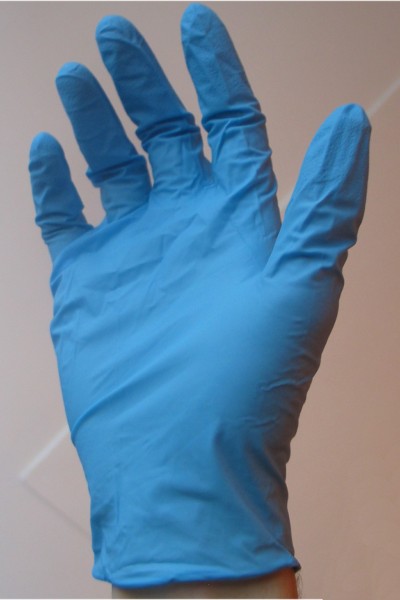
Blue nitrile glove on a hand (Source: Wikimedia Commons)
- PVC Gloves: These gloves offer superior protection against harsh chemicals and are useful during heavy wax application or when cleaning tools. Their rigidity can reduce dexterity, so they are used mainly for tasks requiring chemical resistance over precision.
- Leather Gloves: Employed in situations requiring protection from needle pricks or handling rough materials, leather gloves are durable but limit fine motor control, making them less suitable for detailed embroidery.
Criteria for Selecting Gloves in Fabric Decoration
Choosing the right gloves involves evaluating factors such as the type of fabric, the decoration method, the chemicals involved, and ergonomic considerations to avoid hand fatigue during prolonged use.
Selection Criteria
- Material Compatibility: Gloves must be resistant to the dyes, waxes, or adhesives used in batik and embroidery without degrading or allowing chemical penetration.
- Dexterity and Fit: Since embroidery demands fine motor skills, gloves should fit snugly and allow finger movement without slipping or bunching.
- Allergen Considerations: In Kenya, where latex allergies are increasingly recognized, alternative materials like nitrile or vinyl should be considered to avoid allergic reactions among artisans.
- Durability and Reusability: For cost-effectiveness in fashion houses or training institutions such as Kenyatta University’s textile department, gloves that withstand multiple uses without tearing are preferred.
- Comfort and Breathability: Gloves that cause excessive sweating reduce concentration and increase the risk of mistakes; therefore, breathable materials or cotton liners inside chemical-resistant gloves are advantageous.
Proper Usage and Maintenance of Gloves in Fabric Decoration
Proper use and maintenance of gloves ensure their effectiveness in protecting both the fabric and the artisan, extending glove life and maintaining hygiene standards within Kenyan fashion studios and garment workshops.
Usage and Maintenance Practices
| Name |
Specification |
Use |
| Cotton Gloves |
100% cotton, breathable, lightweight |
Handling finished embroidered fabrics |
| Latex Gloves |
Flexible, chemical resistant, powder-free |
Applying batik dyes and wax |
| Nitrile Gloves |
Puncture resistant, chemical resistant |
Detailed embroidery and dye handling |
| PVC Gloves |
Heavy-duty, chemical resistant |
Wax application and cleaning tasks |
| Leather Gloves |
Thick, durable, puncture resistant |
Handling rough materials, needle protection |
- Wearing Gloves Correctly: Gloves should be worn with clean, dry hands to prevent contamination of fabrics. They must cover wrists fully to avoid exposure to chemicals.
- Changing Gloves Frequently: When working with different colors or chemicals, gloves should be replaced to prevent cross-contamination, especially in batik dyeing processes.
- Cleaning Reusable Gloves: Cotton and leather gloves should be washed or wiped clean after each use following manufacturer instructions to remove residues that could stain fabrics.
- Safe Disposal: Disposable gloves, such as latex or nitrile, must be discarded responsibly after use to prevent environmental pollution and maintain workshop hygiene.
- Storage: Gloves should be stored in a cool, dry place away from direct sunlight to avoid material degradation, particularly latex and nitrile gloves.
Safety Considerations and Challenges When Using Gloves
While gloves are essential for protection, improper use can lead to safety hazards or reduce the quality of fabric decoration. Kenyan fashion designers must understand these challenges to implement safe and effective glove use.
Safety Considerations
- Reduced Tactile Sensitivity: Thick gloves may impair the artisan’s ability to feel fine fabric textures or thread tension, potentially affecting embroidery quality.
- Allergic Reactions: Repeated use of latex gloves can cause skin irritation or allergies in some users, necessitating alternative materials.
- Improper Fit: Oversized or loose gloves can snag on needles or fabric, posing injury risks or damaging delicate textiles.
- Chemical Permeation: Using gloves inappropriate for certain dyes or solvents can result in chemical exposure and skin damage.
- Cross-Contamination Risks: Failure to change gloves between tasks can transfer dyes or waxes unintentionally, ruining fabric patterns or colors.
Challenges in Kenyan Fashion Studios
- Cost Constraints: Small-scale designers and training institutions may struggle to afford frequent glove replacement, leading to prolonged use and diminished protection.
- Limited Availability: Access to high-quality nitrile or PVC gloves can be inconsistent, especially outside major cities like Nairobi.
- Training Gaps: Artisans may lack awareness of correct glove use and maintenance, increasing risks of contamination or injury.
Practice Questions
-
Explain five factors to consider when selecting gloves for fabric decoration in a Kenyan fashion design studio. (10 marks)
-
Describe the differences between latex and nitrile gloves and their suitability for batik and embroidery work. (10 marks)
-
Outline six steps for the proper use and maintenance of gloves during fabric decoration activities. (12 marks)
-
Discuss four safety challenges associated with glove use in fabric decoration and suggest ways to mitigate them. (8 marks)
The rest of this chapter
🔒Create a free account to open more of this chapter.
Free: practical guides, quick cards, workplace scenarios and more.
Create a free account 🔒2.2 Fabric preparation
Fabric preparation is a critical preliminary phase in fabric decoration, especially in techniques like batik and embroidery. Proper preparation ensures that the fabric accepts dyes, wax, or threads uniformly and that the final design is durable and visually ap…
🔒2.3 Methods of Fabric Decoration
Fabric decoration is a vital aspect of fashion design, especially in Kenya where cultural richness and modern fashion trends merge to create unique textile expressions. Understanding various methods of fabric decoration enables fashion designers to innovate an…
Chapter Summary
This chapter covered essential personal protective equipment needed for fabric decoration, including aprons to protect clothing, dust coats to prevent contamination, face masks to safeguard against inhaling particles, safety shoes for foot protection, and gloves to shield hands during work. It emphasized the importance of thorough fabric preparation as a foundational step to ensure successful decoration outcomes. Various methods of fabric decoration were explored, highlighting techniques that enhance fabric aesthetics and functionality. The chapter provided detailed insights into embroidery, focusing on stitching designs onto fabric to create intricate patterns. It also examined batik, a wax-resist dyeing method that produces unique fabric patterns through controlled application of wax and dye. Together, these topics equip learners with the knowledge to safely and effectively carry out fabric decoration processes.
Self-Assessment
🔒 PDFDownload this self-assessment, with answers
A. Written Assessment
-
Which of the following is NOT a recommended personal protective equipment (PPE) for fabric decoration?
a) Face mask
b) Safety shoes
c) Sunglasses
d) Gloves
(2 marks)
-
Explain why wearing an apron is important during embroidery work. (3 marks)
🔒20 more in this section.
Chapter Examination Questions
🔒 PDFDownload these examination questions, with worked answers
SECTION A (40 Marks) - Answer ALL Questions
- Explain why wearing a dust coat is essential during fabric decoration activities such as embroidery and batik in a Kenyan fashion design workshop. (4 marks)
- Describe the primary purpose of using gloves when carrying out batik fabric decoration. (4 marks)
🔒18 more in this section.
