
By the end of this chapter, you will be able to:
Mastering these skills will help you create beautiful, safe, and high-quality fabric decorations that meet professional standards in your trade.
Fabric decoration is an essential skill for fashion designers, particularly in Kenya where cultural expression and innovation in fabric artistry enrich the fashion industry. Effective planning for fabric decoration such as batik and embroidery ensures that the finished garments meet aesthetic, functional, and safety standards. Proper preparation also safeguards the health of artisans and preserves the integrity of the fabric. This chapter focuses on the critical role of personal protective equipment (PPE) in fabric decoration planning to promote safety and efficiency in design studios and workshops.
Personal protective equipment is vital in fabric decoration processes to prevent injuries and exposure to harmful substances. In Kenya’s fashion industry, where artisans often work with dyes, wax, needles, and sharp tools, PPE acts as the first line of defense against accidents and occupational hazards. Understanding the types, correct usage, and maintenance of PPE enhances workplace safety and supports compliance with Kenya’s occupational health regulations.
The diverse nature of batik and embroidery work requires specific protective gear to address different risks. PPE selection depends on the tasks involved, such as handling hot wax in batik or sharp needles in embroidery. The main categories of PPE include:
Gloves protect hands from chemical exposure, hot wax burns, and puncture wounds from needles. For instance, nitrile gloves are preferred when working with dyes to prevent skin irritation, while heat-resistant gloves are necessary during wax application in batik.
Goggles or safety glasses shield the eyes from splashes of dye, wax droplets, or flying fabric fibers. In embroidery, eye protection is crucial during machine operation to prevent injuries from needle breakage.
Aprons and long-sleeved garments prevent stains and skin contact with hazardous materials. Cotton aprons are popular in Kenyan fashion workshops due to their breathability and ease of washing, ensuring comfort during long work hours.
Masks protect against inhalation of fumes from wax melting or chemical dyes. Artisans working in poorly ventilated spaces in Nairobi or Mombasa benefit significantly from masks to reduce respiratory health risks.
Closed-toe shoes with non-slip soles protect against dropped tools or hot wax spills. In institutions like fashion design schools, enforcing footwear policies reduces foot injuries during practical sessions.
Proper use of PPE maximizes its protective function and enhances worker safety. Kenyan fashion designers and artisans must be trained on correct procedures to ensure PPE effectiveness.
PPE should be put on before starting any fabric decoration task and removed carefully to avoid contamination. For example, gloves should be worn after handwashing and removed by peeling from the wrist to fingertips to prevent contact with contaminants.
Selecting PPE that fits well and is comfortable encourages consistent use. Tailors in Kisumu, for instance, prefer adjustable goggles that fit securely without causing discomfort during embroidery.
Different stages of fabric decoration require specific PPE. During batik wax application, heat-resistant gloves and aprons are essential, while embroidery demands puncture-resistant gloves and eye protection.
Regular inspection of PPE for damage such as tears in gloves or cracks in goggles is necessary. Damaged PPE should be replaced promptly to maintain protection standards.
Maintaining PPE in good condition ensures longevity and reliable protection for fashion designers and artisans. Proper storage and cleaning practices are critical in Kenyan work environments with frequent exposure to dust and moisture.
Gloves, aprons, and masks should be cleaned according to manufacturer guidelines to prevent degradation. For example, reusable cotton aprons can be machine washed, while nitrile gloves are disposable and must be discarded after use.
PPE should be stored in clean, dry areas away from direct sunlight and chemicals. In fashion design workshops, designated PPE storage cabinets help keep equipment organized and accessible.
Certain PPE like disposable gloves and masks require regular replacement after each use to maintain hygiene. Training programs in Nairobi’s design colleges emphasize timely replacement to avoid cross-contamination.
Maintaining logs of PPE issuance and replacement schedules supports compliance with workplace safety regulations. County government offices with textile departments use such records to monitor PPE usage effectively.
Kenyan laws mandate the use of PPE in workplaces to protect employees from occupational hazards. Compliance with these regulations is crucial for fashion design businesses to avoid penalties and ensure worker welfare.
This act requires employers to provide appropriate PPE to employees at no cost and ensure it is used correctly. Textile and fashion design workshops must adhere to these provisions to safeguard artisans during fabric decoration.
The Kenya Bureau of Standards (KEBS) provides specifications for PPE quality and performance. Using KEBS-approved PPE guarantees that protective equipment meets minimum safety standards.
Fashion design enterprises must conduct risk assessments and provide training on PPE use. For example, a SACCO investing in a textile project in Nakuru must ensure all workers understand PPE protocols.
Employees have the right to a safe working environment and the duty to use PPE as instructed. Artisans at a county government textile unit in Kisii are expected to comply with PPE policies to maintain workplace safety.
Non-compliance with PPE regulations attracts fines and sanctions by the Directorate of Occupational Safety and Health Services (DOSHS). Fashion businesses in Nairobi have faced closures for failing to enforce PPE use among fabric decorators.
In the fashion design industry in Kenya, especially during fabric decoration processes such as batik and embroidery, the use of Personal Protective Equipment (PPE) is essential. PPE safeguards designers and artisans from potential hazards like chemical exposure, sharp tools, and repetitive strain injuries. Understanding the types of PPE required enables fashion professionals to maintain safety standards while preserving the quality of their craft. This section explores the main types of PPE relevant to fabric decoration, highlighting their functions and applications in Kenyan fashion studios and workshops.
Protective clothing is the first line of defense for fashion designers engaged in fabric decoration, particularly during batik dyeing and embroidery work. It prevents contamination of personal clothes and minimizes skin exposure to dyes, wax, needles, and other materials.
Cotton aprons remain the most common in small Kenyan studios due to affordability and comfort, while PVC aprons are preferred in specialized batik production units.
Hands are the most exposed part during fabric decoration, especially when handling hot wax, dyes, needles, and scissors. Appropriate hand protection reduces the risk of burns, cuts, and chemical exposure.
Latex Gloves: These provide a snug fit and excellent dexterity, critical for detailed embroidery work. Latex is also resistant to many dyes and mild chemicals but may cause allergic reactions in some users.
Nitrile Gloves: Preferred in Kenyan workshops using stronger chemicals in fabric dyeing, nitrile gloves offer better chemical resistance and durability than latex.
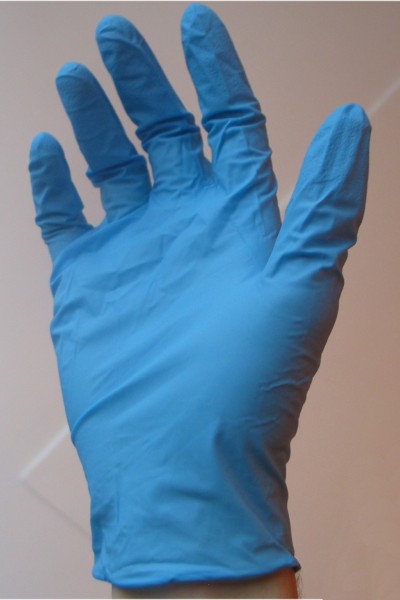
Blue nitrile glove on a hand (Source: Wikimedia Commons)
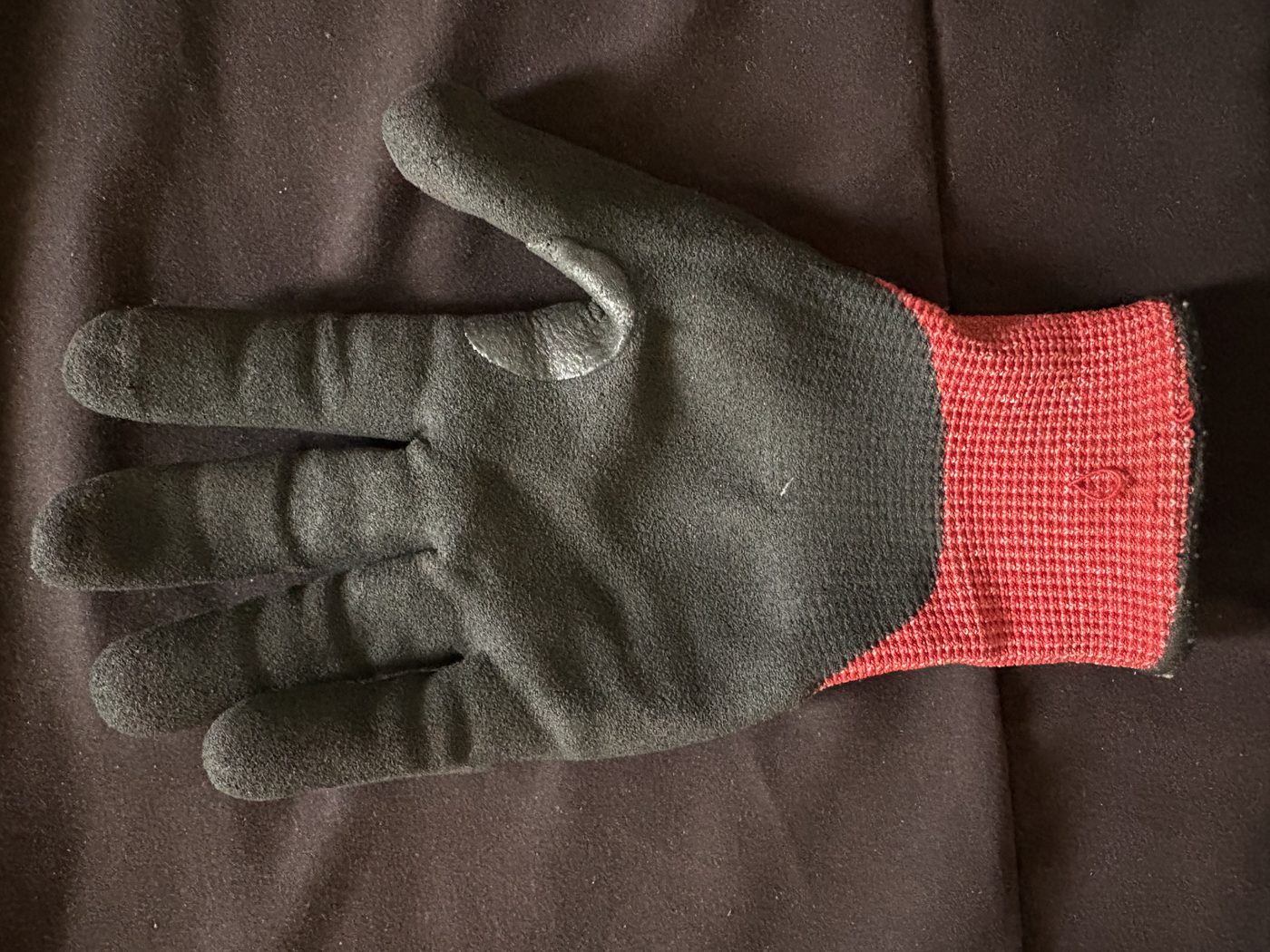
single heat-resistant glove with red cuff (Source: Wikipedia (Cut-resistant gloves))
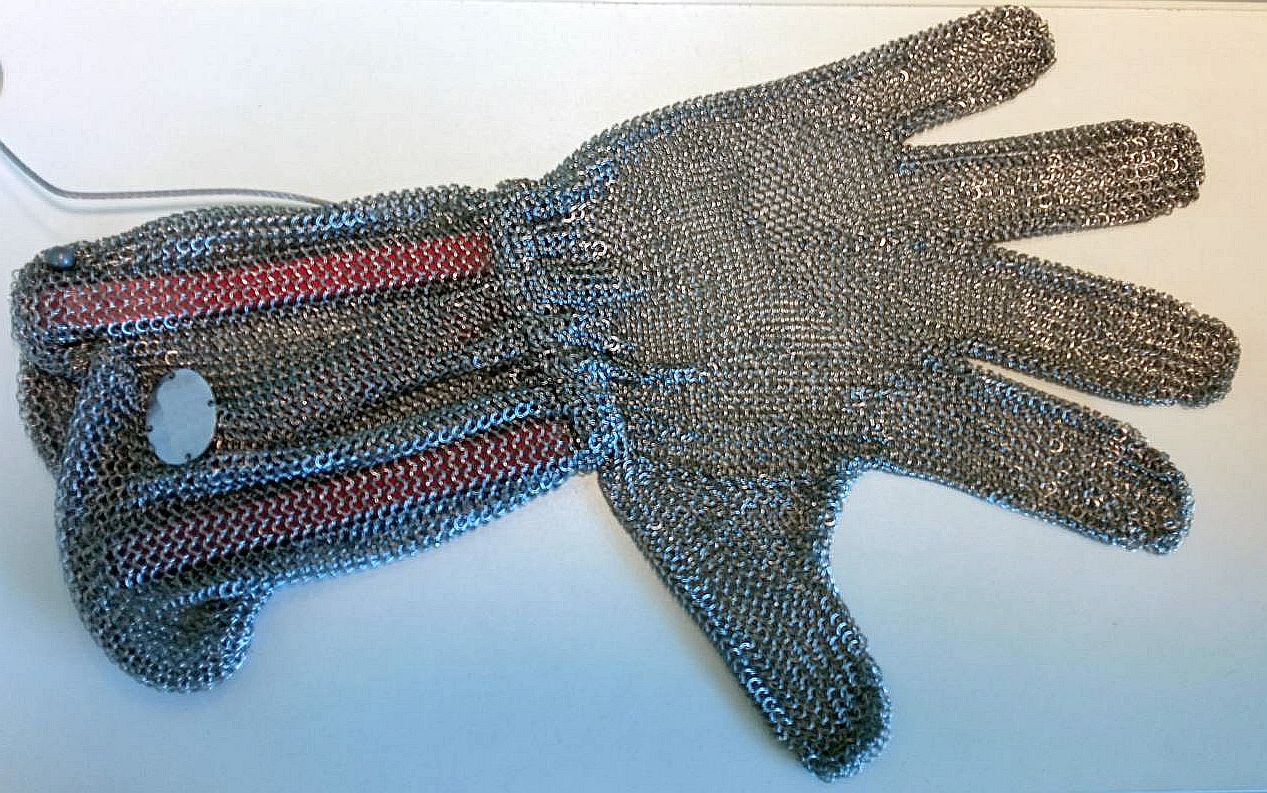
Metal mesh cut-resistant glove (Source: Wikimedia Commons)
Gloves must fit well to avoid impairing the fine motor skills required in embroidery and batik detailing, with Kenyan designers balancing protection and tactile sensitivity.
Eye and face protection is crucial when working with splashing dyes, hot wax, or sharp tools in fabric decoration. Injuries to the eyes can be severe and may lead to permanent damage if precautions are neglected.
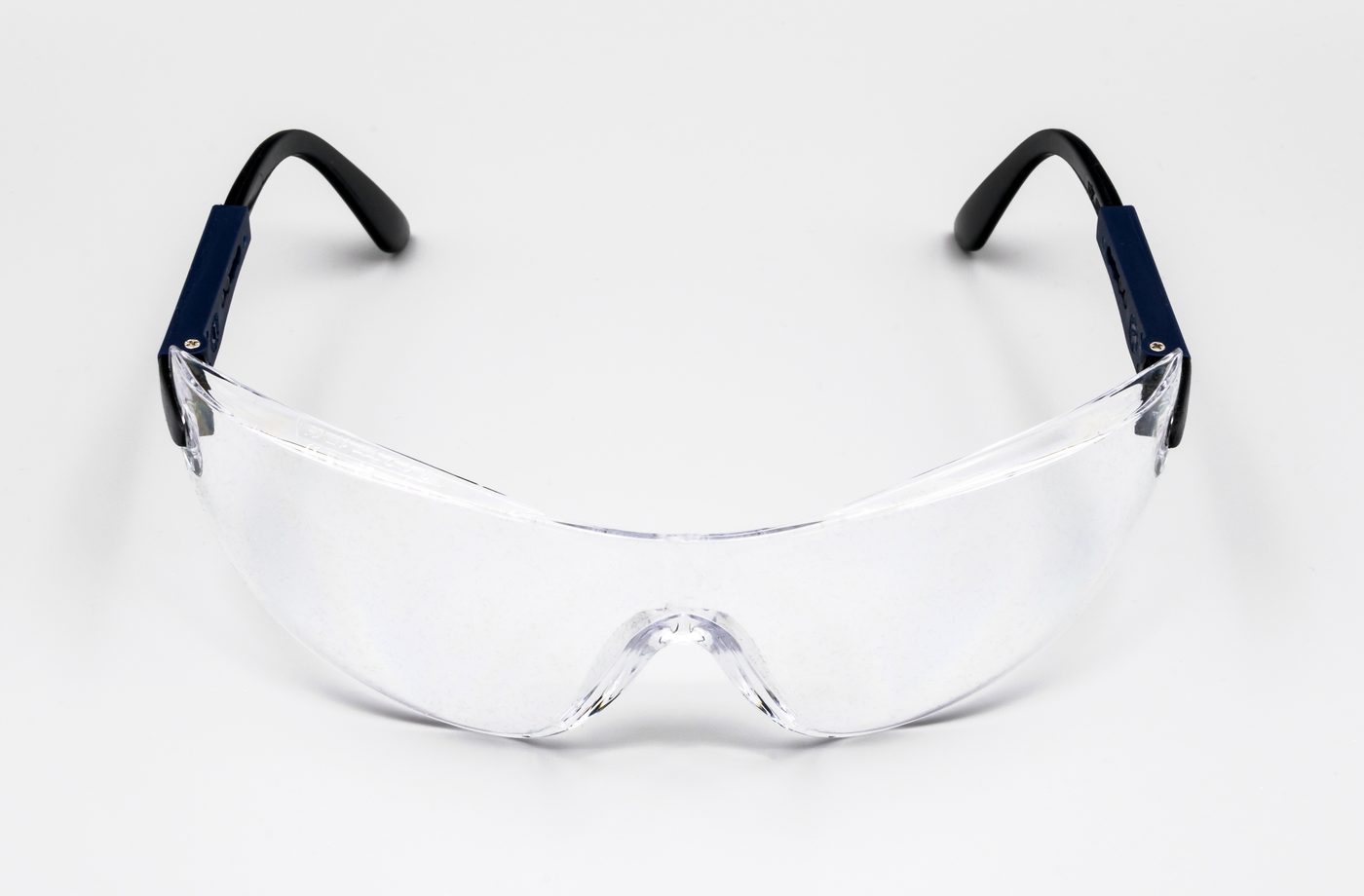
Clear safety goggles for eye protection (Source: Wikimedia Commons)
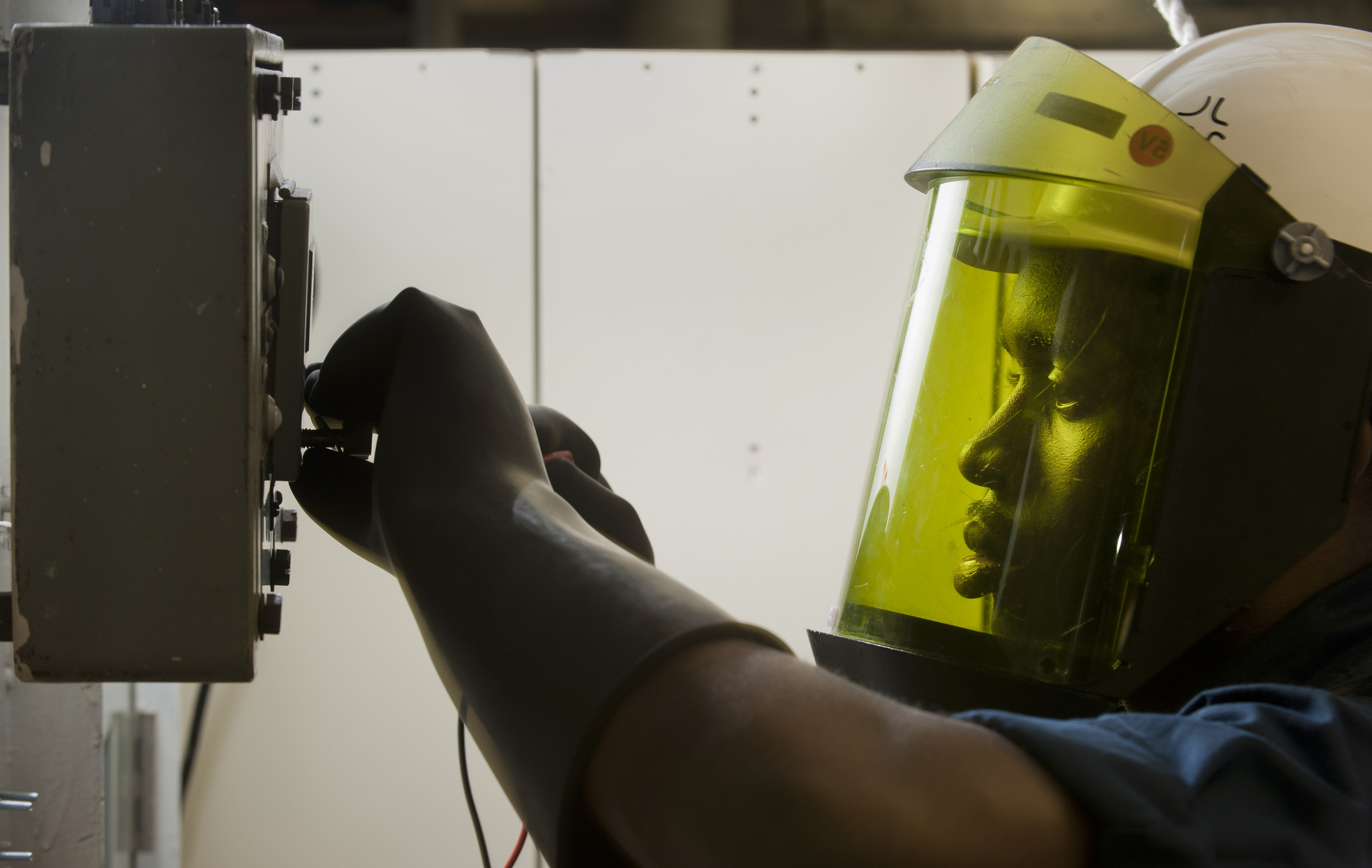
Person wearing a yellow face shield (Source: Wikipedia (Face shield))
While less emphasized in small fashion studios, foot protection and additional PPE play roles in larger-scale fabric decoration environments or workshops with machinery.
Hearing Protection: In workshops with embroidery machines or other noisy equipment, earplugs or earmuffs protect hearing.
Protective Headgear: Caps or hairnets prevent hair contamination of fabrics and protect workers from dust.
At a county government vocational training center in Mombasa, students are provided with closed-toe shoes and hairnets during fabric decoration classes to maintain hygiene and safety.
In the Kenyan fashion design industry, the apron is both a practical garment and a canvas for fabric decoration techniques such as batik and embroidery. Aprons serve multiple roles, from protecting clothing during food preparation or craft work to acting as a statement piece in cultural and fashion contexts. For designers specializing in fabric decoration, understanding the apron’s functional and aesthetic dimensions is essential to creating pieces that are marketable and culturally resonant, especially in local markets like Nairobi, Mombasa, and Kisumu where traditional and contemporary fashion intersect.
The apron traditionally functions as a protective garment, but in fashion design it also embodies cultural symbolism and stylistic expression. In Kenya, aprons are widely used in hospitality, agriculture, and artisan crafts, making them a versatile item for fabric decoration.
Designing fabric decoration on aprons involves careful planning to integrate aesthetics with practicality. Due to the apron’s functional role, decorations must enhance visual appeal without compromising usability.
Batik and embroidery are popular fabric decoration techniques in Kenyan fashion, each offering distinct textures and visual effects suitable for aprons.
Decorated aprons have a growing niche in Kenya’s fashion and artisan markets, blending utility with cultural expression. They serve as promotional items, gifts, or fashion accessories in diverse settings.
In the Kenyan fashion design industry, especially among professionals specializing in fabric decoration such as batik and embroidery, the dust coat serves a vital role in protecting the garment and workspace. Dust coats are worn to safeguard both the designer’s clothing and the fabric being decorated from dust, dyes, threads, and other contaminants. Their use is particularly important in busy studios where multiple stages of fabric decoration occur, ensuring the finished product remains clean and pristine.
The dust coat is more than just a protective garment; it is an essential tool that helps maintain quality and professionalism in fashion design studios. Its purpose extends beyond personal protection to preserving the integrity of delicate fabric decorations.
The dust coat shields the fashion designer’s clothing from stains caused by dyes, paints, or embroidery threads. For instance, when working with batik wax or thread colors at a Nairobi-based fashion workshop, the dust coat prevents permanent damage to the designer’s outfit.
During fabric decoration, dust, lint, or stray threads can spoil the texture or appearance of the fabric. Wearing a dust coat reduces the risk of such contamination, which is critical when working with high-end materials, such as silk or fine cotton used in formal Kenyan attire.
Using dust coats contributes to a clean working environment, which is essential in production settings such as garment factories in Thika or Kisumu. This helps avoid cross-contamination between different fabrics and materials.
A dust coat presents a professional image to clients and colleagues, signaling commitment to quality and care in fabric decoration processes. At fashion exhibitions in Nairobi, designers wearing dust coats are perceived as meticulous and trustworthy.
In batik work, where wax and dyes are employed, the dust coat acts as a barrier against chemicals that may irritate skin or damage clothing, a common concern in workshops handling reactive dyes.
The effectiveness of a dust coat depends on the materials used and its design, which must balance protection, comfort, and mobility for the fashion designer.
Dust coats are typically made from fabrics such as cotton-polyester blends that resist stains and are easy to clean. This is crucial for designers in Kenya’s humid climate, where sweat and dye stains can be persistent.
To accommodate long working hours in studios or open-air markets like those in Mombasa, dust coats should be breathable, preventing discomfort and overheating.
Adjustability features such as buttons or elastic cuffs ensure the dust coat fits well, protecting arms and torso without restricting movement. This flexibility is important during intricate embroidery work that requires precise hand movements.
Practical dust coats include pockets to hold small tools like needles, wax brushes, or embroidery scissors, allowing designers to keep essential items within reach, enhancing workflow efficiency.
The dust coat must withstand frequent washing without losing shape or color, a necessity for daily use in busy fashion studios, including those in Kisii and Eldoret where hygiene standards are strictly observed.
Maintaining the dust coat ensures it continues to provide protection and professional appearance throughout its lifespan.
Dust coats should be washed after each use to prevent buildup of dyes and dust. For example, removing batik wax stains promptly using appropriate solvents helps maintain the coat’s cleanliness.
Designers should wear the dust coat fully buttoned or zipped to maximize protection. Rolling up sleeves can expose arms to stains, which undermines the coat’s purpose.
When not in use, dust coats should be hung or folded neatly in a clean, dry area to avoid wrinkles and contamination, especially important in boutique settings like those in Nairobi’s central business district.
Regular inspection for tears or worn fabric ensures the dust coat remains effective. In case of significant damage, replacement is necessary to maintain hygiene and protection standards.
In large fashion houses or training institutions like Kenya Textile Training Institute, having multiple dust coats allows for rotation, ensuring a clean coat is always available while others are being laundered.
The use of dust coats directly influences the quality of fabric decoration and operational efficiency within Kenyan fashion design studios.
By preventing dust and stains, dust coats minimize fabric rejection rates, lowering production costs at firms such as boutique designers in Karen or Westlands.
Designers can concentrate on detailed embroidery or batik patterns without worrying about accidental stains, enhancing work quality and creativity.
Clients visiting fashion houses in Nairobi or Mombasa associate the use of dust coats with professionalism, increasing trust and willingness to pay premium prices for decorated fabrics.
With tools kept in dust coat pockets and fewer incidents of contamination, the pace of decoration work increases, benefiting businesses such as SACCOs that supply uniforms with embroidered logos.
Wearing dust coats aligns with health and safety regulations in textile production, facilitating certification and accreditation for Kenyan fashion enterprises aiming for export markets.
In Kenya's fashion industry, face masks have transitioned from purely functional health accessories to important fashion statements. Fashion designers are now tasked with creating masks that combine effective protection with aesthetic appeal, aligning with current trends and cultural expressions. Planning fabric decoration for face masks requires understanding the balance between durability, comfort, and style, especially as many institutions such as county government offices and hospitals incorporate masks into their official uniforms or staff attire. This section explores the critical aspects of face mask decoration within fashion design.
Designing fabric decoration for face masks involves careful thought about various factors that influence both functionality and visual appeal. Face masks must be comfortable for long wear while allowing space for decorative elements without compromising breathability or safety. In Kenya, designers working with hospitals or retail businesses often integrate logos or patterns that reflect brand identity or cultural motifs, making masks a medium for both protection and expression.
Fabric Choice: Selecting a fabric that supports both decoration techniques and mask functionality is crucial. Cotton blends are popular since they absorb dyes well and allow for embroidery while maintaining breathability, important for users in warm Kenyan climates.
Decoration Placement: The area available for decoration is limited. Designers must plan placement carefully to avoid interference with seams, nose wires, or filter pockets, ensuring comfort and structural integrity.
Durability of Decoration: Face masks undergo frequent washing. Decorative elements must withstand repeated laundering without fading or detaching, which is vital for masks used by institutions like county hospitals.
Safety Compliance: Decorations should not obstruct airflow or create hazards such as loose threads that could compromise mask effectiveness or user safety in healthcare or public service settings.
Aesthetic Appeal: The design must resonate with target users, whether incorporating traditional patterns for cultural events or modern motifs for corporate branding, as seen in some Nairobi-based SACCOs promoting their identity through staff masks.
Various fabric decoration techniques can be adapted for face masks, each offering distinct advantages and limitations. The choice depends on the mask’s intended use, fabric type, and desired visual effect. Kenyan fashion designers often combine these techniques to create unique, marketable products.
Embroidery: Machine or hand embroidery adds texture and intricate patterns. For example, a retail boutique in Mombasa might use embroidery to feature coastal motifs on masks, enhancing local appeal.
Batik Printing: This wax-resist dyeing method allows for vibrant, culturally rich patterns. It is suitable for cotton fabrics and offers durability, making it ideal for masks used in community health programs.
Screen Printing: A cost-effective method for mass production, screen printing applies bold logos or patterns. County government offices may use this for standardized masks displaying official emblems.
Appliqué: Applying fabric patches onto masks creates layered designs. This technique adds dimension but requires secure stitching to endure frequent washing.
Beading and Sequins: While adding glamour, these are less common for everyday masks due to potential discomfort and maintenance challenges but may be used in fashion shows or special events.
Effective planning ensures that decorated face masks meet quality, safety, and aesthetic standards while optimizing resource use. Kenyan designers must consider production scale, timelines, and client requirements, especially when supplying institutions like hospitals or schools.
Client Consultation: Understand the purpose of the masks, target users, and decoration preferences, such as logos for a SACCO or traditional patterns for a cultural festival.
Material Sourcing: Procure suitable fabrics and decoration materials that comply with safety and durability criteria, prioritizing local suppliers to reduce costs and support Kenyan businesses.
Prototype Development: Create samples combining chosen decoration methods to test comfort, appearance, and washability, involving feedback from potential users like hotel staff or healthcare workers.
Production Scheduling: Establish timelines considering machine availability, labor skills, and order quantities to meet delivery deadlines, crucial for contracts with county governments.
Quality Control: Implement checks for decoration adhesion, fabric integrity, and compliance with health standards throughout production.
Packaging and Distribution: Plan packaging that preserves mask hygiene and facilitates distribution, especially when supplying dispersed retail outlets or public institutions.
Designers face several challenges when decorating face masks, from balancing functionality with decoration to managing production constraints. Addressing these issues is vital to delivering products that satisfy both aesthetic and practical demands.
Maintaining Breathability: Thick decorations can restrict airflow, reducing mask effectiveness, which is problematic in healthcare settings.
Decoration Durability: Frequent washing can lead to fading or damage, especially for intricate embroidery or batik patterns.
Comfort and Fit: Decorations may create pressure points or irritate the skin, discouraging consistent mask use.
Cost Constraints: High-quality decoration techniques can raise prices, limiting accessibility for low-income users or bulk institutional orders.
Production Scalability: Combining handwork with machine processes may slow production and increase labor costs.
Material Innovation: Use lightweight, washable threads and inks that retain color and texture without compromising breathability.
Design Simplification: Opt for minimalistic decoration that enhances aesthetics without bulk, suitable for everyday use in schools or offices.
User Testing: Gather feedback on comfort and durability from target users before mass production.
Cost-Benefit Analysis: Balance decoration complexity with budget constraints, offering tiered product ranges for different market segments.
Process Optimization: Integrate efficient machine embroidery or printing techniques to scale production while maintaining quality.
Explain five key factors that must be considered when planning fabric decoration for face masks in the Kenyan fashion industry. (10 marks)
Describe the advantages and limitations of batik printing and embroidery as decoration techniques for face masks. (10 marks)
Outline six steps involved in planning the production process for decorated face masks, highlighting their importance. (12 marks)
Identify four challenges faced by fashion designers when decorating face masks and suggest corresponding solutions for each. (8 marks)
In the context of fabric decoration, particularly in fashion design studios and workshops in Kenya, safety shoes play a crucial role in protecting the feet from hazards such as sharp tools, heavy equipment, and accidental spills of dyes or chemicals used in processes like batik and embroidery. The choice and use of appropriate safety footwear ensure that designers and artisans can work efficiently without risking injuries that could lead to downtime or long-term health issues. Institutions such as textile workshops in Nairobi and garment manufacturing units across Kenya prioritize safety shoes as part of their occupational health and safety measures to comply with Kenya’s Work Injury Benefits Act (WIBA) and other safety regulations.
Four types of safety footwear commonly used in construction and engine (Source: PLUMB 5 LEARNING GUIDE-1 (1))
Safety shoes vary in design, materials, and protective features; selecting the right type depends on the specific hazards present in fashion design workshops, especially during fabric decoration activities. The following types are commonly utilized:
Steel Toe Cap Shoes: These shoes have reinforced steel caps at the toe area to protect against heavy falling objects or compression hazards from equipment such as embroidery machines or cutting tools. They are essential in workshops where heavy materials or machinery are handled frequently.
Composite Toe Shoes: Made from non-metal materials such as Kevlar or carbon fiber, composite toe shoes provide protection similar to steel toe caps but are lighter and do not conduct electricity, making them suitable for environments where electric hazards are present, such as operating electric fabric printing machines.
Slip-Resistant Shoes: These shoes feature specialized soles designed to provide grip on slippery surfaces, which is vital in workshops where spilled dyes, water, or oil-based substances may create slip hazards during batik fabric preparation.
Puncture-Resistant Shoes: Equipped with soles reinforced with materials like Kevlar to prevent sharp objects such as needles or pins used in embroidery from penetrating the sole, these shoes are crucial for artisans working closely with sharp tools.
Electrical Hazard (EH) Shoes: Designed to insulate the wearer from electric shocks, these shoes are necessary when working with electrically powered fabric decoration equipment or in environments with exposed wiring.
Safety shoes used in Kenyan fashion design workshops must meet certain specifications and standards to ensure adequate protection and durability. These standards are often aligned with international benchmarks but adapted to local conditions.
| Name | Specification | Use |
|---|---|---|
| Steel Toe Cap Shoe | ASTM F2413-18 or equivalent | Protects toes from impact and compression hazards |
| Composite Toe Shoe | EN ISO 20345:2011 S1P or higher | Lightweight protection with electrical insulation |
| Slip-Resistant Shoe | Sole material with high friction | Prevents slips on wet or oily workshop floors |
| Puncture-Resistant Shoe | Kevlar or steel plate sole | Guards against penetration by sharp objects |
| Electrical Hazard Shoe | Insulated sole and heel | Protects against electrical shocks |
Safety shoes must be comfortable enough for long hours of wear, as fashion designers and fabric decorators often spend extended periods standing or moving around.
The materials used should be breathable to prevent excessive sweating, which is important in Kenya’s warm climate.
Durability must be considered, especially in workshops where frequent exposure to dyes and chemicals can degrade footwear.
Correct use and maintenance of safety shoes extend their lifespan and ensure continuous protection for fashion designers and artisans engaged in fabric decoration. Proper practices include:
Regular Inspection: Before each use, shoes should be checked for damage such as sole wear, cracks, or compromised toe caps, which could reduce their protective capabilities.
Cleaning: Shoes exposed to fabric dyes or chemicals need to be cleaned promptly using appropriate methods to prevent material degradation. For instance, leather safety shoes should be wiped clean with a damp cloth and conditioned to maintain suppleness.
Drying: Wet shoes should be dried thoroughly to prevent fungal infections and maintain structural integrity. Avoid direct heat sources which can damage materials; instead, air drying in shaded areas is recommended.
Proper Fit: Shoes must fit well to avoid discomfort or accidents caused by slipping or tripping. In Kenyan workshops, it is common for designers to select safety shoes that accommodate traditional attire while providing necessary protection.
Storage: When not in use, safety shoes should be stored in a clean, dry place to prevent damage from moisture or pests.
The use of safety shoes in fabric decoration workshops is integral to occupational safety and contributes to overall productivity and morale among fashion design professionals.
Protection from Injuries: Safety shoes prevent foot injuries caused by sharp needles, scissors, and heavy fabric rolls, reducing the risk of accidents in busy workshops.
Compliance with Safety Regulations: Wearing appropriate footwear helps institutions like county government-run vocational training centers meet legal safety requirements under Kenyan occupational safety laws.
Improved Comfort and Efficiency: Well-designed safety shoes reduce foot fatigue, allowing designers and artisans to focus on intricate tasks such as embroidery without distraction or discomfort.
Enhanced Professional Image: Observing safety protocols, including proper footwear, projects professionalism to clients and stakeholders visiting fashion studios or manufacturing units.
Long-Term Health Benefits: Consistent use of protective footwear minimizes long-term musculoskeletal problems and chronic foot conditions that can arise from repeated exposure to workshop hazards.
In fabric decoration processes such as batik and embroidery, gloves serve as essential protective gear for the artisan. In Kenya’s growing fashion industry, where artisans work extensively with dyes, wax, needles, and various chemicals, gloves safeguard the hands from contamination, injury, and allergic reactions. The choice of gloves and their proper use directly affect both the quality of the fabric decoration and the health of the worker. For instance, in a Nairobi-based fashion studio specializing in hand-embroidered garments, the use of appropriate gloves prevents dye stains and needle pricks, maintaining professionalism and hygiene.
Selecting the right type of gloves depends on the specific tasks involved in fabric decoration, the materials handled, and the level of protection required. Kenyan fashion designers and artisans must be familiar with these types to optimize safety and efficiency.
Latex Gloves: Made from natural rubber, latex gloves offer excellent flexibility and tactile sensitivity, making them ideal for delicate embroidery work where precision is necessary. However, some users develop allergies to latex, which limits their use.
Nitrile Gloves: These synthetic rubber gloves provide high resistance to chemicals and punctures, suitable for handling wax and dyes in batik processes. Nitrile gloves are also hypoallergenic, making them preferable in Kenyan fashion houses that prioritize worker comfort.
Vinyl Gloves: Vinyl gloves are cost-effective and provide basic protection against dirt and mild chemicals. They are less durable and offer lower tactile sensitivity, making them more suitable for light tasks such as fabric handling rather than dye application.
Cotton Gloves: Often used to handle finished embroidered fabrics, cotton gloves protect delicate fabrics from oils and dirt on the hands. They do not provide chemical protection but are essential in maintaining garment quality during inspection and packaging.
Heat-Resistant Gloves: In batik, where hot wax is applied, heat-resistant gloves protect artisans from burns. These gloves are usually made from silicone or specialized fabrics and are critical in workshops that use traditional wax-resist techniques.
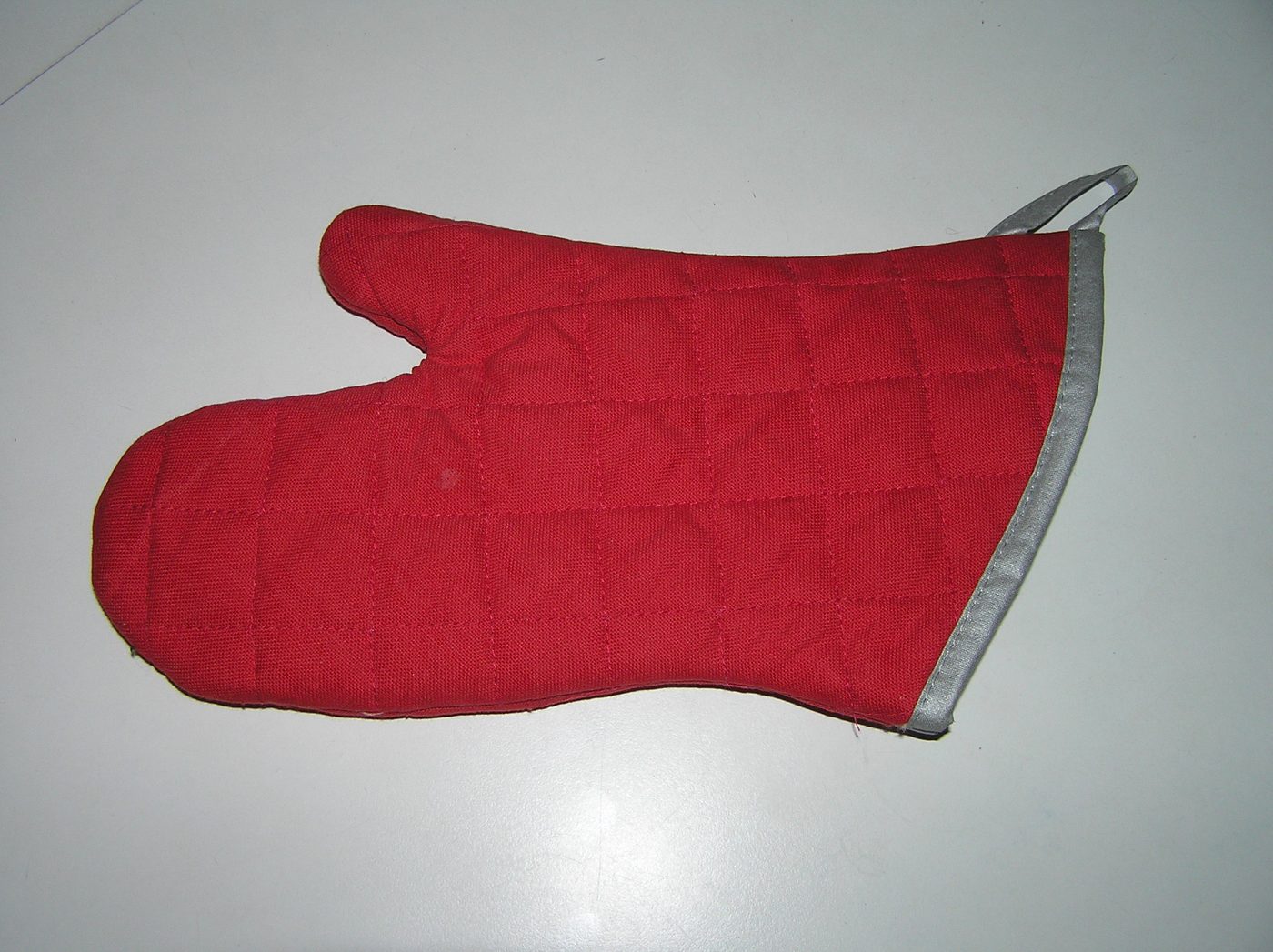
red heat-resistant glove for handling hot objects (Source: Wikimedia Commons)
Gloves play a crucial role beyond mere hand protection; they influence the safety of the artisan and the quality of the final product. Kenyan fashion designers must understand these benefits to implement effective safety protocols.
Protection Against Chemical Exposure: Batik involves the use of dyes and waxes that can irritate or harm the skin. Gloves prevent direct contact, reducing the risk of dermatitis and chemical burns among artisans working in factories or small studios in places like Kisumu and Mombasa.
Prevention of Contamination: Embroidery threads and fabrics can be stained or damaged by oils and dirt from unprotected hands. Gloves maintain the cleanliness of high-end garments destined for export or local boutique markets.
Avoidance of Physical Injuries: Needle pricks and cuts are common hazards in embroidery work. Gloves, especially those made from puncture-resistant materials, reduce the frequency and severity of such injuries.
Enhancement of Grip and Dexterity: Some gloves improve grip, allowing artisans to handle small needles or wax tools more effectively. This is particularly valuable in intricate bead embroidery practiced by fashion designers in Nairobi.
Compliance with Occupational Health Standards: Use of gloves aligns with Kenya’s occupational safety regulations, which safeguard workers in the textile and apparel sector. Compliance enhances the reputation of fashion enterprises and can be a requirement for contracts with large retailers.
Choosing the right gloves requires consideration of the task, fabric type, and potential hazards. Proper maintenance ensures gloves remain effective and economical, which is important for Kenyan fashion businesses operating on tight budgets.
Material Compatibility: Gloves must be resistant to the chemicals or substances used. For instance, nitrile gloves resist batik dyes better than vinyl gloves, which may degrade quickly.
Size and Fit: Ill-fitting gloves reduce dexterity and increase the risk of accidents. Kenyan artisans should be provided with gloves that fit snugly without restricting movement to maintain productivity.
Durability and Reusability: For repeated processes like embroidery, reusable gloves made from durable materials are cost-effective. Disposable gloves are suitable for short-term tasks like dye application.
Allergy Considerations: To avoid latex allergies common among some workers, nitrile or vinyl gloves should be available as alternatives.
Comfort and Breathability: Gloves that cause excessive sweating can reduce concentration and cause discomfort. Cotton glove liners or breathable materials can improve comfort during long working hours.
Cleaning and Drying: Reusable gloves should be washed according to manufacturer guidelines and dried thoroughly to prevent microbial growth, especially in humid Kenyan climates.
Proper Storage: Gloves must be stored in cool, dry places away from direct sunlight and chemicals to prevent degradation.
Regular Inspection: Before each use, gloves should be inspected for tears, punctures, or signs of wear which compromise protection.
Timely Replacement: Gloves that show wear or contamination beyond cleaning should be discarded promptly to avoid risks.
Training on Use: Workers should be trained on correct glove use, including donning and doffing techniques, to avoid contamination and extend glove life.
Implementing glove use in fabric decoration requires addressing practical challenges and adapting to local working conditions. Kenyan fashion workshops, whether in Nairobi or rural areas, face unique operational realities.
Cost Management: Budget constraints in many Kenyan fashion SMEs necessitate balancing glove quality with affordability. Bulk purchasing and sourcing from reputable suppliers can reduce costs.
Worker Compliance: Some artisans may resist glove use due to discomfort or reduced tactile sensitivity. Continuous education on safety benefits and provision of comfortable gloves encourage compliance.
Waste Disposal: Used disposable gloves create waste that must be managed responsibly, especially in urban workshops. Establishing waste segregation and disposal protocols aligns with Kenya’s environmental laws.
Integration with Other PPE: Gloves must be part of a broader personal protective equipment program including aprons, masks, and eye protection where appropriate, especially during batik wax application.
Adaptation to Climate: Kenya’s hot climate can make glove use uncomfortable. Providing breaks and ventilated workspaces helps artisans maintain glove use without compromising comfort or productivity.
Explain five reasons why nitrile gloves are preferred over latex gloves in batik fabric decoration. (10 marks)
Describe six steps you would take to maintain reusable gloves used in an embroidery workshop. (12 marks)
Discuss five practical challenges Kenyan fashion designers might face when implementing glove use and suggest solutions for each. (15 marks)
Identify and explain five types of gloves suitable for different fabric decoration tasks in fashion design. (10 marks)
In the context of fabric decoration, especially techniques like batik and embroidery, the use of personal protective equipment (PPE) is essential to safeguard the health and safety of fashion designers and artisans. In Kenya’s vibrant fashion industry, where many practitioners operate in small workshops or home studios, PPE minimizes exposure to harmful chemicals, sharp tools, and repetitive strain injuries. Understanding the critical role of PPE not only ensures compliance with occupational safety regulations but also promotes a professional working environment that enhances productivity and preserves the well-being of workers.
Fabric decoration often involves the use of dyes, waxes, and synthetic materials that can pose chemical risks. In batik, for example, hot wax and synthetic dyes are regularly applied, which may cause skin irritation or respiratory problems if inhaled or contacted without protection. The significance of PPE in this context is to create a barrier between hazardous substances and the skin or respiratory system.
Embroidery and batik work require the use of sharp instruments such as needles, pins, knives, and hot tools. These tools present risks of cuts, punctures, and burns. PPE plays a vital role in preventing injuries that could disrupt production or cause permanent damage.
Gloves protect hands from punctures and cuts during needlework or wax application.
Protective eyewear guards against splashes of dye or hot wax that might cause eye injuries.
Beyond immediate physical and chemical protection, PPE contributes to the ergonomic well-being of fashion designers and artisans. Extended hours of detailed handwork in embroidery or repetitive motions in wax application can lead to musculoskeletal strain. Certain PPE can help reduce fatigue and enhance comfort, indirectly improving work quality.
In Kenya, the Occupational Safety and Health Act (OSHA) mandates the use of PPE in workplaces where hazards exist. For fashion design professionals engaged in fabric decoration, adherence to these regulations protects workers and businesses from legal liabilities and promotes a culture of safety.
In the Kenyan fashion design industry, particularly in fabric decoration processes such as batik and embroidery, the use of personal protective equipment (PPE) is essential to safeguard artisans from chemical exposure, sharp tools, and repetitive strain injuries. Proper use, care, and storage of PPE ensure their effectiveness and longevity, thereby reducing workplace accidents and promoting health standards. Fashion designers and textile workers in Nairobi’s vibrant apparel sector, as well as in garment factories across Kisumu and Mombasa, must understand how to handle PPE to maintain a safe working environment.
Using PPE correctly is fundamental to minimizing risks associated with fabric decoration techniques. Batik involves handling hot wax and dyes, while embroidery requires needles and sharp tools, all of which pose physical and chemical hazards. Workers at a textile cooperative in Nakuru, for example, who apply PPE properly significantly reduce incidents of burns, dye splashes, and puncture wounds.
Maintaining and cleaning PPE extends its usability and ensures ongoing protection. In the context of embroidery and batik, residues from dyes, wax, and oils can degrade PPE materials, causing them to fail. For instance, a SACCO that supports local artisans in Kisii emphasizes daily cleaning of gloves and aprons to prevent chemical buildup.
Storing PPE properly prevents damage and contamination, preserving its protective qualities. In busy fashion design studios in Nairobi’s Central Business District, dedicated storage solutions help manage PPE effectively, avoiding unnecessary replacements and ensuring readiness for use.
Create a free account to open more of this chapter.
Free: practical guides, quick cards, workplace scenarios and more.
Create a free accountThis chapter provided a comprehensive overview of personal protective equipment (PPEs) essential for fabric decoration activities, detailing various types such as aprons, dust coats, face masks, safety shoes, and gloves. Each type of PPE was examined in terms of its specific function and protective benefits during the decoration process. The importance of PPEs was emphasized for ensuring safety and preventing contamination, alongside guidelines for their proper use, care, and storage to maintain effectiveness. The chapter then explored the tools and equipment used in batik and embroidery, highlighting the necessity of appropriate handling and maintenance to prolong their usability. Attention was given to the materials and supplies required for fabric decoration, ensuring quality outcomes. Different types of fabric decoration designs were discussed, including realistic, abstract, stylized, and geometric styles, with explanations of their distinctive features and applications. Together, these topics equip learners with the knowledge to plan fabric decoration tasks safely and creatively.
At the start of this chapter we promised you would be able to:
Tick each one you can genuinely do.
So, are you there yet?
You're competent when you can confidently do 50% or more of what this chapter promised.
Sign in to record how you're doing.