Fabric decoration planning is a critical phase in fashion design, setting the foundation for creating visually appealing and marketable garments. Effective planning ensures that fabric embellishments such as embroidery, printing, or appliqué are executed safely, efficiently, and in alignment with the design concept. In Kenya's fashion industry, where diverse materials and techniques are used, understanding the safety measures around fabric decoration is essential to protect artisans and maintain quality. This chapter begins with a focus on personal protective equipment, a vital area for safeguarding health during fabric decoration processes.
1.1 Personal Protective Equipment
Types of Personal Protective Equipment in Fabric Decoration
The range of PPE used in fabric decoration is designed to protect different parts of the body from specific hazards encountered during processes such as dyeing, printing, cutting, and embroidery. Understanding the correct PPE types enables workers to prevent accidents and health issues effectively.
Eye Protection
Eye protection is crucial to guard against splashes from dyes, chemicals, and flying debris from cutting or trimming fabric. Safety goggles with side shields or face shields are preferred to protect the eyes fully. In Kenyan fashion workshops, where manual screen printing is popular, goggles prevent irritation caused by ink solvents and particles.
Hand Protection
Hands are exposed to sharp needles, cutting tools, and chemical substances. Gloves made of nitrile or latex are commonly used to protect against chemical exposure during fabric treatment. For cutting or embroidery, cut-resistant gloves provide a barrier against punctures and cuts. Tailoring shops in Kisumu often emphasize glove use during hand embroidery to avoid needle injuries.
Respiratory Protection
Some fabric decoration processes emit fumes or dust, such as heat transfer printing or chemical fabric finishing. Respirators or dust masks filter airborne particles and vapors that can cause respiratory problems. In garment factories around Eldoret, masks are mandatory during fabric spraying or chemical application to minimize inhalation risks.
Protective Clothing
Aprons, lab coats, or overalls shield the skin and clothing from stains, chemicals, and sharp objects. These garments are typically made from materials resistant to punctures and liquid penetration. Fashion design studios in Nakuru encourage the use of protective clothing to maintain hygiene and prevent skin contact with hazardous substances.
Selection Criteria for Personal Protective Equipment
Choosing the right PPE depends on the nature of fabric decoration tasks, the hazards involved, and the duration of exposure. Proper selection is essential to balance safety with comfort and work efficiency.
Hazard Assessment
Identifying specific hazards such as chemical splashes, sharp tools, or airborne particles informs the PPE choice. For example, hand screen printing with solvent-based inks requires gloves resistant to chemicals, while hand embroidery demands cut-resistant gloves.
Material Compatibility
PPE materials must be compatible with the substances handled. Nitrile gloves resist oils and solvents better than latex, making them suitable for dye handling. Protective clothing materials must also prevent penetration of liquids or sharp objects.
Comfort and Fit
Proper fit ensures that PPE does not hinder movement or cause discomfort, which can lead to non-compliance. Adjustable straps on goggles or respirators and sizing options for gloves enhance user comfort. Kenyan fashion artisans often work long hours, so comfortable PPE is critical.
Durability and Maintenance
Durable PPE withstands repeated use without loss of protective qualities. Maintenance includes regular cleaning and inspection to identify wear and tear. For example, fabric aprons should be washed frequently to remove chemical residues.
Compliance with Standards
Selecting PPE that meets relevant Kenyan or international safety standards guarantees minimum protection levels. Standards from bodies like the Kenya Bureau of Standards (KEBS) or the International Labour Organization (ILO) provide benchmarks.
Proper Use and Maintenance of Personal Protective Equipment
Even the best PPE is ineffective if used incorrectly or poorly maintained. Training on proper use and upkeep is vital to ensure continued protection.
Correct Wearing Procedures
Each PPE type has specific donning procedures to ensure full protection. For instance, respirators must form a tight seal around the face, and gloves should cover wrists completely. Fashion design workshops in Nairobi frequently conduct PPE training sessions to reinforce correct practices.
Regular Inspection
Before use, PPE must be inspected for damage such as cracks in goggles or tears in gloves. Damaged equipment compromises safety and should be discarded or repaired promptly.
Cleaning and Storage
Proper cleaning removes contaminants that could cause skin irritation or degrade PPE materials. Storage in clean, dry areas prevents damage from moisture or sunlight.
Replacement Schedules
PPE has a limited lifespan depending on use frequency and exposure to hazards. Establishing replacement schedules prevents the use of worn-out equipment. For example, disposable masks should be replaced daily or when damp.
Training and Awareness
Continuous education on PPE importance and correct usage fosters a safety culture. Fashion design firms that invest in regular training see fewer workplace injuries and higher productivity.
Health and Safety Regulations Related to Personal Protective Equipment
Compliance with occupational health and safety regulations is a legal requirement in Kenya, ensuring workers are protected and employers meet their responsibilities. Understanding these regulations helps fashion industry players maintain lawful and safe operations.
The Occupational Safety and Health Act (OSHA), 2007
OSHA mandates employers to provide PPE at no cost where hazards exist and to train employees on its use. It also requires regular risk assessments and adherence to safety standards, relevant to fabric decoration activities.
Kenya Bureau of Standards (KEBS)
KEBS issues standards for PPE quality and performance. Fashion designers sourcing PPE must ensure compliance to guarantee effective protection.
Factory Act Provisions
Applicable to industrial garment production facilities, the Factory Act requires safe working environments, including provision and use of PPE during hazardous operations like fabric treatment or machine embroidery.
Enforcement and Penalties
Regulatory bodies conduct inspections and can impose penalties for non-compliance, including fines or closure orders. For example, a Nairobi garment factory was fined for lack of adequate PPE during chemical dyeing.
Role of Safety Committees
Workplaces are encouraged to form safety committees to oversee PPE use and general safety compliance. Such committees in county government tailoring units have improved PPE adherence and reduced accidents.
Apron
Aprons are essential functional and decorative elements in the fashion design industry, particularly when planning fabric decoration. In the Kenyan fashion context, aprons are not only protective garments worn in tailoring and design workshops but also serve as canvases for fabric decoration techniques such as embroidery, appliqué, and fabric painting. Understanding the planning involved in apron production, from fabric selection to decorative application, ensures that designers meet aesthetic, durability, and usability requirements demanded by clients ranging from hospitality to creative sectors.
Purpose and Importance of Aprons in Fabric Decoration Planning
The role of aprons extends beyond mere protection; they embody brand identity, cultural expression, and practical utility in fashion design. The purpose of integrating aprons into fabric decoration planning includes both functional and artistic objectives.
Purpose of Aprons
- Protection of Clothing: Aprons shield the wearer’s clothing from stains, dirt, and damage during work, which is critical in busy retail shops, restaurants, and tailoring studios in Nairobi and Mombasa.
- Branding and Identity: Customized aprons with logos or thematic decorations help businesses like hotels and cafes establish a recognizable brand image.
- Facilitation of Work: Aprons often include pockets and adjustable features that enhance the efficiency of professionals such as chefs or artisans.
- Cultural Expression: In Kenya, aprons can be designed to reflect cultural motifs or traditional patterns, promoting heritage through fashion.
- Promotion of Hygiene: In healthcare and food service sectors, aprons contribute to maintaining hygiene standards, which is reinforced by using easily washable fabrics.
Importance of Aprons in Fabric Decoration
- Durability Requirements: Aprons endure frequent washing and rough use, so fabric decoration planning must consider techniques that withstand wear and laundering.
- Visibility of Decoration: Aprons provide a visible area for fabric decoration, making them effective promotional tools when designed with striking, durable embellishments.
- Cost-Effectiveness: Planning decorative aprons involves balancing aesthetics with budget constraints, especially for small businesses and cooperatives.
- Customization Potential: Aprons offer flexibility for personalized decoration, allowing designers to cater to diverse client needs across sectors such as education and hospitality.
- Market Demand: The growing hospitality and service industries in Kenya increase the demand for decorated aprons, pushing designers to innovate with materials and techniques.
Fabric Selection Criteria for Aprons
Choosing the right fabric is foundational in apron design and decoration planning, impacting comfort, durability, and the effectiveness of decoration techniques. In Kenya, where climatic conditions vary from the humid coast to the cooler highlands, fabric choice must align with both functional and decorative requirements.
- Durability and Strength: Fabrics such as canvas, denim, and twill are preferred for their resistance to tearing and abrasion, essential for aprons used in busy kitchens or workshops.
- Ease of Decoration: Natural fibers like cotton and linen absorb dyes and paints well and are suitable for embroidery, making them popular in fabric decoration.
- Comfort and Breathability: Especially in warm regions like Kisumu, lightweight cotton blends are favored to ensure wearer comfort during long work hours.
- Maintenance and Washability: Aprons require frequent cleaning; fabrics that withstand repeated laundering without fading or shrinking, such as polyester-cotton blends, are ideal.
- Cost and Availability: Locally available fabrics reduce production costs and support Kenyan textile industries, encouraging designers to source materials from suppliers in Nairobi’s industrial area or garment factories in Athi River.
Decoration Techniques Suitable for Aprons
Decorating aprons involves selecting methods that combine durability with visual appeal, tailored to the intended use and client preferences. The Kenyan fashion industry applies various techniques enhancing aprons for hospitality uniforms, artisan markets, and promotional merchandise.
- Embroidery: This technique adds texture and sophistication, often used to stitch logos or cultural patterns on cotton or denim aprons. Embroidery machines at institutions like the National Youth Service vocational centers enable mass production.
- Appliqué: Fabric pieces sewn onto the apron surface create layered designs, suitable for bold, colorful motifs representing Kenyan heritage or brand themes.
- Screen Printing: Ideal for producing large quantities of aprons with consistent designs, screen printing uses stencils to apply ink, offering vibrant, durable visuals favored by retail businesses.
- Fabric Painting: Hand-painting allows unique, artisanal decoration, popular among boutique designers in Nairobi’s creative hubs, although it requires fabric suitable for paint absorption and durability.
- Heat Transfer Vinyl (HTV): This modern technique uses heat to bond vinyl designs to the fabric, offering a clean finish and durability, often used for corporate aprons by banks and SACCOs.
Planning Process for Apron Fabric Decoration
Effective planning ensures that apron decoration meets client expectations, functionality, and production feasibility. In Kenya’s diverse market, systematic planning enables designers to deliver quality products efficiently.
- Client Consultation: Engage with clients to understand their needs, including apron purpose, preferred decoration styles, and budget constraints.
- Design Concept Development: Create sketches or digital prototypes integrating client branding and decorative elements suitable for the chosen fabric.
- Material Selection: Choose fabrics and decoration materials based on durability, maintenance, and aesthetic requirements specific to the work environment.
- Sample Production: Develop prototype aprons to test decoration techniques, fabric behavior, and overall design appeal.
- Feedback and Adjustment: Present samples to clients or focus groups for feedback, making necessary modifications to improve design or functionality.
- Final Production Planning: Establish production schedules, cost estimates, and quality control measures to ensure consistent output aligned with client expectations.
Dust coat
In the Kenyan fashion industry, the dust coat is an essential protective garment used during fabric decoration and garment production. This protective layer prevents dust, dirt, and contaminants from settling on fabrics, which is critical when working with delicate materials or intricate fabric decorations such as embroidery, beading, or printing. Fashion designers and production teams in Nairobi’s garment factories and boutique studios rely on dust coats to maintain fabric quality and uphold hygiene standards during handling and storage.
Purpose and Importance of the Dust Coat
The dust coat serves multiple critical functions in the fabric decoration process, especially within the Kenyan fashion sector where maintaining fabric integrity is vital to brand reputation and product quality.
Purpose of the Dust Coat
- Protection from Dust and Dirt: The primary function is to shield fabrics from airborne dust particles and dirt that can mar delicate finishes or weaken fabric fibers.
- Preservation of Fabric Quality: Dust coats help maintain the original texture, color, and decorative elements of fabrics during storage or while on the production floor.
- Hygienic Handling: It minimizes direct contact with fabric, reducing the transfer of oils, sweat, or other contaminants from hands or clothing.
- Facilitation of Movement: Workers can move around the workshop freely without worrying about contaminating fabrics, which is especially important in busy fashion houses in Mombasa or Kisumu.
- Compliance with Standards: In formal garment production settings, dust coats help meet quality control standards required by export markets and local buyers.
Importance in Kenyan Fashion Production
- Enhances Product Longevity: By protecting fabrics at every stage, from cutting to decoration and storage, dust coats contribute to the durability and appeal of the final garment.
- Reduces Rework and Waste: Prevention of stains or damage means fewer rejected fabrics, lowering production costs for designers and manufacturers.
- Professional Appearance: Staff wearing dust coats project an image of professionalism and commitment to quality, increasing client confidence in firms such as boutique ateliers in Nairobi’s Westlands.
- Supports Compliance with Occupational Safety: Dust coats also protect workers from exposure to chemicals or dyes, aligning with occupational safety regulations enforced by NEMA.
- Improves Workflow Efficiency: Clean, protected fabrics are easier to handle and decorate, speeding up production timelines for fashion houses supplying local retailers and SACCOs.
Materials and Design Features of Dust Coats
Selecting the appropriate materials and design for dust coats is crucial to ensure effective protection and comfort for workers in Kenya’s warm climate.
Materials Used in Dust Coats
-
Cotton: Widely used due to its breathability and comfort; ideal for long hours in Nairobi’s garment studios.
-
Polyester Blends: Durable and resistant to stains, commonly used in industrial garment production settings.
- Non-woven Fabric: Lightweight and disposable options suitable for short-term use in fabric decoration workshops.
- Treated Fabric: Some dust coats are treated with anti-static or water-repellent finishes to enhance protection.
- Light-Colored Fabric: Typically white or pastel shades to easily detect dirt or stains, ensuring cleanliness is maintained.
Design Features
- Full-Length Coverage: Dust coats usually extend to mid-thigh or below to protect the majority of the wearer’s clothing.
- Long Sleeves: To shield arms from dust and prevent contamination of fabrics during handling.
- Front Buttons or Zippers: Facilitate easy wearing and removal, important in fast-paced production environments.
- Pockets: Some designs include pockets for holding small tools like scissors or marking pens, useful for fashion designers during decoration.
- Comfort and Fit: Adjustable cuffs and breathable fabric panels ensure comfort in Kenya’s varying work environments, from air-conditioned studios to open-air workshops.
Usage and Maintenance of Dust Coats
Proper use and maintenance of dust coats are vital to maximize their protective benefits and ensure longevity in busy Kenyan fashion production settings.
| Name |
Specification |
Use |
| Dust Coat |
Cotton/polyester blend, long-sleeved, full-length, front buttoned |
Protects fabric and wearer from dust and contaminants during decoration and handling |
-
Usage Guidelines:
- Always wear the dust coat before handling fabrics destined for decoration to prevent contamination.
- Ensure the dust coat is clean and free of stains before use to avoid transferring dirt to fabrics.
- Remove the dust coat when moving away from fabric handling areas to prevent spreading dust.
-
Maintenance Practices:
- Regularly launder dust coats using mild detergents to maintain fabric integrity and cleanliness.
- Inspect for tears or worn areas before each use, repairing or replacing as necessary to ensure full protection.
- Store dust coats in a clean, dry place away from fabric storage areas to prevent contamination.
- Avoid using fabric softeners that may leave residues harmful to delicate fabrics.
- Rotate multiple dust coats in busy workshops to allow adequate drying and upkeep.
Challenges and Solutions in Dust Coat Implementation
Implementing dust coat protocols in Kenyan fashion production has challenges that require practical solutions to ensure consistent fabric protection.
Challenges
- Resistance from Workers: Some employees find dust coats uncomfortable, especially in hot climates, leading to inconsistent use.
- Cost Constraints: Small-scale designers and workshops may find it difficult to procure sufficient dust coats for all staff.
- Maintenance Neglect: Improper cleaning or delayed replacement can render dust coats ineffective.
- Lack of Awareness: Some production teams underestimate the importance of dust coats in fabric protection.
- Fit and Design Issues: Ill-fitting dust coats can hinder movement, reducing worker productivity.
Solutions
- Promote Awareness: Conduct training sessions highlighting the protective benefits of dust coats for both fabrics and workers.
- Invest in Quality Materials: Choose breathable, lightweight fabrics that improve comfort, encouraging regular use.
- Budget Planning: Allocate funds specifically for dust coat procurement and maintenance in production budgets.
- Implement Cleaning Schedules: Assign responsibility for regular laundering and inspection to ensure dust coats remain effective.
- Tailor Dust Coats: Provide dust coats in various sizes and adjustable designs to enhance fit and mobility on the production floor.
Face mask
In the contemporary Kenyan fashion industry, face masks have evolved beyond mere protective gear into significant fashion statements. This transition reflects the need for designers to integrate fabric decoration techniques that enhance both aesthetics and functionality, particularly in response to ongoing public health concerns. Fashion designers in Nairobi, Mombasa, and Kisumu are increasingly tasked with planning fabric decoration for face masks that align with consumer preferences while maintaining comfort and safety standards.
Design Considerations for Face Masks
Designing fabric decorations for face masks requires balancing visual appeal with practical usability. Face masks must fit securely and comfortably, allowing for breathing and speech without obstruction. The choice of decoration affects these factors, so designers must carefully plan the placement, type, and method of embellishment to avoid compromising mask performance.
Factors Influencing Design Choices
- Breathability: Decorations should not block air flow; materials like sequins or heavy embroidery can reduce breathability, making masks uncomfortable or unsafe for prolonged use. Lightweight embellishments such as fabric paint or subtle beadwork are preferable for enhancing aesthetics without impeding airflow.
- Fit and Comfort: Decorative elements must avoid adding bulk in areas that contact the face or ears. For example, placing decorations along the edges or on the outer fabric surface helps maintain comfort. Elastic straps and adjustable nose wires should remain unobstructed by decoration.
- Durability: Frequent washing of masks is essential for hygiene. Decorations should withstand repeated laundering without fading, peeling, or deforming. Techniques such as heat-set prints or durable embroidery threads ensure longevity.
- Safety Compliance: Masks designed for healthcare or public use must meet safety guidelines. Decorations should not introduce materials that shed particles or cause skin irritation. Natural dyes or skin-friendly embellishments are ideal.
- Cultural Relevance: Incorporating Kenyan motifs such as kente patterns or Maasai beadwork can make masks culturally meaningful, appealing to local consumers seeking identity expression through fashion.
Fabric Selection and Preparation for Mask Decoration
Choosing the right fabric is foundational to successful mask decoration. The fabric must be suitable for both protection and embellishment, requiring careful evaluation of material properties and preparation methods.
Essential Fabric Characteristics
- Weave and Texture: Tightly woven cotton or cotton blends provide effective filtration and a smooth surface for decoration. Rough or loosely woven fabrics may not hold decorative elements securely.
- Color Fastness: The fabric must retain its color after washing and exposure to sunlight. This ensures decorated masks remain vibrant over time.
- Stretchability: Some mask designs require fabrics with slight elasticity for a snug fit. Stretch fabrics demand flexible decoration techniques like fabric paints or appliqué rather than rigid embroidery.
- Pre-treatment: Washing and ironing fabric before decoration removes sizing and contaminants, improving adhesion and appearance of decorative materials.
- Layering: Masks often consist of multiple fabric layers. Decoration may be applied to the outermost layer to preserve inner filtration layers and avoid compromising mask effectiveness.
Example: At a Nairobi-based fashion house specializing in sustainable apparel, designers pre-wash organic cotton fabrics before applying screen-printed patterns to ensure the prints do not crack or fade after repeated use.
Decoration Techniques Suitable for Face Masks
Decoration methods for face masks must be compatible with the fabric type and intended usage. Techniques range from simple surface embellishments to more complex fabric manipulations.
Common Decoration Methods
- Screen Printing: Ideal for bold, flat designs using fabric inks that withstand washing. This method allows for rapid production of uniform patterns, such as logos or geometric motifs.
- Embroidery: Adds texture and visual depth but must be used sparingly to avoid stiffness. Machine embroidery using fine threads can create delicate patterns without adding excessive weight.
- Appliqué: Sewing small fabric shapes onto the mask surface introduces color and texture contrasts. Appliqué pieces should be securely stitched to avoid detachment during washing.
- Fabric Paints and Markers: Allow for hand-crafted or customized designs. Paints must be non-toxic and flexible to prevent cracking with mask movement.
- Beadwork and Sequins: Used for decorative masks intended for social events; however, they reduce breathability and are less suitable for everyday protective masks.
Example: A boutique in Kisumu uses batik dyeing combined with hand embroidery on face masks to appeal to clients seeking unique, artisanal products that reflect Luo cultural heritage.
Planning Workflow for Face Mask Decoration Production
Effective planning ensures fabric decorations on face masks are produced efficiently while meeting quality and safety standards. A structured workflow helps coordinate design, material procurement, production, and quality control.
Steps in the Planning Process
- Concept Development: Define the target market and desired aesthetic, considering cultural trends and consumer preferences in Kenya’s urban and rural areas.
- Material Sourcing: Select fabrics and decoration materials that meet safety guidelines and design requirements, sourcing locally where possible to reduce costs and support Kenyan suppliers.
- Prototype Creation: Develop sample masks incorporating chosen decoration techniques to evaluate comfort, durability, and visual appeal.
- Testing: Conduct wearability and washability tests to ensure decorations do not compromise mask functionality.
- Production Scheduling: Plan batch sizes and timelines, allocating resources for fabric cutting, decoration, assembly, and finishing.
- Quality Assurance: Implement inspection protocols to verify decorative elements are securely attached and meet design specifications before distribution.
Example: At a county government office in Nakuru producing branded masks for staff, planners coordinate with local textile artisans to integrate traditional motifs while ensuring masks comply with public health standards.
Safety shoes
In the fabric decoration environment, especially within the fashion design industry in Kenya, safety shoes are an essential component of personal protective equipment. Professionals working in workshops, studios, and production units often handle heavy tools, sharp objects, and machinery that pose risks of foot injuries. Wearing appropriate safety shoes minimizes these risks, ensuring workers maintain productivity while protecting themselves from accidents that could lead to costly downtime or medical expenses. For example, employees at a textile printing workshop in Nairobi may encounter hazards such as dropped tools or chemical spills, making safety shoes vital for their well-being.
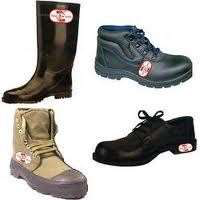
Four types of safety footwear commonly used in construction and engine (Source: PLUMB 5 LEARNING GUIDE-1 (1))
Purpose and Importance of Safety Shoes in Fabric Decoration
Safety shoes serve multiple critical functions beyond mere footwear in fabric decoration settings. Their primary purpose is to protect the feet from injury, but they also contribute to overall workplace safety culture and compliance with occupational health regulations in Kenya.
Purpose of Safety Shoes
-
Protection from Impact and Compression: Safety shoes have reinforced toe caps, often made of steel or composite materials, to safeguard feet against heavy falling objects or compression, common in workshops handling bolts, tools, or fabric rolls.
-
Prevention of Puncture Injuries: The soles of safety shoes are designed to resist punctures from sharp objects such as needles, pins, or broken glass that may be present on workshop floors.
- Slip Resistance: Fabric decoration areas may have slippery surfaces due to dyes or adhesives. Safety shoes feature soles with tread patterns that enhance grip, reducing the risk of slips and falls.
- Electrical Hazard Protection: Some safety shoes insulate against electrical shocks, crucial in studios where electrical equipment like heat presses or sewing machines are used.
- Support and Comfort: Prolonged standing and movement in production areas require footwear that supports foot arch and reduces fatigue, contributing indirectly to safety by maintaining worker alertness.
Importance of Safety Shoes
- Compliance with Kenyan Occupational Safety Laws: The Occupational Safety and Health Act, 2007 mandates protective gear in hazardous workplaces, including proper footwear, to prevent injuries.
- Reduction of Workplace Accidents: Safety shoes significantly lower the incidence of foot injuries, which are among the common workplace injuries in textile and fashion production sectors.
- Enhancement of Worker Confidence: When workers feel protected, they perform tasks more efficiently and with greater confidence, such as handling hot embossing machines or sharp cutting tools.
- Cost Savings for Businesses: Avoiding injuries reduces medical claims, compensation costs, and downtime, which benefits fashion enterprises from small tailoring shops to large garment factories.
- Promotion of Professionalism: Adherence to safety standards, including wearing safety shoes, reflects a professional and responsible work environment, valued in partnerships with retail outlets and fashion houses.
Types and Specifications of Safety Shoes Suitable for Fabric Decoration
Selecting the right type of safety shoe depends on the specific hazards present in fabric decoration workshops. Different styles and materials cater to various protection needs and comfort levels.
| Name |
Specification |
Use |
| Steel Toe Safety Shoes |
Reinforced steel toe cap, puncture-resistant sole, slip-resistant rubber outsole |
Protects against heavy impact and sharp objects |
| Composite Toe Safety Shoes |
Toe cap made of non-metal composite materials, lightweight, electrical hazard resistant |
Suitable for electrical safety and lightweight needs |
| Rubber Safety Boots |
Waterproof, chemical-resistant rubber, slip-resistant sole |
Protects against chemical spills and wet conditions |
| ESD (Electrostatic Discharge) Safety Shoes |
Conductive sole to prevent static buildup, non-metallic toe caps |
Used in environments with sensitive electronic equipment |
| Low-Cut Safety Sneakers |
Lightweight, breathable, reinforced toe, cushioned soles |
Ideal for prolonged standing with moderate protection |
- Steel toe shoes are common in workshops where heavy fabric rolls or machinery parts may fall, offering robust protection.
- Composite toe options provide lighter alternatives preferred in environments requiring frequent movement, such as fashion design studios.
- Rubber boots are essential when working with dyes or adhesives that may spill, protecting from chemical burns or skin irritation.
- ESD shoes are important in spaces where static discharge can damage expensive printing or embroidery machines.
- Low-cut safety sneakers balance protection with comfort for workers engaged in detailed handwork like bead embroidery.
Proper Usage and Maintenance of Safety Shoes in the Fashion Design Studio
For safety shoes to be effective, they must be worn correctly and maintained regularly. Neglecting these aspects can compromise protection and lead to foot injuries.
Proper Usage
- Correct Sizing: Shoes must fit well to prevent slipping or discomfort, which can cause accidents. Employees should be measured professionally to ensure the right size.
- Wearing at All Times in Hazardous Areas: Safety shoes should be worn continuously in production zones, not just intermittently, to maintain consistent protection.
- Appropriate Shoe Selection for Tasks: Workers must choose the right type of safety shoe according to the specific hazards they face, such as electrical hazards or chemical exposure.
- Avoiding Modifications: Altering safety shoes by removing soles or toe caps reduces their protective capabilities and is unsafe.
- Personal Use Only: Safety shoes should not be shared among workers to prevent improper fit and hygiene issues.
Maintenance
- Regular Cleaning: Removing dirt, dye stains, and adhesives from shoes prolongs their life and prevents material degradation, especially important in fabric decoration where spills are frequent.
- Inspection for Damage: Shoes should be checked daily for sole wear, cracks, or compromised toe caps, with damaged pairs replaced promptly.
- Proper Storage: Shoes should be stored in a dry, ventilated area away from direct sunlight to avoid material weakening.
- Waterproofing Treatments: For leather or composite shoes, applying waterproof sprays or conditioners maintains resistance against moisture common in dyeing or printing areas.
- Replacing Worn Insoles: Insoles should be replaced periodically to maintain comfort and foot support, reducing fatigue during long production hours.
Challenges in Using Safety Shoes and How to Address Them in Kenyan Fashion Workplaces
Despite their importance, some challenges affect the consistent use of safety shoes in Kenya’s fabric decoration industry. Understanding and addressing these challenges enhances workplace safety.
Challenges
- Cost Constraints: High-quality safety shoes are often expensive, and small-scale fashion workshops may struggle to provide them for all workers.
- Discomfort and Heat: In Kenya’s warm climate, some safety shoes can cause excessive sweating and discomfort, discouraging consistent use.
- Lack of Awareness: Some workers may underestimate the risks or the importance of safety shoes, leading to non-compliance.
- Improper Sizing and Fit: Limited availability of diverse sizes and styles can result in ill-fitting shoes that workers avoid wearing.
- Maintenance Neglect: Without proper cleaning and upkeep, shoes deteriorate quickly, reducing their protective function.
Strategies to Overcome Challenges
- Budgeting for Protective Gear: Fashion enterprises should allocate funds specifically for safety equipment, recognizing it as an investment in worker health and productivity.
- Selecting Climate-Appropriate Designs: Choosing breathable materials and lightweight options improves comfort and encourages usage.
- Training and Sensitization: Regular safety training sessions help workers understand hazards and the critical role of safety shoes.
- Partnerships with Suppliers: Engaging local footwear manufacturers or suppliers to provide affordable, well-fitted safety shoes tailored for the fashion industry.
- Implementing Maintenance Protocols: Establishing routines for shoe inspection and cleaning as part of daily workshop practices ensures equipment longevity.
Gloves
In the production of decorated fabrics within Kenya's fashion design industry, gloves play a critical role in ensuring both the quality of fabric decoration and the safety of artisans. Designers and textile workers frequently handle dyes, chemicals, adhesives, and sharp tools, all of which necessitate protective gloves. Moreover, gloves help maintain cleanliness by preventing oils, dirt, and moisture from the hands from contaminating delicate fabric surfaces. In Nairobi’s burgeoning fashion hubs and garment factories, proper glove use contributes to professional standards and reduces defects in fabric decoration outcomes.
Types of Gloves Used in Fabric Decoration
The choice of gloves depends largely on the type of decoration technique and materials handled during the process. Kenyan fashion designers often select gloves based on protective properties and compatibility with dyes, paints, or adhesives.
Types of Gloves
-
Latex Gloves: These are flexible and provide excellent tactile sensitivity, making them suitable for detailed hand-painting or embroidery work. However, some users may develop allergies, so alternative materials are sometimes preferred.
-
Nitrile Gloves: Resistant to many chemicals and punctures, nitrile gloves are ideal for handling dyes and solvents used in screen printing or batik processes. They also offer durability in repetitive tasks.
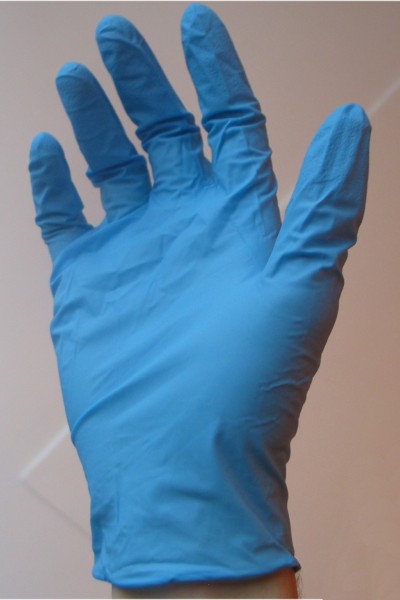
Blue nitrile glove on a hand (Source: Wikimedia Commons)
- Cotton Gloves: Often used for handling finished fabrics or delicate materials, cotton gloves prevent oils and dirt from transferring to the fabric surface, preserving decoration quality.
-
PVC Gloves: These provide protection against water-based chemicals and adhesives, useful during fabric soaking or glue application stages in applique decoration.
-
Rubber Gloves: Used for heavy-duty protection, rubber gloves shield hands from harsh chemicals, often in industrial dyeing or bleaching processes.
Importance of Gloves in Maintaining Fabric Quality and Worker Safety
Gloves are essential for both protecting the fabric and ensuring the health of workers in the fashion design environment. The use of appropriate gloves directly impacts the final quality of decorated fabrics and the wellbeing of artisans.
Importance of Gloves
- Preventing Contamination: Gloves act as a barrier against natural oils, sweat, and dirt from hands, which can otherwise cause staining or uneven dye application on fabrics.
- Chemical Protection: Many fabric decoration processes use hazardous substances; gloves protect workers from burns, allergic reactions, and long-term health risks associated with chemical exposure.
- Maintaining Precision: Gloves that fit well allow artisans to handle fine needles, brushes, and other tools without compromising dexterity, ensuring intricate decorations are applied accurately.
- Reducing Defects: By minimizing direct contact with fabric surfaces, gloves help avoid smudges, fingerprints, and other marks that degrade the visual appeal of the final product.
- Compliance with Safety Standards: Adhering to occupational safety requirements through glove use enhances the reputation of fashion design enterprises and aligns with regulations from bodies such as the Ministry of Labour.
Selecting the Right Gloves for Specific Decoration Techniques
Choosing gloves that match the demands of each fabric decoration method is critical to optimize both protection and functionality. Kenyan fashion designers need to assess the materials and processes involved before selecting gloves.
Factors Influencing Glove Selection
- Chemical Compatibility: For dyeing or screen printing, gloves must resist penetration or degradation by solvents and pigments used.
- Dexterity Requirements: Techniques such as hand embroidery or beadwork require gloves that allow precise finger movements without bulkiness.
- Fabric Sensitivity: When handling delicate silks or lace, gloves made of soft cotton prevent abrasion or snagging.
- Duration of Use: For prolonged tasks, breathable gloves reduce hand sweating and discomfort, improving worker endurance.
- Cost and Availability: Local fashion workshops often balance glove quality with affordability and supply reliability, considering suppliers in Nairobi or Mombasa.
Care and Maintenance of Gloves in Fabric Decoration Settings
Proper glove care extends their usability, ensures hygiene, and maintains protection standards in Kenyan fashion production studios and factories. Neglecting glove maintenance can lead to contamination or reduced effectiveness.
Guidelines for Glove Maintenance
- Regular Inspection: Gloves should be checked before use for tears, holes, or signs of wear that compromise protection.
- Cleaning Protocols: Reusable gloves, such as cotton or rubber types, must be washed with appropriate detergents and dried completely to prevent microbial growth.
- Proper Storage: Gloves should be stored in clean, dry areas away from direct sunlight and chemicals that may degrade materials.
- Timely Replacement: Single-use gloves must be discarded after each task, while reusable gloves have recommended service lives after which replacement is necessary.
- Worker Training: Educating artisans on correct glove use, including donning and doffing procedures, prevents contamination and extends glove life.
Practice Questions
- Explain five types of personal protective equipment used in fabric decoration and their specific protective functions. (10 marks)
- Discuss the key criteria to consider when selecting personal protective equipment for fabric decoration tasks. (10 marks)
- Outline six steps involved in the proper use and maintenance of personal protective equipment in a fashion design workshop. (12 marks)
- Describe the main health and safety regulations in Kenya related to the use of personal protective equipment in the garment industry. (8 marks)
- Explain five purposes of aprons in fabric decoration planning in the Kenyan fashion industry. (10 marks)
- Describe the criteria for selecting fabric for aprons, highlighting how these criteria affect decoration methods. (12 marks)
- Compare and contrast three fabric decoration techniques suitable for aprons in terms of durability and aesthetic appeal. (15 marks)
- Outline the six key steps involved in planning fabric decoration for aprons, illustrating your answer with examples from Kenyan fashion businesses. (18 marks)
-
Explain five key reasons why dust coats are important in the fabric decoration process within Kenyan fashion production. (10 marks)
-
Describe the characteristics of materials suitable for making dust coats and why these are appropriate for use in Kenya’s climate. (10 marks)
-
Outline six steps involved in the proper maintenance of dust coats to ensure their effectiveness. (12 marks)
-
Identify four common challenges faced when implementing dust coat use in fashion workshops and propose practical solutions for each. (16 marks)
- Explain five key design considerations that a fashion designer in Kenya must account for when planning fabric decoration on face masks. (10 marks)
- Discuss the importance of fabric selection and preparation in the production of decorated face masks. Provide five characteristics that influence fabric choice. (10 marks)
- Identify and describe five decoration techniques suitable for face masks, highlighting their advantages and limitations in the Kenyan context. (10 marks)
- Outline six steps involved in planning the production of decorated face masks, emphasizing quality assurance measures. (12 marks)
- Explain five key purposes of safety shoes in fabric decoration workshops and how they contribute to worker safety. (10 marks)
- Compare and contrast steel toe safety shoes and composite toe safety shoes in terms of their specifications and suitability for different tasks in fashion design production. (10 marks)
- Describe six steps for proper maintenance of safety shoes used in a textile printing studio. (12 marks)
- Identify four common challenges faced by Kenyan fashion design workplaces in enforcing the use of safety shoes and suggest practical solutions for each. (12 marks)
- Describe five different types of gloves used in fabric decoration and explain the specific protection each offers. (10 marks)
- Explain why glove selection is critical during hand embroidery and dyeing processes in fashion design. (8 marks)
- Outline six steps for effective glove maintenance in a fashion design workshop. (12 marks)
- Discuss the significance of glove use in maintaining fabric quality during the production of decorated fabrics. (10 marks)
The rest of this chapter
🔒Create a free account to open more of this chapter.
Free: practical guides, quick cards, workplace scenarios and more.
Create a free account 🔒1.2 Fabric decoration tools and equipment
In the Kenyan fashion design industry, fabric decoration is an essential skill that requires the use of specialized tools and equipment to achieve high-quality finishes. From small tailoring workshops in Nairobi to established fashion houses in Mombasa, select…
🔒1.3 Fabric Decoration Materials and Supplies
Fabric decoration materials and supplies are fundamental to the successful execution of fabric embellishment in fashion design. In Kenya's vibrant fashion industry, designers rely on a diverse range of materials that enhance aesthetic appeal and meet client ex…
🔒1.4 Design specification
Design specification is a critical stage in fabric decoration planning within fashion design. In Kenya’s dynamic fashion industry, clear design specifications ensure that fabric decorations meet client expectations, production capabilities, and market trends.…
Chapter Summary
This chapter explored the essential personal protective equipment required for fabric decoration planning, including aprons, dust coats, face masks, safety shoes, and gloves, emphasizing their role in ensuring safety and hygiene. It then detailed the various tools used in fabric decoration, categorizing them into drawing tools, basic sewing tools, cutting and laying tools, measuring tools, finishing tools, and displaying tools, each vital for different stages of the decoration process. The chapter also covered key equipment such as computers and accessories, stencils, silk mesh, squeegees, cameras, and sewing machines, highlighting their functions in modern fabric decoration techniques. Attention was given to the materials and supplies necessary for decoration, including dyes, photo emulsion, fabric types, bleach, assorted threads and needles, and printing paste, all critical for achieving desired design effects. Finally, the chapter discussed design specifications, outlining different styles such as realistic, abstract, stylized, and geometric designs, which guide the creative and technical aspects of fabric decoration planning. This comprehensive overview provided a structured foundation for effectively carrying out fabric decoration with attention to safety, tools, materials, and design considerations.
Self-Assessment
🔒 PDFDownload this self-assessment, with answers
A. Written Assessment
-
Which of the following personal protective equipment is essential to prevent inhalation of dust during fabric decoration?
a) Apron
b) Face mask
c) Gloves
d) Safety shoes
(2 marks)
-
Explain the primary function of a dust coat in a fabric decoration workshop. (3 marks)
🔒27 more in this section.
Chapter Examination Questions
🔒 PDFDownload these examination questions, with worked answers
SECTION A (40 Marks) - Answer ALL Questions
- Identify five types of personal protective equipment used in fabric decoration and explain their importance in ensuring safety during production. (4 marks)
- Describe the role of an apron in protecting a fashion designer during fabric decoration activities. (4 marks)
🔒18 more in this section.
Chapter Practical Activities
Practical 1: Selection and Use of Personal Protective Equipment for Fabric Decoration
Fashion Design · Level 6
Decorated Fabrics Production (Tie & Die And Printing)
PRACTICAL ASSESSMENT
TIME: 3 HOURS
⬇ PDFCandidate Instructions (Candidate Tool)
Type: Individual
INSTRUCTIONS TO CANDIDATE:
1. You are required to perform the following task:
i. Select and correctly wear all appropriate personal protective equipment before starting fabric decoration tasks in the workshop.
2. You have been provided with the following resources for the practical task:
| Tools & Equipment | Materials |
|---|
| Dust coat | |
| Flat closed safety shoes | |
| Face mask | |
| Protective gloves | |
| Apron | |
⬇ PDFResources Required (Cutting List)
| S/N | Item | Quantity |
|---|
| 1 | Dust coat | 1 Pc per Candidate |
| 2 | Flat closed safety shoes | 1 Pair per Candidate |
| 3 | Face mask | 1 Pc per Candidate |
| 4 | Protective gloves | 1 Pair per Candidate |
| 5 | Apron | 1 Pc per Candidate |
⬇ PDFAssessor Guide
| Items to be Evaluated | Marks Available | Marks Obtained | Comments |
|---|
| TASK 1: Selection and Wearing of Personal Protective Equipment |
Identified and selected appropriate dust coat
(Award 1 mark for correct selection) | 1 | | |
Identified and selected appropriate flat closed safety shoes
(Award 1 mark for correct selection) | 1 | | |
Identified and selected appropriate face mask
(Award 1 mark for correct selection) | 1 | | |
Identified and selected appropriate protective gloves
(Award 1 mark for correct selection) | 1 | | |
Identified and selected appropriate apron
(Award 1 mark for correct selection) | 1 | | |
Wore dust coat correctly covering arms and torso
(Award 1 mark for correct wearing) | 1 | | |
Wore flat closed safety shoes properly laced or fastened
(Award 1 mark for correct wearing) | 1 | | |
Wore face mask correctly covering nose and mouth
(Award 1 mark for correct wearing) | 1 | | |
Wore protective gloves correctly on both hands
(Award 1 mark for correct wearing) | 1 | | |
Wore apron covering front body adequately
(Award 1 mark for correct wearing) | 1 | | |
Observed occupational safety and health requirements: working area well-lit
(Award 1 mark for compliance) | 1 | | |
Observed occupational safety and health requirements: room well-ventilated
(Award 1 mark for compliance) | 1 | | |
| Sub-Total | 12 | | |
| PRODUCT CHECKLIST |
Personal protective equipment correctly selected and worn without gaps or omission
(Award 2 marks for each correctly worn PPE item: dust coat, shoes, mask, gloves, apron; total 8 marks) | 8 | | |
| Sub-Total | 8 | | |
| GRAND TOTAL | 20 | | |
ASSESSMENT OUTCOME: ☐ Competent ☐ Not Yet Competent (competent if at least 50%)
Practical 2: Preparation of Drawing and Measuring Tools for Fabric Decoration Layout
Fashion Design · Level 6
Decorated Fabrics Production (Tie & Die And Printing)
PRACTICAL ASSESSMENT
TIME: 4 HOURS
⬇ PDFCandidate Instructions (Candidate Tool)
Type: Individual
INSTRUCTIONS TO CANDIDATE:
1. You are required to perform the following task:
i. Prepare and assemble all drawing, sewing, cutting, and measuring tools required for fabric decoration layout on a 1000mm x 800mm cotton fabric piece.
2. You have been provided with the following resources for the practical task:
| Tools & Equipment | Materials |
|---|
| Hand Needle | Cotton Fabric |
| Thimble | Sewing Thread |
| Marking Tools | |
| Meter Ruler | |
| Fabric Shears | |
| Seam Ripper | |
| Pressing Tools | |
| Personal Protective Equipment | |
| Working Surface | |
| A4 Envelope | |
⬇ PDFResources Required (Cutting List)
| S/N | Item | Quantity |
|---|
| 1 | Hand Needle | 1 Pc per Candidate |
| 2 | Thimble | 1 Pc per Candidate |
| 3 | Marking Tools (Tailor’s Chalk, Fabric Pencil) | 1 Set per Candidate |
| 4 | Meter Ruler (150 cm) | 1 Pc per Candidate |
| 5 | Fabric Shears | 1 Pc per Candidate |
| 6 | Seam Ripper | 1 Pc per Candidate |
| 7 | Pressing Tools (Iron Box and Ironing Board) | 1 Set per Candidate |
| 8 | Personal Protective Equipment (Dust Coat, Flat Closed Shoes, Nose Mask, Hand Gloves) | 1 Set per Candidate |
| 9 | Working Surface (Flat Table 120cm x 80cm) | 1 Pc per Candidate |
| 10 | A4 Envelope | 1 Pc per Candidate |
| 11 | Cotton Fabric (Plain White 100cm by 80cm) | 1 Pc per Candidate |
| 12 | Sewing Thread (White, 50m spool) | 1 Pc per Candidate |
⬇ PDFAssessor Guide
| Items to be Evaluated | Marks Available | Marks Obtained | Comments |
|---|
| TASK 1: Preparation and Assembly of Tools |
Identified and correctly wore personal protective equipment (dust coat, flat closed shoes, nose mask, hand gloves)
(Award 1 mark each for correct and appropriate PPE use) | 3 | | |
Ensured well-lit and well-ventilated working environment
(Award 1 mark each for lighting and ventilation) | 2 | | |
Selected and prepared all drawing tools (tailor’s chalk, fabric pencil) and measuring tools (meter ruler) for fabric layout
(Award 1 mark each for correct tools and readiness) | 3 | | |
Selected basic sewing tools (hand needle, thimble, sewing thread) and cutting tools (fabric shears, seam ripper) and ensured their serviceability
(Award 1 mark each for needle, thimble, scissors readiness) | 3 | | |
Prepared pressing tools and working surface for fabric layout
(Award 1 mark each for pressing tools and flat working surface readiness) | 2 | | |
| Sub-Total | 13 | | |
| PRODUCT CHECKLIST |
All tools and materials correctly assembled and organized on the working surface ready for fabric decoration layout
(Award up to 5 marks for completeness, organization, and readiness of tools and materials) | 5 | | |
Cotton fabric piece (1000mm x 800mm) correctly positioned and prepared for layout
(Award up to 5 marks for correct fabric positioning and preparation) | 5 | | |
| Sub-Total | 10 | | |
| GRAND TOTAL | 23 | | |
ASSESSMENT OUTCOME: ☐ Competent ☐ Not Yet Competent (competent if at least 50%)
🔒Setting up finishing and displaying tools for fabric decorationPractical 3
🔒Prepare digital fabric decoration design plan using computerPractical 4
🔒Preparation of Silk Mesh and Squeegee for Fabric Screen PrintingPractical 5
🔒Photograph Fabric Decoration Samples for Design DocumentationPractical 6
🔒Operate sewing machine to execute decorative stitching on fabricPractical 7
🔒Select and Prepare Dyes and Printing Paste for Fabric DecorationPractical 8
🔒Apply photo emulsion on silk mesh for stencil makingPractical 9
🔒Preparation and Bleach Application on Cotton Fabric for DecorationPractical 10
🔒Select and Organize Assorted Threads and Needles for Fabric DecorationPractical 11
🔒Plan and Interpret Fabric Decoration Design on Cotton FabricPractical 12
🔒Plan and Interpret Abstract and Stylized Fabric Decoration DesignsPractical 13
🔒Planning and interpreting a geometric fabric decoration design 100cm x 80cmPractical 14
