Sketching basic gents' garments is a fundamental skill in fashion design that bridges creative concepts with practical garment construction. In Kenya's vibrant fashion industry, the ability to produce clear, accurate sketches of men's clothing is essential for communicating design ideas to clients, pattern makers, and tailors. This chapter begins with a crucial foundation: workshop safety, which ensures that designers and artisans work in an environment that minimizes risks and promotes well-being. Understanding safety protocols in a fashion design workshop is vital for sustaining productivity and protecting both personnel and equipment.
1.1 Workshop Safety
1.1.1 Identifying Common Workshop Hazards
Recognizing potential dangers in a fashion design workshop is the first step toward effective safety management. The environment where gents' garments are sketched and constructed presents multiple risk factors that must be addressed proactively.
Typical Physical Hazards
- Sharp Instruments: Scissors, needles, pins, and cutting tools pose risks of cuts and punctures if mishandled or improperly stored. For example, in a Nairobi-based tailoring workshop, improper disposal of used needles has led to needle-stick injuries among workers.
- Electrical Equipment: Sewing machines, irons, and pressing equipment can cause electric shocks or burns if faulty or used without caution. A hotel uniform tailoring unit in Mombasa experienced frequent power surges, highlighting the need for regular electrical maintenance.
- Slips and Trips: Fabrics, threads, and tools left on the floor create tripping hazards, particularly in busy workshops where space is limited.
- Fire Risks: The presence of fabric dust combined with electrical equipment increases fire hazards. In some retail clothing production units in Kisumu, a lack of fire extinguishers has exacerbated fire incidents.
- Poor Ventilation: Dust and fumes from fabric treatment chemicals can cause respiratory issues when ventilation is inadequate, a common challenge in small-scale garment workshops.
Chemical and Ergonomic Hazards
- Chemical Exposure: Dyes, adhesives, and fabric finishes contain chemicals that may irritate skin or cause allergic reactions if protective gear is not used.
- Repetitive Strain Injuries: Continuous use of sewing machines and hand tools without proper ergonomic practices can lead to musculoskeletal disorders such as carpal tunnel syndrome.
1.1.2 Safety Equipment and Personal Protective Gear
Equipping a fashion workshop with the appropriate safety tools and ensuring workers use personal protective equipment (PPE) significantly reduces the risk of injury.
Essential Safety Equipment
| Name |
Specification |
Use |
| First Aid Kit |
Comprehensive kit with bandages, antiseptics, and scissors |
To provide immediate care for minor injuries like cuts and burns |
| Fire Extinguisher |
Portable, suitable for electrical and fabric fires |
To control small fires before they spread |
| Safety Signage |
Clear, visible signs indicating hazards and emergency exits |
To alert workers to risks and guide safe evacuation |
| Sewing Machine Guards |
Protective covers for needle and moving parts |
To prevent accidental needle injuries |
| Ventilation Fans |
Electric fans or exhaust systems with adequate airflow |
To remove dust and chemical fumes |
Personal Protective Equipment
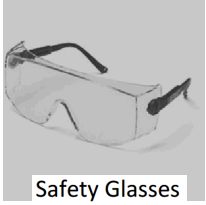
A pair of safety glasses (Source: RCTDS301_Drainage_system)
-
Dust Masks: Essential when working with fabric dust or chemical fumes to protect respiratory health.
-
Aprons: Protect clothing and skin from stains, chemicals, and sharp tools.
- Ergonomic Supports: Wrist braces or cushions reduce strain during prolonged sewing or cutting tasks.
1.1.3 Safe Handling and Storage of Tools and Materials
Proper management of tools and materials in the workshop minimizes accidents and maintains an organized workspace conducive to efficient garment sketching and construction.
Best Practices for Tool Handling
- Always use tools for their intended purpose; for example, use fabric scissors only for cutting fabric, not paper.
- Inspect tools regularly for damage; a cracked sewing machine needle should be replaced immediately to avoid breakage during operation.
- Turn off electrical machines when not in use to prevent accidental activation or overheating.
Storage Protocols
- Store sharp tools in designated containers or racks to prevent accidental injuries.
- Keep flammable materials like fabric finishes and adhesives in locked cabinets away from heat sources.
- Organize fabric rolls vertically or on shelves to avoid clutter and facilitate easy access.
1.1.4 Emergency Preparedness and Response
Being prepared for emergencies ensures swift action that can save lives and reduce damage in the event of accidents in the workshop.
Emergency Planning Components
- Develop and communicate clear emergency evacuation routes tailored to the workshop layout.
- Conduct regular safety drills to familiarize all staff with emergency procedures.
- Maintain an accessible and well-stocked first aid station.
Response Actions
- In case of fire, use the nearest fire extinguisher appropriate for the type of fire.
- For cuts or puncture wounds, apply direct pressure to stop bleeding and seek medical attention if necessary.
- Report all accidents promptly to supervisors and document them for future safety improvements.
Practice Questions
- Describe five common physical hazards found in a fashion design workshop and explain how each can affect workers. (10 marks)
- Outline the essential safety equipment and personal protective gear required in a gents' garment construction workshop and their specific uses. (10 marks)
- Explain six best practices for the safe handling and storage of tools and materials in a tailoring workshop. (12 marks)
- Discuss the key components of emergency preparedness in a fashion design workshop and the appropriate response actions during an accident. (13 marks)
The rest of this chapter
🔒Create a free account to open more of this chapter.
Free: practical guides, quick cards, workplace scenarios and more.
Create a free account 🔒1.2 Sketching tools, equipment, materials and supplies
In the Kenyan fashion design industry, especially in the gents' wear segment, the quality and suitability of sketching tools and materials greatly influence the clarity and creativity of design presentations. Fashion designers working in Nairobi boutiques, cou…
🔒1.3 Sketching techniques
Sketching is a fundamental skill in the construction of basic gents' garments, enabling fashion designers in Kenya to visually communicate ideas effectively before production. A well-executed sketch serves as a blueprint for tailoring and garment assembly, ref…
🔒1.4 Skirt Pieces
Though the focus is on gents' garments, understanding skirt pieces is important for designers who work across gender lines or design unisex collections. Kenyan fashion shows and boutiques increasingly feature styles blending traditionally male and female eleme…
Chapter Summary
This chapter began by emphasizing the importance of workshop safety, highlighting the need for proper precautions to prevent accidents and ensure a safe working environment. It then explored the various sketching tools, equipment, materials, and supplies essential for creating accurate and detailed garment designs. Following this, different sketching techniques were discussed, focusing on methods that enhance precision and creativity in illustrating gents' garments. The chapter also covered the process of cutting garment pieces, explaining how careful measurement and cutting contribute to the overall fit and quality of the finished product. Finally, attention was given to skirt pieces, including the different types of skirts, which broadened the understanding of garment construction beyond basic male attire. Together, these topics provided a comprehensive foundation for sketching and constructing basic gents’ garments within a safe and well-equipped workshop setting.
Self-Assessment
🔒 PDFDownload this self-assessment, with answers
A. Written Assessment
- What are three essential safety precautions to observe in a fashion design workshop? (3 marks)
- Identify four common sketching tools used in designing basic gents’ garments. (4 marks)
🔒20 more in this section.
Chapter Examination Questions
🔒 PDFDownload these examination questions, with worked answers
SECTION A (40 Marks) - Answer ALL Questions
- Describe four key safety precautions a fashion designer must observe when working in a gents' garment construction workshop in Nairobi. (4 marks)
- Identify and explain the purpose of four essential sketching tools used by fashion designers when sketching basic gents' garments. (4 marks)
🔒18 more in this section.
