Sketching basic gents' garments is a foundational skill for fashion design professionals aiming to create compelling menswear collections. In Kenya's dynamic fashion industry, clear and accurate sketches facilitate communication between designers, tailors, and clients, ensuring that creative ideas transform into well-constructed garments. This chapter introduces essential safety practices in the workshop, which is critical for maintaining a productive environment where creativity can flourish without risk. Understanding workshop safety is not only a legal and ethical obligation but also a practical necessity for sustainable operations in fashion design studios and production units.
1.1 Workshop Safety
Maintaining safety in the fashion design workshop is paramount due to the variety of tools, equipment, and materials involved in garment construction. Kenyan fashion studios, whether small tailoring shops in Nairobi or larger design houses in Mombasa, must adhere to safety protocols to protect workers from injuries and to comply with occupational health regulations. Effective safety management reduces accidents, enhances productivity, and fosters a culture of professionalism that clients and stakeholders respect.
1.1.1 Identifying Common Workshop Hazards
Recognizing potential hazards in the workshop environment is the first step toward preventing accidents. Fashion workshops in Kenya typically contain sharp tools, electrical equipment, and flammable materials, all of which pose risks if mishandled.
Common Physical Hazards
- Sharp tools and equipment: Scissors, rotary cutters, pins, and needles are essential but can cause cuts or puncture wounds if not used carefully.
- Electrical equipment: Sewing machines and pressing irons, if poorly maintained or improperly used, can lead to electric shocks or fires.
- Slips, trips, and falls: Fabric scraps, threads, and tools left on the floor create tripping hazards, especially in busy workshops.
- Chemical exposure: Some adhesives, dyes, and fabric treatments contain harmful chemicals that can irritate skin or respiratory systems.
- Fire risks: Flammable fabrics and materials stored near heat sources increase the risk of fire outbreaks.
Common Ergonomic Hazards
- Poor posture: Prolonged sitting or standing without ergonomic support can lead to musculoskeletal disorders.
- Repetitive motions: Continuous cutting, sewing, or ironing motions may cause strain injuries over time.
- Inadequate lighting: Poorly lit workspaces increase eye strain and the likelihood of accidents.
1.1.2 Safety Equipment and Protective Gear
Using appropriate safety equipment and personal protective gear safeguards workers against identified hazards. In Kenyan fashion workshops, investing in these items is crucial for compliance with occupational safety standards and for maintaining worker wellbeing.
Essential Safety Equipment
- Cut-resistant gloves: These protect hands when handling sharp tools like scissors and rotary cutters.
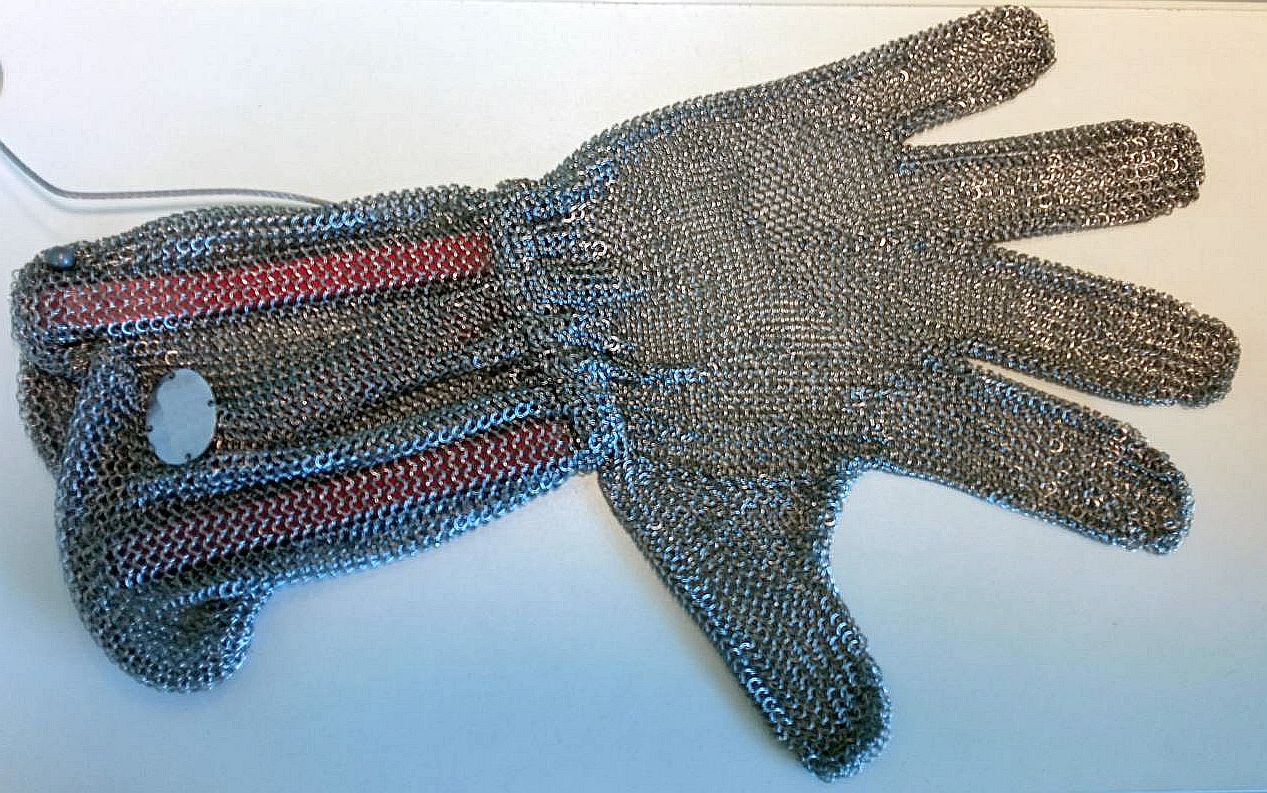
Metal mesh cut-resistant glove (Source: Wikimedia Commons)
- Eye protection: Safety goggles shield eyes from flying debris or chemical splashes during fabric treatments.
- Face masks: Masks reduce inhalation of dust and chemical fumes, especially when working with adhesives or dyes.
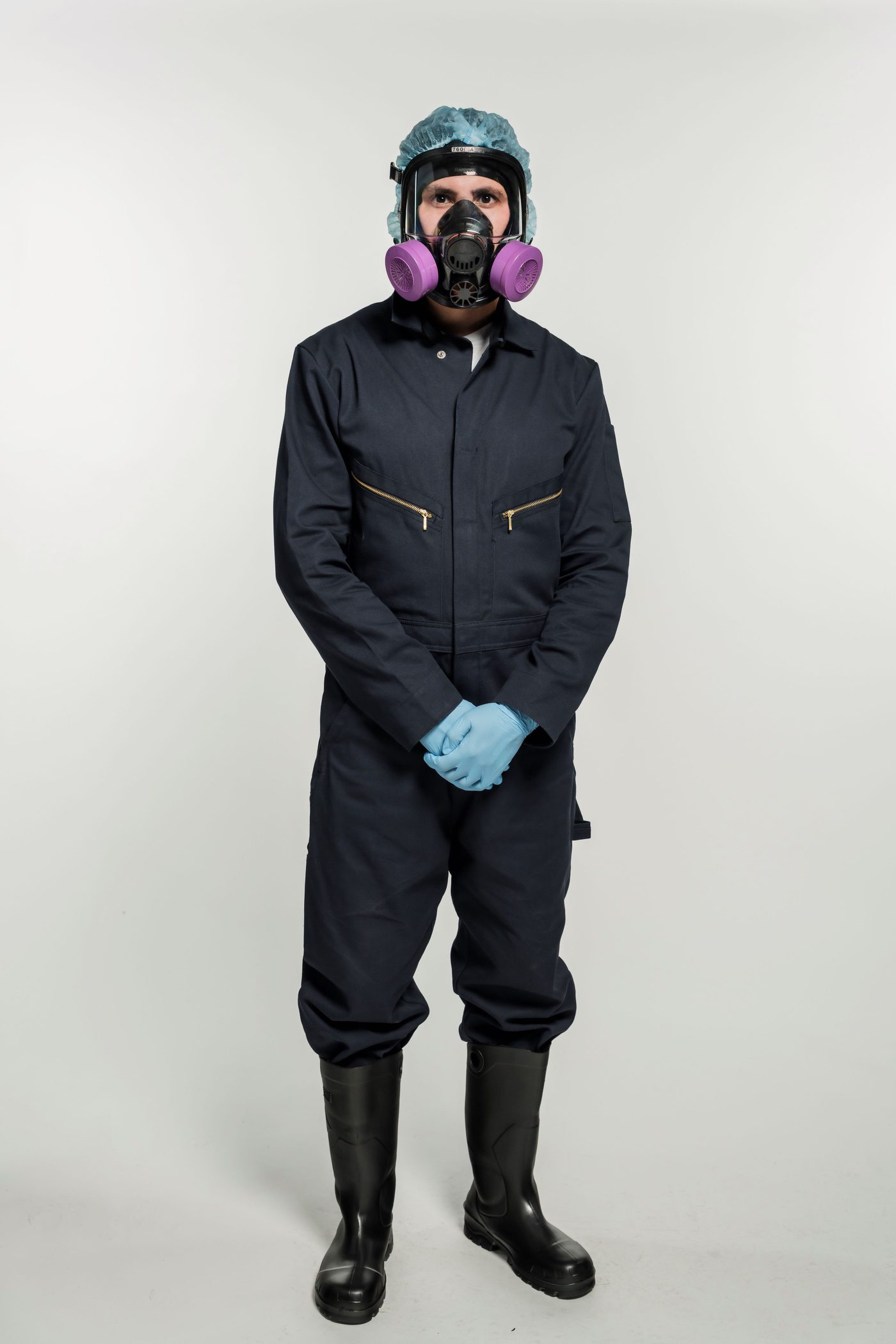
Person wearing a construction face mask with filters (Source: Wikimedia Commons)
- Non-slip footwear: Shoes with good grip prevent slips and falls on smooth or cluttered workshop floors.
- Hearing protection: In workshops with noisy machinery, earplugs or earmuffs protect against hearing damage.
Maintenance and Use
- Safety equipment must be regularly inspected for wear and replaced promptly.
- Workers should be trained on correct usage to ensure effectiveness.
- Employers must provide adequate quantities and ensure accessibility of protective gear at all workstations.
1.1.3 Safe Handling and Storage of Tools and Materials
Proper handling and storage protocols prevent accidents and prolong the lifespan of tools and materials. Kenyan fashion workshops often face space constraints; thus, organized storage is vital for safety and efficiency.
Handling Procedures
- Always cut away from the body when using scissors or rotary cutters.
- Use pincushions or magnetic holders to keep pins and needles secure.
- Disconnect electrical equipment before cleaning or maintenance to avoid shocks.
- Follow manufacturer guidelines when handling chemicals and adhesives.
Storage Practices
- Store sharp tools in locked drawers or designated containers to prevent accidental contact.
- Keep flammable materials in fire-resistant cabinets away from heat sources.
- Organize fabrics and materials on shelves or racks to avoid clutter on the floor.
- Label chemical containers clearly and store them in ventilated areas.
1.1.4 Emergency Preparedness and Response
Being prepared for emergencies reduces the impact of accidents and ensures swift, effective action. Kenyan workshops must have clear plans and resources to handle incidents such as fires, injuries, or chemical spills.
Emergency Equipment and Facilities
- Fire extinguishers: Positioned strategically and regularly serviced for quick access.
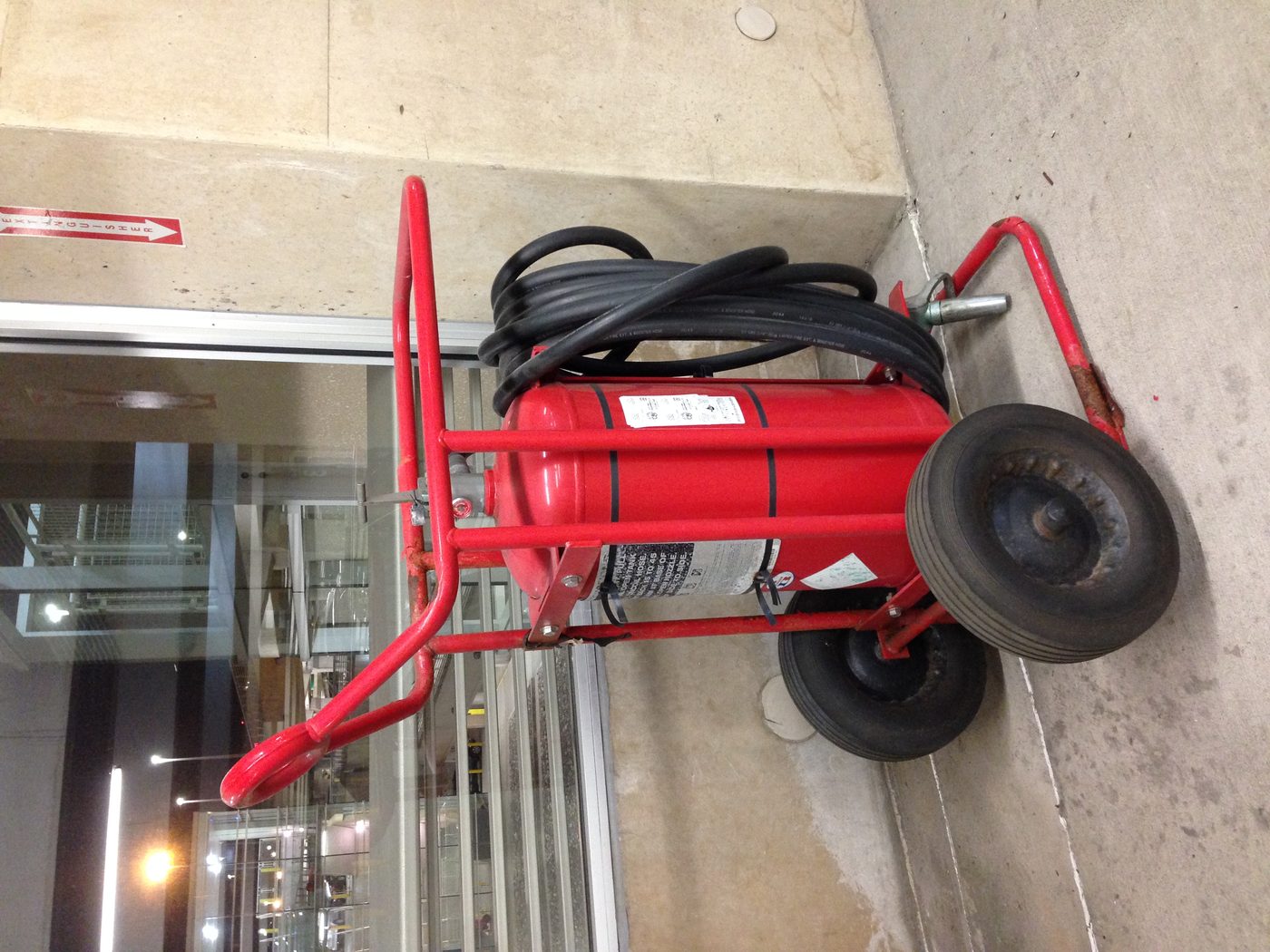
Large wheeled fire extinguisher unit (Source: Wikipedia (Fire extinguisher))
- First aid kits: Stocked with bandages, antiseptics, and other essentials, and checked frequently.
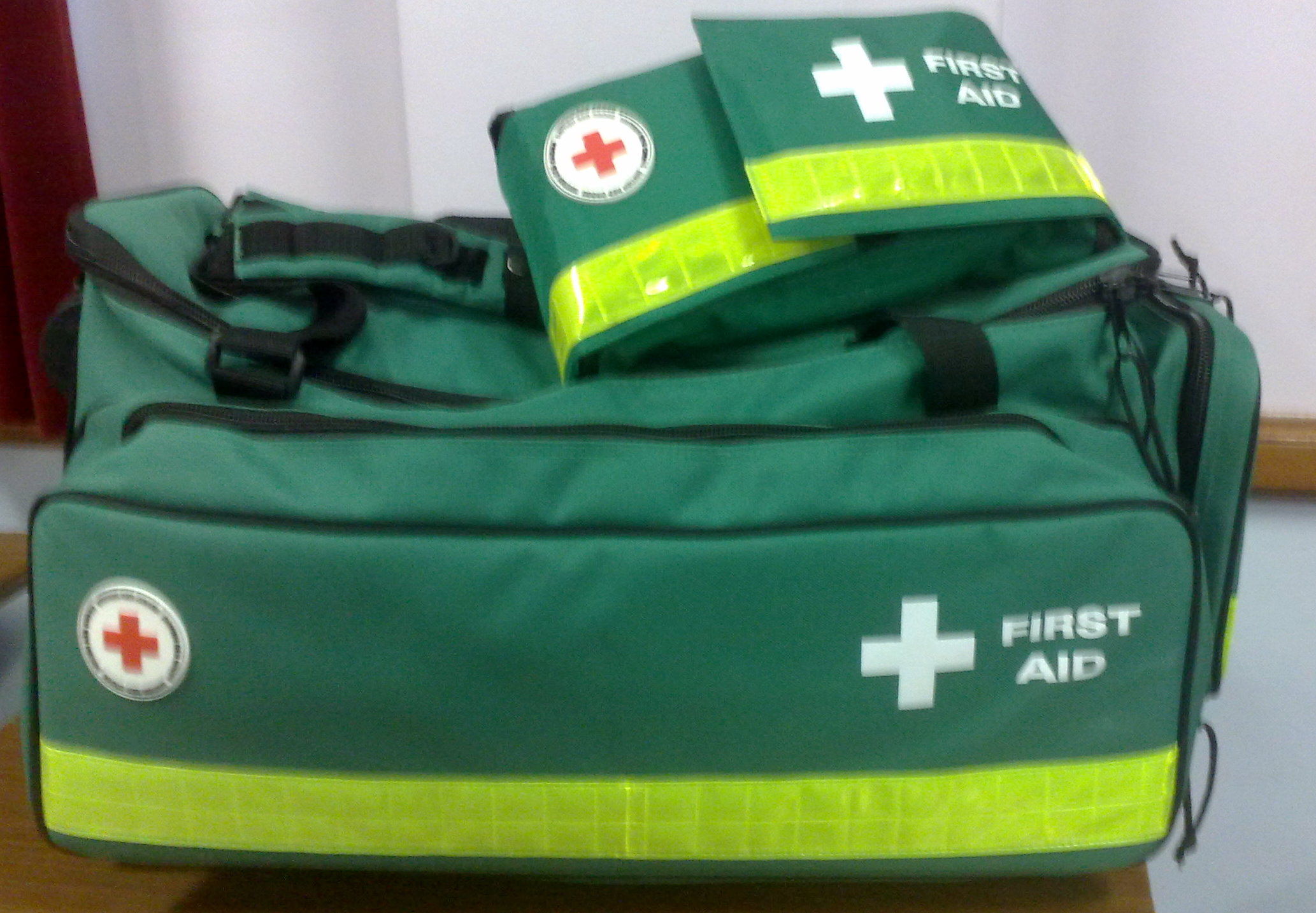
Green first aid kits with cross symbols (Source: Wikipedia (First aid kit))
- Emergency exits: Clearly marked, unobstructed, and known to all workers.
- Emergency contact information: Displayed prominently for quick communication with medical services or fire departments.
Training and Procedures
- Conduct regular fire drills and safety training sessions to familiarize workers with emergency protocols.
- Train staff on first aid basics to provide immediate assistance before professional help arrives.
- Establish reporting systems for accidents and near misses to improve safety measures continuously.
Practice Questions
- Identify and explain five common physical hazards found in a fashion design workshop. (10 marks)
- Describe the importance of using personal protective equipment in gents' garment construction workshops. Provide examples of at least three types of protective gear. (10 marks)
- Outline six steps for safe handling and storage of tools and materials in a fashion workshop. (12 marks)
- Explain the components of emergency preparedness in a fashion design studio and their significance. (8 marks)
The rest of this chapter
🔒Create a free account to open more of this chapter.
Free: practical guides, quick cards, workplace scenarios and more.
Create a free account 🔒1.2 Sketching tools, equipment, materials and supplies
In the context of fashion design in Kenya, especially when constructing basic gents' garments, the choice and mastery of sketching tools and materials are fundamental. These tools enable designers to visualize concepts, communicate ideas effectively, and lay t…
🔒1.3 Sketching techniques
In the Kenyan fashion industry, sketching is fundamental to communicating design ideas effectively, especially in the context of basic gents' garments construction. For fashion designers working with local tailors, manufacturers, or boutiques, mastery of sketc…
Chapter Summary
This chapter covered essential aspects of sketching basic gents' garments, beginning with workshop safety to ensure a secure and hazard-free environment for all practitioners. It emphasized the importance of using appropriate sketching tools, equipment, materials, and supplies to achieve accurate and professional garment designs. Various sketching techniques were explored, highlighting methods to effectively translate ideas into visual representations. Attention was given to the careful handling of tools and maintaining cleanliness to support both safety and quality. The chapter also illustrated how different sketching approaches can enhance the clarity and detail of garment designs. Overall, the content provided a comprehensive foundation for safely and skillfully creating basic sketches in the context of men's garment construction.
Self-Assessment
🔒 PDFDownload this self-assessment, with answers
A. Written Assessment
-
Which of the following is NOT a recommended safety practice in a fashion design workshop? (2 marks)
a) Keeping the workspace clean and organized
b) Wearing loose jewelry while working with sewing machines
c) Using protective gloves when handling sharp tools
d) Ensuring electrical equipment is switched off when not in use
-
Name three essential sketching tools used in basic gents' garment design. (3 marks)
🔒20 more in this section.
Chapter Examination Questions
🔒 PDFDownload these examination questions, with worked answers
SECTION A (40 Marks) - Answer ALL Questions
- Explain three key safety precautions a fashion design workshop must observe when sketching basic gents' garments. (4 marks)
- Identify four essential sketching tools used in designing gents’ garments and describe their specific functions. (4 marks)
🔒18 more in this section.
