Banquets and events form a critical part of the food and beverage service industry in Kenya, particularly in hotels, conference centers, and large-scale catering businesses. Efficient preparation, known as mis en place, ensures smooth operations and excellent guest experiences. This chapter focuses on the key equipment necessary for banquets and events, providing a detailed understanding of their specifications, uses, and handling. Mastery of these tools enables waiters to deliver professional service tailored to diverse event requirements.
2.1 Banquets and Events Equipment
Banquet and event equipment includes a wide range of items essential for food and beverage service in large gatherings. The equipment must be carefully selected, maintained, and arranged during mis en place to facilitate efficient service and uphold hygiene standards. Kenyan professionals working in county government offices, hotels, and cooperative events benefit from knowing the technical details and practical applications of this equipment.
2.1.1 Cutlery
Cutlery refers to the hand-held utensils used by guests for eating and serving food. It is a fundamental component of banquet service and varies according to the type of meal and cuisine served.
Types of Cutlery
- Dinner Knives: Used primarily for cutting and spreading; the blade is usually blunt for safety and efficiency.
- Dinner Forks: Larger forks used for the main course; designed to hold substantial portions.
- Soup Spoons: Deep-bowled spoons designed to hold liquids efficiently during soup courses.
- Dessert Spoons and Forks: Smaller utensils intended for consuming desserts and light dishes.
- Fish Knives and Forks: Specialized cutlery designed to separate fish flesh from bones without damage.
Material and Quality Considerations
- Stainless Steel: The most common material due to its durability and resistance to rust, essential in Kenya's humid coastal regions.
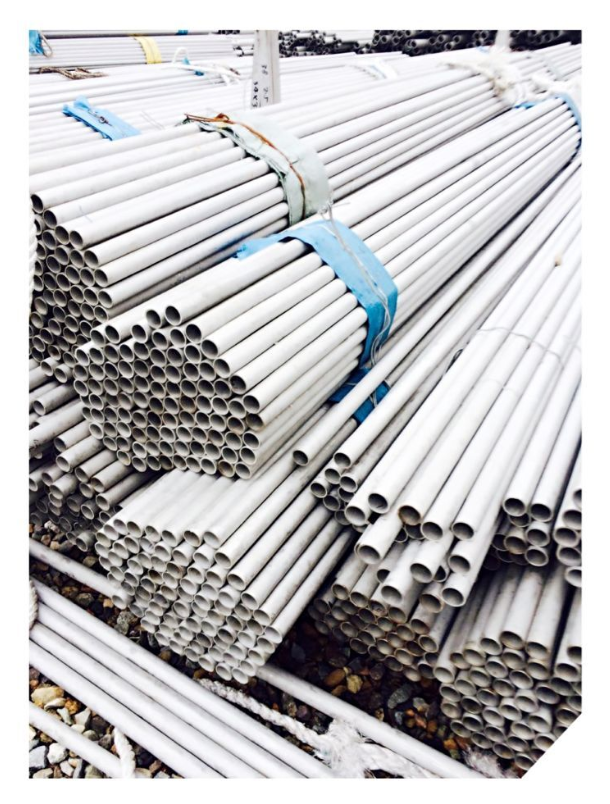
Bundles of stainless steel pipes for plumbing (Source: Wikimedia Commons)
- Silver-Plated Cutlery: Used in high-end banquets for aesthetic appeal but requires careful maintenance to prevent tarnishing.
- Plastic Cutlery: Employed in casual or outdoor events for convenience but less environmentally friendly.
Maintenance and Handling
- Cutlery must be polished and inspected before service to ensure cleanliness and absence of damage.
- Proper storage in designated trays or holders prevents contamination and damage.
- Staff should handle cutlery with clean hands or gloves to maintain hygiene standards.
2.1.2 Flatware
Flatware comprises serving utensils used to present and transfer food from platters to guest plates during banquets. It complements cutlery and is essential for professional service flow.
Common Types of Flatware
- Serving Spoons: Large spoons for dishing out portions of vegetables, rice, or sauces.
- Serving Forks: Used for meats and salads, designed for easy picking and transferring.
- Ladles: Deep-bowled utensils specifically for soups, stews, and sauces.
- Tongs: Employed for grabbing bread rolls, pastries, or cold items hygienically.
- Cake Servers: Flat, triangular utensils used to serve slices of cakes or pies neatly.
Material and Design
- Typically made from stainless steel for durability and ease of cleaning.
- Handles may be ergonomically designed to reduce hand fatigue during extended service.
- Some flatware pieces have wooden or plastic handles to provide heat resistance.
Usage Best Practices
- Flatware should be placed strategically on service trolleys or buffet lines for swift access.
- Use separate utensils for different dishes to avoid cross-contamination, especially between vegetarian and non-vegetarian items.
- Regular inspection for cleanliness and integrity is critical to avoid service interruptions.
2.1.3 Crockery
Crockery encompasses plates, bowls, and other ceramic or porcelain items used for serving food. The choice of crockery affects presentation and guest satisfaction.
Types of Crockery
- Dinner Plates: Standard plates used for main courses; sizes vary between 10 to 12 inches in diameter.
- Side Plates: Smaller plates used for bread, salads, or starters.
- Soup Bowls: Deep bowls designed to hold liquids without spillage.
- Dessert Plates: Sized to accommodate sweet dishes and pastries elegantly.
- Platters and Serving Bowls: Larger dishes used for buffet or family-style service.
Material and Durability
- Porcelain and bone china are preferred for their strength and refined appearance in hotels and upscale venues.
- Stoneware offers a rustic look suitable for themed events or outdoor banquets.
- Melamine is a durable plastic alternative for casual or outdoor events but should not be used with hot foods to avoid damage.
Handling and Storage
- Plates should be stacked carefully to prevent chipping, especially during transportation to event venues.
- Use protective mats or separators when storing crockery in bulk.
- Clean and dry crockery thoroughly before storage to avoid staining or mold growth.
2.1.4 Hollowware
Hollowware refers to metal serving vessels like pots, jugs, and containers used to hold and serve food or beverages during banquets. It is crucial for maintaining temperature and presentation quality.
Common Hollowware Items
- Chafing Dishes: Heated containers that keep food warm during buffet service using fuel or electric heat.
- Coffee and Tea Pots: Used to serve hot beverages efficiently at catered events.
- Soup Tureens: Large, often lidded pots designed for serving soups with ladles.
- Water Jugs and Pitchers: Containers for serving cold water or juices.
- Salad Bowls: Often metallic or glass, used for presenting salads attractively.
Material Specifications
| Name |
Specification |
Use |
| Chafing Dish |
Stainless steel with fuel holders |
Keeps food warm on buffet tables |
| Coffee Pot |
Insulated stainless steel |
Serves hot beverages at events |
| Soup Tureen |
Polished metal with lid |
Holds and serves soups efficiently |
| Water Jug |
Glass or stainless steel |
Serves cold drinks |
| Salad Bowl |
Stainless steel or glass |
Displays and serves salads |
Care and Maintenance
- Hollowware must be cleaned promptly after use to prevent staining or corrosion.
- Polishing with appropriate agents maintains shine and professional appearance.
- Inspect lids and handles for secure fitting to avoid spills during service.
2.1.5 Glassware
Glassware includes all glasses used for serving beverages such as water, wine, beer, and cocktails. Its selection impacts both aesthetics and functionality.
Types of Glassware
- Water Glasses: Typically larger with a sturdy base, designed for frequent refills.
- Wine Glasses: Differentiated into red and white wine glasses, with variations in bowl size to enhance flavor.
- Beer Glasses: Include pint glasses and mugs, designed to hold foamy beer without spillage.
- Cocktail Glasses: Varied shapes such as martini or highball glasses for different drinks.
- Juice Glasses: Small tumblers used for serving fresh juices, common in breakfast banquets.
Material and Quality
- Lead-free crystal glasses offer clarity and elegance in formal banquets.
- Tempered glass is preferred for durability in busy hotel and conference settings.
- Plastic or acrylic glasses are alternatives for outdoor or informal events but lack the sophistication of glass.
Handling Guidelines
- Glasses should be polished and inspected for chips or cracks before service.
- Store upside down on clean racks to prevent dust accumulation inside.
- Use separate cloths for polishing glassware to avoid streaks.
2.1.6 Large Banquets Service Equipment
Large banquet service equipment includes items that support the overall service process, often involving transportation, storage, and presentation on a large scale.
Essential Equipment Types
- Service Trolleys: Mobile carts used to transport food, beverages, and utensils efficiently between kitchen and dining areas.
- Buffet Stations: Modular setups with warming trays, sneeze guards, and display surfaces for self-service.
- Plate Warmers: Devices that keep plates at optimal temperature before service to maintain food warmth.
- Tray Stands: Hold trays during service to facilitate clearing or serving.
- Drink Dispensers: Large containers for serving beverages like juices or water during events.
Functional Features
- Equipment must be robust and easy to maneuver, especially in large venues like county government banquets.
- Modular and stackable designs optimize space during storage and transport.
- Heat retention features in buffet stations and plate warmers enhance guest satisfaction.
2.1.7 Linen
Linen plays a vital role in banquet aesthetics and hygiene. It includes tablecloths, napkins, chair covers, and other fabric elements that enhance the event's decor and protect surfaces.
Types of Linen Used
- Tablecloths: Cover tables to provide a clean, attractive surface; sizes vary according to table dimensions.
- Napkins: Fabric napkins offer a reusable and elegant alternative to paper, folded in various styles for presentation.
- Chair Covers: Used to unify the look of seating and protect chair upholstery.
- Skirting: Decorative fabric used to cover the base of tables and buffet stations.
- Runner Cloths: Narrow strips placed on top of tablecloths to add color or thematic accents.
Fabric and Quality Considerations
- Cotton and polyester blends are popular for durability and ease of cleaning.
- High-thread-count fabrics provide a luxurious feel suitable for upscale venues.
- Stain-resistant treatments extend linen lifespan in busy banquets.
Care and Handling
- Linens must be washed and ironed before use to maintain a crisp, clean appearance.
- Store in dry, dust-free areas to prevent mildew and discoloration.
- Handle with clean hands to avoid transferring oils or dirt before placement.
2.1.8 Disposables
Disposables are single-use items often employed in informal or outdoor banquets where convenience and hygiene are priorities. They reduce the need for washing and are cost-effective for large events.
Common Disposable Items
- Plastic Cutlery: Forks, knives, and spoons used for quick service and easy disposal.
- Paper Plates: Lightweight and biodegradable options for serving food.
- Napkins: Paper napkins of varying thicknesses and sizes.
- Cups and Glasses: Plastic or paper cups designed for cold and hot beverages.
- Food Containers: Disposable boxes or trays for takeaway or buffet items.
Environmental and Practical Considerations
- Biodegradable disposables are increasingly favored in Kenya to address environmental concerns.
- Disposables should be selected based on event type, guest expectations, and waste management capabilities.
- Proper disposal bins and waste segregation systems should accompany disposable usage to minimize pollution.
Practice Questions
- Explain the different types of cutlery used in banquet service and their specific functions. (10 marks)
- Describe the key features that make stainless steel the preferred material for flatware in Kenyan banquets. (8 marks)
- Outline the considerations when selecting crockery for a formal hotel banquet. (10 marks)
- List and explain five types of hollowware used in food and beverage service during events. (10 marks)
- Discuss the importance of glassware variety in enhancing guest experience at a conference banquet. (7 marks)
- Identify five pieces of large banquet service equipment and explain their role in event operations. (10 marks)
- What are the main types of linen used in banquet settings and how do they contribute to event presentation? (8 marks)
- Analyze the advantages and disadvantages of using disposable items in outdoor banquets. (7 marks)
The rest of this chapter
🔒Create a free account to open more of this chapter.
Free: practical guides, quick cards, workplace scenarios and more.
Create a free account 🔒2.2 Polishing of Equipment
In the context of banquet and event operations in Kenya, polishing equipment is a critical aspect of mise en place that directly influences the guest experience. Clean, shiny equipment not only enhances aesthetics but also reflects the establishment’s commitme…
🔒2.3 Procedure of Polishing Cutlery
Polishing cutlery is a precise task that prepares knives, forks, and spoons for formal banquet service. The process ensures cutlery is spotless, shiny, and free of stains or water marks, which is essential in settings like a university graduation dinner or a S…
🔒2.4 Procedure of polishing glassware
Polishing glassware is an essential task in banquet and event operations to ensure that glassware appears spotless, gleaming, and free from watermarks or smudges. In Kenya’s hospitality sector, such as at hotels in Nairobi or conference centers in Mombasa, wel…
🔒2.5 Laying the linen
Laying the linen is a fundamental aspect of banquet and event mise en place that significantly influences the ambience and professionalism of the dining setup. In Kenya’s hospitality industry, from five-star hotels in Nairobi to county government functions in…
🔒2.6 Table accompaniments
In banquet and event settings, table accompaniments play a vital role in enhancing guest experience by providing convenience, hygiene, and aesthetic appeal. For Food and Beverage Service (Waiter) professionals in Kenya, understanding the correct placement and…
🔒2.7 Covers
Covers are the complete set of tableware and utensils placed for each guest before a banquet or event begins. For waiters in Kenya’s food and beverage sector, understanding the types, arrangement, and proper setting of covers is fundamental to delivering profe…
🔒2.8 Customer Relations
In the context of banquet and event operations within Kenya’s food and beverage service industry, effective customer relations are crucial for ensuring client satisfaction and repeat business. Waiters and service staff act as the primary contact between the es…
🔒2.9 Challenges in Management of Banqueting Operations
Managing banqueting operations in Kenya’s dynamic hospitality sector involves navigating numerous challenges that can impact service quality and operational efficiency. These challenges range from logistical complexities and staff coordination to client expect…
Chapter Summary
This chapter explored the essential equipment used in banquets and events, including cutlery, flatware, crockery, hollowware, glassware, large service equipment, linen, and disposables, highlighting their roles in creating a polished dining experience. It detailed the importance of polishing equipment to ensure cleanliness and presentation, with specific procedures for polishing cutlery and glassware to maintain hygiene and shine. The process of laying linen was examined as a crucial step in setting the banquet table, followed by an overview of table accompaniments and covers that enhance the overall aesthetic and functionality of the setup. Emphasis was placed on customer relations, underlining the need for professionalism and attentiveness in delivering excellent service. Finally, the chapter addressed common challenges in managing banqueting operations, focusing on the complexities of coordinating equipment, staff, and guest expectations to achieve seamless event execution.
Self-Assessment
🔒 PDFDownload this self-assessment, with answers
A. Written Assessment
- Identify five types of cutlery commonly used in banquet service and explain their specific functions. (10 marks)
- Which type of glassware is most appropriate for serving red wine at a formal banquet? (2 marks)
🔒20 more in this section.
Chapter Examination Questions
🔒 PDFDownload these examination questions, with worked answers
SECTION A (40 Marks) - Answer ALL Questions
- Identify five types of cutlery commonly used in banquet service and explain one specific use of each in a Kenyan hotel setting. (4 marks)
- Describe the difference between flatware and hollowware with examples relevant to an event at a Nairobi conference center. (4 marks)
🔒18 more in this section.
Chapter Practical Activities
Practical 1: Identify and prepare banquet and event equipment for a formal dinner setup
Food And Beverage Service (Waiter) · Level 4
Banquets And Events Operations
PRACTICAL ASSESSMENT
TIME: 4 HOURS
⬇ PDFCandidate Instructions (Candidate Tool)
Type: Individual
INSTRUCTIONS TO CANDIDATE:
1. You are required to perform the following task:
i. Select, inspect, and prepare banquet equipment including tables, chairs, linen, cutlery, glassware, and serving utensils for a formal dinner setup seating 20 guests.
2. You have been provided with the following resources for the practical task:
| Tools & Equipment | Materials |
|---|
| Serving trays (stainless steel) | Banquet tables 1800mm x 750mm |
| Chafing dishes with fuel holders | Banquet chairs |
| Buffet tongs and serving spoons | Table linen (white cotton) |
| Banquet service carts | Table napkins (white, cotton) |
| Restaurant pins (packet) | Cutlery set (knife, fork, spoon) |
| Waiter's cloth | Glassware (water glass, wine glass) |
| Full service uniform |
⬇ PDFResources Required (Cutting List)
| S/N | Item | Quantity |
|---|
| 1 | Banquet tables 1800mm x 750mm | 1 table per 4 candidates |
| 2 | Banquet chairs | 4 chairs per candidate |
| 3 | Table linen (white cotton) | 1 set per candidate |
| 4 | Table napkins (white, cotton) | 4 pieces per candidate |
| 5 | Cutlery set (knife, fork, spoon) | 4 sets per candidate |
| 6 | Glassware (water glass, wine glass) | 4 sets per candidate |
| 7 | Serving trays (stainless steel) | 1 tray per 2 candidates |
| 8 | Chafing dishes with fuel holders | 1 set per 5 candidates |
| 9 | Buffet tongs and serving spoons | 1 set per candidate |
| 10 | Banquet service carts | 1 cart per 5 candidates |
| 11 | Restaurant pins (packet) | 1 packet per 10 candidates |
| 12 | Waiter's cloth | 1 piece per candidate |
| 13 | Full service uniform | 1 set per candidate |
⬇ PDFAssessor Guide
| Items to be Evaluated | Marks Available | Marks Obtained | Comments |
|---|
| TASK 1: Equipment Selection and Inspection |
Candidate wears full service uniform and waiter's cloth before starting
(Award 2 marks for correct PPE and uniform use) | 2 | | |
Candidate selects banquet tables and chairs appropriate for 20 guests
(Award 3 marks for correct quantity and condition check) | 3 | | |
Candidate inspects table linen and napkins for cleanliness and damage
(Award 3 marks for thorough inspection and rejection of damaged items) | 3 | | |
Candidate checks cutlery and glassware for cleanliness and completeness
(Award 3 marks for proper inspection and handling) | 3 | | |
Candidate inspects serving trays, chafing dishes and utensils ensuring service readiness
(Award 3 marks for correct inspection and preparation) | 3 | | |
Candidate arranges equipment logically on banquet service carts for efficient service
(Award 3 marks for effective organization and preparation) | 3 | | |
| Sub-Total | 17 | | |
| TASK 2: Equipment Preparation and Setup |
Candidate prepares tables with clean linen and napkins properly folded
(Award 4 marks for neat and correct linen placement and napkin folding) | 4 | | |
Candidate sets cutlery and glassware correctly on tables according to formal service standards
(Award 5 marks for correct placement and alignment per guest) | 5 | | |
Candidate places chafing dishes with fuel holders safely and correctly on service stations
(Award 3 marks for safe and functional chafing dish setup) | 3 | | |
Candidate positions serving trays and utensils ready for service
(Award 3 marks for proper placement and accessibility) | 3 | | |
| Sub-Total | 15 | | |
| PRODUCT CHECKLIST |
Tables and chairs quantity correct for 20 guests and all equipment clean and functional
(Award 4 marks for correct quantity and condition) | 4 | | |
Table linen and napkins well pressed, clean, and properly arranged
(Award 3 marks for neatness and correctness) | 3 | | |
Cutlery and glassware correctly placed and aligned as per formal banquet standards
(Award 5 marks for accuracy and uniformity) | 5 | | |
Serving equipment (chafing dishes, trays, utensils) properly prepared and safely positioned
(Award 3 marks for readiness and safety) | 3 | | |
| Sub-Total | 15 | | |
| GRAND TOTAL | 47 | | |
ASSESSMENT OUTCOME: ☐ Competent ☐ Not Yet Competent (competent if at least 50%)
Practical 2: Polish a set of 6-piece cutlery to a high shine
Food And Beverage Service (Waiter) · Level 4
Banquets And Events Operations
PRACTICAL ASSESSMENT
TIME: 4 HOURS
⬇ PDFCandidate Instructions (Candidate Tool)
Type: Individual
INSTRUCTIONS TO CANDIDATE:
1. You are required to perform the following task:
i. Polish a 6-piece stainless steel cutlery set to a high shine using appropriate techniques and materials.
2. You have been provided with the following resources for the practical task:
| Tools & Equipment | Materials |
|---|
| Polishing cloth | 6-piece cutlery set |
| Bucket for water | Cutlery cleaning solution |
| Drying rack | |
| Rubber gloves | |
⬇ PDFResources Required (Cutting List)
| S/N | Item | Quantity |
|---|
| 1 | 6-piece cutlery set | 1 set per Candidate |
| 2 | Polishing cloth | 2 pcs per Candidate |
| 3 | Cutlery cleaning solution | 250 ml per Candidate |
| 4 | Bucket for water | 1 pc per Candidate |
| 5 | Drying rack | 1 pc per Candidate |
| 6 | Rubber gloves | 1 pair per Candidate |
⬇ PDFAssessor Guide
| Items to be Evaluated | Marks Available | Marks Obtained | Comments |
|---|
| TASK 1: Preparation and cleaning |
Wears appropriate PPE (rubber gloves)
(Award 2 marks for correct PPE use, zero if none) | 2 | | |
Prepares cleaning solution correctly
(Award 3 marks for correct dilution and preparation) | 3 | | |
Soaks cutlery properly to remove dirt
(Award 3 marks for correct soaking time and method) | 3 | | |
Washes cutlery thoroughly with cleaning solution
(Award 4 marks for thorough and careful washing) | 4 | | |
Rinses cutlery with clean water
(Award 2 marks for proper rinsing) | 2 | | |
Dries cutlery using drying rack without water spots
(Award 3 marks for effective drying method) | 3 | | |
| Sub-Total | 17 | | |
| TASK 2: Polishing |
Uses polishing cloth correctly without damaging cutlery surface
(Award 3 marks for correct polishing technique) | 3 | | |
Polishes all cutlery pieces uniformly
(Award 4 marks for consistent polishing across all pieces) | 4 | | |
Removes all watermarks, stains, and fingerprints
(Award 4 marks for cleanliness and shine) | 4 | | |
Handles cutlery carefully to avoid scratches
(Award 2 marks for careful handling) | 2 | | |
Arranges polished cutlery neatly ready for service
(Award 3 marks for neat presentation) | 3 | | |
| Sub-Total | 16 | | |
| PRODUCT CHECKLIST |
Cutlery polished to a high shine with no visible stains, water spots or scratches
(Award 8 marks for excellent finish) | 8 | | |
All 6 pieces are uniformly polished and ready for banquet use
(Award 4 marks for uniformity and completeness) | 4 | | |
| Sub-Total | 12 | | |
| GRAND TOTAL | 45 | | |
ASSESSMENT OUTCOME: ☐ Competent ☐ Not Yet Competent (competent if at least 50%)
🔒Polish 12 Wine Glasses 250ml for Banquet ServicePractical 3
🔒Prepare and arrange flatware for a banquet table setting for 8 guestsPractical 4
🔒Prepare and arrange crockery for a banquet table setting 1800mm x 900mmPractical 5
🔒Prepare and Arrange Hollowware for Banquet ServicePractical 6
🔒Lay linen on banquet tables to specificationPractical 7
🔒Arrange banquet table covers for a formal dinner eventPractical 8
🔒Set up disposable items for a banquet event table 1800mm x 750mmPractical 9
🔒Demonstrate professional customer relations during mise en place for a banquetPractical 10
🔒Identify and Manage Challenges in Banqueting Operations During Mise en PlacePractical 11
🔒Combine polishing and arranging cutlery and flatware for banquet servicePractical 12
🔒Polish and Arrange Glassware for Banquet ServicePractical 13
🔒Set out banquet tables with linen and covers to specificationsPractical 14
🔒Prepare and Arrange All Table Accompaniments for Banquet ServicePractical 15
