
By the end of this chapter, you will be able to: - confidently select and use the right sketching tools, equipment, and supplies for garment design tasks - accurately create garment design sketches that meet specific job requirements - carefully analyze garment design details to understand and fulfill the needs of each project
Mastering these skills will help you bring creative ideas to life and communicate your designs clearly in the fashion industry.
Compiled by: Joan Cherono
Sketching garment designs is a foundational skill in fashion design, enabling professionals to visualize and communicate creative ideas effectively before production. In Kenya’s dynamic fashion industry, where designers often balance traditional aesthetics with contemporary trends, the ability to produce clear and appealing sketches is essential for client presentations, collaboration with pattern makers, and marketing. This chapter focuses on the essential tools, equipment, and materials that fashion designers use to create accurate and expressive sketches, setting the stage for advanced technical drawings and pattern construction.
In Kenyan fashion studios and design schools, the choice of sketching tools and materials significantly influences the quality and efficiency of garment design development. Designers must select tools that enhance precision, creativity, and versatility while considering cost and availability. This section explores the main categories of sketching implements and materials used in professional fashion design, emphasizing their specifications, uses, and maintenance.
The quality of a fashion sketch often depends on the precision and control offered by the drawing instruments. Designers in Kenya employ a variety of pencils, pens, and markers to capture different textures, lines, and shades essential to garment visualization.
| Name | Specification | Use |
|---|---|---|
| Graphite Pencils | Graded from 9H (hard) to 9B (soft) | Used for preliminary sketches and shading |
| Technical Pens | Fine nib sizes from 0.1mm to 0.8mm | Ideal for detailed line work and outlines |
| Colored Markers | Alcohol-based or water-based, assorted colors | Used for adding color and texture to sketches |
| Erasers | Vinyl, kneaded, and rubber types | For correcting mistakes and softening lines |
| Rulers and French Curves | Transparent plastic, various lengths | For drawing straight lines and smooth curves |
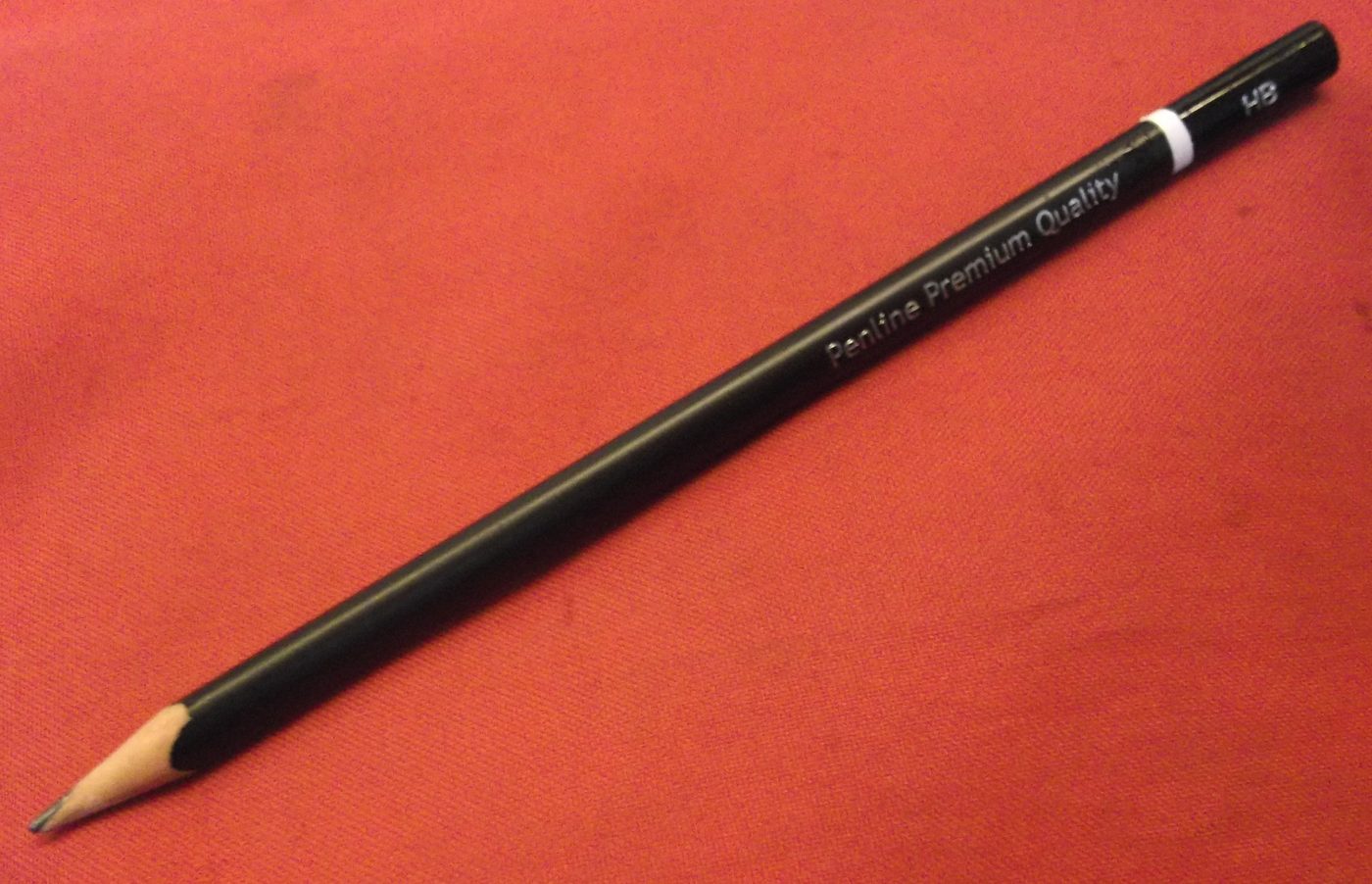
Graphite pencil on red surface (Source: Wikimedia Commons)
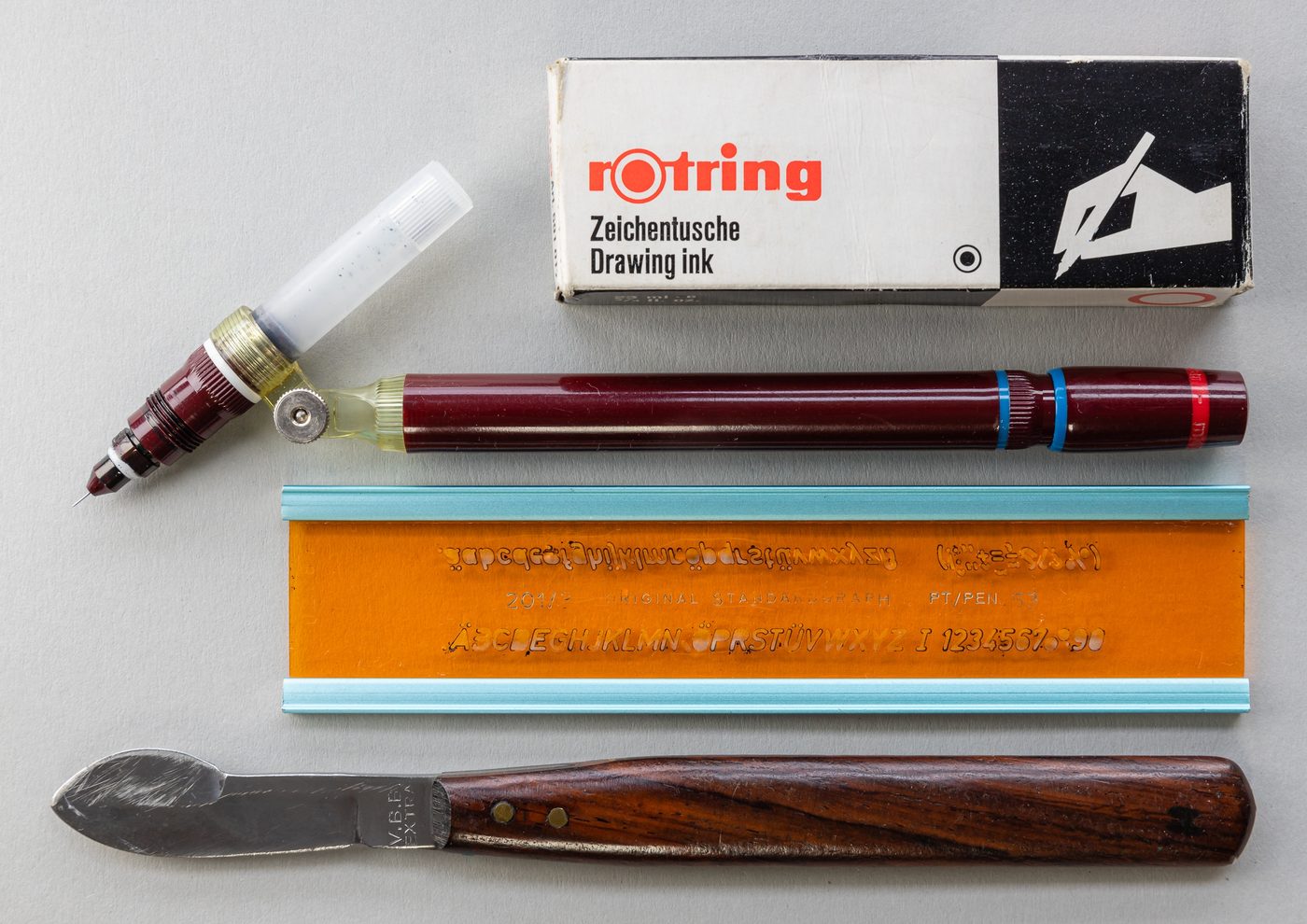
Rotring technical pen with accessories (Source: Wikimedia Commons)
Erasers vary by function: kneaded erasers are pliable and ideal for gentle lightening of graphite without damaging the paper, while vinyl erasers remove marks cleanly but can tear delicate sketch paper.
Rulers and French curves assist in maintaining proportional accuracy, especially when sketching collars, sleeves, and hems with smooth, flowing lines.
The choice of paper affects the texture, durability, and presentation quality of fashion sketches. Kenyan design institutions and studios select sketching surfaces based on the medium used and the purpose of the sketch, balancing cost and professional appearance.
Tracing paper is translucent, allowing layering over existing designs to refine or modify sketches without starting from scratch. It is widely used in Nairobi’s fashion schools for pattern development.
Bristol board is smooth and heavyweight, suitable for detailed marker work and ink drawings, providing a professional finish for portfolios and client presentations.
Each paper type requires specific handling: tracing paper is delicate and must be stored flat to avoid creasing, Bristol board should be kept clean to maintain its smooth finish, and watercolor paper must be supported on a rigid surface to prevent warping during wet media use.
Beyond basic drawing tools and paper, fashion designers utilize auxiliary equipment that facilitates precision and enhances creativity during the sketching process. These tools support the transition from rough ideas to polished designs ready for pattern making.
These auxiliary tools improve workflow and help maintain high standards of sketch quality, supporting the professional demands of Kenya’s fashion industry.
Proper maintenance of sketching tools extends their lifespan and ensures consistent performance. Kenyan designers and students must develop habits that preserve their equipment, reducing costs and improving productivity.
Adopting these maintenance practices supports sustainable use of resources, a significant consideration for Kenyan designers working within budget constraints.
Create a free account to open more of this chapter.
Free: practical guides, quick cards, workplace scenarios and more.
Create a free accountThis chapter explored the essential sketching tools, equipment, and materials required for creating garment designs, emphasizing their roles in achieving precision and creativity. The discussion on tools highlighted items such as pencils, erasers, and rulers that facilitate detailed and accurate sketching. The equipment section covered aids like lightboxes and mannequins that support the visualization and refinement of garment sketches. Attention was given to garment design sketches themselves, detailing how initial concepts are translated into visual representations that guide the construction process. Finally, the chapter examined garment design details, explaining how specific features such as seams, collars, and embellishments are incorporated into sketches to communicate the final design intent effectively. Together, these topics provide a comprehensive foundation for students to develop their skills in sketching garment designs within pattern construction and grading principles.
Type: Individual
| Tools & Equipment | Materials |
|---|---|
| HB pencil | Sketching paper (A3 size) |
| 2B pencil | Personal Protective Equipment (dust coat, flat closed shoes) |
| Eraser | |
| Ruler (30 cm) | |
| Sharpener | |
| Colored pencils (set of 12 colors) | |
| Blending stump | |
| Fine liner pens (black, 0.3 mm) | |
| Tracing paper (A3 size) |
| S/N | Item | Quantity |
|---|---|---|
| 1 | HB pencil | 1 Pc per Candidate |
| 2 | 2B pencil | 1 Pc per Candidate |
| 3 | Eraser | 1 Pc per Candidate |
| 4 | Ruler (30 cm) | 1 Pc per Candidate |
| 5 | Sharpener | 1 Pc per Candidate |
| 6 | Sketching paper (A3 size) | 2 Sheets per Candidate |
| 7 | Colored pencils (set of 12 colors) | 1 Set per Candidate |
| 8 | Blending stump | 1 Pc per Candidate |
| 9 | Fine liner pens (black, 0.3 mm) | 1 Pc per Candidate |
| 10 | Tracing paper (A3 size) | 1 Sheet per Candidate |
| 11 | Personal Protective Equipment (dust coat, flat closed shoes) | 1 Set per Candidate |
| Items to be Evaluated | Marks Available | Marks Obtained | Comments |
|---|---|---|---|
| TASK 1: Identification and selection of sketching tools | |||
| Wore appropriate PPE (dust coat, flat closed shoes) before beginning the task (Award 2 marks for correct PPE usage) | 2 | ||
| Identified and selected HB and 2B pencils for sketching (Award 1 mark for each correct pencil type) | 2 | ||
| Selected eraser and sharpener suitable for clean sketching (Award 1 mark each for eraser and sharpener) | 2 | ||
| Selected ruler (30 cm) for drawing straight lines and measurements (Award 1 mark for correct ruler selection) | 1 | ||
| Selected colored pencils and explained their use in adding color to sketches (Award 2 marks for correct selection and explanation) | 2 | ||
| Selected blending stump and explained its use for shading and blending (Award 2 marks for correct selection and explanation) | 2 | ||
| Selected fine liner pens and explained their use for outlining sketches (Award 2 marks for correct selection and explanation) | 2 | ||
| Selected tracing paper and described its use in copying or refining sketches (Award 2 marks for correct selection and explanation) | 2 | ||
| Handled all tools and materials carefully observing safety and cleanliness (Award 1 mark for safe handling and cleanliness) | 1 | ||
| Sub-Total | 16 | ||
| PRODUCT CHECKLIST | |||
| Correct identification and selection of all specified sketching tools and materials with clear explanation of their use (Award up to 4 marks for complete and accurate selection and explanation) | 4 | ||
| Sub-Total | 4 | ||
| GRAND TOTAL | 20 | ||
Type: Individual
| Tools & Equipment | Materials |
|---|---|
| Sketching easel | Tracing paper (A3 size) |
| Sketching board (A2 size) | Dust coat |
| Lightbox (A3 size) | Flat closed shoes |
| HB pencil | Nose mask |
| Eraser | |
| Ruler (30 cm) | |
| Masking tape |
| S/N | Item | Quantity |
|---|---|---|
| 1 | Sketching easel | 1 Pc per Candidate |
| 2 | Sketching board (A2 size) | 1 Pc per Candidate |
| 3 | Lightbox (A3 size) | 1 Pc per 2 Candidates |
| 4 | HB pencil | 2 Pcs per Candidate |
| 5 | Eraser | 1 Pc per Candidate |
| 6 | Ruler (30 cm) | 1 Pc per Candidate |
| 7 | Masking tape (small roll) | 1 Pc per Candidate |
| 8 | Tracing paper (A3 size) | 3 sheets per Candidate |
| 9 | Dust coat (PPE) | 1 Set per Candidate |
| 10 | Flat closed shoes (PPE) | 1 Pair per Candidate |
| 11 | Nose mask (PPE) | 1 Pc per Candidate |
| Items to be Evaluated | Marks Available | Marks Obtained | Comments |
|---|---|---|---|
| TASK 1: Preparation and PPE | |||
| Identified and wore appropriate PPE: dust coat, flat closed shoes, nose mask (Award 1 mark each for correctly identified and worn PPE) | 3 | ||
| Ensured working area is well lit and well ventilated (Award 2 marks for ensuring adequate lighting and ventilation) | 2 | ||
| Sub-Total | 5 | ||
| TASK 2: Setting up Sketching Equipment | |||
| Assembled the easel correctly and positioned it securely (Award 3 marks for correct assembly and stable positioning) | 3 | ||
| Placed the sketching board firmly on the easel and secured it with masking tape (Award 3 marks for firm placement and secure taping) | 3 | ||
| Set up the lightbox on the working table and connected power supply safely (Award 3 marks for proper lightbox setup and safety) | 3 | ||
| Sub-Total | 9 | ||
| TASK 3: Using Sketching Equipment | |||
| Used HB pencil and ruler to draw guidelines on tracing paper placed on sketching board (Award 4 marks for accurate and neat guideline drawing) | 4 | ||
| Positioned tracing paper correctly on the lightbox and traced garment design sketch clearly (Award 4 marks for correct positioning and neat tracing) | 4 | ||
| Used eraser appropriately to remove unwanted lines without damaging paper (Award 3 marks for careful and effective erasing) | 3 | ||
| Sub-Total | 11 | ||
| TASK 4: Cleanup and Storage | |||
| Turned off and safely stored the lightbox (Award 2 marks for safe equipment shutdown and storage) | 2 | ||
| Cleared and cleaned the working area including tools and materials (Award 2 marks for tidiness and proper cleaning) | 2 | ||
| Sub-Total | 4 | ||
| PRODUCT CHECKLIST | |||
| Sketching board set up correctly on easel with secure masking tape (Award 3 marks for firm and correct setup) | 3 | ||
| Lightbox positioned properly on table and functional (Award 3 marks for correct positioning and operation) | 3 | ||
| Tracing paper shows neat, accurate guidelines and clean garment design sketch (Award 5 marks for clarity, neatness, and accuracy of sketch) | 5 | ||
| Sub-Total | 11 | ||
| GRAND TOTAL | 40 | ||
At the start of this chapter we promised you would be able to:
Tick each one you can genuinely do.
So, are you there yet?
You're competent when you can confidently do 50% or more of what this chapter promised.
Sign in to record how you're doing.