Developing ladies' garment patterns is a foundational skill in fashion design that demands precision, creativity, and a thorough understanding of garment construction principles. In Kenya's dynamic fashion industry, where bespoke tailoring and ready-to-wear lines thrive, pattern development ensures that designs translate accurately from concept to wearable products. This chapter focuses on the critical preparatory and protective measures that safeguard both the designer and the quality of the patterns, starting with the use of Personal Protective Equipment (PPE) in the pattern development process.
2.1 PPEs
The use of Personal Protective Equipment (PPE) in fashion design, especially during pattern making and garment construction, is essential for maintaining safety and hygiene. In Kenyan design studios, tailoring workshops, and garment factories, PPE protects designers and technicians from injuries caused by sharp tools, chemicals, and fabric dust. Understanding the types, correct usage, and maintenance of PPE ensures a safe working environment and minimizes health risks.
2.1.1 Types of PPE Used in Ladies' Garment Pattern Development
Different PPE items are necessary depending on the specific task within pattern development, including drafting, cutting, and marking. Each type of PPE serves to protect specific parts of the body from potential hazards encountered in the workspace.
Types of PPE
- Protective Gloves: Gloves shield hands from cuts by scissors, rotary cutters, and pins. In textile work, they also prevent skin irritation from chemicals like fabric stiffeners and sprays. In Nairobi’s garment workshops, gloves made of nitrile are preferred for their durability and flexibility.
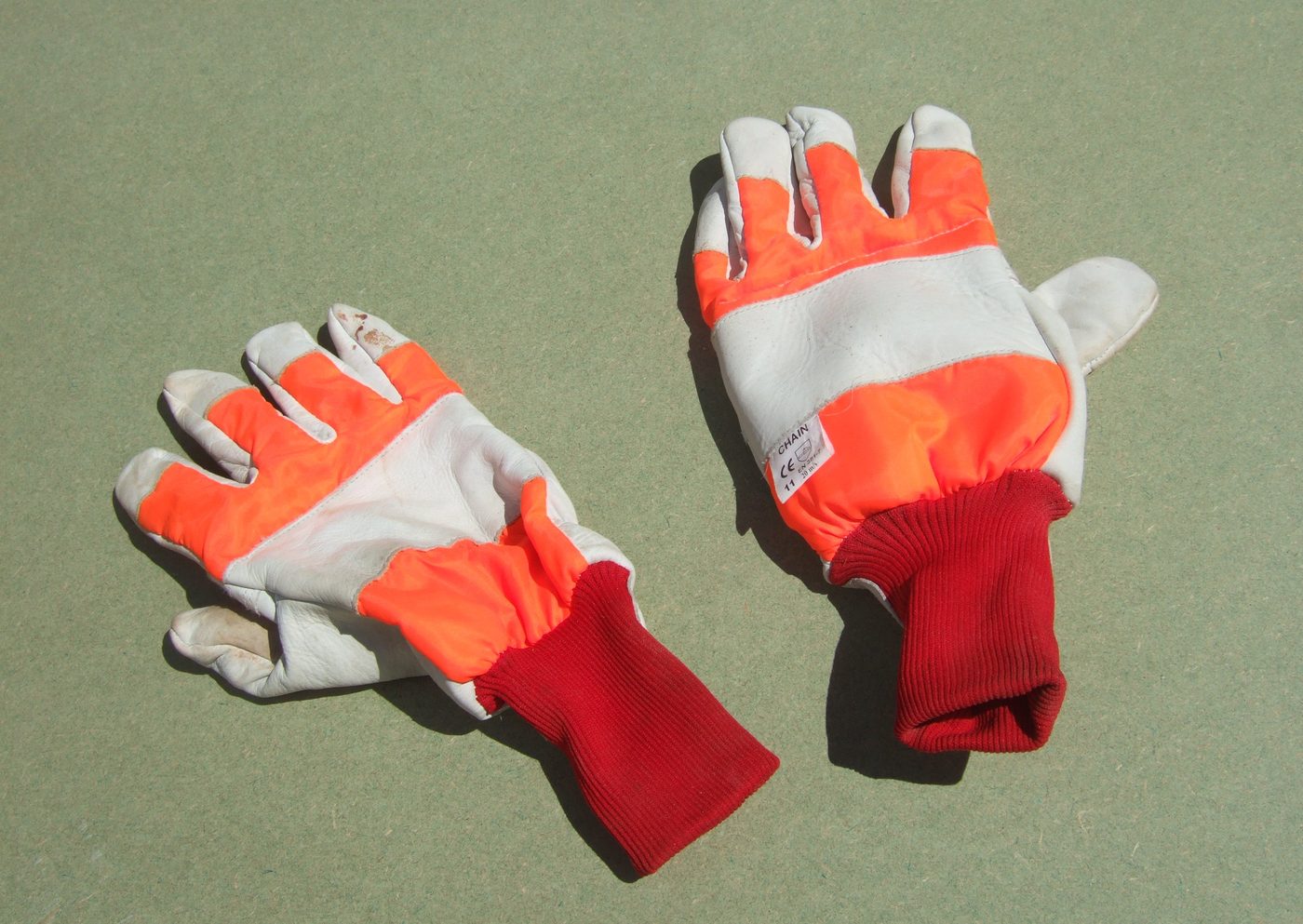
A pair of protective gloves (Source: Wikimedia Commons)
- Safety Glasses: These protect eyes from accidental pokes by pins or flying fabric particles during cutting. Designers at university fashion labs in Kenya often use safety glasses when working with power cutting tools.
- Dust Masks: Masks prevent inhalation of fabric fibers and dust, which can cause respiratory problems. Tailors in busy markets such as Gikomba use dust masks to avoid inhaling cotton dust during fabric handling.
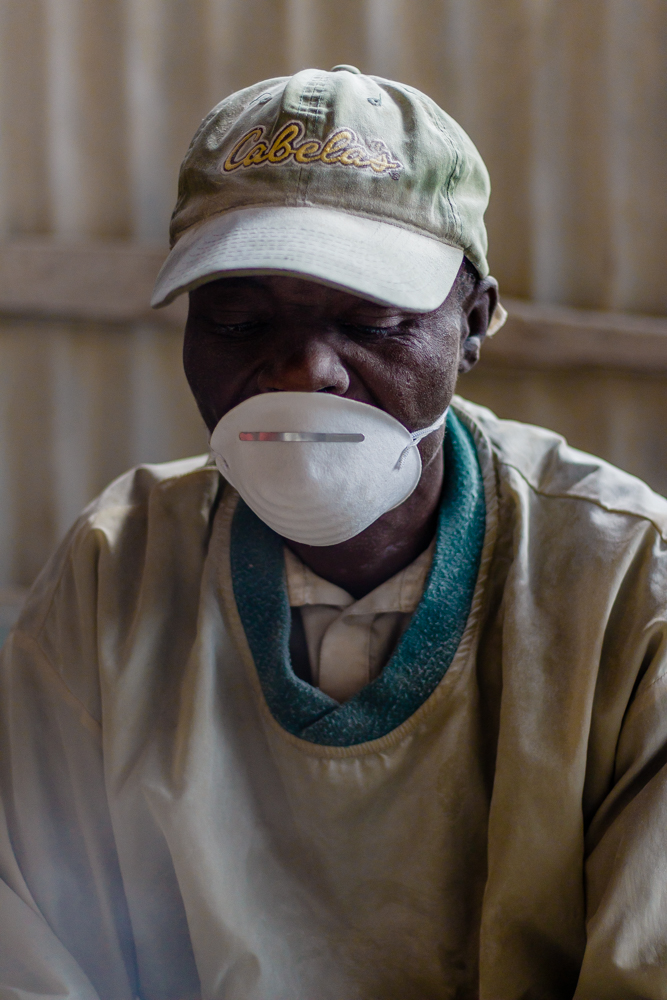
Person wearing a dust mask (Source: Wikimedia Commons)
- Aprons: Aprons protect clothing from stains caused by dyes, markers, and adhesives. In boutique settings within Nairobi and Mombasa, aprons help maintain professional appearance while working with messy materials.
- Closed-toe Shoes: These protect feet from falling sharp tools such as scissors or pattern weights. Workshop safety protocols in county government vocational centres mandate closed-toe footwear to reduce foot injuries.
2.1.2 Proper Usage and Handling of PPE in Pattern Making
Correct use of PPE enhances its protective function and promotes a culture of safety within fashion design environments. Misuse or neglect can lead to accidents or health issues, undermining productivity and wellbeing.
Proper Usage Guidelines
- Consistent Wear: PPE should be worn at all times when performing tasks that pose risks, such as cutting fabric or handling chemicals. For example, tailors at a SACCO-funded training centre in Kisumu always wear gloves and masks during fabric cutting sessions.
- Correct Fit: Ill-fitting gloves or loose aprons can cause accidents by snagging on equipment. Designers in garment factories ensure PPE fits well to maintain dexterity and avoid entanglement.
- Regular Inspection: PPE must be checked for damage before use; torn gloves or cracked glasses compromise safety. Nairobi hotel tailors conduct daily PPE inspections to ensure readiness.
- Appropriate Removal: Removing PPE carefully prevents contamination, especially when handling chemicals. At a university fashion workshop, students are trained to remove gloves by turning them inside out.
- Storage: PPE should be stored in clean, dry areas to avoid degradation. In garment studios, PPE is kept in designated lockers to maintain hygiene and accessibility.
2.1.3 Maintenance and Care of PPE in Design Studios
Maintaining PPE extends its lifespan and ensures continual protection. Fashion design professionals in Kenya must adopt proper cleaning, storage, and replacement practices to optimize safety.
Maintenance Practices
- Cleaning: Gloves and aprons should be cleaned regularly according to manufacturer instructions. Cotton aprons at a retail clothing outlet in Nakuru are washed weekly to remove stains and contaminants.
- Disinfection: Safety glasses and masks require disinfection to prevent microbial growth. Designers at county government vocational centres use alcohol wipes on glasses after every use.
- Replacement: PPE showing signs of wear, such as cracks in glasses or holes in gloves, must be replaced promptly. SACCO-supported tailoring groups in Eldoret schedule quarterly PPE replacements.
- Record Keeping: Maintaining PPE usage and replacement logs helps manage inventory and safety compliance. Fashion training institutions in Kisii keep detailed records to ensure all trainees have functional PPE.
- Training: Regular refresher training on PPE care enhances user compliance and awareness. Nairobi garment factories conduct biannual safety workshops for their design teams.
2.1.4 Health and Safety Regulations Related to PPE in Kenyan Fashion Industry
Compliance with occupational health and safety regulations ensures legal adherence and promotes a safe working environment in the fashion sector. Kenyan laws provide frameworks that guide PPE use and workplace safety standards.
Regulatory Framework
- Occupational Safety and Health Act (OSHA) 2007: This act mandates employers to provide PPE where risks are present and ensure employees are trained in its use. Fashion design enterprises in Nairobi comply by instituting PPE policies for pattern development activities.
- National Environment Management Authority (NEMA): Regulates safe handling and disposal of chemicals used in fabric treatment, requiring PPE to minimize exposure. Textile workshops in Mombasa align their PPE practices with NEMA guidelines.
- Work Injury Benefits Act (WIBA): Provides compensation to workers injured due to lack of PPE or unsafe working conditions. Tailoring cooperatives in Kisumu rely on WIBA provisions to enforce PPE compliance.
- Kenya Bureau of Standards (KEBS): Sets standards for PPE quality and certification, ensuring equipment used in fashion studios meets safety benchmarks. Designers sourcing PPE in Kenya verify KEBS certification to guarantee protection.
- County Government By-laws: Various counties enforce health and safety regulations specific to workshops and studios, including PPE use. For instance, Nairobi County health inspectors conduct routine checks on garment workshops to enforce PPE compliance.
Practice Questions
- List and explain five types of PPE used in ladies’ garment pattern development, highlighting their specific protective roles. (10 marks)
- Describe six steps that should be followed to ensure the proper usage of PPE in a fashion design studio. (12 marks)
- Explain five maintenance practices for PPE that help sustain its effectiveness in garment workshops. (10 marks)
- Identify and discuss five key health and safety regulations in Kenya that relate to PPE use in the fashion industry. (12 marks)
The rest of this chapter
🔒Create a free account to open more of this chapter.
Free: practical guides, quick cards, workplace scenarios and more.
Create a free account 🔒2.2 Garment pattern pieces
In the process of developing ladies' wear garments, understanding the various garment pattern pieces is fundamental. Each pattern piece corresponds to a specific section of the garment, ensuring the final product fits well and reflects the intended design. In…
🔒2.3 Pattern instructions
In the Kenyan fashion design industry, especially within ladies' wear, clear and precise pattern instructions are critical to ensure that garment production meets the designer’s vision and quality standards. Pattern instructions guide tailors, cutters, and man…
🔒2.4 Cut Garment Pattern Pieces
Cutting garment pattern pieces is a critical stage in ladies' wear production, directly affecting the fit, quality, and overall appearance of the finished garment. In the Kenyan fashion industry, where bespoke tailoring and small to medium-scale production dom…
Chapter Summary
This chapter focused on the essential aspects of developing ladies' garment patterns, beginning with the importance of Personal Protective Equipment (PPEs) in ensuring safety during pattern making and cutting processes. It then examined the various garment pattern pieces, detailing their roles and how they combine to form a complete ladies' garment. The chapter further explored pattern instructions, emphasizing their necessity for guiding accurate assembly and sewing. Finally, it covered the cutting of garment pattern pieces, highlighting techniques to achieve precision and efficiency. Together, these topics provide a comprehensive understanding of the steps and considerations involved in creating well-fitted ladies' wear patterns. Mastery of these elements is crucial for producing quality garments that meet design specifications and wearer comfort.
Self-Assessment
🔒 PDFDownload this self-assessment, with answers
A. Written Assessment
- What is the primary purpose of Personal Protective Equipment (PPE) when cutting garment pattern pieces? (2 marks)
- Identify four essential PPE items used in ladies’ wear garment pattern development and explain their function. (4 marks)
🔒27 more in this section.
Chapter Examination Questions
🔒 PDFDownload these examination questions, with worked answers
SECTION A (40 Marks) - Answer ALL Questions
- Identify four types of personal protective equipment (PPE) commonly used when developing ladies' garment patterns in a Kenyan fashion design studio. (4 marks)
- Explain the purpose of notches on ladies' garment pattern pieces and how they assist during garment construction. (4 marks)
🔒18 more in this section.
Chapter Practical Activities
Practical 1: Identify and Prepare Ladies' Garment Pattern Pieces for Cutting
Fashion Design · Level 5
Ladies' Wear
PRACTICAL ASSESSMENT
TIME: 4 HOURS
⬇ PDFCandidate Instructions (Candidate Tool)
Type: Individual
INSTRUCTIONS TO CANDIDATE:
1. You are required to perform the following task:
i. Identify and prepare ladies' blouse garment pattern pieces including front bodice, back bodice, sleeve, and collar with specified seam allowances on 50cm x 50cm fabric.
2. You have been provided with the following resources for the practical task:
| Tools & Equipment | Materials |
|---|
| Scissors | Medium weight cotton fabric 150cm x 50cm |
| Tailor's chalk | Pattern paper |
| Measuring tape | Personal Protective Equipment (Dust coat, flat closed shoes) |
| Pins | Log sheet |
| Ruler (60cm) | A4 envelope |
⬇ PDFResources Required (Cutting List)
| S/N | Item | Quantity |
|---|
| 1 | Medium weight cotton fabric 150cm x 50cm | 50cm by 50cm per Candidate |
| 2 | Pattern paper | 1 sheet per Candidate |
| 3 | Tailor's chalk | 1 piece per Candidate |
| 4 | Scissors | 1 pair per Candidate |
| 5 | Measuring tape | 1 per Candidate |
| 6 | Pins | 1 packet per Candidate |
| 7 | Ruler (60cm) | 1 per Candidate |
| 8 | Personal Protective Equipment (Dust coat, flat closed shoes) | 1 set per Candidate |
| 9 | Log sheet | 1 per Candidate |
| 10 | A4 envelope | 1 per Candidate |
⬇ PDFAssessor Guide
| Items to be Evaluated | Marks Available | Marks Obtained | Comments |
|---|
| TASK 1: Preparation and Identification of Pattern Pieces |
Wore appropriate PPE including dust coat and flat closed shoes
(Award 1 mark each for dust coat, flat closed shoes, proper use and condition) | 4 | | |
Observed occupational safety by ensuring well-lit and ventilated workspace
(Award 1 mark each for lighting and ventilation) | 2 | | |
Gathered all required tools and materials according to SOP
(Award 1 mark each for scissors, tailor's chalk, measuring tape, pins, ruler, pattern paper) | 6 | | |
Identified all ladies' blouse pattern pieces correctly: front bodice, back bodice, sleeve, collar
(Award 2 marks each for correct identification and naming of each pattern piece) | 8 | | |
Marked seam allowances accurately on all pattern pieces as per standard (1.5 cm)
(Award 1.5 marks each for seam allowance on front bodice, back bodice, sleeve, collar) | 6 | | |
Pinned pattern pieces securely onto fabric in correct grain direction
(Award 1 mark each for correct pinning, grain alignment, and fabric orientation) | 4 | | |
Cut pattern pieces neatly along marked lines without fraying or distortion
(Award 1.5 marks each for neat cutting of front bodice, back bodice, sleeve, collar) | 6 | | |
Completed and signed log sheet accurately with date and candidate details
(Award 2 marks each for completeness and accuracy) | 4 | | |
Packed all pattern pieces and log sheet in the provided A4 envelope
(Award 2 marks each for proper packaging and labeling) | 4 | | |
| Sub-Total | 44 | | |
| PRODUCT CHECKLIST |
Pattern pieces include front bodice, back bodice, sleeve, and collar with correct dimensions 50cm x 50cm fabric
(Award 1.5 marks each for each complete and correctly dimensioned pattern piece) | 6 | | |
Seam allowances of 1.5 cm accurately marked and consistent on all edges
(Award 4 marks if all seam allowances are consistent and to standard) | 4 | | |
Pattern pieces cut neatly without jagged edges or distortion
(Award 4 marks for neatness and accuracy of cutting) | 4 | | |
Pattern pieces correctly pinned and secured to fabric prior to cutting
(Award 2 marks for correct pinning and fabric grain alignment) | 2 | | |
| Sub-Total | 16 | | |
| GRAND TOTAL | 60 | | |
ASSESSMENT OUTCOME: ☐ Competent ☐ Not Yet Competent (competent if at least 50%)
Practical 2: Interpret ladies' garment pattern instructions for blouse assembly
Fashion Design · Level 5
Ladies' Wear
PRACTICAL ASSESSMENT
TIME: 4 HOURS
⬇ PDFCandidate Instructions (Candidate Tool)
Type: Individual
INSTRUCTIONS TO CANDIDATE:
1. You are required to perform the following task:
i. Interpret and annotate the pattern instructions for a ladies' blouse with bust 92cm, waist 70cm, length 60cm as per the provided pattern instruction sheet.
2. You have been provided with the following resources for the practical task:
| Tools & Equipment | Materials |
|---|
| Tailor's chalk | Plain medium weight cotton fabric 150cm x 50cm |
| Measuring tape | Pattern instruction sheet for ladies' blouse |
| Scissors | |
| Pins | |
| Notebook and pen | |
| Personal protective equipment (dust coat, flat closed shoes) | |
⬇ PDFResources Required (Cutting List)
| S/N | Item | Quantity |
|---|
| 1 | Plain medium weight cotton fabric 150cm x 50cm | 150cm x 50cm per Candidate |
| 2 | Pattern instruction sheet for ladies' blouse | 1 sheet per Candidate |
| 3 | Tailor's chalk | 1 piece per Candidate |
| 4 | Measuring tape | 1 piece per Candidate |
| 5 | Scissors | 1 pair per Candidate |
| 6 | Pins | 1 packet per Candidate |
| 7 | Notebook and pen | 1 set per Candidate |
| 8 | Personal protective equipment (dust coat, flat closed shoes) | 1 set per Candidate |
⬇ PDFAssessor Guide
| Items to be Evaluated | Marks Available | Marks Obtained | Comments |
|---|
| TASK 1: Preparation and safety |
Wore appropriate PPE (dust coat, flat closed shoes)
(Award 1 mark each) | 3 | | |
Ensured well-lit and well-ventilated workspace
(Award 2 marks) | 2 | | |
Gathered all required tools and materials as per standard procedure
(Award 1 mark each) | 5 | | |
| Sub-Total | 10 | | |
| TASK 2: Interpretation of pattern instructions |
Read and understood key pattern details including grain line, seam allowance, and piece names
(Award 2 marks each for 3 correct elements) | 6 | | |
Identified number of pattern pieces and their orientation (e.g., on fold, right side up)
(Award 2 marks each for 2 correct identifications) | 4 | | |
Annotated pattern instruction sheet with correct measurements and notes
(Award 2 marks each for 3 accurate annotations) | 6 | | |
| Sub-Total | 16 | | |
| TASK 3: Application of pattern instructions |
Marked fabric according to pattern instructions accurately
(Award 5 marks for correct marking) | 5 | | |
Demonstrated understanding of fabric layout using grain line and fold instructions
(Award 5 marks for correct layout explanation or demonstration) | 5 | | |
Answered questions on garment assembly steps based on pattern instructions
(Award 4 marks for correct responses) | 4 | | |
| Sub-Total | 14 | | |
| PRODUCT CHECKLIST |
Pattern instruction sheet correctly annotated with grain line, seam allowance, and piece identification
(Award 10 marks for accurate and complete annotations) | 10 | | |
Fabric marking corresponds correctly to pattern instructions and measurements (+/- 1cm tolerance)
(Award 10 marks for correct fabric marking) | 10 | | |
Notes demonstrate clear understanding of garment assembly requirements
(Award 6 marks for clarity and completeness) | 6 | | |
| Sub-Total | 26 | | |
| GRAND TOTAL | 66 | | |
ASSESSMENT OUTCOME: ☐ Competent ☐ Not Yet Competent (competent if at least 50%)
🔒Mark and layout ladies' garment pattern pieces on fabricPractical 3
🔒Cut ladies' garment pattern pieces accurately from fabricPractical 4
🔒Marking and Cutting Ladies' Garment Pattern PiecesPractical 5
🔒Prepare cutting plan for ladies' blouse pattern 100cm x 120cmPractical 6
🔒Identify and Demonstrate Safety Practices While Handling Ladies' Garment Pattern PiecesPractical 7
🔒Assemble cut pattern pieces for a ladies' blouse 1000mm x 1200mmPractical 8
🔒Demonstrate layout efficiency to minimize fabric waste in ladies' garment pattern cuttingPractical 9
🔒Check and verify cut ladies' garment pattern pieces for accuracyPractical 10
