Fixing and testing sanitary appliances is a critical skill across many Kenyan workplaces, from county hospitals to hotels and retail businesses. Correct installation and thorough testing ensure the safety, hygiene, and functionality of plumbing systems, which directly impact public health and operational efficiency. Professionals must adhere to strict safety protocols, including the use of appropriate personal protective equipment (PPE), to minimize risks during these tasks. This chapter explores essential safety measures and practical procedures for handling sanitary appliances effectively.
3.1 Personal Protective Equipment
3.1.1 Types of Personal Protective Equipment for Sanitary Work
PPE for sanitary appliance work varies depending on the specific tasks and hazards involved. Selecting the right equipment safeguards workers against physical, chemical, and biological risks common in plumbing and sanitation environments.
Types of PPE
-
Gloves: Gloves protect hands from cuts, chemical burns, and contamination. For instance, nitrile gloves are preferred when handling cleaning chemicals in hotel kitchens, while heavy-duty rubber gloves are suitable for sewage repair at county government facilities.
-
Safety Goggles: These shield eyes from splashes of water, cleaning agents, or debris during pipe installation or repair in healthcare settings such as referral hospitals.
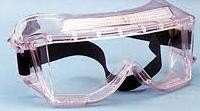
A pair of clear safety goggles designed to protect the eyes during con (Source: PLUMB 5 LEARNING GUIDE-1 (1))
- Protective Clothing: Overalls or aprons prevent skin contact with dirty water or hazardous substances. For example, maintenance staff at universities wear waterproof aprons when unclogging drains.
- Respiratory Masks: Masks guard against inhaling harmful fumes or dust, especially when testing appliances using chemical sealants or solvents in retail store maintenance.
- Safety Boots: These provide foot protection against sharp objects and slippery surfaces, essential for workers fixing appliances in agricultural cooperatives where wet and uneven floors are common.
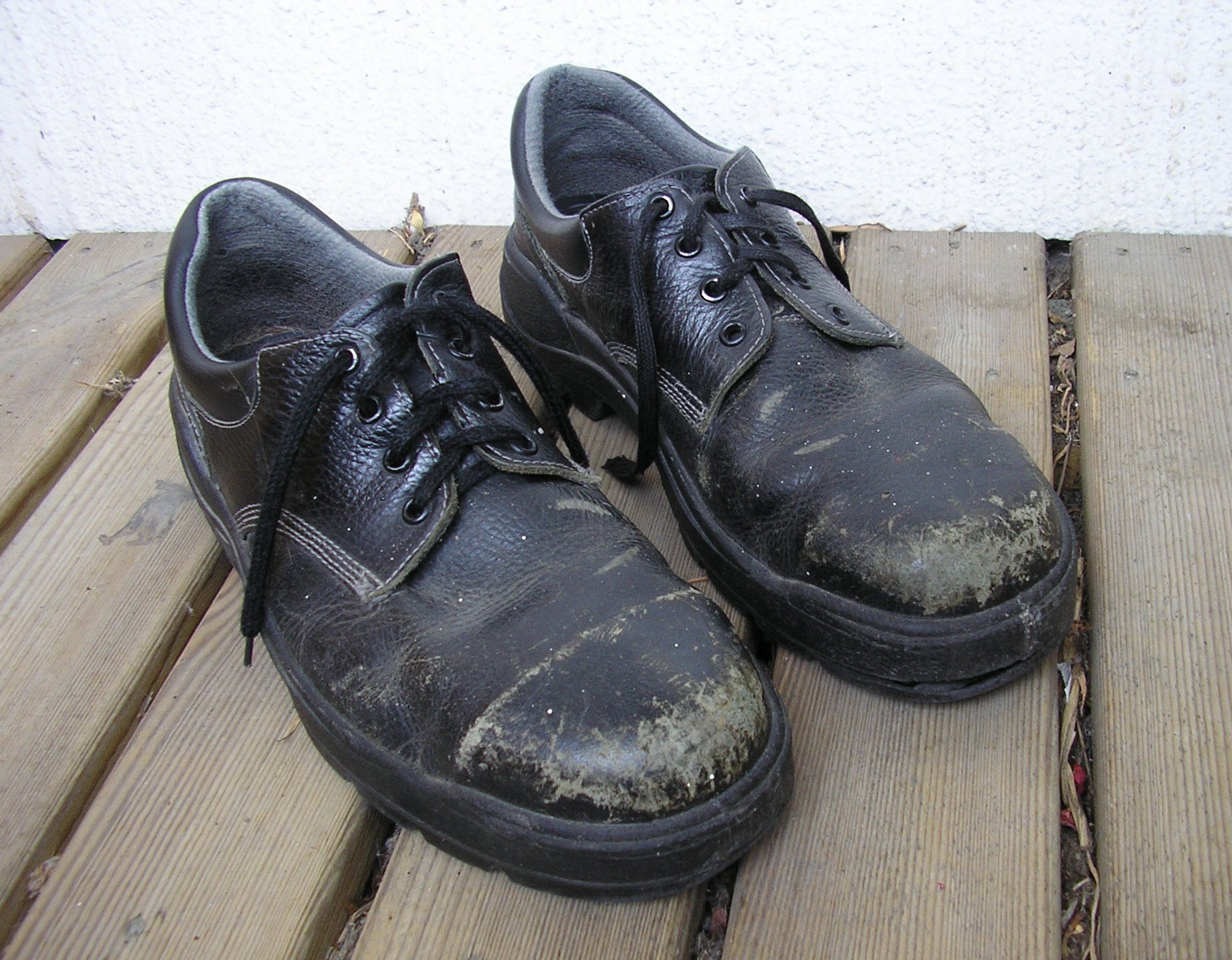
worn black safety boots on wooden floor (Source: Wikipedia (Steel-toe boot))
3.1.2 Proper Use and Fitting of Personal Protective Equipment
Correct usage and fitting of PPE are vital to ensure maximum protection during sanitary appliance work. Ill-fitting or improperly used PPE can lead to accidents or reduce effectiveness.
Principles of Proper Use and Fitting
- Glove Selection and Fit: Gloves must fit snugly without restricting movement. Workers at county referral hospitals choose gloves based on the chemical resistance needed for specific cleaning agents.
- Goggle Adjustment: Goggles should form a tight seal around the eyes, preventing splashes from entering. For example, hotel maintenance teams adjust straps to ensure no gaps during pipe flushing.
- Clothing Suitability: Protective clothing must cover all exposed skin and be appropriate for the task’s environmental conditions. University maintenance staff opt for breathable yet waterproof aprons to balance protection and comfort.
- Mask Fit Testing: Respiratory masks require a fit test to ensure no air leaks. Retail maintenance workers undergo routine checks to confirm mask seals before handling solvent-based pipe cleaners.
- Boot Safety: Boots should be waterproof and have non-slip soles, correctly sized to avoid tripping hazards, as seen in agricultural cooperative water system repairs.
3.1.3 Maintenance and Storage of Personal Protective Equipment
Maintaining PPE in good condition is essential to sustain its protective qualities and extend its service life. Proper storage prevents contamination and damage, which is critical in environments like banks and SACCOs where sanitation work is periodic but must meet high safety standards.
Guidelines for PPE Maintenance and Storage
- Cleaning: After use, gloves, goggles, and protective clothing must be washed or disinfected according to manufacturer instructions. For instance, county government office cleaning crews rinse gloves thoroughly to remove residues.
- Inspection: Regular checks for tears, cracks, or wear ensure PPE remains effective. Maintenance teams in universities conduct weekly inspections to identify damaged items.
- Replacement: PPE showing signs of degradation must be replaced promptly to avoid exposure risks. Hospital facility managers keep spare stocks to avoid interruptions.
- Storage Conditions: PPE should be stored in clean, dry, and well-ventilated areas away from direct sunlight and chemicals. Retail businesses typically use labeled cabinets for this purpose.
- Record Keeping: Logging PPE usage and maintenance helps monitor wear patterns and plan procurement. SACCO offices maintain digital logs for accountability and compliance audits.
3.1.4 Legal and Regulatory Requirements for PPE Use in Kenya
Kenya’s occupational safety laws mandate the provision and use of PPE to protect workers from hazards. Compliance with these regulations is necessary to avoid penalties and ensure workplace safety, especially in sectors like healthcare and hospitality where sanitary appliance work is frequent.
Key Legal Requirements
- Provision by Employers: Organizations such as county referral hospitals and hotels must supply appropriate PPE at no cost to employees involved in sanitary repairs.
- Training: Employers are required to train workers on the correct use, maintenance, and disposal of PPE, as practiced in university maintenance departments.
- Standards Compliance: PPE must meet standards set by the Kenya Bureau of Standards (KEBS), ensuring quality and effectiveness.
- Hazard Assessment: Employers must conduct risk assessments to determine the necessary PPE for specific tasks, a procedure followed by retail businesses during periodic plumbing maintenance.
- Enforcement and Penalties: The Directorate of Occupational Safety and Health Services (DOSHS) monitors compliance and imposes fines or shutdowns for violations, motivating SACCOs to adhere strictly to PPE regulations.
Practice Questions
- Explain why the correct selection and fitting of gloves are critical when repairing sanitary appliances in a county referral hospital. (6 marks)
- List and describe five types of PPE used in sanitary appliance work, providing examples of where each might be used in Kenyan workplaces. (10 marks)
- Outline six steps that maintenance teams in a university should follow to maintain and store PPE properly. (12 marks)
- Describe the legal responsibilities of employers regarding PPE provision and training, citing examples from the hospitality industry. (7 marks)
The rest of this chapter
🔒Create a free account to open more of this chapter.
Free: practical guides, quick cards, workplace scenarios and more.
Create a free account 🔒3.2 Tools and Equipment
In the practice of fixing and testing sanitary appliances, the correct selection and use of tools and equipment is fundamental. Across Kenya’s diverse sectors, from county hospital maintenance teams to university facility management and retail business operati…
🔒3.3 Materials and Supplies
In fixing and testing sanitary appliances, selecting appropriate materials and supplies is essential to ensure durability, safety, and compliance with health standards. Kenyan institutions such as county referral hospitals and educational facilities rely on th…
🔒3.4 Handling Sanitary Appliances
Handling sanitary appliances with care is critical to maintain their integrity from delivery to installation. Improper handling can cause damage, leading to leaks, malfunction, or costly replacements. Various sectors such as hotels, hospitals, and educational…
🔒3.5 Fixing sanitary appliances
Fixing sanitary appliances is a critical task in maintaining hygiene and functionality in various Kenyan workplaces such as hospitals, schools, hotels, and county offices. Proper repair ensures that water and waste systems operate efficiently, preventing healt…
🔒3.6 Faults
Sanitary appliances are prone to faults that affect their performance and hygiene standards. In Kenyan institutions such as banks, hospitals, and county offices, faults like leakages and blockages can disrupt operations and pose health risks. Understanding the…
🔒3.7 Sanitary Appliances Commissioning
Commissioning sanitary appliances is a critical phase in the installation process, ensuring that all fixtures and fittings operate effectively and comply with health and safety standards. In Kenya, commissioning is especially important in institutions such as…
🔒3.8 Housekeeping
Housekeeping in the context of sanitary appliances involves maintaining cleanliness, hygiene, and operational efficiency of installed fixtures. In Kenya, effective housekeeping supports public health objectives and prolongs the lifespan of appliances in variou…
Chapter Summary
This chapter covers the essential aspects of fixing and testing sanitary appliances, beginning with the importance of using appropriate personal protective equipment to ensure safety during installation and maintenance work. It then details the various tools and equipment commonly employed, such as pipe wrenches, hacksaws, bench vices, and spirit levels, explaining their specific functions in handling and fitting sanitary systems. The chapter also addresses the materials and supplies required for effective installation, emphasizing the need for quality components. Proper handling techniques of sanitary appliances are discussed to prevent damage and ensure longevity. The process of fixing sanitary appliances is examined, highlighting best practices for secure and efficient installation. Common faults such as leakages and blockages are analyzed, including their causes and methods for detection and repair. The chapter concludes with guidance on sanitary appliance commissioning to verify correct operation and the importance of thorough housekeeping to maintain a safe and organized work environment.
Self-Assessment
🔒 PDFDownload this self-assessment, with answers
A. Written Assessment
- What is the primary purpose of using personal protective equipment (PPE) when fixing sanitary appliances? (2 marks)
- Identify three safety precautions to observe when operating a portable drilling machine. (3 marks)
🔒20 more in this section.
Chapter Examination Questions
🔒 PDFDownload these examination questions, with worked answers
SECTION A (40 Marks) - Answer ALL Questions
- Identify four types of personal protective equipment essential when fixing sanitary appliances in a county hospital setting. (4 marks)
- Describe the primary use of a pipe wrench when working with sanitary appliances in a hotel plumbing system. (4 marks)
🔒18 more in this section.
