
By the end of this chapter, you will be able to:
These skills will help you plan and manage fire control system projects efficiently, saving time and resources in your trade.
Compiled by: Elijah Kiprono
Fire control systems form an essential part of plumbing installations in buildings, providing safety and protection against fire hazards. Plumbing professionals in Kenya must understand how to accurately quantify and cost the materials and supplies required for these systems to ensure compliance with safety regulations and budget constraints. This chapter focuses on the critical components and supplies used in fire control system installation, helping plumbers deliver effective and cost-efficient solutions for residential, commercial, and institutional projects.
Fire control systems rely on specific materials and supplies designed to detect, suppress, or control fires. In Kenya, plumbing technicians working on fire sprinkler systems, hydrants, and alarm installations need to select appropriate components that meet national standards such as those set by the Kenya Bureau of Standards (KEBS) and the National Construction Authority (NCA). Understanding the types, specifications, and applications of these materials ensures the system’s reliability and longevity.
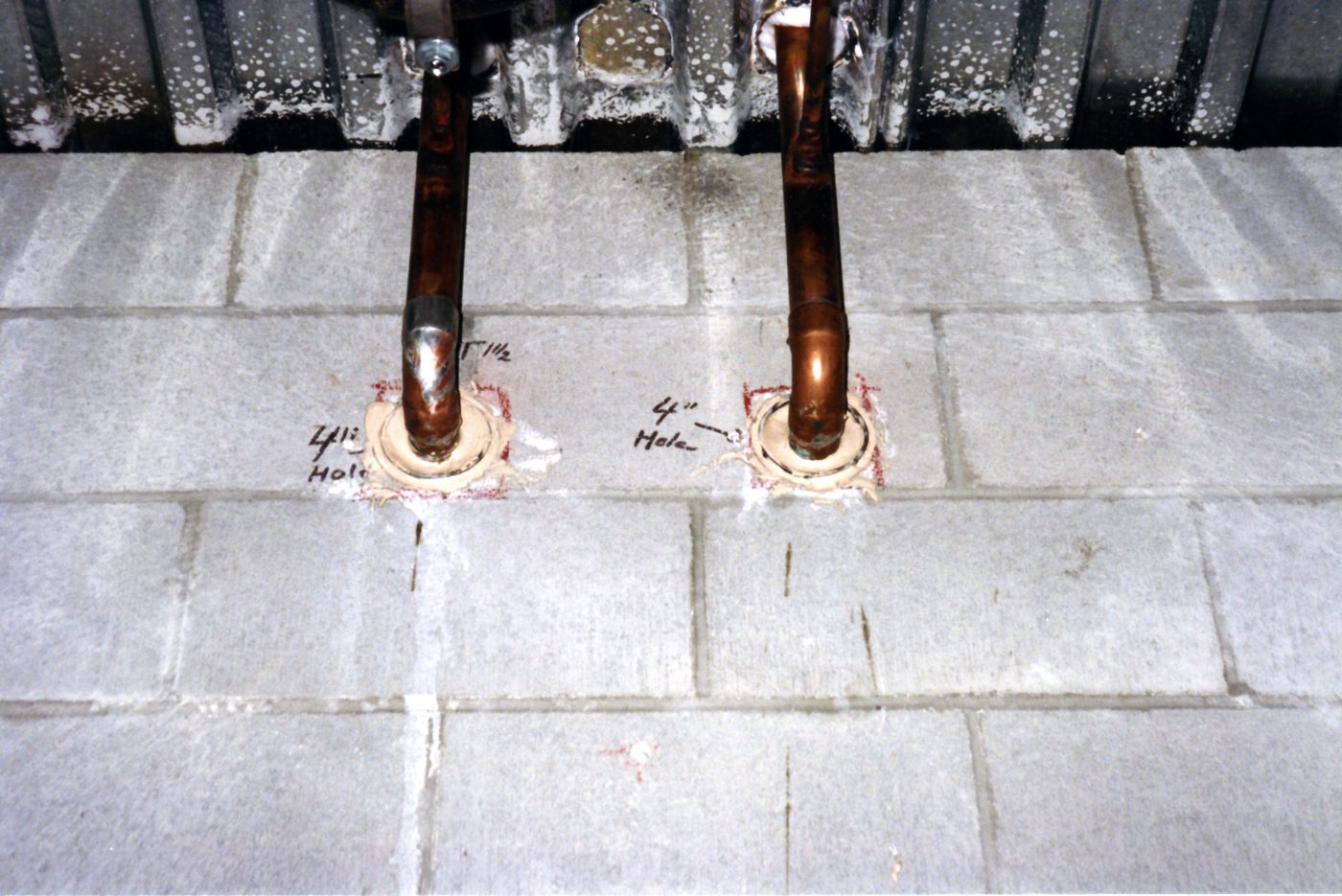
Copper pipes installed through wall holes (Source: Wikimedia Commons)
Ductile iron pipes: Employed in underground fire mains due to their strength and ability to withstand external loads.
Stainless steel pipes: Used in environments prone to chemical exposure, such as pharmaceutical manufacturing plants with high fire safety standards.
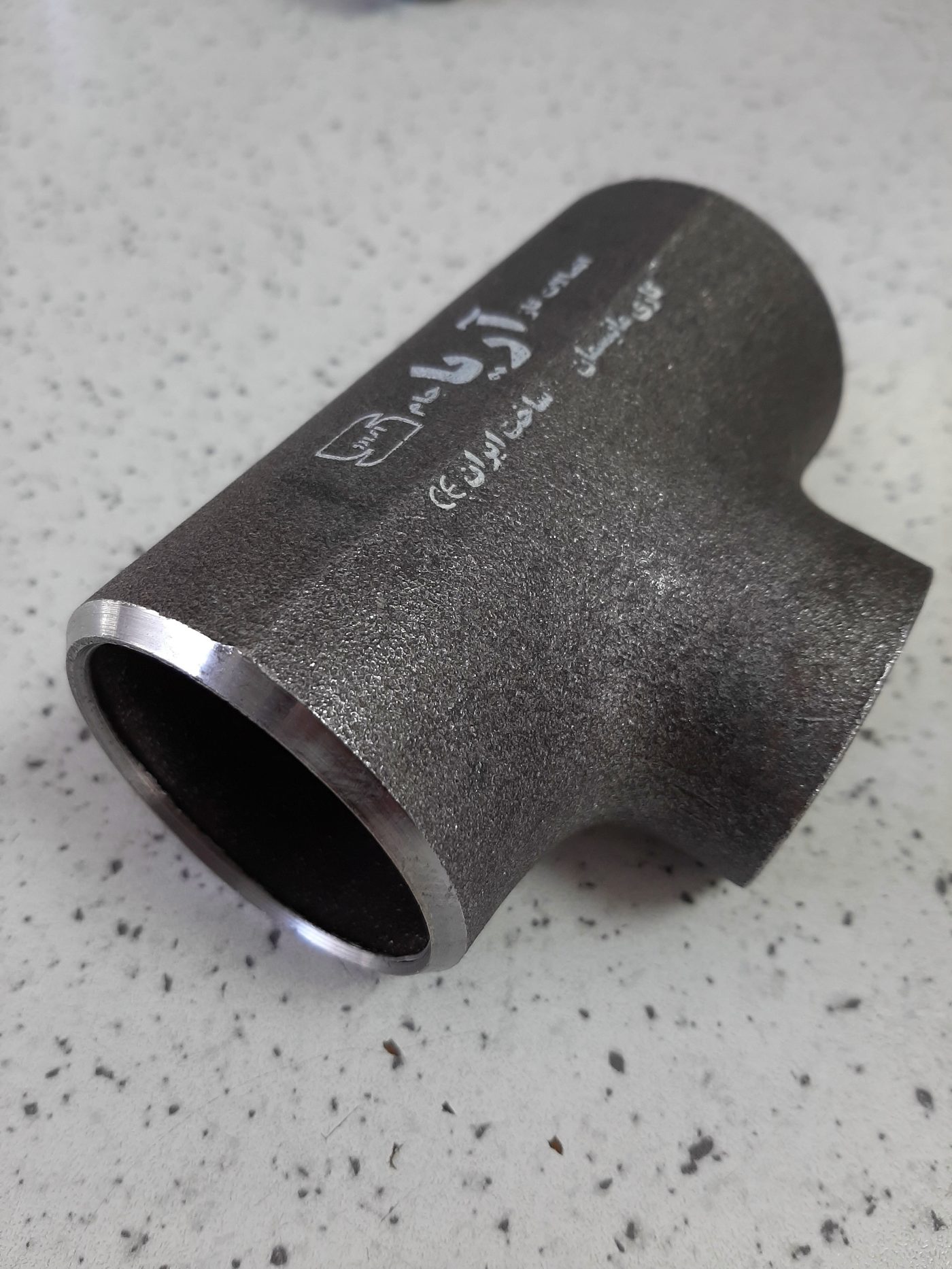
Metal tee fitting for plumbing pipes (Source: Wikimedia Commons)
Valves regulate water flow and pressure within fire control systems, enabling isolation or activation of specific zones during emergencies. Control devices ensure timely response and safety compliance.
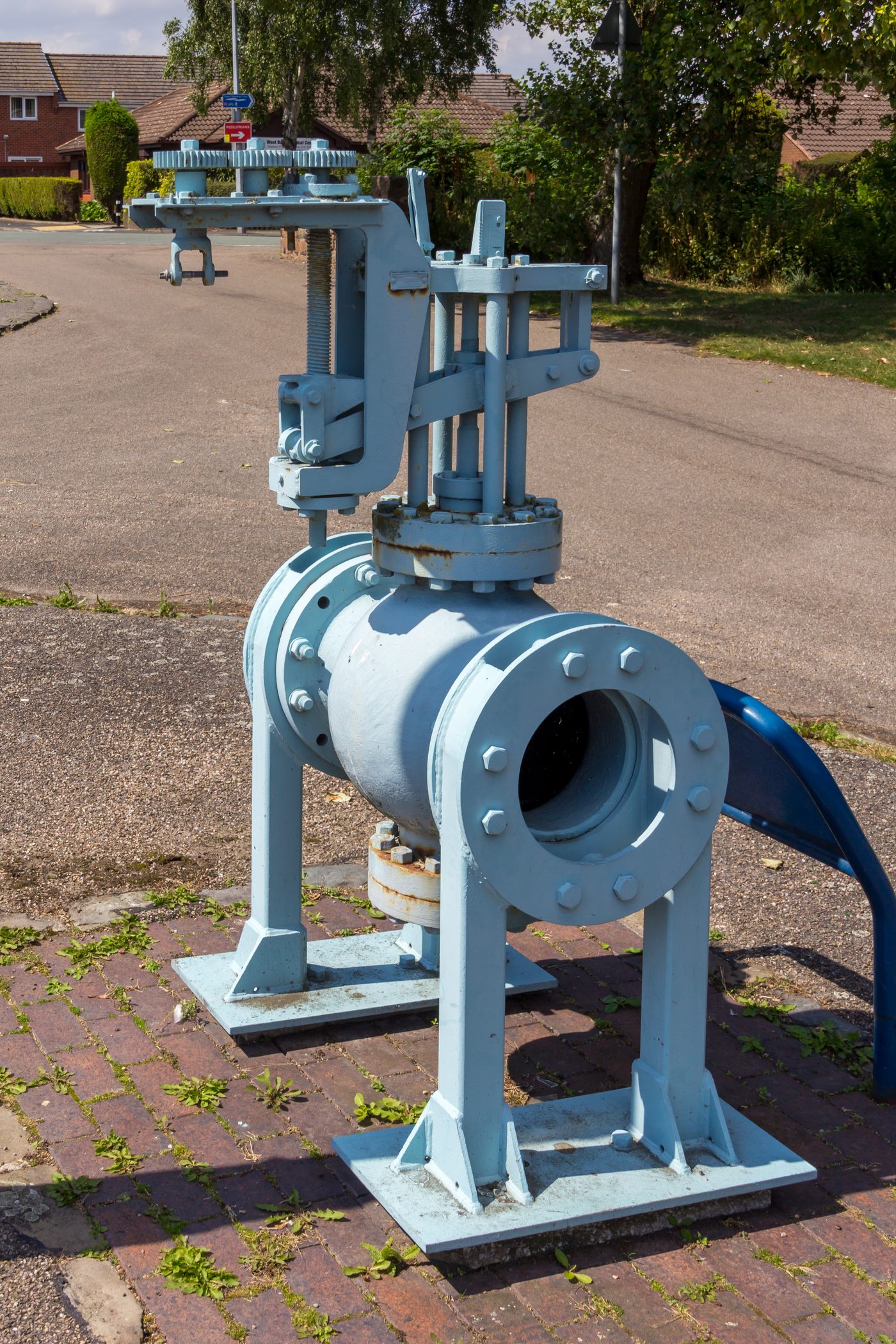
Large industrial gate valve outdoors (Source: Wikimedia Commons)
Butterfly valves: Used for quick shut-off in large diameter pipes, suitable for industrial fire control setups.
Pressure relief valves: Maintain system pressure within safe limits, preventing pipe bursts in high-rise buildings.
Sprinkler heads are the primary discharge points that release water or suppressant agents to extinguish fires. Their design and placement determine the effectiveness of coverage and response time.
Beyond water-based systems, fire control installations may include chemical suppressants or foam agents, particularly in environments where water damage could be detrimental.
Create a free account to open more of this chapter.
Free: practical guides, quick cards, workplace scenarios and more.
Create a free accountThis chapter focused on the various materials and supplies required for fire control system installation, emphasizing the importance of selecting appropriate components to ensure safety and functionality. It explored the preparation of a detailed material schedule, which organizes all necessary items systematically to facilitate procurement and project management. The process of materials quantification was examined, highlighting methods to accurately measure the quantities needed based on design specifications and installation requirements. Finally, the chapter addressed the estimation of costs for fire control materials and supplies, providing techniques to calculate financial requirements and support budgeting for fire safety projects. Together, these topics equip students with the skills to plan, quantify, and budget effectively for fire control system installations.
Type: Individual
| Tools & Equipment | Materials |
|---|---|
| Pipe Wrench | GI Pipes |
| Pipe Cutter | Gate Valve |
| Pipe Threading Equipment | GI Tee |
| Hacksaw | GI Elbow |
| Vice Bench | Fire Sprinkler |
| Water Tank | |
| GI Back Nut | |
| GI Long Nipple | |
| Fire Pump Booster | |
| Teflon Tape | |
| Non-Return Valve | |
| Union Connector |
| S/N | Item | Quantity |
|---|---|---|
| 1 | 19mm diameter GI Pipe | 2 M per Candidate |
| 2 | 19mm diameter Gate Valve | 1 Pc per Candidate |
| 3 | 19mm diameter GI Tee | 1 Pc per Candidate |
| 4 | 19mm diameter GI Elbow | 4 Pcs per Candidate |
| 5 | Fire Sprinkler | 2 Pcs per Candidate |
| 6 | Water Tank | 1 Pc per Candidate |
| 7 | 19mm diameter GI Back Nut | 2 Pcs per Candidate |
| 8 | 19mm diameter GI Long Nipple | 1 Pc per Candidate |
| 9 | Fire Pump Booster Set | 1 Set per Candidate |
| 10 | Teflon Tape | Sufficient per Candidate |
| 11 | Non-Return Valve | 1 Pc per Candidate |
| 12 | Union Connector | 2 Pcs per Candidate |
| 13 | Personal Protective Equipment (Overall, Gloves, Industrial Boots) | Full Set per Candidate |
| Items to be Evaluated | Marks Available | Marks Obtained | Comments |
|---|---|---|---|
| TASK 1: Identification and Categorization of Materials and Supplies | |||
| Used personal protective equipment in line with occupational safety and health requirements (Overall, Gloves, Industrial Boots) (Award 1 mark for each PPE worn or zero = 3 marks) | 3 | ||
| Correctly identified GI Pipes, Gate Valve, GI Tee, GI Elbow, Fire Sprinkler, and Water Tank (Award 1 mark for each correctly identified item or zero = 6 marks) | 6 | ||
| Correctly identified GI Back Nut, GI Long Nipple, Fire Pump Booster, Teflon Tape, Non-Return Valve, and Union Connector (Award 1 mark for each correctly identified item or zero = 6 marks) | 6 | ||
| Categorized materials into Pipes, Fittings, Valves, Fire Equipment, and Accessories correctly (Award 1 mark per correct category or zero = 5 marks) | 5 | ||
| Assembled the materials and supplies in an organized manner ready for installation (Award 3 marks for proper organization or zero = 3 marks) | 3 | ||
| Sub-Total | 23 | ||
| PRODUCT CHECKLIST | |||
| Complete and accurate identification of all materials and supplies as per the cutting list (Award full marks if all items identified and categorized, zero otherwise) | 10 | ||
| Materials and supplies arranged neatly and ready for installation (Award 7 marks for neatness and completeness or zero) | 7 | ||
| Correct labeling of all materials and supplies (Award 5 marks for correct labeling or zero) | 5 | ||
| Sub-Total | 22 | ||
| GRAND TOTAL | 45 | ||
Type: Individual
| Tools & Equipment | Materials |
|---|---|
| Pipe wrench | 19mm diameter GI Pipe |
| Pipe threading equipment | 19mm diameter gate valve |
| Pipe cutter | 19mm diameter GI Tee |
| 19mm diameter GI Elbow | |
| Fire sprinkler head | |
| Water tank | |
| 19mm diameter GI Back nut | |
| 19mm diameter GI Long nipple | |
| Fire booster pump | |
| Teflon tape | |
| Non-return valve |
| S/N | Item | Quantity |
|---|---|---|
| 1 | 19mm diameter GI Pipe | 10 Meters per Candidate |
| 2 | 19mm diameter gate valve | 2 Pieces per Candidate |
| 3 | 19mm diameter GI Tee | 3 Pieces per Candidate |
| 4 | 19mm diameter GI Elbow | 6 Pieces per Candidate |
| 5 | Fire sprinkler head | 4 Pieces per Candidate |
| 6 | Water tank | 1 Piece per 5 Candidates |
| 7 | 19mm diameter GI Back nut | 4 Pieces per Candidate |
| 8 | 19mm diameter GI Long nipple | 3 Pieces per Candidate |
| 9 | Fire booster pump | 1 Set per 5 Candidates |
| 10 | Teflon tape | Sufficient per Candidate |
| 11 | Non-return valve | 1 Piece per Candidate |
| 12 | Pipe wrench | 1 Set per Candidate |
| 13 | Pipe threading equipment | 1 Set per Candidate |
| 14 | Pipe cutter | 1 Set per Candidate |
| 15 | Personal Protective Equipment (PPE) - Gloves, Overall, Industrial boots | Full set per Candidate |
| Items to be Evaluated | Marks Available | Marks Obtained | Comments |
|---|---|---|---|
| TASK 1: Preparation and Listing of Materials | |||
| Used personal protective equipment in line with occupational safety and health requirements (Gloves, Overall, Industrial boots) (Award 1 mark for each PPE used or zero = 3 marks) | 3 | ||
| Identified and listed all required materials accurately including quantities (Award 1 mark for each correct material and quantity listed or zero = 4 marks) | 4 | ||
| Included all necessary fittings and accessories (gate valves, tees, elbows, back nuts, nipples, non-return valve) (Award 1 mark for each fitting correctly included or zero = 4 marks) | 4 | ||
| Specified correct quantity of fire sprinklers and water tank as per project requirements (Award 2 marks for correct quantities or zero = 2 marks) | 2 | ||
| Included tools and consumables such as pipe wrench, pipe cutter, pipe threading equipment and Teflon tape in the schedule (Award 1 mark for each tool/consumable included or zero = 3 marks) | 3 | ||
| Sub-Total | 16 | ||
| PRODUCT CHECKLIST | |||
| Material schedule completeness and accuracy including all items and quantities matching project specifications (Award up to 10 marks based on accuracy and completeness) | 10 | ||
| Correct presentation format and clear organization of the material schedule (Award 4 marks for clear and professional presentation or zero) | 4 | ||
| Sub-Total | 14 | ||
| GRAND TOTAL | 30 | ||
At the start of this chapter we promised you would be able to:
Tick each one you can genuinely do.
So, are you there yet?
You're competent when you can confidently do 50% or more of what this chapter promised.
Sign in to record how you're doing.