
By the end of this chapter, you will be able to:
Mastering these skills ensures your electrical installations are safe, reliable, and easy to maintain—key qualities for a successful career in electrical work!
Electrical installation termination is a critical phase in electronics engineering that ensures secure and reliable connections between cables, devices, and equipment. In Kenya's diverse electrical infrastructure, proper termination safeguards system integrity, reduces faults, and enhances safety in installations ranging from industrial control panels to communication networks. This chapter delves into the importance of termination and the critical role of cable labelling, both essential for efficient operation and maintenance in professional electrical environments.
Proper termination in electrical installations is fundamental to ensuring that electrical systems perform safely and efficiently. In Kenya, where diverse environments like hospitals, universities, and county government offices depend on robust electronic networks, effective termination reduces risks such as electrical faults, signal loss, and fire hazards. The quality of termination directly impacts system reliability, maintenance ease, and compliance with regulatory standards.
Termination plays a vital role in protecting personnel and equipment from electrical hazards by establishing secure, stable connections. Loose or poor terminations can cause arcing, overheating, and potential fires, especially in high-load installations like commercial buildings or healthcare facilities. Properly terminated connections prevent accidental contact with live conductors, minimizing shock risks during maintenance or operation.
Electrical terminations influence the quality and stability of electrical signals and power delivery, which is critical in electronics engineering installations. In telecommunications equipment or industrial automation systems, poor termination can result in signal reflections, noise, and data loss, undermining system functionality.
Investing time and resources in correct termination practices yields long-term economic benefits by lowering maintenance costs and preventing costly downtime. In Kenya, where resources for maintenance can be constrained, well-terminated installations reduce the frequency of repairs and replacements.
Successful termination requires the use of appropriate tools and techniques tailored to the cable type and application. Electronics engineers in Kenya must be proficient with these to ensure consistent quality.
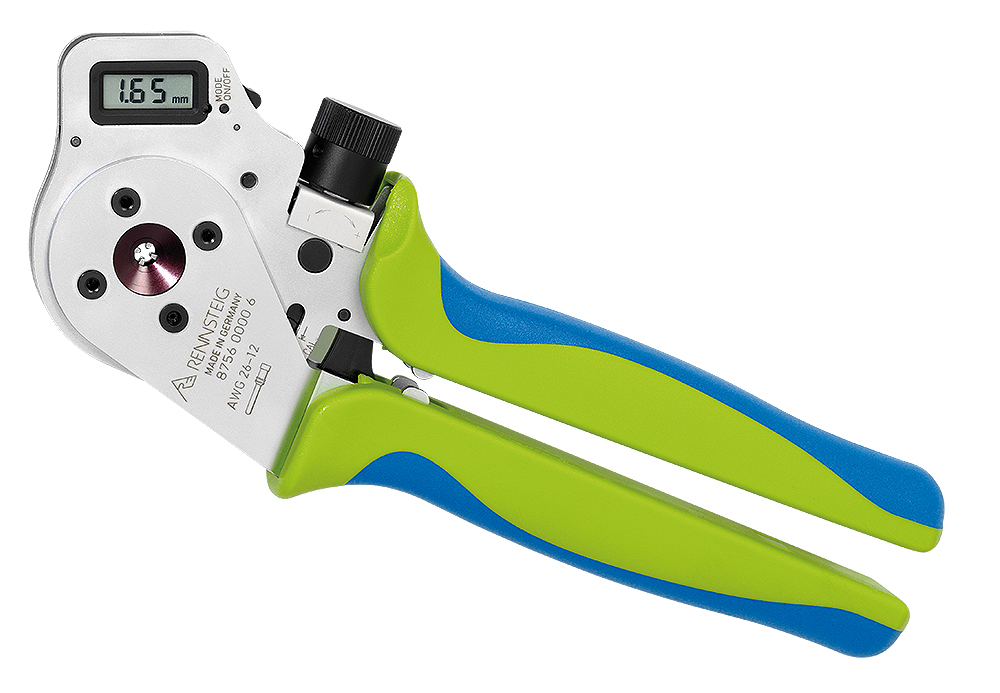
Digital crimping tool for wire terminals (Source: Wikimedia Commons)
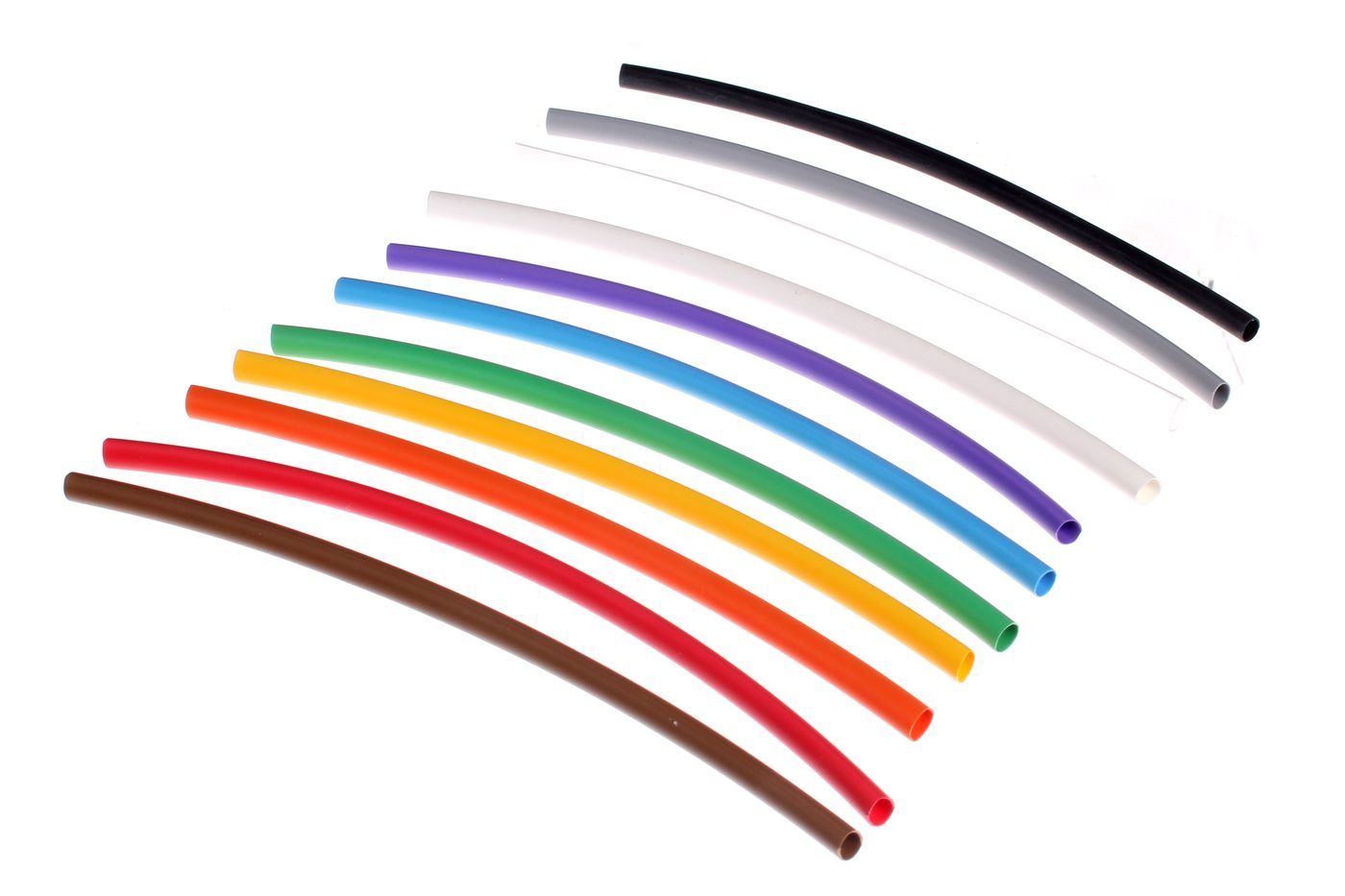
Assorted heat shrink tubing pieces (Source: Wikimedia Commons)
Create a free account to open more of this chapter.
Free: practical guides, quick cards, workplace scenarios and more.
Create a free accountThis chapter has explored the critical role of termination in electrical installations, emphasizing its importance in ensuring secure and reliable connections that prevent faults and hazards. It highlighted the necessity of accurate cable labelling to facilitate identification, maintenance, and troubleshooting in complex wiring systems. The process of cable lugging was examined, detailing how properly attaching lugs enhances the durability and safety of electrical joints. Essential tools for cable termination, including crimping tools and strip knives, were described, focusing on their specific functions and correct usage to achieve high-quality terminations. Compliance with IEE regulations was underscored as a fundamental requirement to maintain safety standards and legal conformity in electrical work. The chapter concluded by addressing the proper disposal of waste materials generated during termination activities, promoting environmental responsibility and workplace cleanliness. Together, these topics provide a comprehensive understanding of effective electrical termination practices.
Type: Individual
| Tools & Equipment | Materials |
|---|---|
| Pliers | 1.5 mm2 PVC Single core cable |
| Side cutter | 2.5 mm2 PVC Single core cable |
| Screwdrivers (Flat and Phillips) | 4.0 mm2 PVC Single core cable |
| Multimeter | 4-way consumer control unit |
| Circuit breakers (6A and 32A) | |
| Rail | |
| Patrice boxes (shallow, deep, twin deep) | |
| Double pole switch (63A) | |
| 2-gang two-way switch | |
| Socket outlets |
| S/N | Item | Quantity |
|---|---|---|
| 1 | 1.5 mm2 PVC Single core cable | 3.0 m per Candidate |
| 2 | 2.5 mm2 PVC Single core cable | 1.5 m per Candidate |
| 3 | 4.0 mm2 PVC Single core cable | 1.0 m per Candidate |
| 4 | 4-way consumer control unit | 1 pc per Candidate |
| 5 | Circuit breaker (6A) | 1 pc per Candidate |
| 6 | Circuit breaker (32A) | 2 pcs per Candidate |
| 7 | Rail | 1 pc per Candidate |
| 8 | Shallow Patrice box | 2 pcs per Candidate |
| 9 | Deep Patrice box | 3 pcs per Candidate |
| 10 | Twin deep Patrice box | 1 pc per Candidate |
| 11 | Double pole switch (63A) | 1 pc per Candidate |
| 12 | 2-gang two-way switch | 1 pc per Candidate |
| 13 | Socket outlets | 2 pcs per Candidate |
| 14 | Personal Protective Equipment (PPE) | Enough per Candidate |
| 15 | Multimeter | 1 pc per Candidate |
| 16 | Pliers | 1 pair per Candidate |
| 17 | Side cutter | 1 pair per Candidate |
| 18 | Screwdrivers (Flat and Phillips) | 1 set per Candidate |
| Items to be Evaluated | Marks Available | Marks Obtained | Comments |
|---|---|---|---|
| TASK 1: Identification and Explanation of Cable Termination | |||
| Wore Personal Protective Equipment (PPE) including dustcoat/overall and safety boots (Award 1 mark for correct PPE use or 0) | 1 | ||
| Applied good housekeeping practice and ensured clean working area before starting (Award 1 mark for good housekeeping or 0) | 1 | ||
| Correctly identified all cable termination points on the 4-way consumer control unit (Award 1 mark per correct termination point identified, max 5) | 5 | ||
| Used correct tools for identifying and labeling termination points (Award 2 marks for correct tool use or 0) | 2 | ||
| Explained the importance of each termination point in ensuring electrical safety and system reliability (Award up to 5 marks based on clarity and correctness of explanation) | 5 | ||
| Performed continuity test on terminated cables using a multimeter (Award 3 marks for correct testing procedure and results or 0) | 3 | ||
| Ensured color coding of cables was observed during identification and labeling (Award 2 marks for correct color code adherence or 0) | 2 | ||
| Sub-Total | 19 | ||
| PRODUCT CHECKLIST | |||
| Correct labeling of all termination points matching the 400mm x 250mm consumer control unit layout (Award 4 marks for accurate labeling and neat presentation or 0) | 4 | ||
| Demonstrated clear and logical explanation notes attached to each termination point (Award 4 marks for completeness and clarity or 0) | 4 | ||
| Continuity test results correctly recorded and interpreted (Award 4 marks for correct recording and interpretation or 0) | 4 | ||
| Sub-Total | 12 | ||
| GRAND TOTAL | 31 | ||
Type: Individual
| Tools & Equipment | Materials |
|---|---|
| Wire stripper | 1.5 mm2 PVC Single core cable |
| Pliers | 2.5 mm2 PVC Single core cable |
| Scissors | 4.0 mm2 PVC Single core cable |
| Permanent marker pen | 6.0 mm2 PVC Single core cable |
| Cable labels (adhesive) | |
| Cable ties | |
| Identification tags with printed codes | |
| Cable identification chart (color and numbering code) |
| S/N | Item | Quantity |
|---|---|---|
| 1 | 1.5 mm2 PVC Single core cable | 3.0 m per Candidate |
| 2 | 2.5 mm2 PVC Single core cable | 1.5 m per Candidate |
| 3 | 4.0 mm2 PVC Single core cable | 1.0 m per Candidate |
| 4 | 6.0 mm2 PVC Single core cable | 1.0 m per Candidate |
| 5 | Cable labels (adhesive) | 15 Pcs per Candidate |
| 6 | Permanent marker pen | 1 Pc per Candidate |
| 7 | Cable ties | 10 Pcs per Candidate |
| 8 | Identification tags with printed codes | 10 Pcs per Candidate |
| 9 | Cable identification chart (color and numbering code) | 1 Sheet per Candidate |
| 10 | Wire stripper | 1 Pc per Candidate |
| 11 | Pliers | 1 Pc per Candidate |
| 12 | Scissors | 1 Pc per Candidate |
| Items to be Evaluated | Marks Available | Marks Obtained | Comments |
|---|---|---|---|
| TASK 1: Cable Labelling and Identification | |||
| Wore Personal Protective Equipment (PPE) including dustcoat/overall (Award 1 or 0) | 1 | ||
| Applied good housekeeping practice; ensured clean and safe working area before starting (Award 1 or 0) | 1 | ||
| Used correct tools for stripping, cutting, and labelling cables (Award 2 or 0) | 2 | ||
| Observed correct color coding and numbering as per standard practice (Award 3 or 0) | 3 | ||
| Applied cable labels and identification tags neatly and firmly on cables (Award 3 or 0) | 3 | ||
| Ensured cable labels are legible and correctly matched to cable function and size (Award 3 or 0) | 3 | ||
| Secured cables with cable ties without damaging insulation (Award 2 or 0) | 2 | ||
| Completed labelling within the allocated time and to the required standard (Award 2 or 0) | 2 | ||
| Sub-Total | 17 | ||
| PRODUCT CHECKLIST | |||
| Cables correctly labelled with appropriate color codes and numbering matching standards (Award 5 or 0) | 5 | ||
| Labels and tags firmly fixed, clean and legible without smudging or peeling (Award 4 or 0) | 4 | ||
| Cables neatly arranged and secured with cable ties without damage or kinks (Award 4 or 0) | 4 | ||
| Sub-Total | 13 | ||
| GRAND TOTAL | 30 | ||
At the start of this chapter we promised you would be able to:
Tick each one you can genuinely do.
So, are you there yet?
You're competent when you can confidently do 50% or more of what this chapter promised.
Sign in to record how you're doing.