Electrical Engineering  ·  Level 6
Electrical Machine Winding
Chapter 2: Install Machine winding
📚 3 Topics
⚑ What you will be able to do

By the end of this chapter, you will be able to:

  • Apply safety measures correctly and safely according to job requirements.
  • Clean rotating machine parts safely by following the correct work procedures.
  • Prepare coil windings accurately to meet the job specifications.
  • Lay coil windings correctly into stator slots following the job requirements.
  • Cure stator windings properly in line with IEC standards.

Mastering these skills ensures you can install machine windings efficiently and safely, which is essential for reliable and long-lasting electrical machines.

Installing machine windings is a critical phase in the lifecycle of electrical machines, demanding precision, technical knowledge, and strict adherence to safety protocols. In Kenya, where electrical machines operate in diverse environments from manufacturing plants to county government facilities, ensuring safe installation practices protects personnel and assets while enhancing machine reliability. This chapter addresses the essential safety measures necessary during winding installation, focusing on personal protective equipment, tool handling, and housekeeping practices to maintain a secure and efficient work environment.

2.1 Safety Measures

Safety is paramount when installing electrical machine windings due to the risks posed by electrical hazards, heavy tools, and complex machinery. Kenyan electrical engineers must implement comprehensive safety protocols to prevent accidents and comply with occupational safety regulations such as those outlined by the Directorate of Occupational Safety and Health Services (DOSHS). This section breaks down critical safety considerations that form the foundation for effective and secure winding installation.

2.1.1 Personal Protective Equipment (PPEs)

Personal protective equipment is the first line of defense for electrical engineers working on machine winding installations. Proper PPE use minimizes exposure to electrical shocks, mechanical injuries, and harmful substances encountered on-site. Understanding the types of PPE required, their correct usage, maintenance, and limitations is essential for safeguarding personnel in the workplace.
Types of PPE Required for Winding Installation

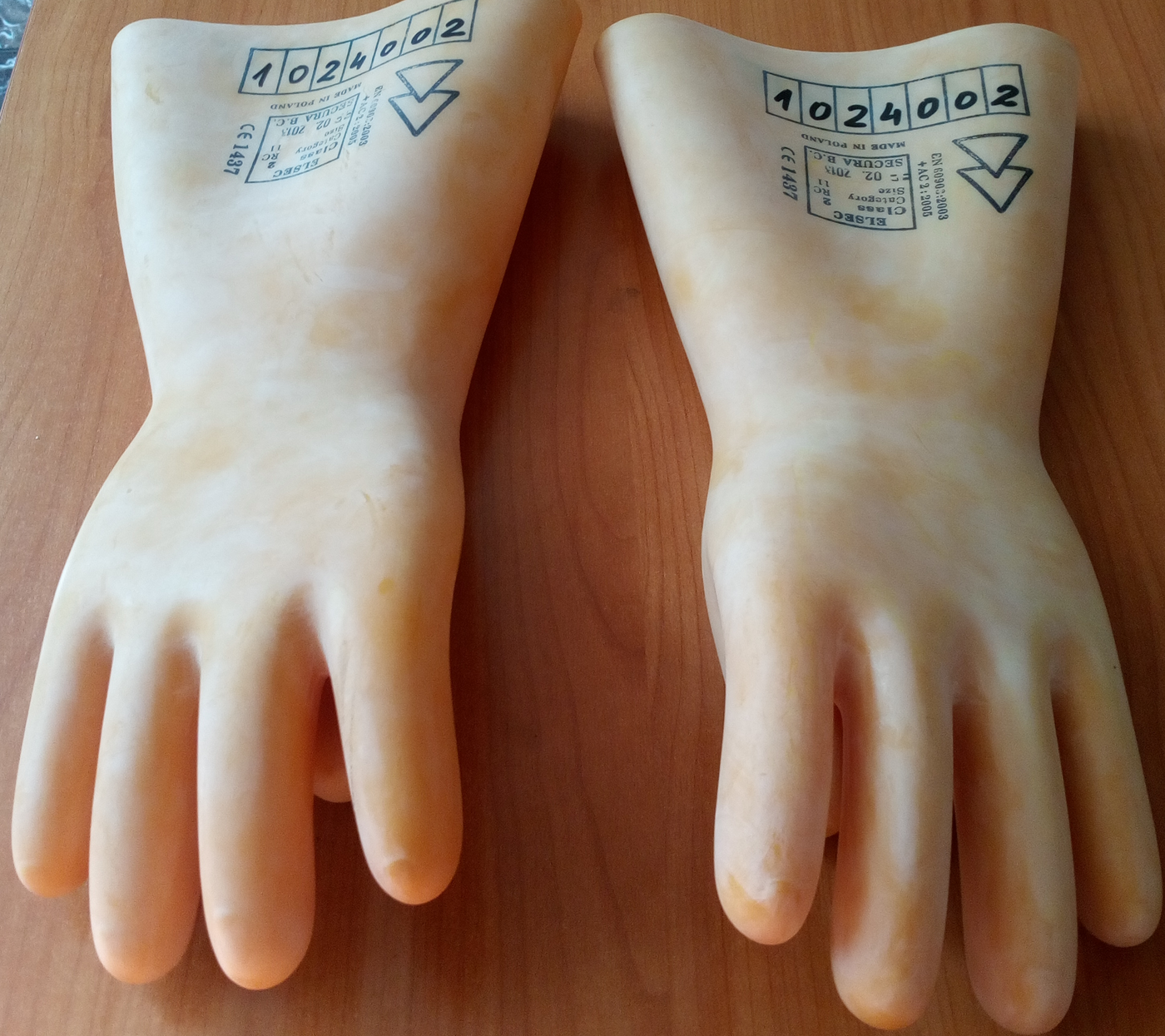
  • Insulated Gloves: These provide protection against electrical shock when handling live parts or tools near energized circuits. In Kenyan workshops, gloves must comply with the IEC 60903 standard to ensure adequate insulation.

Pair of insulated gloves for electrical safety
Pair of insulated gloves for electrical safety (Source: Wikimedia Commons)
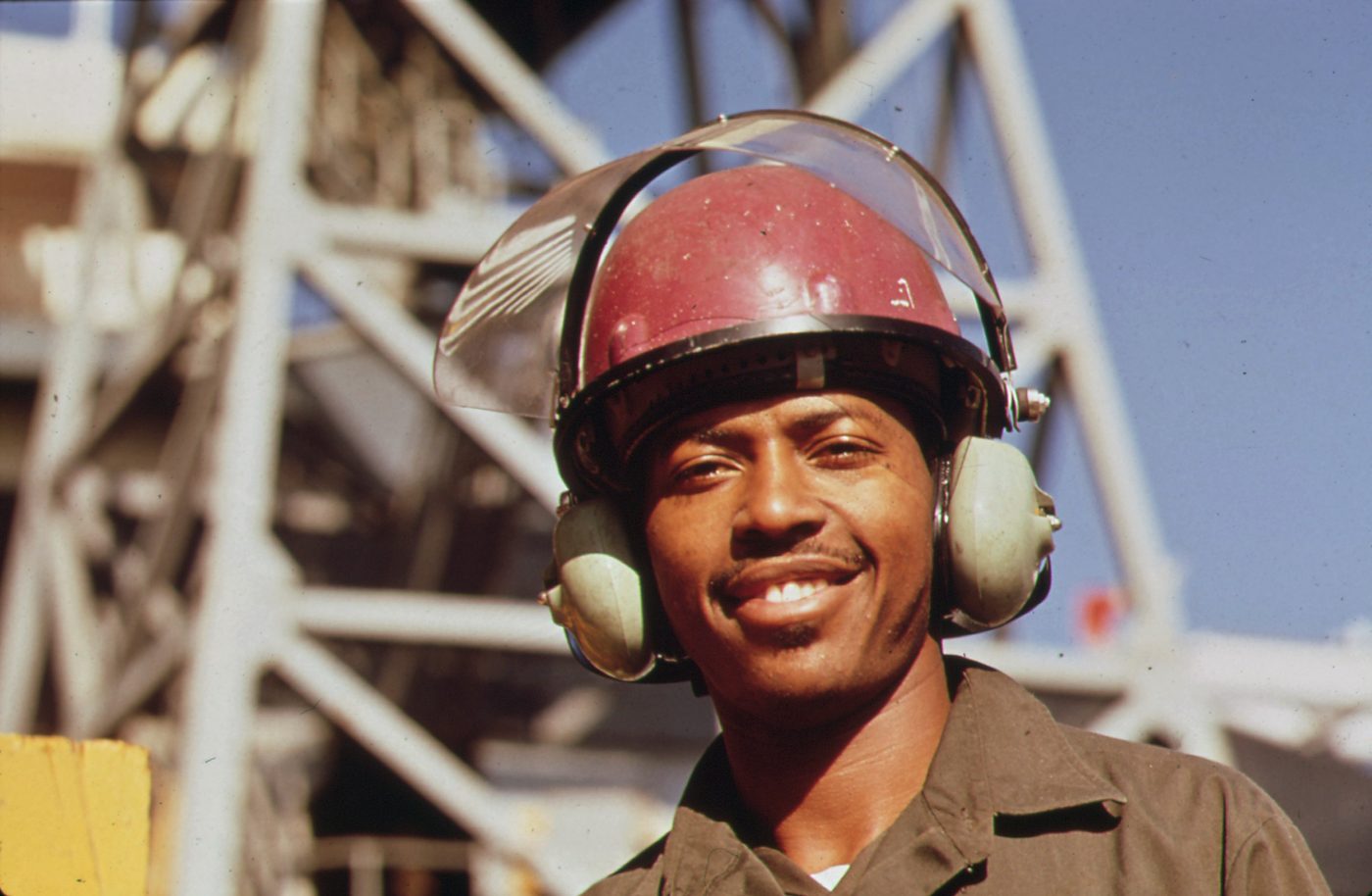
  • Safety Helmets: Helmets protect the head from falling objects and accidental impacts, especially in confined or elevated winding installation locations such as tall motor frames in manufacturing plants.

Man wearing a safety helmet
Man wearing a safety helmet (Source: Wikimedia Commons)
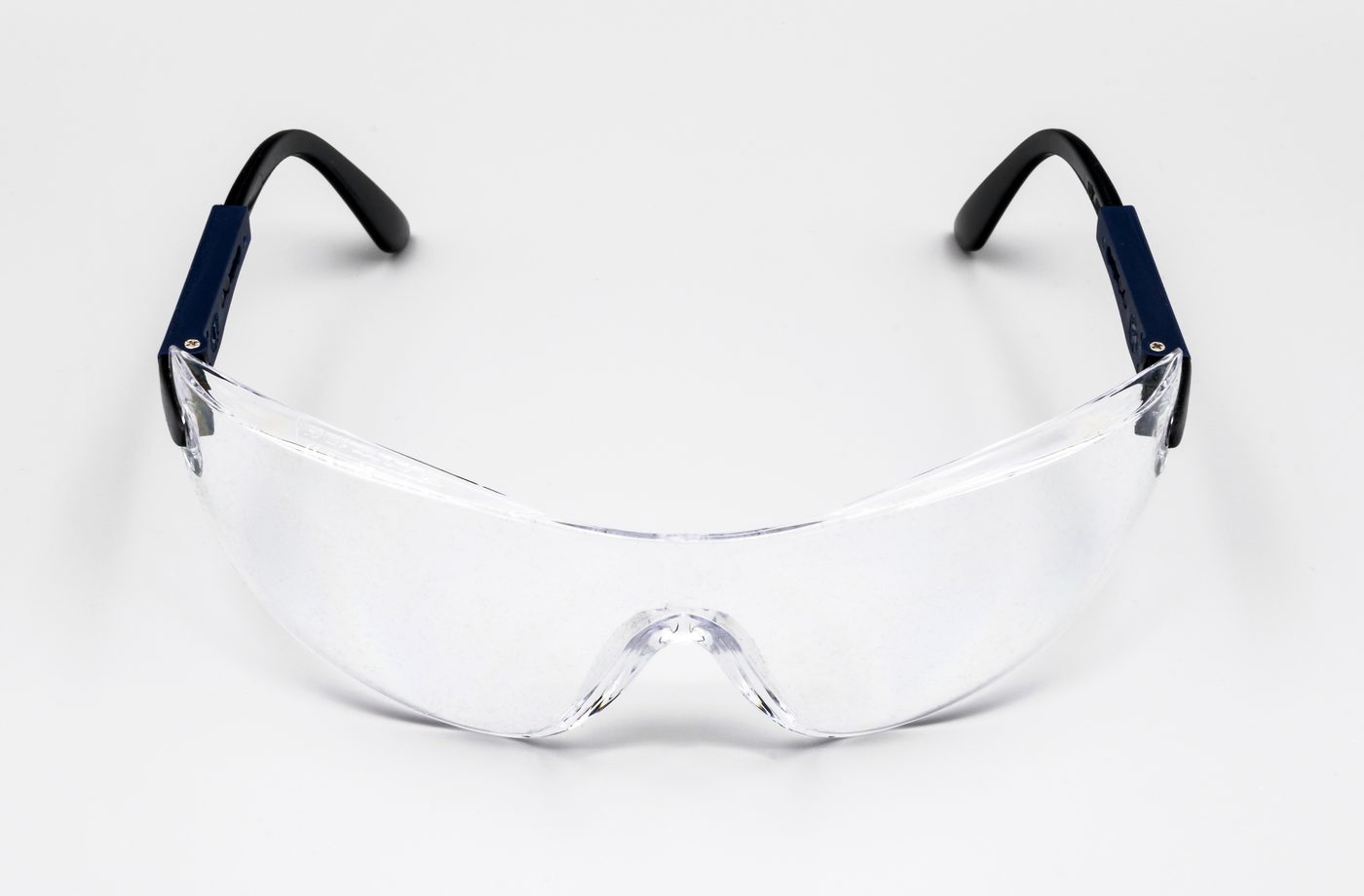
  • Protective Eyewear: Goggles or face shields guard against sparks, flying debris, and chemical splashes from insulating varnishes used during winding impregnation.

Clear protective eyewear for safety
Clear protective eyewear for safety (Source: Wikimedia Commons)

  • Safety Footwear: Electrical hazard-rated boots prevent electric current from passing through the body via the feet, crucial when working on conductive floors in industrial settings.

  • Hearing Protection: Ear plugs or earmuffs reduce noise exposure in noisy environments like electrical motor repair shops or workshops adjacent to heavy machinery.

Correct Usage and Maintenance of PPE

  • Inspection Before Use: PPE should be inspected for damage such as cracks in gloves or helmets, and replaced immediately if compromised. For example, at a Nairobi-based SACCO workshop, routine PPE checks prevented glove failures during winding tests.
  • Proper Fit: Ill-fitting PPE reduces protection. Employees must be trained to select the correct sizes, especially for gloves and helmets.
  • Cleaning and Storage: PPE must be cleaned according to manufacturer instructions and stored in dry, dust-free environments to maintain integrity.
  • Limitations Awareness: PPE reduces risk but does not eliminate hazards; workers must still follow safe work practices.

Legal and Regulatory Requirements for PPE in Kenya

  • The Occupational Safety and Health Act (OSHA) 2007 mandates employers to provide appropriate PPE and enforce its use during electrical maintenance tasks.
  • DOSHS guidelines specify minimum PPE standards for electrical work, including machine winding installations.
  • Compliance audits at institutions such as county hospitals ensure PPE use aligns with these regulations, preventing workplace injuries.

Training and Competency in PPE Use

  • Workers must undergo induction and refresher training on PPE selection, use, and limitations.
  • Practical demonstrations on donning and doffing PPE reduce misuse.
  • Supervisors in manufacturing firms regularly assess PPE compliance to uphold safety culture.

2.1.2 Handling of Tools

Correct handling of tools during machine winding installation reduces mechanical injuries, electrical hazards, and damage to the winding components. Kenyan electrical engineers must master tool selection, operational techniques, and maintenance to ensure safety, efficiency, and quality workmanship.
Selection of Appropriate Tools for Winding Installation

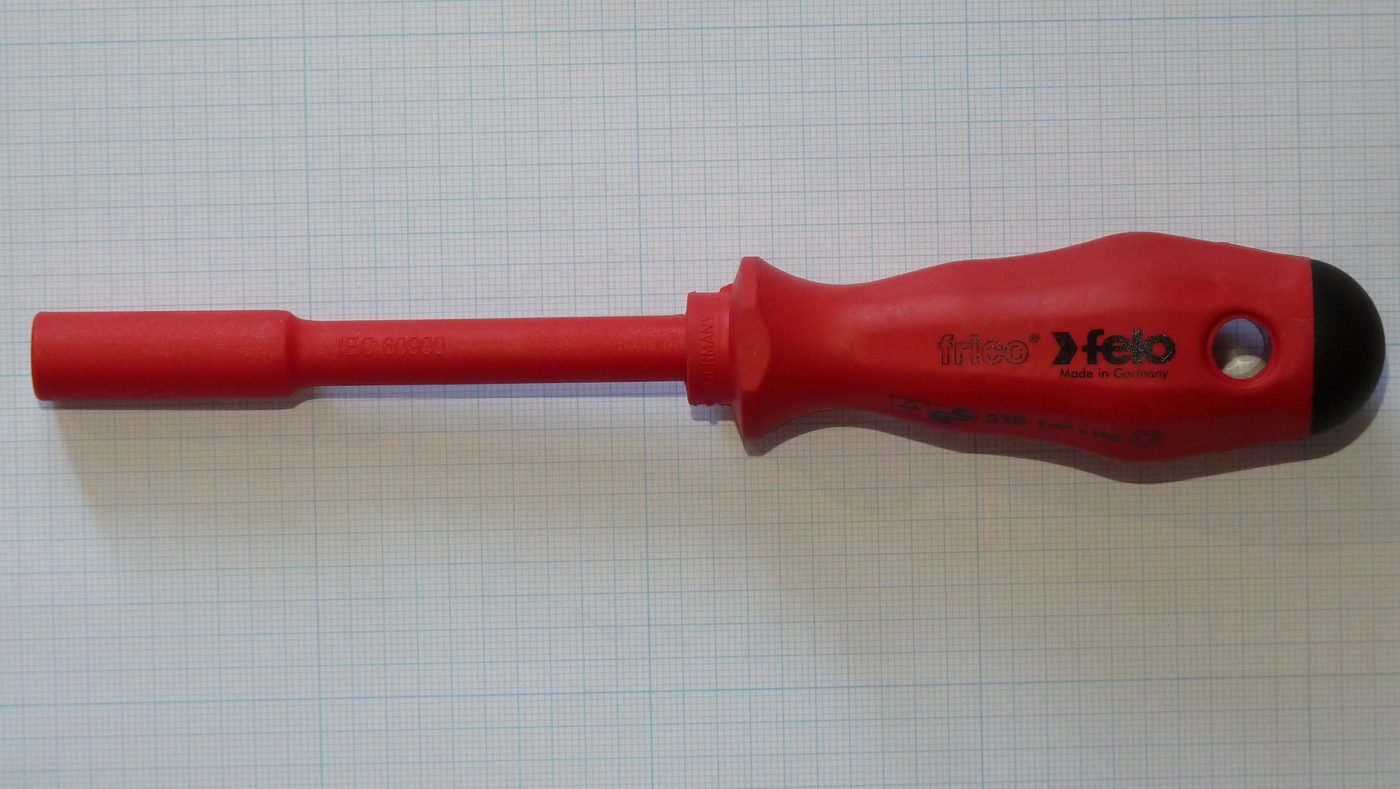
  • Insulated Hand Tools: Screwdrivers, pliers, and wire strippers with insulated handles prevent accidental contact with live circuits.

Insulated screwdriver for electrical work
Insulated screwdriver for electrical work (Source: Wikimedia Commons)

  • Measuring Instruments: Devices such as megohmmeters and multimeters must be rated for the voltage levels encountered during winding tests.

  • Specialized Winding Tools: Coil winding machines and tensioners require precise calibration and stable operation.

  • Cutting Tools: Sharp wire cutters reduce strain and prevent frayed winding ends, which can cause shorts.
  • Torque Wrenches: Ensuring correct fastening prevents mechanical loosening that might lead to operational failures.

Safe Operational Practices

  • Tool Inspection: Before use, tools must be checked for insulation integrity, mechanical defects, and cleanliness.
  • Proper Grip and Posture: Using ergonomic grips and maintaining body posture reduces fatigue and risk of repetitive strain injuries.
  • Avoiding Live Circuit Contact: Tools should never be used on energized circuits unless specifically rated and tested for such use.
  • Controlled Environment: Tools must be used in dry, well-lit areas to prevent slips or accidental drops.
  • Lockout-Tagout (LOTO) Compliance: Tools are only used after ensuring circuits are de-energized and locked out.

Maintenance and Storage of Tools

  • Tools should be cleaned after every use to remove dust, oil, and varnish residues.
  • Storage in designated toolboxes or racks prevents damage and loss.
  • Periodic calibration of measuring instruments maintains accuracy.
  • Damaged tools must be repaired or discarded immediately to avoid accidents.

Common Hazards and Prevention Measures

  • Electric Shock: Using non-insulated tools on live circuits can be fatal.
  • Cuts and Punctures: Improper handling of sharp tools can cause injuries.
  • Tool Slips: Slippery handles or improper grip can cause loss of control.
  • Dropped Tools: Falling tools can injure personnel or damage windings.
  • Tool Malfunction: Worn-out tools can fail during critical tasks.

2.1.3 Housekeeping Practices

Maintaining a clean and organized work environment during winding installation reduces accident risks and enhances operational efficiency. Kenyan electrical workshops and sites must adopt disciplined housekeeping habits that support safety and quality.

Importance of Housekeeping in Electrical Workshops

Good housekeeping prevents clutter that can cause trips and falls, protects sensitive equipment from contamination, and facilitates smooth workflow. For instance, in a Nairobi university’s electrical engineering laboratory, systematic housekeeping reduced downtime caused by misplaced tools.

Effective Waste Management

  • Proper Disposal of Insulation Waste: Varnish-soaked rags and wire scraps must be collected in designated bins to prevent fire hazards.
  • Segregation of Hazardous Materials: Chemicals used in varnishing and cleaning should be stored separately with clear labels.
  • Recycling Practices: Copper wire scraps can be recycled through authorized scrap dealers, promoting sustainability.
  • Avoiding Accumulation: Regular removal of waste prevents workspace congestion.
  • Compliance with Environmental Regulations: Disposal methods must adhere to NEMA guidelines to prevent pollution.

Organizing Tools and Materials

  • Designated Storage Areas: Tools and materials should be kept in labeled racks or cabinets.
  • Inventory Control: Keeping track of tools reduces loss and misuse.
  • Clear Work Surfaces: Benches and floors must remain free of unnecessary items.
  • Use of Shadow Boards: Visual outlines for tool placement improve retrieval and return discipline.
  • Separation of Completed and In-Progress Work: This prevents confusion and damage to partially installed windings.

Maintaining Electrical Safety in the Work Area

  • Clear Marking of Live and Dead Zones: Areas with energized circuits must be clearly indicated.
  • Regular Cleaning of Dust and Debris: Dust accumulation on electrical contacts can cause shorts.
  • Adequate Lighting: Proper illumination reduces errors and accidents.
  • Safe Cable Management: Avoiding tangled cables prevents tripping and accidental disconnections.
  • Emergency Access: Keeping exits and fire extinguishers unobstructed is critical for rapid response.

Practice Questions

  1. Explain the role of insulated gloves and safety footwear in protecting electrical engineers during winding installation. (6 marks)
  2. Describe six safe operational practices when handling tools in machine winding installation. (12 marks)
  3. List five housekeeping practices that contribute to safety and efficiency in electrical workshops. (10 marks)
The rest of this chapter
🔒

Create a free account to open more of this chapter.

Free: practical guides, quick cards, workplace scenarios and more.

Create a free account
🔒2.2 Machine winding tools and equipment

In electrical machine winding, precision and consistency are paramount for ensuring optimal machine performance and longevity. Kenyan electrical engineers working in repair workshops, manufacturing plants, or maintenance departments of institutions like county…

🔒2.3 Installation procedures

Electrical machine winding installation is a critical phase in the lifecycle of electrical machines, influencing their performance, reliability, and longevity. In Kenya, industries such as manufacturing plants, county government power utilities, and large-scal…

Chapter Summary

This chapter covers essential safety measures that must be observed during machine winding installation, including the use of personal protective equipment, proper handling of tools, and maintaining good housekeeping practices to ensure a safe working environment. It describes the various tools and equipment necessary for machine winding such as lapse counters, wire tensioners, slot liners, and shrink tubing, explaining their specific roles in the process. The installation procedures begin with thorough cleaning of machine parts to remove contaminants that could affect winding performance. Preparation of windings follows, involving careful selection and arrangement of wire to meet design specifications. The chapter then details the laying of windings, emphasizing accuracy and consistency to achieve optimal electrical and mechanical function. Finally, it discusses the curing of windings through methods like drying, varnishing, and baking to secure insulation and enhance durability. Together, these steps form a comprehensive guide to the successful installation of machine windings.

Self-Assessment

🔒 PDFDownload this self-assessment, with answers

A. Written Assessment

  1. What are the essential Personal Protective Equipment (PPE) for electrical machine winding installation? (3 marks)
  2. Explain the importance of proper handling of tools during machine winding installation. (2 marks)
🔒29 more in this section.

Chapter Examination Questions

🔒 PDFDownload these examination questions, with worked answers

SECTION A (40 Marks) - Answer ALL Questions

  1. Identify four essential personal protective equipment (PPE) items required during electrical machine winding installation at a county government workshop. (4 marks)
  2. Explain the importance of proper handling of tools when installing machine windings in a power distribution transformer. (4 marks)
🔒18 more in this section.

Chapter Practical Activities

Practical 1: Implement Safety Measures During Machine Winding

Electrical Engineering · Level 6
Electrical Machine Winding
PRACTICAL ASSESSMENT
TIME: 4 HOURS
⬇ PDFCandidate Instructions (Candidate Tool)

Type: Individual

INSTRUCTIONS TO CANDIDATE:
1.  You are required to perform the following task:
i.  Prepare and implement safety measures including correct PPE use and workspace safety protocols before starting machine winding on a 1m x 1m workspace board.
2.  You have been provided with the following resources for the practical task:
Tools & EquipmentMaterials
Insulated screwdriver setSafety boots
PliersInsulated gloves
Wire stripperSafety goggles
MultimeterDustcoat/Overall
Warning and safety signage
Cleaning materials
⬇ PDFResources Required (Cutting List)
S/NItemQuantity
1Safety boots1 Pair per Candidate
2Insulated gloves1 Pair per Candidate
3Safety goggles1 Pair per Candidate
4Dustcoat/Overall1 per Candidate
5Insulated screwdriver set1 Set per Candidate
6Pliers1 per Candidate
7Wire stripper1 per Candidate
8Multimeter1 per Candidate
9Machine winding workspace board (1m x 1m)1 per Candidate
10Warning and safety signage1 Set per Candidate
11Cleaning materials (broom, cloth)1 Set per Candidate
⬇ PDFAssessor Guide
Items to be EvaluatedMarks AvailableMarks ObtainedComments
TASK 1: Safety Preparation and PPE Implementation
Wore all required PPE correctly (boots, gloves, goggles, dustcoat)
(Award 1 mark each for correct use of boots, gloves, goggles, dustcoat)
4
Ensured working area is clean and free from hazards before starting
(Award 3 marks for thorough housekeeping and hazard removal)
3
Displayed appropriate safety signage and warning labels at the workspace
(Award 2 marks if signage is visible and correctly positioned)
2
Selected and assembled correct tools and PPE for machine winding safely
(Award 3 marks for correct selection and readiness of tools and PPE)
3
Tested electrical tools for insulation and safety before use
(Award 3 marks for performing and interpreting insulation and continuity tests)
3
Followed safety protocols for electrical equipment handling and workspace setup
(Award 3 marks for adherence to safe working procedures)
3
Sub-Total18
PRODUCT CHECKLIST
Workspace prepared with all PPE worn, clean, hazard-free, and safety signs correctly placed
(Award 7 marks for fully compliant and safe workspace ready for machine winding)
7
Sub-Total7
GRAND TOTAL25
ASSESSMENT OUTCOME:   ☐ Competent    ☐ Not Yet Competent (competent if at least 50%)

Practical 2: Proper handling and maintenance of electrical machine winding tools

Electrical Engineering · Level 6
Electrical Machine Winding
PRACTICAL ASSESSMENT
TIME: 4 HOURS
⬇ PDFCandidate Instructions (Candidate Tool)

Type: Individual

INSTRUCTIONS TO CANDIDATE:
1.  You are required to perform the following task:
i.  Demonstrate proper handling and maintenance of winding tools including lapse counter, wire tensioner, slot liners, and shrink tubing on a 1m by 0.6m workbench as per the provided instructions.
2.  You have been provided with the following resources for the practical task:
Tools & EquipmentMaterials
Lapse counterElectrical cleaning solvent
Wire tensionerSoft cleaning cloth
Slot linerPPE (Gloves, Goggles, Safety boots)
Shrink tubing
Multi-meter
Toolbox with general tools
⬇ PDFResources Required (Cutting List)
S/NItemQuantity
1Lapse counter1 Pc per Candidate
2Wire tensioner1 Pc per Candidate
3Slot liner10 Pcs per Candidate
4Shrink tubing5 strips per Candidate
5Electrical cleaning solvent (250 ml)1 Bottle per Candidate
6Soft cleaning cloth3 Pcs per Candidate
7Multi-meter1 Pc per Candidate
8PPE (Gloves, Goggles, Safety boots)1 set per Candidate
9Toolbox with general tools (pliers, screwdrivers, wire strippers)1 set per Candidate
10Work bench (1m by 0.6m)1 per Candidate
⬇ PDFAssessor Guide
Items to be EvaluatedMarks AvailableMarks ObtainedComments
TASK 1: Handling and maintenance of winding tools
Wore personal protective equipment (Gloves, Goggles, Safety boots)
(Award 2 marks for complete and correct PPE usage, otherwise 0)
2
Listed the winding tools to be used (Lapse counter, Wire tensioner, Slot liner, Shrink tubing)
(Award 2 marks if all tools are correctly listed)
2
Demonstrated correct handling of the lapse counter
(Award 4 marks for correct operation and care handling)
4
Demonstrated correct handling and adjustment of the wire tensioner
(Award 4 marks for proper tensioning and safe handling)
4
Demonstrated correct installation and replacement of slot liners
(Award 4 marks for proper slot liner fitting and neatness)
4
Demonstrated correct application and shrinking of shrink tubing
(Award 4 marks for neat and secure application)
4
Performed cleaning and maintenance of tools using electrical solvent and soft cloth
(Award 3 marks for thorough cleaning and maintenance procedure)
3
Ensured tools were stored properly after use in the toolbox
(Award 2 marks for correct storage and organization)
2
Applied good housekeeping practices on the workbench before and after task
(Award 3 marks for clean and organized work area)
3
Conducted functional checks on winding tools using multi-meter where applicable
(Award 4 marks for correct testing and verification)
4
Sub-Total32
PRODUCT CHECKLIST
All winding tools handled and maintained according to standards, equipment clean and functional, shrink tubing properly applied and slot liners correctly installed
(Award up to 18 marks for neatness, functionality, and adherence to handling and maintenance procedures)
18
Sub-Total18
GRAND TOTAL50
ASSESSMENT OUTCOME:   ☐ Competent    ☐ Not Yet Competent (competent if at least 50%)
🔒

Free: practical guides, quick cards, workplace scenarios and more.

Create a free account
🔒Perform Housekeeping Practices in the Winding WorkshopPractical 3
🔒Clean and prepare machine parts for winding installation on a 3-phase induction motor frame 500mm x 400mm x 350mmPractical 4
🔒Prepare and cut winding wire 10m long for motor installationPractical 5
🔒Lay windings correctly in machine slots for a 3-phase induction motor statorPractical 6
🔒Use wire tensioner to maintain correct wire tension during winding installationPractical 7
🔒Installation of Slot Liners into 36-Slot 3-Phase Induction Motor StatorPractical 8
🔒Use of Lapse Counter to Accurately Count Winding Turns on an Electrical MachinePractical 9
🔒Install shrink tubing on winding connections for a 3-phase motor windingPractical 10
🔒Perform curing of machine windings by dryingPractical 11
🔒Perform curing of electrical machine windings by varnishingPractical 12
🔒Perform curing of machine windings by baking in an ovenPractical 13
🔒Install Three-Phase Machine Winding on Induction Motor Frame 500mm x 400mm x 300mmPractical 14
Flashcards 20 cards Study deck ▾
Question
1

↻ Tap card to reveal answer
🔒

18 more in this section.

Create a free account
Test Yourself 18 questions Start quiz ▾
0%
0 / 2
🔒

16 more in this section.

Create a free account
Am I competent?

At the start of this chapter we promised you would be able to:

  • Apply safety measures correctly and safely according to job requirements.
  • Clean rotating machine parts safely by following the correct work procedures.
  • Prepare coil windings accurately to meet the job specifications.
  • Lay coil windings correctly into stator slots following the job requirements.
  • Cure stator windings properly in line with IEC standards.

Tick each one you can genuinely do.

So, are you there yet?

You're competent when you can confidently do 50% or more of what this chapter promised.

Sign in to record how you're doing.