Installation of bell and alarm wiring systems is a critical skill across diverse professional fields in Kenya, including healthcare, education, hospitality, and government services. These systems enhance communication, safety, and emergency responsiveness within organizations such as county referral hospitals, universities, banks, and retail businesses. Understanding the safety measures involved in installing these systems ensures not only compliance with Kenyan laws and regulations but also protects workers and users from harm while maintaining system reliability.
2.1 Safety Measures
Safety during bell and alarm wiring installation is paramount to prevent accidents and ensure a secure working environment. This section covers relevant legal frameworks, safety regulations, personal protective equipment, first aid, inspection requirements, common hazards, and proper tool handling. These elements collectively promote a culture of safety in workplaces such as county government offices and agricultural cooperatives.
2.1.1 Relevant Clauses in Appropriate Acts
Installing bell and alarm wiring must comply with various Kenyan laws that regulate workplace safety and electrical installations. Understanding these legal requirements helps technicians avoid legal penalties and ensures worker protection.
Occupational Safety and Health Act (OSHA) Clauses
- Section 18: General Duties of Employers mandates that employers provide a safe working environment, including safe systems of work and adequate training on electrical safety.
- Section 22: General Duties of Employees requires employees to cooperate with safety measures and use provided safety equipment properly.
- Section 24: Use of Machinery and Equipment ensures that tools and electrical equipment are maintained and used safely to prevent accidents.
- Section 25: Precautions Against Electrical Hazards obliges employers to ensure electrical installations comply with safety standards to prevent shocks and fires.
- Section 29: Reporting of Accidents mandates prompt reporting and investigation of workplace accidents to prevent recurrence.
Work Injury Benefits Act (WIBA) Clauses
- Section 10: Compensation for Occupational Injuries guarantees workers compensation for injuries sustained during bell and alarm system installation.
- Section 13: Employer's Liability holds employers responsible for providing insurance cover and ensuring safe working conditions.
- Section 15: Medical Examination and Treatment requires timely medical attention for injured workers.
- Section 19: Fatal Injuries provides compensation to dependents in the event of fatal accidents during installation work.
- Section 22: Claims Procedure outlines the process for workers to claim benefits, encouraging adherence to safety to avoid claims.
2.1.2 Occupational Safety and Health Act (OSHA)
The OSHA framework governs workplace safety in Kenya, emphasizing preventive measures and legal compliance during electrical installations.
Objectives of OSHA in Bell and Alarm Installation
- Prevention of Workplace Injuries by enforcing safety protocols specific to electrical hazards.
- Promotion of Safe Work Practices through training and supervision of installers.
- Provision of Adequate Safety Information ensuring all workers understand risks and controls.
- Encouragement of Safety Culture within organizations such as county referral hospitals where alarms are critical.
- Regular Inspection and Enforcement by government inspectors to ensure compliance with safety standards.
Employer Responsibilities under OSHA
- Risk Assessment before installation to identify electrical and physical hazards.
- Provision of Safety Equipment such as insulated tools and PPE to workers.
- Training and Supervision to ensure workers understand and follow safety procedures.
- Maintenance of Safe Work Environment including proper lighting and clear access routes.
- Incident Reporting and Investigation to learn from near misses and accidents.
2.1.3 Work Injury Benefits Act (WIBA)
WIBA complements OSHA by providing compensation mechanisms that protect workers who suffer injuries during installation tasks.
Key Provisions of WIBA Relevant to Installation Work
- Mandatory Insurance Coverage by employers to cover work-related injuries.
- Compensation for Temporary and Permanent Disabilities resulting from installation accidents.
- Medical Expenses Coverage ensuring injured workers receive treatment without financial burden.
- Death Benefits to support families of workers who die due to occupational injuries.
- Claims Process Awareness ensuring workers know how to report injuries and claim benefits.
2.1.4 Safety Regulations and Procedures
Effective safety regulations and procedures reduce risks associated with bell and alarm wiring installation, safeguarding workers and users.
Essential Safety Procedures during Installation
- Pre-Installation Risk Assessment to identify hazards such as live wires or unstable structures.
- Lockout-Tagout (LOTO) Practices to de-energize circuits before work begins, preventing electric shocks.
- Use of Warning Signs and Barriers to restrict access to installation zones, protecting other personnel.
- Safe Ladder and Scaffold Use when working at heights, especially in multi-storey buildings like universities.
- Regular Safety Briefings and Toolbox Talks to reinforce safety awareness and update workers on hazards.
2.1.5 Personal Protective Equipment (PPE)
PPE is a fundamental line of defense against hazards encountered during bell and alarm wiring work.
Types of PPE Required
-
Insulated Gloves protect against electric shocks when handling live wires.
-
Safety Helmets safeguard the head from falling objects on construction or maintenance sites.
-
Safety Goggles prevent eye injuries from dust, sparks, or flying debris.
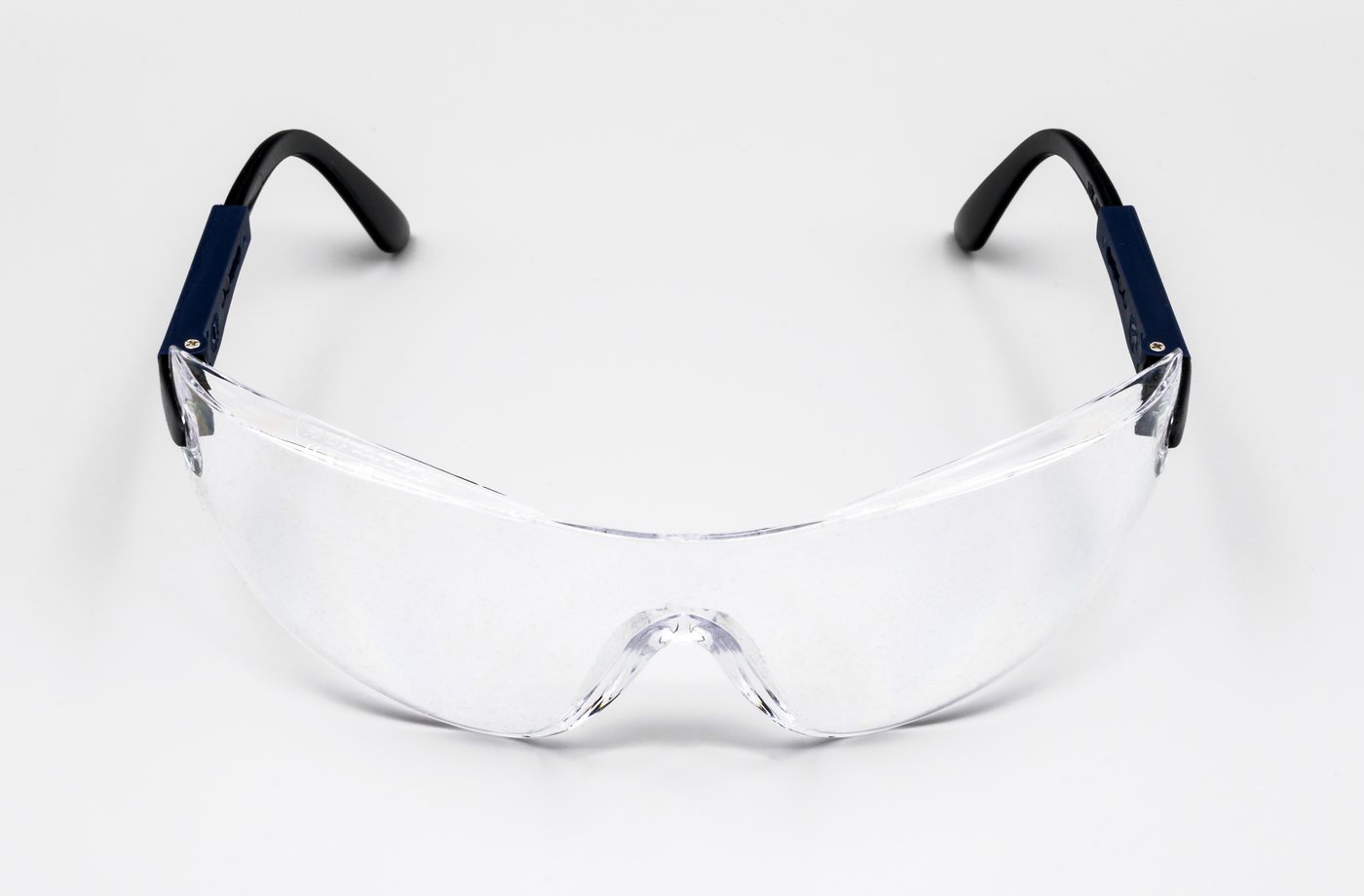
Clear safety goggles for eye protection (Source: Wikimedia Commons)
- Non-Slip Safety Boots reduce the risk of slips and provide protection from punctures.

Black non-slip safety boots (Source: Wikipedia (Boot))
- High-Visibility Clothing ensures workers are easily seen in busy environments like retail stores.
Proper Use and Maintenance of PPE
- PPE must be inspected before each use for damage or wear.
- Gloves and boots should be cleaned and dried after use to maintain insulation properties.
- Damaged PPE must be replaced immediately to avoid compromised protection.
- Workers should be trained on correct PPE donning and doffing techniques.
- PPE should be stored in clean, dry areas away from direct sunlight or chemicals.
2.1.6 First Aid
First aid readiness is crucial at installation sites to provide immediate care in case of accidents.
Components of an Effective First Aid Program
- First Aid Kits stocked with essentials such as bandages, antiseptics, and burn dressings.
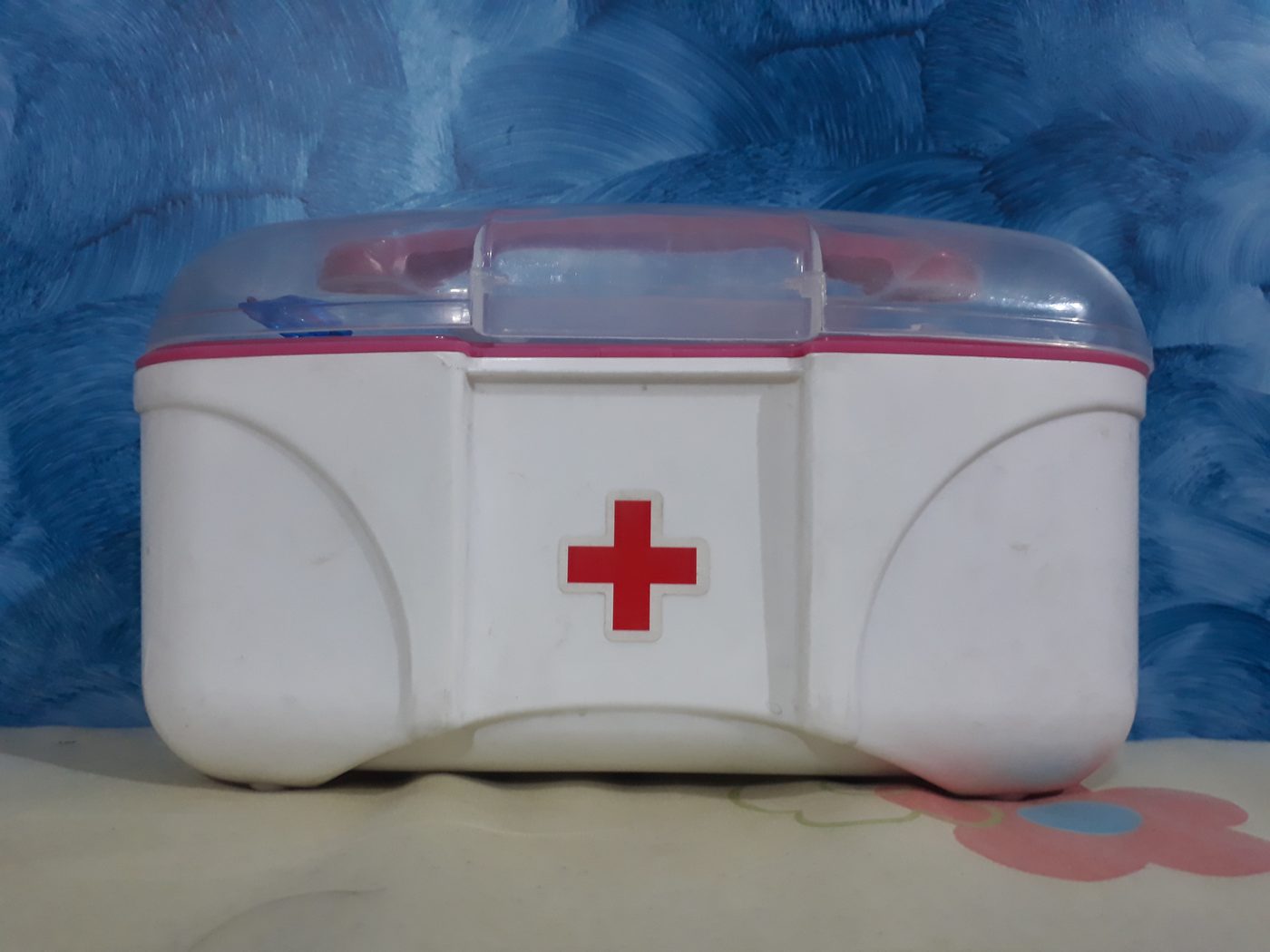
Plastic first aid kit box with red cross (Source: Wikimedia Commons)
- Trained First Aiders available on site to administer immediate care.
- Emergency Contact Information clearly displayed for quick access to medical services.
- Regular First Aid Drills to keep workers prepared for emergencies.
- Clear Procedures for Injury Reporting and Referral ensuring injured workers receive timely professional care.
2.1.7 Inspection and Electrical Equipment (IEE) Regulations
IEE regulations set technical standards for electrical installations, including bell and alarm wiring, to ensure safety and functionality.
Key Requirements under IEE Regulations
- Compliance with Wiring Codes specifying conductor sizes, insulation, and protective devices.
- Use of Approved Materials and Components that meet Kenyan Bureau of Standards (KEBS) guidelines.
- Proper Earthing and Bonding to prevent electric shocks and fires.
- Inspection and Testing Protocols before commissioning to verify safety and performance.
- Periodic Maintenance and Re-Inspection to detect deterioration or faults in installed systems.
2.1.8 Common Hazards and Sources of Danger
Bell and alarm wiring installation exposes workers to multiple hazards that require vigilance and control measures.
Typical Hazards Encountered
- Electric Shocks from contact with live wires, potentially fatal if uncontrolled.
- Burns caused by electrical faults or hot tools during installation.
- Cuts and Abrasions from sharp tools, cable ends, or metal components.
- Falls from Heights when working on ladders or elevated platforms in buildings like county offices.
- Falling Objects such as tools or materials dropped by workers above.
- Exposure to Noise from power tools or construction activities causing hearing damage.
- Dust and Chemical Exposure from insulation materials or cleaning agents affecting respiratory health.
2.1.9 Safe and Correct Handling, Use, Maintenance and Storage of Different Types of Tools
Proper management of tools is vital to prevent accidents and prolong their service life.
| Name |
Specification |
Use |
| Insulated Pliers |
1000V rated insulated handles |
Cutting and bending wires safely |
| Wire Strippers |
Adjustable jaw size, insulated |
Removing insulation without damaging wire |
| Screwdrivers |
Insulated shaft, various sizes |
Tightening/loosening electrical fittings |
| Voltage Tester |
Digital, non-contact |
Detecting live wires before work |
| Cable Cutters |
Hardened steel blades |
Cutting thick cables cleanly |
- Tools must be inspected before use for damage such as cracked insulation or blunt edges.
- Insulated tools should only be used for electrical work to prevent electric shock.
- After use, tools must be cleaned to remove dirt and corrosive substances.
- Tools should be stored in dry, secure locations to prevent damage and unauthorized use.
- Regular maintenance such as sharpening blades and tightening handles enhances safety and efficiency.
Practice Questions
- Explain five key clauses in the Occupational Safety and Health Act that apply to bell and alarm wiring installation. (10 marks)
- Describe the responsibilities of employers under OSHA to ensure safety during electrical installations. (10 marks)
- Outline the compensation provisions under the Work Injury Benefits Act for workers injured during installation work. (10 marks)
- List six essential safety procedures that should be followed before and during bell and alarm wiring installation. (12 marks)
- Identify and explain five types of personal protective equipment necessary for installation work. (10 marks)
- Discuss the components of an effective first aid program suitable for installation sites. (10 marks)
- What are the key requirements of IEE regulations that ensure safety in bell and alarm wiring systems? (10 marks)
- Describe six common hazards faced by installers of bell and alarm wiring systems and the potential risks of each. (12 marks)
- Provide a detailed explanation of the proper handling, use, maintenance, and storage of five essential tools used in bell and alarm wiring installation. (15 marks)
The rest of this chapter
🔒Create a free account to open more of this chapter.
Free: practical guides, quick cards, workplace scenarios and more.
Create a free account 🔒2.2 Electrical tools, equipment, and instruments
In the installation of bell and alarm wiring systems, the correct selection and use of electrical tools, equipment, and instruments are crucial for safety, efficiency, and quality of work. Across Kenya’s diverse professional environments such as county hospita…
🔒2.3 Use, Care and Maintenance of Tools, Equipment, and Instruments
In the installation of bell and alarm wiring systems, proper use, care, and maintenance of tools and equipment are essential to ensuring safety, efficiency, and longevity of the devices. In Kenyan workplaces such as county referral hospitals, universities, ban…
🔒2.4 Electrical Cable, Joints and Termination
In the installation of bell and alarm wiring systems, selecting appropriate cables, making secure joints, and ensuring proper terminations are critical for system reliability and safety. These aspects are fundamental in diverse Kenyan professional environments…
🔒2.5 Cable Management System
In the installation of bell and alarm wiring systems, efficient cable management is essential to ensure safety, functionality, and maintainability. In diverse Kenyan workplaces such as county government offices, hospitals, universities, and retail businesses,…
🔒2.6 Installation of Bell and Alarm Systems
Bell and alarm systems are critical components in modern security and communication infrastructure across Kenyan institutions such as hospitals, schools, banks, and government offices. Proper installation ensures reliability, safety, and ease of maintenance. T…
🔒2.7 Bell and alarm components
Bell and alarm systems are built from a small set of components: power sources, input devices that detect an event, control units that decide what to do, and output devices that make a sound or light. A technician who can name each component, say what it does…
Chapter Summary
This chapter covers the essential safety measures required for installing bell and alarm wiring systems, emphasizing compliance with relevant Acts such as OSHA and WIBA, proper use of PPE, first aid readiness, and adherence to IEE regulations while addressing common workplace hazards. It then explores the classification and specific types of electrical tools, equipment, and instruments used in the installation process, including cutting, measuring, and fixing tools, as well as advanced instruments like multimeters and insulation resistance meters. The chapter highlights the importance of proper use, care, and maintenance of these tools to ensure safety and efficiency. Detailed attention is given to electrical cables, their types, sizes, joints, and terminations, alongside the necessary bell and alarm accessories such as pattresses, junction boxes, and circuit breakers. Effective cable management systems are also discussed, including cable trays, ducts, bus-bars, conduits, and trunking, which organize and protect wiring installations. Finally, the chapter explains the installation requirements for bell and alarm systems, focusing on interpreting wiring diagrams and applying correct connection techniques to ensure functional and safe setups.
Self-Assessment
🔒 PDFDownload this self-assessment, with answers
A. Written Assessment
- Which clause of the Occupational Safety and Health Act (OSHA) requires employers to provide personal protective equipment (PPE) to employees? (2 marks)
- Identify three common hazards encountered during bell and alarm wiring installations and explain how each can be prevented. (3 marks)
🔒27 more in this section.
Chapter Examination Questions
🔒 PDFDownload these examination questions, with worked answers
SECTION A (40 Marks) - Answer ALL Questions
- Identify four key safety regulations under the Occupational Safety and Health Act (OSHA) that a technician must observe when installing bell and alarm wiring systems in a county referral hospital. (4 marks)
- Describe the role of Personal Protective Equipment (PPE) during the installation of alarm systems in a university setting. (4 marks)
🔒18 more in this section.
Chapter Practical Activities
Practical 1: Identify and Mitigate Hazards in Bell and Alarm Installation at Mock Site
Electrical Engineering · Level 5
Bell And Alarm Installation
PRACTICAL ASSESSMENT
TIME: 4 HOURS
⬇ PDFCandidate Instructions (Candidate Tool)
Type: Individual
INSTRUCTIONS TO CANDIDATE:
1. You are required to perform the following task:
i. Inspect a mock bell and alarm installation site (2m x 3m area) to identify common hazards and demonstrate at least five appropriate hazard mitigation measures.
2. You have been provided with the following resources for the practical task:
| Tools & Equipment | Materials |
|---|
| Insulated pliers | Mock bell and alarm installation setup |
| Screwdriver set | PVC insulated bell wiring cable 1.5 mm2 |
| Wire stripper | Bell unit 12V DC |
| Multimeter | Alarm siren 12V DC |
| Ladder | Personal Protective Equipment (PPE) set |
| Safety warning labels |
| Cleaning brush and waste bin |
⬇ PDFResources Required (Cutting List)
| S/N | Item | Quantity |
|---|
| 1 | Mock bell and alarm installation setup | 1 set per Candidate |
| 2 | PVC insulated bell wiring cable 1.5 mm2 | 5 m per Candidate |
| 3 | Bell unit 12V DC | 1 Pc per Candidate |
| 4 | Alarm siren 12V DC | 1 Pc per Candidate |
| 5 | Insulated pliers | 1 Pc per Candidate |
| 6 | Screwdriver set (flat & Phillips) | 1 set per Candidate |
| 7 | Wire stripper | 1 Pc per Candidate |
| 8 | Multimeter | 1 Pc per Candidate |
| 9 | Ladder (for access up to 2.5 m height) | 1 Pc per 3 Candidates |
| 10 | Personal Protective Equipment (PPE) set (gloves, safety boots, goggles, dustcoat) | 1 set per Candidate |
| 11 | Safety warning labels | 5 pcs per Candidate |
| 12 | Cleaning brush and waste bin | 1 set per Candidate |
⬇ PDFAssessor Guide
| Items to be Evaluated | Marks Available | Marks Obtained | Comments |
|---|
| TASK 1: Hazard Identification and Mitigation |
Wore full Personal Protective Equipment (gloves, safety boots, goggles, dustcoat)
(Award 2 marks if all PPE items worn correctly, else 0) | 2 | | |
Conducted a systematic inspection of the mock bell and alarm installation site
(Award 3 marks for thorough inspection covering all key areas) | 3 | | |
Identified at least five common hazards: electric shock, burns, cuts, falling from heights, falling objects, noise, dust, chemical exposure
(Award 1 mark for each correctly identified hazard, max 5) | 5 | | |
Demonstrated appropriate mitigation measures for each identified hazard (e.g. isolation of power, use of insulated tools, securing ladders, placing safety signage, cleaning dust)
(Award 1.2 marks per correct mitigation demonstrated, max 6) | 6 | | |
Applied good housekeeping by cleaning the working area and removing debris
(Award 2 marks if area is clean and organized before and after task) | 2 | | |
Used tools and equipment safely and correctly during inspection and mitigation
(Award 2 marks for safe and correct tool use, else 0) | 2 | | |
| Sub-Total | 20 | | |
| PRODUCT CHECKLIST |
Clear documentation or verbal report of identified hazards and mitigation measures
(Award 10 marks for complete and accurate hazard identification and mitigation report) | 10 | | |
| Sub-Total | 10 | | |
| GRAND TOTAL | 30 | | |
ASSESSMENT OUTCOME: ☐ Competent ☐ Not Yet Competent (competent if at least 50%)
Practical 2: Apply Safety Legislation During Bell and Alarm Wiring Installation
Electrical Engineering · Level 5
Bell And Alarm Installation
PRACTICAL ASSESSMENT
TIME: 4 HOURS
⬇ PDFCandidate Instructions (Candidate Tool)
Type: Individual
INSTRUCTIONS TO CANDIDATE:
1. You are required to perform the following task:
i. Install a bell and alarm wiring system on a 1.2m x 0.6m installation board applying OSHA and WIBA safety requirements.
2. You have been provided with the following resources for the practical task:
| Tools & Equipment | Materials |
|---|
| Multimeter | 1.5 mm2 PVC sheathed cable |
| Spirit level | Junction box |
| Screwdrivers | Bell unit |
| Pliers | Alarm unit |
| Cable clips |
| PPE (Gloves, Goggles, Safety boots, Dustcoat) |
⬇ PDFResources Required (Cutting List)
| S/N | Item | Quantity |
|---|
| 1 | 1.5 mm2 PVC sheathed cable | 10 Metres per Candidate |
| 2 | Junction box | 2 Pcs per Candidate |
| 3 | Bell unit | 1 Pc per Candidate |
| 4 | Alarm unit | 1 Pc per Candidate |
| 5 | Cable clips | 1 Packet per Candidate |
| 6 | Multimeter | 1 Pc per Candidate |
| 7 | PPE (Gloves, Goggles, Safety boots, Dustcoat) | 1 Set per Candidate |
| 8 | Spirit level | 1 Pc per Candidate |
| 9 | Screwdrivers and pliers | 1 Set per Candidate |
⬇ PDFAssessor Guide
| Items to be Evaluated | Marks Available | Marks Obtained | Comments |
|---|
| TASK 1: Safety Compliance During Installation |
Wore full personal protective equipment (gloves, goggles, safety boots, dustcoat)
(Award 2 marks for complete PPE, 0 if any missing) | 2 | | |
Ensured working area is clean and free from hazards before starting
(Award 2 marks for good housekeeping, 0 if not done) | 2 | | |
Used tools and equipment correctly and safely
(Award 2 marks for correct tool use, 0 if unsafe or incorrect) | 2 | | |
Applied correct cable handling and fixing techniques to avoid damage
(Award 2 marks for safe cable handling and fixing, 0 if not) | 2 | | |
Displayed appropriate safety signage or labels at work area
(Award 1 mark if signage/labels present, 0 if absent) | 1 | | |
Observed safe working distances and ergonomic postures during installation
(Award 1 mark for safe posture and distances, 0 if unsafe) | 1 | | |
| Sub-Total | 10 | | |
| TASK 2: Application of OSHA and WIBA Clauses |
Identified and explained relevant OSHA clauses applicable to bell and alarm installation
(Award up to 3 marks for accurate OSHA clause identification and explanation) | 3 | | |
Identified and explained relevant WIBA provisions related to workplace injury and compensation
(Award up to 3 marks for accurate WIBA provision identification and explanation) | 3 | | |
Demonstrated procedures for reporting and recording work injuries as per WIBA
(Award 2 marks for correct reporting procedures, 0 if incorrect) | 2 | | |
Implemented measures to minimize workplace risks in accordance with OSHA
(Award 2 marks for demonstrating risk minimization, 0 if none) | 2 | | |
| Sub-Total | 10 | | |
| PRODUCT CHECKLIST |
Installed bell and alarm wiring system is safe, secure, and complies with OSHA and WIBA safety standards
(Award up to 10 marks for final product safety compliance and workmanship) | 10 | | |
Correct cable fixing and neatness; cables fixed firmly and neatly with appropriate spacing
(Award up to 5 marks for neat and secure cable fixing) | 5 | | |
All cable terminations are correct, firm, and undamaged
(Award up to 5 marks for proper cable terminations) | 5 | | |
| Sub-Total | 20 | | |
| GRAND TOTAL | 40 | | |
ASSESSMENT OUTCOME: ☐ Competent ☐ Not Yet Competent (competent if at least 50%)
🔒Perform First Aid Procedures for Installation InjuriesPractical 3
🔒Classify and Select Electrical Tools for Bell and Alarm InstallationPractical 4
🔒Use and Maintain Cutting and Fixing Tools for Bell and Alarm InstallationPractical 5
🔒Measure and mark installation points for bell and alarm wiring systemPractical 6
🔒Operate and Maintain Equipment and Instruments for Bell and Alarm Wiring InstallationPractical 7
🔒Identify and select appropriate electrical cables for bell and alarm systemsPractical 8
🔒Perform cable terminations for bell and alarm wiring systemPractical 9
🔒Installation of Bell and Alarm Accessories and Fittings on Mock PanelPractical 10
🔒Install cable management systems for bell and alarm wiring on a 1m x 1m installation boardPractical 11
🔒Interpret and plan bell and alarm wiring installation from provided diagramsPractical 12
🔒Install and Connect Bell and Alarm Wiring SystemPractical 13
🔒Complete Installation of a Bell and Alarm Wiring System 1200mm x 800mmPractical 14
