
By the end of this chapter, you will be able to:
Mastering these skills will keep you safe and confident while working on cabinetry projects, helping you build quality cabinets without injury.
Compiled by: Michael Macharia
Cabinetry background preparation is an essential initial phase in the construction of cabinets, directly influencing the quality, durability, and finish of the final product. In Kenya’s carpentry and joinery sector, especially in workshops and onsite installations such as in hotels or county government offices, proper preparation ensures that cabinetry fits perfectly and functions effectively. This phase involves selecting and using the right tools and equipment as well as preparing suitable materials that form the foundation for cabinet assembly and installation. Understanding these preparatory elements equips carpentry professionals to deliver workmanship that meets both client expectations and industry standards.
In the carpentry and joinery profession, the selection and use of appropriate tools and equipment for cabinetry background preparation are critical for accuracy, efficiency, and safety. Kenyan carpenters working in diverse settings such as retail businesses or educational institutions must be familiar with these tools to achieve precise measurements, smooth surfaces, and correct alignments. The tools vary from manual hand tools to electric machinery, each serving specific functions during the preparation stage.
Accurate measurement and marking are foundational to cabinetry background preparation, ensuring components fit correctly and align properly.
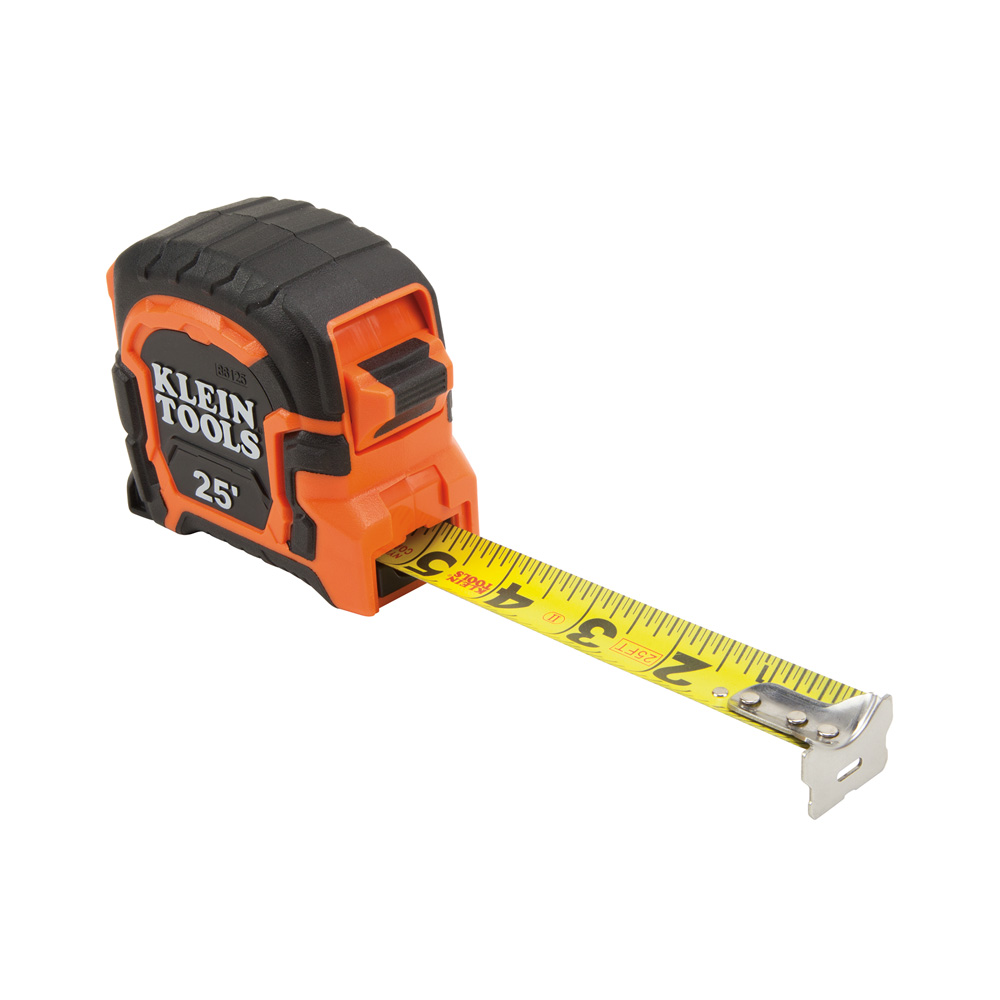
Retractable tape measure with yellow measuring tape (Source: Wikipedia (Tape measure))
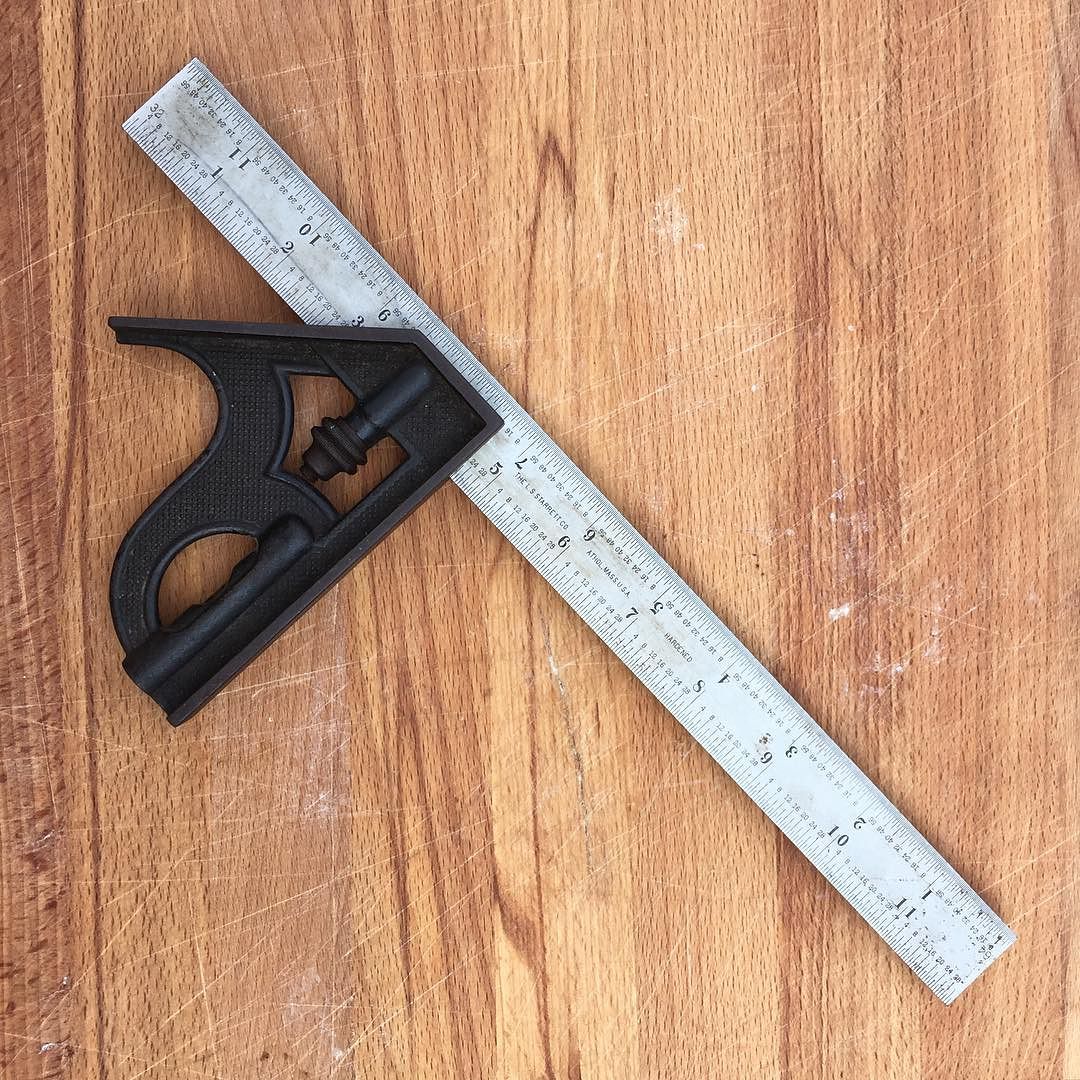
Combination square on wooden surface (Source: Wikipedia (Combination square))
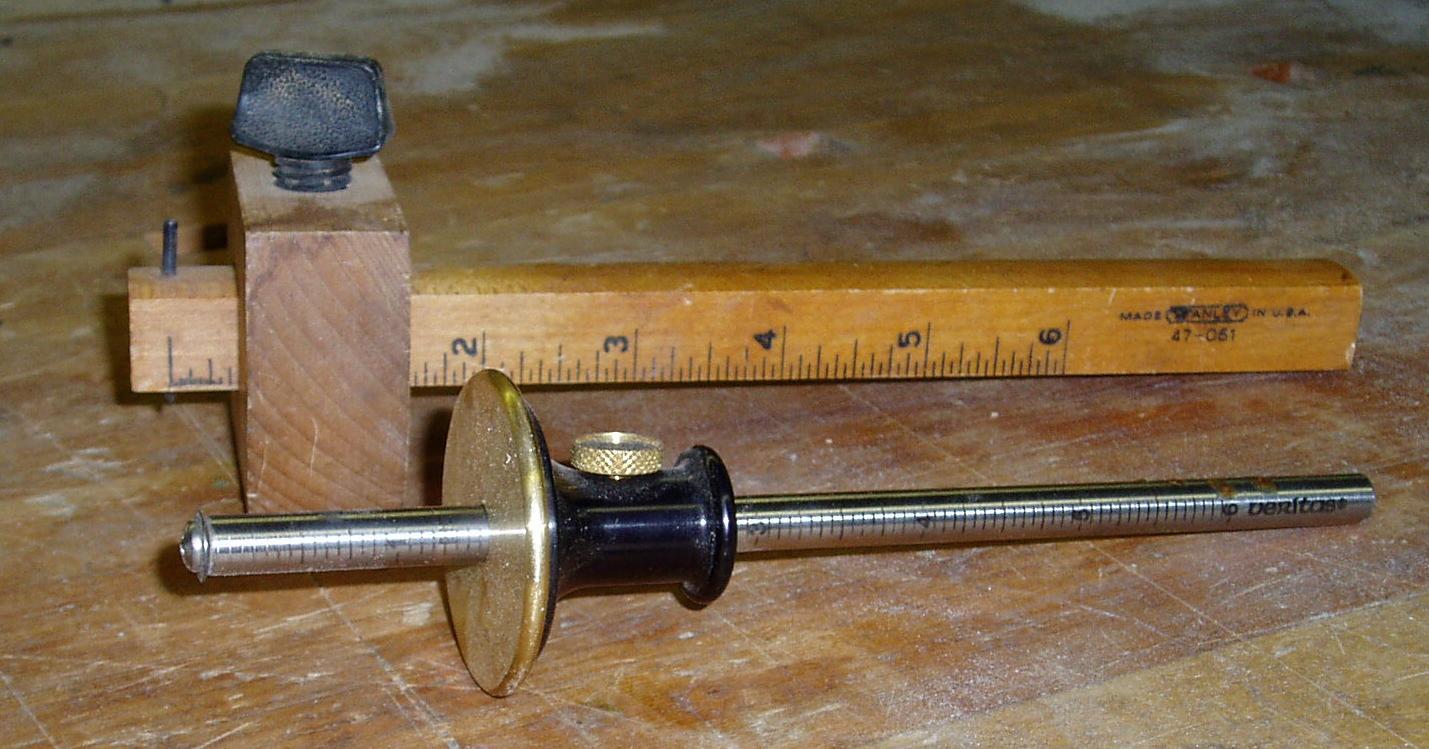
Two types of marking gauges on a wooden surface (Source: Wikipedia (Marking gauge))
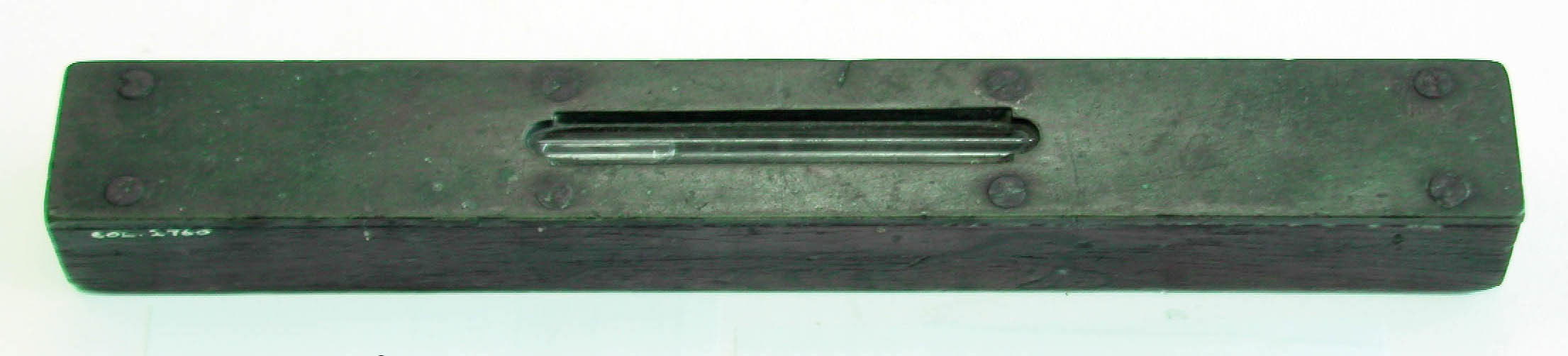
A traditional spirit level tool (Source: Wikimedia Commons)
Cutting tools prepare timber and other materials to the exact dimensions and shapes required for cabinetry backgrounds.
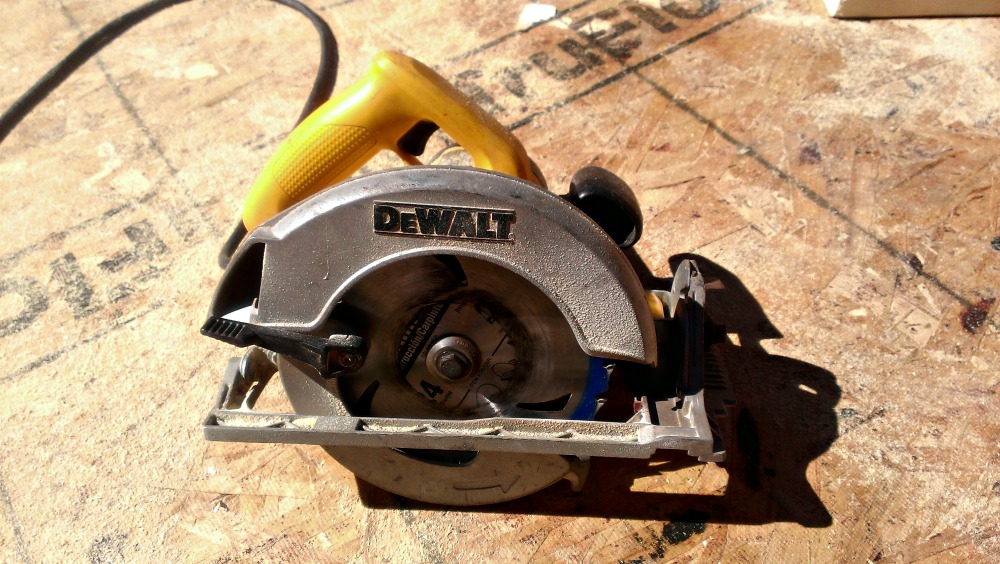
DeWalt circular saw on wooden surface (Source: Wikimedia Commons)
Jigsaw: Ideal for cutting curves and irregular shapes, useful when cabinetry requires customized background panels.
Chisels: Employed to remove small sections or refine joints, chisels are essential for detailed woodwork.
Power Planer: Used to smooth and level timber surfaces, ensuring even thickness and flatness of cabinetry backgrounds.
Tools for assembly and fixing secure the cabinetry background components together and prepare them for installation.
| Name | Specification | Use |
|---|---|---|
| Cordless Drill | 18V battery-powered | Drilling holes and driving screws efficiently |
| Hammer | 16 oz claw hammer | Driving nails and minor adjustments |
| Screwdrivers | Various sizes and types (Phillips, flathead) | Tightening and loosening screws |
| Nail Gun | Pneumatic or electric | Fast nailing for panel assembly |
| Clamps | Bar clamps, C-clamps | Holding pieces firmly during glue drying or assembly |
These tools prepare the cabinetry background surfaces for painting, staining, or laminating, enhancing durability and aesthetics.
Sanders (Orbital and Belt Sanders): These power tools smooth rough surfaces and edges, ensuring a professional finish.
Scrapers: Used to remove old paint, glue residues, or imperfections on the timber surface.
Putty Knives: Apply fillers to cracks or holes before sanding, creating a smooth surface.
Create a free account to open more of this chapter.
Free: practical guides, quick cards, workplace scenarios and more.
Create a free accountThis chapter covered the essential tools and equipment required for preparing cabinetry backgrounds, emphasizing their roles in ensuring accurate and efficient work. It then discussed various materials used in cabinetry background preparation, highlighting their suitability and application in different settings. The process of cabinetry background setting out was explained, focusing on precise measurements and alignment to guarantee a proper fit for the cabinets. Detailed attention was given to cabinetry background templating, including pilot hole drilling to facilitate fixture placement, plugging to secure fittings, and tracing to mark outlines for cutting or assembly. Finally, the chapter addressed effective housekeeping practices to maintain a safe and organized work environment throughout the cabinetry preparation process. These components collectively establish a strong foundation for successful cabinetry installation.
Type: Individual
| Tools & Equipment | Materials |
|---|---|
| Tape measure | Sawn softwood timber 100mm x 50mm x 1000mm |
| Try square | 75 mm wire nails |
| Cross cut saw | Safety boots |
| Tenon saw | Dust coat (Overall) |
| Chisel set (1/4", 1/2", 3/4") | Face mask |
| Wood pencil | |
| Claw hammer | |
| Mallet | |
| Sash clamp | |
| Portable electric saw | |
| Circular saw |
| S/N | Item | Quantity |
|---|---|---|
| 1 | Tape measure (5m) | 1 Pc per Candidate |
| 2 | Try square | 1 Pc per Candidate |
| 3 | Cross cut saw | 1 Pc per 5 Candidates |
| 4 | Tenon saw | 1 Pc per 5 Candidates |
| 5 | Chisel set (1/4", 1/2", 3/4") | 1 set per 5 Candidates |
| 6 | Wood pencil | 1 Pc per Candidate |
| 7 | Claw hammer | 1 Pc per 5 Candidates |
| 8 | Mallet | 1 Pc per 5 Candidates |
| 9 | Sash clamp | 1 Pc per 5 Candidates |
| 10 | Portable electric saw | 1 Pc per 5 Candidates |
| 11 | Circular saw | 1 Pc per 20 Candidates |
| 12 | Safety boots | 1 pair per Candidate |
| 13 | Dust coat (Overall) | 1 Pc per Candidate |
| 14 | Face mask | 1 Pc per Candidate |
| 15 | Sawn softwood timber 100mm x 50mm x 1000mm | 8 Pcs per Candidate |
| 16 | 75 mm wire nails | 20 Pcs per Candidate |
| Items to be Evaluated | Marks Available | Marks Obtained | Comments |
|---|---|---|---|
| TASK 1: Identification and use of cabinetry preparation tools | |||
| Wore Personal Protective Equipment: Safety boots, Dust coat (Overall), Face mask (Award 1 mark for each PPE donned as per workplace procedures) | 3 | ||
| Assembled all required tools and materials (Award 2 marks if all tools and materials are correctly assembled) | 2 | ||
| Measured and marked timber pieces accurately using tape measure, try square, and pencil (Award 1 mark for each correctly measured and marked timber piece x 3) | 3 | ||
| Cut timber pieces to length and shape using appropriate saws (cross cut saw, tenon saw, portable electric saw, circular saw) (Award 1 mark for each correctly cut timber piece or joint x 4) | 4 | ||
| Used chisels and mallet correctly to refine timber edges or joints (Award 3 marks for correct chisel and mallet use or 0) | 3 | ||
| Clamped timber pieces securely using sash clamp during preparation (Award 2 marks for proper clamping technique or 0) | 2 | ||
| Performed workplace housekeeping: cleared work area and returned tools to store (Award 1 mark for each housekeeping activity done x 1) | 1 | ||
| Sub-Total | 18 | ||
| PRODUCT CHECKLIST | |||
| Finished timber pieces measured 1000mm length with accurate marks and clean cuts (Award 4 marks for all pieces meeting measurement and cut specifications or 0) | 4 | ||
| Joints or edges refined with chisels showing neat workmanship (Award 3 marks for neat, precise chisel work or 0) | 3 | ||
| Timber pieces securely clamped and handled without damage (Award 2 marks for proper clamping and no damage or 0) | 2 | ||
| General appearance: clean, tidy, and professionally prepared timber pieces (Award 3 marks for overall neatness and professionalism or 0) | 3 | ||
| Interpretation of working drawing with correct dimensions and markings (Award 3 marks for correct interpretation or 0) | 3 | ||
| Sub-Total | 15 | ||
| GRAND TOTAL | 33 | ||
Type: Individual
| Tools & Equipment | Materials |
|---|---|
| Claw hammer | Plywood sheets 18mm thick 1200mm x 2400mm |
| Try square | Hardwood battens 50mm x 25mm x 1200mm |
| Tape measure | Wood glue |
| Wood pencil | 75mm wire nails |
| Hand saw | Sandpaper P120 |
| Chisels set | PPE (Safety boots, Dust mask, Overall) |
| S/N | Item | Quantity |
|---|---|---|
| 1 | Plywood sheets 18mm thick 1200mm x 2400mm | 1 sheet per Candidate |
| 2 | Hardwood battens 50mm x 25mm x 1200mm | 3 pcs per Candidate |
| 3 | Wood glue 500ml | 1 bottle per 5 Candidates |
| 4 | 75mm wire nails | 30 pcs per Candidate |
| 5 | Sandpaper P120 | 1 sheet per Candidate |
| 6 | Claw hammer | 1 pc per Candidate |
| 7 | Try square | 1 pc per Candidate |
| 8 | Tape measure 5m | 1 pc per Candidate |
| 9 | Wood pencil | 1 pc per Candidate |
| 10 | Hand saw | 1 pc per Candidate |
| 11 | Chisels set (1/4", 1/2", 3/4") | 1 set per 5 Candidates |
| 12 | Safety boots | 1 pair per Candidate |
| 13 | Dust mask | 1 per Candidate |
| 14 | Overall | 1 per Candidate |
| Items to be Evaluated | Marks Available | Marks Obtained | Comments |
|---|---|---|---|
| TASK 1: Preparation and selection of cabinetry background materials | |||
| Wore Personal Protective Equipment (Safety boots, Dust mask, Overall) (Award 1 mark each for correct PPE worn or 0) | 3 | ||
| Assembled all required tools and materials (Award 2 marks for complete assembly or 0) | 2 | ||
| Measured and marked plywood and battens accurately as per drawing (Award 1 mark each for plywood, battens, and marking or 0) | 3 | ||
| Cut plywood and battens to correct sizes (Award 3 marks for accurate cutting or 0) | 3 | ||
| Prepared battens by sanding and smoothing edges (Award 2 marks for proper sanding or 0) | 2 | ||
| Dry fitted battens to plywood to check fit (Award 2 marks for correct dry fitting or 0) | 2 | ||
| Applied wood glue and fixed battens to plywood using nails (Award 3 marks for proper gluing and nailing or 0) | 3 | ||
| Cleaned work area and returned tools to designated place (Award 2 marks for good housekeeping or 0) | 2 | ||
| Sub-Total | 20 | ||
| PRODUCT CHECKLIST | |||
| Plywood sheet and battens correctly cut to 1200mm x 2400mm and 50mm x 25mm x 1200mm respectively (Award 4 marks for correct dimensions or 0) | 4 | ||
| Battens firmly fixed to plywood with no loose joints (Award 3 marks for firm fixing or 0) | 3 | ||
| Edges and surfaces of battens and plywood smoothly finished (sanded) (Award 3 marks for smooth finish or 0) | 3 | ||
| Overall workmanship and general appearance of prepared background materials (Award 3 marks for good appearance or 0) | 3 | ||
| Sub-Total | 13 | ||
| GRAND TOTAL | 33 | ||
At the start of this chapter we promised you would be able to:
Tick each one you can genuinely do.
So, are you there yet?
You're competent when you can confidently do 50% or more of what this chapter promised.
Sign in to record how you're doing.