
By the end of this chapter, you will be able to:
These skills will help you build quality cabinets safely and efficiently, making you a valuable craftsman in the trade.
Compiled by: Michael Macharia
Cabinet construction is a core skill in carpentry and joinery, essential for producing functional and aesthetically pleasing furniture and storage solutions. This chapter focuses on the initial stage of cabinetry production: cutting out cabinetry members. Precision in cutting is critical to ensure that all parts fit together correctly, affecting the cabinet’s durability and appearance. Understanding the types of cabinetry and the necessary personal protective equipment (PPE) ensures that carpenters work safely and efficiently in Kenyan workshops and on-site environments.
Carpentry involves working with sharp tools, heavy materials, and potentially hazardous machinery. Proper use of PPE protects workers from injuries and promotes safety compliance in Kenyan workplaces, including furniture manufacturing firms and county government workshops. PPE reduces risks such as cuts, eye injuries, respiratory problems, and hearing damage.
Essential personal protective equipment (PPE) for construction workers (Source: PLUMB 5 LEARNING GUIDE-1 (1))
Several types of PPE are essential for carpentry professionals handling cabinetry:
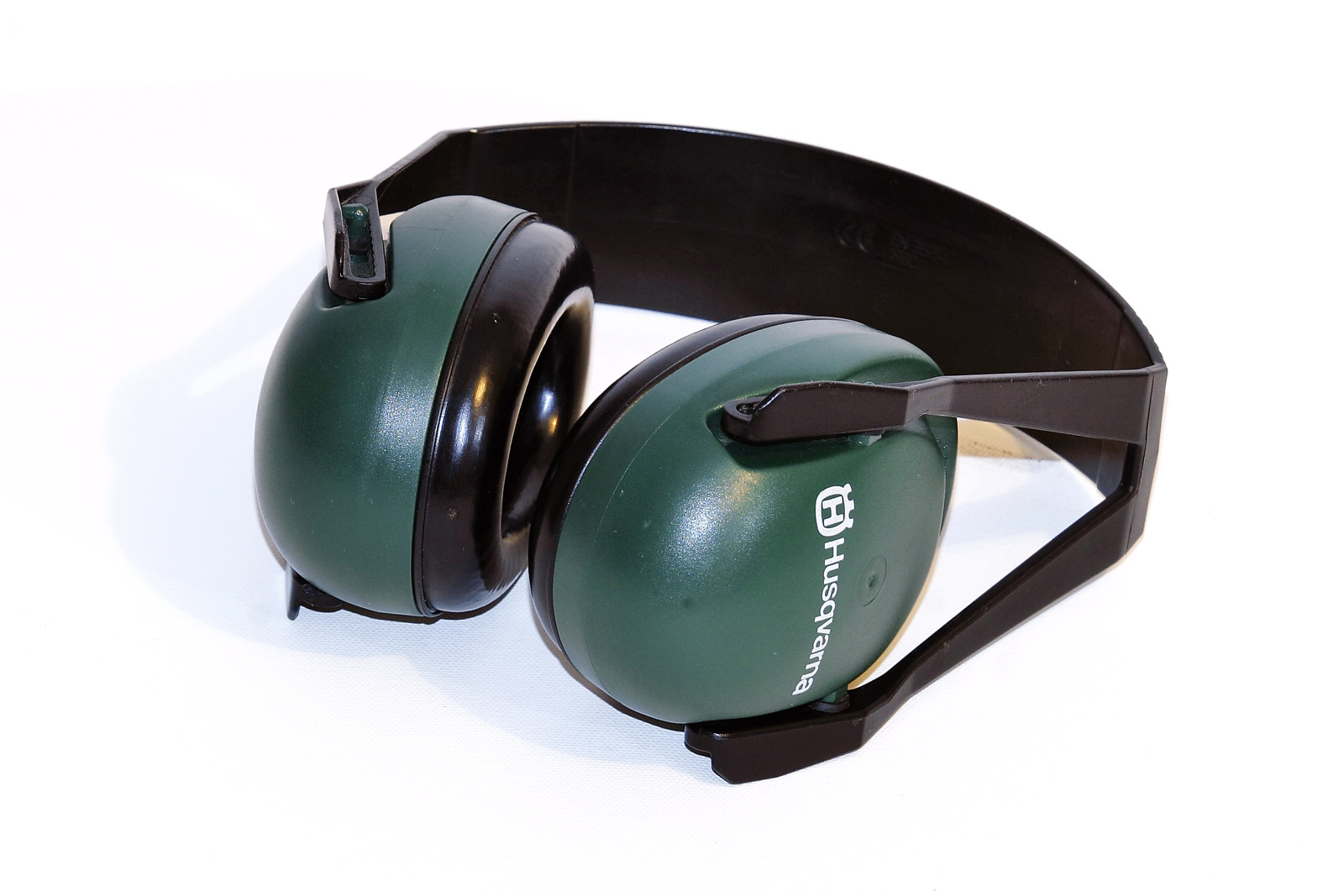
Green Husqvarna hearing protection earmuffs (Source: Wikimedia Commons)
Gloves: Cut-resistant gloves prevent hand injuries while handling sharp tools and rough timber surfaces.
Dust Masks or Respirators: These protect lungs from inhaling fine wood dust, which can cause respiratory issues over time.
The use of PPE is crucial for several reasons:
Choosing the right PPE depends on the specific carpentry task and environment:
Despite the clear benefits, challenges exist in PPE adoption:
Create a free account to open more of this chapter.
Free: practical guides, quick cards, workplace scenarios and more.
Create a free accountThis chapter provides a comprehensive overview of the essential aspects involved in cutting out cabinetry members. It begins by emphasizing the importance of carpentry personal protective equipment to ensure safety during cabinet construction. The different types of cabinetry are explored, distinguishing between fixed and portable units based on their intended use and mobility. Various materials used in cabinetry construction are examined, including plywood, fibre boards, block boards, and soft boards, each with unique properties suited to specific applications. The chapter then details the tools and equipment necessary for cabinetry work, covering marking, measuring, driving, boring, and cutting tools that facilitate precise fabrication. It further explains the marking out process for key cabinetry components such as drawers, shelves, cabinet doors, and bases, highlighting the need for accuracy. The cutting out of cabinetry members is discussed with attention to quality checks and cutting patterns to ensure the final products meet required standards. Finally, the chapter underscores the importance of good housekeeping practices in maintaining a safe and efficient work environment throughout the cabinetry construction process.
Which of the following is NOT considered essential personal protective equipment (PPE) in carpentry?
a) Safety goggles
b) Ear plugs
c) Casual sandals
d) Dust mask
(2 marks)
Differentiate between fixed and portable cabinetry, providing one example of each from typical Kenyan settings. (4 marks)
Type: Individual
| Tools & Equipment | Materials |
|---|---|
| Tape measure | Plywood sheets 18mm |
| Wood pencil | Blockboard sheets 25mm |
| Try square | Fibreboard sheets 6mm |
| Hand saw | Softboard sheets 9mm |
| Claw hammer | |
| Chisels set 1/4", 1/2", 3/4" |
| S/N | Item | Quantity |
|---|---|---|
| 1 | Plywood sheets 18mm thick 2440mm x 1220mm | 0.5 sheet per Candidate |
| 2 | Blockboard sheets 25mm thick 2440mm x 1220mm | 0.3 sheet per Candidate |
| 3 | Fibreboard sheets 6mm thick 2440mm x 1220mm | 0.4 sheet per Candidate |
| 4 | Softboard sheets 9mm thick 2440mm x 1220mm | 0.4 sheet per Candidate |
| 5 | Tape measure 5m | 1 Pc per Candidate |
| 6 | Wood pencil | 1 Pc per Candidate |
| 7 | Try square 300mm | 1 Pc per Candidate |
| 8 | Hand saw | 1 Pc per Candidate |
| 9 | Claw hammer | 1 Pc per Candidate |
| 10 | Chisels set 1/4", 1/2", 3/4" | 1 set per 5 Candidates |
| 11 | Safety boots | 1 pair per Candidate |
| 12 | Overalls | 1 per Candidate |
| 13 | Face mask | 1 per Candidate |
| Items to be Evaluated | Marks Available | Marks Obtained | Comments |
|---|---|---|---|
| TASK 1: Identification and Preparation of Cabinetry Materials | |||
| Wore Personal Protective Equipment (Safety boots, Overalls, Face mask) (Award 1 mark for each PPE worn correctly or 0) | 3 | ||
| Assembled required tools and materials (Award 2 marks if all tools and materials are assembled or 0) | 2 | ||
| Measured and marked plywood sheet accurately according to dimensions (Award 2 marks for correct measurement and marking or 0) | 2 | ||
| Measured and marked blockboard sheet accurately according to dimensions (Award 2 marks for correct measurement and marking or 0) | 2 | ||
| Measured and marked fibreboard sheet accurately according to dimensions (Award 2 marks for correct measurement and marking or 0) | 2 | ||
| Measured and marked softboard sheet accurately according to dimensions (Award 2 marks for correct measurement and marking or 0) | 2 | ||
| Cut the marked plywood sheet with precision (Award 3 marks for clean and accurate cuts or 0) | 3 | ||
| Cut the marked blockboard sheet with precision (Award 3 marks for clean and accurate cuts or 0) | 3 | ||
| Cut the marked fibreboard sheet with precision (Award 3 marks for clean and accurate cuts or 0) | 3 | ||
| Cut the marked softboard sheet with precision (Award 3 marks for clean and accurate cuts or 0) | 3 | ||
| Performed workplace housekeeping (cleared work area, returned tools) (Award 1 mark for each housekeeping activity or 0) | 2 | ||
| Sub-Total | 27 | ||
| PRODUCT CHECKLIST | |||
| Correct dimensions for plywood parts (length, width, thickness 18mm) (Award 3 marks if all plywood parts meet dimensions within ±5mm or 0) | 3 | ||
| Correct dimensions for blockboard parts (length, width, thickness 25mm) (Award 3 marks if all blockboard parts meet dimensions within ±5mm or 0) | 3 | ||
| Correct dimensions for fibreboard parts (length, width, thickness 6mm) (Award 3 marks if all fibreboard parts meet dimensions within ±5mm or 0) | 3 | ||
| Correct dimensions for softboard parts (length, width, thickness 9mm) (Award 3 marks if all softboard parts meet dimensions within ±5mm or 0) | 3 | ||
| Edges are cleanly cut and free from splinters on all board members (Award 4 marks if all edges are clean and smooth or 0) | 4 | ||
| Materials correctly selected and labelled for cabinetry use (Award 4 marks if materials are correctly identified and labelled or 0) | 4 | ||
| Final product matches the provided working drawing specifications (Award 6 marks if all parts conform to drawing or 0) | 6 | ||
| Sub-Total | 26 | ||
| GRAND TOTAL | 53 | ||
Type: Individual
| Tools & Equipment | Materials |
|---|---|
| Tape measure | Sawn softwood timber 18mm thick x 600mm wide x 1200mm long |
| Try square | Sawn softwood timber 18mm thick x 200mm wide x 1200mm long |
| Wood pencil | Sawn softwood timber 18mm thick x 600mm wide x 400mm long |
| Marking gauge | |
| Steel ruler |
| S/N | Item | Quantity |
|---|---|---|
| 1 | Sawn softwood timber 18mm thick x 600mm wide x 1200mm long | 2 Pcs per Candidate |
| 2 | Sawn softwood timber 18mm thick x 200mm wide x 1200mm long | 2 Pcs per Candidate |
| 3 | Sawn softwood timber 18mm thick x 600mm wide x 400mm long | 1 Pc per Candidate |
| 4 | Tape measure (5m) | 1 Pc per Candidate |
| 5 | Try square | 1 Pc per Candidate |
| 6 | Wood pencil | 1 Pc per Candidate |
| 7 | Marking gauge | 1 Pc per Candidate |
| 8 | Steel ruler | 1 Pc per Candidate |
| 9 | Personal Protective Equipment (Safety boots, Overalls, Gloves) | As appropriate |
| Items to be Evaluated | Marks Available | Marks Obtained | Comments |
|---|---|---|---|
| TASK 1: Use measuring and marking tools for cabinetry members | |||
| Wore Personal Protective Equipment (Safety boots, Overalls, Gloves) (Award 1 mark for each PPE donned as per workplace procedures) | 3 | ||
| Assembled all required tools and materials (Award 2 marks for assembling all required tools and materials or 0) | 2 | ||
| Measured timber members accurately according to specifications (Award 1 mark each for correctly measuring length, width, and thickness) | 3 | ||
| Marked out timber members clearly and accurately using marking tools (Award 1 mark each for clear, accurate marking on each timber member) | 3 | ||
| Checked markings for accuracy using try square and steel ruler (Award 2 marks for verifying accuracy of markings or 0) | 2 | ||
| Maintained clean and safe work area during the marking process (Award 1 mark for good housekeeping during task) | 1 | ||
| Sub-Total | 14 | ||
| PRODUCT CHECKLIST | |||
| Dimensional accuracy of measured and marked members (1200mm length, 600mm width, 400mm depth with ±5mm tolerance) (Award 2 marks for each dimension measured and marked correctly within tolerance) | 6 | ||
| Markings are clear, straight, and correctly positioned on all cabinetry members (Award 4 marks for quality and correctness of marking) | 4 | ||
| Use of appropriate measuring and marking tools demonstrated correctly (Award 3 marks for correct use of measuring and marking tools) | 3 | ||
| Final product matches the working drawing specifications (Award 3 marks if final marked members conform to drawing) | 3 | ||
| Sub-Total | 16 | ||
| GRAND TOTAL | 30 | ||
At the start of this chapter we promised you would be able to:
Tick each one you can genuinely do.
So, are you there yet?
You're competent when you can confidently do 50% or more of what this chapter promised.
Sign in to record how you're doing.