
By the end of this chapter, you will be able to:
Mastering these skills helps you deliver strong, durable timber structures while working safely and responsibly in your trade.
Compiled by: Michael Macharia
Timber framed structures are foundational elements in carpentry and joinery, especially given the widespread use of timber in residential and commercial buildings across Kenya. The finishing processes on these structures not only enhance their aesthetic appeal but also significantly improve their durability and safety. This chapter focuses on essential finishing practices such as the use of personal protective equipment (PPE) for carpenters and the application of surface treatments and preservatives to protect timber from environmental and biological degradation. Mastery of these topics ensures that carpentry professionals deliver high-quality, long-lasting timber framed structures that meet both client expectations and regulatory standards.
In the Kenyan carpentry and joinery sector, adherence to personal protective equipment (PPE) protocols is crucial for safeguarding workers from occupational hazards. Timber framing involves exposure to sharp tools, dust, chemical preservatives, and physical strain, all of which pose health and safety risks. Proper use of PPE not only reduces accidents but also aligns with Kenya's Occupational Safety and Health Act (OSHA) requirements, which mandate employers and workers to uphold workplace safety standards.
Personal protective equipment for carpentry and joinery encompasses a range of gear designed to protect different parts of the body from specific hazards encountered during timber framing and finishing.

Man wearing a safety helmet (Source: Wikimedia Commons)
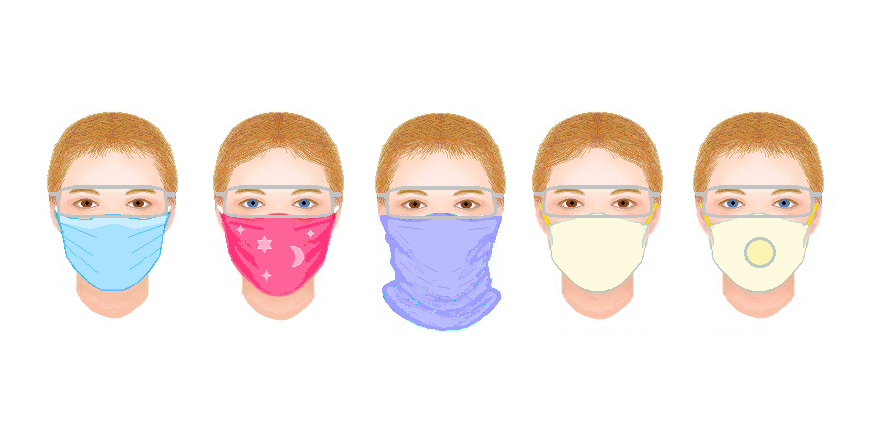
Various types of respiratory masks on faces (Source: Wikimedia Commons)

Pair of yellow work gloves used in carpentry (Source: Wikimedia Commons)
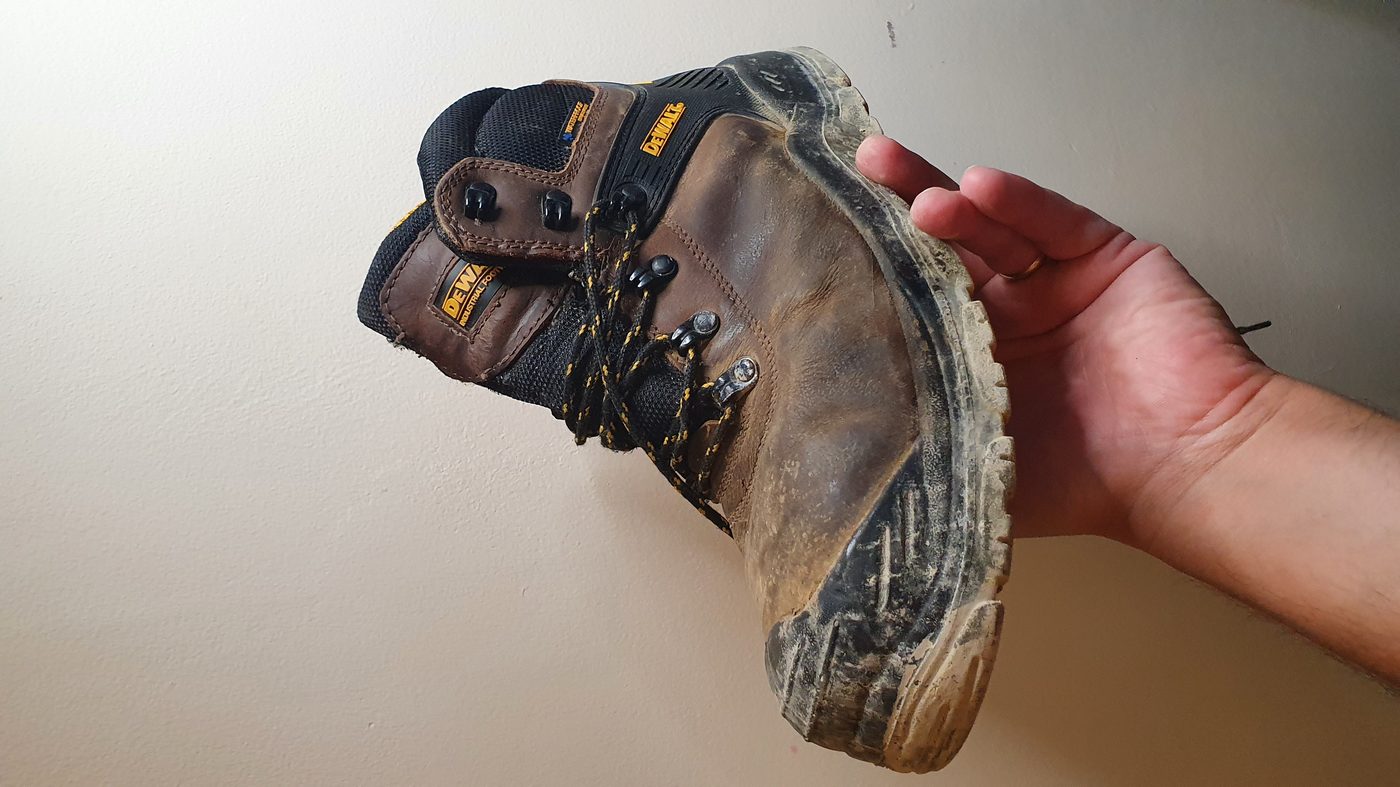
A single safety boot for industrial use (Source: Wikimedia Commons)
The use of PPE is fundamental in preventing injuries and maintaining health within timber framing operations across Kenya’s building industry. The significance of each protective item aligns with its role in mitigating specific risks.
Proper use and upkeep of PPE maximize its protective benefits and extend its service life, which is economically beneficial for carpentry businesses and individual professionals.
Despite awareness of PPE benefits, some carpentry sites in Kenya face challenges in consistent usage due to cost, discomfort, or lack of enforcement.
Create a free account to open more of this chapter.
Free: practical guides, quick cards, workplace scenarios and more.
Create a free accountThis chapter explored the essential personal protective equipment required for safe handling and finishing of timber framed structures. It detailed various surface treatments and preservatives used to protect timber from pests and moisture, including chemical treatments such as borate, creosote, and metallic salts, as well as moisture protection methods like oiling, painting, proper storage, and seasoning. The chapter also examined different cladding materials suitable for timber frames, covering natural timber, manufactured boards, and galvanized iron sheets. Installation techniques for wall second fixtures such as picture rails, dado rails, and pelmet boxes were discussed to enhance both functionality and aesthetics. Emphasis was placed on housekeeping practices, highlighting the importance of collecting and sorting timber waste and maintaining tools and equipment properly. Finally, the chapter addressed the recycling of timber waste, illustrating how discarded timber can be repurposed into handicrafts and consumer goods, promoting sustainability within construction projects.
Type: Individual
| Tools & Equipment | Materials |
|---|---|
| Paint brushes 50mm | Sawn softwood timber floor boards 1000mm x 150mm x 25mm |
| Sandpaper 120 grit | Borate preservative solution |
| Measuring tape 3m | Creosote solution |
| Wood pencil | Metallic salts treatment solution |
| Protective gloves | |
| Safety boots | |
| Face mask | |
| Overalls | |
| Cleaning cloths |
| S/N | Item | Quantity |
|---|---|---|
| 1 | Sawn softwood timber floor boards 1000mm x 150mm x 25mm | 3 Pcs per Candidate |
| 2 | Borate preservative solution (1 litre) | 0.5 Litre per Candidate |
| 3 | Creosote solution (1 litre) | 0.5 Litre per Candidate |
| 4 | Metallic salts treatment solution (1 litre) | 0.5 Litre per Candidate |
| 5 | Paint brushes 50mm | 2 Pcs per Candidate |
| 6 | Sandpaper 120 grit | 3 Sheets per Candidate |
| 7 | Protective gloves | 1 Pair per Candidate |
| 8 | Safety boots | 1 Pair per Candidate |
| 9 | Face mask | 1 per Candidate |
| 10 | Overalls | 1 per Candidate |
| 11 | Cleaning cloths | 2 Pcs per Candidate |
| 12 | Measuring tape 3m | 1 Pc per Candidate |
| 13 | Wood pencil | 1 Pc per Candidate |
| Items to be Evaluated | Marks Available | Marks Obtained | Comments |
|---|---|---|---|
| TASK 1: Preparation and Application of Surface and Pest Control Treatments | |||
| Wore Personal Protective Equipment (Safety boots, Face mask, Overalls, Gloves) (Award 1 mark for each PPE worn correctly or zero) | 4 | ||
| Assembled all required tools and materials before starting (Award 2 marks for assembling all tools and materials or zero) | 2 | ||
| Measured and marked timber floor boards accurately (1000mm x 150mm x 25mm) (Award 1 mark each for correct length, width and thickness marking or zero) | 3 | ||
| Prepared timber surfaces by sanding all boards evenly with 120 grit sandpaper (Award 3 marks for uniform sanding of all boards or zero) | 3 | ||
| Applied borate preservative treatment uniformly on one board using brush (Award 4 marks for correct application with no missed spots or runs or zero) | 4 | ||
| Applied creosote treatment uniformly on second board using brush (Award 4 marks for correct application with no missed spots or runs or zero) | 4 | ||
| Applied metallic salts treatment uniformly on third board using brush (Award 4 marks for correct application with no missed spots or runs or zero) | 4 | ||
| Cleaned work area and returned tools and unused materials to store (Award 2 marks for thorough housekeeping or zero) | 2 | ||
| Sub-Total | 26 | ||
| PRODUCT CHECKLIST | |||
| Timber floor boards treated with borate, creosote, and metallic salts showing uniform coverage (Award 3 marks for uniform, complete treatment on all boards or zero) | 3 | ||
| Boards measured correctly to 1000mm length, 150mm width, and 25mm thickness after treatment (Award 1 mark each for length, width, and thickness within ±5mm tolerance or zero) | 3 | ||
| No visible damage or defects on timber surfaces after treatment (Award 2 marks for clean, undamaged surfaces or zero) | 2 | ||
| Proper disposal of waste materials and used cloths (Award 2 marks for correct waste disposal or zero) | 2 | ||
| Sub-Total | 10 | ||
| GRAND TOTAL | 36 | ||
Type: Individual
| Tools & Equipment | Materials |
|---|---|
| Paint brush 75mm | Sawn softwood timber floor boards 1000mm x 150mm x 25mm |
| Sandpaper 120 grit | Moisture barrier membrane (bituminous sheet) |
| Cleaning cloth | Timber oil (linseed oil) |
| Protective gloves |
| S/N | Item | Quantity |
|---|---|---|
| 1 | Sawn softwood timber floor boards 1000mm x 150mm x 25mm | 4 Pcs per Candidate |
| 2 | Moisture barrier membrane (bituminous sheet) | 1 sheet 1m x 1m per Candidate |
| 3 | Timber oil (linseed oil) | 0.5 liters per Candidate |
| 4 | Paint brush 75mm | 1 Pc per Candidate |
| 5 | Sandpaper 120 grit | 2 sheets per Candidate |
| 6 | Cleaning cloth | 2 Pcs per Candidate |
| 7 | Protective gloves | 1 pair per Candidate |
| 8 | Safety boots | 1 pair per Candidate |
| 9 | Overall | 1 Pc per Candidate |
| 10 | Face mask | 1 Pc per Candidate |
| Items to be Evaluated | Marks Available | Marks Obtained | Comments |
|---|---|---|---|
| TASK 1: Preparation and PPE | |||
| Wore personal protective equipment: safety boots, overall, face mask, protective gloves (Award 1 mark for each PPE correctly worn or zero) | 4 | ||
| Sub-Total | 4 | ||
| TASK 2: Surface Preparation | |||
| Measured and inspected timber boards for defects (Award 1 mark if correctly done or zero) | 1 | ||
| Sanded timber surface evenly using 120 grit sandpaper (Award 2 marks for even sanding or zero) | 2 | ||
| Cleaned dust and debris from timber surface using cleaning cloth (Award 1 mark if surface cleaned properly or zero) | 1 | ||
| Sub-Total | 4 | ||
| TASK 3: Application of Moisture Barrier | |||
| Cut moisture barrier membrane to fit timber board surface (Award 2 marks for accurate cutting or zero) | 2 | ||
| Fixed moisture barrier membrane smoothly on timber surface without wrinkles (Award 3 marks for smooth, wrinkle-free application or zero) | 3 | ||
| Sub-Total | 5 | ||
| TASK 4: Application of Timber Oil | |||
| Applied linseed oil evenly on the timber surface using paint brush (Award 3 marks for even application without pooling or missed spots or zero) | 3 | ||
| Allowed oil to penetrate timber for the recommended time (Award 1 mark for adherence to curing time or zero) | 1 | ||
| Applied a second coat of oil evenly as per instructions (Award 2 marks for proper second coat application or zero) | 2 | ||
| Sub-Total | 6 | ||
| TASK 5: Workplace Housekeeping | |||
| Cleared work area of waste and excess materials (Award 1 mark if area cleared or zero) | 1 | ||
| Returned tools and unused materials to store (Award 1 mark if tools returned properly or zero) | 1 | ||
| Sub-Total | 2 | ||
| PRODUCT CHECKLIST | |||
| Moisture barrier membrane correctly fixed on timber boards without wrinkles or gaps (Award 3 marks for proper membrane fixing or zero) | 3 | ||
| Timber boards evenly and fully coated with linseed oil with no missed spots or pooling (Award 4 marks for uniform oil finish or zero) | 4 | ||
| Timber boards free from surface defects after treatment (Award 2 marks if boards are defect-free or zero) | 2 | ||
| Dimensions of timber boards maintained at 1000mm x 150mm x 25mm within ±5mm tolerance (Award 3 marks if dimensions are within tolerance or zero) | 3 | ||
| Sub-Total | 12 | ||
| GRAND TOTAL | 33 | ||
At the start of this chapter we promised you would be able to:
Tick each one you can genuinely do.
So, are you there yet?
You're competent when you can confidently do 50% or more of what this chapter promised.
Sign in to record how you're doing.