
Compiled by: Michael Macharia
Constructing timber framed structures is a fundamental skill for carpentry and joinery professionals in Kenya, especially as demand grows for sustainable and cost-effective building methods. Timber frames form the skeleton of many residential, commercial, and institutional buildings, providing structural integrity and flexibility in design. Mastery of appropriate construction methods and safety practices ensures durability and compliance with building standards, crucial for sectors ranging from county government offices to private housing developments.
Effective use of personal protective equipment (PPE) is vital in timber frame construction to safeguard workers from common hazards such as sharp tools, falling objects, and airborne dust. In Kenya, adherence to PPE standards aligns with the Occupational Safety and Health Act and contributes to reducing workplace injuries in carpentry sites, including those at schools and hospitals. Understanding the types, correct usage, and maintenance of PPE promotes a safe working environment and enhances productivity.
In timber framing, PPE encompasses several specialized items designed to protect different parts of the body from injury or exposure to hazards.
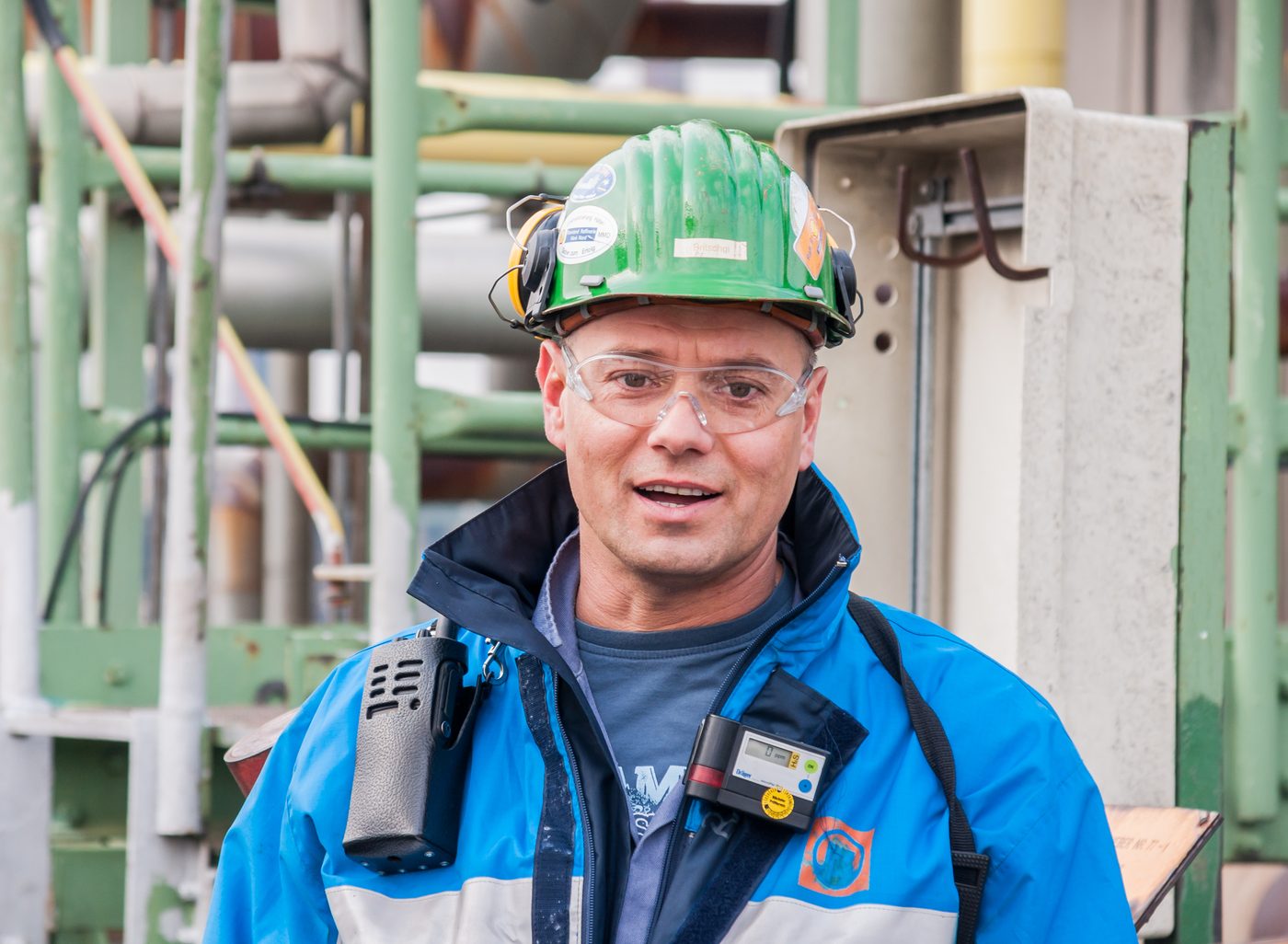
Green hard hat worn by worker (Source: Wikipedia (Hard hat))
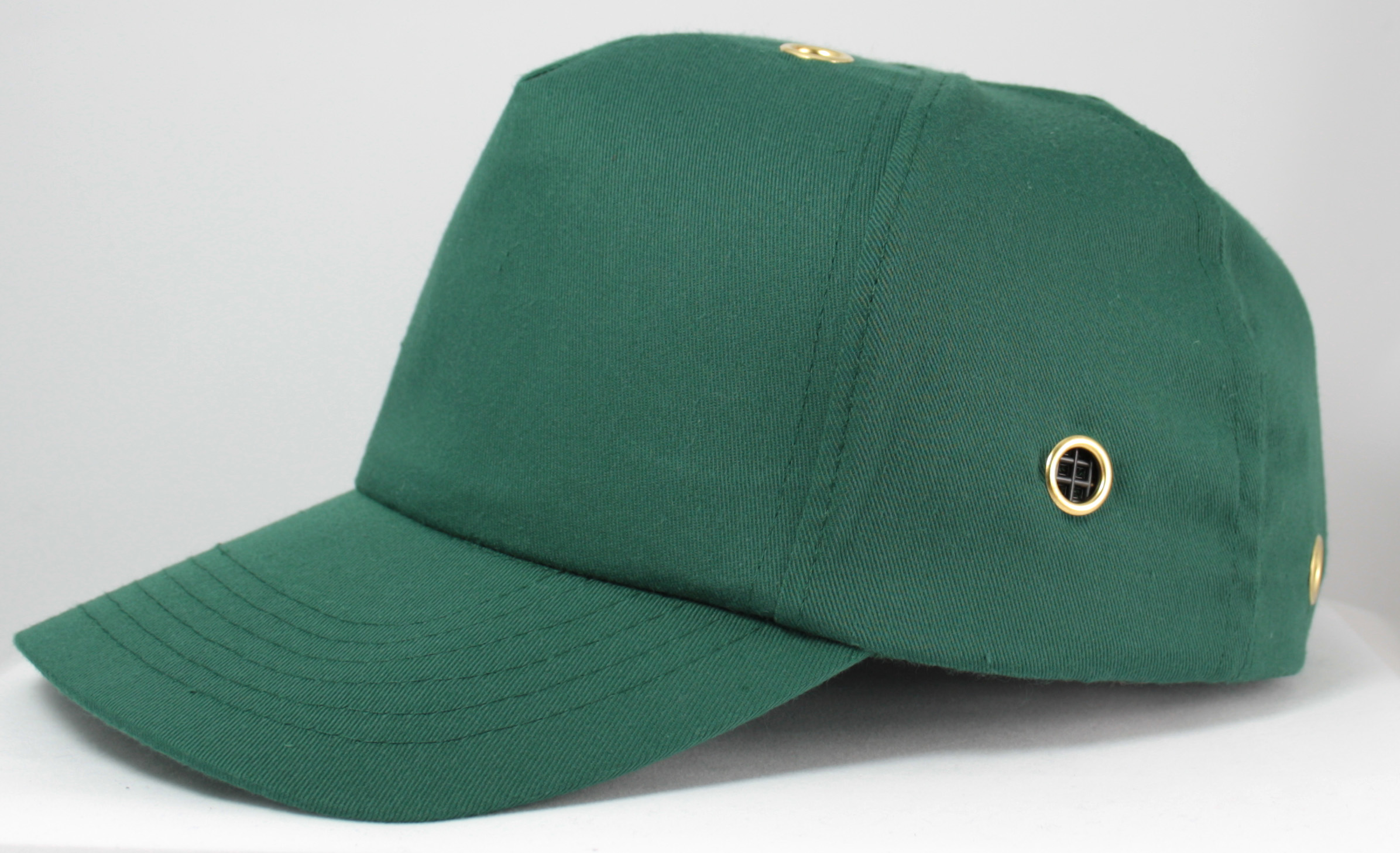
green bump cap for head protection (Source: Wikimedia Commons)
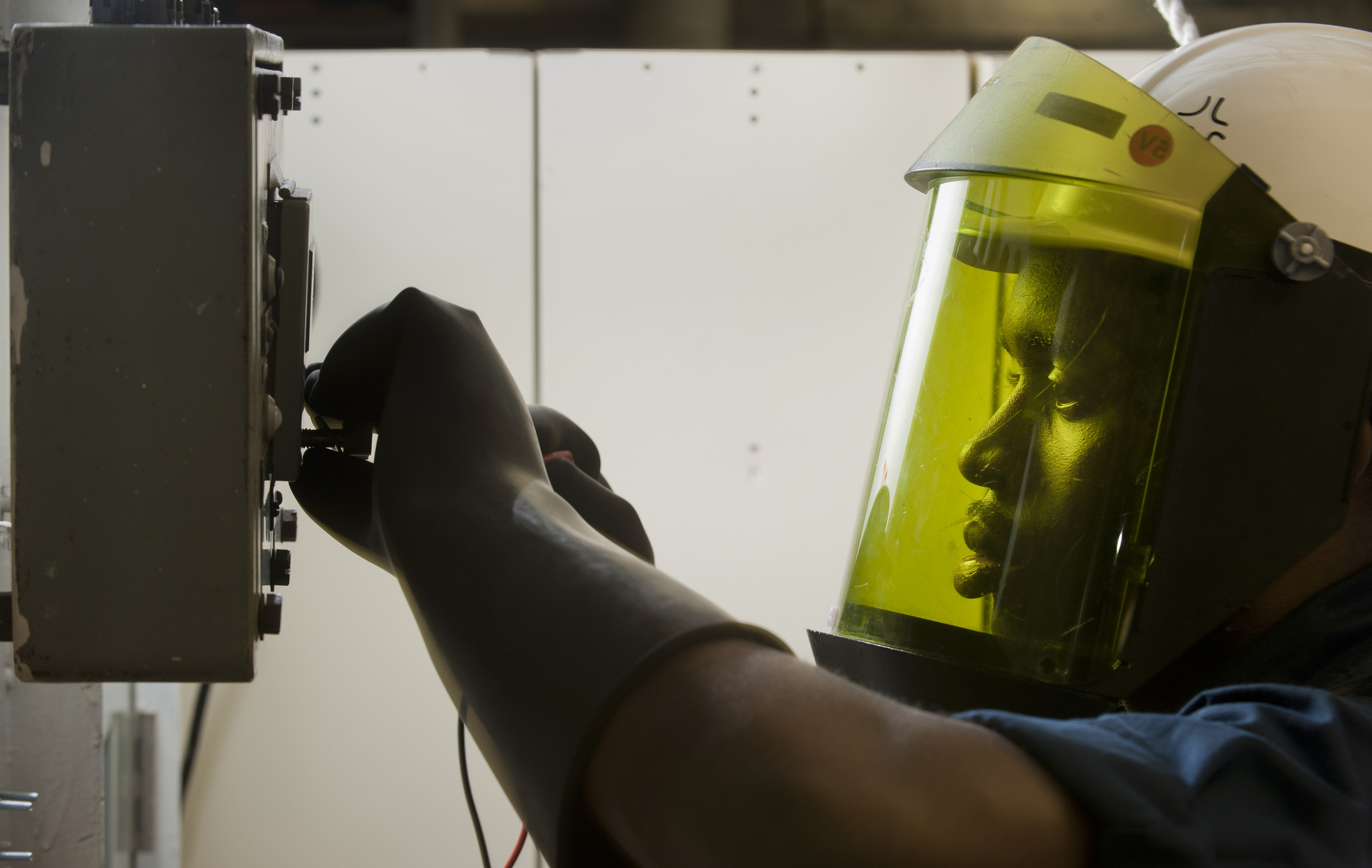
Person wearing a yellow face shield (Source: Wikipedia (Face shield))
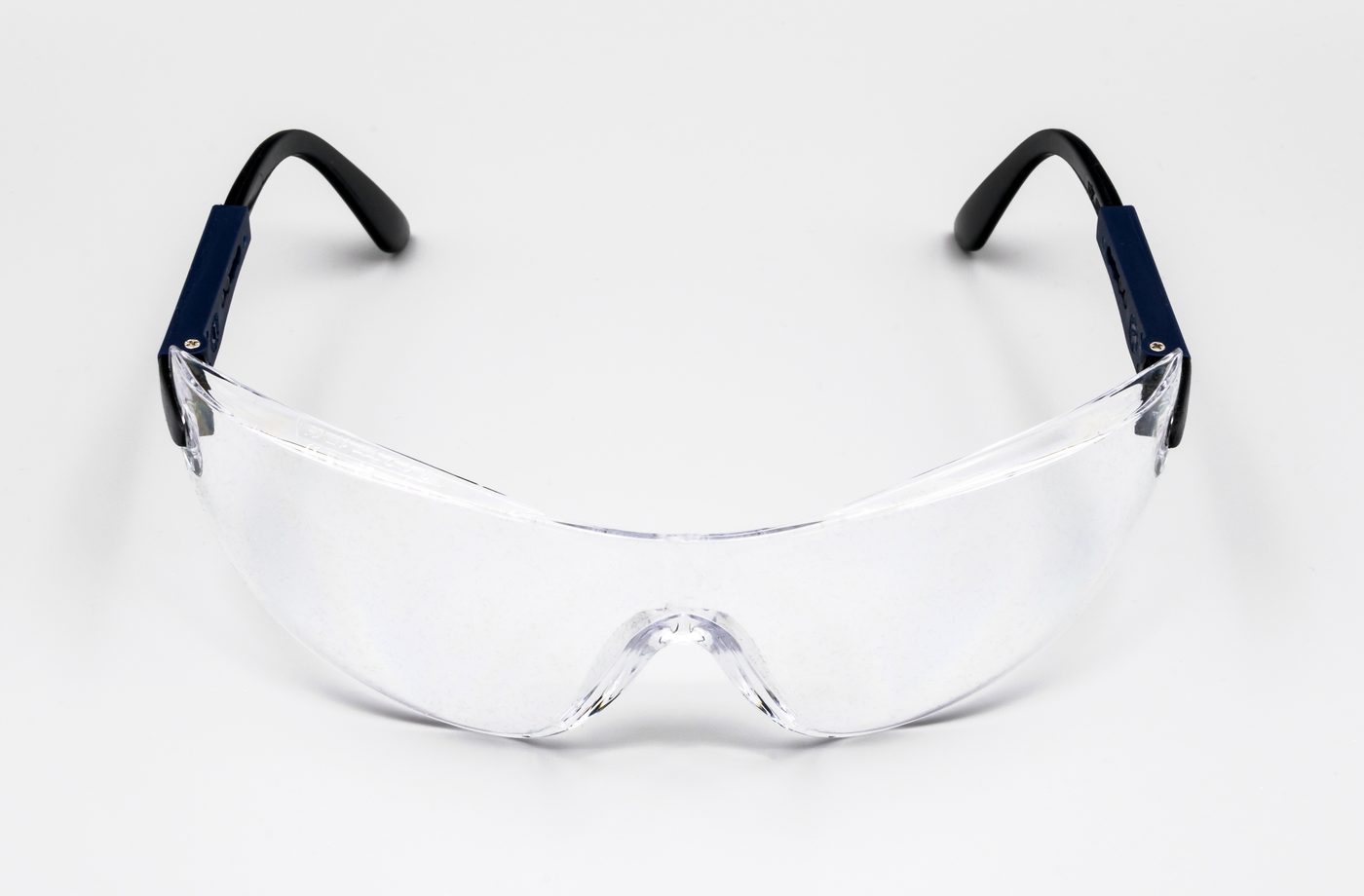
Clear safety goggles for eye protection (Source: Wikimedia Commons)
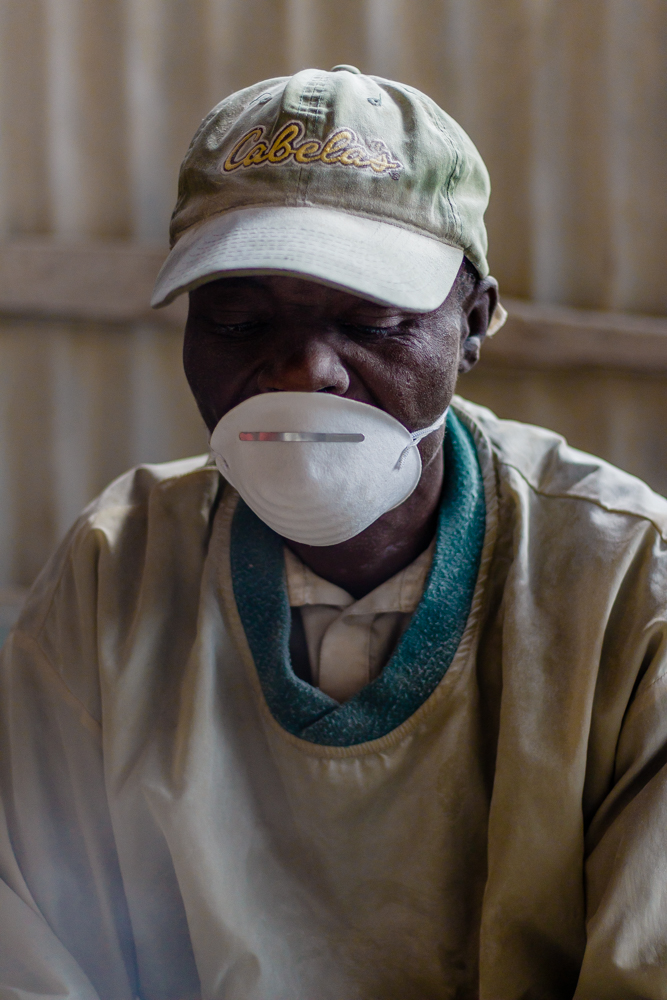
Person wearing a dust mask (Source: Wikimedia Commons)
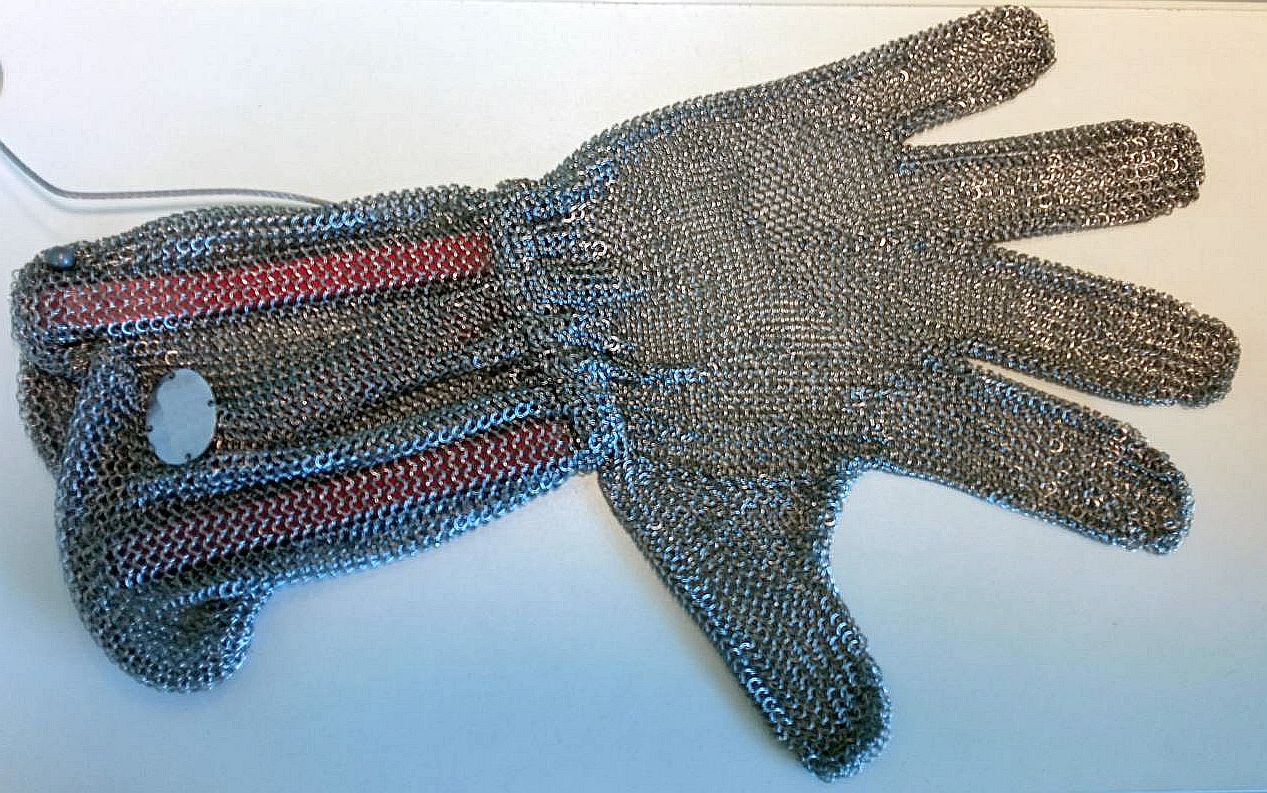
Metal mesh cut-resistant glove (Source: Wikimedia Commons)
Correct usage and upkeep of PPE ensure maximum effectiveness and longevity, reducing replacement costs and maintaining safety standards on sites such as retail business renovations or cooperative housing projects.
Kenya’s occupational safety regulations mandate the provision and use of PPE on construction sites to minimize workplace accidents and health risks.
Proper PPE use reduces injury rates and occupational illnesses, which directly influences productivity and morale on timber framing projects.
Create a free account to open more of this chapter.
Free: practical guides, quick cards, workplace scenarios and more.
Create a free accountThis chapter covers the essential aspects of constructing timber framed structures, beginning with the importance of personal protective equipment to ensure safety during all phases of work. It then explores the two primary methods of timber frame construction, balloon and platform construction, detailing their distinctive processes. The chapter reviews the various materials used in timber framing, including timber, manufactured boards, plywood, and bamboo, highlighting their specific roles and properties. Setting out timber framed structures is explained through the identification of necessary tools, the step-by-step procedure, and the techniques for accurate marking of dimensions. Preparation of materials involves proper cutting and assembly methods supported by appropriate tools to ensure precision and stability. The erection and fixing stage emphasizes safety precautions, the selection of fixing tools and materials, and techniques for achieving correct levelling and squareness of the frame. Finally, the chapter outlines relevant building regulations that govern timber framed structures to ensure compliance with construction standards.
Which of the following is NOT considered essential personal protective equipment (PPE) when erecting timber framed structures? (2 marks)
a) Safety goggles
b) Ear plugs
c) Latex gloves
d) Hard hat
Describe the main difference between balloon frame construction and platform frame construction. (4 marks)
Type: Individual
| Tools & Equipment | Materials |
|---|---|
| Tape measure | Sawn softwood timber 100x50x3000mm |
| Try square | Sawn softwood timber 100x50x2400mm |
| Claw hammer | Sawn softwood timber 50x50x2400mm (studs) |
| Tenon saw | Moulded skirting piece 100x25x3000mm |
| Wood pencil | Round wire nails 75mm |
| Spirit level | Personal Protective Equipment |
| Sash clamp |
| S/N | Item | Quantity |
|---|---|---|
| 1 | Sawn softwood timber 100mm x 50mm x 3000mm | 2 Pcs per Candidate |
| 2 | Sawn softwood timber 100mm x 50mm x 2400mm | 2 Pcs per Candidate |
| 3 | Sawn softwood timber 50mm x 50mm x 2400mm (studs) | 6 Pcs per Candidate |
| 4 | Moulded skirting piece 100mm x 25mm x 3000mm | 1 Pc per Candidate |
| 5 | Tape measure (5m) | 1 Pc per Candidate |
| 6 | Try square | 1 Pc per Candidate |
| 7 | Claw hammer | 1 Pc per Candidate |
| 8 | Tenon saw | 1 Pc per Candidate |
| 9 | Wood pencil | 1 Pc per Candidate |
| 10 | Spirit level | 1 Pc per Candidate |
| 11 | Sash clamp | 1 Pc per 3 Candidates |
| 12 | Round wire nails 75mm (3 inches) | 30 Pcs per Candidate |
| 13 | Personal Protective Equipment (Safety boots, Helmet, Overall) | As appropriate |
| Items to be Evaluated | Marks Available | Marks Obtained | Comments |
|---|---|---|---|
| TASK 1: Setting Out Timber Framed Wall Structure | |||
| Wore Personal Protective Equipment: Safety boots, Helmet, Overall (Award 1 mark each for correct PPE worn) | 3 | ||
| Assembled all required tools and materials (Award 2 marks if all tools and materials are ready before starting) | 2 | ||
| Measured and marked the wall plates (3000mm length) accurately (Award 2 marks for correct measurement and marking) | 2 | ||
| Measured and marked the studs (2400mm height) accurately spaced at 600mm centers (Award 1 mark for each correctly measured and marked stud position, max 3 marks) | 3 | ||
| Used try square and spirit level to ensure right angles and level markings (Award 2 marks for proper use of marking tools) | 2 | ||
| Marked positions for skirting board and top rail accurately (Award 2 marks for correct marking of skirting and top rail positions) | 2 | ||
| Checked and confirmed all markings before cutting (Award 1 mark for confirmation step) | 1 | ||
| Performed workplace housekeeping: cleared work area and returned tools (Award 1 mark each for clearing and returning tools) | 2 | ||
| Sub-Total | 17 | ||
| PRODUCT CHECKLIST | |||
| Finished timber framed wall structure correctly set out to 3000mm length and 2400mm height (Award 4 marks for accuracy within ±5mm tolerance) | 4 | ||
| Studs correctly spaced at 600mm centers with tolerance ±5mm (Award 3 marks for correct stud spacing) | 3 | ||
| Markings square and level verified with try square and spirit level (Award 3 marks for correct squareness and level) | 3 | ||
| Skirting and top rail markings correctly positioned (Award 2 marks for correct marking positions) | 2 | ||
| General neatness and clarity of markings (Award 1 mark for neat, clear marking lines) | 1 | ||
| Sub-Total | 13 | ||
| GRAND TOTAL | 30 | ||
Type: Individual
| Tools & Equipment | Materials |
|---|---|
| Tenon saw | Sawn softwood timber 100mm x 50mm x 1000mm |
| Crosscut saw | Sawn softwood timber 50mm x 50mm x 1000mm |
| Chisel set (1/4", 1/2", 3/4") | Plywood sheet 6mm thick 1200mm x 600mm |
| Claw hammer | Bamboo poles 25mm diameter x 1000mm length |
| Try square | Round wire nails 75mm (3") |
| Tape measure (5m) | Personal Protective Equipment (Safety boots, Overall, Face mask) |
| Wood pencil | |
| Mallet | |
| Sash clamp |
| S/N | Item | Quantity |
|---|---|---|
| 1 | Sawn softwood timber 100mm x 50mm x 1000mm | 8 Pcs per Candidate |
| 2 | Sawn softwood timber 50mm x 50mm x 1000mm | 2 Pcs per Candidate |
| 3 | Plywood sheet 6mm thick 1200mm x 600mm | 1 Pc per Candidate |
| 4 | Bamboo poles 25mm diameter x 1000mm length | 2 Pcs per Candidate |
| 5 | Round wire nails 75mm (3") | 30 Pcs per Candidate |
| 6 | Try square | 1 Pc per Candidate |
| 7 | Tenon saw | 1 Pc per Candidate |
| 8 | Crosscut saw | 1 Pc per Candidate |
| 9 | Chisel set (1/4", 1/2", 3/4") | 1 Set per 5 Candidates |
| 10 | Claw hammer | 1 Pc per Candidate |
| 11 | Tape measure (5m) | 1 Pc per Candidate |
| 12 | Wood pencil | 1 Pc per Candidate |
| 13 | Mallet | 1 Pc per 5 Candidates |
| 14 | Sash clamp | 1 Pc per 5 Candidates |
| 15 | Personal Protective Equipment (Safety boots, Overall, Face mask) | As appropriate |
| Items to be Evaluated | Marks Available | Marks Obtained | Comments |
|---|---|---|---|
| TASK 1: Preparation and cutting of timber materials | |||
| Wore Personal Protective Equipment (Safety boots, Overall, Face mask) (Award 1 mark for each PPE worn correctly or zero) | 3 | ||
| Assembled all required tools and materials (Award 2 marks for complete assembly or zero) | 2 | ||
| Measured and marked timber pieces accurately according to the drawing (Award 1 mark for each correctly measured timber piece or zero) | 3 | ||
| Cut timber pieces to specified dimensions using appropriate cutting tools (Award 1 mark for each correctly cut timber piece or zero) | 4 | ||
| Cut joints on timber pieces precisely (rebate joint, half lap joint, plain housing joint) (Award 2 marks for each correctly cut joint or zero) | 6 | ||
| Trial fitted and assembled timber joints correctly (Award 3 marks for properly fitted and assembled joints or zero) | 3 | ||
| Performed workplace housekeeping by clearing work area and returning tools (Award 1 mark each for clearing and returning tools or zero) | 2 | ||
| Sub-Total | 23 | ||
| PRODUCT CHECKLIST | |||
| Correct interpretation of working drawing (Award 2 marks for correct interpretation or zero) | 2 | ||
| Finished timber framed wall panel dimensions: Width 1000mm ±5mm, Height 1800mm ±5mm (Award 1 mark for each dimension within tolerance or zero) | 3 | ||
| Precision and neatness of timber joints (rebate, half lap, plain housing) (Award 2 marks for each type of joint correctly and neatly executed or zero) | 6 | ||
| Proper fixing and assembly of joints with no gaps (Award 3 marks for joints firmly fixed and correctly assembled or zero) | 3 | ||
| Use of plywood and bamboo components cut to specified sizes and correctly incorporated (Award 3 marks for correct preparation and fitting or zero) | 3 | ||
| Squareness of wall panel (checked at corners) (Award 1 mark for each correct corner or zero) | 2 | ||
| Correct nailing with no bent nails (Award 1 mark for each set of correctly nailed joints or zero) | 3 | ||
| Firmness and rigidity of assembled timber framed wall panel (Award 3 marks for a firm and rigid panel or zero) | 3 | ||
| General appearance and neatness of finished product (Award 2 marks for general neatness or zero) | 2 | ||
| Sub-Total | 27 | ||
| GRAND TOTAL | 50 | ||