
By the end of this chapter, you will be able to:
Mastering these skills ensures you create a safe, organized, and compliant building site, setting a strong foundation for every construction project.
Compiled by: Beatrice Aoko
Site investigation is a critical preliminary step in building construction projects in Kenya, providing essential information about the physical and environmental conditions of a proposed site. It involves a systematic process of collecting and analyzing data to inform design decisions, ensure structural safety, and manage risks such as soil instability or groundwater issues. Professionals in building technology must be well-versed in the procedures and safety measures required during site investigation to deliver projects that comply with Kenyan building regulations and standards.
Site investigation often exposes personnel to hazards such as uneven terrain, heavy machinery, and environmental risks. Proper use of Personal Protective Equipment (PPE) safeguards workers and ensures compliance with occupational safety requirements under Kenyan law. Selecting appropriate PPE depends on the nature of the investigation, the site environment, and identified risks.
Several types of PPE are essential for site investigation tasks in building technology:
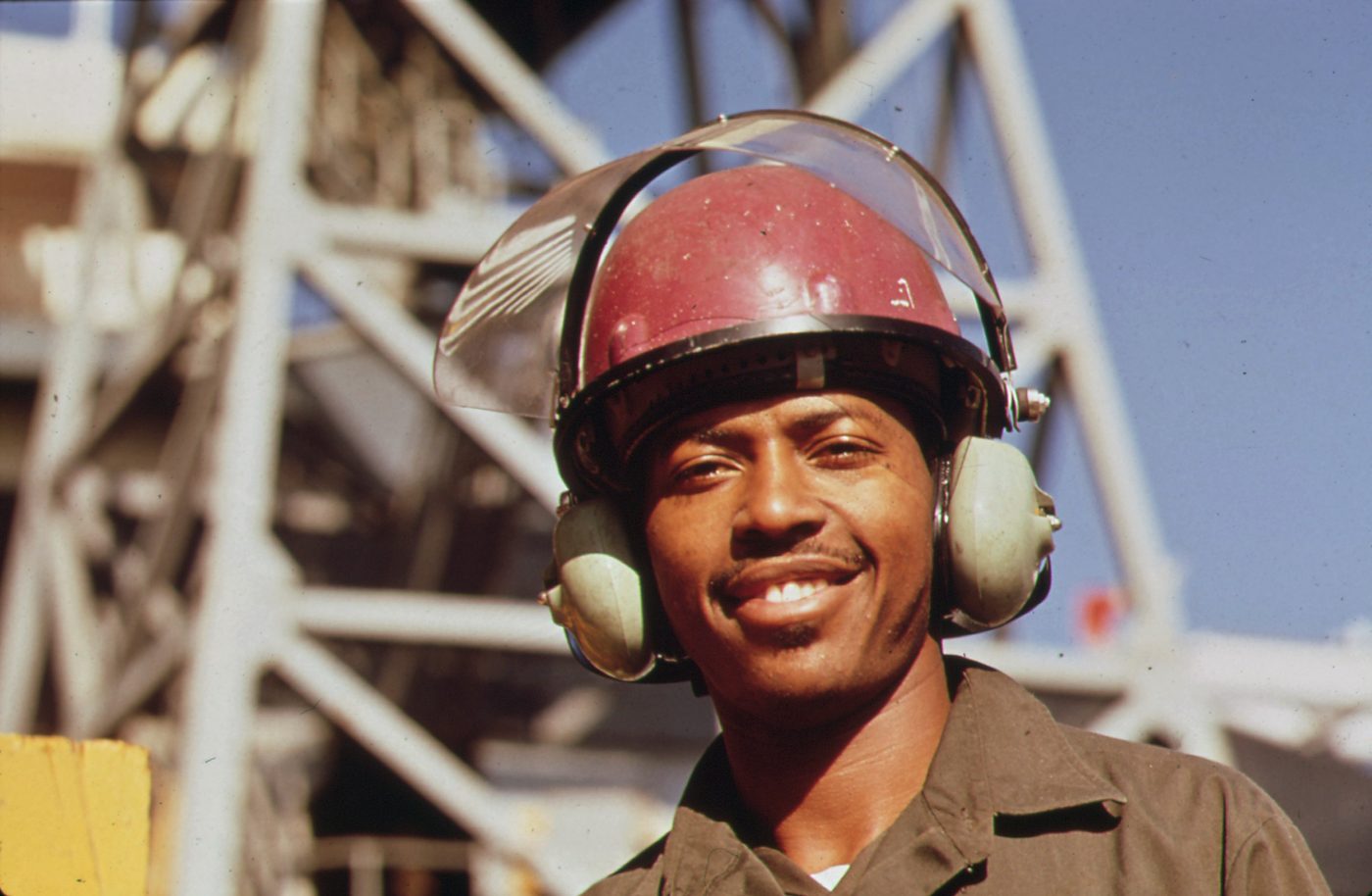
Man wearing a safety helmet (Source: Wikimedia Commons)
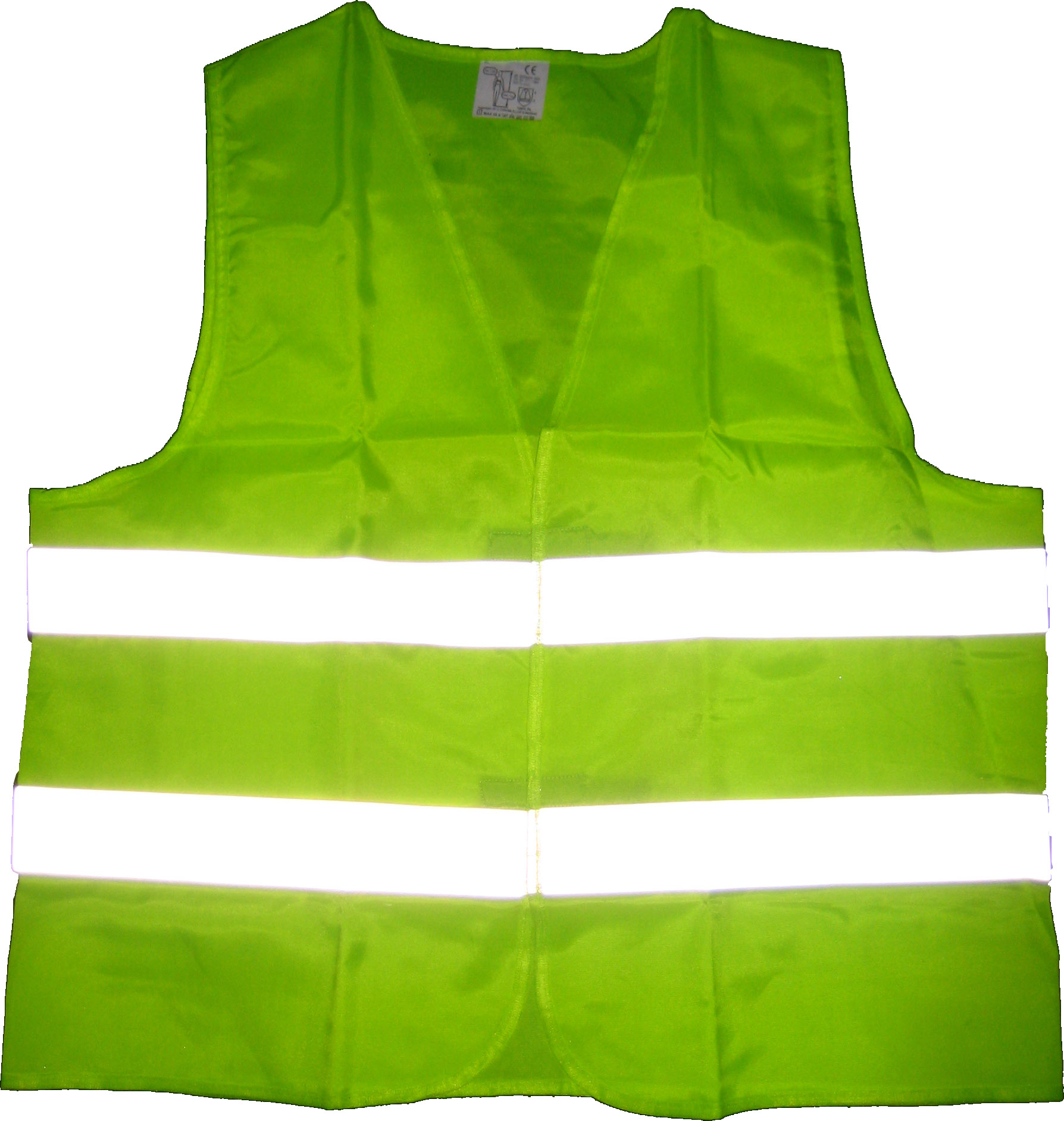
High-visibility safety vest (Source: Wikipedia (High-visibility clothing))
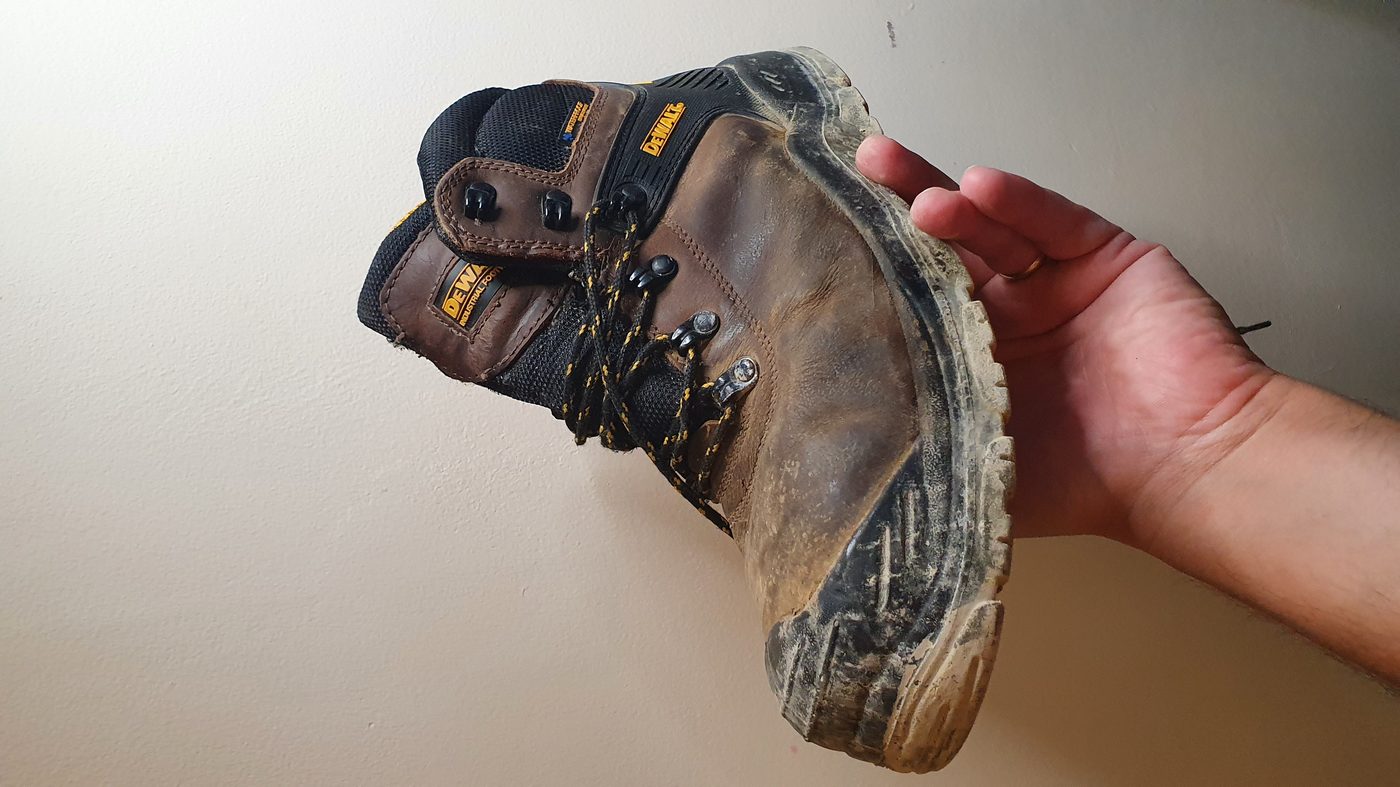
A single safety boot for industrial use (Source: Wikimedia Commons)
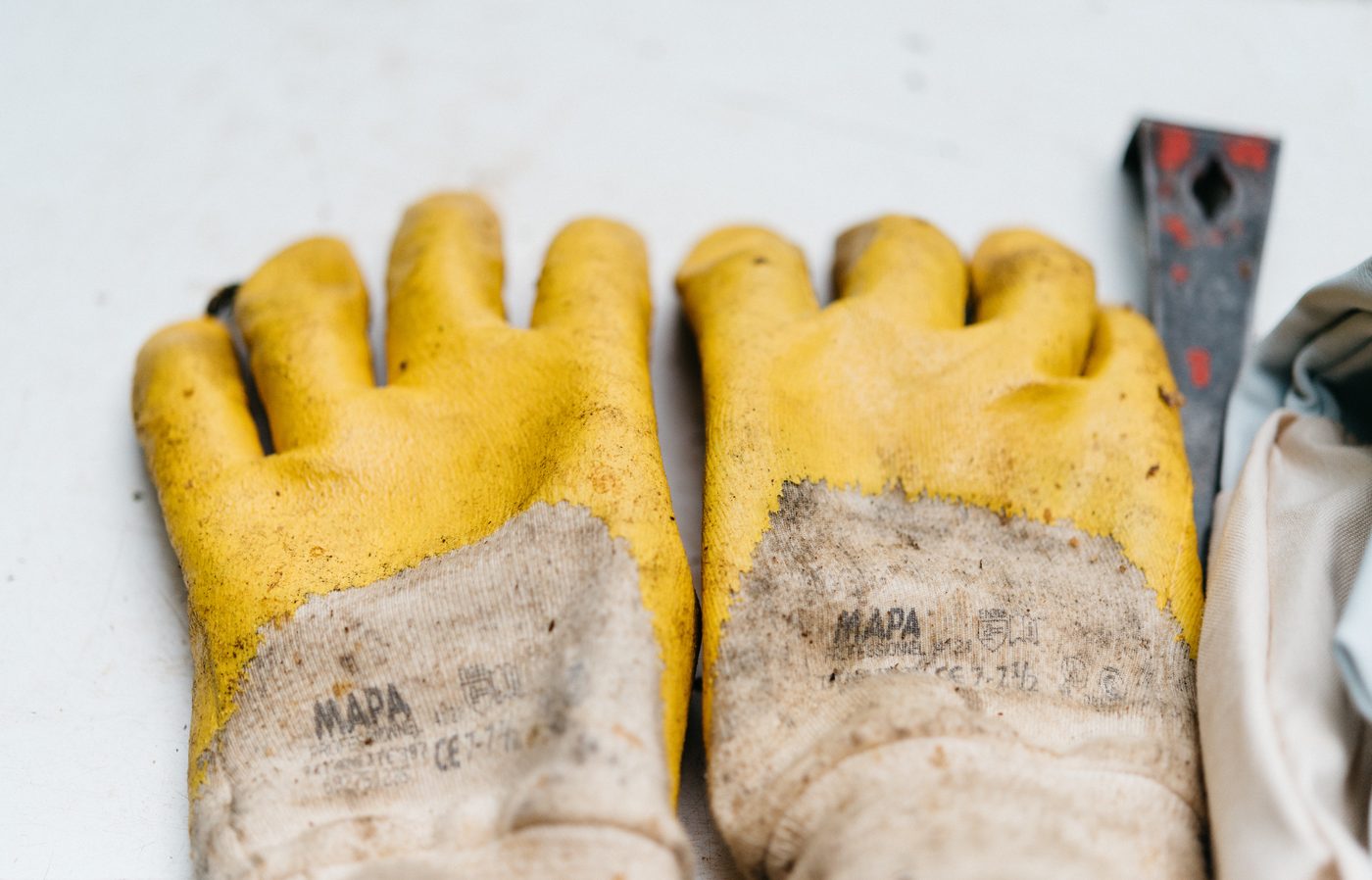
Pair of yellow work gloves used in carpentry (Source: Wikimedia Commons)
Choosing the correct PPE requires assessing site-specific hazards and task requirements. This involves:
Maintaining PPE in good condition is crucial to ensure ongoing protection. Regular inspection and care involve:
Effectiveness of PPE depends on the user’s knowledge and compliance with safety protocols. Training should cover:
Create a free account to open more of this chapter.
Free: practical guides, quick cards, workplace scenarios and more.
Create a free accountThis chapter explored the essential aspects of carrying out a site investigation, beginning with the importance of using appropriate personal protective equipment to ensure safety during fieldwork. It then examined the desk study phase, emphasizing systematic data collection and thorough analysis to inform subsequent investigation steps. The reconnaissance survey was detailed, covering the types of surveys conducted, methods for gathering data, and their practical applications in understanding site conditions. Soil sampling techniques were discussed, including various methods and procedural steps necessary to obtain representative samples. The chapter further outlined soil laboratory testing, describing different test types and the procedures to accurately assess soil properties. Data analysis was addressed with a focus on relevant calculations that interpret laboratory results for practical use. Finally, the chapter concluded with guidance on preparing comprehensive test reports and formulating recommendations based on the investigation findings.
Type: Individual
| Tools & Equipment | Materials |
|---|---|
| Pencils | Topographical maps (1:5000 scale) |
| Eraser | Geological reports |
| Calculator | Soil investigation logs |
| Ruler (300 mm) | Site history documents |
| Magnifying glass | A3 Drawing paper |
| Field book |
| S/N | Item | Quantity |
|---|---|---|
| 1 | Topographical maps (1:5000 scale) | 1 set per Candidate |
| 2 | Geological reports | 1 report per Candidate |
| 3 | Soil investigation logs | 1 set per Candidate |
| 4 | Site history documents | 1 set per Candidate |
| 5 | A3 Drawing paper | 2 sheets per Candidate |
| 6 | Pencils | 2 pcs per Candidate |
| 7 | Eraser | 1 pc per Candidate |
| 8 | Calculator | 1 pc per Candidate |
| 9 | Ruler (300 mm) | 1 pc per Candidate |
| 10 | Magnifying glass | 1 pc per Candidate |
| 11 | Field book | 1 per Candidate |
| Items to be Evaluated | Marks Available | Marks Obtained | Comments |
|---|---|---|---|
| TASK 1: Preparation and Data Collection | |||
| Wore Personal Protective Equipment as per workplace procedures (if applicable) (Award 2 marks or zero) | 2 | ||
| Collected all required documents and maps relevant to the site (Award 3 marks for complete and correct collection) | 3 | ||
| Organized data systematically in the field book (Award 3 marks for neat and logical organization) | 3 | ||
| Sub-Total | 8 | ||
| TASK 2: Data Review and Analysis | |||
| Reviewed topographical maps to identify site features and constraints (Award 4 marks for thorough and accurate review) | 4 | ||
| Analyzed geological reports and soil investigation logs for soil type and conditions (Award 5 marks for detailed and relevant analysis) | 5 | ||
| Cross-referenced site history documents to identify previous land uses and hazards (Award 3 marks for correct referencing and interpretation) | 3 | ||
| Identified gaps or additional investigation needs based on data review (Award 4 marks for clear identification and justification) | 4 | ||
| Sub-Total | 16 | ||
| TASK 3: Reporting and Recommendations | |||
| Compiled findings into a clear desk study report (Award 4 marks for clarity, coherence, and completeness) | 4 | ||
| Included recommendations for further site investigations needed (Award 4 marks for appropriate and justified recommendations) | 4 | ||
| Presented report in a neat and professional manner (Award 3 marks for presentation quality) | 3 | ||
| Sub-Total | 11 | ||
| PRODUCT CHECKLIST | |||
| Desk study report accurately identifies site features, soil conditions, and investigation requirements for a 50m x 50m site (Award 15 marks for comprehensive, accurate, and well-structured report) | 15 | ||
| Report includes clear and justified recommendations for further investigations (Award 10 marks for appropriate recommendations) | 10 | ||
| Sub-Total | 25 | ||
| GRAND TOTAL | 60 | ||
Type: Individual
| Tools & Equipment | Materials |
|---|---|
| Measuring tape 30 meters | Surveyor's field book |
| Surveyor's field book | Pencils |
| Pencils | Eraser |
| Eraser | Chalk |
| Chalk | Flagging tape |
| Flagging tape | |
| Camera or Smartphone |
| S/N | Item | Quantity |
|---|---|---|
| 1 | Safety boots | 1 pair per Candidate |
| 2 | Dust coat/Overall | 1 Pc per Candidate |
| 3 | Hard hat/Helmet | 1 Pc per Candidate |
| 4 | Gloves | 1 Pair per Candidate |
| 5 | Measuring tape 30 meters | 1 Pc per 5 Candidates |
| 6 | Surveyor's field book | 1 per Candidate |
| 7 | Pencils | 2 per Candidate |
| 8 | Eraser | 1 per Candidate |
| 9 | Chalk | 1 stick per Candidate |
| 10 | Flagging tape | 1 roll per Candidate |
| 11 | Camera or Smartphone for photos | 1 per Candidate or shared |
| Items to be Evaluated | Marks Available | Marks Obtained | Comments |
|---|---|---|---|
| TASK 1: CONDUCT RECONNAISSANCE SURVEY | |||
| Wore appropriate Personal Protective Equipment (safety boots, dust coat/overall, helmet, gloves) (Award 1 mark for each PPE donned as per workplace procedures) | 4 | ||
| Prepared and cleared the survey area of minor obstacles (Award 3 marks for proper clearing and preparation) | 3 | ||
| Measured and marked the 50m x 50m site boundary accurately using measuring tape and flagging tape (Award 3 marks for each correct dimension marked) | 6 | ||
| Identified and recorded key site features including vegetation, slopes, water bodies, existing structures, and access points (Award 2 marks for each correctly identified and recorded feature, max 10 marks) | 10 | ||
| Used chalk and flagging tape to mark notable features or hazards on site (Award 1 mark for each correctly marked feature, max 4 marks) | 4 | ||
| Took clear photographs of critical site features and conditions (Award 3 marks for clear and relevant photographs taken) | 3 | ||
| Recorded all data neatly and legibly in the surveyor's field book (Award 5 marks for neat, complete, and legible records) | 5 | ||
| Completed the survey within the allocated time frame (Award 2 marks for completion within time) | 2 | ||
| Packed all tools and cleaned the working area after the survey (Award 3 marks for proper packing and cleaning) | 3 | ||
| Followed safety procedures during the entire survey process (Award 4 marks for consistent safety compliance) | 4 | ||
| Sub-Total | 44 | ||
| PRODUCT CHECKLIST | |||
| Site boundary correctly marked as 50m x 50m (Award 5 marks for accurate boundary marking) | 5 | ||
| Accurate and comprehensive recording of at least 5 key site features (Award 2 marks for each correctly recorded feature, max 10 marks) | 10 | ||
| Photographic evidence clearly shows site features and conditions (Award 5 marks for clear and relevant photos) | 5 | ||
| Surveyor's field book is neat, complete, and legible (Award 6 marks for completeness and neatness) | 6 | ||
| All safety and marking protocols correctly observed (Award 5 marks for adherence to safety and marking protocols) | 5 | ||
| Sub-Total | 31 | ||
| GRAND TOTAL | 75 | ||
At the start of this chapter we promised you would be able to:
Tick each one you can genuinely do.
So, are you there yet?
You're competent when you can confidently do 50% or more of what this chapter promised.
Sign in to record how you're doing.