
By the end of this chapter, you will be able to:
These skills are important because they help you build strong, safe, and precise structures that last.
Compiled by: Beatrice Aoko
Fixing building casements is a critical task in building technology that ensures windows and doors are securely installed to protect the building envelope, provide security, and enhance aesthetic appeal. In Kenya, where climatic variations and security concerns are paramount, properly fixed casements contribute to energy efficiency and safety in residential, commercial, and institutional buildings. This chapter focuses on the essential personal protective equipment (PPE) required during the fixing of building casements to safeguard workers from common hazards encountered on construction sites.
The use of personal protective equipment (PPE) is mandatory in the building industry to minimize risks associated with fixing building casements. Workers are exposed to hazards such as sharp tools, falling objects, dust, and chemical adhesives during installation. Understanding the types, correct usage, maintenance, and legal requirements of PPEs is vital for construction professionals to maintain safety standards and comply with Kenyan occupational safety laws.
PPE in fixing building casements includes various items designed to protect different parts of the body from specific hazards. Each type has unique features suited for tasks such as handling glass, working at heights, or using power tools. Selecting the right PPE enhances safety and reduces the likelihood of injury on site.
Protective gloves: Gloves made of cut-resistant materials like Kevlar or leather protect hands from sharp edges of glass, metal frames, and tools. In Nairobi hospitals, workers fixing window frames wear gloves to prevent lacerations from glass shards.
Chemical-resistant gloves: These are essential when handling adhesives and sealants to avoid skin irritation or chemical burns.
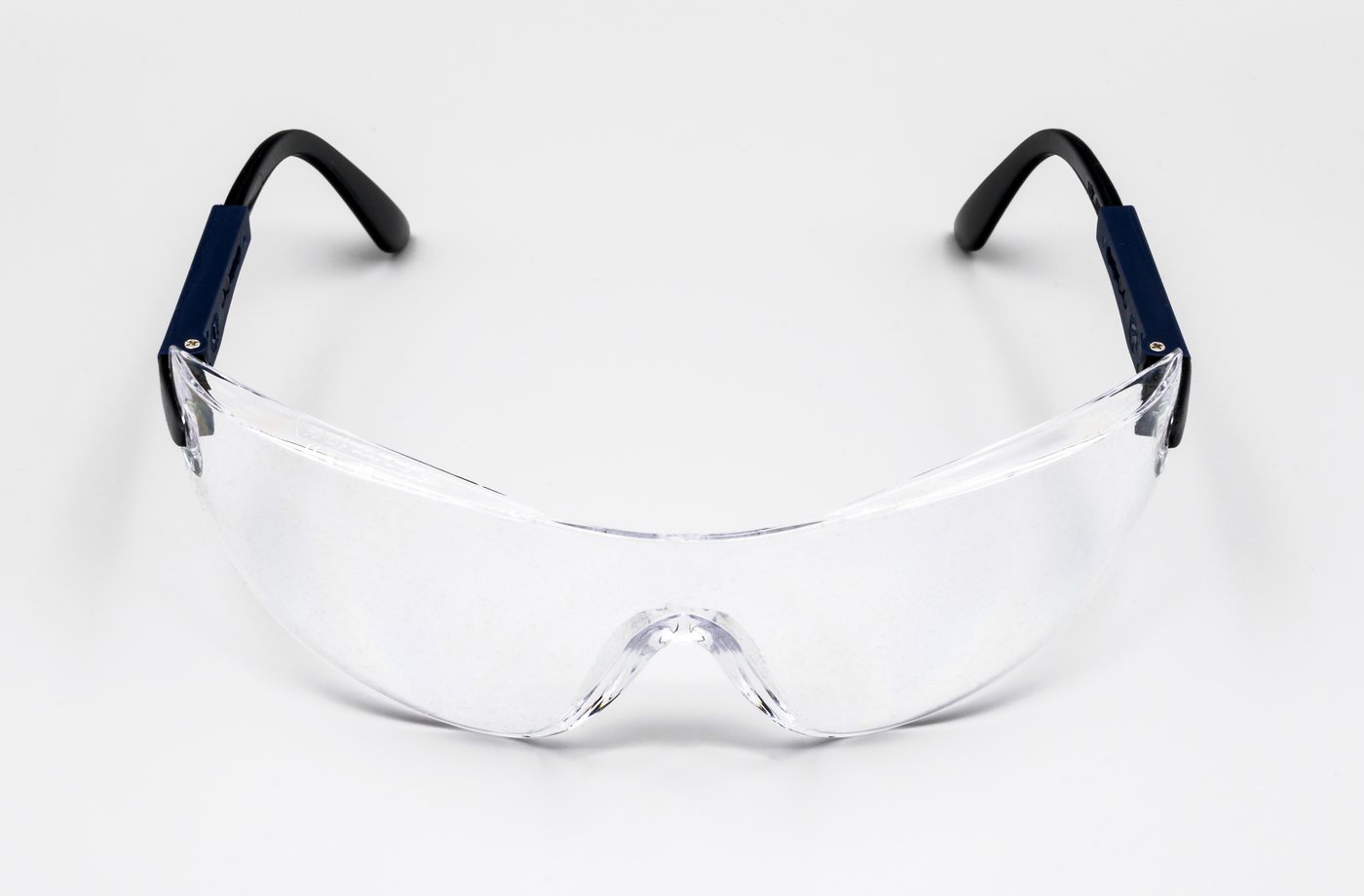
Clear safety goggles for eye protection (Source: Wikimedia Commons)
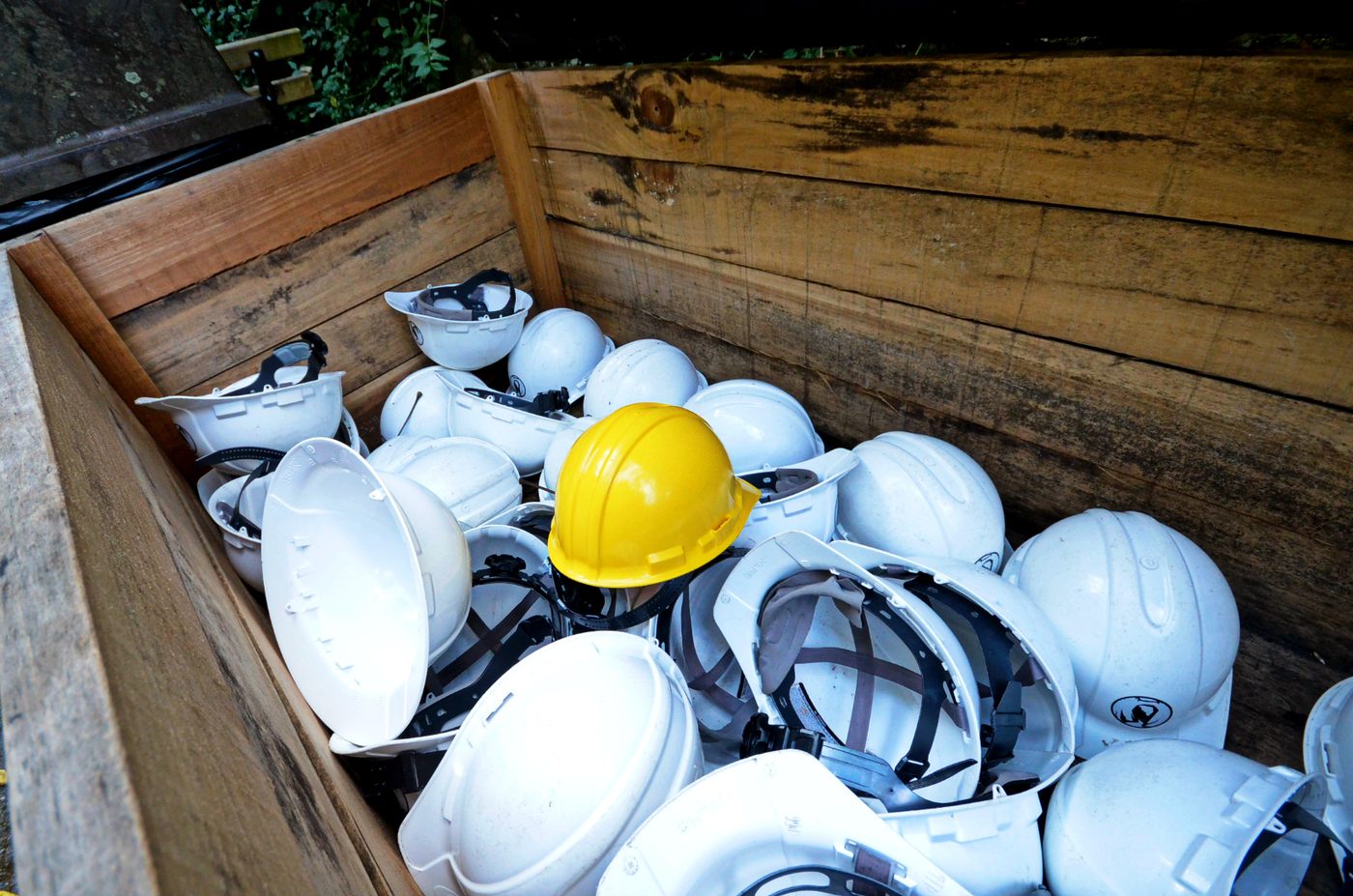
Yellow and white hard hats in a wooden crate (Source: Wikimedia Commons)
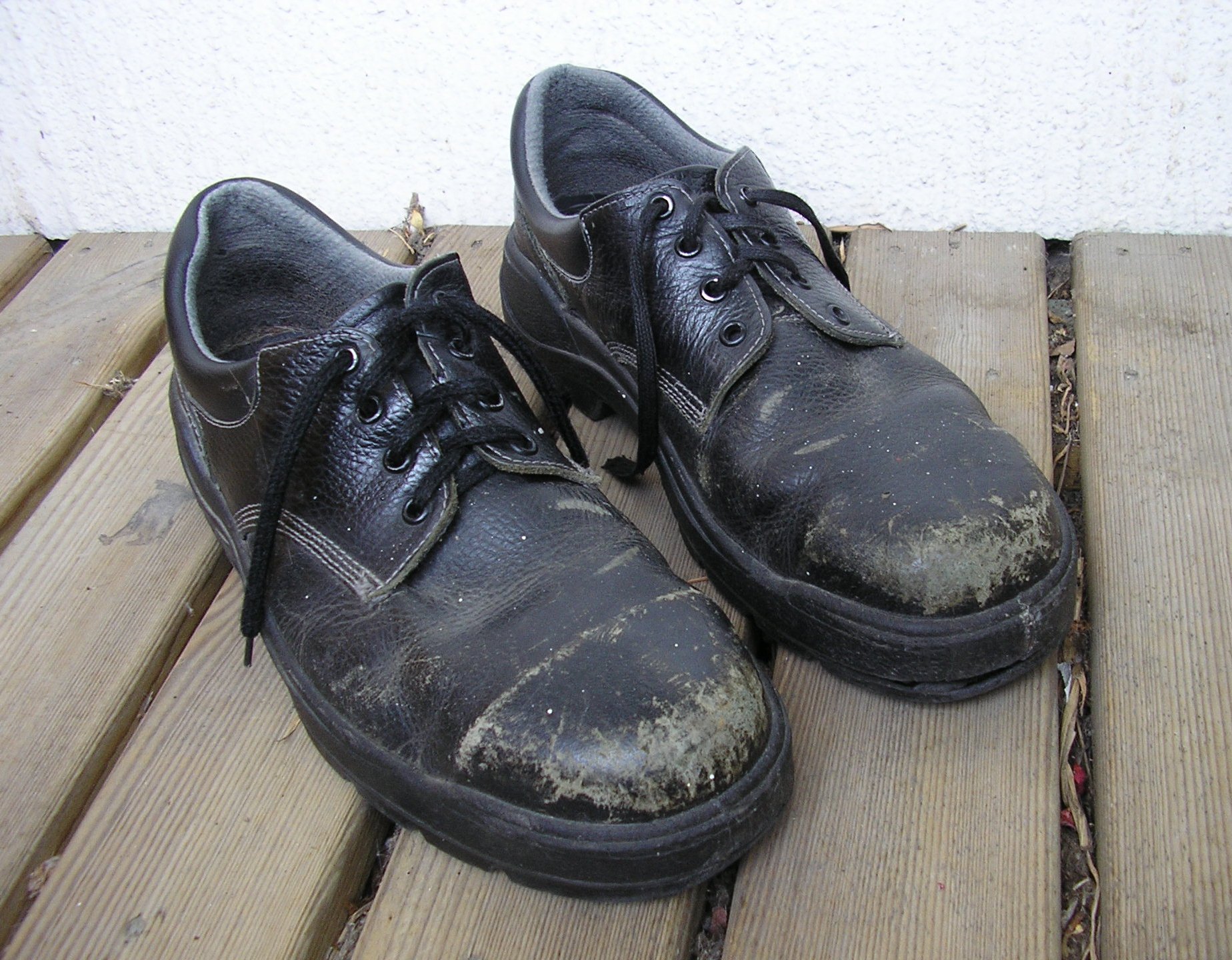
worn black safety boots on wooden floor (Source: Wikipedia (Steel-toe boot))
Proper use of PPE is as important as having the right equipment. Misuse or neglect of PPE compromises safety and can lead to accidents or health issues. Training and supervision play crucial roles in ensuring PPE is worn correctly throughout the fixing process.
Gloves: Should fit snugly without restricting movement or dexterity to allow precise handling of casements.
Goggles and face shields: Must form a seal around the eyes or face, preventing entry of dust or chemicals.
Maintaining PPE in good condition extends its usability and ensures reliable protection. Proper cleaning, storage, and timely replacement are part of good PPE management practices on construction sites.
In Kenya, the use of PPE on construction sites is governed by regulations that set minimum safety standards to protect workers. Compliance is monitored by bodies such as the Directorate of Occupational Safety and Health Services (DOSHS).
Create a free account to open more of this chapter.
Free: practical guides, quick cards, workplace scenarios and more.
Create a free accountThis chapter covered essential aspects of fixing building casements, starting with the importance of personal protective equipment to ensure safety during installation. It then discussed the proper positioning of building casements, emphasizing accurate alignment to guarantee structural integrity and aesthetic appeal. The process of obtaining building casements was examined, highlighting considerations such as material selection and supplier reliability. Finally, detailed procedures for fixing building casements were outlined, including preparation, securing methods, and finishing touches to ensure durability and weather resistance. Together, these topics provide a comprehensive understanding of the safe and effective installation of building casements in construction projects.
Type: Individual
| Tools & Equipment | Materials |
|---|---|
| Measuring tape | Aluminium window casement 1200mm x 900mm |
| Spirit level | |
| Carpenter’s square | |
| Marking pencil | |
| Safety gloves | |
| Dust coat | |
| Safety boots |
| S/N | Item | Quantity |
|---|---|---|
| 1 | Aluminium window casements 1200mm x 900mm | 1 Pc per Candidate |
| 2 | Timber window casements 1200mm x 900mm | 1 Pc per Candidate |
| 3 | Steel window casements 1200mm x 900mm | 1 Pc per Candidate |
| 4 | Measuring tape | 1 Pc per Candidate |
| 5 | Spirit level | 1 Pc per Candidate |
| 6 | Carpenter’s square | 1 Pc per 5 Candidates |
| 7 | Marking pencil | 1 Pc per Candidate |
| 8 | Safety gloves | 1 Pair per Candidate |
| 9 | Dust coat | 1 Pc per Candidate |
| 10 | Safety boots | 1 Pair per Candidate |
| 11 | Work bench or table | 1 per 5 Candidates |
| Items to be Evaluated | Marks Available | Marks Obtained | Comments |
|---|---|---|---|
| TASK 1: Identification and Selection of Building Casements | |||
| Donning of personal protective equipment (dust coat, safety boots, gloves) (Award 1 mark for each correctly worn PPE or zero) | 3 | ||
| Inspection of aluminium, timber, and steel casements for defects and suitability (Award 1 mark for each correct inspection step x4 or zero) | 4 | ||
| Measurement of aluminium casement dimensions to confirm 1200mm x 900mm (Award 1 mark each for length, width, and thickness measurement accuracy or zero) | 3 | ||
| Checking squareness of the aluminium casement using carpenter’s square (Award 3 marks for proper use and accurate squareness check or zero) | 3 | ||
| Marking of fixing points on the aluminium casement as per working drawing (Award 3 marks for accurate marking or zero) | 3 | ||
| Preparation of the selected aluminium casement for fixing (cleaning and minor adjustments) (Award 4 marks for thorough preparation or zero) | 4 | ||
| Sub-Total | 20 | ||
| PRODUCT CHECKLIST | |||
| Confirmed aluminium casement dimensions: length 1200mm (Award 2 marks for correct length, zero otherwise) | 2 | ||
| Confirmed aluminium casement dimensions: width 900mm (Award 2 marks for correct width, zero otherwise) | 2 | ||
| Casement squareness within allowable tolerance (±2mm) (Award 3 marks for correct squareness or zero) | 3 | ||
| Fixing points correctly marked and aligned as per drawing (Award 3 marks for accurate marking or zero) | 3 | ||
| Casement properly prepared and free of defects (Award 3 marks for proper preparation or zero) | 3 | ||
| Sub-Total | 13 | ||
| GRAND TOTAL | 33 | ||
Type: Individual
| Tools & Equipment | Materials |
|---|---|
| Spirit level | Building casements, aluminium frame |
| Measuring tape | |
| Masonry hammer | |
| Builders' line | |
| Plumb bob | |
| Chalk line reel | |
| Pencil |
| S/N | Item | Quantity |
|---|---|---|
| 1 | Building casements, aluminium frame | 3 Pcs per Candidate |
| 2 | Spirit level | 1 Pc Per 5 Candidates |
| 3 | Measuring tape, 5m | 1 Pc per Candidate |
| 4 | Masonry hammer | 1 Pc per Candidate |
| 5 | Builders' line | 1 Pc per Candidate |
| 6 | Plumb bob | 1 Pc Per 5 Candidates |
| 7 | Chalk line reel | 1 Pc per Candidate |
| 8 | Safety helmet | 1 Pc per Candidate |
| 9 | Dustcoat | 1 Pc per Candidate |
| 10 | Safety boots | 1 Pair per Candidate |
| 11 | Pencil | 1 Pc per Candidate |
| Items to be Evaluated | Marks Available | Marks Obtained | Comments |
|---|---|---|---|
| TASK 1: Preparation and PPE | |||
| Donning of Personal Protective Equipment (helmet, dustcoat, safety boots) (Award 1 mark for each correctly worn PPE or zero) | 3 | ||
| Clearing and preparing the positioning area on site (Award 2 marks for complete and proper site preparation or zero) | 2 | ||
| Sub-Total | 5 | ||
| TASK 2: Setting out casement positions | |||
| Locating and marking reference points on site as per the working drawing (Award 3 marks for accurate and clear marking or zero) | 3 | ||
| Using builders' line and chalk line to mark casement outlines (Award 2 marks for straight and correct line markings or zero) | 2 | ||
| Measuring and marking dimensions of each casement position accurately (Award 1 mark per casement correctly measured and marked or zero) | 3 | ||
| Checking squareness of marked casement positions using set square or builders' square (Award 1 mark per casement for correct squareness or zero) | 3 | ||
| Sub-Total | 11 | ||
| TASK 3: Positioning casements | |||
| Placing each casement in its marked position (Award 1 mark per casement placed correctly on site or zero) | 3 | ||
| Checking vertical plumbness of each casement with plumb bob or spirit level (Award 1 mark per casement for vertical alignment or zero) | 3 | ||
| Checking horizontal level of each casement with spirit level (Award 1 mark per casement for horizontal level or zero) | 3 | ||
| Adjusting casements to correct position according to measurements and level (Award 1 mark per casement for proper adjustment or zero) | 3 | ||
| Sub-Total | 12 | ||
| TASK 4: Final checks and site cleanup | |||
| Verifying all casements are positioned as per working drawing dimensions (Award 3 marks for complete and accurate verification or zero) | 3 | ||
| Cleaning and tidying the working area and tools (Award 2 marks for proper cleaning or zero) | 2 | ||
| Sub-Total | 5 | ||
| PRODUCT CHECKLIST | |||
| Casement position dimensions: 1200mm x 1500mm, 900mm x 1200mm, 800mm x 1000mm (Award 2 marks for each casement dimension correctly positioned or zero) | 6 | ||
| Squareness of casement positions (Award 1 mark per casement for squareness or zero) | 3 | ||
| Plumbness of casements (Award 1 mark per casement for plumbness or zero) | 3 | ||
| Level of casements (Award 1 mark per casement for level or zero) | 3 | ||
| Completeness of casement positioning (Award 5 marks for 100% complete, 3 marks for 75% complete, 1 mark for below 50%) | 5 | ||
| Sub-Total | 20 | ||
| GRAND TOTAL | 53 | ||
At the start of this chapter we promised you would be able to:
Tick each one you can genuinely do.
So, are you there yet?
You're competent when you can confidently do 50% or more of what this chapter promised.
Sign in to record how you're doing.