Building Technology  ·  Level 6
Building Superstructure Works I
Chapter 1: Erect structural elements
📚 8 Topics
⚑ What you will be able to do

By the end of this chapter, you will be able to:

  • Wear the correct personal protective equipment and follow safety procedures for every job.
  • Assemble the tools and equipment needed for working with structural elements correctly.
  • Prepare structural element materials accurately to meet the job requirements.
  • Fix reinforcement bars precisely according to structural specifications.
  • Safely erect formwork in line with the National Building Code 2024 requirements.
  • Place concrete correctly, following the National Building Code 2024 standards.
  • Carefully strike off formwork for reuse using the proper procedures.
  • Carry out curing properly, ensuring compliance with the National Building Code 2024.

Mastering these skills will help you build strong, safe, and reliable structures—essential qualities in the construction industry.

Compiled by: Beatrice Aoko

Erecting structural elements is a critical phase in building construction that demands precision, safety, and effective coordination. Structural components such as columns, beams, and walls form the framework that supports the entire superstructure, defining the building’s strength and stability. In Kenya, where construction sites often involve multiple trades and varying site conditions, adherence to safety protocols including the use of Personal Protective Equipment (PPE) is essential. This chapter focuses on the use of PPE to protect workers during the erection of structural elements, ensuring compliance with occupational health and safety standards.

1.1 PPEs

PPEs are indispensable in construction activities to minimize exposure to hazards that can cause serious injuries or illnesses. In the context of erecting structural elements, PPEs protect workers from falling objects, sharp materials, dust, noise, and other site-specific risks. Kenyan construction sites, regulated by the Directorate of Occupational Safety and Health Services (DOSHS), require strict PPE use to promote a safe working environment and reduce accident rates.

1.1.1 Types of PPEs Used in Erecting Structural Elements

The variety of PPEs used during structural erection reflects the diverse hazards present on construction sites. Workers must be equipped with appropriate gear to guard against mechanical, chemical, and environmental risks.

Common PPEs include the following:

  • Safety Helmets: These protect the head from impact injuries caused by falling objects or accidental bumps against structural components. At a county government office construction site, safety helmets were mandatory to prevent head injuries during beam installation.

  • Safety Gloves: Gloves safeguard hands from cuts, abrasions, and chemical exposure when handling steel reinforcements or concrete. In a retail business construction project, gloves helped workers avoid injuries from sharp steel ties.
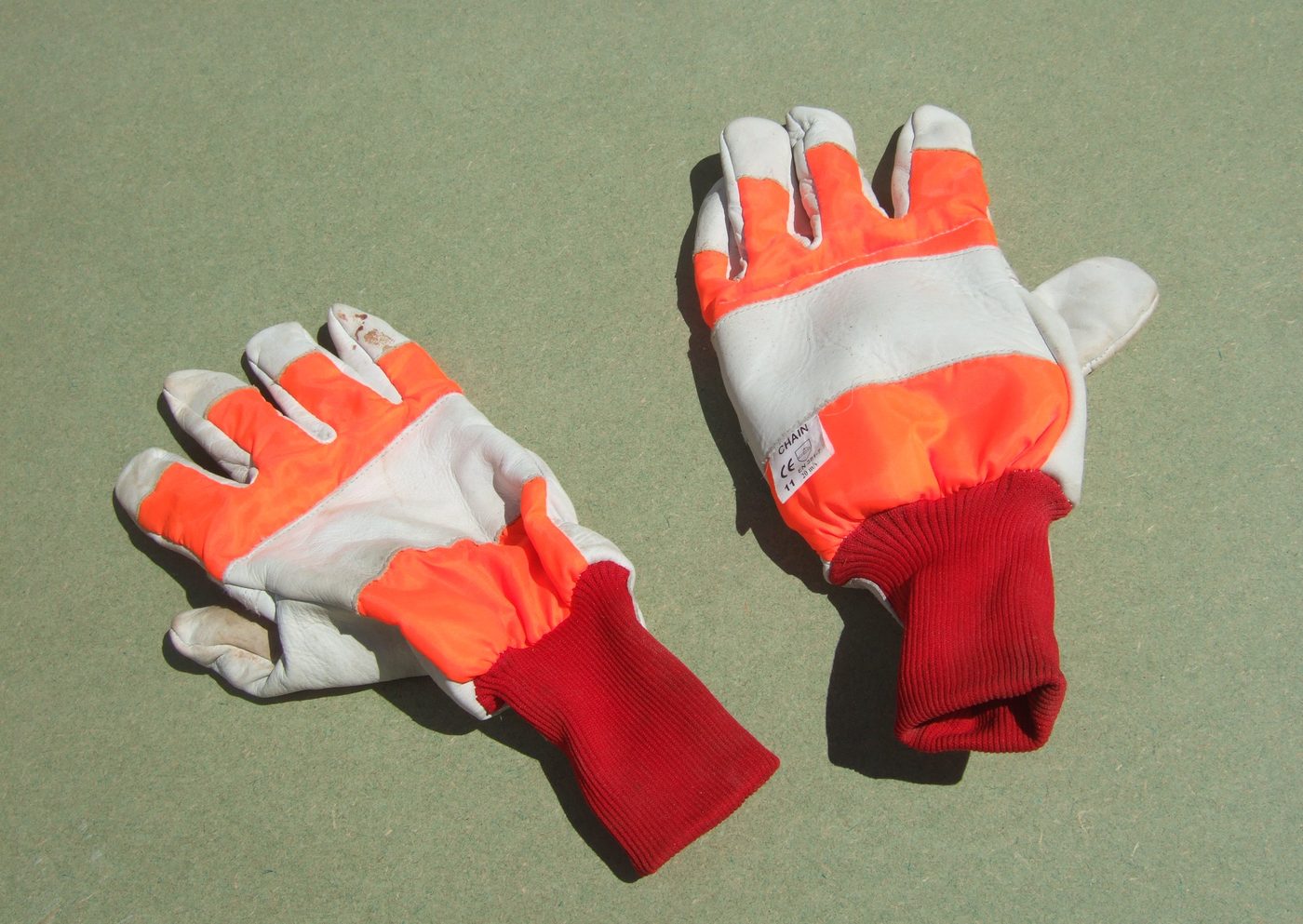
Pair of safety gloves for building work
Pair of safety gloves for building work (Source: Wikimedia Commons)
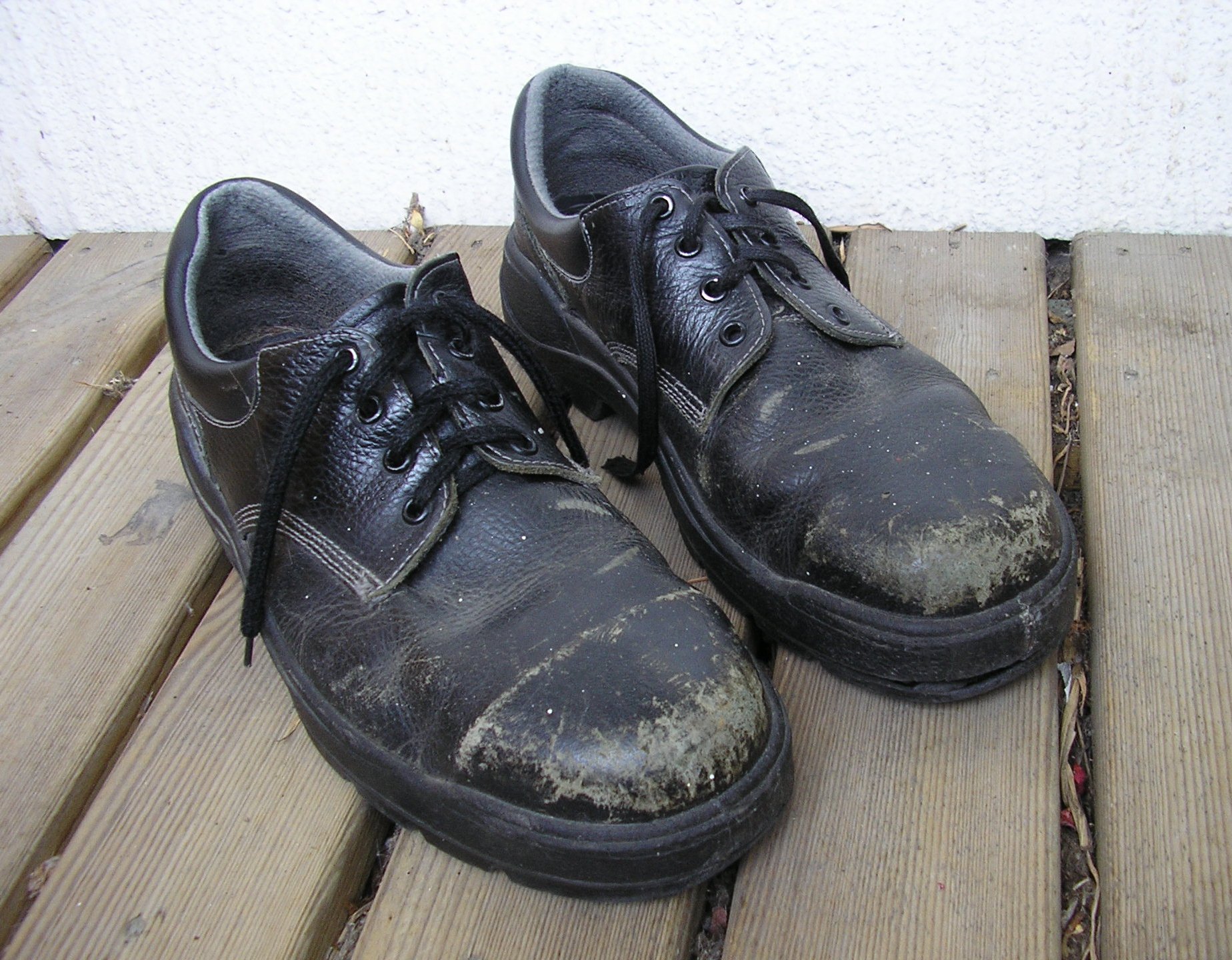
  • Safety Boots: Footwear with steel toe caps and puncture-resistant soles protects feet from crushing hazards and sharp debris. For example, in a hospital expansion project, boots prevented serious injuries from dropped tools and scattered nails.

worn black safety boots on wooden floor
worn black safety boots on wooden floor (Source: Wikipedia (Steel-toe boot))
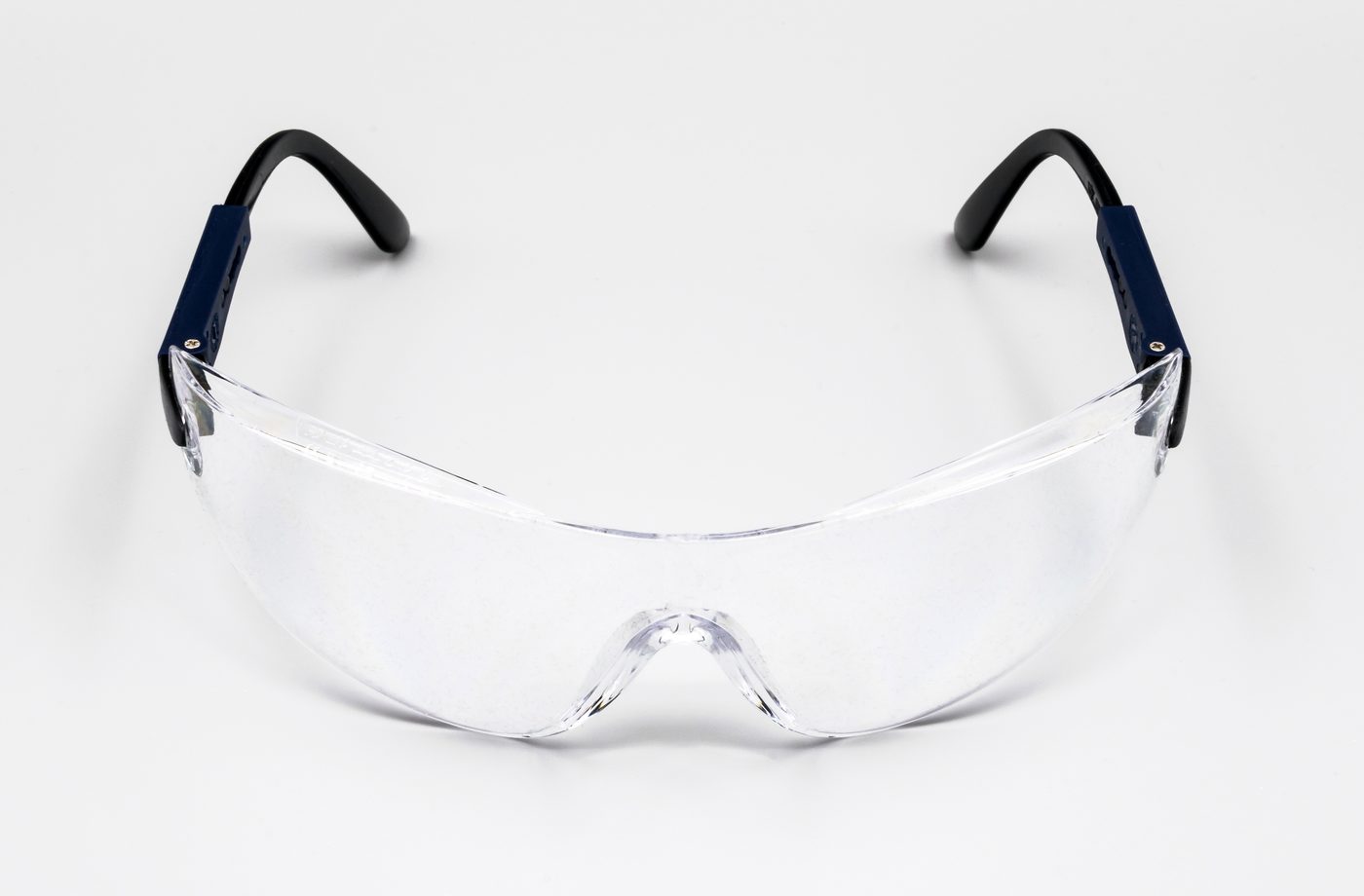
  • Eye Protection: Safety goggles or face shields prevent eye injuries from flying particles, dust, and chemical splashes during welding or cutting of steel elements. At a university building site, goggles were critical during welding of steel columns.

clear safety glasses for eye protection
clear safety glasses for eye protection (Source: Wikimedia Commons)

  • High-Visibility Clothing: Reflective vests or jackets ensure workers are visible to crane operators and vehicle drivers, reducing the risk of accidents, especially in low light conditions. A SACCO office construction site enforced high-visibility clothing for all personnel near heavy machinery.

1.1.2 Selection Criteria for PPEs in Structural Erection

Choosing the right PPE depends on the specific tasks, hazards, and environmental conditions present on the construction site. Proper selection enhances protection and worker comfort, which improves compliance.

Key factors influencing PPE selection include:

  • Hazard Type: Identification of risks such as falling objects, sharp edges, or chemical exposure guides the choice of helmet, gloves, or respirators. For instance, at a county hospital expansion, respirators were selected due to high dust levels during concrete cutting.
  • Work Environment: Weather conditions and site layout affect PPE type; waterproof gear is necessary during rainy seasons common in Nairobi's construction sites.
  • Task Duration and Frequency: PPE designed for long-term wear must balance protection with comfort to prevent fatigue and encourage consistent use.
  • Fit and Size: Ill-fitting PPE reduces effectiveness and may cause safety hazards. A retail business construction contractor ensured all workers had properly sized boots and helmets.
  • Compliance with Standards: PPE should meet Kenyan and international safety standards such as ISO or ANSI to guarantee reliability and durability.

1.1.3 Proper Use and Maintenance of PPEs on Construction Sites

Using PPE correctly is as important as wearing it. Improper use or poorly maintained equipment compromises safety and increases the risk of injury during erecting structural elements.

Guidelines for PPE use and upkeep include:

  • Correct Wearing Procedures: Helmets must be securely fastened and gloves properly fitted to maximize protection. At a cooperative housing project, supervisors conducted daily checks to ensure helmets were worn correctly.
  • Regular Inspection: PPE should be inspected daily for cracks, tears, or wear that could reduce effectiveness. For example, safety boots were checked at a hotel construction site for sole integrity to prevent puncture injuries.
  • Cleaning and Storage: Equipment must be cleaned according to manufacturer instructions and stored in dry, safe places to prevent damage. At a county government office site, PPE lockers were provided to protect gear from dust and moisture.
  • Timely Replacement: Damaged or expired PPE must be replaced immediately to maintain safety standards. A university construction project had a strict replacement policy for gloves that showed signs of wear.
  • Training on PPE Use: Workers should receive training on the importance, correct use, and maintenance of PPE to foster a safety culture. NHIF building contractors provided refresher courses on PPE handling to reduce accidents.

1.1.4 Legal Requirements and Enforcement of PPE Use in Kenya

Kenyan law mandates the use of PPE on construction sites to protect workers from occupational hazards. Enforcement of these regulations ensures compliance and reduces workplace injuries.

Legal framework and enforcement mechanisms include:

  • Occupational Safety and Health Act (OSHA) 2007: Requires employers to provide and enforce the use of PPE for employees exposed to hazards during construction activities.
  • Directorate of Occupational Safety and Health Services (DOSHS): Conducts inspections and issues directives to ensure PPE compliance on construction sites.
  • Penalties for Non-Compliance: Employers or contractors failing to enforce PPE use may face fines, work stoppages, or legal action. For instance, a county government office contractor was fined for inadequate PPE provision during beam erection.
  • Worker Responsibilities: Employees must use PPE properly and report defective equipment to supervisors to uphold safety standards.
  • Safety Committees: Many construction sites establish committees to monitor PPE use and recommend improvements, as seen in a Nairobi retail business project where safety audits are conducted regularly.

Practice Questions

  1. Explain five types of PPE commonly used during erection of structural elements and describe their specific protective functions. (10 marks)

  2. Discuss the factors that influence the selection of appropriate PPE on a building construction site. Provide examples from Kenyan contexts. (10 marks)

  3. Outline six steps for proper maintenance and use of PPE on a construction site. (12 marks)

  4. Describe the legal requirements for PPE use in Kenya’s construction industry and the role of enforcement agencies. (8 marks)

The rest of this chapter
🔒

Create a free account to open more of this chapter.

Free: practical guides, quick cards, workplace scenarios and more.

Create a free account
🔒1.2 Assembling of Structural Element Tools and Equipment

In the Kenyan building industry, the efficient assembly of tools and equipment for erecting structural elements is critical to ensure timely and safe construction progress. Building technology professionals must understand the correct selection, preparation, a…

🔒1.3 Preparation of Structural Element Materials

In the Kenyan building industry, the preparation of materials for structural elements is a critical phase that directly affects the durability and safety of buildings. Structural elements such as columns, beams, slabs, and walls require precise handling of mat…

🔒1.4 Fixing of Reinforcement Bars

Fixing reinforcement bars is a critical phase in the construction of building superstructures, particularly in Kenya where adherence to structural design specifications ensures safety and durability. Proper fixing guarantees that the reinforcement maintains it…

🔒1.5 Erection of Formwork

In Kenyan building construction projects, the erection of formwork is a crucial stage that directly influences the quality, safety, and efficiency of reinforced concrete structures. Formwork serves as a temporary mould to shape and support concrete until it at…

🔒1.6 Placing of Concrete

The placing of concrete is a critical stage in building superstructure works, directly affecting the durability, strength, and finish quality of structural elements. In Kenya’s construction industry, proper concrete placing techniques ensure compliance with st…

🔒1.7 Striking of Formwork

In building construction within Kenya, the striking of formwork is a critical activity that marks the removal of temporary molds used to shape concrete structural elements. This process requires careful timing and technique to ensure the concrete has gained su…

🔒1.8 Curing Requirement

In the Kenyan building industry, proper curing of concrete and masonry elements is essential to ensure durability, strength, and overall performance of the structural components. Given the tropical climate and variable weather conditions across Kenya, curing p…

Chapter Summary

This chapter covered essential aspects of erecting structural elements in building superstructure works. It began with the importance of personal protective equipment to ensure safety during construction activities. The assembly and proper use of tools and equipment necessary for handling structural elements were then discussed, followed by the preparation of materials to meet quality and specification standards. The process of fixing reinforcement bars was explained, highlighting the need for accuracy to maintain structural integrity. Next, the erection of formwork was described as a critical step in shaping and supporting concrete until it hardens. The chapter also detailed the correct placing of concrete to avoid defects, and the timely striking of formwork to prevent damage to the structure. Finally, the curing requirements were emphasized to ensure the concrete achieves the desired strength and durability.

Self-Assessment

🔒 PDFDownload this self-assessment, with answers

A. Written Assessment

  1. Identify five essential Personal Protective Equipment (PPE) items used during the erection of structural elements. (5 marks)
  2. Explain why proper preparation of structural element materials is crucial before commencing erection works. (3 marks)
🔒20 more in this section.

Chapter Examination Questions

🔒 PDFDownload these examination questions, with worked answers

SECTION A (40 Marks) - Answer ALL Questions

  1. Identify five essential personal protective equipment (PPE) items required when erecting structural elements on a building site in Nairobi County. (4 marks)
  2. Explain the importance of correctly assembling tools and equipment before starting structural element erection works. (4 marks)
🔒18 more in this section.

Chapter Practical Activities

Practical 1: Preparation and Organization of Structural Element Materials for Beam Erection

Building Technology · Level 6
Building Superstructure Works I
PRACTICAL ASSESSMENT
TIME: 4 HOURS
⬇ PDFCandidate Instructions (Candidate Tool)

Type: Individual

INSTRUCTIONS TO CANDIDATE:
1.  You are required to perform the following task:
i.  Prepare and organize reinforcement bars and timber formwork materials for a reinforced concrete beam 3000mm long x 300mm wide x 450mm deep.
2.  You have been provided with the following resources for the practical task:
Tools & EquipmentMaterials
HammerReinforcement bars, Y12
Measuring tapeTimber planks
Spirit levelNails
PliersBinding wire
⬇ PDFResources Required (Cutting List)
S/NItemQuantity
1Reinforcement bars, Y12, 12mm diameter8 bars per Candidate
2Timber planks, 50mm x 100mm x 2400mm6 planks per Candidate
3Nails, 3 inch1 kg per Candidate
4Binding wire50 meters per Candidate
5Hammer1 Pc per Candidate
6Measuring tape, 5m1 Pc per Candidate
7Spirit level, 600mm1 Pc per 3 Candidates
8Pliers1 Pc per Candidate
9Safety helmet1 Pc per Candidate
10Dust coat1 Pc per Candidate
11Safety boots1 Pair per Candidate
⬇ PDFAssessor Guide
Items to be EvaluatedMarks AvailableMarks ObtainedComments
TASK 1: Preparation and Organization of Materials
Donned personal protective equipment (helmet, dust coat, safety boots)
(Award 1 mark for each PPE worn)
3
Measured and cut reinforcement bars to specified lengths (3000mm)
(Award 1 mark for each correctly cut bar x 4)
4
Sorted and stacked timber planks as per required dimensions
(Award 1 mark for neat stacking and correct dimensions)
3
Counted and arranged nails and binding wire for ease of access
(Award 2 marks for proper organization)
2
Checked timber planks for defects and suitability
(Award 2 marks for thorough inspection)
2
Ensured tools were clean and in good working condition
(Award 2 marks for tool readiness)
2
Maintained a clean and safe working area during preparation
(Award 2 marks for cleanliness and safety)
2
Marked reinforcement bars with length and bending points as per drawing
(Award 2 marks for accurate marking)
2
Sub-Total20
PRODUCT CHECKLIST
Reinforcement bars cut to 3000mm length with correct bending marks
(Award 5 marks for accurate cutting and marking)
5
Timber planks arranged and stacked according to size and free of defects
(Award 4 marks for neatness and quality)
4
Nails and binding wire organized for easy access during erection
(Award 3 marks for proper organization)
3
Working area clean, tools ready, and PPE worn correctly
(Award 3 marks for overall readiness and safety)
3
Materials prepared as per specifications for beam 3000mm x 300mm x 450mm
(Award 5 marks for full compliance with specifications)
5
Sub-Total20
GRAND TOTAL40
ASSESSMENT OUTCOME:   ☐ Competent    ☐ Not Yet Competent (competent if at least 50%)

Practical 2: Fixing of Reinforcement Bars for a 3000mm x 300mm x 500mm Beam

Building Technology · Level 6
Building Superstructure Works I
PRACTICAL ASSESSMENT
TIME: 4 HOURS
⬇ PDFCandidate Instructions (Candidate Tool)

Type: Individual

INSTRUCTIONS TO CANDIDATE:
1.  You are required to perform the following task:
i.  Cut, bend and fix reinforcement bars to construct a reinforced concrete beam measuring 3000mm long, 300mm wide and 500mm deep.
2.  You have been provided with the following resources for the practical task:
Tools & EquipmentMaterials
HacksawHigh tensile steel bars Y12
PliersSteel links R8
Measuring tapeBinding wire 1.2mm diameter
Spirit level
Bending spring
Chalk line
Work bench or flat surface
⬇ PDFResources Required (Cutting List)
S/NItemQuantity
1High tensile steel bars Y128 bars 3m long per Candidate
2Steel links R810 bars 1m long per Candidate
3Binding wire 1.2mm diameter1 kg per Candidate
4Hacksaw1 Pc Per 5 Candidates
5Pliers1 Pc Per Candidate
6Measuring tape 5m1 Pc Per Candidate
7Spirit level 600mm1 Pc Per 5 Candidates
8Bending spring for bars1 Pc Per 5 Candidates
9Chalk line1 Pc Per Candidate
10Work bench or flat surface1 Pc Per Candidate
⬇ PDFAssessor Guide
Items to be EvaluatedMarks AvailableMarks ObtainedComments
TASK 1: Fixing of Reinforcement Bars
Donning of personal protective equipment (helmet, gloves, safety boots)
(Award 1 mark for each correctly worn PPE)
3
Measured and marked reinforcement bars to required lengths accurately
(Award 1 mark for each correctly measured and marked bar, max 4 marks)
4
Cut reinforcement bars cleanly and to correct lengths
(Award 1 mark for each correctly cut bar, max 4 marks)
4
Bent main bars and links to correct shapes and angles as per drawing
(Award 1 mark for each correctly bent main bar and link, max 5 marks)
5
Fixed main bars in correct position maintaining 50mm concrete cover
(Award 1 mark for each main bar correctly fixed with cover, max 4 marks)
4
Tied reinforcement bars securely using binding wire at all required intersections
(Award 1 mark for each properly tied intersection, max 5 marks)
5
Maintained correct spacing of links at 150mm center to center
(Award 1 mark for each correctly spaced link, max 3 marks)
3
Ensured reinforcement cage is stable and free from displacement
(Award 2 marks for stable cage or zero)
2
Cleaned working area and tools after completion
(Award 1 mark for cleaned tools and 1 mark for cleaned area)
2
Sub-Total32
PRODUCT CHECKLIST
Beam length 3000mm as per drawing
(Award 3 marks for correct length or zero)
3
Beam width 300mm as per drawing
(Award 3 marks for correct width or zero)
3
Beam depth 500mm as per drawing
(Award 3 marks for correct depth or zero)
3
Correct number and diameter of main bars (4 Y12 bars)
(Award 4 marks for correct bars or zero)
4
Correct number and spacing of R8 links at 150mm c/c
(Award 4 marks for correct spacing and quantity or zero)
4
Uniform and adequate 50mm concrete cover maintained
(Award 3 marks for uniform cover or zero)
3
Reinforcement cage is plumb and level
(Award 3 marks for plumb and level cage or zero)
3
No loose or missing binding wire ties
(Award 3 marks if all ties are secure or zero)
3
Sub-Total26
GRAND TOTAL58
ASSESSMENT OUTCOME:   ☐ Competent    ☐ Not Yet Competent (competent if at least 50%)
🔒

Free: practical guides, quick cards, workplace scenarios and more.

Create a free account
🔒Erection of Formwork for a Rectangular Beam 400mm x 300mm x 3500mmPractical 3
🔒Striking of Formwork for a 2000mm x 1500mm Concrete BeamPractical 4
🔒Placing and Finishing of Concrete Beam 3500mm x 300mm x 450mmPractical 5
🔒Curing of a Concrete Slab 2000mm x 1500mm x 150mmPractical 6
🔒Assembly and Inspection of Tools and Equipment for Structural Element ErectionPractical 7
🔒Setting Out and Marking for Reinforcement Bars in a 2000mm x 1200mm BeamPractical 8
🔒Formwork Layout and Geometry for a Rectangular BeamPractical 9
🔒Safety and PPE Application during Structural Element ErectionPractical 10
Flashcards 20 cards Study deck ▾
Question
1

↻ Tap card to reveal answer
🔒

18 more in this section.

Create a free account
Test Yourself 19 questions Start quiz ▾
0%
0 / 2
🔒

17 more in this section.

Create a free account
Am I competent?

At the start of this chapter we promised you would be able to:

  • Wear the correct personal protective equipment and follow safety procedures for every job.
  • Assemble the tools and equipment needed for working with structural elements correctly.
  • Prepare structural element materials accurately to meet the job requirements.
  • Fix reinforcement bars precisely according to structural specifications.
  • Safely erect formwork in line with the National Building Code 2024 requirements.
  • Place concrete correctly, following the National Building Code 2024 standards.
  • Carefully strike off formwork for reuse using the proper procedures.
  • Carry out curing properly, ensuring compliance with the National Building Code 2024.

Tick each one you can genuinely do.

So, are you there yet?

You're competent when you can confidently do 50% or more of what this chapter promised.

Sign in to record how you're doing.