
By the end of this chapter, you will be able to:
Mastering these skills helps you keep vehicle engines running smoothly and safely, making you a valuable technician in the automotive trade.
Vehicle engine diagnosis is a critical skill for maintaining reliable and efficient transportation across all sectors in Kenya. Whether managing a fleet of vehicles in a county government office, supporting logistics at a retail business, or ensuring operational readiness at a hospital, understanding how to safely and accurately diagnose engine issues is essential. This chapter equips students with the foundational knowledge on safety protocols and the use of diagnostic tools, enabling them to perform thorough engine assessments that prevent costly breakdowns and promote vehicle longevity.
In every professional setting, safety during vehicle engine diagnosis is paramount to protect personnel and equipment. Kenyan workplaces such as universities, agricultural cooperatives, and financial institutions rely on vehicles daily, making it crucial that diagnosis procedures are conducted under stringent safety standards. Proper safety measures not only prevent accidents but also ensure compliance with workplace health regulations.
Understanding the hazards associated with engine diagnosis is the first step toward mitigating risks. Common dangers include exposure to hot engine parts, moving components, toxic fumes, and electrical shocks. For example, at a county referral hospital fleet yard, technicians working on ambulances must recognize that hot exhaust systems can cause burns and that battery terminals carry electrical risks. Awareness of these hazards reduces the likelihood of injury and equipment damage.
Using appropriate PPE is a fundamental safety practice in engine diagnosis. PPE acts as a barrier between the technician and harmful agents encountered during maintenance tasks. In commercial transport companies, for instance, drivers who double as mechanics must be equipped with PPE to reduce injury risks during on-the-spot engine checks.

Pair of safety gloves for protection (Source: Wikimedia Commons)

Clear safety goggles for eye protection (Source: Wikimedia Commons)

A single safety boot for industrial use (Source: Wikimedia Commons)
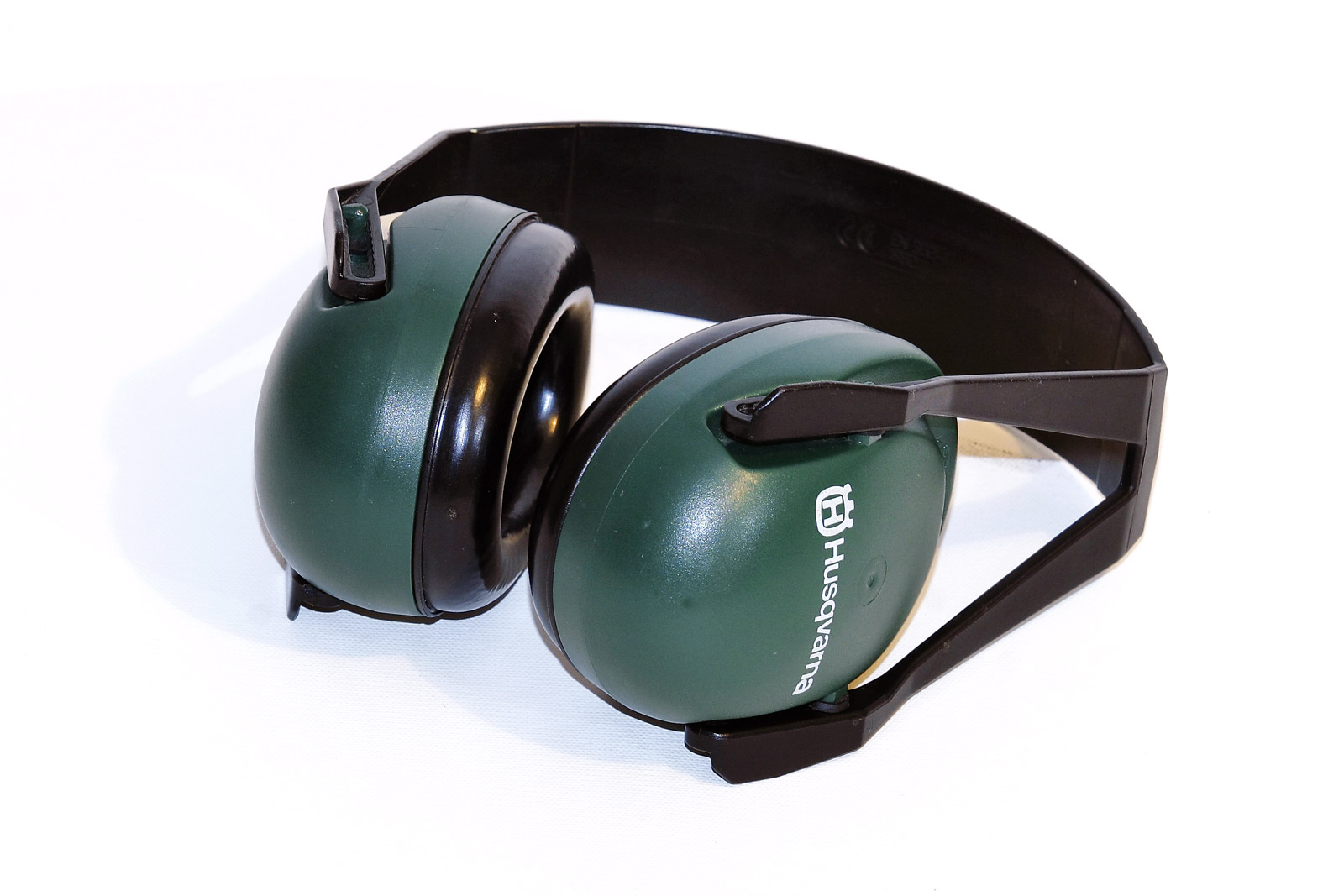
Green ear protection earmuffs (Source: Wikimedia Commons)
Adhering to systematic procedures enhances safety and efficiency during engine diagnosis. For example, a technician at a SACCO vehicle maintenance unit follows a checklist that includes engine shutdown confirmation and securing the vehicle before commencing work.
Preparedness for emergencies during engine diagnosis minimizes injury severity and property damage. Institutions like county government transport units develop emergency response plans tailored to their vehicle maintenance activities.
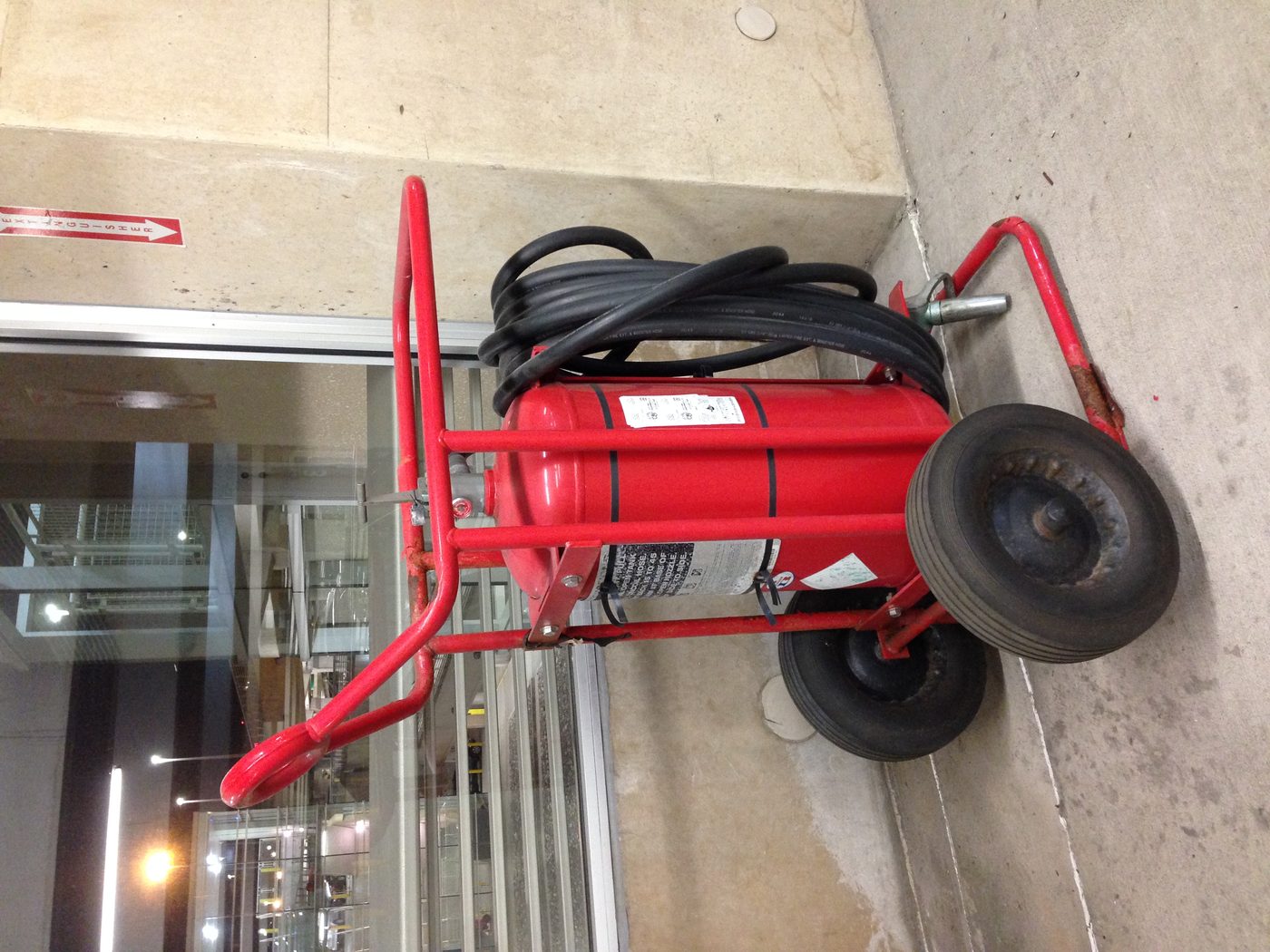
Large wheeled fire extinguisher unit (Source: Wikipedia (Fire extinguisher))
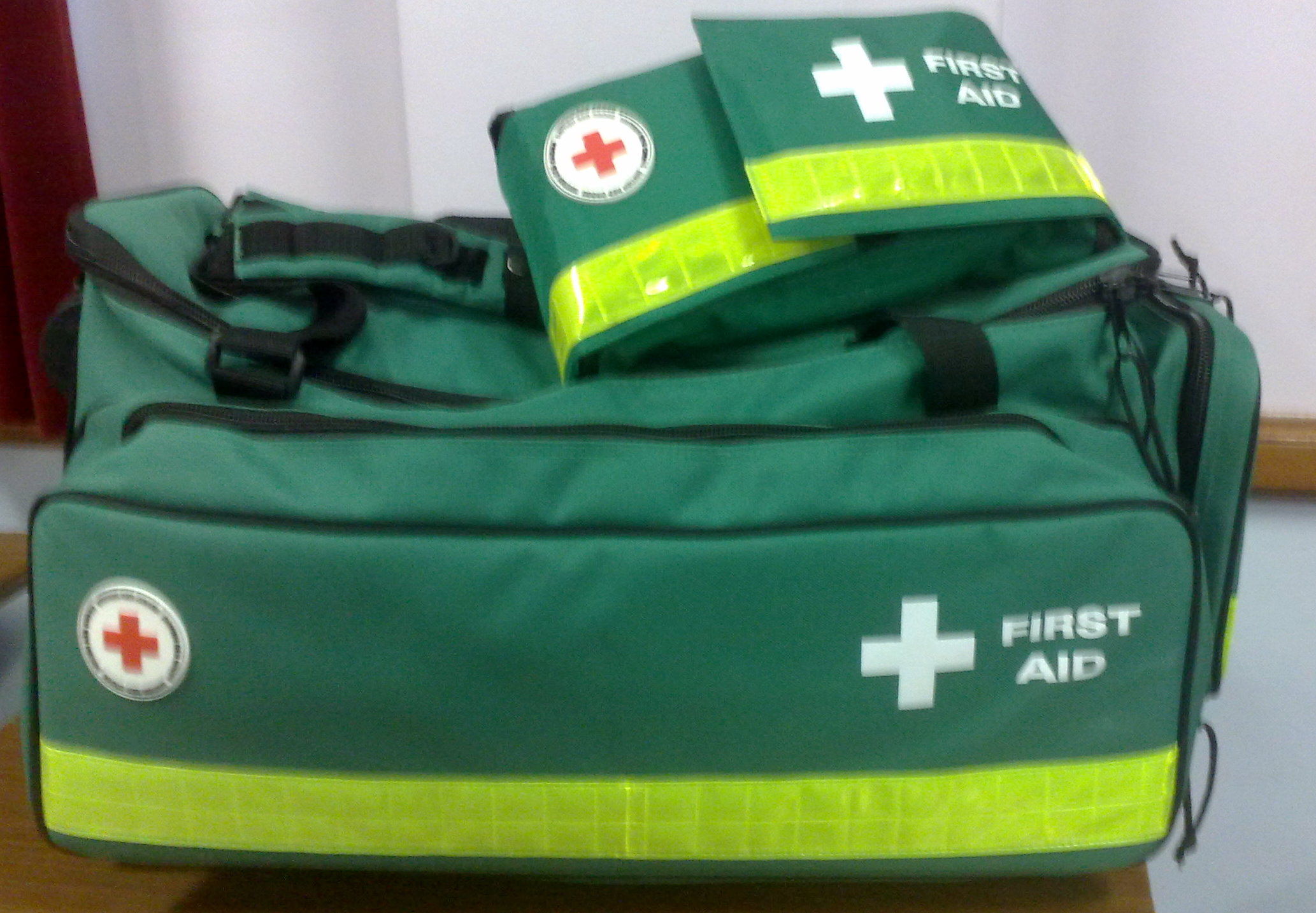
Green first aid kits with cross symbols (Source: Wikipedia (First aid kit))
Create a free account to open more of this chapter.
Free: practical guides, quick cards, workplace scenarios and more.
Create a free accountThis chapter covered essential aspects of carrying out vehicle engine diagnosis, beginning with critical safety measures to protect both the technician and the vehicle during the diagnostic process. It then examined the various tools, equipment, and materials required for effective diagnosis, emphasizing their proper use. The chapter explored the engine management system in detail, focusing on the functions of the Engine Control Unit (ECU) and the role of different engine sensors in monitoring performance. Attention was given to on-board diagnostics systems, which provide real-time data and facilitate fault detection. The study of diagnostic trouble codes highlighted how these codes help identify specific engine faults, enabling accurate and efficient troubleshooting. Overall, the chapter provided a comprehensive understanding of the diagnostic process, integrating safety, technology, and system knowledge to enhance vehicle maintenance practices.
Type: Individual
| Tools & Equipment | Materials |
|---|---|
| Multimeter | Cotton waste |
| Fuel pressure test kit | Overall |
| Engineering stethoscope | Safety boots |
| Assorted Workshop Tools | Hand gloves |
| Workshop manual | Goggles |
| Mask |
| S/N | Item | Quantity |
|---|---|---|
| 1 | Complete vehicle with EFI system | 1 Pc per Candidate |
| 2 | Multimeter | 1 Pc per Candidate |
| 3 | Fuel pressure test kit | 1 Pc per Candidate |
| 4 | Engineering stethoscope | 1 Pc per Candidate |
| 5 | Cotton waste | 100 g per Candidate |
| 6 | Overall | 1 Pc per Candidate |
| 7 | Safety boots | 1 Pair per Candidate |
| 8 | Hand gloves | 1 Pair per Candidate |
| 9 | Goggles | 1 Pc per Candidate |
| 10 | Mask | 1 Pc per Candidate |
| 11 | Assorted Workshop Tools (wrenches, screwdrivers, clamps, wheel chocks, torque wrench) | 1 Set per Candidate |
| 12 | Workshop manual | 1 Pc per Candidate |
| Items to be Evaluated | Marks Available | Marks Obtained | Comments |
|---|---|---|---|
| TASK 1: Implement Diagnosis Safety Measures | |||
| Wore personal protective equipment: overall, safety boots, hand gloves, goggles, mask (Award 1 mark for each correctly worn PPE or zero, total 5 marks) | 5 | ||
| Selected correct tools and equipment including wrenches, screwdrivers, torque wrench, wheel chocks, cleaning supplies (Award 1 mark for each correct tool or zero, total 4 marks) | 4 | ||
| Parked vehicle on a flat, level surface and chocked wheels securely (Award 2 marks for correct parking and chocking or zero) | 2 | ||
| Turned ignition switch to ON position to confirm fuel pump operation (Award 2 marks for correct ignition operation or zero) | 2 | ||
| Relieved fuel system pressure safely before disconnecting fuel lines (Award 2 marks for correct pressure relief or zero) | 2 | ||
| Disconnected fuel pipe from fuel rail safely using correct tools (Award 2 marks for safe disconnection or zero) | 2 | ||
| Tightened clamps and connections securely after inspection (Award 2 marks for correct tightening or zero) | 2 | ||
| Switched ON ignition key and ran fuel pump for two seconds to check pressure (Award 2 marks for correct operation or zero) | 2 | ||
| Started engine and ran it at idle speed to observe fuel system behaviour (Award 2 marks for correct engine start and idle or zero) | 2 | ||
| Checked fuel system pressure within manufacturer’s specified limits using pressure gauge (Award 2 marks for correct pressure check or zero) | 2 | ||
| Inspected fuel lines and injectors for leaks and faults (Award 2 marks for thorough inspection or zero) | 2 | ||
| Disconnected gauge setup, relieved fuel pressure, and removed fuel pressure gauge safely (Award 2 marks for correct disconnection and safety or zero) | 2 | ||
| Sub-Total | 29 | ||
| PRODUCT CHECKLIST | |||
| Vehicle engine prepared safely for diagnosis with all safety measures correctly applied and no fuel leaks or hazards present (Award up to 10 marks for complete, safe and correct preparation of vehicle and application of safety measures) | 10 | ||
| Sub-Total | 10 | ||
| GRAND TOTAL | 39 | ||
Type: Individual
| Tools & Equipment | Materials |
|---|---|
| Multimeter | Cotton waste |
| Compression tester kit | Personal protective equipment |
| Vacuum gauge | Workshop manual |
| Timing light | |
| Spark plug tester | |
| Engineering stethoscope | |
| Assorted hand tools |
| S/N | Item | Quantity |
|---|---|---|
| 1 | Complete petrol engine vehicle | 1 Pc per Candidate |
| 2 | Multimeter | 1 Pc per Candidate |
| 3 | Compression tester kit | 1 Pc per Candidate |
| 4 | Vacuum gauge | 1 Pc per Candidate |
| 5 | Timing light | 1 Pc per Candidate |
| 6 | Spark plug tester | 1 Pc per Candidate |
| 7 | Engineering stethoscope | 1 Pc per Candidate |
| 8 | Assorted hand tools (screwdrivers, wrenches, pliers) | 1 Set per Candidate |
| 9 | Cotton waste | 100 g per Candidate |
| 10 | Personal protective equipment (overall, gloves, goggles, safety boots) | 1 Set per Candidate |
| 11 | Workshop manual for vehicle | 1 Pc per Candidate |
| Items to be Evaluated | Marks Available | Marks Obtained | Comments |
|---|---|---|---|
| TASK 1: Preparation and Safety | |||
| Wore personal protective equipment: overall, gloves, goggles, safety boots (Award 1 mark for each correctly worn PPE or zero) | 4 | ||
| Set up working area: parked vehicle on level surface, chocked wheels (Award 2 marks for correct setup or zero) | 2 | ||
| Sub-Total | 6 | ||
| TASK 2: Use of Diagnostic Tools | |||
| Checked battery voltage using multimeter with correct settings (Award 3 marks for correct procedure and reading or zero) | 3 | ||
| Measured cylinder compression using compression tester on all cylinders (Award 1 mark per cylinder tested correctly up to 5 cylinders or zero) | 5 | ||
| Used vacuum gauge to check engine vacuum and interpreted reading (Award 3 marks for correct connection, reading and interpretation or zero) | 3 | ||
| Tested ignition timing using timing light per manufacturer specifications (Award 4 marks for correct connection, operation and timing check or zero) | 4 | ||
| Tested spark plugs using spark plug tester and noted condition (Award 3 marks for correct test and condition report or zero) | 3 | ||
| Used engineering stethoscope to listen for abnormal engine noises (Award 2 marks for correct use and reporting or zero) | 2 | ||
| Sub-Total | 20 | ||
| TASK 3: Reporting and Cleanup | |||
| Recorded all test results accurately in workshop manual or report sheet (Award 4 marks for complete and accurate recording or zero) | 4 | ||
| Cleaned and stored tools and equipment properly (Award 2 marks for proper cleaning and storage or zero) | 2 | ||
| Cleared working area and disposed of waste cotton properly (Award 2 marks for proper clearing and disposal or zero) | 2 | ||
| Sub-Total | 8 | ||
| PRODUCT CHECKLIST | |||
| Complete and accurate diagnostic test report with all relevant readings (battery voltage, compression, vacuum, ignition timing, spark plug condition) (Award 6 marks for complete and correct report or zero) | 6 | ||
| Sub-Total | 6 | ||
| GRAND TOTAL | 40 | ||
At the start of this chapter we promised you would be able to:
Tick each one you can genuinely do.
So, are you there yet?
You're competent when you can confidently do 50% or more of what this chapter promised.
Sign in to record how you're doing.