Preparing land for growing herbs and spices is a critical stage that influences the success of crop production in Kenya's horticulture sector. Proper land preparation ensures optimal soil conditions, facilitates weed control, and promotes healthy root development, which are essential for high yields of quality herbs and spices. This chapter focuses on the occupational safety and health procedures required during land preparation and the tools, equipment, supplies, and materials necessary for efficient and safe operations in open environments.
2.1 Procedures for Occupational Safety and Health
In the horticultural context, observing occupational safety and health (OSH) procedures during land preparation protects workers from injuries and illnesses that can arise from handling tools, exposure to chemicals, and environmental hazards. Kenyan farms and horticultural enterprises must comply with the Occupational Safety and Health Act and related regulations to ensure worker welfare. Adhering to OSH standards also improves productivity by reducing accidents that cause downtime.
2.1.1 Identifying Hazards in Land Preparation Activities
Identifying potential hazards before commencing land preparation is crucial for preventing accidents and health issues among workers. Hazards can be physical, chemical, biological, or ergonomic in nature.
Physical Hazards
- Uneven terrain and slippery surfaces increase the risk of falls and sprains.
- Sharp tools such as hoes and machetes can cause cuts or puncture wounds if mishandled.
- Exposure to extreme weather conditions, including heat and sun, can lead to heat exhaustion or dehydration.
- Noise from mechanized equipment like tillers may cause hearing impairment if exposure is prolonged.
- Manual handling of heavy loads can result in musculoskeletal injuries.
Chemical Hazards
- Use of herbicides and soil treatments exposes workers to toxic substances that can cause skin irritation, respiratory problems, or poisoning.
- Improper storage and handling of agrochemicals increase the risk of spills and contamination.
- Lack of personal protective equipment (PPE) during chemical application elevates exposure risk.
- Mixing incompatible chemicals can generate hazardous reactions.
- Residual chemicals in the soil may pose long-term health risks.
Biological Hazards
- Contact with soil-borne pathogens, fungi, or parasites can cause infections or allergic reactions.
- Presence of harmful insects or snakes in the field poses bite or sting risks.
- Exposure to contaminated water sources during irrigation or washing may transmit diseases.
- Handling organic waste or compost without protection can lead to health problems.
- Inadequate sanitation facilities increase the risk of communicable diseases among workers.
Ergonomic Hazards
- Repetitive motions such as digging or hoeing without breaks can cause strain injuries.
- Poor posture during manual land preparation leads to back pain and chronic musculoskeletal disorders.
- Use of improperly sized or maintained tools increases physical exertion.
- Overworking without adequate rest breaks results in fatigue and reduced alertness.
- Inadequate training on safe work techniques contributes to injury risk.
2.1.2 Personal Protective Equipment (PPE) Requirements
Proper use of PPE is a fundamental safety measure in land preparation to minimize exposure to hazards and protect workers’ health. PPE must be selected based on the specific risks identified in the working environment.
- Gloves: Protect hands from cuts, chemical exposure, and infections. Durable rubber or leather gloves are ideal for handling tools and agrochemicals.

Pair of yellow work gloves used in carpentry (Source: Wikimedia Commons)
- Safety boots: Provide foot protection against sharp objects, heavy loads, and slippery surfaces. Steel-toed boots are recommended in mechanized operations.
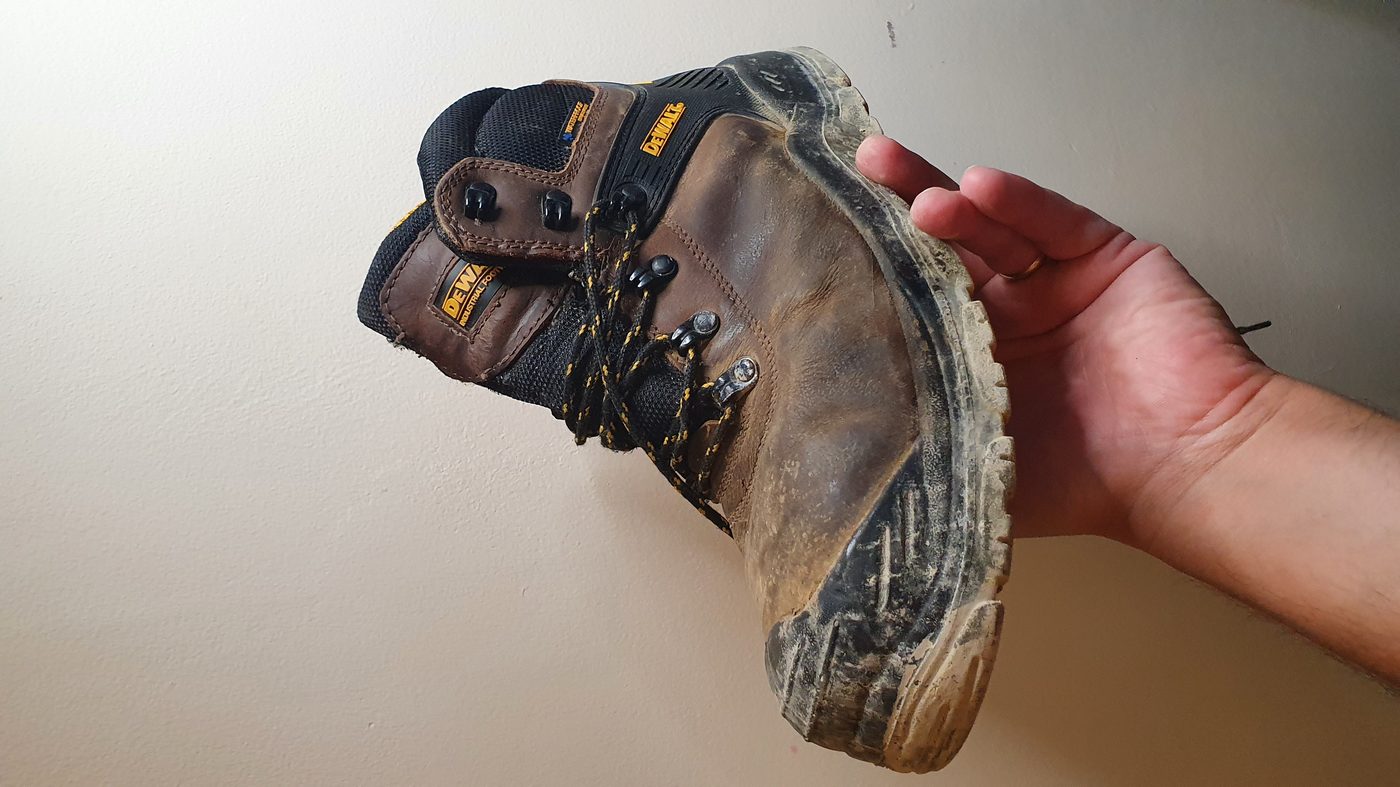
A single safety boot for industrial use (Source: Wikimedia Commons)
- Protective clothing: Long-sleeved shirts and trousers shield skin from sunburn, chemical splashes, and insect bites. Water-resistant materials enhance protection during wet conditions.
- Eye protection: Safety goggles or face shields prevent soil particles, chemical splashes, and debris from injuring the eyes.
- Respiratory masks: Filter dust, fumes, and chemical vapors to reduce respiratory illnesses. Masks should comply with Kenyan occupational health standards.
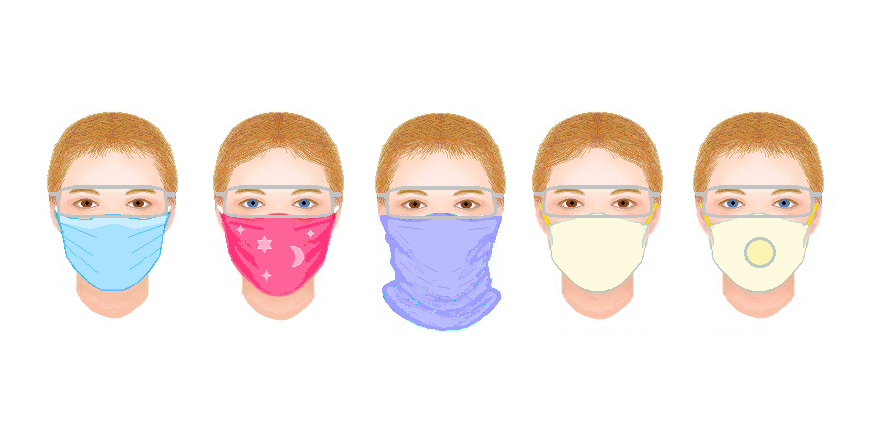
Various types of respiratory masks on faces (Source: Wikimedia Commons)
- Headwear: Wide-brimmed hats or helmets protect against sun exposure and falling objects.
2.1.3 Safe Handling and Operation of Tools and Machinery
Operating tools and machinery safely is vital to prevent accidents during land preparation. Proper training and adherence to safety protocols reduce injury risks.
- Conduct pre-use inspections to ensure equipment is in good working condition and free from defects.
- Follow manufacturer’s guidelines for operation, maintenance, and storage of tools and machinery.
- Use tools only for their intended purposes to avoid damage and injury.
- Maintain a safe distance from others while operating mechanized equipment to prevent collisions or entanglement.
- Switch off machinery and disconnect power sources before cleaning or servicing.
- Report any malfunctions or hazards immediately to supervisors for prompt action.
2.1.4 Emergency Preparedness and First Aid Measures
Preparedness for emergencies during land preparation activities helps mitigate the consequences of accidents and health incidents. Establishing clear procedures and providing first aid resources are essential components of OSH management.
- Develop an emergency response plan that includes evacuation routes, communication channels, and roles of team members.
- Provide first aid kits stocked with necessary supplies such as bandages, antiseptics, and burn treatments at accessible locations.
- Train workers in basic first aid and emergency procedures to enable timely assistance.
- Ensure availability of clean water and shade for treating heat-related illnesses.
- Maintain records of incidents and near-misses to improve safety measures continuously.
The rest of this chapter
🔒Create a free account to open more of this chapter.
Free: practical guides, quick cards, workplace scenarios and more.
Create a free account 🔒2.2 Tools, Equipment, Supplies and Materials
Efficient land preparation for herbs and spices depends on using appropriate tools, equipment, supplies, and materials that suit the scale and nature of the operation. Selecting quality items and maintaining them properly enhances productivity and reduces oper…
🔒2.3 Soil testing
Soil testing is a critical step in preparing land for cultivating herbs and spices in Kenya’s diverse agroecological zones. It provides precise information about soil fertility, pH, nutrient levels, and potential contaminants, enabling horticulturists to make…
🔒2.4 Soil conservation measures
Protecting soil from erosion, nutrient loss, and degradation is fundamental for sustainable herb and spice cultivation in Kenya’s open environments. Soil conservation measures maintain soil health, enhance moisture retention, and prevent topsoil loss, all of w…
🔒2.5 Land preparation
Land preparation is a critical phase in the production of herbs and spices in Kenya's open environments. Proper preparation enhances soil conditions, ensures optimal seedbed formation, and controls pests and weeds, all of which contribute to healthy crop estab…
🔒2.6 Soil amendments
Soil amendments are critical in preparing land for growing herbs and spices in Kenya's diverse agro-ecological zones. They improve soil physical properties, nutrient availability, and pH balance, which directly influence the growth and yield of horticultural c…
🔒2.7 Seedbed Preparation
Seedbed preparation is a critical step in the production of herbs and spices in open environments. In Kenya's horticultural sector, particularly among smallholder farmers and commercial growers, the quality of the seedbed directly influences germination rates,…
🔒2.8 Wastes Management Practices
Effective waste management is fundamental in herb and spice production to maintain environmental sustainability, reduce pest habitats, and enhance farm hygiene. Kenyan herb growers, such as those cultivating lemongrass at a cooperative in Kisumu County, implem…
Chapter Summary
Preparing land for growing herbs and spices involves careful attention to occupational safety and health procedures to protect workers during all activities. The use of appropriate tools, equipment, supplies, and materials is essential to ensure efficiency and effectiveness in land preparation. Soil testing plays a critical role in determining the nutrient status and suitability of the land for specific herb and spice crops. Implementing soil conservation measures such as mulching, contour farming, planting cover crops, constructing gabions, and building terraces helps prevent erosion and maintain soil fertility. Land preparation includes clearing the land, followed by primary, secondary, and tertiary tillage operations to create an optimal environment for planting. Applying soil amendments like manure, lime, gypsum, and fertilizers improves soil structure and nutrient availability. Preparing the seedbed carefully ensures good seed-to-soil contact and promotes healthy crop establishment. Finally, managing wastes responsibly during all these processes helps maintain environmental sustainability and farm hygiene.
Self-Assessment
🔒 PDFDownload this self-assessment, with answers
A. Written Assessment
- What is the primary purpose of conducting soil testing before planting herbs and spices? (2 marks)
- Identify four common tools used in land preparation for herb cultivation and briefly describe their function. (4 marks)
🔒20 more in this section.
Chapter Examination Questions
🔒 PDFDownload these examination questions, with worked answers
SECTION A (40 Marks) - Answer ALL Questions
- Explain four key procedures for ensuring occupational safety and health when preparing land for growing herbs and spices. (4 marks)
- Identify and describe four essential tools or equipment used in land preparation for herb cultivation. (4 marks)
🔒18 more in this section.
Chapter Practical Activities
Practical 1: Implement occupational safety and health procedures during land preparation for herbs and spices
Horticulture · Level 6
Production Of Herbs And Spices In Open Environment
PRACTICAL ASSESSMENT
TIME: 4 HOURS
⬇ PDFCandidate Instructions (Candidate Tool)
Type: Individual
INSTRUCTIONS TO CANDIDATE:
1. You are required to perform the following task:
i. Demonstrate and apply occupational safety and health procedures including proper use of PPE during preparation of a 5m x 5m herb and spice planting plot.
2. You have been provided with the following resources for the practical task:
| Tools & Equipment | Materials |
|---|
| Jembe (fork hoe) | Dust coat |
| Shovel/spade | Gumboots |
| Water bucket | Gloves |
| Warning signs (OSHA compliant) | Face mask |
| First aid kit |
⬇ PDFResources Required (Cutting List)
| S/N | Item | Quantity |
|---|
| 1 | Dust coat | 1 pc per Candidate |
| 2 | Gumboots | 1 pair per Candidate |
| 3 | Gloves | 1 pair per Candidate |
| 4 | Face mask | 1 pc per Candidate |
| 5 | Jembe (fork hoe) | 1 pc per Candidate |
| 6 | Shovel/spade | 1 pc per Candidate |
| 7 | Water bucket | 1 pc per Candidate |
| 8 | Warning signs (OSHA compliant) | 1 pc per Candidate |
| 9 | First aid kit | 1 pc per Candidate |
⬇ PDFAssessor Guide
| Items to be Evaluated | Marks Available | Marks Obtained | Comments |
|---|
| TASK 1: Implement occupational safety and health procedures |
Wore the correct Personal Protective Equipment: dust coat, gumboots, gloves, face mask
(Award 1 mark for each PPE worn or zero) | 4 | | |
Placed warning signs around the 5m x 5m land preparation area
(Award 2 marks if warning signs correctly placed or zero) | 2 | | |
Checked tools for safety and functionality before use
(Award 2 marks if tools inspected and safe or zero) | 2 | | |
Demonstrated safe handling and use of jembe and shovel during land preparation
(Award 2 marks for correct use of each tool or zero) | 4 | | |
Ensured clear communication and safe working distance from others during land preparation
(Award 2 marks if communication and spacing observed or zero) | 2 | | |
Demonstrated proper hydration by using water bucket safely and taking breaks
(Award 2 marks for hydration safety or zero) | 2 | | |
Displayed readiness and knowledge of first aid kit location and use
(Award 2 marks if candidate identifies and explains first aid kit use or zero) | 2 | | |
| Sub-Total | 18 | | |
| PRODUCT CHECKLIST |
Land preparation area clearly marked and safe for work
(Award 3 marks if area is safe and warning signs visible or zero) | 3 | | |
PPE correctly worn throughout the land preparation activity
(Award 4 marks if PPE worn appropriately during entire activity or zero) | 4 | | |
Tools handled safely with no damage or hazards caused
(Award 3 marks if tools handled safely or zero) | 3 | | |
| Sub-Total | 10 | | |
| GRAND TOTAL | 28 | | |
ASSESSMENT OUTCOME: ☐ Competent ☐ Not Yet Competent (competent if at least 50%)
Practical 2: Conduct soil testing for herbs and spices cultivation
Horticulture · Level 6
Production Of Herbs And Spices In Open Environment
PRACTICAL ASSESSMENT
TIME: 4 HOURS
⬇ PDFCandidate Instructions (Candidate Tool)
Type: Individual
INSTRUCTIONS TO CANDIDATE:
1. You are required to perform the following task:
i. Collect soil samples from 0-15 cm depth and perform soil pH, texture, and moisture tests using standard kits and record results accurately.
2. You have been provided with the following resources for the practical task:
| Tools & Equipment | Materials |
|---|
| Soil auger | Plastic soil sample bags |
| Soil test tube | Distilled water bottle |
| Measuring cylinder | pH test kit |
| Glass stirring rod | Label stickers |
| Clean white tray | Permanent marker pen |
⬇ PDFResources Required (Cutting List)
| S/N | Item | Quantity |
|---|
| 1 | Soil auger | 1 Pc per Candidate |
| 2 | Plastic soil sample bags | 5 Pcs per Candidate |
| 3 | pH test kit | 1 Pc per Candidate |
| 4 | Soil test tube | 2 Pcs per Candidate |
| 5 | Distilled water bottle | 500 ml per Candidate |
| 6 | Measuring cylinder 50 ml | 1 Pc per Candidate |
| 7 | Clean white tray | 1 Pc per Candidate |
| 8 | Glass stirring rod | 1 Pc per Candidate |
| 9 | Label stickers | 5 Pcs per Candidate |
| 10 | Permanent marker pen | 1 Pc per Candidate |
| 11 | Dust coat | 1 Pc per Candidate |
| 12 | Gumboots | 1 Pair per Candidate |
| 13 | Gloves | 1 Pair per Candidate |
| 14 | Face mask | 1 Pc per Candidate |
⬇ PDFAssessor Guide
| Items to be Evaluated | Marks Available | Marks Obtained | Comments |
|---|
| TASK 1: Preparation and PPE |
Wore dust coat, gumboots, gloves, and face mask before starting
(Award 0.5 mark for each correct PPE worn or 0) | 2 | | |
Assembled all required tools and materials before soil sampling
(Award 2 marks for assembling all or 0) | 2 | | |
| Sub-Total | 4 | | |
| TASK 2: Soil Sampling |
Collected 5 soil samples at 0-15 cm depth using soil auger
(Award 0.6 mark per correctly collected sample or 0) | 3 | | |
Placed samples into labelled plastic bags with correct site information
(Award 2 marks for correct labelling and handling or 0) | 2 | | |
| Sub-Total | 5 | | |
| TASK 3: Soil Testing |
Prepared soil suspension correctly using soil and distilled water in test tubes
(Award 3 marks for correct preparation or 0) | 3 | | |
Conducted soil pH test accurately using pH test kit
(Award 3 marks for correct pH testing procedure or 0) | 3 | | |
Performed texture test by feel method on moist sample
(Award 2 marks for correct texture assessment or 0) | 2 | | |
Assessed soil moisture visually and by touch
(Award 2 marks for correct moisture assessment or 0) | 2 | | |
| Sub-Total | 10 | | |
| TASK 4: Recording and Clean-up |
Recorded all test results clearly and neatly on provided sheet
(Award 3 marks for complete and accurate record or 0) | 3 | | |
Cleaned all tools and disposed of waste properly
(Award 2 marks for thorough cleaning and proper disposal or 0) | 2 | | |
| Sub-Total | 5 | | |
| PRODUCT CHECKLIST |
Collected soil samples are from correct depth (0-15 cm) and properly labelled
(Award 3 marks for correct depth and clear labelling or 0) | 3 | | |
Soil pH test result is correctly indicated and falls within realistic range (4.5-8.5)
(Award 3 marks for correct pH reading or 0) | 3 | | |
Soil texture and moisture assessments are logical and consistent with soil type
(Award 4 marks for valid texture and moisture results or 0) | 4 | | |
| Sub-Total | 10 | | |
| GRAND TOTAL | 34 | | |
ASSESSMENT OUTCOME: ☐ Competent ☐ Not Yet Competent (competent if at least 50%)
🔒Implement Soil Conservation Measures on Prepared Land 5m x 5mPractical 3
🔒Construct a gabion retaining wall 2000mm long x 800mm high x 500mm wide for soil erosion controlPractical 4
🔒Build terraces on sloping land to prevent soil erosionPractical 5
🔒Clear land area 5m x 5m for planting herbs and spicesPractical 6
🔒Perform primary tillage by ploughing a 3m x 2m plotPractical 7
🔒Perform secondary tillage by harrowing a 5m x 5m herb garden plotPractical 8
🔒Carry out tertiary tillage operations by ridging a 5m x 2m seedbedPractical 9
🔒Apply soil amendments including manure, lime, and gypsum to a 2m x 2m herb garden plotPractical 10
🔒Apply fertilizers evenly on prepared herb and spice landPractical 11
🔒Prepare a fine seedbed for planting herbs and spicesPractical 12
🔒Implement Waste Management Practices During Land Preparation for Herbs and SpicesPractical 13
🔒Select and prepare tools, equipment and materials for land preparation for herbs and spicesPractical 14
🔒Mark Out Contour Lines for Farming on Sloping LandPractical 15
