
By the end of this chapter, you will be able to:
These skills will help you grow healthy, high-quality herbs and spices while working safely and efficiently in a modern farming environment.
Compiled by: Sarah Chebet
The cultivation of herbs and spices within protected environments demands strict adherence to occupational safety procedures to safeguard the health of workers and ensure sustainable production. In Kenya, where horticulture significantly contributes to livelihoods and export earnings, maintaining safe working conditions in greenhouses, shade nets, and other controlled structures is critical. This chapter focuses on the essential occupational safety procedures relevant to professionals managing herb and spice production, emphasizing risk minimization, regulatory compliance, and practical safety measures tailored to Kenya's horticultural sector.
Occupational safety in herb and spice production involves systematic approaches to prevent accidents and health hazards that can arise from exposure to chemicals, equipment, and environmental factors in protected environments. Kenyan horticulture workers face risks including chemical exposure from pesticides and fertilizers, ergonomic injuries from repetitive tasks, and accidents related to machinery and structural elements. Understanding and implementing safety procedures is vital for reducing workplace injuries and ensuring compliance with Kenya’s occupational health and safety laws.
Identifying hazards is the foundational step in occupational safety management. In the context of protected herb and spice cultivation, hazards can be physical, chemical, biological, or ergonomic. Recognizing these risks early enables the development of targeted safety protocols that protect workers and enhance operational efficiency.
Physical hazards in protected environments include risks from machinery such as electric pruning shears, sharp tools used for harvesting, and structural components like glass panels or metal frames that may cause cuts or falls. For example, workers at a Nairobi-based herb farm using greenhouse tunnels must be aware of slippery floors during irrigation schedules to prevent falls.
Exposure to pesticides, herbicides, and fertilizers poses significant chemical hazards. Improper handling or lack of protective gear can lead to skin irritation, respiratory problems, or long-term health effects. At a spice farm near Thika, workers who apply synthetic pesticides without gloves and masks risk severe chemical burns or inhalation injuries.
Workers may encounter biological hazards such as exposure to fungal spores, bacteria, or insect bites. Prolonged handling of compost or organic matter without proper hygiene can lead to infections or allergic reactions, which are common in spice nurseries using organic substrates.
Repetitive motions, awkward postures during planting or harvesting, and manual lifting of heavy materials can cause musculoskeletal disorders. For instance, farm laborers harvesting rosemary in a shaded net house often adopt stooped postures that increase the risk of back strain.
Heat stress and poor ventilation within greenhouses or shade nets can cause dehydration and heat exhaustion. Workers in enclosed environments in Kitui County have reported fatigue due to inadequate airflow during peak sunlight hours.
Proper use of personal protective equipment is a critical component of occupational safety in herb and spice production. PPE reduces exposure to hazards and protects workers from injury and illness.
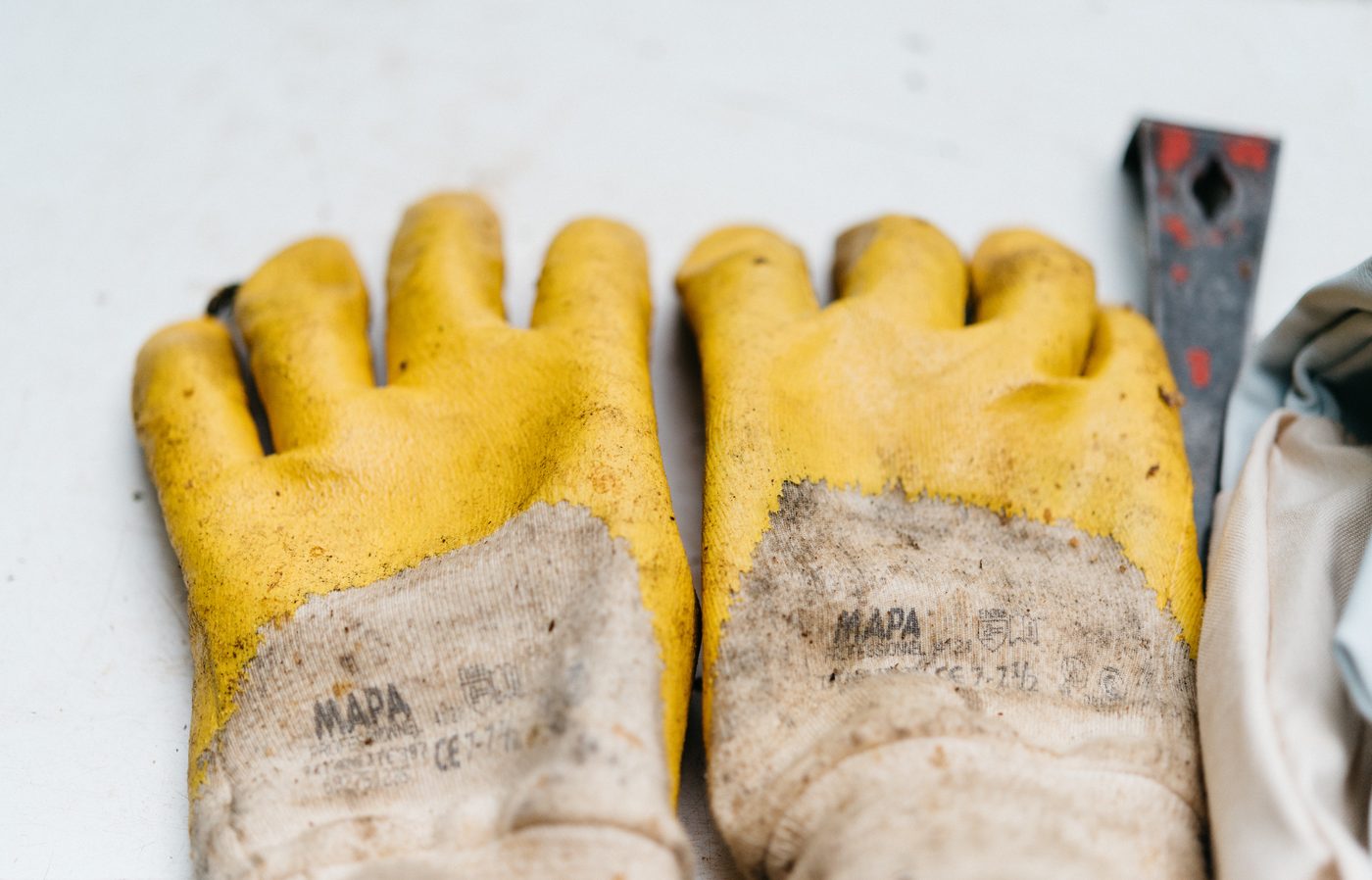
Pair of yellow work gloves used in carpentry (Source: Wikimedia Commons)
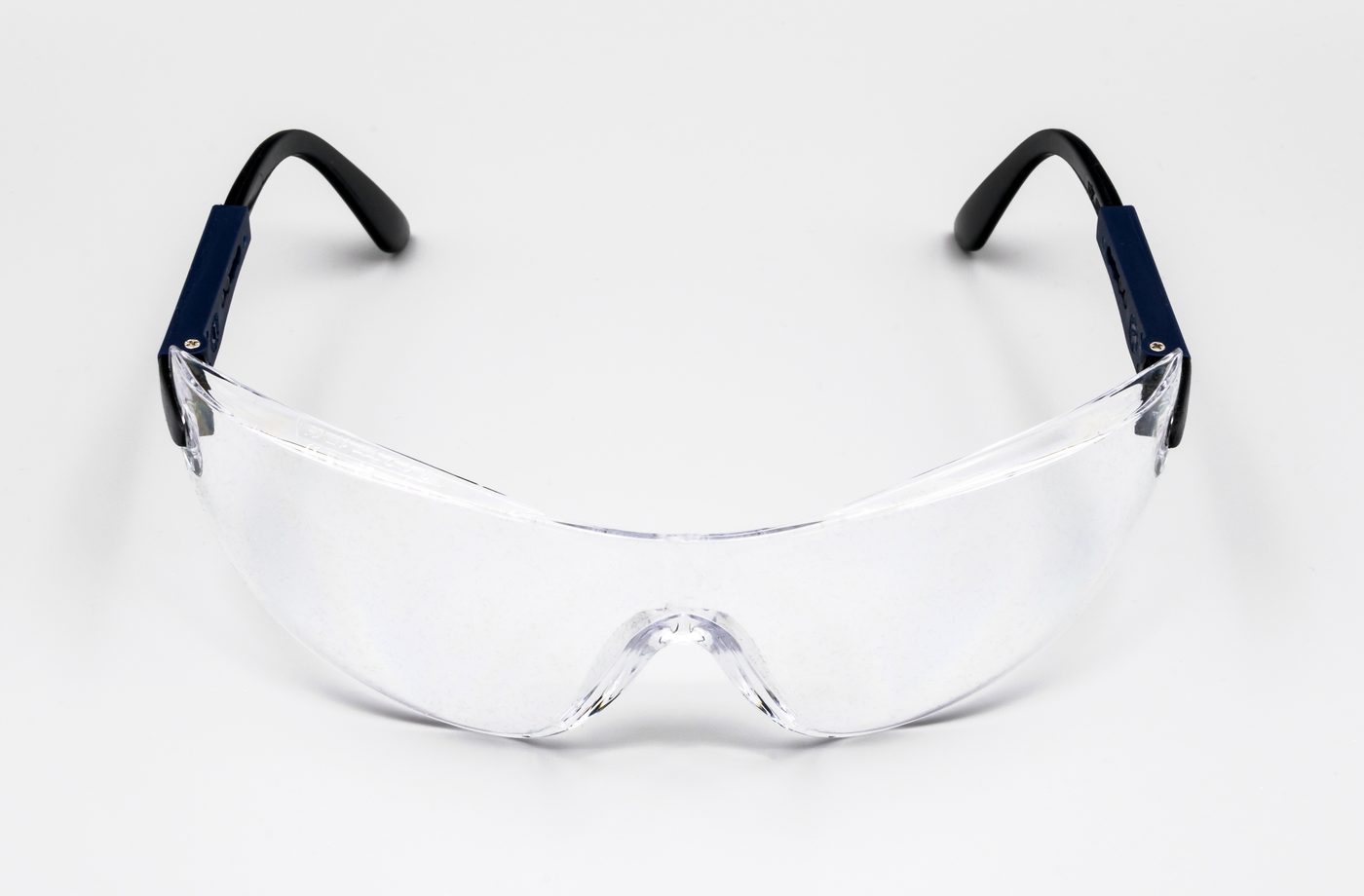
Clear safety goggles for eye protection (Source: Wikimedia Commons)
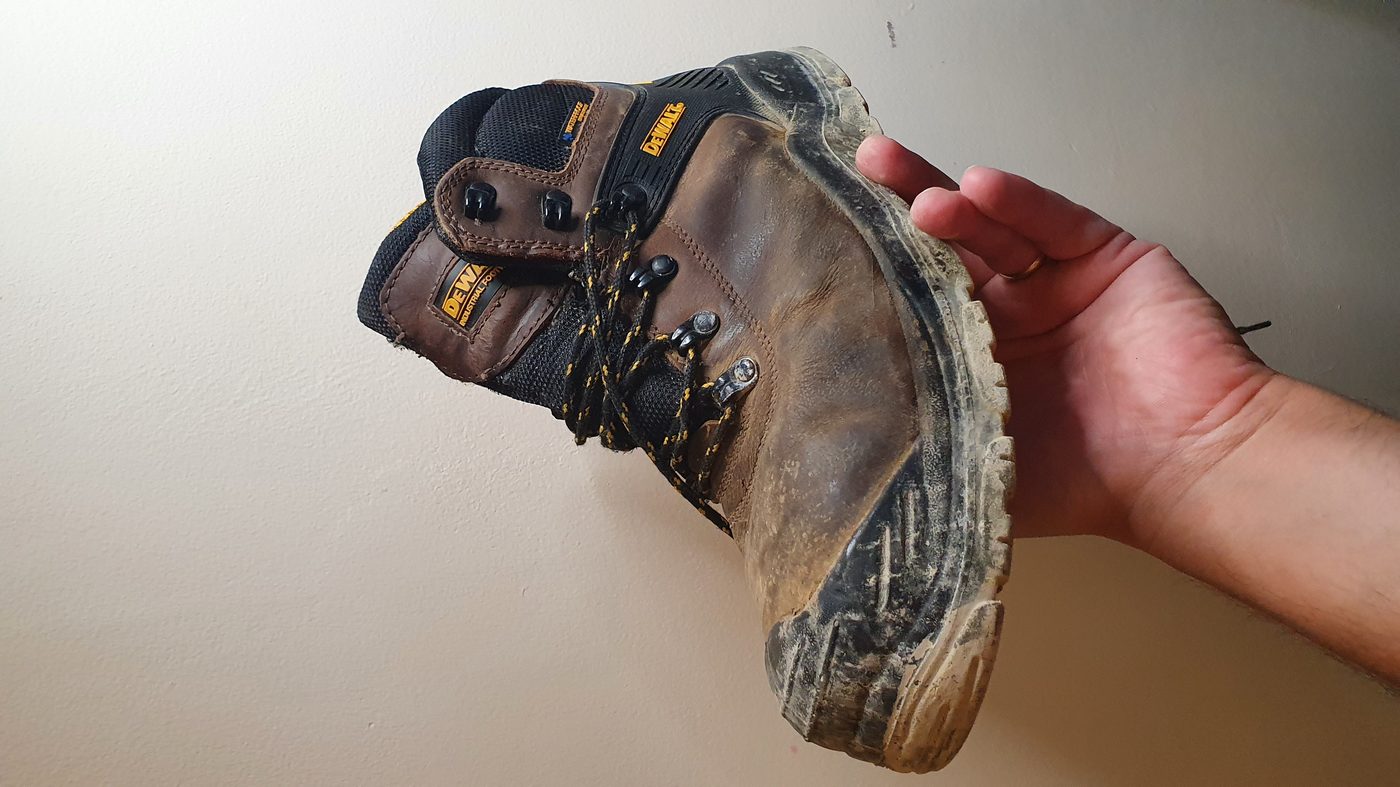
A single safety boot for industrial use (Source: Wikimedia Commons)
Workers must select PPE that fits correctly and is appropriate for the specific hazard. For example, during pesticide spraying in a greenhouse in Eldoret, respirators with appropriate filters must be worn to avoid inhaling toxic fumes. PPE should be inspected before each use to ensure it is intact and clean.
PPE should be cleaned according to manufacturer instructions to maintain effectiveness and prevent contamination. After use, gloves and masks must be stored in a dry, clean area away from direct sunlight. Damaged PPE should be replaced immediately to avoid compromised protection.
Chemicals used in herb and spice production require careful handling and storage to prevent accidents and environmental contamination. Kenyan horticulture enterprises must comply with the Occupational Safety and Health Act (OSHA) and the Pest Control Products Act.
Preparedness for emergencies is essential to minimize the impact of accidents and health incidents in protected herb and spice production environments. Kenyan horticulture managers must establish clear protocols and train workers accordingly.
Create a free account to open more of this chapter.
Free: practical guides, quick cards, workplace scenarios and more.
Create a free accountThis chapter covered essential procedures for occupational safety to ensure a secure working environment during herb and spice production in protected settings. It outlined the various tools, equipment, supplies, and materials required for efficient planting and maintenance. The planting and transplanting procedures were explained with emphasis on correct techniques to promote healthy growth. Agronomic practices specific to protected environment crops were discussed to optimize yield and quality. Structure management practices focused on maintaining the integrity and functionality of protective enclosures. The chapter also addressed crop protection through effective management of diseases using appropriate products. Nutritional requirements for herbs and spices were detailed to support vigorous plant development. Record keeping was emphasized as a critical activity for tracking operations, while waste management practices highlighted sustainable disposal and recycling methods. Finally, emerging trends in protected environment agriculture were introduced to keep growers informed of innovations and best practices.
Type: Individual
| Tools & Equipment | Materials |
|---|---|
| Hoe/Jembe | Herb seeds |
| Tape measure | Well decomposed farmyard manure |
| Watering can | DAP fertilizer |
| Marker pen | Dry mulching material |
| Water | |
| Labeling material |
| S/N | Item | Quantity |
|---|---|---|
| 1 | Gumboots | 1 Pair per Candidate |
| 2 | Overall/Dustcoat | 1 Pc per Candidate |
| 3 | Face mask | 1 Pc per Candidate |
| 4 | Hand gloves | 1 Pair per Candidate |
| 5 | Herb seeds (e.g. coriander or basil) | 20 Grams per Candidate |
| 6 | Watering can (5 litres capacity) | 1 Pc per 5 Candidates |
| 7 | Hoe/Jembe | 1 Pc per 3 Candidates |
| 8 | Tape measure (5 metres) | 1 Pc per 5 Candidates |
| 9 | Labeling material (30 cm x 30 cm plywood) | 1 Pc per Candidate |
| 10 | Marker pen | 1 Pc per Candidate |
| 11 | Well decomposed farmyard manure | Half a Debe per Candidate |
| 12 | DAP fertilizer | 100 Grams per Candidate |
| 13 | Dry mulching material (dry grass or hay) | 1 Kg per Candidate |
| 14 | Water (clean) | 20 Litres per Candidate |
| 15 | Soap or hand wash | 1 Pc per Candidate |
| Items to be Evaluated | Marks Available | Marks Obtained | Comments |
|---|---|---|---|
| TASK 1: Implement Occupational Safety Procedures | |||
| Wore PPEs including gumboots, overall/dustcoat, face mask and hand gloves as per workplace procedures (Award 1 mark for each PPE donned correctly or zero) | 4 | ||
| Assembled all required tools, materials and equipment before starting the task (Award 2 marks for assembling all items or zero) | 2 | ||
| Washed hands using soap before starting work (Award 2 marks for correct hand washing or zero) | 2 | ||
| Prepared the seedbed site by clearing debris and measuring 1m x 1m accurately (Award 1 mark for clearing, 2 marks for correct measurement or zero) | 3 | ||
| Used the hoe/jembe to prepare the seedbed by digging and breaking soil clods to obtain fine tilth (Award marks for proper soil preparation as per safety procedures) | 5 | ||
| Applied DAP fertilizer and well decomposed manure on the seedbed using safe handling methods (Award 2 marks for each application with safety procedures or zero) | 4 | ||
| Made shallow drills 3 cm deep and spaced 20-30 cm apart using a wooden stick safely (Award marks for correct drill making and spacing following safety protocols) | 3 | ||
| Planted herb seeds carefully along the drills and covered with a thin layer of soil without contamination (Award marks for correct planting and soil covering with PPE use) | 4 | ||
| Applied dry mulching material evenly over the seedbed while wearing PPE (Award 2 marks for correct mulching with PPE or zero) | 2 | ||
| Watered the planted seedbed using a watering can safely (Award 2 marks for proper watering technique and PPE use) | 2 | ||
| Labeled the seedbed with plot ID, variety, type of crop and date planted (Award 1 mark for each label item or zero) | 4 | ||
| Cleaned all tools and equipment after use following safety and hygiene procedures (Award 2 marks for proper cleaning or zero) | 2 | ||
| Disposed of waste materials safely at designated places as per EMCA guidelines (Award 2 marks for correct waste disposal or zero) | 2 | ||
| Sub-Total | 39 | ||
| PRODUCT CHECKLIST | |||
| Seedbed prepared with correct dimensions of 1m x 1m (Award 4 marks for correct measurement or zero) | 4 | ||
| Seedbed soil tilth is fine and well prepared with no large clods (Award 4 marks for good tilth or zero) | 4 | ||
| Fertilizer and manure applied evenly and mixed properly (Award 4 marks for correct application or zero) | 4 | ||
| Drills made correctly 3 cm deep and spaced 20-30 cm apart (Award 4 marks for correct drill depth and spacing or zero) | 4 | ||
| Seeds planted singly and covered lightly with soil (Award 4 marks for correct planting or zero) | 4 | ||
| Mulching applied evenly in a thin layer (Award 3 marks for correct mulching or zero) | 3 | ||
| Seedbed labeled clearly with all required information (Award 3 marks for clear labeling or zero) | 3 | ||
| Sub-Total | 26 | ||
| GRAND TOTAL | 65 | ||
Type: Individual
| Tools & Equipment | Materials |
|---|---|
| Gumboots | Well decomposed farmyard manure |
| Dust coat/Overall | DAP fertilizer |
| Face mask | Herb and spice seeds (coriander) |
| Hand gloves | Dry mulching material |
| Tape measure | Water |
| Hoe/Jembe | Labeling material |
| Panga | Foolscap notebook |
| Watering can | Pen |
| Small wooden stick | |
| Marker pen | |
| Nails | |
| Timber |
| S/N | Item | Quantity |
|---|---|---|
| 1 | Gumboots | 1 Pair per Candidate |
| 2 | Dust coat/Overall | 1 Pc per Candidate |
| 3 | Face mask | 1 Pc per Candidate |
| 4 | Hand gloves | 1 Pair per Candidate |
| 5 | Tape measure | 1 Pc per Candidate |
| 6 | Hoe/Jembe | 1 Pc per Candidate |
| 7 | Panga | 1 Pc per Candidate |
| 8 | Watering can | 1 Pc per Candidate |
| 9 | Labeling material (30 cm by 30 cm plywood) | 1 Pc per Candidate |
| 10 | Marker pen | 1 Pc per Candidate |
| 11 | Well decomposed farmyard manure | Half a Debe per Candidate |
| 12 | DAP fertilizer | 100 g per Candidate |
| 13 | Herb and spice seeds (e.g. coriander) | 10 g per Candidate |
| 14 | Dry mulching material (dry grass or hay) | 1 kg per Candidate |
| 15 | Water | 20 Litres per Candidate |
| 16 | Small wooden stick | 1 Pc per Candidate |
| 17 | Nails (2 inch) | 2 Pcs per Candidate |
| 18 | Timber (2" x 1" x 7 ft) | 1 Pc per Candidate |
| 19 | Foolscap notebook | 1 Pc per Candidate |
| 20 | Pen | 1 Pc per Candidate |
| Items to be Evaluated | Marks Available | Marks Obtained | Comments |
|---|---|---|---|
| TASK 1: Prepare and Use Tools, Equipment, Supplies and Materials for Herb and Spice Seedbed | |||
| Wore PPEs including gumboots, dust coat/overall, face mask and hand gloves as per workplace procedures (Award 1 mark for each PPE donned or zero) | 4 | ||
| Assembled all required tools, equipment, and materials for the seedbed preparation (Award 2 marks for assembling all or zero) | 2 | ||
| Measured and marked a 1m x 1m seedbed site using tape measure and timber (Award 1 mark for correct site selection and 1 mark for accurate measurement or zero) | 2 | ||
| Prepared the seedbed by clearing vegetation and using hoe/jembe and panga to break soil clods to fine tilth (Award 2 marks for clearing, 2 marks for breaking soil, 2 marks for fine tilth or zero) | 6 | ||
| Applied 100g DAP fertilizer and appropriate amount of well decomposed farmyard manure, mixed thoroughly with soil (Award 3 marks for correct fertilizer application and 3 marks for manure mixing or zero) | 6 | ||
| Made shallow drills 3cm deep spaced 20-30 cm apart using small wooden stick (Award 2 marks for correct depth and 2 marks for correct spacing or zero) | 4 | ||
| Planted coriander seeds singly along the drills and covered with thin layer of soil, firmed gently (Award 2 marks each for placing seeds singly, covering seeds, and firming soil or zero) | 6 | ||
| Mulched the seedbed with a thin layer of dry mulching material (Award 2 marks for proper mulching or zero) | 2 | ||
| Watered the seedbed using watering can sufficiently (Award 2 marks for correct watering or zero) | 2 | ||
| Labeled the seedbed with plot ID, variety, type of crop, and date planted (Award 1 mark for each correctly labeled item or zero) | 4 | ||
| Cleaned tools and equipment after use (Award 1 mark for cleaning or zero) | 1 | ||
| Disposed waste materials appropriately as per environmental guidelines (Award 1 mark for proper disposal or zero) | 1 | ||
| Sub-Total | 40 | ||
| PRODUCT CHECKLIST | |||
| Seedbed measures 1m x 1m as marked and prepared (Award 4 marks for correct dimensions or zero) | 4 | ||
| Soil in seedbed is fine tilth, free from large clods and well mixed with manure and fertilizer (Award 4 marks for soil condition or zero) | 4 | ||
| Drills are uniform, shallow (3cm deep), and evenly spaced (20-30cm apart) (Award 4 marks for correct drills or zero) | 4 | ||
| Seeds are planted singly, properly covered and soil firmed gently (Award 6 marks for correct planting or zero) | 6 | ||
| Mulch layer is thin and evenly applied over the seedbed (Award 3 marks for proper mulching or zero) | 3 | ||
| Seedbed is well watered without waterlogging (Award 3 marks for appropriate watering or zero) | 3 | ||
| Seedbed is clearly and correctly labeled with all required information (Award 4 marks for labeling or zero) | 4 | ||
| Sub-Total | 28 | ||
| GRAND TOTAL | 68 | ||
At the start of this chapter we promised you would be able to:
Tick each one you can genuinely do.
So, are you there yet?
You're competent when you can confidently do 50% or more of what this chapter promised.
Sign in to record how you're doing.